Full Article
about Arratzua-Ubarrundia (Arrazua-Ubarrundia)
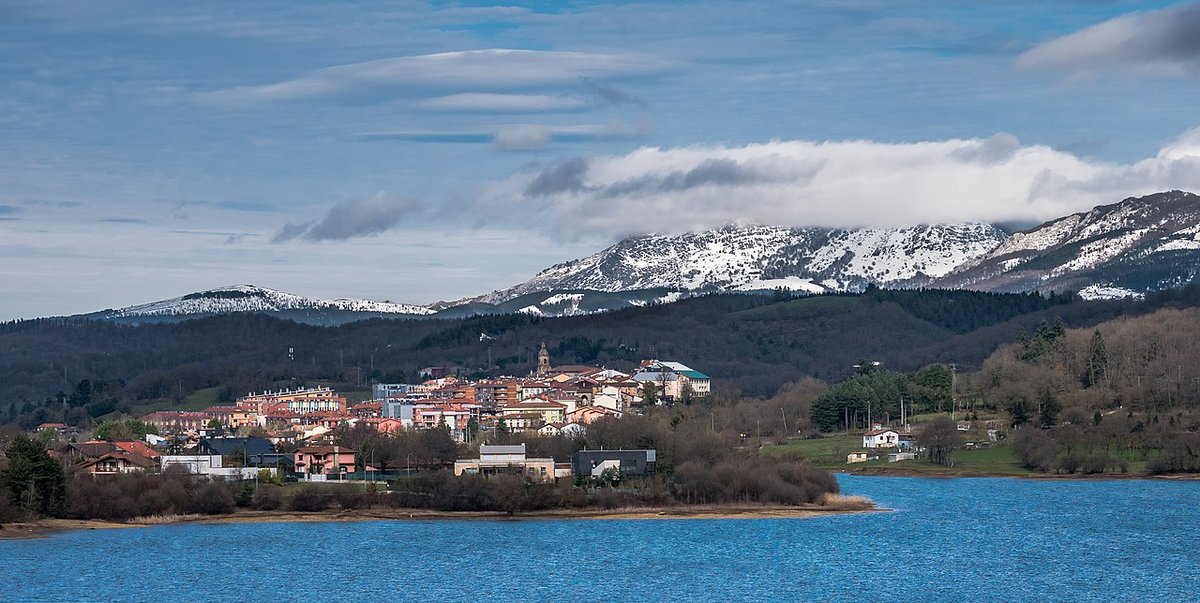
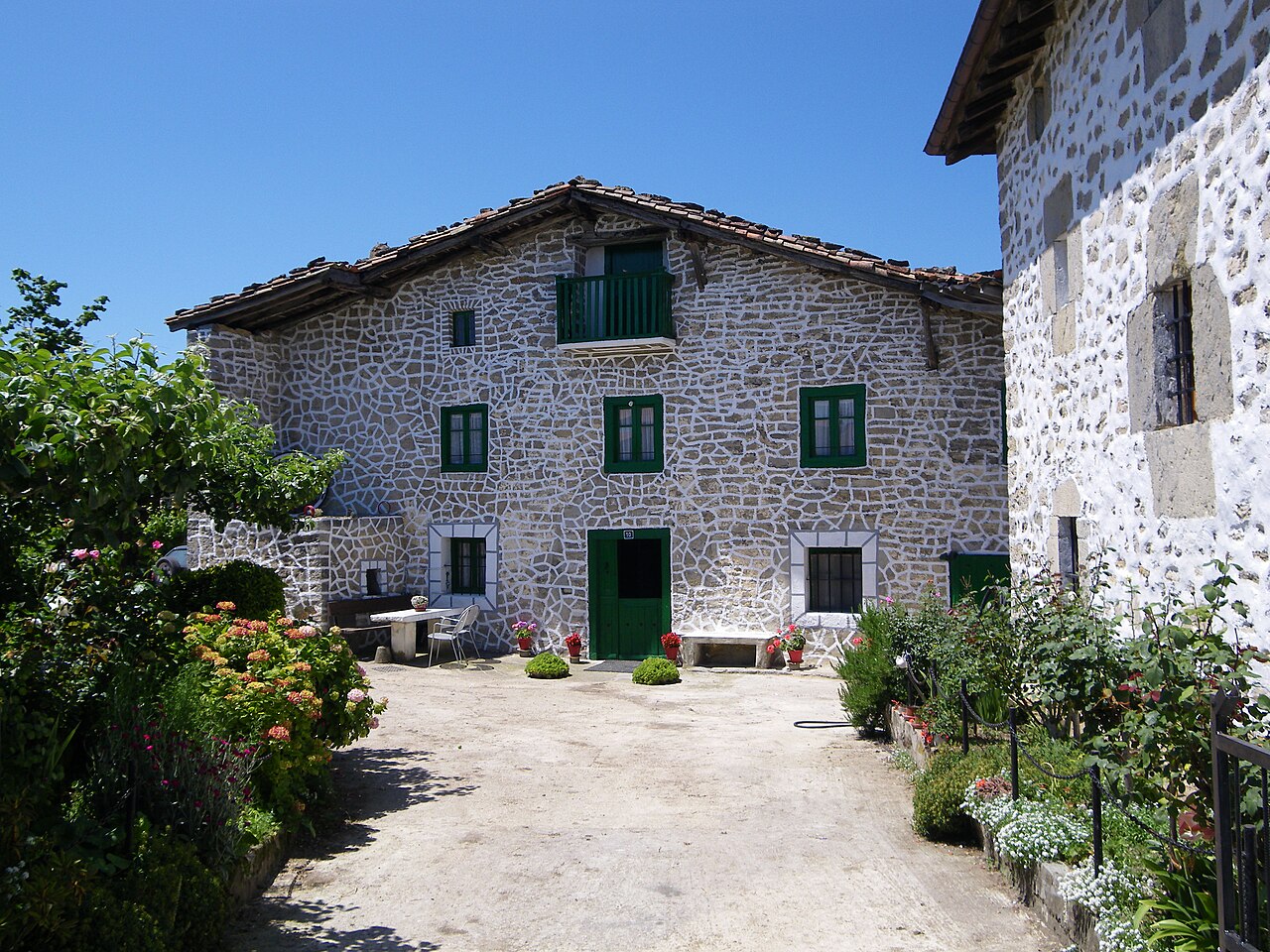
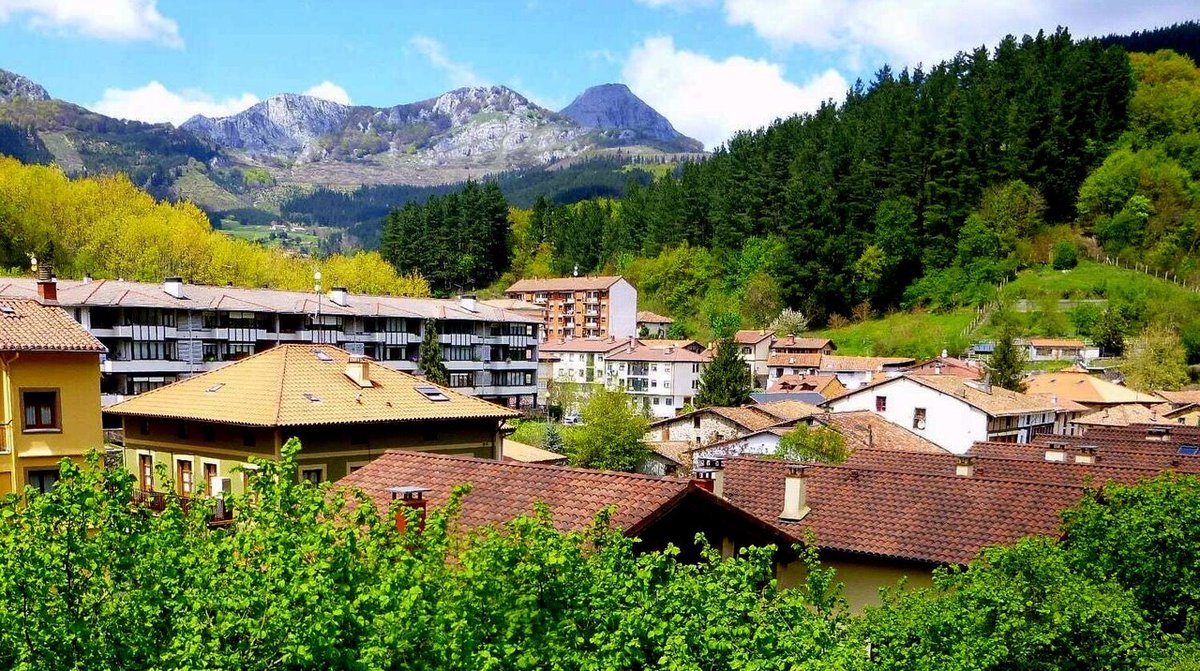
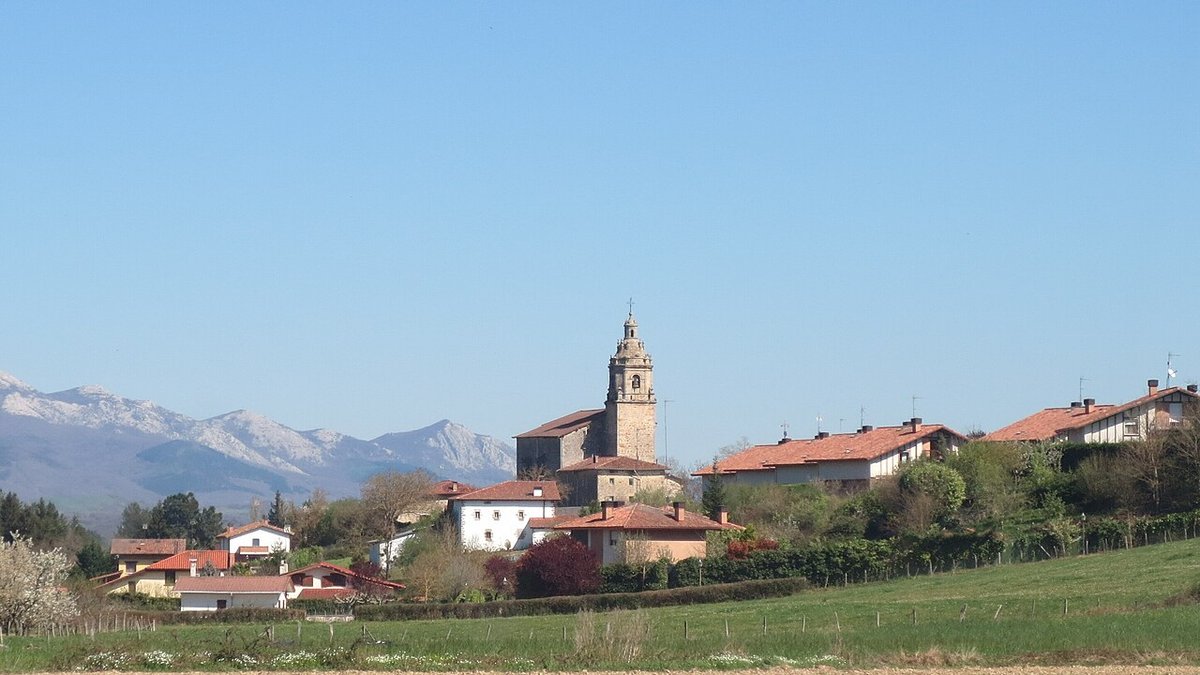
Deep green, farmhouses and nearby mountains with trails and viewpoints.
Hide article Read full article
A municipality in pieces
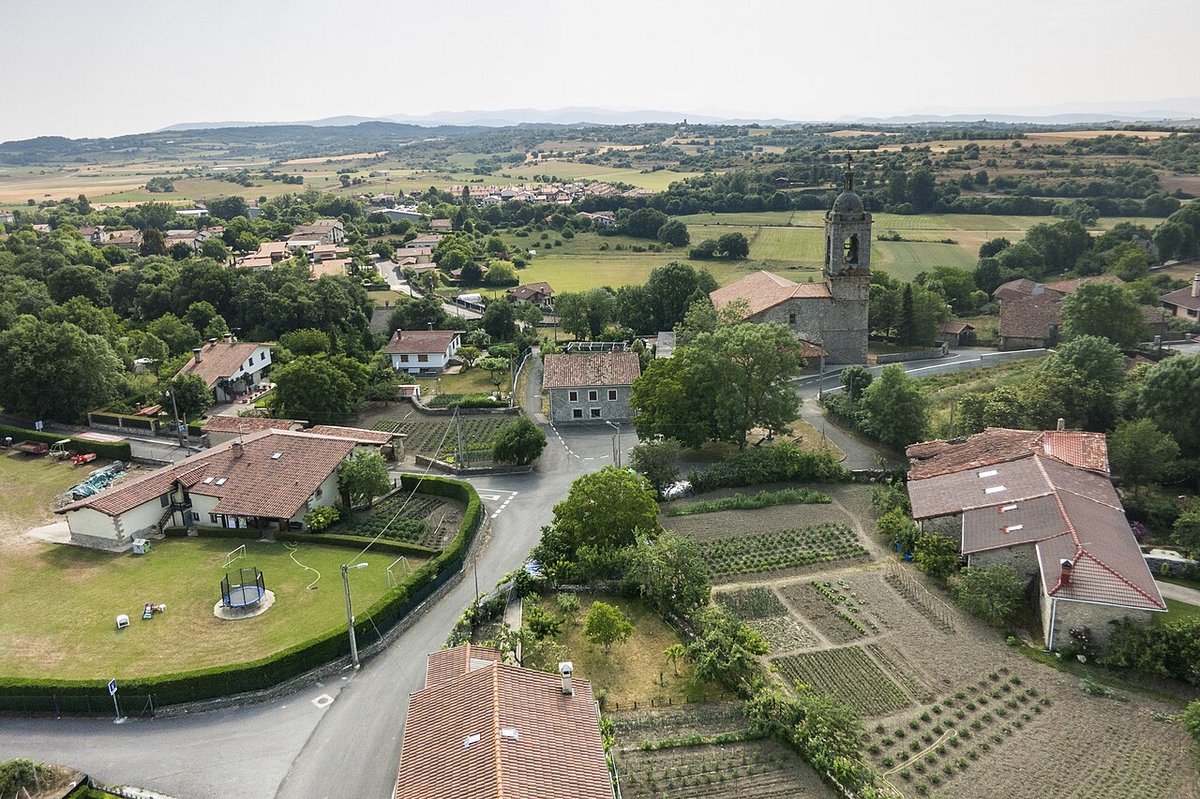
Tourism in Arratzua-Ubarrundia usually begins with a simple question: where to leave the car. The villages are spread out, and the roads that link them are local and sometimes narrow. The usual approach is to park on the edge of each settlement and continue on foot for a few minutes.
This is not a single historic centre where everything gathers around one square. Arratzua-Ubarrundia is made up of several small villages a short distance from Vitoria-Gasteiz. Exploring it means moving in stages. You stop, look around, then head on to the next place.
That rhythm defines the visit. Nothing here demands long stays in one spot. Instead, the area reveals itself through short pauses and small details, with the landscape quietly linking everything together.
Estíbaliz and other landmarks
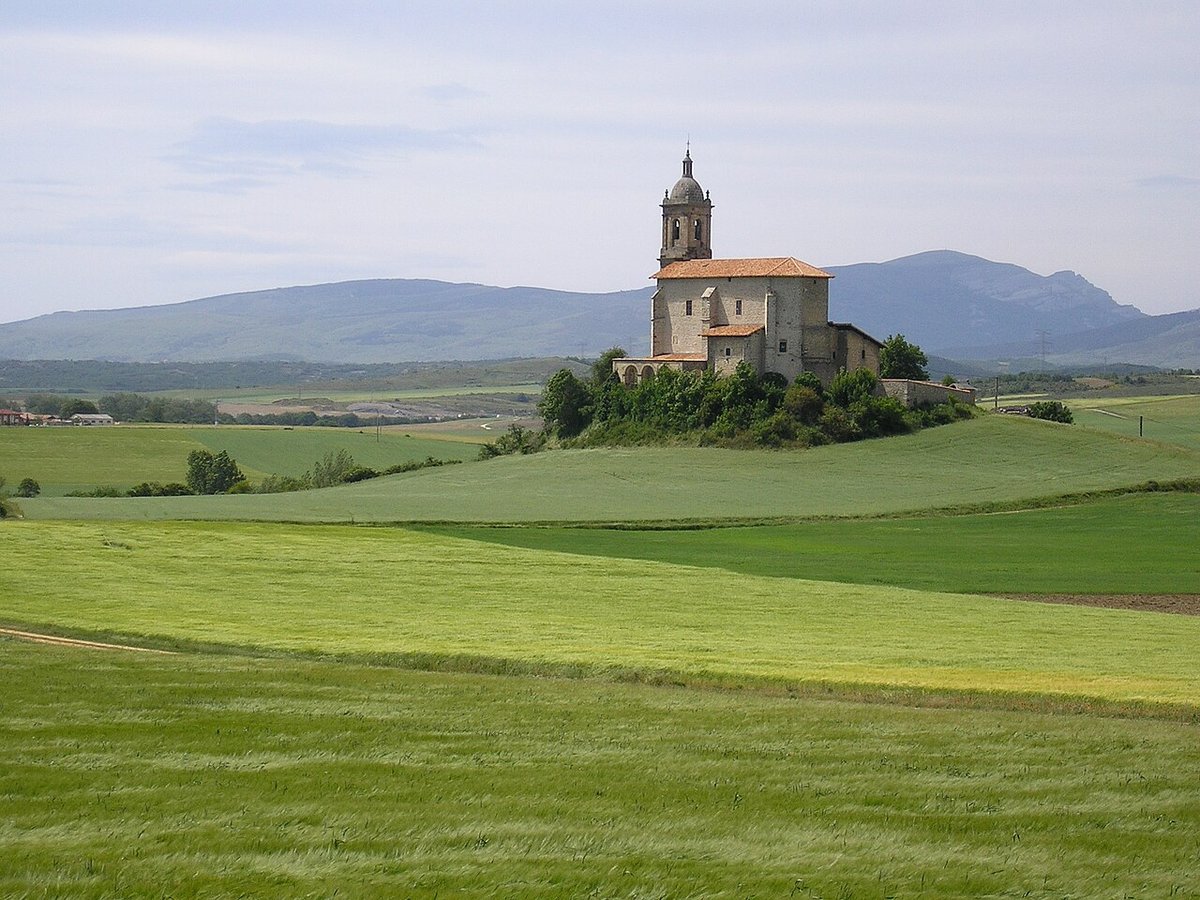
The best-known point is the Santuario de Nuestra Señora de Estíbaliz, set on top of a hill. Its position makes it visible from a distance, and the climb up is part of the experience. The church is Romanesque in style, with a sober appearance, thick walls and very little decoration. The apse and the crypt make it clear that the building has stood here for centuries.
There is one practical detail to keep in mind. The interior is not always open to visitors. Outside of religious services or specific events, it may be closed. It is worth assuming that the visit could be limited to the exterior and the surroundings of the hill, which still offer a clear sense of the place.
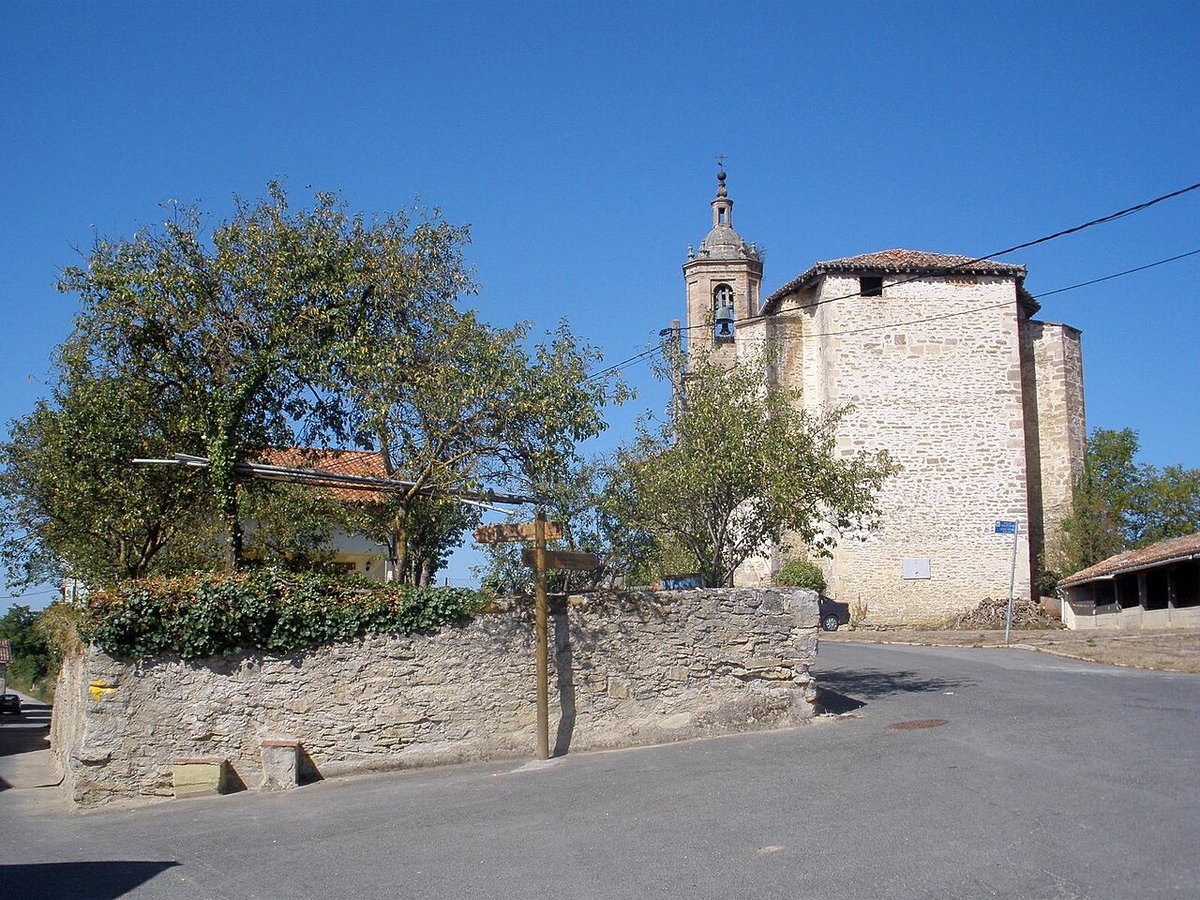
In Ullíbarri-Jáuregui, the church of San Esteban reflects additions from different periods. The village itself is small, and the interest lies less in a single standout monument and more in the overall feel. Walking here means paying attention to the details: stone doorways, older courtyards, and the quiet arrangement of the houses.
Durana works more as a point of passage than a destination in itself. From here, simple paths lead out across meadows and low hills. The terrain is gentle, and the views open out towards the plains near Vitoria. It is a place to stretch your legs briefly rather than to linger over specific sights.
Moving between villages
The appeal of Arratzua-Ubarrundia comes from linking several villages in a short time. Distances are small, and the landscape does not make things difficult.
There are rural paths that can be followed on foot or by bike. They are not technical routes. Instead, they offer calm stretches between fields and small wooded areas. The surroundings change noticeably with the seasons. In summer, cereal crops dominate. Spring brings a more intense green, while colder months leave the land more bare.
This variety gives each visit a slightly different tone, even if the structure remains the same. Short walks connect one stop to the next, and the transitions between villages become part of the experience rather than just a way of getting around.
Arratzua-Ubarrundia also works as a brief stop if you are already travelling through the Gorbeia area or across the Llanada Alavesa, the wide plain around Vitoria-Gasteiz. A couple of short walks are enough to form a clear impression of the municipality.
Local festivals and traditions
The sanctuary of Estíbaliz still holds a place in local life. Traditionally, pilgrimages known as romerías are held in connection with this devotion, usually after Pentecost. These gatherings combine religious elements with a more social atmosphere, and they continue to shape the rhythm of the area.
The wider region also marks the festival of San Prudencio, which is strongly rooted in Álava and typically takes place at the end of April. Each village organises its own programme, and these can vary from year to year. Anyone hoping to catch a livelier moment should check what is happening locally before arriving.
These events can change the otherwise quiet pace of the municipality. Roads become busier, and the small scale of the villages becomes more noticeable when more people gather.
Before you go
It is worth setting expectations clearly. This is not a monumental town where major sights follow one after another. The visit only makes sense if you are prepared to move between several places.
Stops tend to be short. Ten or fifteen minutes in each village is usually enough to get a sense of it before continuing on.
On days when a romería or local festival is taking place, traffic can be more complicated than usual. The most practical option is often to leave the car as soon as you find a space and complete the rest on foot. In villages of this size, that usually means walking for no more than a few minutes.
Arratzua-Ubarrundia does not try to overwhelm. It asks for a different pace, one built around small discoveries and brief visits, with the landscape tying everything together.