Full Article
about Urkabustaiz (Urcabustaiz)
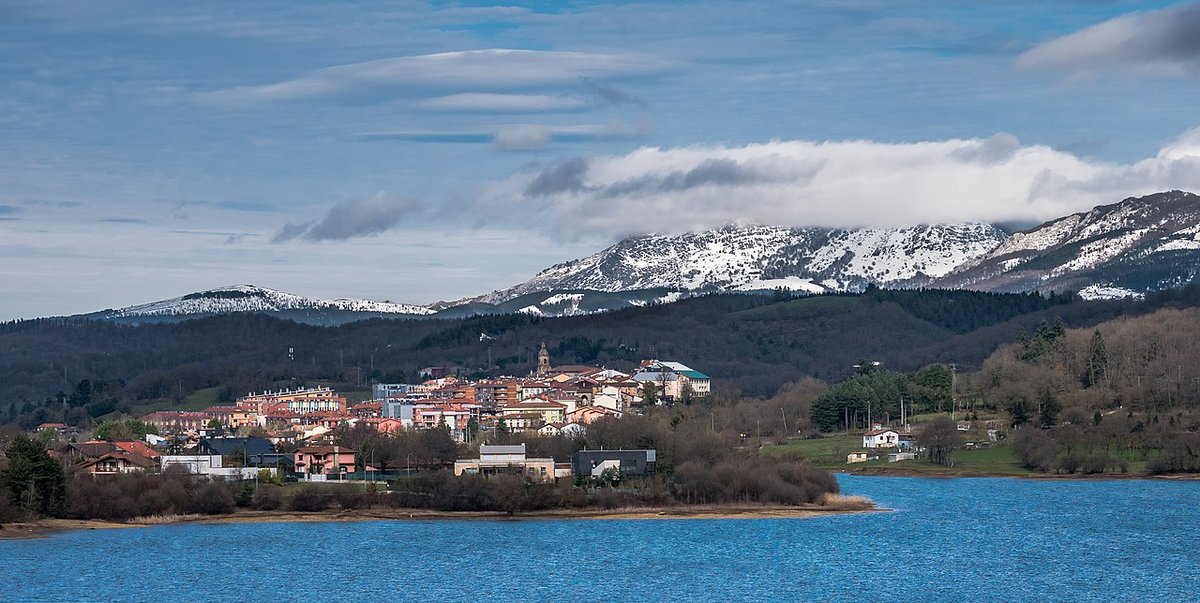
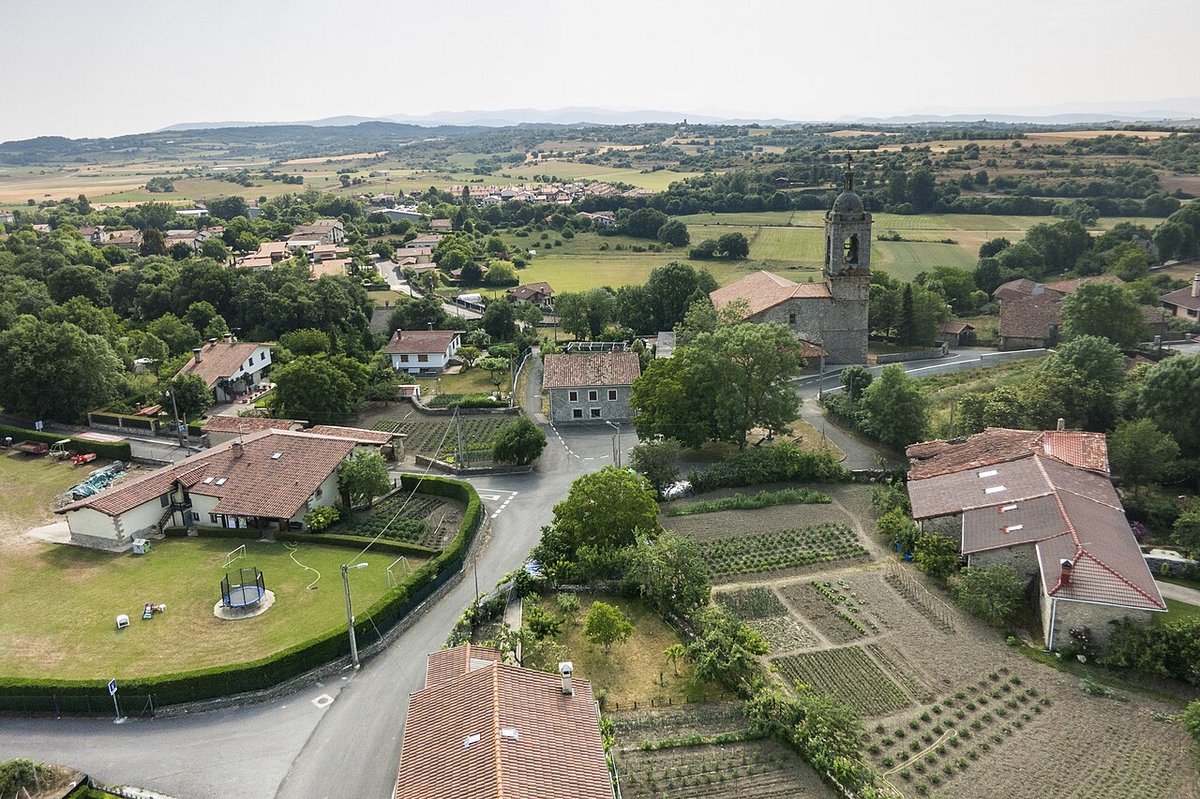
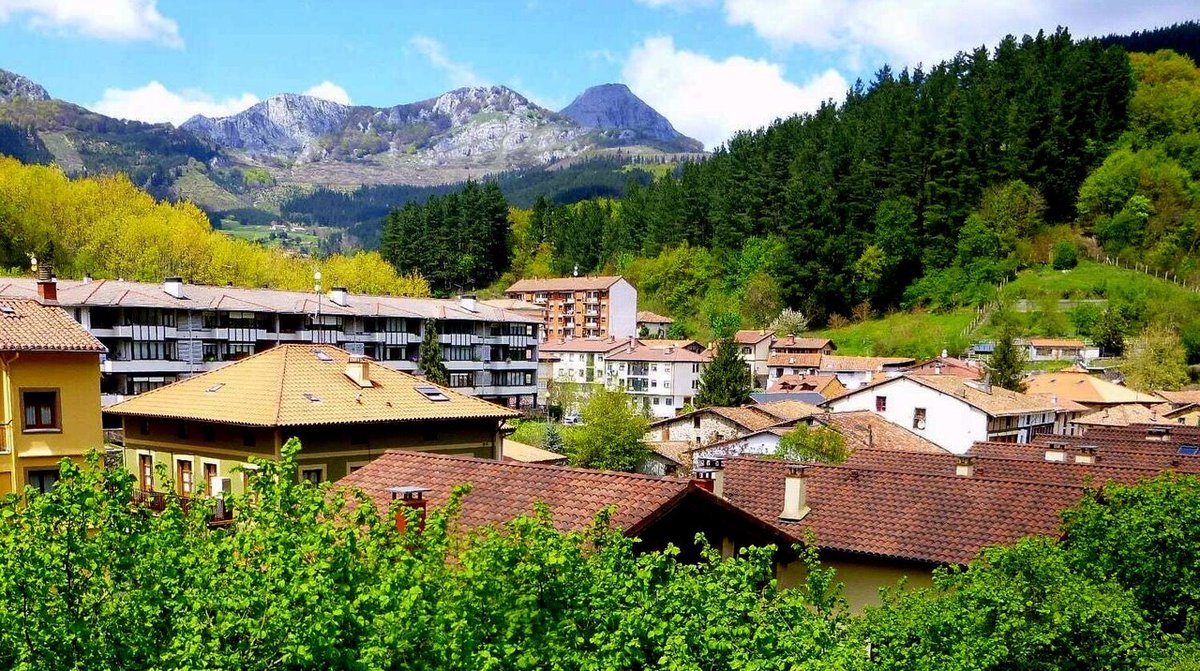
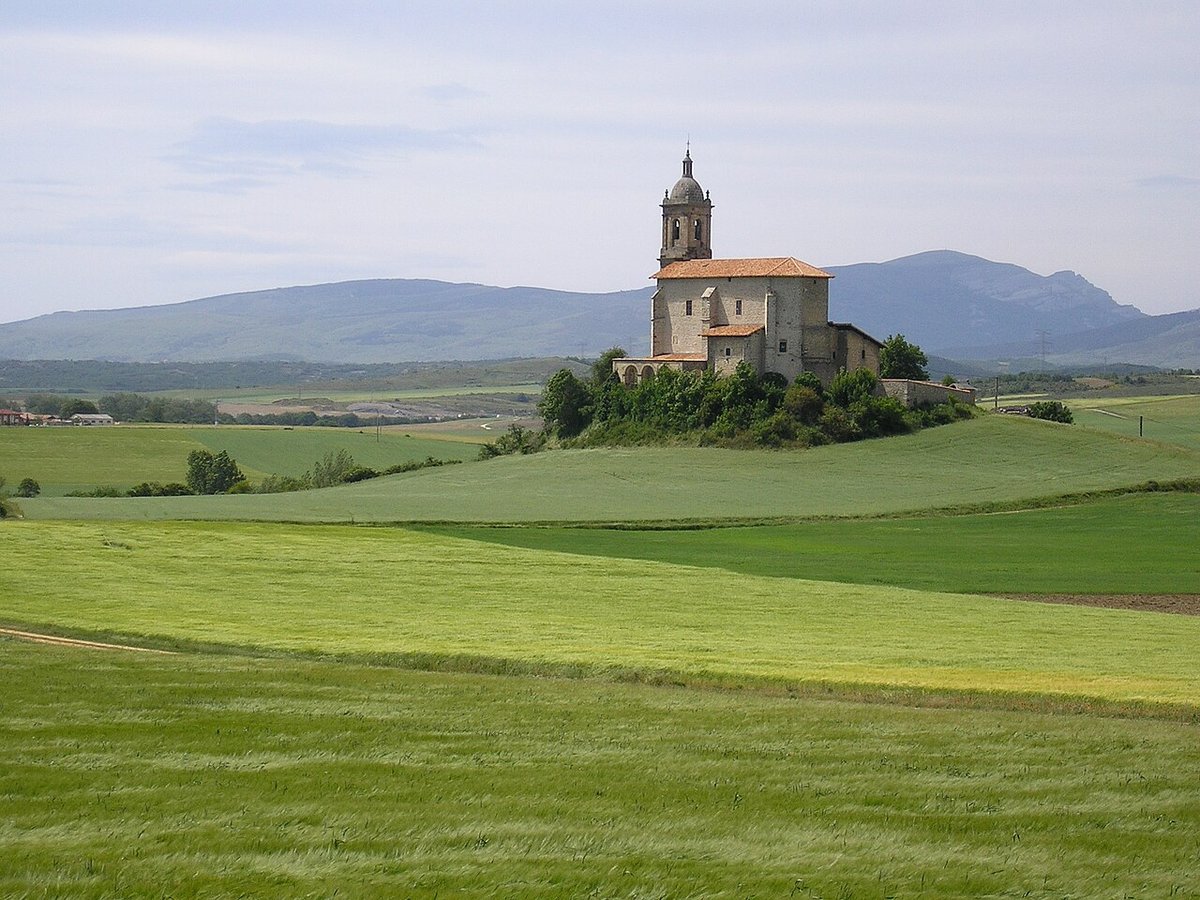
Deep green, farmhouses and nearby mountains with trails and viewpoints.
Ocultar artículo Leer artículo completo
The church bell in Izarra tolls twice, then stops. Nobody appears. A tractor idles outside the only bar, its driver inside drinking a cortado while the engine cools. This is Urkabustaiz: not a single place but a loose federation of stone houses, lanes that taper into tracks, and meadows where the grass grows right to the door. At 600 metres above sea-level, the air carries the faint metallic scent of beech and damp iron that you notice only when London is 900 kilometres behind you.
A Territory Rather Than a Town
Administrators call Urkabustaiz a municipality; locals call it “the valley.” Five thousand residents are scattered across half a dozen nuclei—Izarra, Murua, Zumárraga de Urkabustaiz, Gopegui—each too small to justify a petrol station. The gap between houses is measured in cow-lengths, not metres. Drive the AA road atlas and you will search in vain for a centre; the green stripe of the N-622 skirts the edge like a shy guest, delivering you to Vitoria-Gasteiz in 35 minutes when the lights are kind.
What pulls people out of the car is the frame rather than the picture. Gorbeia Natural Park rises immediately south, its summit often wearing a cloud like a forgotten hankie. On a clear April morning you can stand on the grass verge above Murua and watch the land fold itself into Biscay, the Cantabrian Sea a silver suggestion on the horizon. No viewpoint sign, no Instagram board, just a lay-by wide enough for two hatchbacks and a dry-stone wall to lean against.
Stone, Wood and the Problem of “Nothing to See”
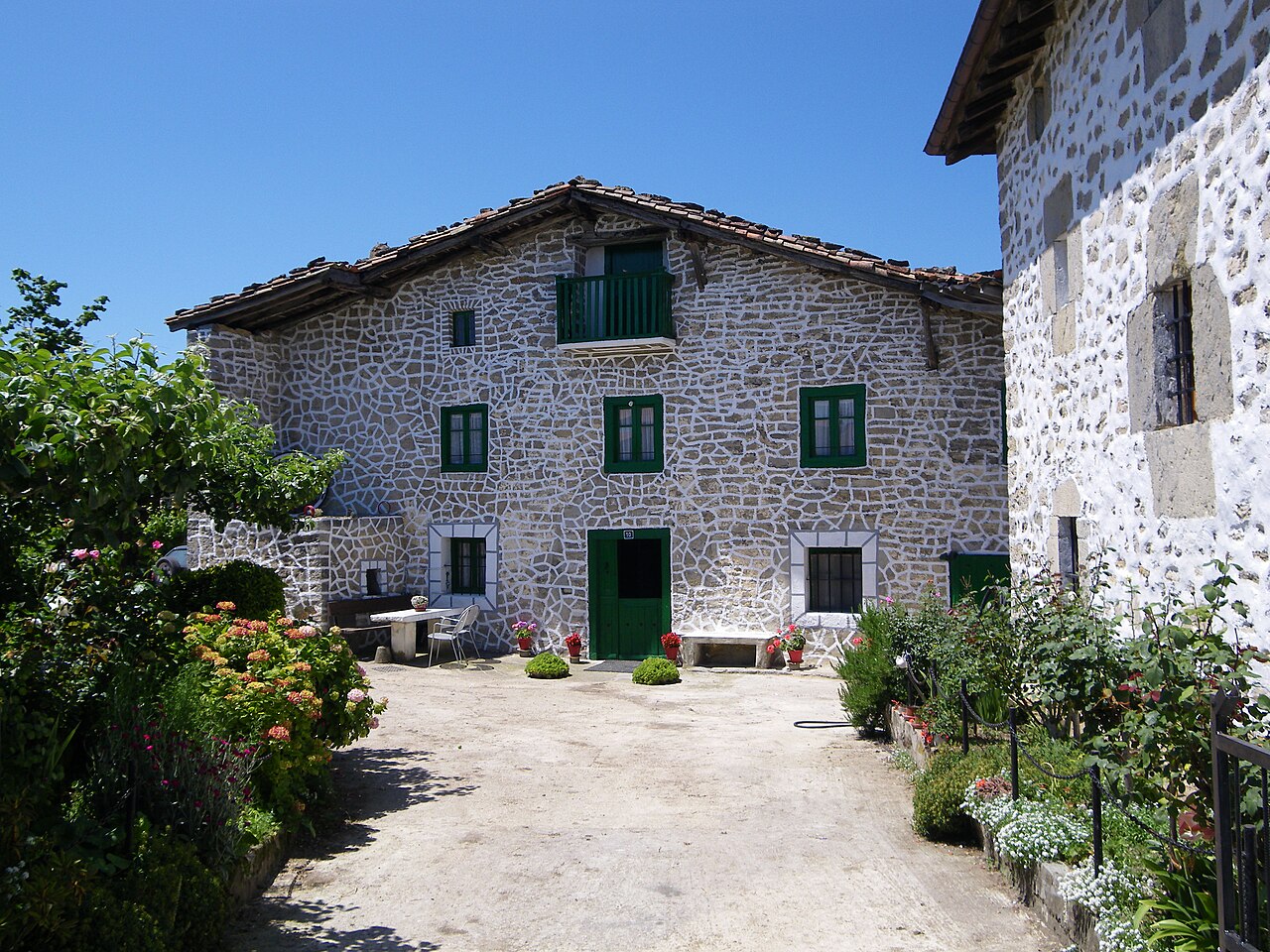
The tourism office in Vitoria will hand you a leaflet whose bullet points fit on a beer mat: Iglesia de San Martín de Tours (sixteenth-century, locked unless the sacristan is in); a handful of caseríos painted ox-blood and cream; a cider press museum that opens the first Sunday of each month. The honest reaction is a shrug. Urkabustaiz has no Gothic altarpiece, no Michelin bib, no gift shop. The monument is the grain of oak beams under lime wash, the way a barn door hangs askew after three centuries of damp Atlantic wind.
Photographers arrive expecting honey-coloured villages and leave complaining about electricity cables. They miss the point. Park beside the fronton in Izarra, walk past the bread-vending machine that dispenses warm baguettes at one euro, and take the paved lane that becomes a farm track after 200 metres. Within five minutes the tarmac turns to packed earth, the hedges grow taller than your head, and the only sound is a chain saw somewhere on the opposite slope. You are not sightseeing; you are eavesdropping on a working landscape.
How to Do Absolutely Everything Slowly
Walking routes exist, but they are maintained by farmers who think waymarks are for soft city types. The most dependable path leaves Murua past the cemetery, climbs gently through beech, then forks: left to Gorbeia’s summit (three hours, 500 m more ascent), right to a col where wild ponies stare and the wind tastes of salt even though the sea is 30 km away. Mobile reception dies after the first gate; download the track before you set off or prepare to re-enact your own private Blair Witch Project.
Mountain-bikers share the same lanes. The gradient is never outrageous—6–8 % most of the way—but the surface varies from packed gravel to axle-deep sludge after October rain. Hire bikes in Vitoria (Basque Bike, €25 a day) and ride the old railway line that tunnels under the A-1; it deposits you in Izarra with just enough energy left for a tortilla pintxo and a caña.
Autumn brings mushroom pickers in camouflage and reflective vests. The regional government issues daily quotas: two kilos per person of cantarellus, boletus strictly off-limits without a special licence. Ignore the rules and the forest guard confiscates both basket and haul, plus a €300 fine that hurts even after sterling recovers. If you fancy joining them, rise at dawn, pocket a penknife with a curved blade, and remember that every local has a mental grid-reference where the ceps appear—conversation in the bar turns to weather, football and then abruptly stops.
What to Eat When Nobody is Looking
There is no restaurant in Urkabustaiz itself. The bar in Izarra serves a three-course menú del día for €14 if you arrive before two; options run from chops to squid in ink, bread included. Vegetarians get tortilla, salad, and a resigned sigh. Dinner is trickier—kitchens close at four and reopen only for evening tapas, crisps and rubbery croquetas. The nearest proper evening meal is in Murgia, ten minutes down the valley, where Asador Arriaga will grill a chuleta the size of a laptop for two to share (€38, order rare unless you enjoy shoe leather).
Self-caterers should stock up in Vitoria. The Saturday market under the medieval walls sells Idiazábal cheese at €18 a kilo, smoky and sharp enough to make you rethink Cheddar. Cider from Astigarraga keeps for weeks in a car boot; drink it within sight of the mountains or it tastes merely sour.
When the Weather Decides Your Plans
Spring arrives late at this altitude. Snow can still whiten Gorbeia in March, and the wind that funnels up the Zadorra valley has been known to snap umbrellas inside out in May. Come prepared: a lightweight waterproof outranks sunglasses. By late April the meadows are striped yellow with wild daffodils; farmers cut the first hay in June, filling the air with a sweetness that drifts into the car even with windows shut.
Summer is the secret season. While San Sebastián heaves, Urkabustaiz hovers around 24 °C, cool enough for a fleece at dusk. July and August can deliver weeks without rain; then the tracks turn rock-hard and the beech leaves curl at the edges. If you crave beach and mountain in the same day, set off early: Bermeo on the coast is 70 minutes north, the Atlantic still chilly but empty enough to hear your own footprints.
October is mushroom madness, November the month of perpetual drizzle. December to February brings proper mountain winter. The road to Murua is gritted but never guarantees passage after dark; carry snow chains if a front is forecast. Locals swap bikes for skis and skin up the service road to the Arlabán pass, descending by head-torch to a waiting van—hardcore, but the thermos of patxaran they pass around tastes of Christmas.
Getting Here Without Losing the Will to Live
No train reaches the valley. ALSA runs one daily bus from Bilbao to Vitoria that stops in Izarra at 18:47—useful only if you enjoy arriving after the bakery shuts. Car hire from Bilbao airport (€28 a day with OK Rent a Car, book the full-to-full fuel policy) is painless: follow the A-8 west, swing onto the A-1 south, exit at 352, then wriggle along the N-622. Petrol is cheaper at the supermarket filling station in Nanclares de la Oca, ten kilometres short of the turn-off.
Parking is free and usually pointless: most lay-bys fit three Fiats abreast. Avoid Sunday afternoons in October when mushroom hunters abandon vehicles at forty-five-degree angles and the local police scribble fines with evident pleasure.
Leaving Before You Start Measuring Curtains
Urkabustaiz will not change your life. You will not tick a Unesco box or brag about a secret discovery, because the place refuses to be discovered in any convenient sense. What it offers is a pause between the motorway and the mountain, a chance to walk until the only decision left is whether to turn back or keep going. The church bell will still toll twice as you drive away, the tractor will still be idling, and the valley will continue its slow conversation with the clouds. That is enough.