Full Article
about Zigoitia (Cigoitia)
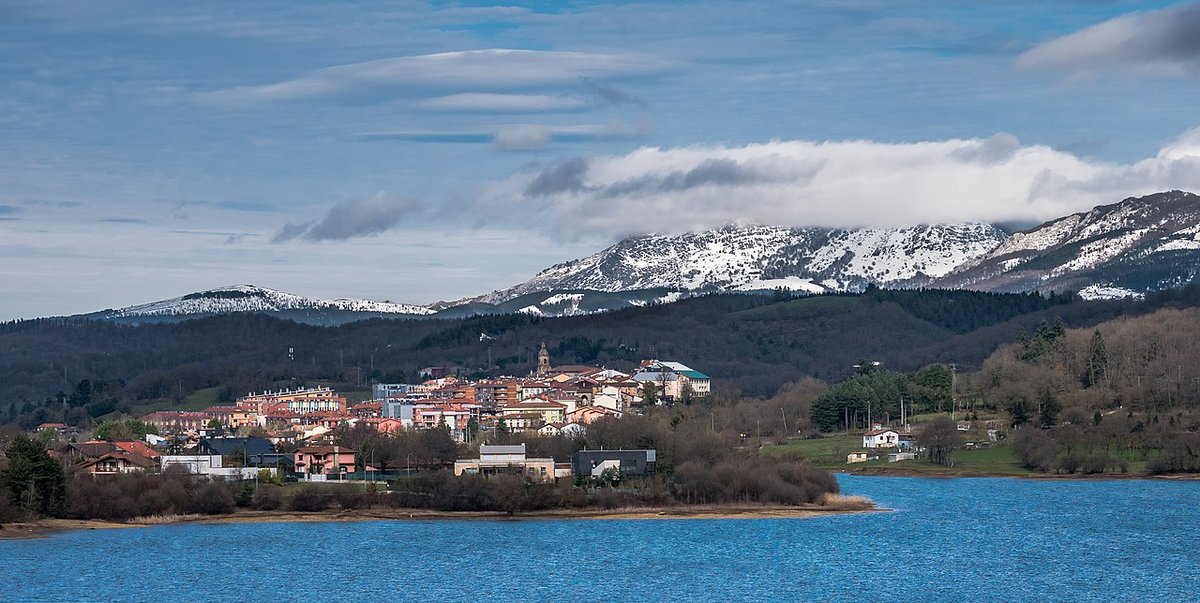
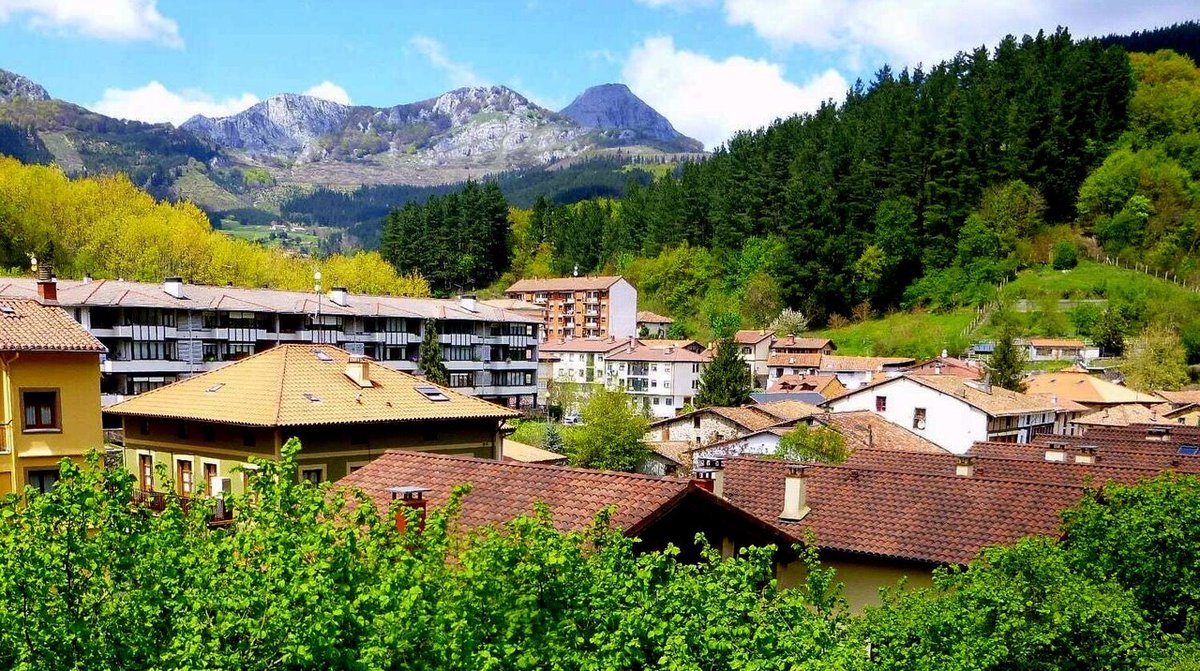
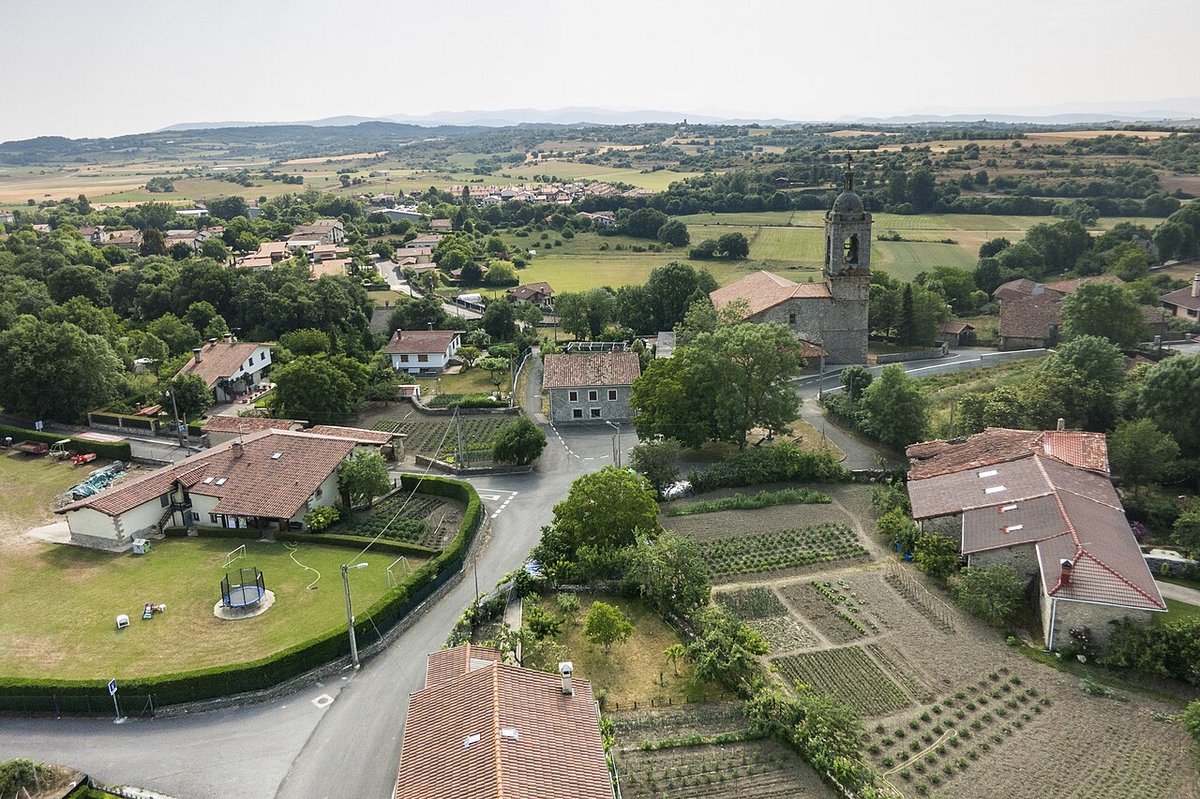
Deep green, farmhouses and nearby mountains with trails and viewpoints.
Ocultar artículo Leer artículo completo
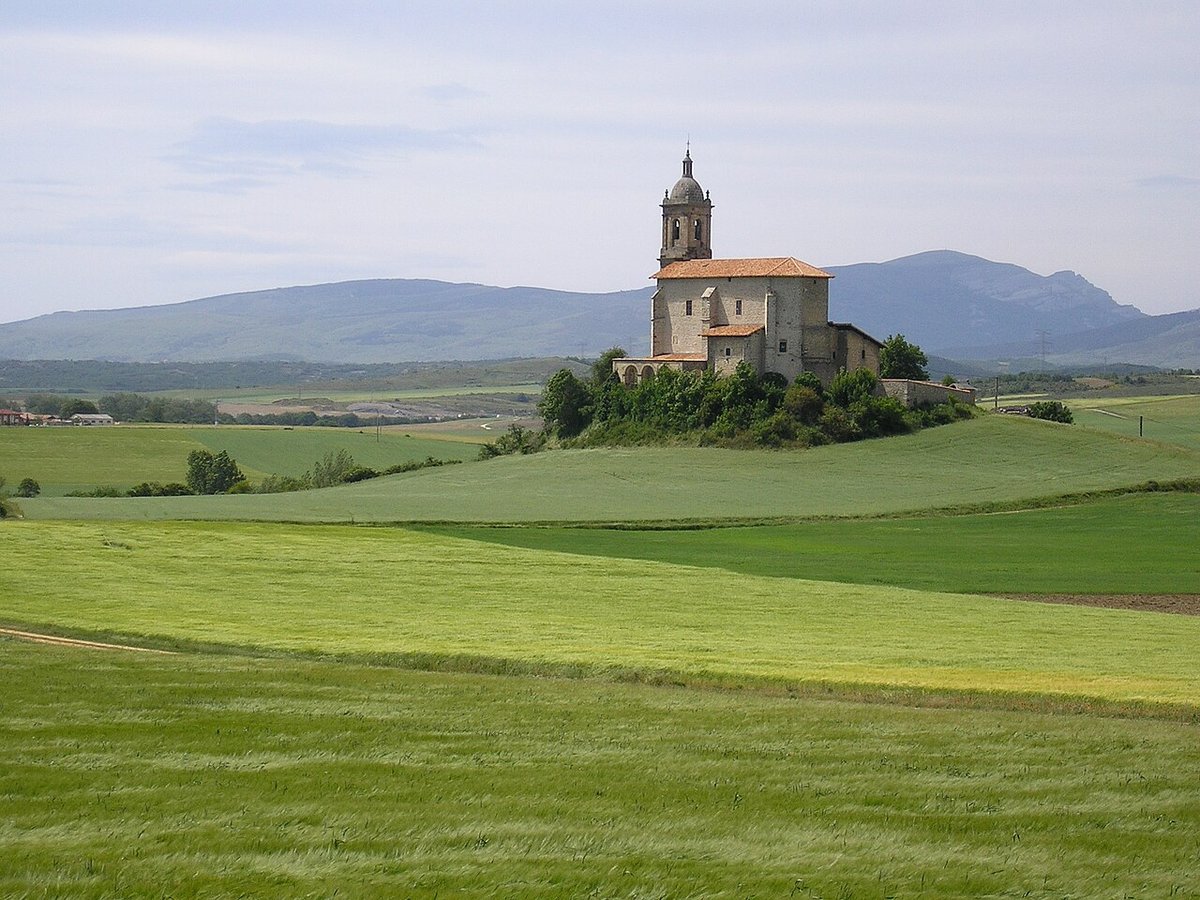
The church bell in Apodaka strikes eleven and the only other sound is a tractor turning hay three fields away. No cafés spill onto a square, no souvenir shop blasts air-con; just stone, grass and the smell of cattle that drifted in overnight from the high pastures. This is Zigoitia—less a village, more a loose federation of hamlets stitched together by hedged lanes and the shared knowledge that the massif of Gorbeia is always behind the next ridge.
A parish map instead of a high street
Spread the Ordnance Survey of Álava over a car bonnet and Zigoitia looks like someone shook the pieces. Ondategi, Apodaka, Murua, Acosta—each name marks a clutch of farmhouses round a white-washed church rather than a nucleated centre. Distances feel trivial on paper: five minutes between dots. On the ground the road corkscrews, the sat-nav loses bilingual signal, and you arrive with damp palms and a new respect for Basque gradients. Bring walking boots even if you only plan a "short stroll"; tarmac gives way to farm track without ceremony and the next village is always one valley further than you bargained for.
Walking without a postcard moment
Gorbeia Natural Park starts where the last cow shed ends. Waymarks exist, but they assume you can read Basque and enjoy ambiguity. A safe formula is to park at the Interpretation Hut in Zestafe (open Sat-Sun mornings, free maps) and follow the green-white dashes up through beech to the limestone lip of Itxina. The climb is steady rather than dramatic—around 400 m spread over two hours—yet the plateau feels alpine: wind-combed grass, stone chutes, sudden cloud. On weekdays you might share the view with two griffon vultures and a shepherd; on Saturdays the Bilbao running clubs arrive en masse, so set off before ten or after four to keep the silence.
If the weather closes in, retreat to lower woods where the same path system offers shorter loops. Autumn here smells of bruised apples and wet bark; colours mute to rust and olive rather than tourist-brochure gold. Expect mud—proper Basque mud that adds half a kilo to each boot and laughs at Gore-Tex.
Eating between chores
Zigoitia is not restaurant territory. Most farms still eat at home, which means the handful of bars double as feed merchants, gossip exchanges and polling stations. Taberna Errekatxo in Murua keeps the most reliable kitchen: three-course menú del día for €14, water or wine included. Expect soup thick enough to stand a spoon, followed by txuletón—a rib-eye the size of a Sunday joint—then custard flan. Vegetarians can ask for "menú sin carne" but the reply is often bacalao, so strict veggies should phone the night before. Sunday evenings every stove goes cold; pick up supplies in Vitoria's Eroski before you drive up the valley.
Paying is refreshingly old-fashioned: contact-less terminals hide under the till and emerge only for bills over €20. Carry cash or you will be washing plates.
Where to sleep (and why you should)
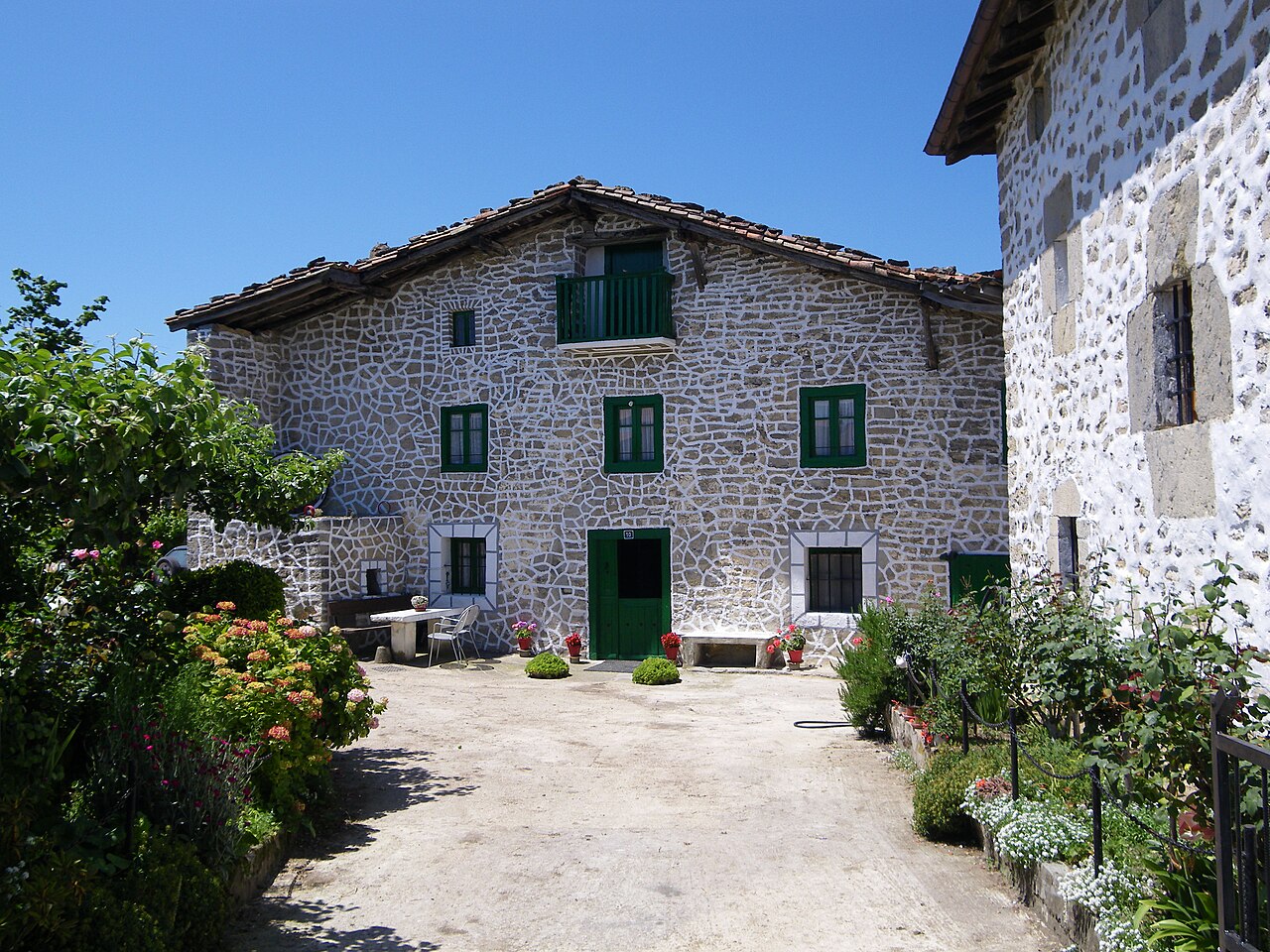
Accommodation is thin but personable. Izpiliku, outside Acosta, is a 19th-century farmhouse with beams you can't help photographing. Doubles start at €75, breakfast features home-made membrillo and the owners will lend laminated walking sheets that are more accurate than anything on the internet. If you prefer independence, the village bakery in Zestafe has converted its upper floor into a two-night-minimum flat for €90 total; collect the key from a metal safe and wake to the smell of warm chorizo sticks rising through the floorboards. Either way, lights go off early—this is a place that treats 22:30 as the small hours.
Four wheels good, two wheels better
Without a car you are essentially camping. Bilbao airport is 45 minutes away on the A-8/N-622; Vitoria, 25 minutes, is quicker if you can get a connecting flight through Madrid. Buses reach Laudio, the nearest small town, but terminate there. A taxi to Ondategi costs around €35—about the same as a day's car hire—so you might as well pick up a Fiesta and gain the freedom to chase sunny ridges when the valley fills with fog.
Road cyclists like the loop south along the BI-2521 towards Urkiola: steady climbs, sheep-dog spectators, almost no lorries. Mountain bikers can follow the quarry track from Apodaka to the foot of Gorbeia, though gates and grazing rights mean you push as often as you pedal.
The honest forecast
Spring brings daffodils along the lanes but also the Atlantic drizzle that keeps the region emerald. Summer is warm, occasionally hot, yet evenings turn chilly above 600 m—pack a fleece even in August. Autumn is the sweet spot: clear, sharp air and migrant kites overhead. Winter shortens the day to a six-hour slot between hill fog and night fog; snow is patchy but enough to glaze the single-track roads, so carry chains if you visit between December and March.
Don't expect a highlight reel
Zigoitia will not hand you a single Instagram frame. Its appeal is cumulative: the way wood smoke lingers at nose height, the sound of Basque spoken faster than any classroom tape, the moment you realise the only other walker is a retired cowman who greets you like a neighbour. Come if you like your countryside lived-in rather than curated, and you won't mind driving ten minutes for a coffee. Leave the checklist at home—here the landscape is the monument, and it opens gradually, one gate at a time.