Full Article
about Zuia (Zuya)
Deep green, scattered farmhouses, nearby mountains with trails and viewpoints.
Hide article Read full article
A valley shaped by weather and height
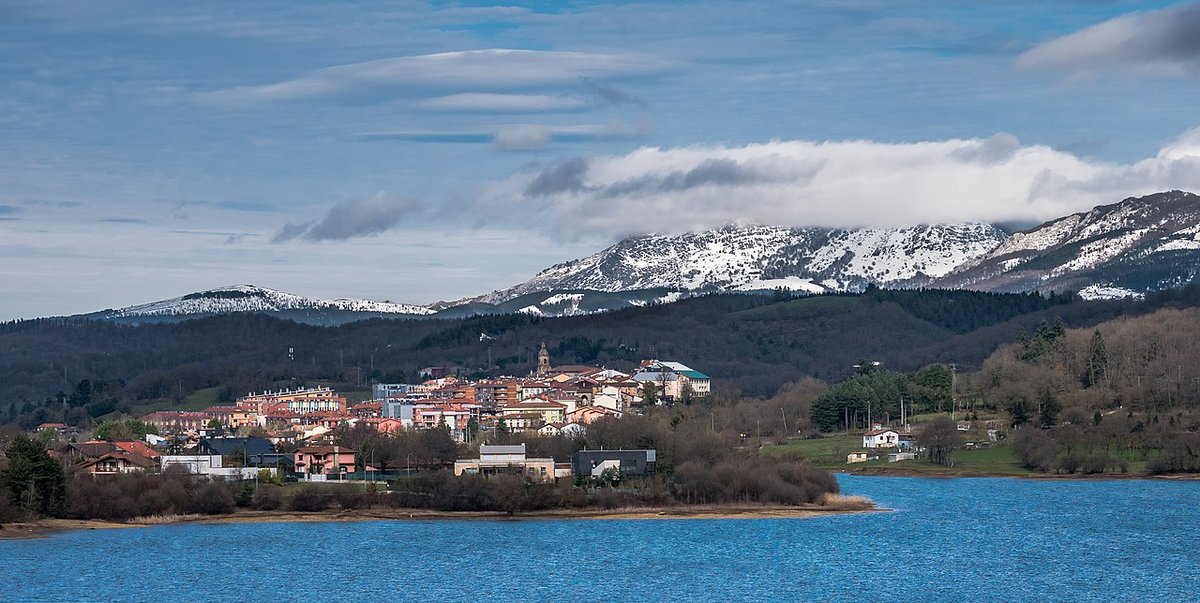
October mist lifts from the valley as if someone were slowly pulling back a blanket. From the summit of Gorbeia, at 1,482 metres, everything opens out in silence: Álava spreads below in muted greens and ochres, and to the north, on clear days, the Cantabrian Sea appears as a distant grey line.
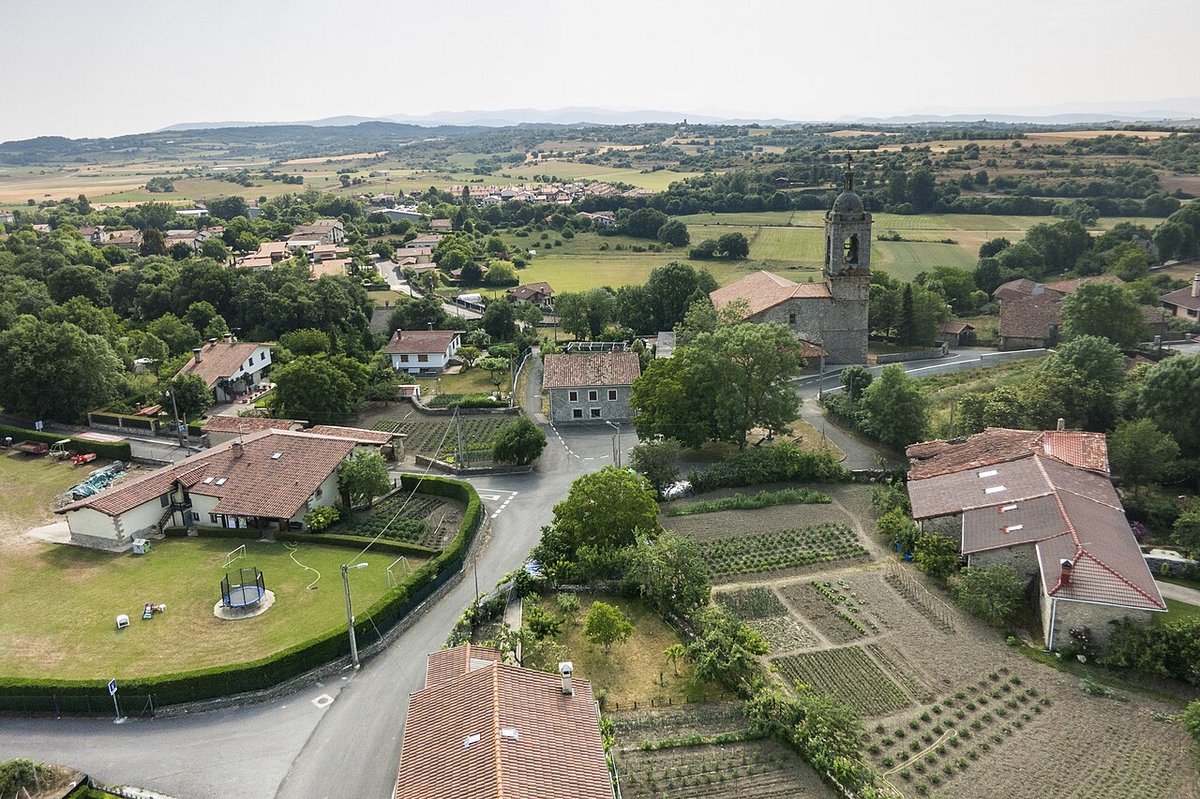
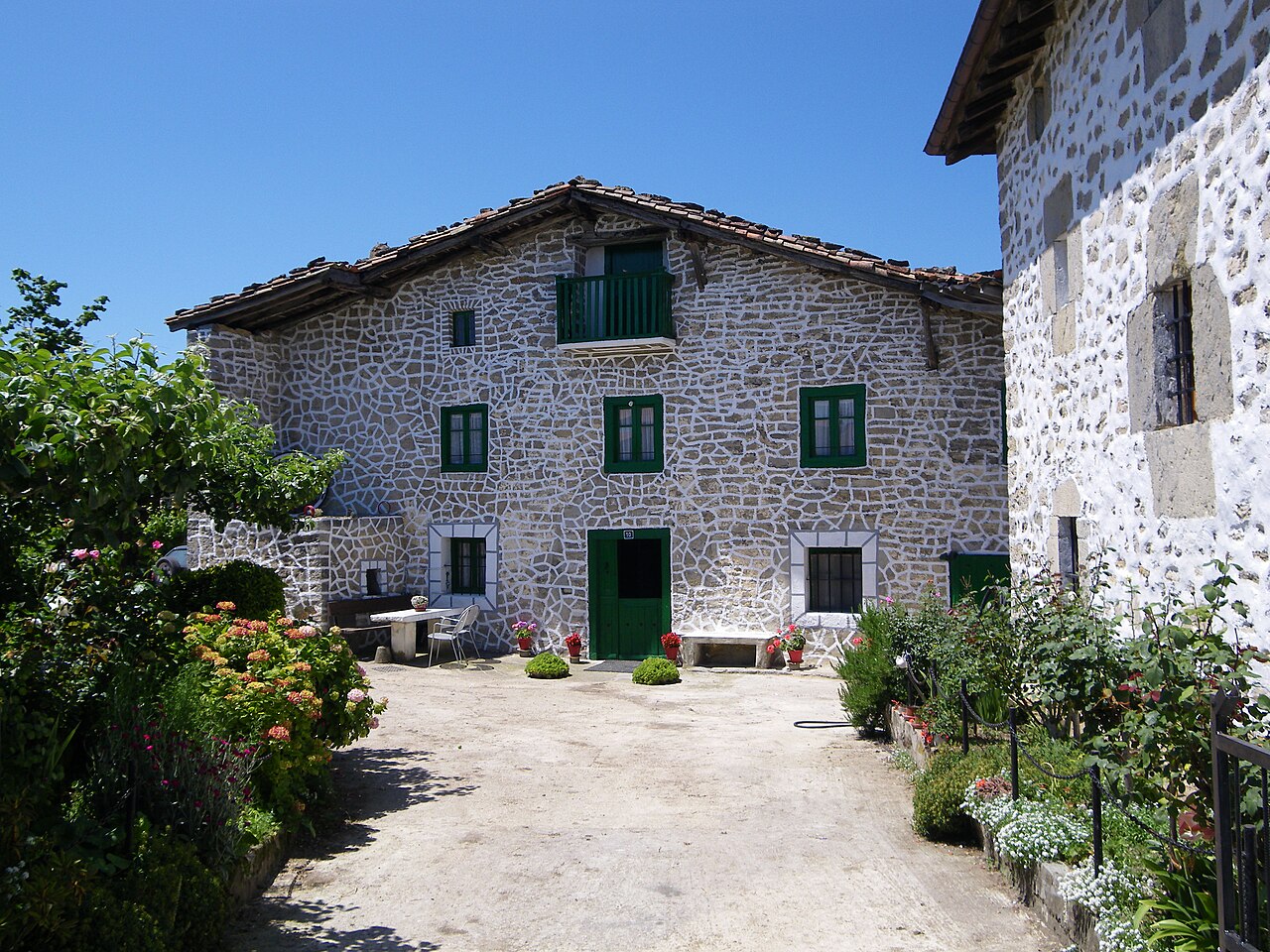
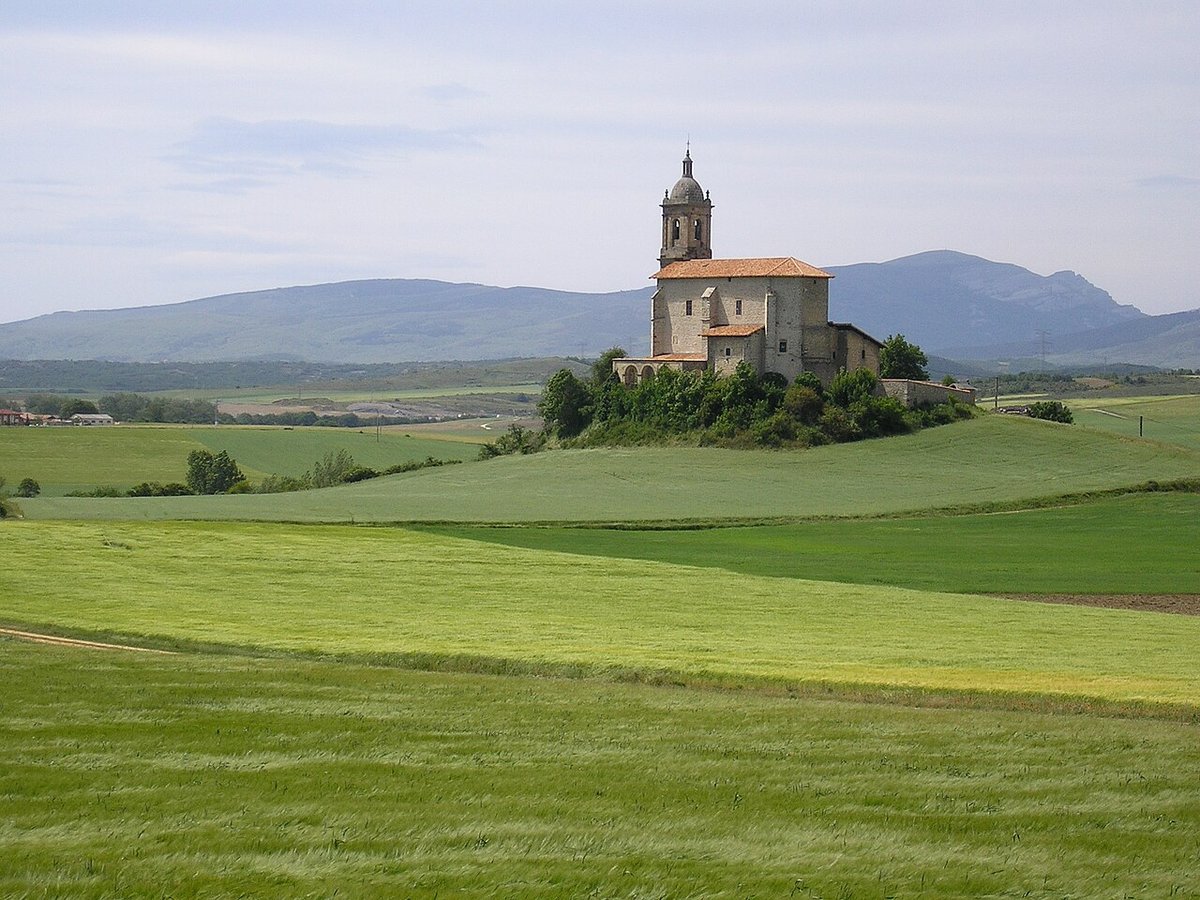
Coming down from there means returning to Zuia, a wide valley where the landscape carries more weight than any slogan. There are grazing meadows, damp beech forests and scattered caseríos, the traditional Basque farmhouses, which still carry the faint smell of firewood in the evening.
The valley and its councils
Traditions linked to the old valley brotherhoods still matter in Zuia. This is not just a historical reference. Local councils, known as concejos, continue to manage shared land and woodland, something quite common in this part of Álava.
Murgia, home to the town hall, is where many of the meetings that keep this system going are held. It is perfectly normal to see neighbours discussing pasture, paths or timber as part of daily life.
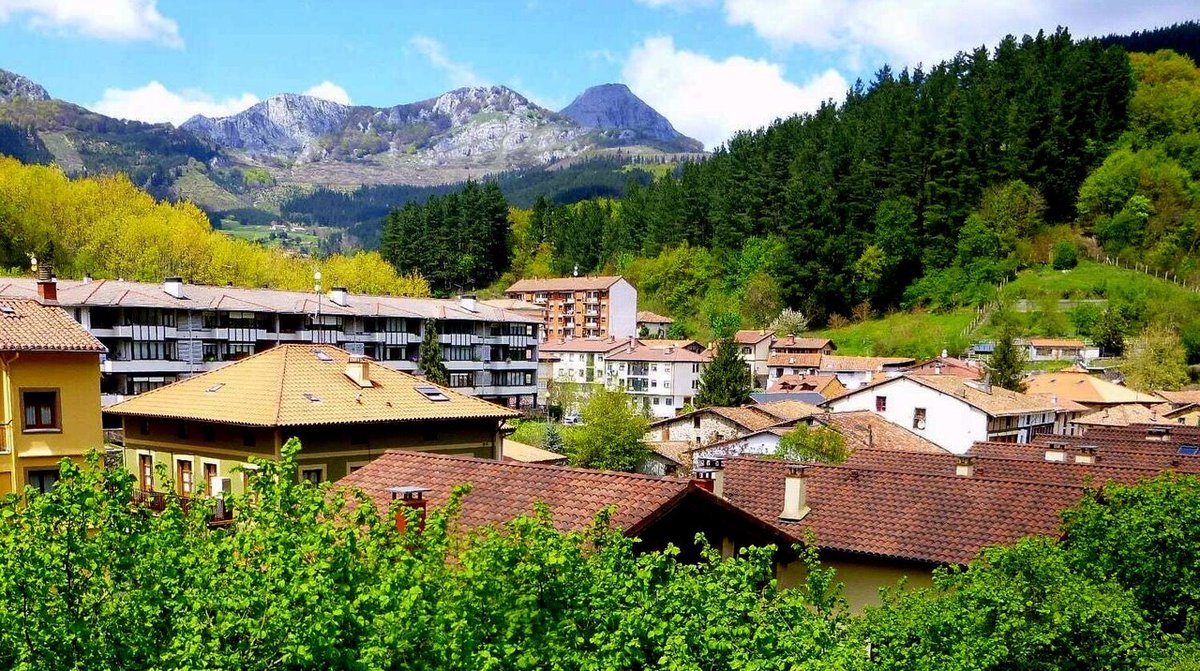
Murgia brings together much of the municipality’s population and acts as the valley’s practical centre. There is an open square, a long frontón court where the sharp sound of pelota echoes at weekends, and a steady rhythm that becomes noticeable by mid-morning, when delivery vans start moving and people return from the hills. The road towards Vitoria runs nearby, so the village sits between two paces: that of the valley and that of those heading towards the city.
Climbing Gorbeia from Sarria
One of the most common routes up Gorbeia begins in Sarria, a small settlement of scattered farmhouses with a car park that fills quickly on clear days. Starting early is advisable, especially at weekends in spring or autumn.
The path soon enters the beech forest of Sarria. The ground is often covered in damp leaves, and the air carries that smell of wet wood that clings to clothes. The ascent is steady and longer than it first seems, but the scenery shifts gradually: dense woodland at the start, then clearings with meadows, and higher up, open terrain where horses sometimes graze.
At a certain point the forest breaks, and the valley suddenly falls away behind you. In May, the beech leaves are so vividly green they almost glow in the light. In autumn, the colours turn to copper and deep brown, and the ground crunches underfoot.
The metal cross of Gorbeia appears near the end, once the wind is blowing freely with no shelter. It is rarely calm at the top. On very clear days, Bilbao can be seen to the north, while much of the Alavese plain stretches out to the south. The descent demands more attention than expected, and the strain on the knees is hard to ignore.
Autumn in Murgia: the pocha
When autumn arrives, Murgia often hosts gatherings centred on the pocha, a fresh white bean still grown in the valley’s gardens. The square fills with large pots and people coming to taste how each household prepares it.
This is not set up as a spectacle. Many locals come to buy beans to store for winter or to talk about how the harvest has gone. In the cooking pots, the same accompaniments tend to appear: chorizo, morcilla, and a piece of pork fat that gives the broth a fuller flavour.
The smell hangs in the square throughout the morning, mixed with smoke from portable stoves.
Walking without a plan
Zuia makes more sense when there is time to move slowly through it. There is no need for a fixed route. It is enough to pass through villages such as Bitoriano, Lukiano, Zarate or Sarria, stopping whenever something draws attention.
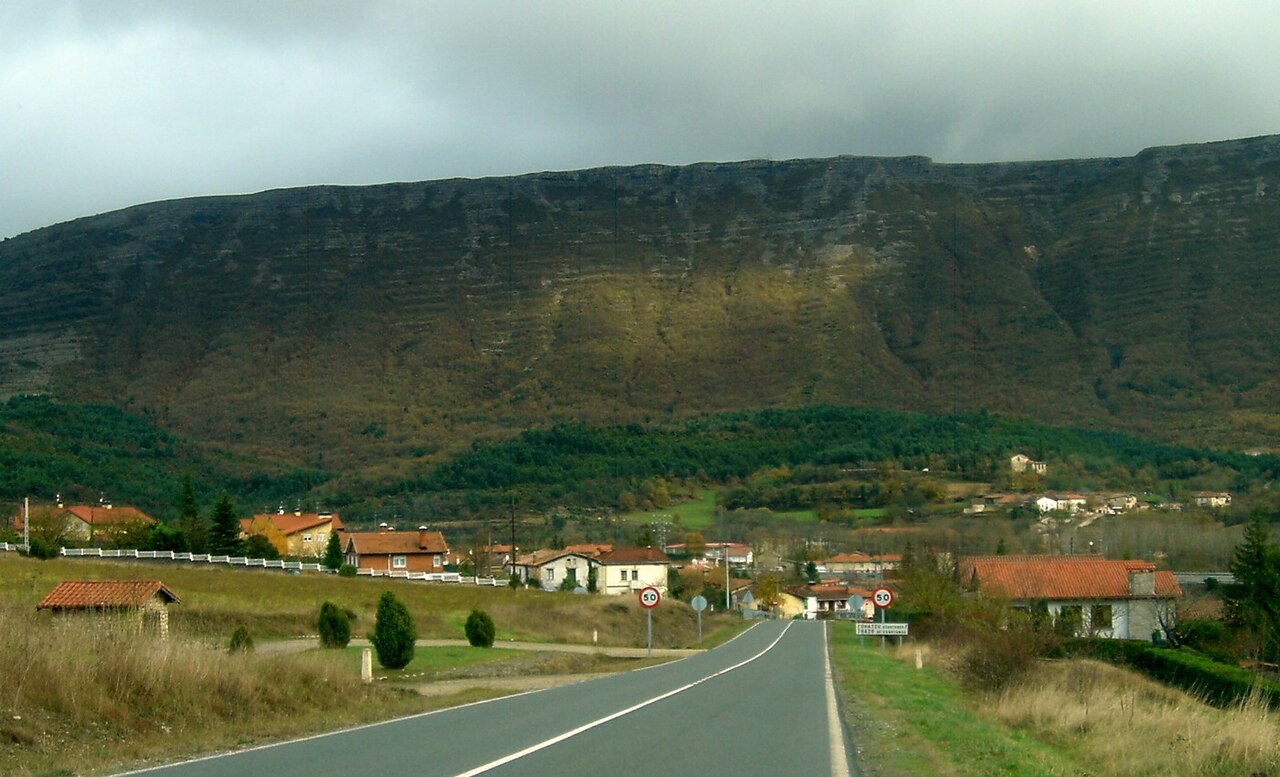
The road that climbs towards the Puerto de Zarate is narrow and winding, crossing stretches of dense forest where sunlight barely reaches the ground in winter. On one side there are springs, on the other meadows with cattle and stone huts partly covered in moss.
In spring, the valley smells of freshly cut grass. In autumn, the changing colour of the oak woods is visible even from the car. In winter, when snow falls, the soundscape shifts completely: footsteps soften, and there is little more than the occasional car passing slowly.
One practical note: on very rainy days, some secondary roads can become slippery, particularly in higher areas. It is best to take things slowly and avoid unfamiliar shortcuts. In this valley, the weather can change quickly, and mist can close in within minutes.