Full Article
about Deba (Deva)
Cantabrian Sea, cliffs, and seafaring flavor in the heart of the Basque Country.
Hide article Read full article
A town where the sea decides
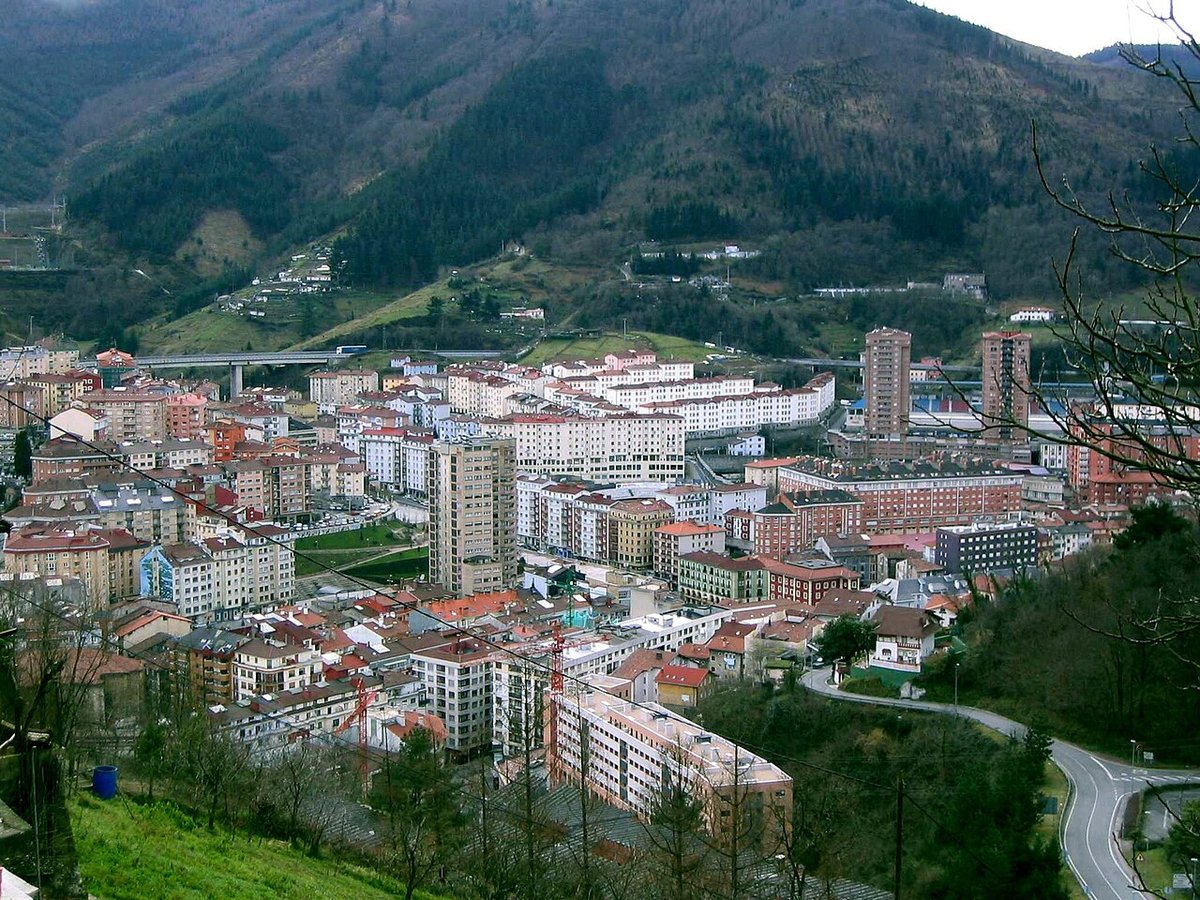
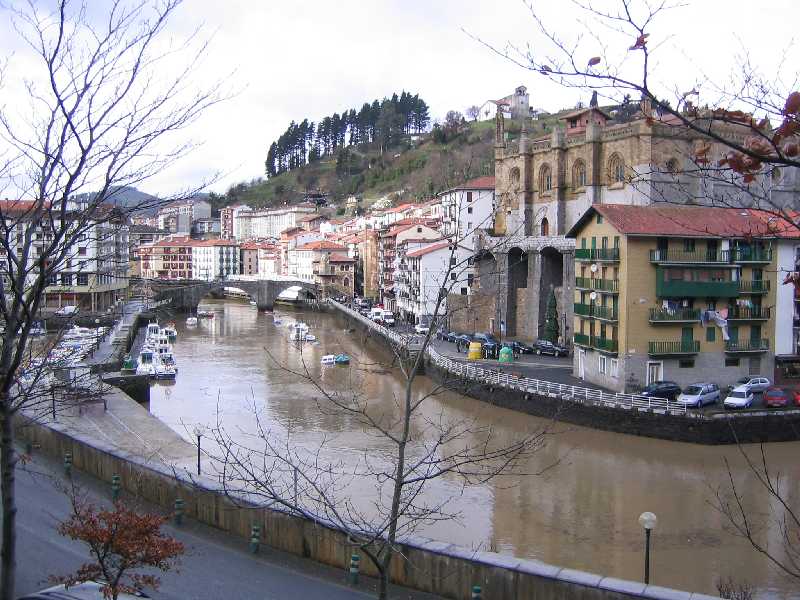
The bells of Santa María ring out and the sound bounces off the stone walls of the old quarter. From a window opposite the town hall, someone hangs out washing while glancing towards the estuary. Seagulls stay still on the wires. In Deba, one thing becomes clear almost immediately: the sea is not a backdrop, it is the neighbour that decides when the air smells of salt, of seaweed or of freshly landed fish.
Life follows that presence. It slips into the streets, settles on the façades, and shapes the pace of the town without much fuss.
Light across old stone
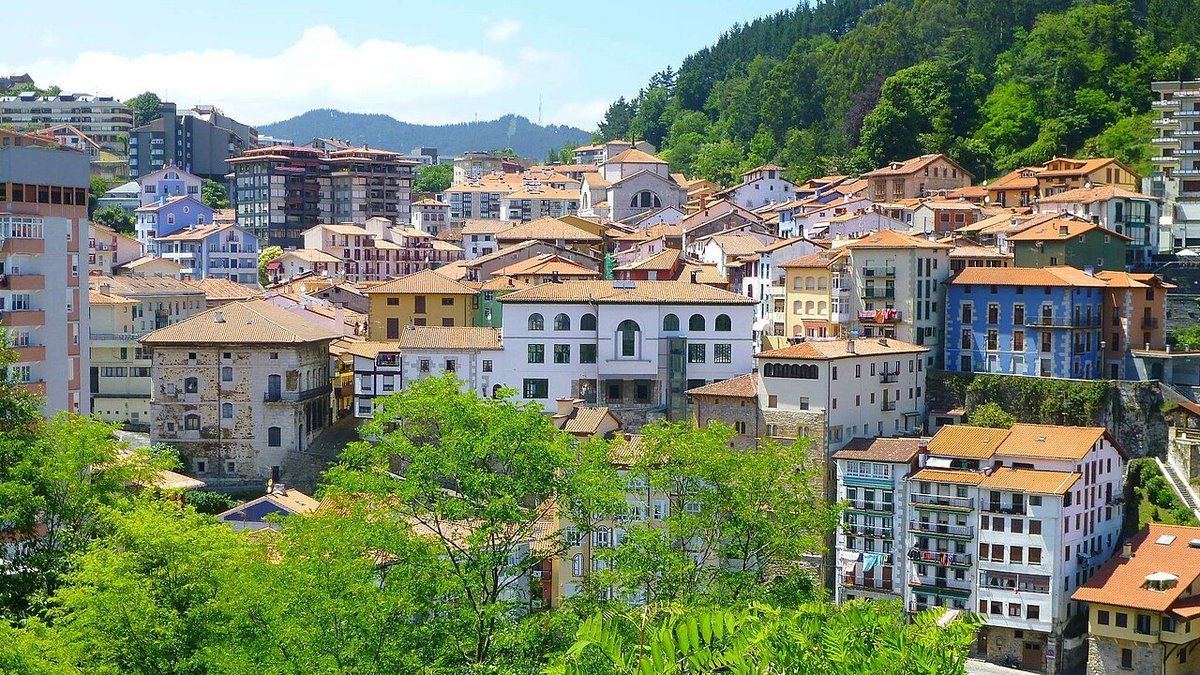
The church of Santa María la Real shifts in colour as the day moves on. At first light it looks golden; by midday it turns almost white; later it takes on a soft pink tone that seems to cling to the stone. Inside, the three naves dating from the 16th century hold a dense scent typical of well-used churches: wax, old wood, a trace of damp that drifts in from the sea.
The main altarpiece is filled with dark wooden figures. Small cracks run through it like maps. It has been protected as a historic monument for decades, although in the town it is simply called “the church”. It usually opens in the morning and again for a short period later in the day, though this can vary.
A short walk away stands Palacio Aguirre, also known as Casa Valmar. Its arched gallery faces the square with a quiet presence that recalls Deba’s past as a whaling port long before summer visitors arrived. Today it houses the municipal museum. Inside, there are model boats and panels explaining how that large and risky industry once worked. The building carries the scent of aged wood found in places that have been looking out at the same view for centuries.
Crossing water and memory
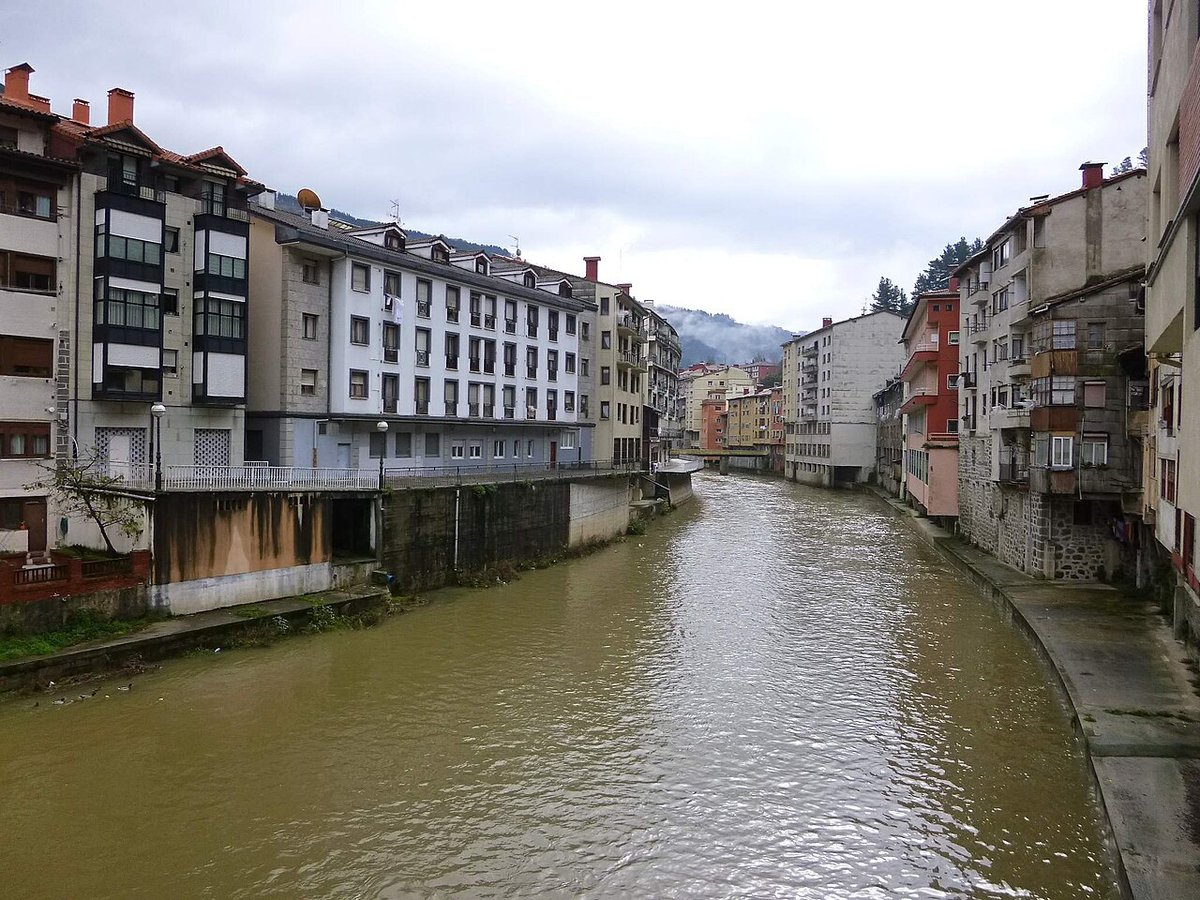
The bridge between Deba and Mutriku carries more than just traffic. It crosses a layer of the river’s history. Stone piers still hold it firm over the estuary even when the water runs strong after rain. For years it included a उठ section that could be raised to let boats travel upriver; that feature disappeared when such journeys stopped making sense.
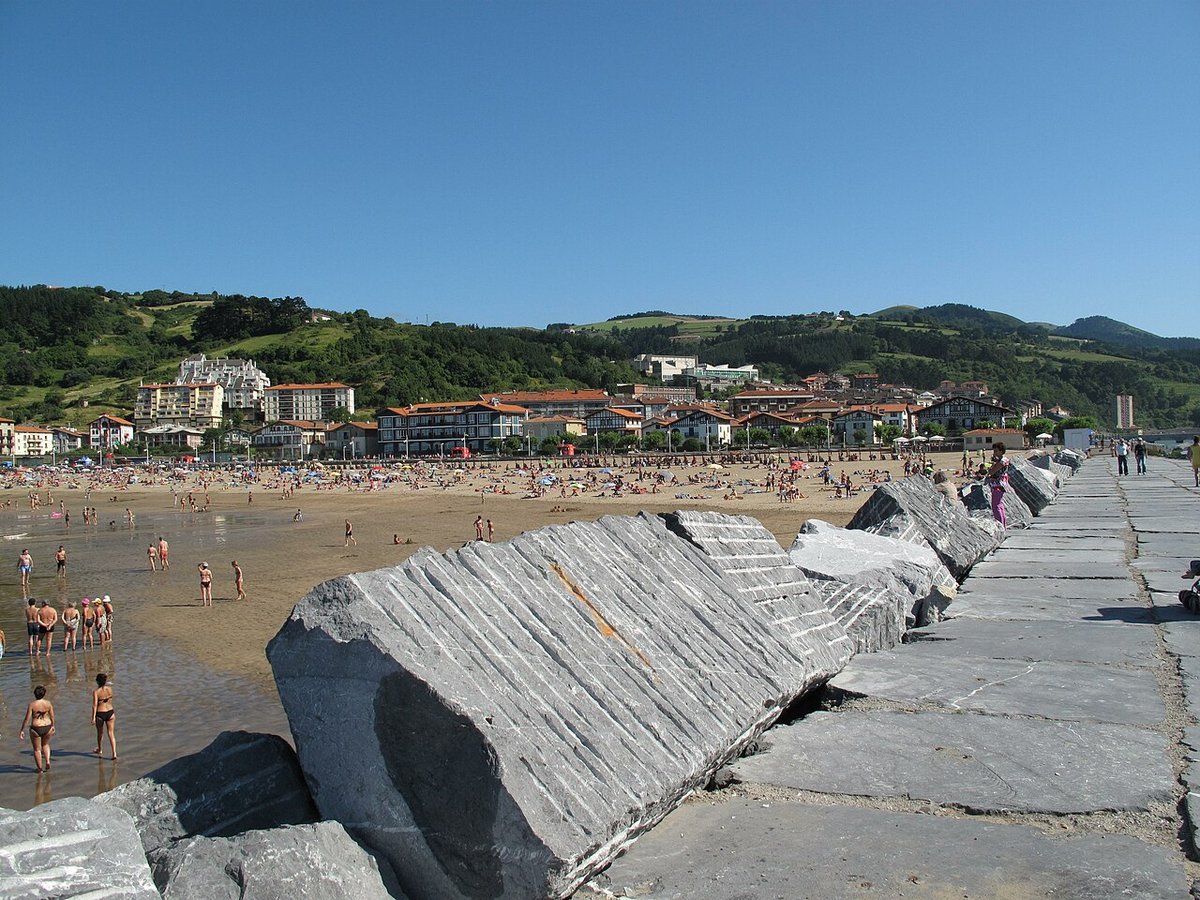
From the pedestrian walkway, the mouth of the river comes into view. On one side lies the beach opening to the Cantabrian Sea. On the other, fishing boats sit moored along the quay. At certain times of day the air mixes diesel with salt and fresh fish. It is a strong smell, but here it belongs.
Walking down towards the harbour, nets can often be seen spread out to dry. Nearby, fishermen talk while leaning on boxes or coils of rope. The fish market still operates on some days, with auctions taking place inside. It is not usually set up for visitors, but from outside the quick rhythm of voices calling out prices can be heard.
When the land folds
Between Deba and Zumaia, the coastline reveals a landscape that slows everything down. The flysch appears in slanted layers that look like the open pages of an enormous book. These formations are made up of millions of years of sediment bent under pressure within the earth.
The coastal path begins near the western edge of Deba. It rises and falls through meadows, areas of eucalyptus and stretches of cliff. At times the track narrows and the wind pushes in strongly from the sea.
One of the most common walks is to head towards the area of Sakoneta and then return. Taken at an easy pace, it can fill a couple of long hours, although that depends on how often you stop to look at the rock formations. After strong storms, fossils sometimes appear embedded in the layers. They are observed where they are found; collecting them is not allowed.
Good footwear and water are worth bringing. The ground can remain muddy for much of the year.
Eating to the rhythm of the tide
Here, conversations about food tend to begin with the sea. If centollo is good, it appears on menus. If hake arrives with the right texture, it goes straight to the pan. Kokotxas al pil‑pil produce their distinctive sound as the sauce comes together: a soft clicking of oil and gelatin moving in the pan.
In some cider houses and traditional eateries in the old quarter, cider is still served in a familiar way, poured or shared from a jug without much ceremony. An empty glass rarely stays that way for long.
At weekends, it helps to allow extra time. The town fills with people coming to spend the day from other parts of Gipuzkoa and Bizkaia.
A festival that begins in the church
In mid-August, the San Roque festivities arrive. In the morning, the image of the saint leaves Santa María and moves through the main streets on its way to the hermitage. Shutters open halfway and people gather along the pavements. Some follow the procession, others remain in the square holding a cold drink.
When the group returns, music takes over the centre of town. During the day there are usually shared meals and cooking competitions in the square. Groups set up long tables, each with its own recipe and way of defending it. The atmosphere grows loud, filled with the smell of rice, charcoal and the sea.
Seasons that reshape the town
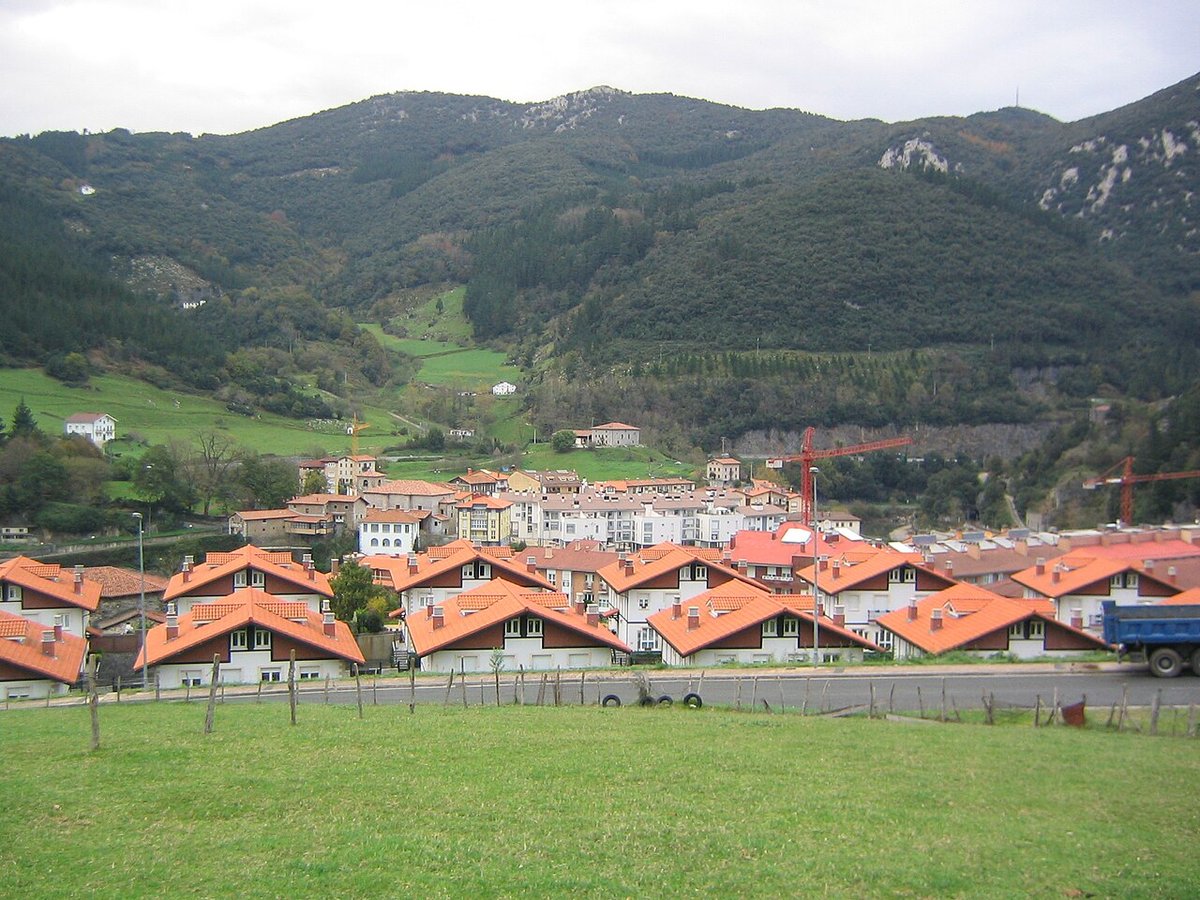
Deba changes noticeably with the time of year. In winter, the beach is almost empty and the wind sweeps in from the Cantabrian coast, reshaping the feel of the place. At other times, the rhythm shifts again as more people arrive, but the presence of the sea remains constant, setting the tone in ways that are hard to ignore.