Full Article
about Eibar
Between mountains and sea, Basque tradition and good food in every square.
Ocultar artículo Leer artículo completo
A Valley that Never Flatters
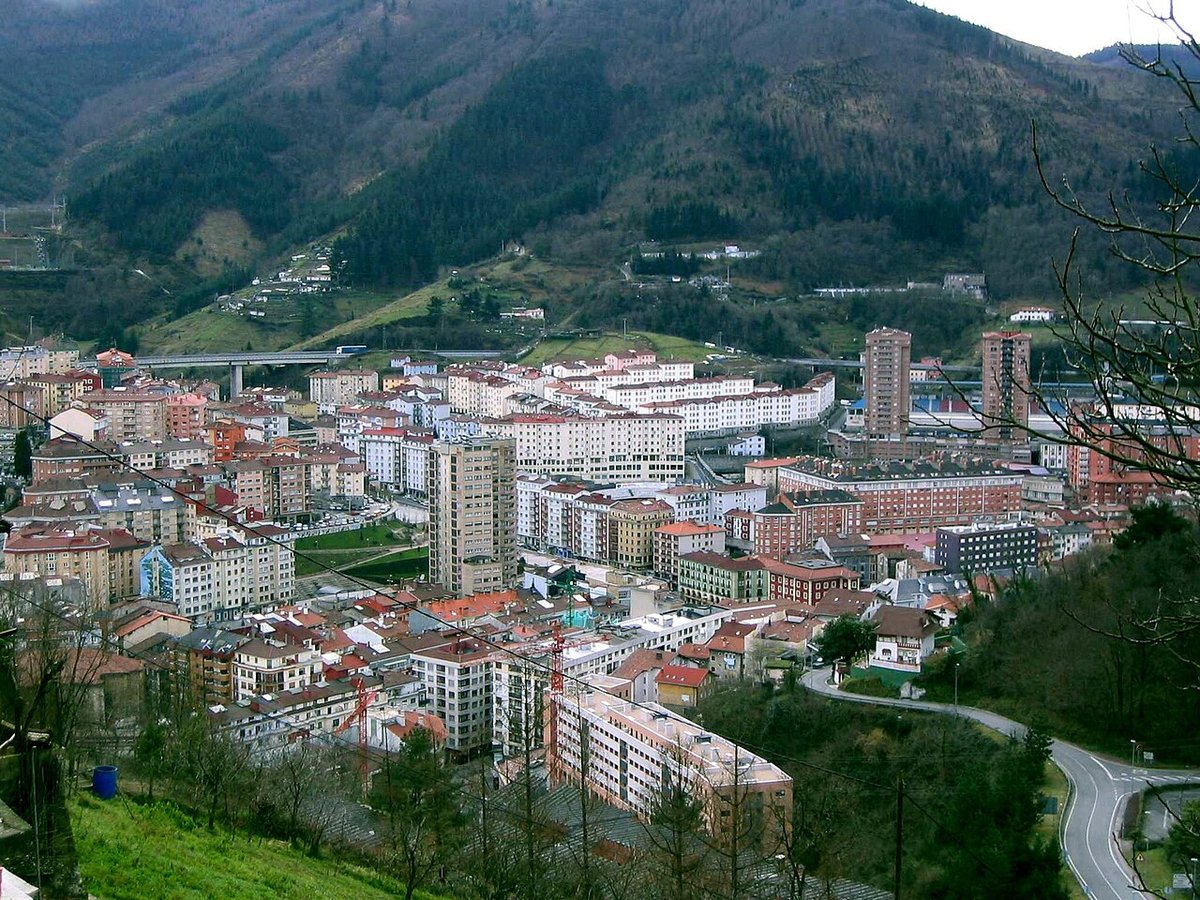
The first thing that hits you is the slope. Eibar doesn't ease visitors in gently – it drops them straight onto streets that climb 150 metres in less than 500. Cars park at angles that would trigger handbrake anxiety anywhere else, and locals stride uphill without breaking conversation. This is a town built for people who know where they're going, not for tourists killing time between San Sebastián and Bilbao.
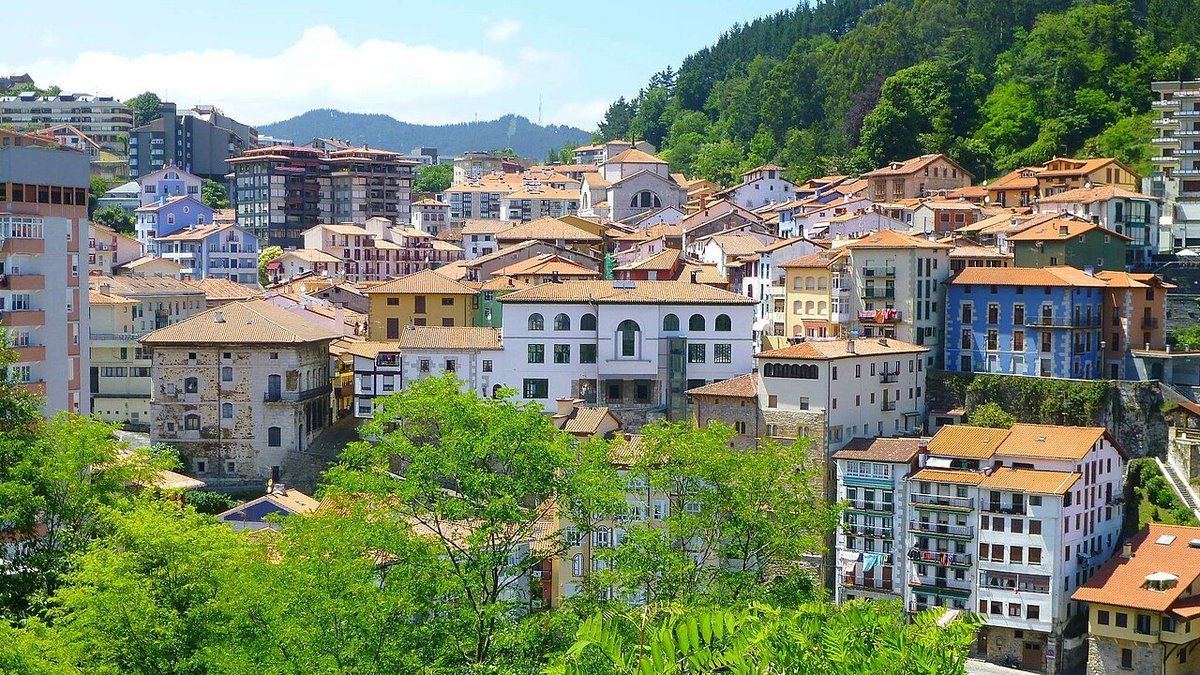
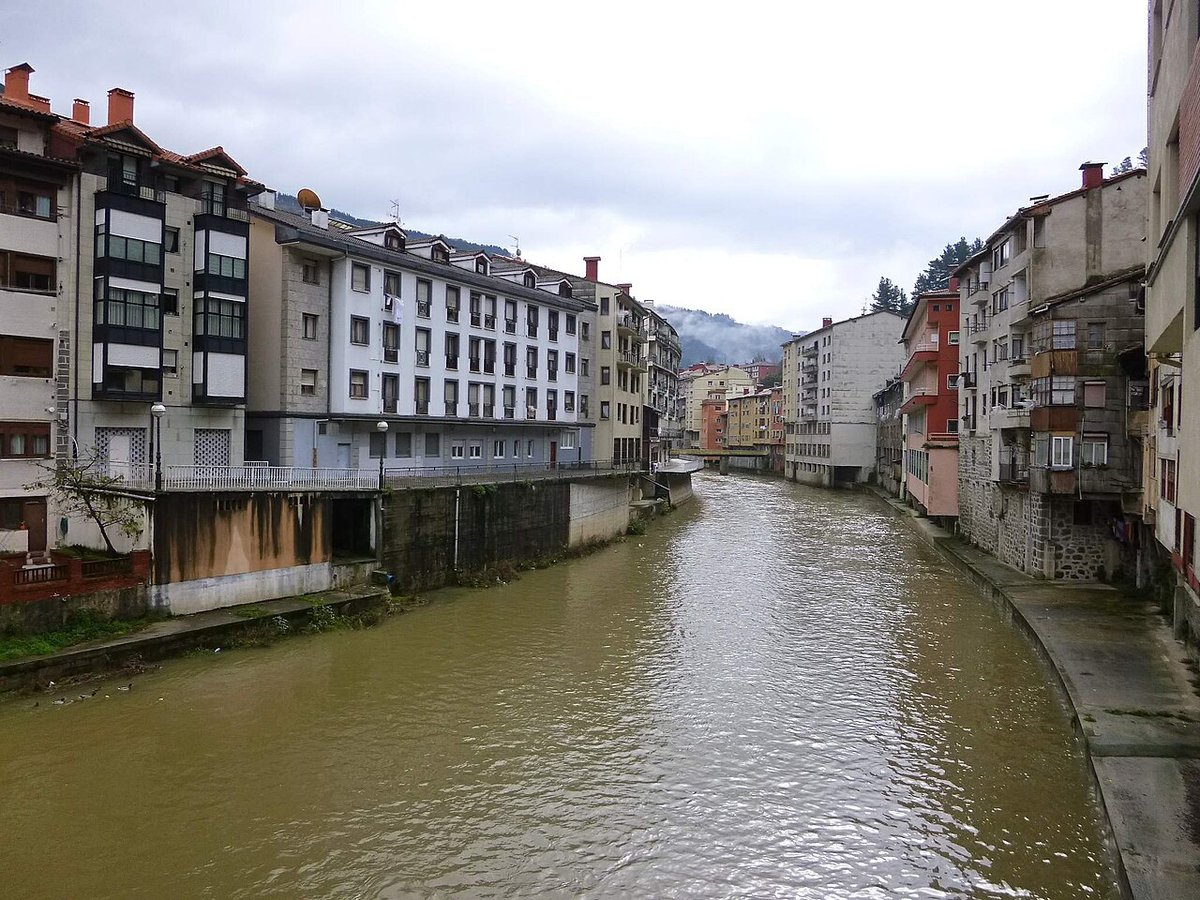
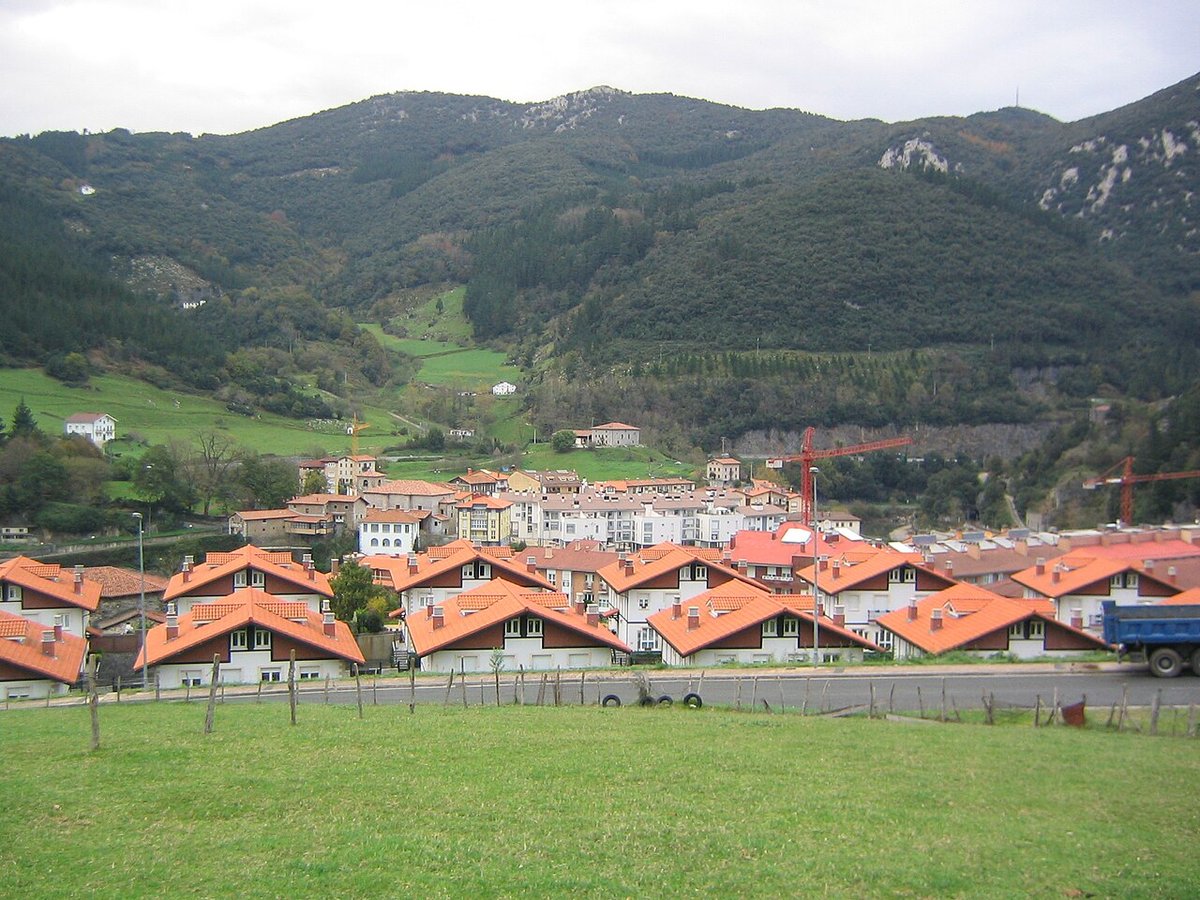
Sitting 120 metres above sea level in the narrow Ego valley, Eibar's geography explains everything. The town stretches just three kilometres along the river, hemmed in by mountains that rise another 400 metres on either side. Space has always been premium here, which explains why buildings pack together like sardines and why every available hillside sprouts houses. The climate plays tricks too – mornings often start with valley fog that burns off by eleven, while summer temperatures stay several degrees cooler than the coast just 40 minutes away.
The Museum that Explains Everything
Tuesday through Friday, the Arms Industry Museum opens its doors to the curious. It might sound like niche interest territory, but this is where Eibar makes sense. For four centuries, this valley manufactured weapons for empires and republics alike. The displays aren't glamorous – rows of rusting machinery, black-and-white photos of workers at benches, accounts of strikes and solidarity. Yet it explains why this particular valley developed such dense housing, why the town's identity remained stubbornly industrial when other Basque settlements pivoted to tourism.
The museum sits conveniently in the centre, housed in a former factory whose brick walls still smell faintly of machine oil. Entry costs €4, and visits last about an hour. Even those who arrive reluctantly, killing time before lunch, tend to leave understanding why Eibar feels different from Hondarribia's fishing quarter or Getaria's medieval core. This place made things, dangerous things, and that practicality seeps from every pore.
Streets that Test Calves
The town centre clusters around the Church of San Andrés and the town hall, but calling it a centre feels generous. It's more like a series of streets that happen to be slightly less vertical than everything else. The main shopping drag, Calle Portalea, runs level for about 200 metres before pitching skyward again. This is where locals do their daily business – banking, pharmacy, the morning coffee ritual that Basques take seriously.
British visitors often underestimate the physicality here. What looks like a gentle stroll between two adjacent streets on Google Maps turns out to involve serious thigh-burning ascent. The town rewards those who ditch the car and embrace the gradient. Park once – the underground facility beneath Plaza de la Repúplica costs €1.50 per hour – then walk. Leather-soled city shoes prove treacherous on wet flagstones, especially on the shortcuts locals use between levels.
Saturday brings the weekly market to Plaza de la Constitución. Stalls sell everything from cheap socks to local cheese, but the real action happens at the fish van. Watch how Eibar's residents inspect cod – lifting gills, checking eyes, arguing over price. It's theatre without the tourist markup.
When Football Meets Geography
Ipurua stadium squats improbably between residential streets, so integrated into the neighbourhood that supporters literally walk from their front doors to the turnstiles. SD Eibar's rise to La Liga in 2014 put this working-class town on international television, though cameras rarely captured the full absurdity – one stand backs directly onto apartment balconies where residents can watch matches free from their own homes.
Match days transform the town. Traffic snarls as police close streets normally barely wide enough for a single car. Bars along Calle Txonta fill hours before kickoff, serving €2 cañas and pintxos of tortilla that locals insist tastes better when football's on. Even non-fans should time a visit to coincide with a home game, if only to witness how geography forces intimacy between sport and daily life here.
The Escape Route
Above everything looms Arrate, the mountain that Eibar uses as its backyard. The sanctuary sits 800 metres up, accessible by a road that switchbacks through oak and beech forest. On clear days, the whole valley spreads below – the town's tight cluster, the industrial estates spreading like concrete moss, the higher peaks marking the border with Vizcaya.
The walking route starts from the town's upper edge near the hospital. It's properly uphill – 400 metres of climbing over three kilometres – but follows an ancient pilgrims' path paved in parts with medieval stones. Locals treat it like a daily constitutional, power-walking past visitors wheezing in the thin air. The summit hosts both a seventeenth-century sanctuary and a surprisingly good restaurant serving set menus at €15 including wine.
Weather changes fast here. Morning clarity can dissolve into afternoon cloud within an hour, leaving visitors who came for views staring at grey nothing. The sanctuary's bar stays open regardless, serving restorative coffee and bocadillos to damp hikers who misjudged conditions.
Eating on Industrial Time
Food follows working patterns, not tourist convenience. Kitchens close at 3:30pm sharp and don't reopen until eight. Those afternoon hours see visitors wandering increasingly desperate streets, wondering why every restaurant shutter remains firmly down. The solution lies in understanding Eibar's rhythm – either eat early like the locals, or plan for the gap.
Calle Txonta concentrates most options, from basic bars serving €1.50 pintxos to the cider house Sagartoki where €25 buys unlimited cider and a steak the size of your forearm. Vegetarians struggle – even the ubiquitous tortilla contains ham unless specified. The local specialty is chuleton, a rib-eye cooked rare unless you protest, served on a wooden board with only roasted peppers for company. It's magnificent, messy, and requires serious appetite.
The Honest Verdict
Eibar won't change your life. It offers no medieval walls to photograph, no sandy beach for post-sightseeing recovery. What it provides is authenticity without the marketing brochure – a place where Basques live and work, where tourism remains incidental rather than essential.
Come here between other destinations, or base yourself here for cheaper accommodation while exploring the coast. The town's two hotels offer rooms from €60, half San Sebastián's rates. The train to Bilbao takes 55 minutes, to San Sebastián just 35. But don't expect to fill days – Eibar works better as a morning's exploration followed by lunch, or an overnight stop that lets you experience somewhere real between the coast's more polished attractions.
Bring comfortable shoes, an interest in how places actually function, and realistic expectations. Eibar rewards those who come to understand rather than to collect photographs. Just remember – what goes up in Eibar must come down, and your knees will remind you of both journeys for days afterwards.