Full Article
about Elgoibar
Between mountains and sea, Basque tradition and good food in every square.
Hide article Read full article
Where the river meets the workshops
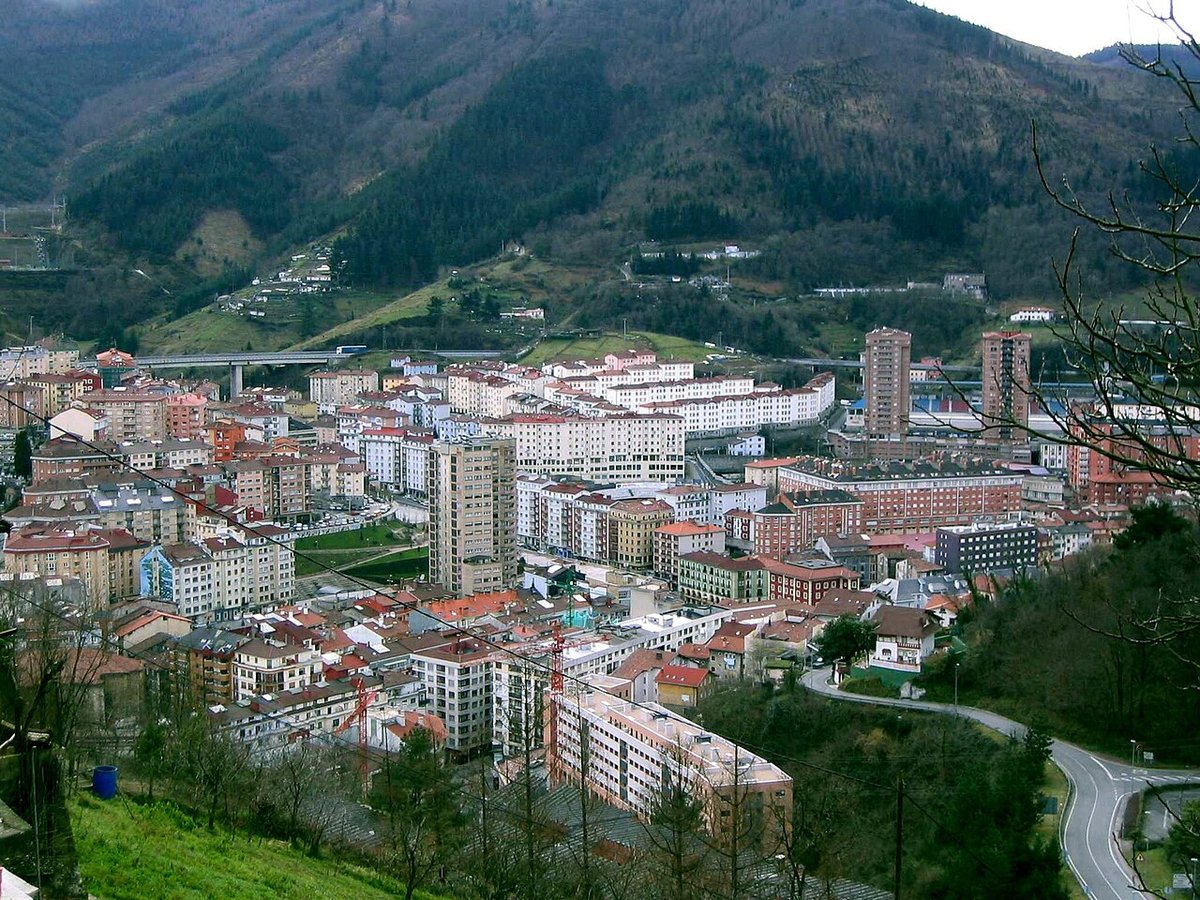
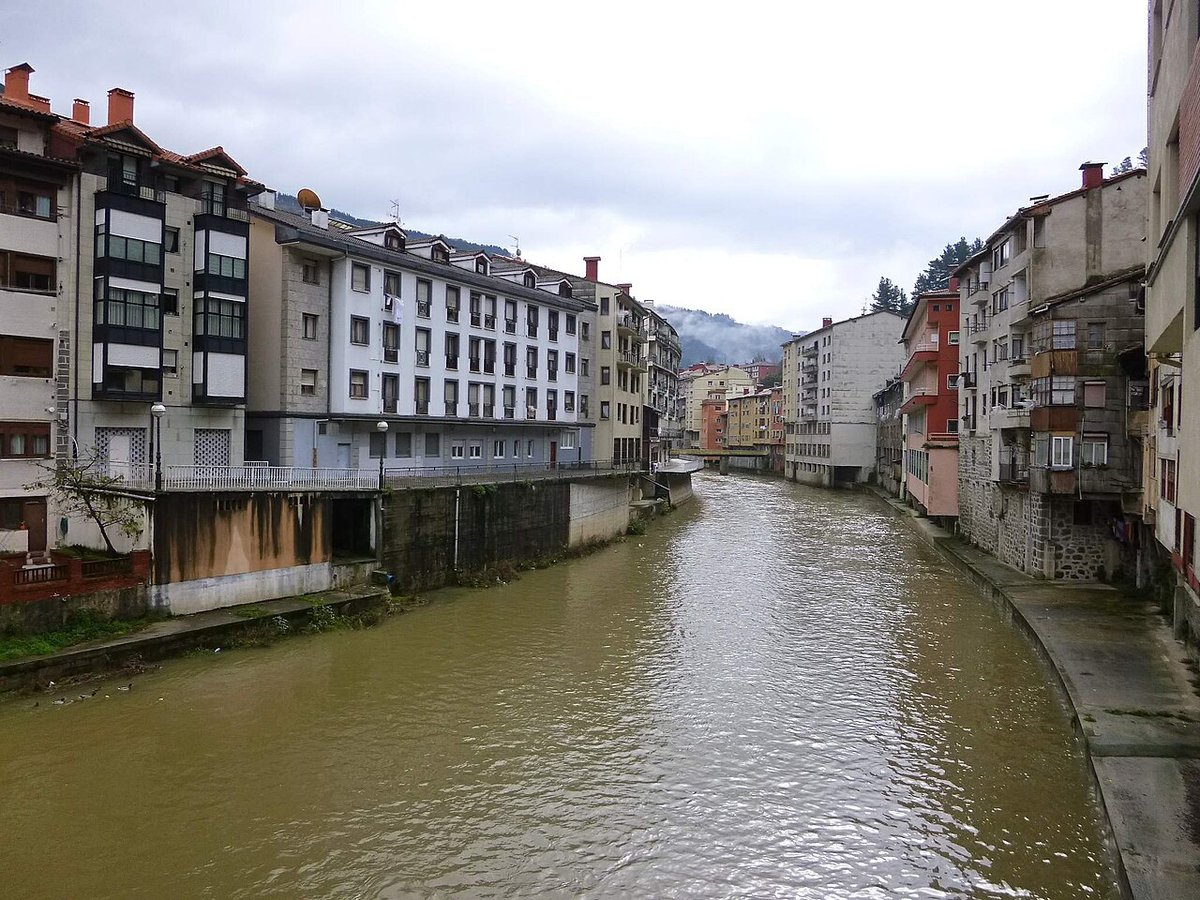
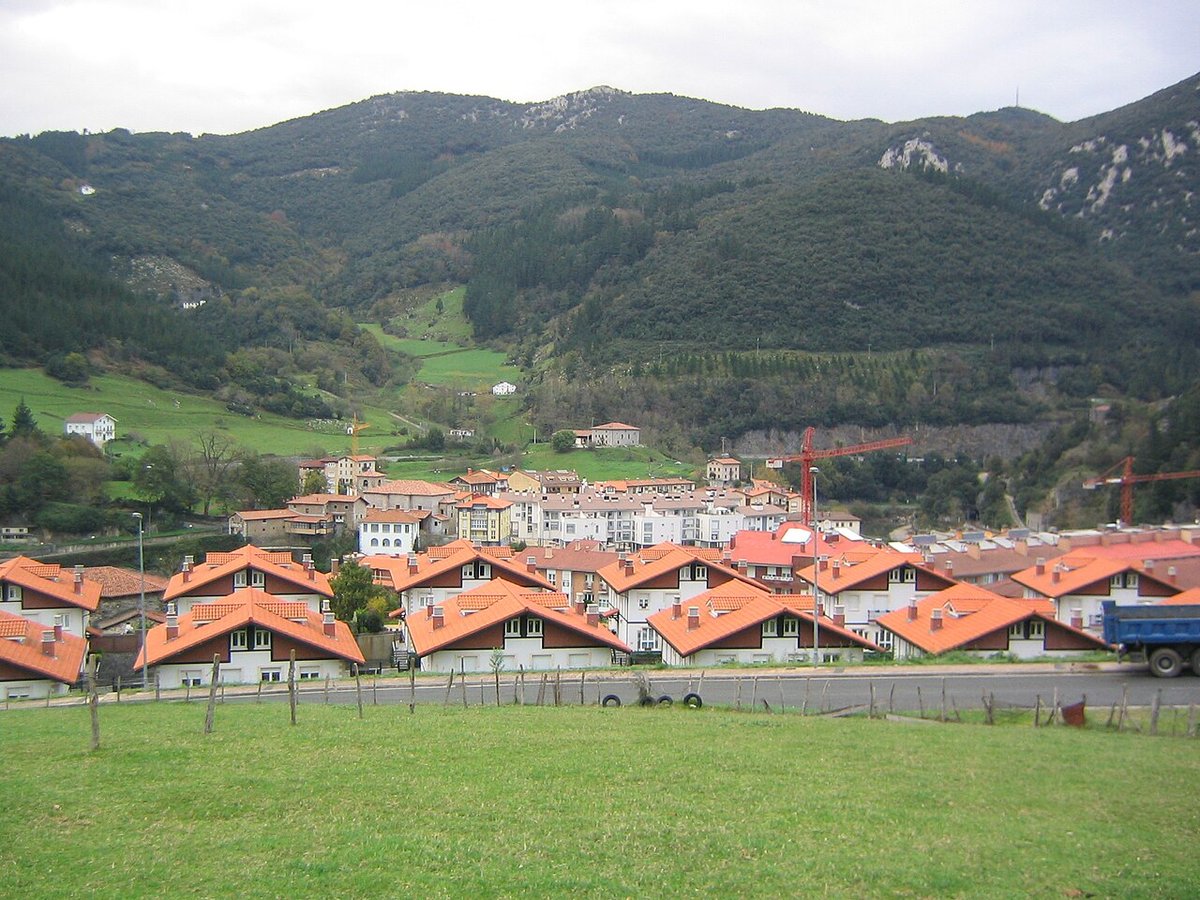
The smell of machine oil drifts through the centre of Elgoibar in the late afternoon, mixed with the sharper note of cider. As the day winds down and shutters begin to close on some workshops, the River Deba keeps moving between industrial units and old stone farmhouses with window boxes full of geraniums. From the Puente de Hierro, that contrast is easy to take in: metal alongside water, factory beside vegetable plots. By Friday, the sound of grills already murmurs from somewhere in the town centre.
This is a place where industry and everyday life sit side by side without much fuss. The river threads through it all, tying together the different rhythms of the town.
The sound of machines
Work defines Elgoibar. Not the abstract kind associated with offices, but the kind shaped by hands that have handled steel for generations. The Museo de la Máquina Herramienta keeps that history tangible. Inside are early twentieth-century lathes and milling machines, heavy pieces with thick levers and surfaces polished by use. Walking among them, it still feels as though some trace of their old noise lingers.
Stories emerge through display panels and guided visits. Entire families tied to workshops, apprentices starting young, components travelling far beyond this narrow valley. The surrounding region has long been linked to the manufacture of machine tools. That connection shows up in everyday language and in the number of small industrial buildings scattered across different neighbourhoods.
Autumn sometimes brings trade fairs or professional gatherings linked to the sector. The atmosphere shifts slightly then. More visitors arrive, technical conversations unfold in several languages, and cars fill spaces usually reserved for workers coming and going from their shifts.
Stones that remain
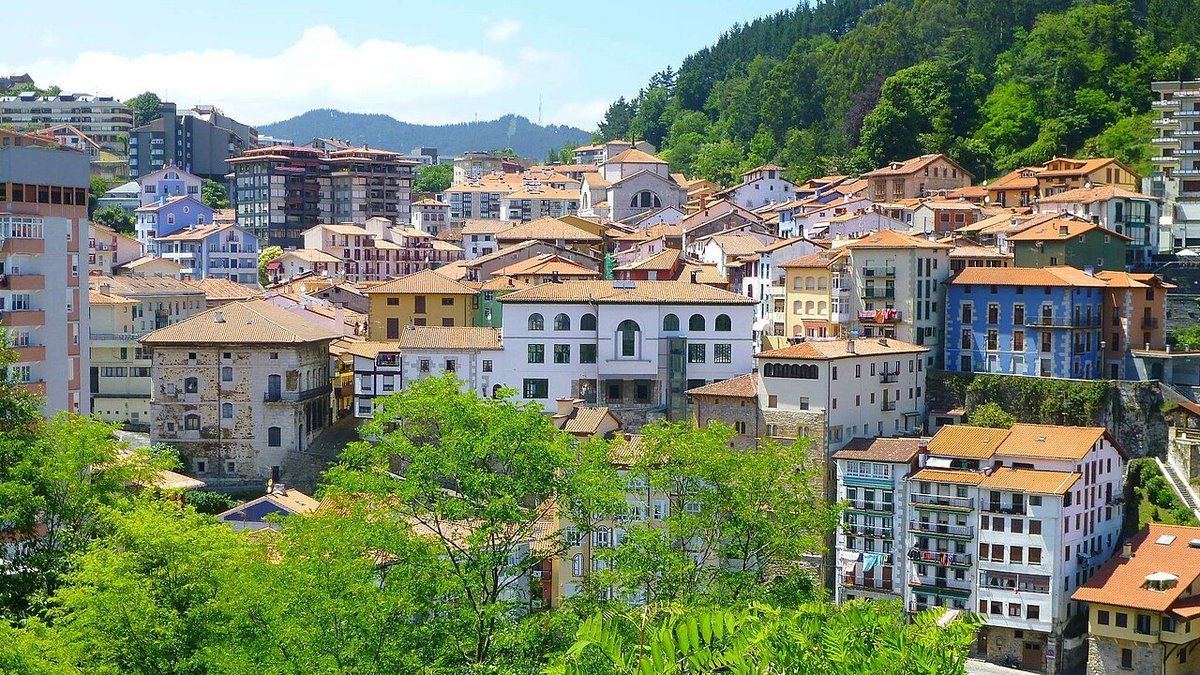
At the cemetery of Olaso, beneath several chestnut trees that drop glossy brown leaves in autumn, a Gothic portico still stands. It is what remains of the former church of San Bartolomé de Olaso. The stone has worn down so much that it feels smooth to the touch, as if centuries of rain had gently sanded it.
From this spot, the valley opens out. Dark rooftops appear alongside the occasional industrial chimney, and in the distance the outline of Mount Karakate becomes visible when the mist lifts.
The Altzola tower house, now used as a cultural venue, retains the solid presence typical of late medieval Basque towers. Thick walls, small windows and a spiral staircase define the structure. Exhibitions and local cultural activities are often held inside. On a quiet day, the building keeps a cool stillness that persists even in summer.
Cider and everyday food
At almost any bar in the centre, cider is poured in the traditional Basque way. The server raises the bottle and lets the liquid fall from a height so it strikes the rim of the glass. Here it is not a performance but simply how cider is served.
Local cooking leans on straightforward ingredients and habit. Stewed fish dishes appear regularly, along with chipirones in a dark sauce and freshly made tortilla. During the cider house season, many tables end up sharing chuleta, bread and strong cheese as conversation grows louder.
A weekly market usually takes place in the square or nearby streets. Early in the day, cloth bags appear alongside stalls selling vegetables and sheep’s cheese that still carries the scent of dried grass. The mood is calm, with quick purchases and brief conversations before people head home.
When the valley turns red
The route up to Kalamua begins along forest tracks that wind across the hillside. It helps to set off early, especially in summer when heat lingers in the valley. Winter brings the opposite effect. Fog settles over Elgoibar, and as the climb continues, treetops start to emerge like grey islands above it.
At the summit, wind is often strong. From there, the path of the Deba can be traced, along with the network of industrial estates that have grown around the town. On clear days, a faint glimmer of the sea appears to the north.
The Karakate area holds several dolmens scattered among heather and low scrub. These stone structures are easy to miss without knowing where to look. Many of the slabs are covered in yellow lichens, and the ground stays damp for much of the year, so sturdy footwear is useful.
Back in the town centre, the church of San Bartolomé catches the afternoon light through its stained glass. Inside, different artistic styles come together in its images and altarpieces. Sitting quietly for a moment reveals a familiar background sound. It is not birdsong but the distant hum of a workshop. In Elgoibar, even when everything seems still, some machine is always at work somewhere in the valley.