Full Article
about Mendaro
Between hills and sea, Basque tradition and good food in every square.
Hide article Read full article
Where the Morning Smells of Cocoa
The scent of hot chocolate reaches you before the river comes into view. For anyone thinking about travelling to Mendaro, it often begins there: a thick, lingering aroma drifting out from an old workshop in the centre while dawn is still undecided. On market day, Txurruka square stirs slowly. Stone benches hold onto the night’s coolness, a man unclips his dog while whistling something that dissolves into the overlapping sound of bells. The churches of the Asunción and the Concepción ring at once from different neighbourhoods.
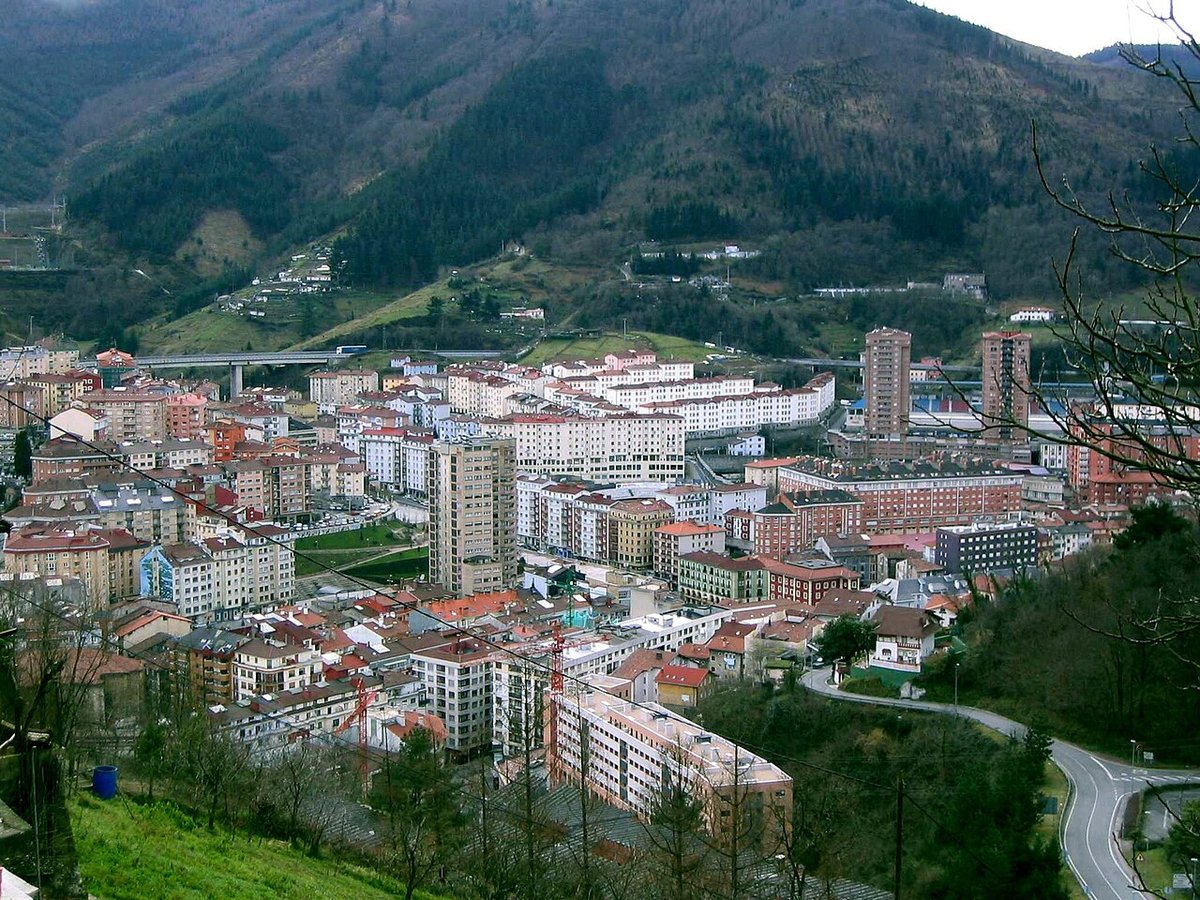
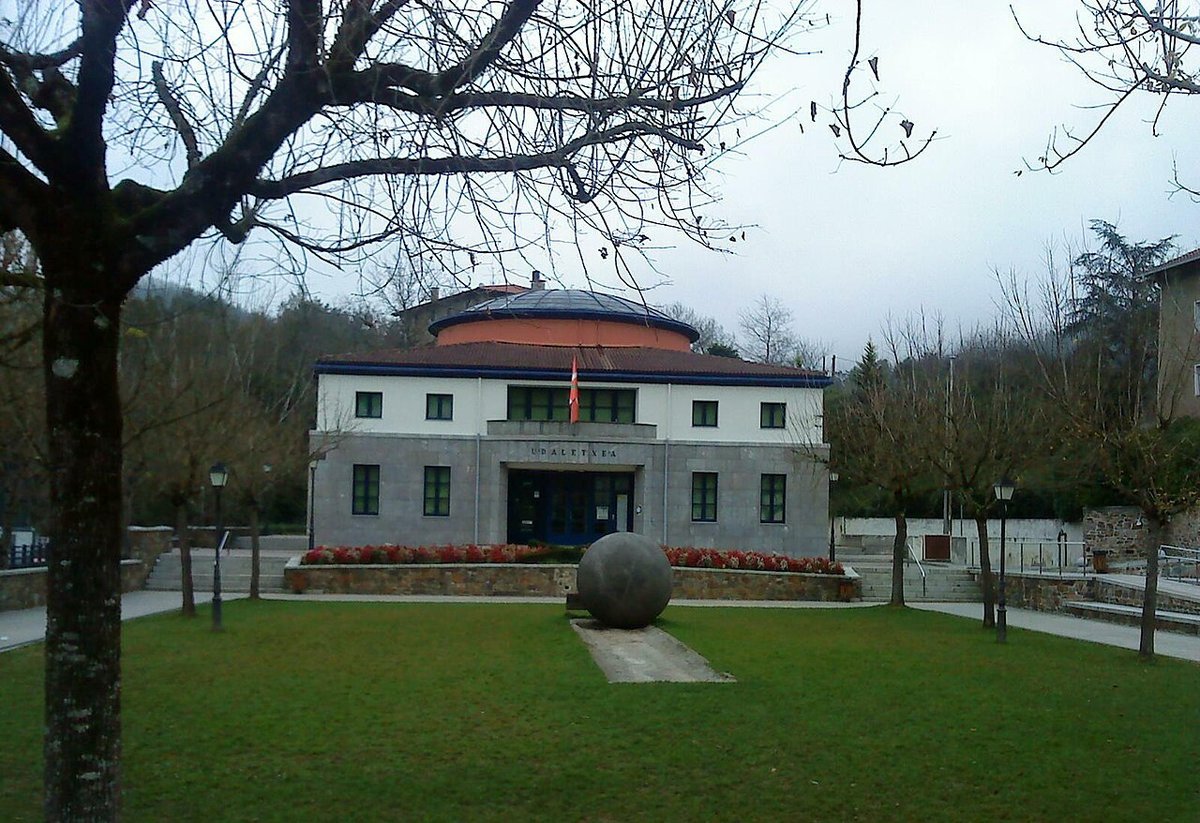
Mendaro wakes between those two parishes and a river that splits into a V-shape, as if the town were suspended from a fan of water.
Two Churches, One Town
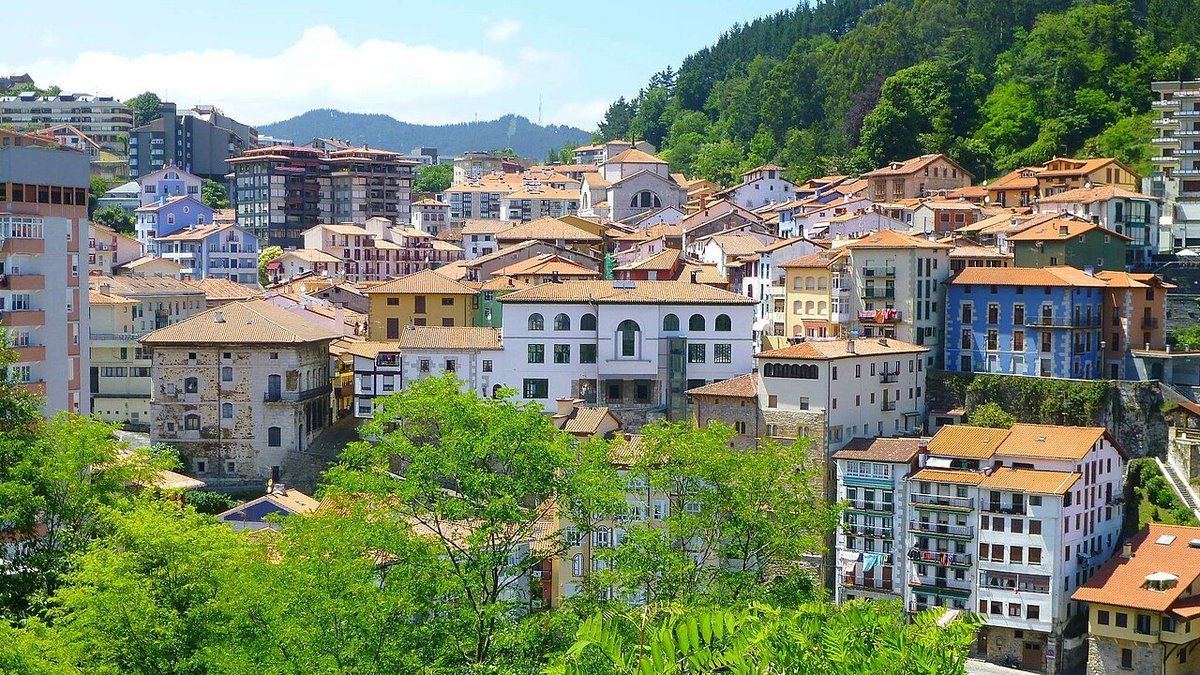
Walking here quickly makes it clear why no one ever quite agreed where the town centre ends. In the mid-15th century, the first parish was built in Azpilgoeta. Not long after, a second appeared in Garagarza. Both still stand and are now protected heritage sites, their Renaissance doorways showing patches of moss that cling to the stone during the damp winter months.
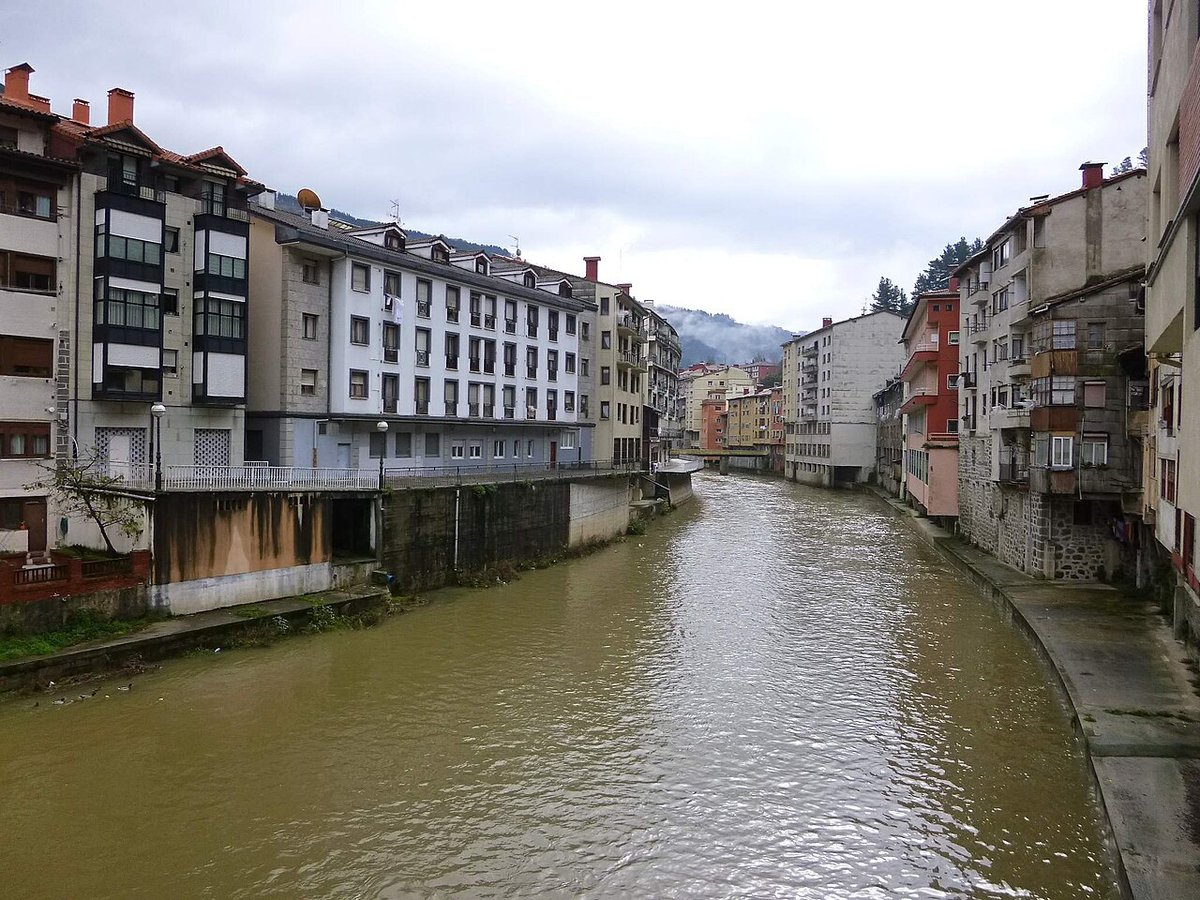
Between them winds the Deba river. Houses lean towards the water as if listening in: to the memory of old stone docks, to workshops where iron was worked for centuries and cables for ships were made, to people coming down from the hills with clothes still wet from the morning dew.
The layout of the town is clearest from the old bridge. On one side stands a 15th-century defensive tower, its narrow openings facing the valley. On the other are the frontón, where traditional Basque pelota is played, and the industrial buildings where cocoa has been worked for generations. There is no need to choose one side over the other. In ten minutes it is possible to cross from one neighbourhood to the next and return via the newer bridge, where passing cars make a hollow sound when the river is running high.
The Mountain That Feeds the Valley
By midday, the light takes on a green tint. Heading up towards the Arno massif means leaving the valley floor and entering a landscape of holm oaks and pale limestone clearings. There is a circular route well known among locals that begins near the sports centre. It stretches for around eleven kilometres and usually takes just over three hours at an unhurried pace.
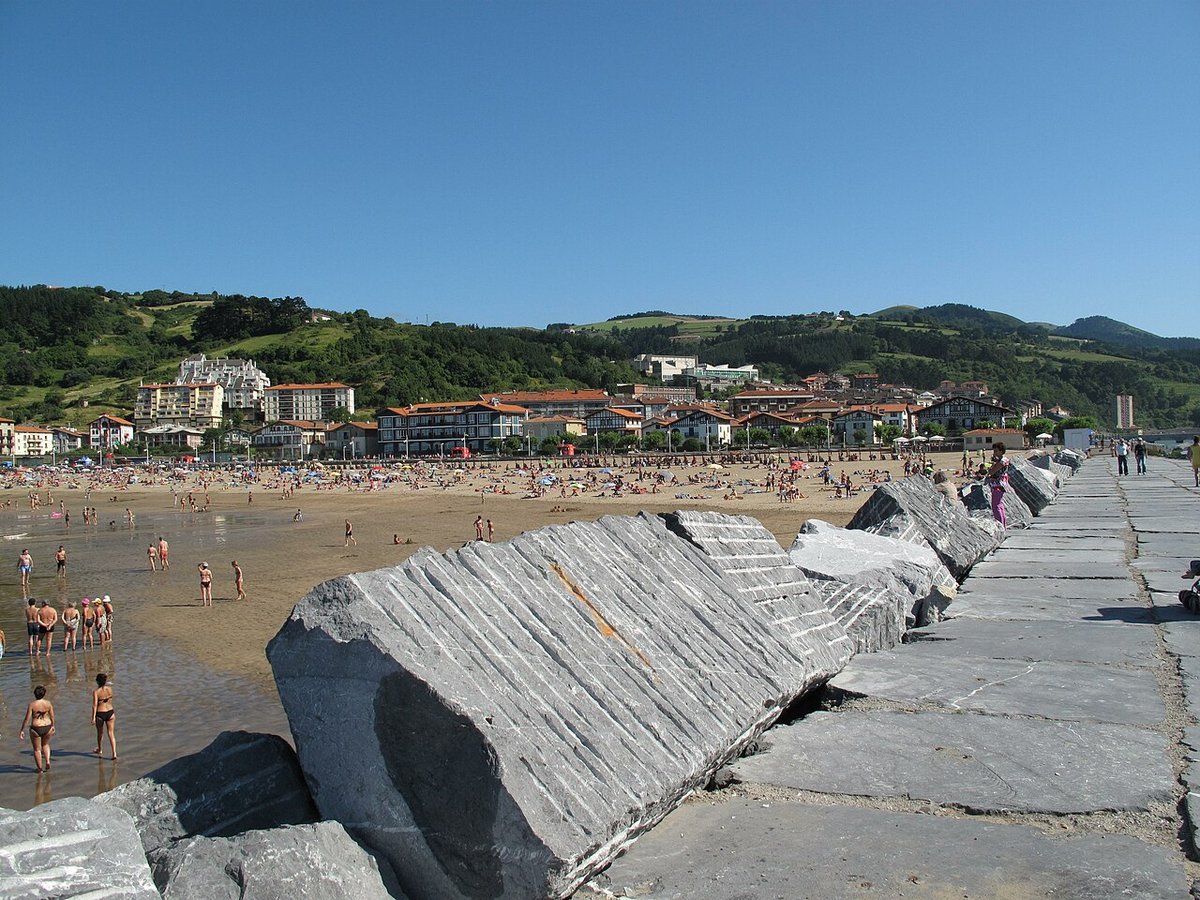
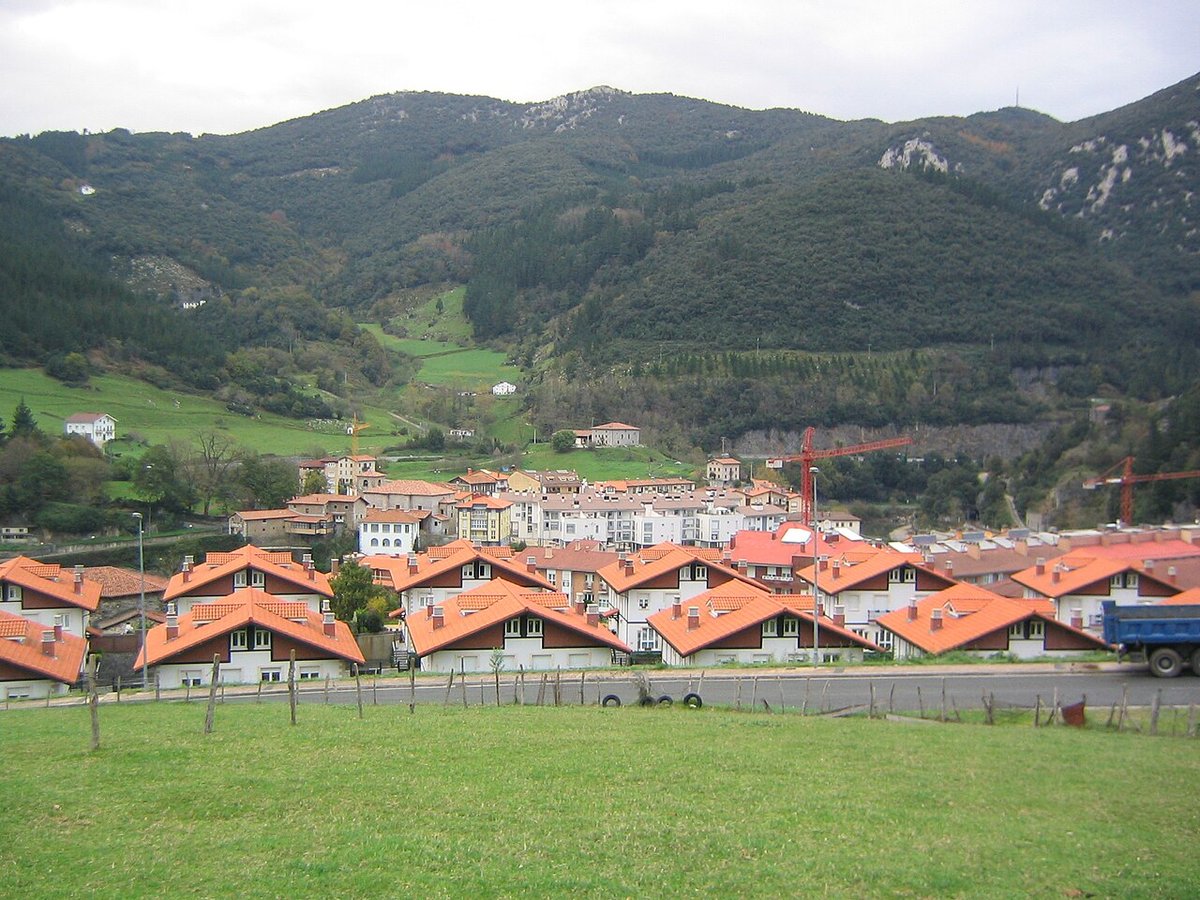
The first section follows a wide track, almost gentle enough to feel like a stroll. Gradually the path narrows and slips into woodland, where the ground turns soft under a layer of damp moss. On cloudy days the air smells of earth and old leaves. From the higher points, the entire valley opens up: the Deba traces its V-shape, Mendaro becomes a cluster of rooftops, and to the north there are moments when a strip of sea appears between the hills.
It is worth checking the weather before setting off. After several days of rain, some of the descents become slippery underfoot.
Fire, Music and Gatherings
As July approaches, the first drumbeats of the Santa Ana festivities begin to carry across the town. During that week, the rhythm of daily life shifts. There are rural sports competitions in the frontón, evening music under temporary tents, and the smell of grilled food that lingers on clothes.
Many people who live elsewhere return at this time. It shows in the long conversations in the square and in children playing around the bandstand while adults bring chairs out onto the street. For those who prefer a calmer atmosphere, weekdays tend to be easier than the weekend.
The romerías, traditional open-air gatherings often linked to religious dates, have a different feel. On Trinity Sunday, many people walk up to the hermitage of Mendarozabal carrying baskets of food and bottles of cider or txakolí, a lightly sparkling local white wine. The small building, said to have medieval origins, cannot hold many people, so the celebration spills out into the meadow, with mountain wind moving through the oak leaves.
At the beginning of March, another procession heads towards the hermitage of the Santo Ángel, lower down in the valley. On that day, the whole neighbourhood smells of rosemary and freshly blessed bread.
Chocolate as a Way of Life
Chocolate is as much a part of Mendaro as the river itself. In the centre of town there is a historic factory that still works in largely traditional ways. It does not rely on large signs. Instead, it announces itself through smell, escaping through doorways when they are open in the morning.
From outside, it is sometimes possible to glimpse trays of chocolates cooling or metal moulds lined up on tables. The chocolate made here is dark and firm, the kind that breaks with a clean snap.
If you step inside to buy some, it is usually wrapped in simple paper. Even a small piece is enough to fill a car with its scent on the journey away.
Choosing the Moment
Summer brings energy and festivals, along with more traffic through the narrow streets in the centre. September often feels like a balanced time to visit: the weather remains pleasant and the coast lies about half an hour away by car.
In winter, fog often settles in the valley for much of the morning. The bells sound muted and the river seems wider than it really is. There is a quiet appeal to it, though some paths, especially those that follow the course of the Deba towards the coast, become heavier going.