Full Article
about Soraluze (Placencia de las Armas)
Between hills and sea, Basque tradition and good food in every square.
Hide article Read full article
A town cut by the Deba
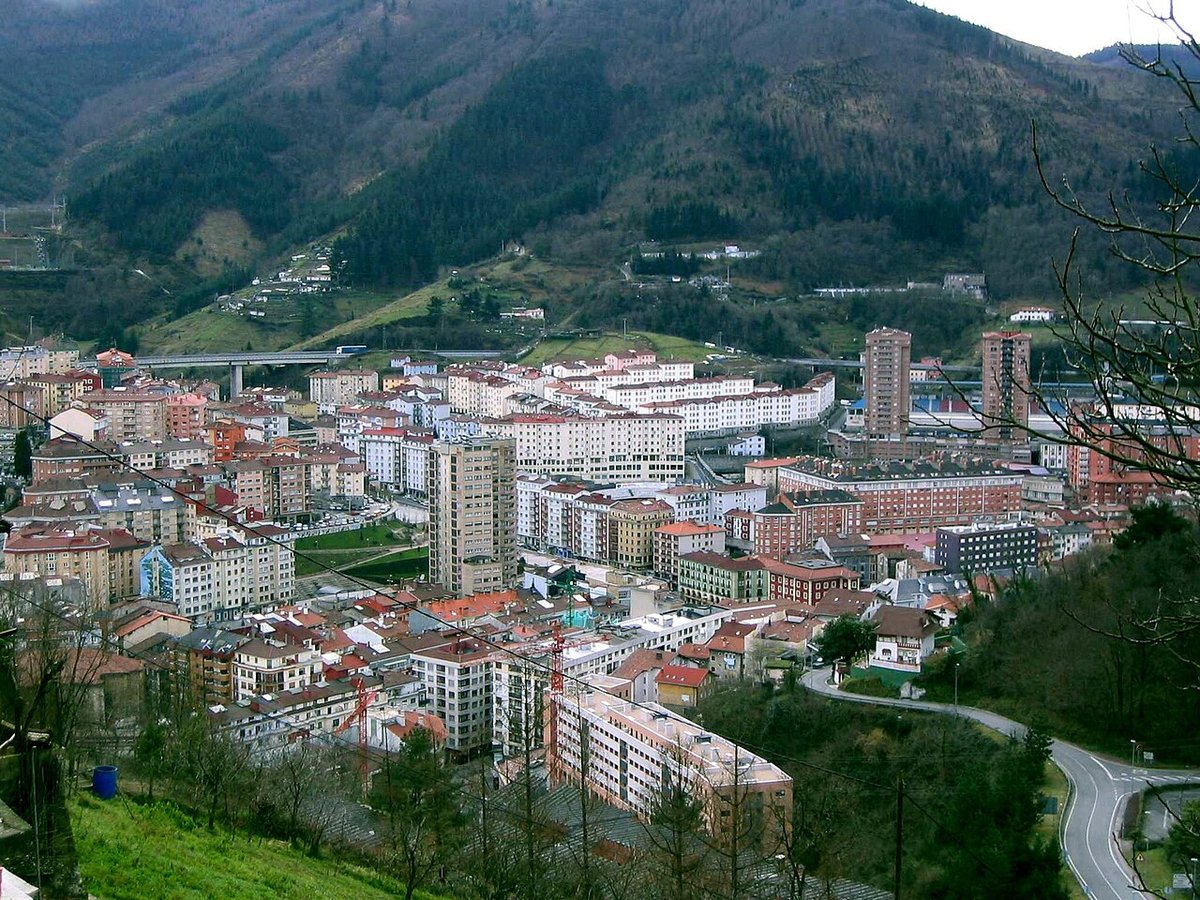
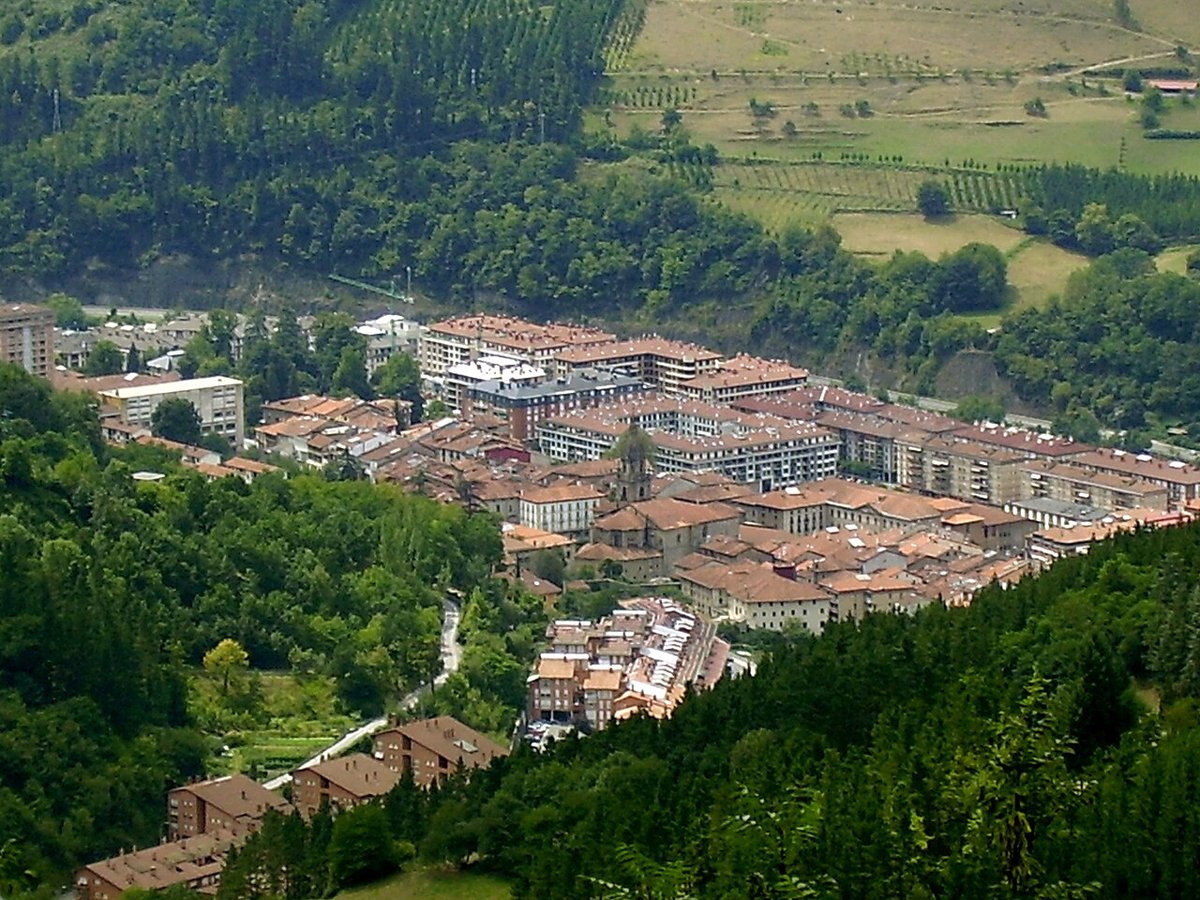
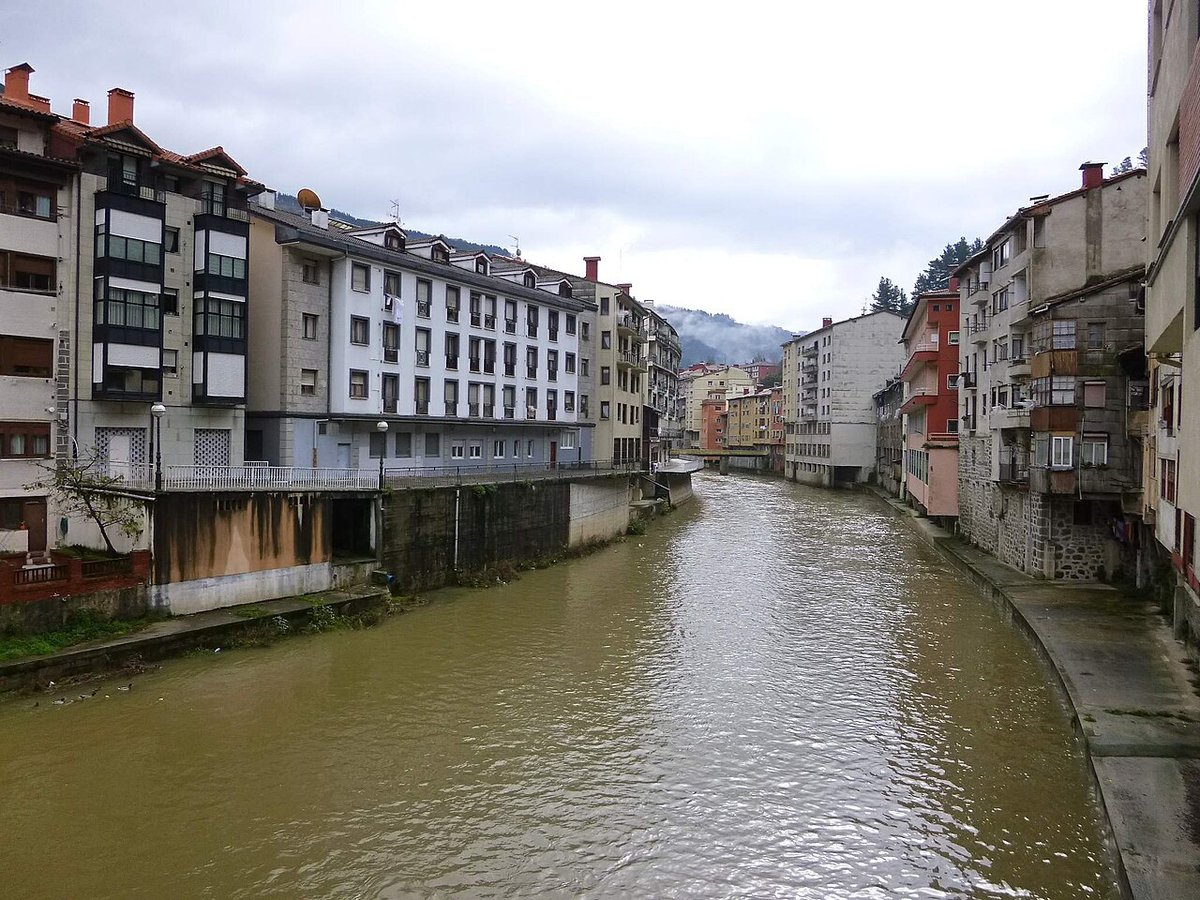
The river Deba splits Soraluze cleanly in two. From the main road bridge, the shape of the place becomes obvious: houses set on both slopes, streets rising quickly from the water, dark roofs packed tightly together. It sits between worlds rather than fully in one. This is not open coastline or enclosed mountain, but a point in the valley where the Karakate range begins to rise while still leaving room for industry and small plots of land.
Soraluze was founded in 1343 as a royal town tied to a very specific trade: working iron to make weapons. That origin still helps explain its layout and much of what can be read in its streets today.
The town that forged weapons
The founding charter was granted by Alfonso XI in the mid 14th century. The choice made sense at the time. The Deba valley provided a route towards Castile, and there was already a tradition of metalworking in the area. The addition “de las Armas” is not a later invention. For centuries, Soraluze was one of the places where components for the Crown’s armament were produced.
Forges and workshops clustered along the river, which powered the machinery and made transport easier. Very little of that industrial landscape remains clearly visible now. There are thick walls here and there, traces in the layout of plots, and street names that still echo the trade.
The parish church stands on higher ground above the town centre. Most of the current building dates from the 16th century, although records mention a church on this site from an earlier period, when the town was still known as Plasencia. Its large wooden porch from the 17th century draws attention for its scale and oak carpentry. Inside, a neoclassical altarpiece is usually linked to the circle of Ventura Rodríguez. It is not an imposing piece, yet it reflects the level of artistic ambition that an صنعتی town like this could support at the time.
Streets shaped by trade
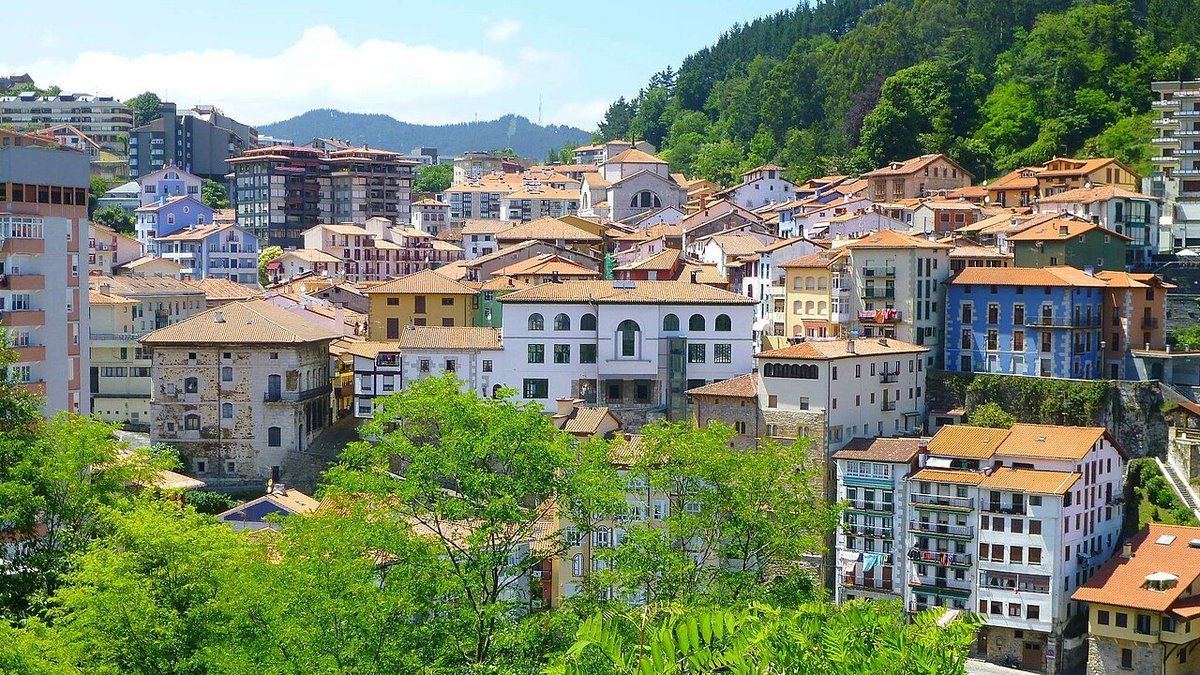
Along Calle Mayor, several buildings hint at the wealth generated by iron. The town hall, completed in the 18th century, presents a restrained Baroque façade: carefully cut stone, a royal coat of arms, and a continuous balcony overlooking the square.
Elsewhere in the centre, there are townhouses that follow the model of Renaissance urban palaces found in many Gipuzkoan towns connected to the metal trade. Wide, high entrance halls suggest the movement of loaded animals passing through. Some buildings have origins in earlier defensive structures that were gradually adapted into more comfortable residences. Their thick walls remain, and certain windows still retain shapes associated with the 15th century.
Walking through Soraluze always involves a degree of slope. Streets that run parallel to the Deba are short. Those that climb the hillside do so with a noticeable incline. In some stretches, old paving stones survive, and they become slippery in wet weather. Ground floors often feature large wooden doorways and former stable entrances. Above them, iron balconies repeat from house to house, a reminder of the craft that defined the town for generations.
The range above: Karakate
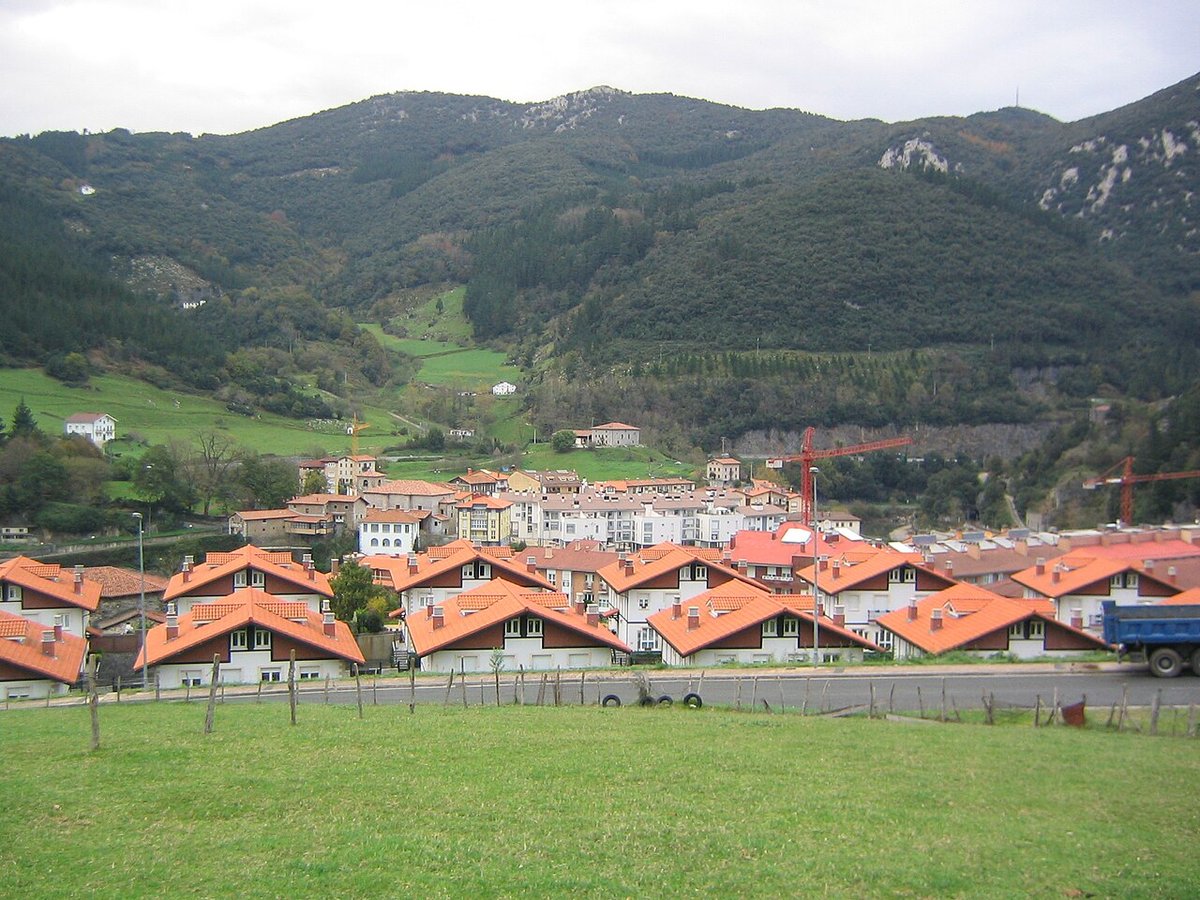
To the south rises the Karakate range, visible from almost anywhere in the town. Its highest point reaches around seven hundred metres and can be approached by a track climbing from the valley. As the ascent continues, built-up areas fall away and give way to beech woods and open pasture.
From this area begins the route known as the Dolmen Route of Karakate–Irukurutzeta, studied in its time by Barandiarán. The megalithic monuments here are modest: small mounds and stone chambers marked along the ridge. Even so, they offer another way of reading the landscape. They point to human presence long before the forges and long before the town itself.
For a gentler walk, many locals use the path that follows the Deba towards the neighbourhood of Osintxu. This is a long, fairly flat bidegorri, a shared path for walking and cycling, which tracks the course of the river. Along the way, there are remains of former industrial installations and a metal bridge dating from the early 20th century. In summer, it is common to see local teenagers bathing in some of the calmer stretches of the river, although the water tends to stay cold even on the hottest days.
Everyday life that continues
Soraluze keeps a daily rhythm that will feel familiar in industrial towns along the Deba. The fronton at the entrance to the centre draws activity in the afternoons. This is where pelota, a traditional Basque ball game, is played. There is also an active skittles game in the area of Ezozia, a local tradition that still has its small group of regulars.
Across the municipality, several small hermitages are scattered over neighbourhoods and hillsides. Each has its own romería, a local festivity tied to the calendar. These are gatherings shaped more by neighbours than by visitors.
In recent years, families from different countries have settled here. That change is noticeable in some shops and in the general atmosphere of the streets. They live alongside long-established groups who still talk about pelota, the mountains, or work in the workshops of the surrounding area.
Soraluze can be explored in a short time. What tends to stay with visitors is not a single landmark but a way of looking. Lift your gaze and the town reveals itself in layers: tight rows of houses, steep streets, and the constant presence of the hills above.