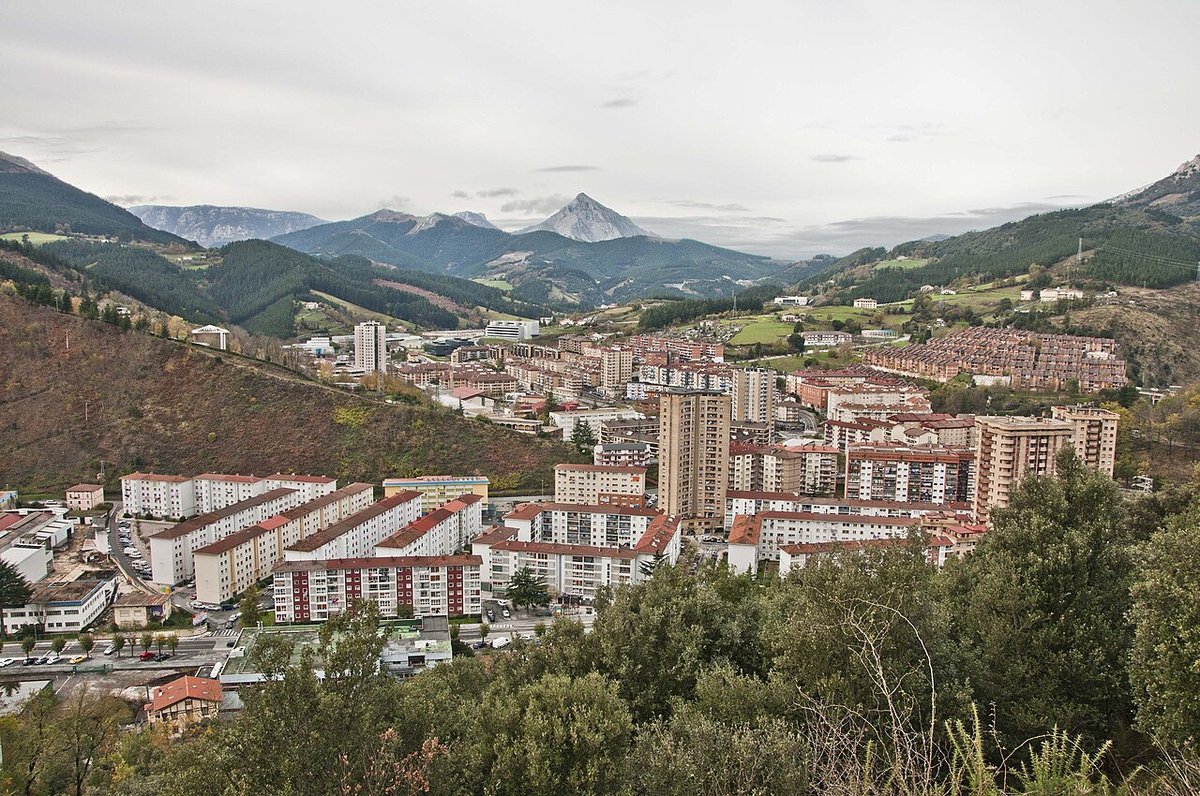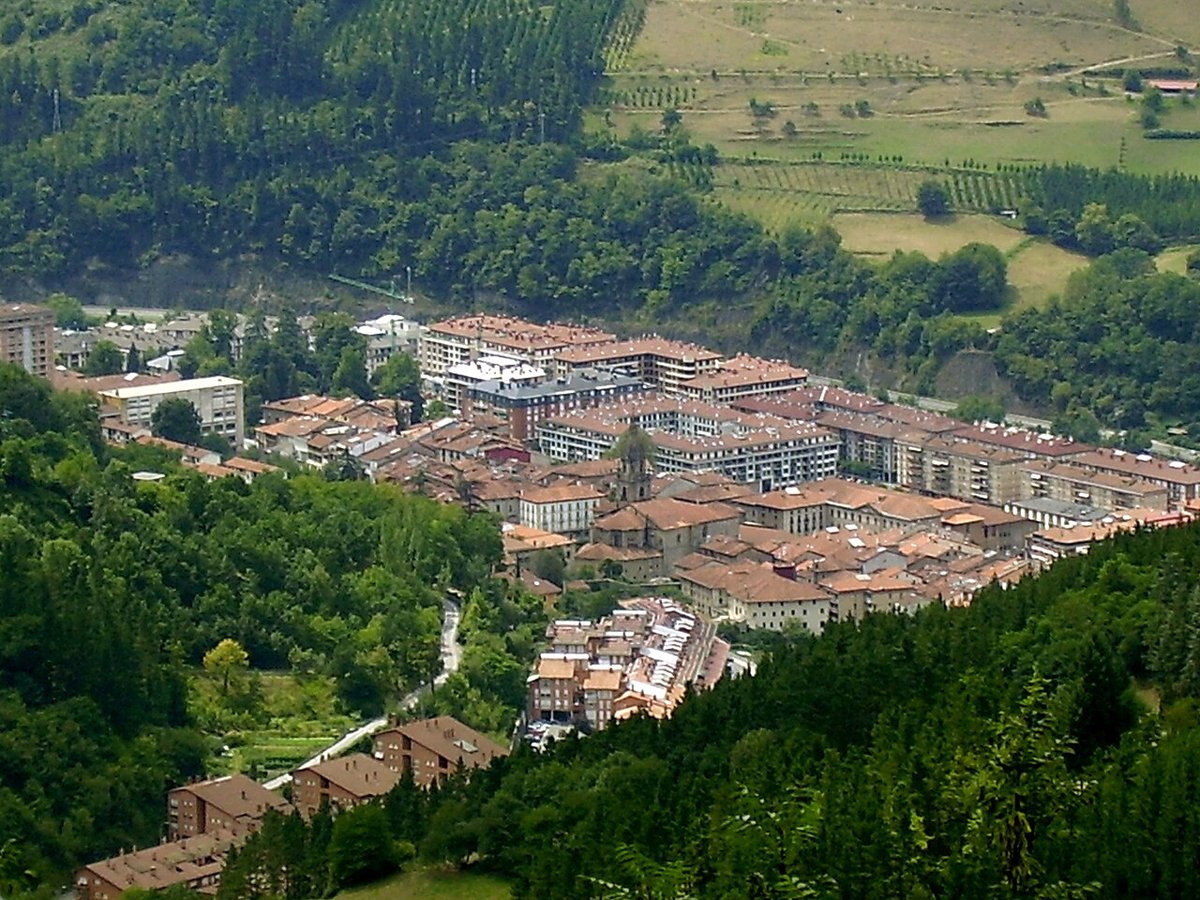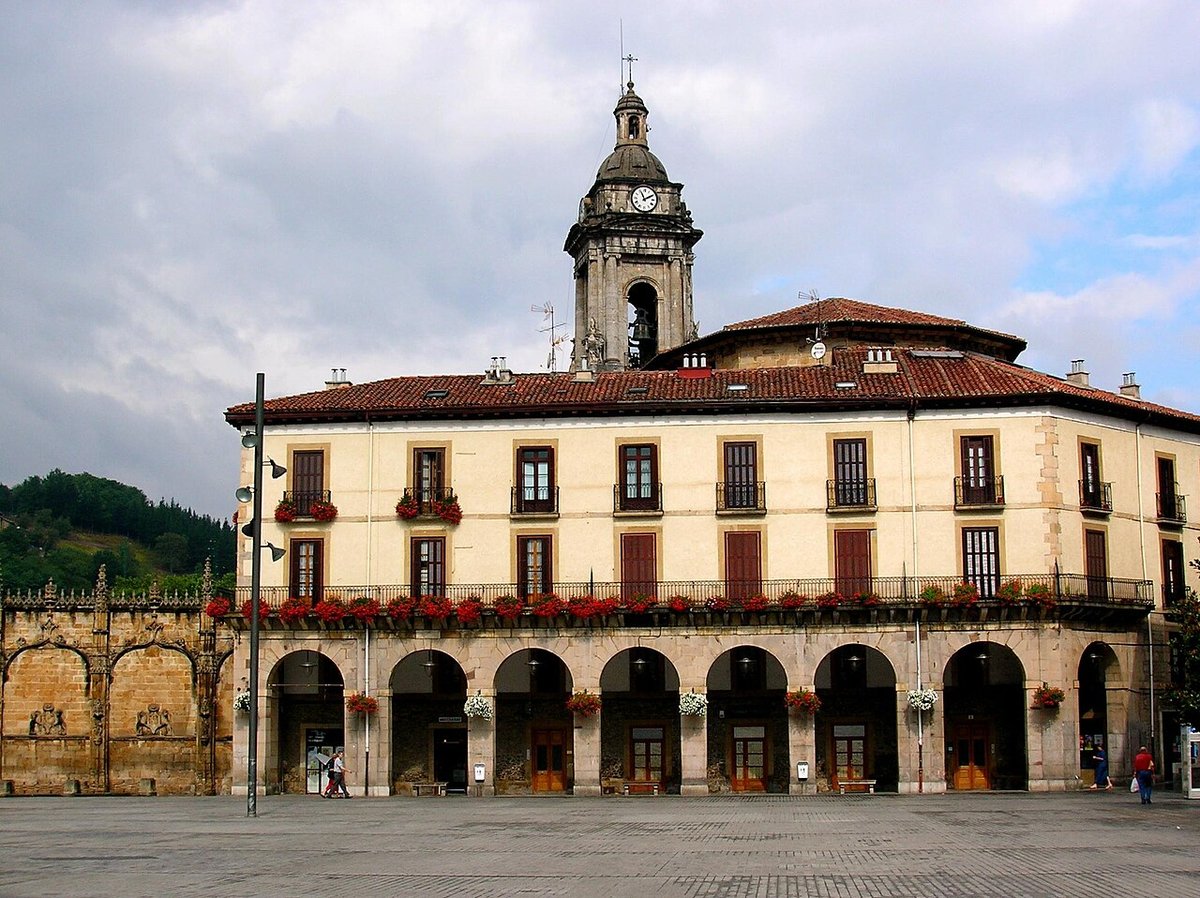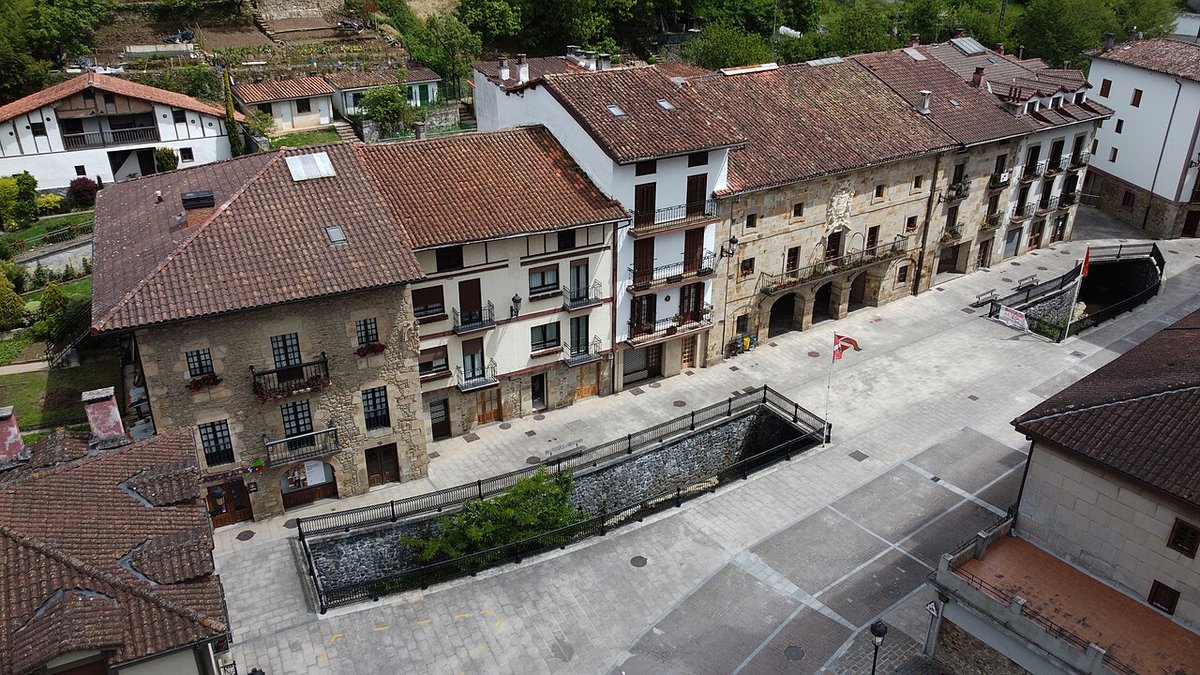
Antzuolako herriko plaza ekialdetik begiratuta
Oier Peñagarikano Arenaza · CC BY-SA 4.0
País Vasco · Atlantic Strength

Antzuola

The church bell strikes noon and the only other sound is a tractor reversing into the co-op yard. In Antzuola, population two thousand and change, ...

2,045 inhabitants · INE 2025
m Altitude

Why Visit

Mountain Historic quarter Hiking

Best Time to Visit

summer

Things to See & Do
in Antzuola

Heritage

  • Historic quarter
  • Parish church
  • Main square

Activities

  • Hiking
  • mountain biking
  • viewpoints
  • local food

Full Article
about Antzuola

Deep green, farmhouses and nearby mountains with trails and viewpoints.

Ocultar artículo Leer artículo completo

The church bell strikes noon and the only other sound is a tractor reversing into the co-op yard. In Antzuola, population two thousand and change, the working day is already tipping towards lunch. A woman in gardening clogs crosses the plaza with a lettuce in each hand; two teenagers coast past on bikes, chatting in Euskera without lowering their voices for the stranger. Nobody checks their phone. Nobody needs to—everyone knows where everyone else is, and anyway the 3G drops out halfway up the lane.

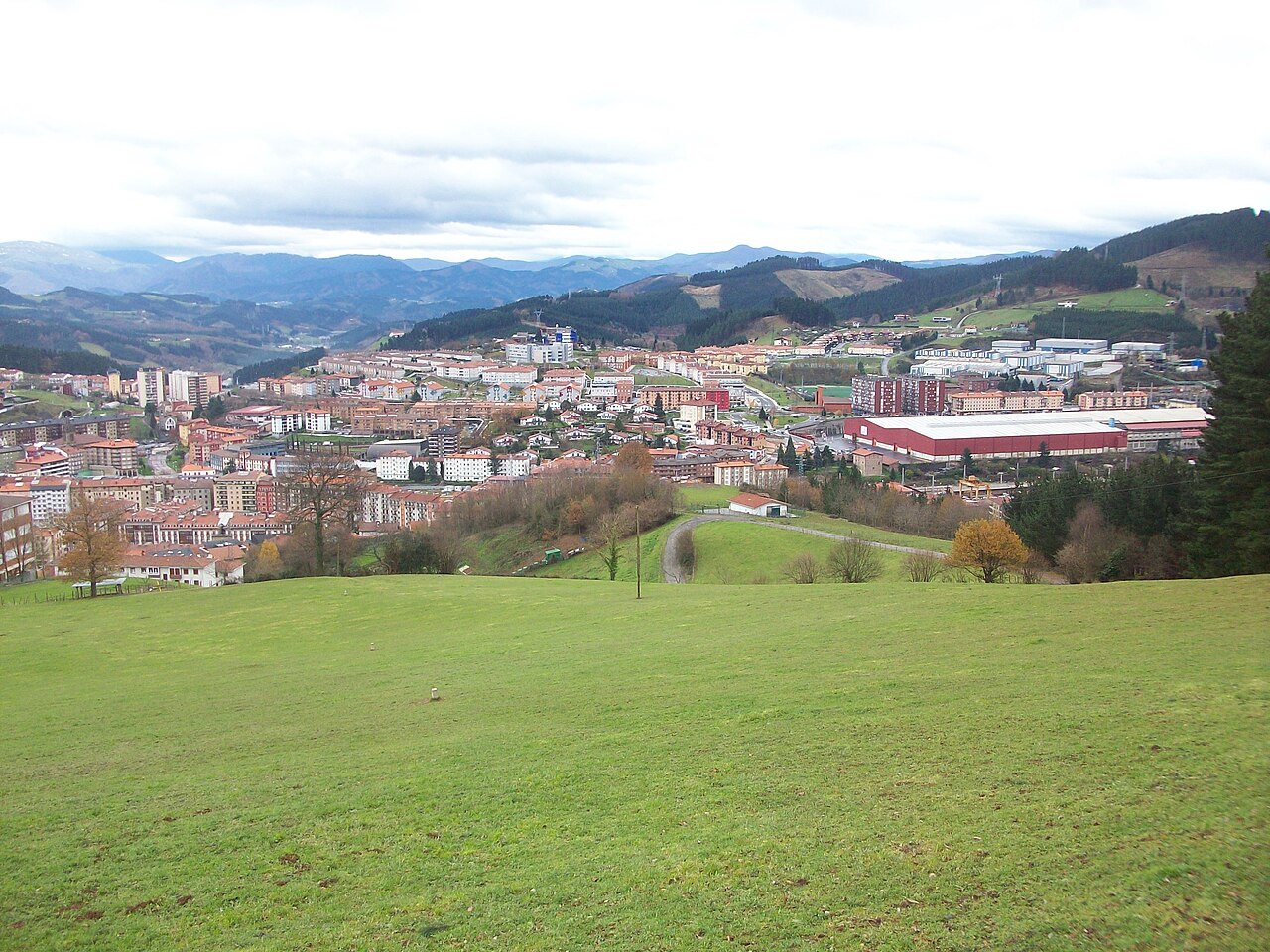
This is Debagoiena, the inner heart of Gipuzkoa, forty minutes by mountain road from the coast and a world away from San Sebastián’s polished pintxo bars. Antzuola isn’t remote in the sense of perilous tracks or shepherds with staffs; it’s simply inconvenient enough that tour coaches don’t bother. The result is a village that still functions for locals first and visitors second, a quality that feels increasingly exotic.

Stone, Slope and Sheep-Cheese Air

The centre is three streets wide. Pale stone houses with wooden balconies lean slightly, as if adjusting to the slope that slides towards the river. There is no souvenir shop; the nearest thing to retail therapy is the bakery that sells yesterday’s baguette for fifty cents if you arrive after eleven. Instead, the architecture is the entertainment. San Andrés church squats at the top of the square, its door usually open, interior plain enough to absorb in the time it takes to read the Sunday service sheet. Step inside and the temperature drops five degrees—welcome in July, when the valley traps heat like a kiln.

Outside, the air smells of cut grass and sheep cheese. Idiazabal is made in surrounding farmhouses, the wheels stacked in humid stone cellars until they develop the gentle nuttiness that separates the real thing from supermarket imitations. Ask at Larrea Taberna and the barman will cut you a wedge so fresh it still holds the imprint of the maker’s thumb. Pair it with the house txakoli, tart enough to make your jaw tingle, and you have lunch for under a fiver—assuming you remembered to bring cash, because the card machine is famously temperamental.

Paths That Start at the Pavement Edge

Antzuola’s real monument is its hinterland. Leave the square by any side street and within two minutes tarmac gives way to dirt track. Printers’-ink green pastures climb both sides of the narrow valley; hay bales wrapped in white plastic look like giant marshmallows abandoned by giants. Waymarking is minimal—an occasional splash of yellow paint on a gatepost—so navigation relies on common sense: keep the village below you and the beech woods above. A thirty-minute loop brings you to the tiny hamlet of Iraeta, where stone crosses stand in front gardens like modest gravestones for forgotten saints. The only soundtrack is a cockerel with questionable timing and, further off, the hydraulic hiss of a milking machine.

Serious walkers can keep going south along the old mule trail to Araia, twelve kilometres over the pass, but the casual visitor will find enough in the first three. After rain the clay sticks to boots like wet concrete; in high summer the same path turns to dust that coats your shins. Either way, sturdy soles beat white trainers every time.

When the Ball Hits the Wall

Back in town, the frontón is the social barometer. Built in 1932, the wall still carries a painted advert for a long-defunct brand of rolling tobacco. If you hear the hollow thud of pelota, wander in. Matches start late—usually Sunday mornings after mass—and finish when the players decide they’re hungry. There are no seats; spectators lean against the railings, shouting advice in Basque that needs no translation. The pace is hypnotic: catch, flick, smash, silence. Even if you grasp nothing of the scoring, you’ll pick up the hierarchy: teenagers fetch water, grandfathers hold the money, and anyone wearing a tracksuit is probably better than the lad currently losing.

Should rain drive everyone indoors, Larrea fills up fast. Order the wild-mushroom pintxo—garlicky fungi piled on sourdough—and listen to the switch from Spanish to Euskera and back again within the same sentence. Attempting “kaixo” (hello) earns a nod; attempting “eskerrik asko” (thank you) earns a free top-up of txakoli. English is scarce, but pointing works. Just don’t ask for tapas; here they are pintxos, and the toothpick is part of the price.

Beds, Bills and Practicalities

There are no hotels, only three rural houses. Agroturismo Ibarre, five minutes out of town, is the foreigner favourite: thick stone walls, Wi-Fi that actually reaches the bedrooms, and a breakfast table groaning under homemade membrillo and still-warm brioche. Hosts Joxe Mari and Edurne speak fluent mime and enough English to explain how to work the shower. Doubles run €85–95 year-round, cheaper than Bilbao airport’s beige business hotels and infinitely quieter.

Meal timings matter. Kitchens close by four; dinner doesn’t start until eight thirty at the earliest. If you arrive at five expecting a cup of tea you’ll go hungry—unless you’ve stocked up at the SPAR on the main road, which also happens to be the only place within fifteen kilometres that stays open on Sunday afternoons. Plan lunch for two, dinner for nine, and you’ll glide into sync without noticing.

Getting There, Getting Stuck, Getting Out

Public transport exists in theory. There are two buses a day from Zumarraga, timed for school runs rather than tourists. Miss the 19:30 connection and you’re looking at a €25 taxi or a night in the priest’s spare room. Hiring a car at Bilbao airport is simpler: follow the A-8 west, peel off at junction 17, and head inland until the sat-nav loses signal. The last twenty minutes twist through beech forest; meet a lorry full of milk tanks and you’ll be reversing to the nearest passing bay. In winter fog the road can close without warning—carry water and a sense of proportion.

That same isolation keeps Antzuola honest. August weekends fill with returning grandchildren and the volume rises, yet even then you’ll still find parking on the square. Come in November for the feast of San Andrés and you’ll share potato omelette with farmers who remember when the valley had no electricity. They’ll tell you the old stories—how smugglers crossed these hills at night, how the priest hid republican books under the altar—while the younger generation checks football scores on phones held aloft like tiny stained-glass windows.

Worth It? Only If You Slow Down

Antzuola won’t keep anyone busy from dawn to dusk. Two hours is enough to circle the village and drink a coffee; half a day lets you walk to Iraeta and back; overnight gives you the hush of a place where streetlights switch off at one. Treat it as a breathing space between the Guggenheim and the coast, or as a base for cycling the rolling lanes that link Zumarraga, Elgoibar and tiny Oñati, each with their own granite church and rival claim to the best txuleton steak.

Leave the spreadsheets at home. Bring cash, waterproof soles and an appetite for dairy. The village doesn’t offer revelations, only the rarer pleasure of watching ordinary life proceed without a soundtrack of click-bait or coach engines. Stand by the frontón at dusk when the ball stops and the only light comes from the bar doorway, and you’ll understand why people who discover Antzuola tend to keep the coordinates to themselves.

Key Facts

Region
País Vasco
District
Debagoiena
INE Code
20011
Coast
No
Mountain
Yes
Season
summer

Livability & Services

Key data for living or remote work

2024
ConnectivityFiber + 5G
TransportTrain nearby
HealthcareHealth center
EducationHigh school & elementary
Housing~5€/m² rent · Affordable
Sources: INE, CNMC, Ministry of Health, AEMET

Official Data

Institutional records and open data (when available).

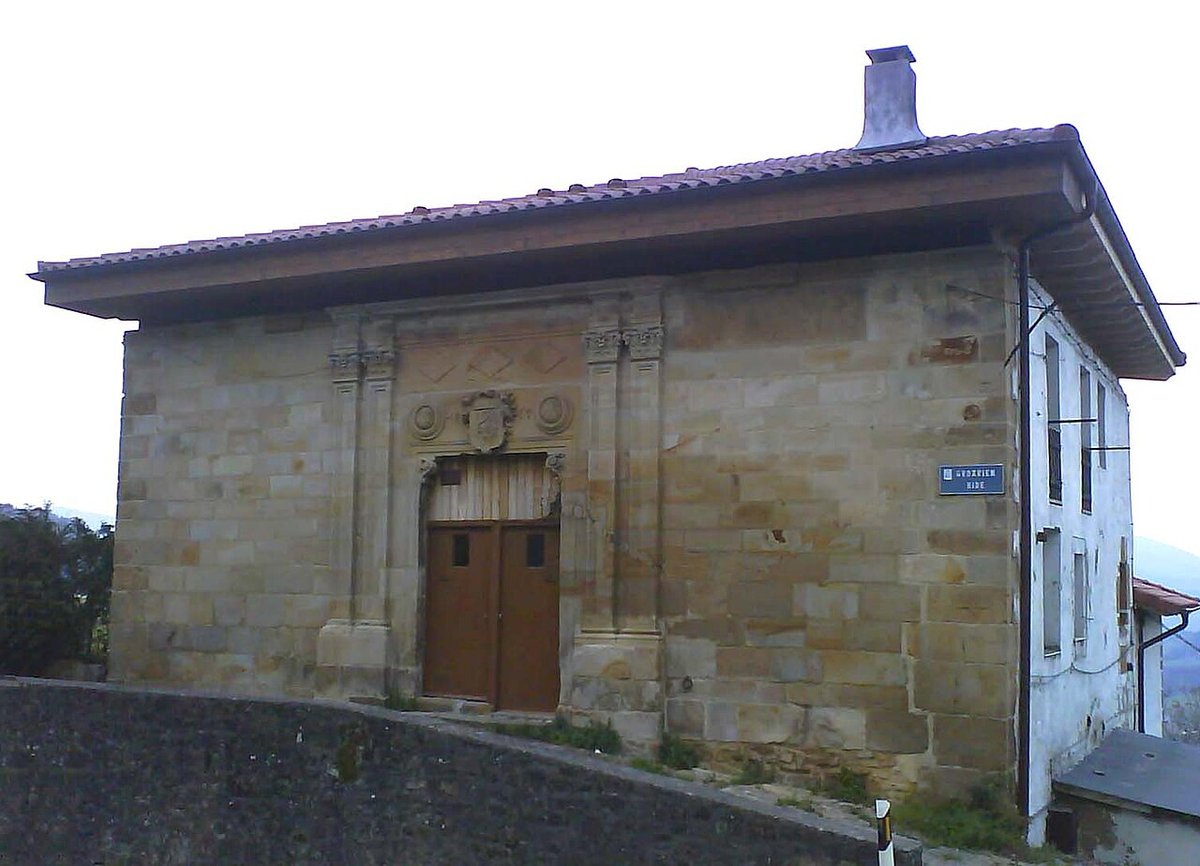
  • Ermita de Nuestra Señora de la Antigua
    bic Monumento ~0.5 km

Planning Your Visit?

Discover more villages in the Debagoiena.

View full region →

More villages in Debagoiena

Traveler Reviews