Full Article
about Bergara (Vergara)
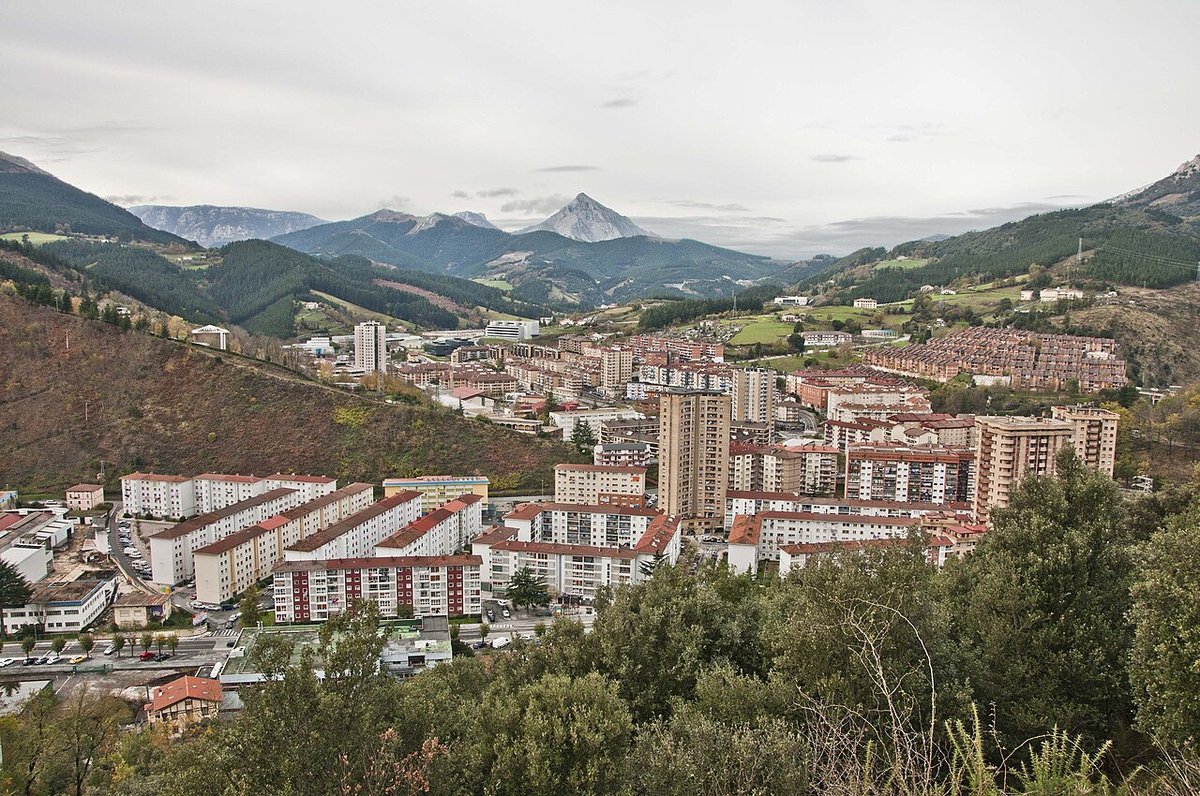
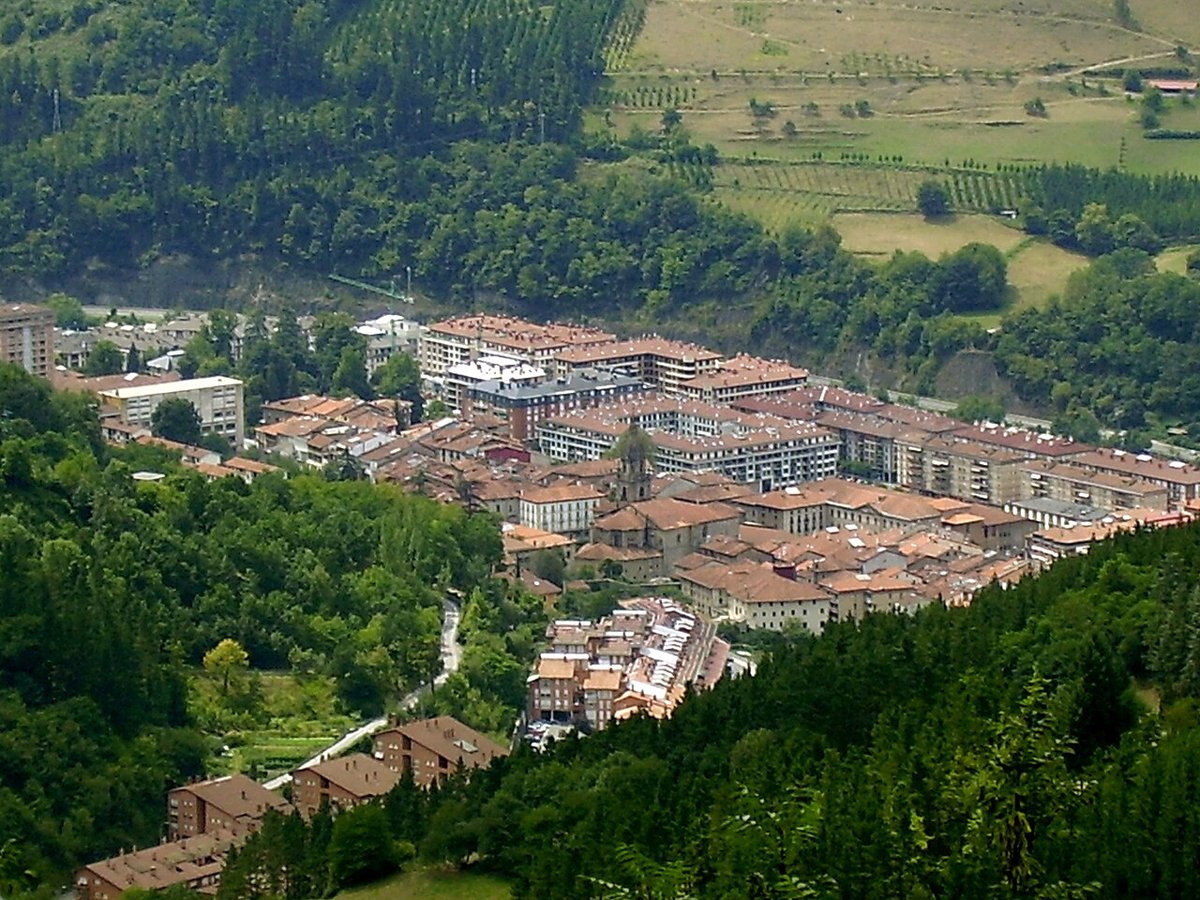
Deep green, farmhouses and nearby mountains with trails and viewpoints.
Hide article Read full article
A town that feels bigger than it is
Bergara smells of fresh bread and history that clings to your shoes. Walk through the old quarter and you may come across a plaque marking the exact spot where the Elhuyar brothers isolated tungsten in the 18th century. It is the kind of detail that shifts how you see an ordinary street.
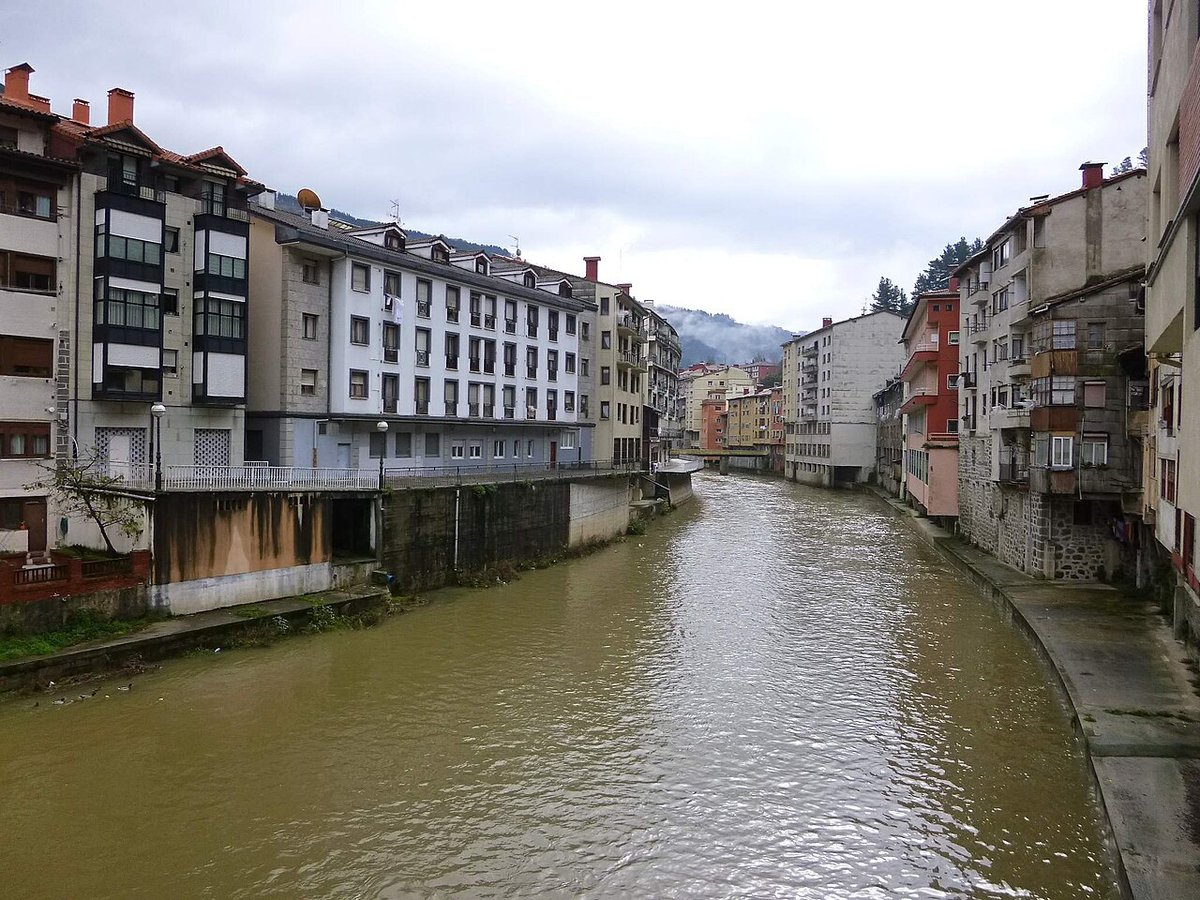
With just over 14,000 inhabitants, Bergara sits somewhere between town and small city without fully committing to either. Daily life still moves at a local pace: people recognise each other, conversations in Euskera fill the early hours, and there is steady activity around the historic centre.
Then the Real Seminario appears and changes the picture. The scale of the building suggests that more has happened here than a typical valley town might imply. Bergara became a place where scientists linked to the Real Sociedad Bascongada de Amigos del País worked and exchanged ideas. At a time when much of Spain was focused elsewhere, this town had an active interest in scientific enquiry.
The discovery of tungsten was not an isolated event. For a period, Bergara held something like an Enlightenment laboratory atmosphere, set among the surrounding hills.
The embrace that ended a war
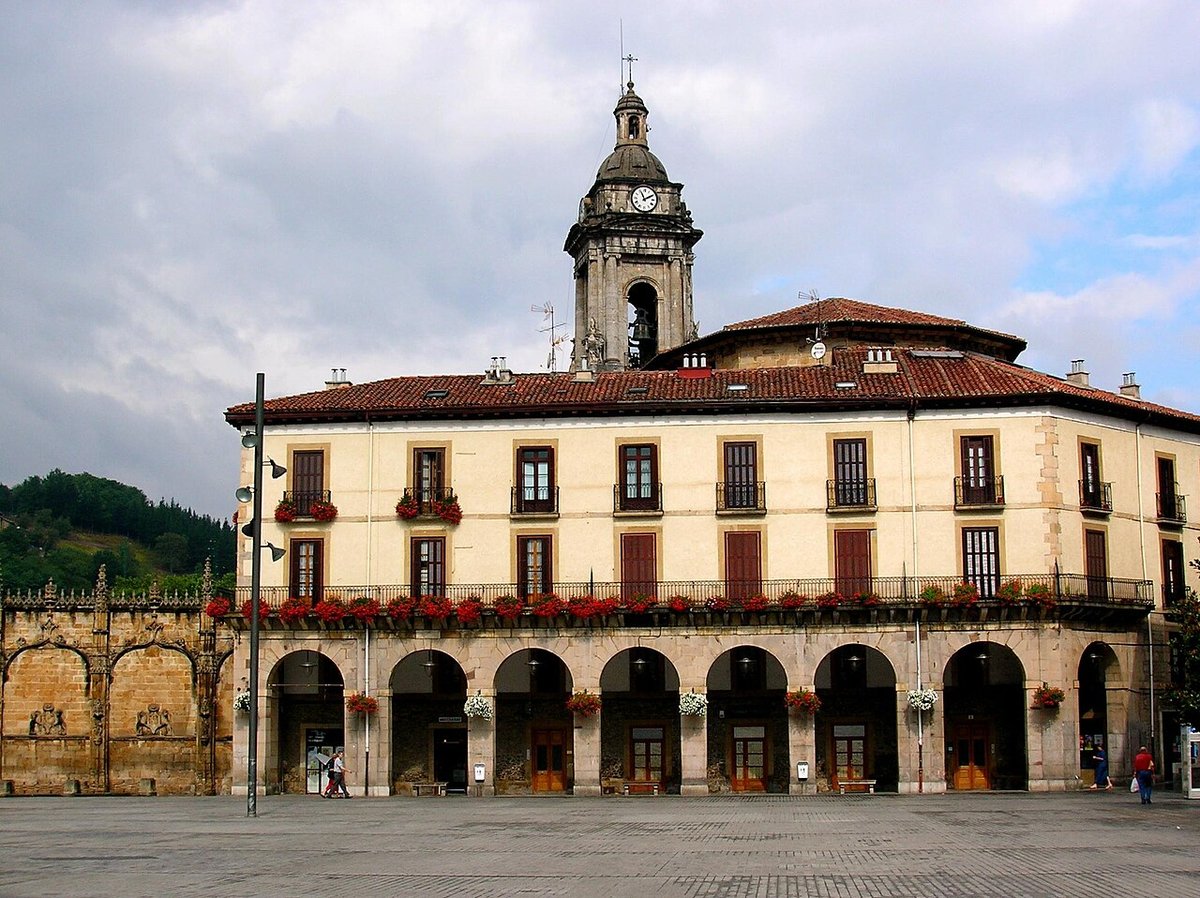
In the main square stands a monument that many people pass quickly, often assuming it is abstract. It commemorates the Abrazo de Bergara.
At the end of the summer of 1839, generals Baldomero Espartero and Rafael Maroto reached an agreement here that brought the First Carlist War to a close across much of the country. The meeting has been associated with Bergara ever since, although the exact moment took place in a building within the town that now attracts little attention.
It is one of those places where a small plaque can reframe the surroundings. You look up from the text and realise that events shaping Spain have unfolded in streets that otherwise feel quite ordinary.
A sculpture that changes the tone inside the church
The church of San Pedro holds a work that often surprises visitors familiar with religious art. It is the Cristo de la Agonía, attributed to Juan de Mesa and dated to the 17th century.
This is not the typical crucifix seen in many northern parishes. There is a marked intensity more often associated with southern Spain: tense muscles, the head inclined, an expression that feels stronger than expected within a relatively austere stone church.
Access is not always guaranteed outside service times. When the doors are open, even briefly, it is worth stepping inside to see the piece at close range.
An unexpected hórreo in the town centre
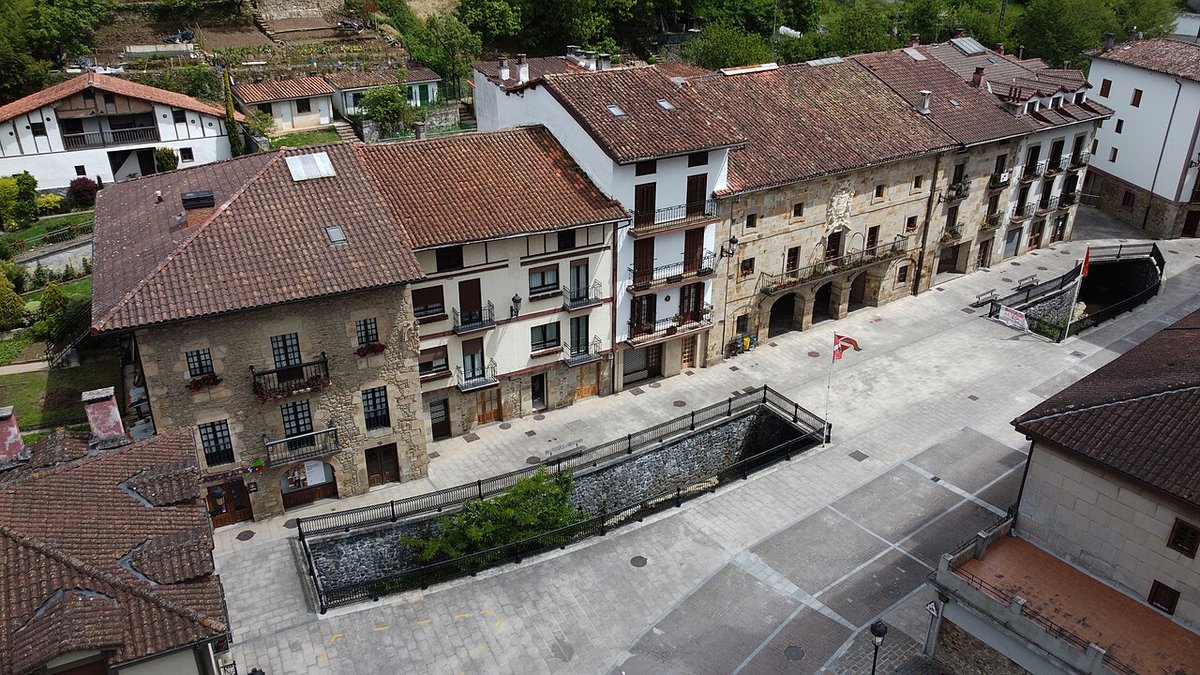
On Calle Mayor stands a hórreo, the raised granary more commonly linked to regions such as Asturias or Galicia. Its presence here draws attention for that reason alone.
It is often described as the only surviving example in Gipuzkoa. The structure sits between other buildings, elevated on stone pillars, as though a fragment of the western Cantabrian coast had been placed in the Debagoiena valley.
There are several explanations for how it arrived. Some point to merchants with connections to northern parts of the peninsula. Others suggest it was built following that model for practical reasons. The origin remains uncertain, but what stands out is how easily it goes unnoticed by passers-by.
Walking the Anillo Verde
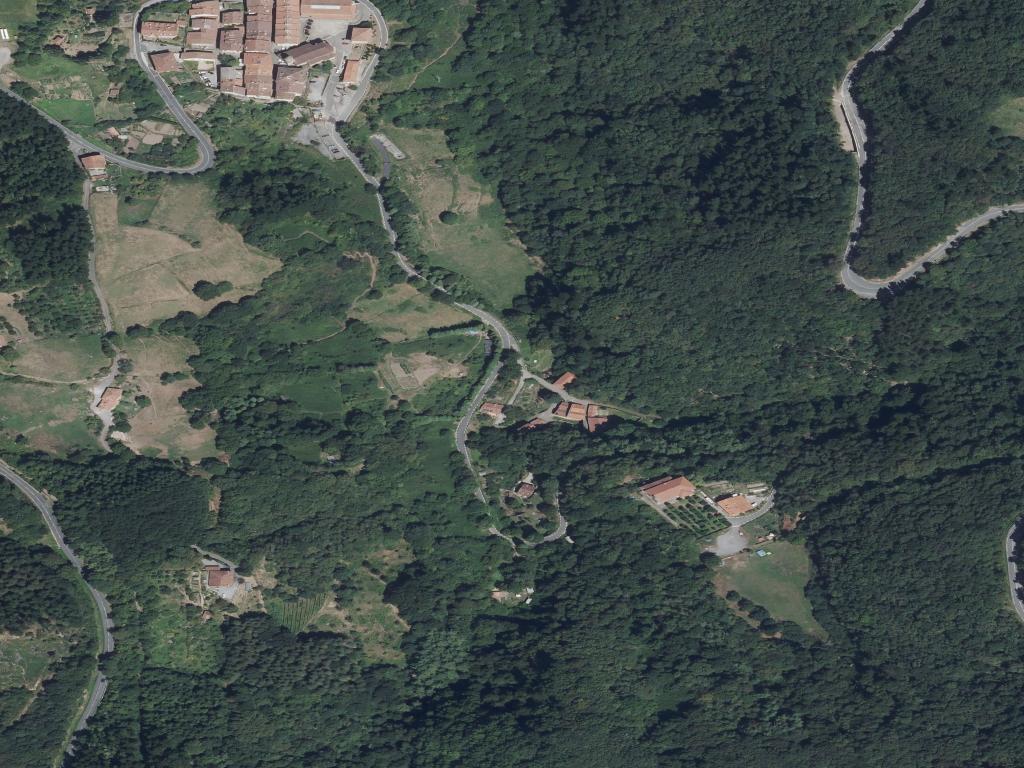
For those who feel like stretching their legs, the Anillo Verde offers a way to understand how Bergara fits into its landscape.
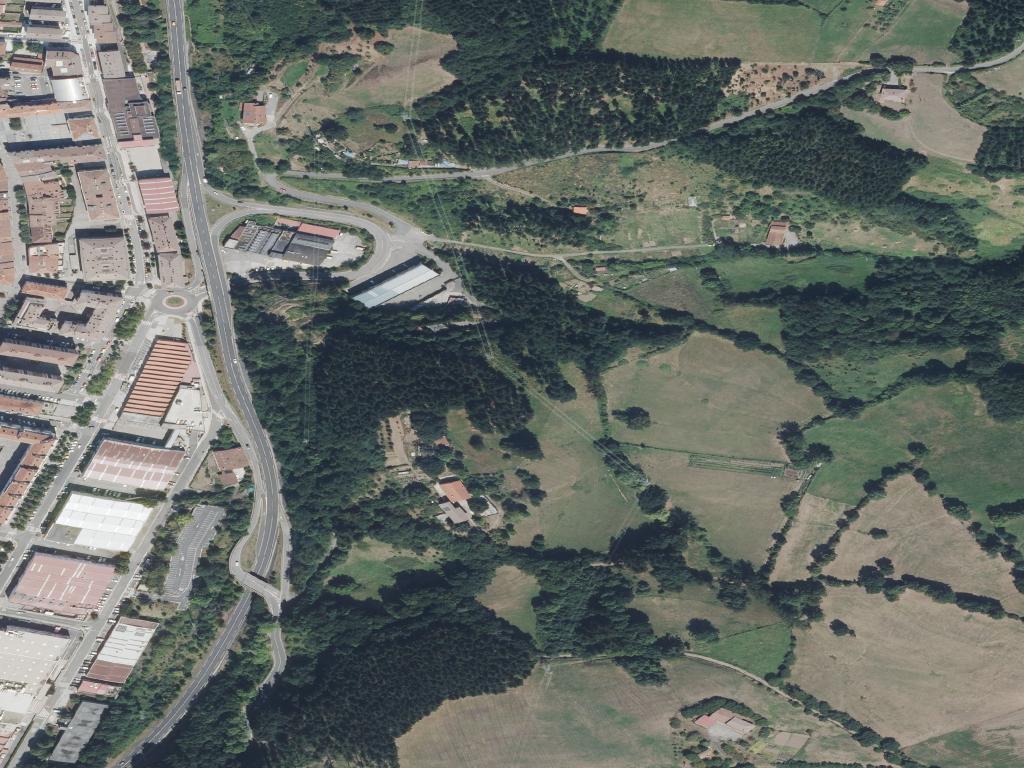
This route circles the municipality along paths and tracks that link neighbourhoods, garden areas and sections running beside the river. It is not a mountain trail or a technical challenge. It works more as the sort of walk locals use in the afternoon, whether for a gentle stroll or a bike ride.
At certain points, there are clear views of the town set between the surrounding hills. Towards evening, the light over the rooftops and slopes often frames the valley in a particularly appealing way.
When to visit and what to expect
Spring and autumn tend to be the most comfortable times to walk around the area. The hills are green, temperatures are mild and there is plenty of activity in the streets.
Throughout the year, Bergara also hosts cultural events and local festivals. Some programmes usually take place in autumn, with music, theatre and activities linked to Basque culture, although the schedule changes from one year to the next.
In any season, Bergara functions more as a lived-in place than as a stop on a busy tourist circuit. It is not somewhere defined by a constant flow of coaches or large groups.
A simple way to experience Bergara
Bergara works well without a rigid plan. Start near the centre or arrive by train, then cross the old quarter at an unhurried pace. Notice the larger buildings that appear among otherwise ordinary streets.
Look out for the hórreo, pass through the square, and try to step inside the church of San Pedro. If there is time, head out towards the Anillo Verde for a short walk.
After that, do something very simple: sit for a while and watch how the town moves. People coming and going from shops, groups talking in the street, children crossing the square. It is in those everyday rhythms that Bergara becomes easier to understand.