Full Article
about Leintz Gatzaga (Salinas de Léniz)
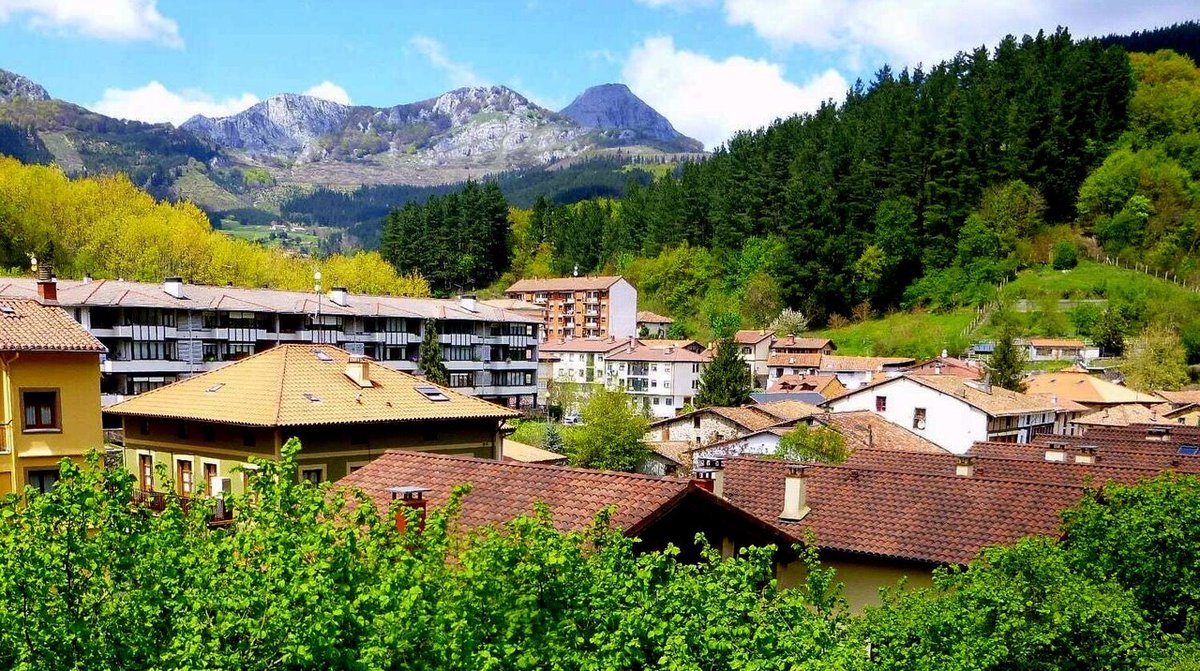
Deep green, farmhouses, nearby mountains with trails and viewpoints.
Hide article Read full article
A village at the end of the road
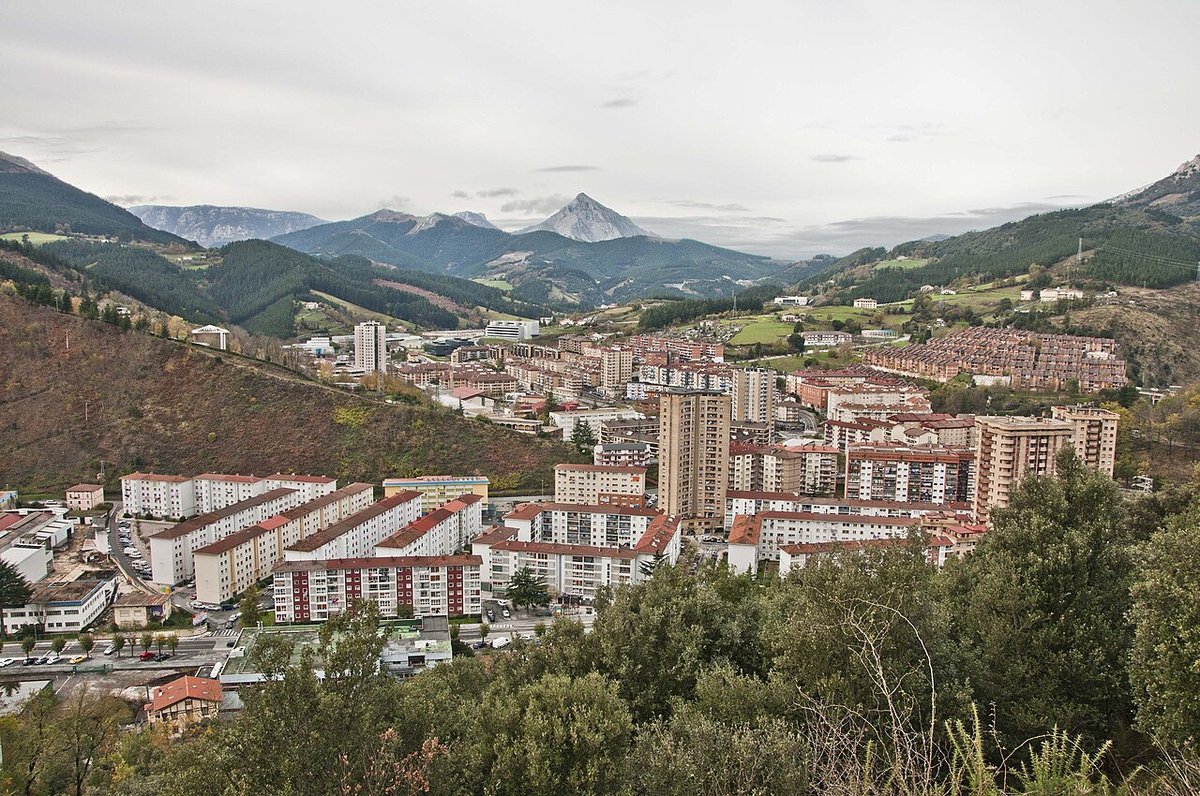
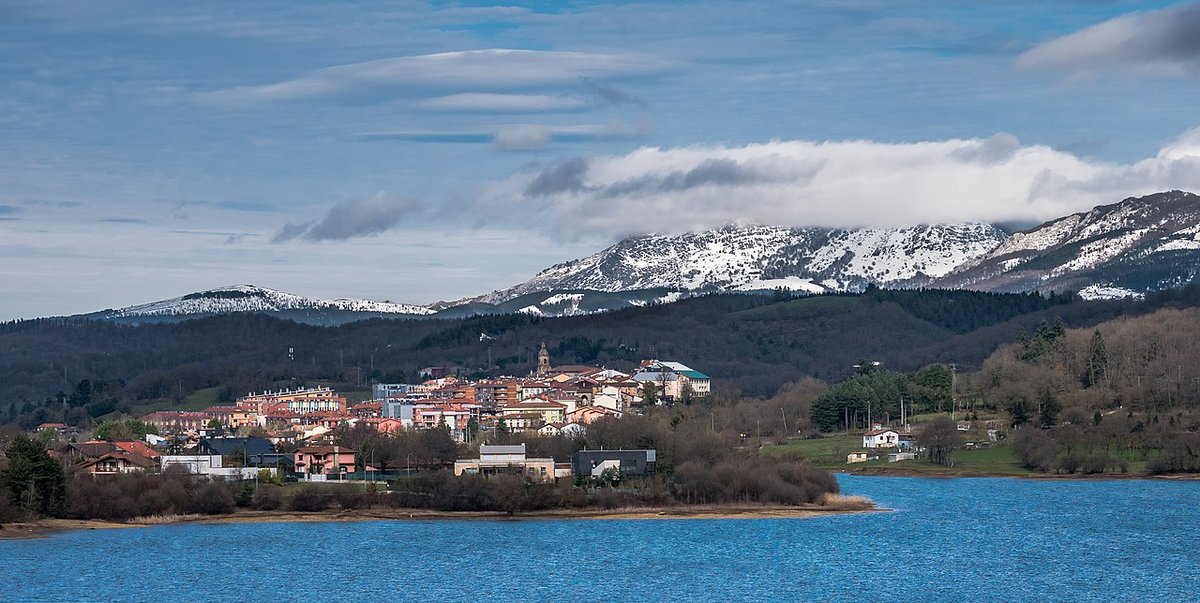
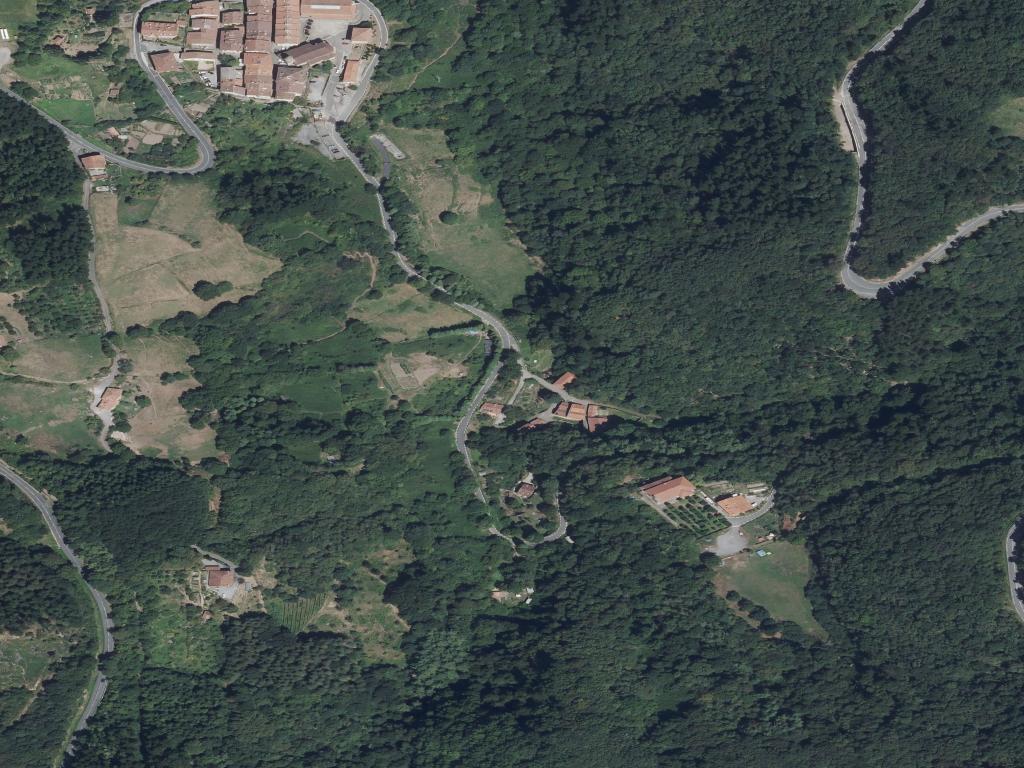
Some places feel as if they appear only after the road has narrowed to the point of doubt, when each bend suggests a wrong turn. Then the trees open and there is a square. That is Leintz Gatzaga. Just over two hundred people live here, and there are several places to sit down for a proper meal. Even by Basque standards, that ratio stands out.
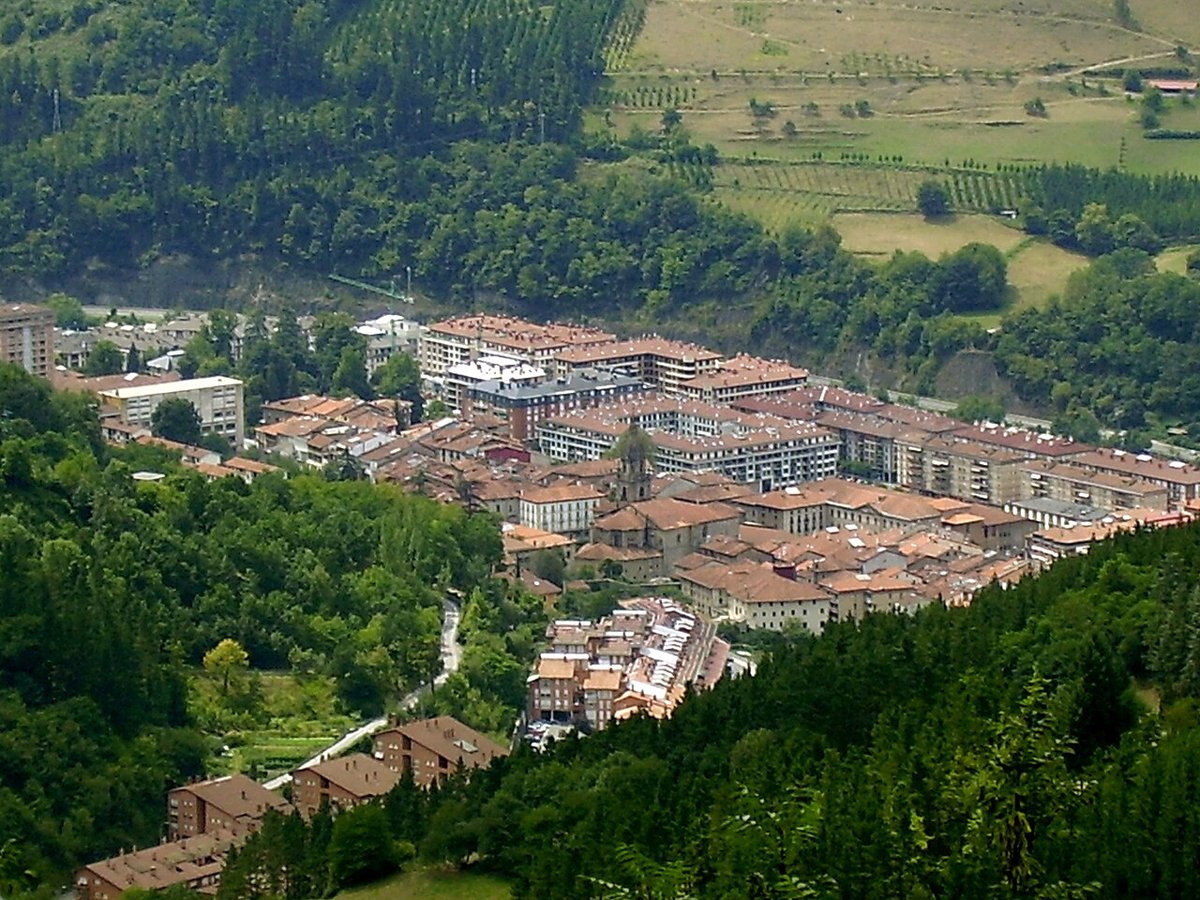
The village sits between hills, compact and inward-looking. It is the sort of place you cross slowly, noticing how everything gathers around a central space rather than spreading out.
Born from salt
Leintz Gatzaga exists for a very simple reason: salt. Centuries ago, people realised that water here left behind white crystals when it evaporated. At the time, salt mattered as much as oil does today. It preserved food, drove trade and underpinned a large part of the economy.
The Castilian Crown eventually granted privileges to exploit these saltworks. The name reflects that origin. “Gatzaga” literally means saltworks.
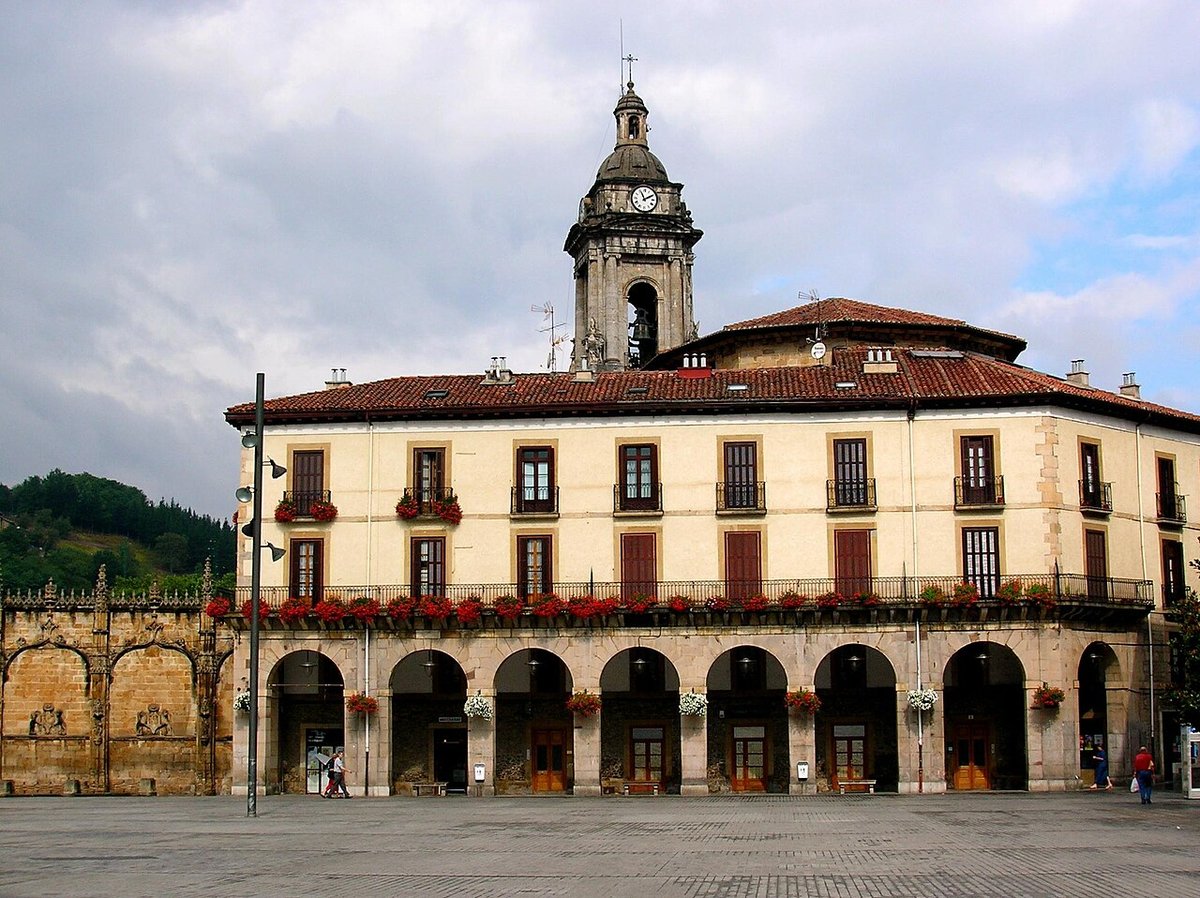
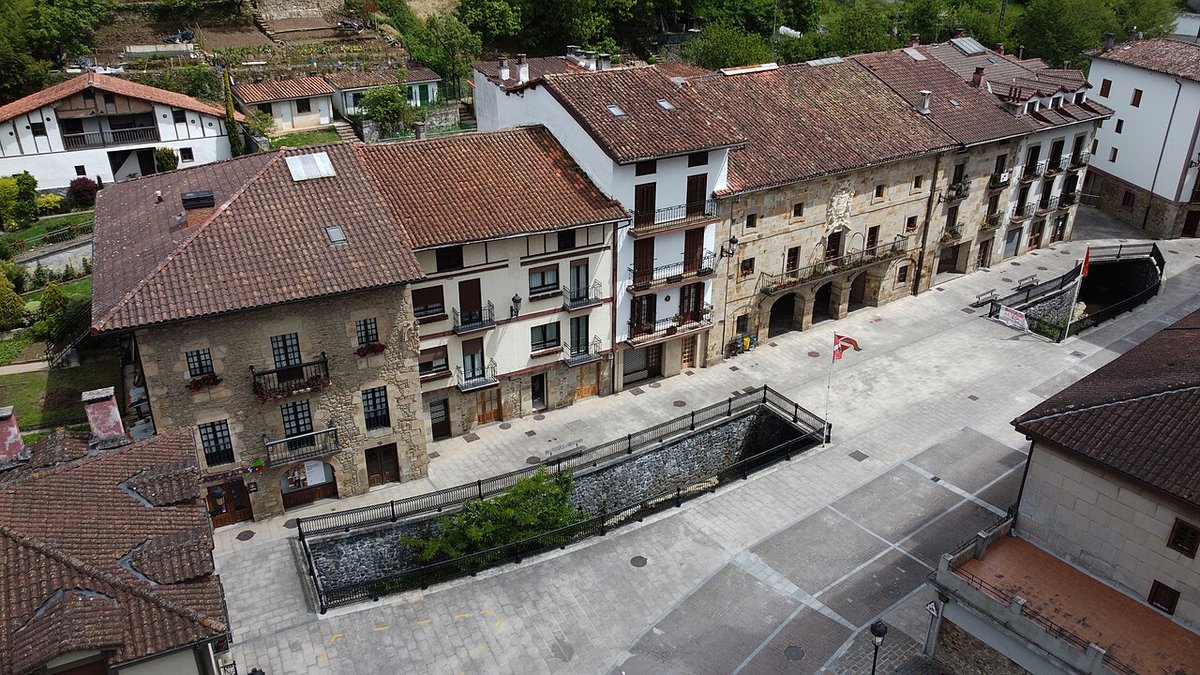
The old quarter still follows much of its medieval layout. Several of the former gates in the town walls remain, and once inside, stone houses seem to close in around the square as if the village had been built inward. At the centre stands a Baroque fountain known locally as the As de Copas. It is still a meeting point. Around it are historic buildings that for centuries served as inns or stopping places for travellers crossing the valley towards Álava or Navarra.
When geology complicates things
The salt here does not come from today’s sea. It comes from much further back.
Millions of years ago, this area was covered by an inland sea. When it evaporated, it left salt deposits underground. Rainwater filters through those layers and returns to the surface carrying salt with it. That is how the saltworks formed.
There is a museum in the village dedicated to this process, set beside the very structures where the salt was once worked. It goes beyond panels and display cases. Old machinery and tools are on show, along with a clear explanation of how salt was boiled in large furnaces. It also makes one thing obvious: transporting salt from here by cart through these mountains cannot have been easy.
Another detail often mentioned is the nearby source of the Deba river. It does not emerge as a neat spring, but rather in a quieter way, splitting into several small channels among the vegetation.
Walking routes and serious food
Leintz Gatzaga lies at a natural crossroads between Gipuzkoa and Álava, so heading out on foot is straightforward.
The valley is crossed by the Vía Verde of the old Vasco‑Navarro railway, now converted into a route for cycling and gentle walks. It follows the former railway line, so steep gradients are rare.
For those after something more demanding, there are paths that climb into the surrounding hills. One of the best known leads towards the source of the Deba through beech forests that turn a deep red in autumn. Another route climbs to Aitzorrotz, where the remains of a medieval castle still mark what was once a territorial boundary. From the top, the reason for building a fortress there becomes clear: the view covers much of the valley.
Then there is the food. For such a small place, the number of working grills is surprising. Txuleta, a thick cut of beef cooked over embers, is not a modern addition to menus here. It has long been part of local cooking. Large cuts, real charcoal and a red centre that elsewhere might spark debate but here raises none.
It is also common to find hearty stews and substantial dishes, the kind that match both the climate and the history of labour in the saltworks.
The cyclists’ Virgin
There is a story linked to the village that many cyclists know, even if they have never heard of Leintz Gatzaga itself.
In the local church, the Virgen de Dorleta is venerated. Over time, she became associated with cycling and is now considered the patron saint of cyclists. It is not unusual to see bicycles resting by the entrance during gatherings or pilgrimages on two wheels.
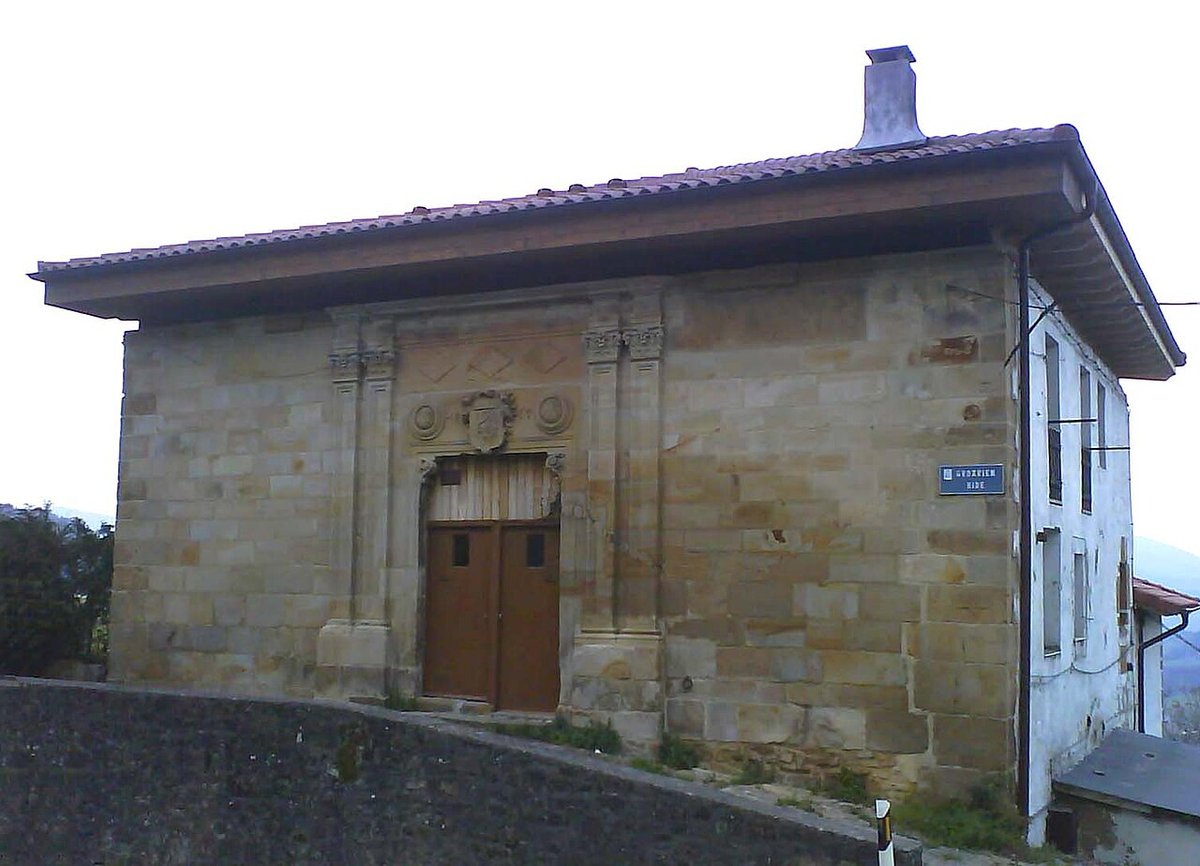
The church is relatively small, built in the Renaissance period with later Baroque additions. It is not monumental. What it offers instead is something quieter. Inside, there is little more than the sound of the wind outside or the occasional creak of a door.
Visiting without overthinking it
Reaching Leintz Gatzaga by car involves mountain roads, especially in the final stretch. They are not particularly difficult, but they are narrow and winding, so a slower pace makes sense.
Within the old centre, walking is the easiest way to get around. The streets are steep and distances are short.
Leintz Gatzaga is not a place to fill several days with activities. It works better as a pause: a meal without hurry, a walk through the old streets, a visit to the saltworks and, if there is time and energy, a climb into the surrounding hills. In a long morning or an unhurried afternoon, the village reveals what it has without needing much planning.