Full Article
about Astigarraga
Between hills and sea, Basque tradition and good food in every square.
Hide article Read full article
The stream of cider hits the glass with force, a golden liquid that breaks against the rim and releases a sharp aroma of green apple and damp wood. It is January in Astigarraga. Someone calls out txotx from the back of the dining room and a dozen people stand up almost at once, glass in hand, bodies slightly tilted to catch the thin flow of cider. Conversation drops. You hear the liquid falling, the clink of glasses and, somewhere far off, a rooster that has not quite grasped that it is Saturday.
Tourism in Astigarraga revolves around one thing: cider. It does not feel staged for visitors. It shapes the rhythm of the town. In winter the air carries the smell of pressed apples and wet barrels, and it lingers even along the roads that circle the valley.
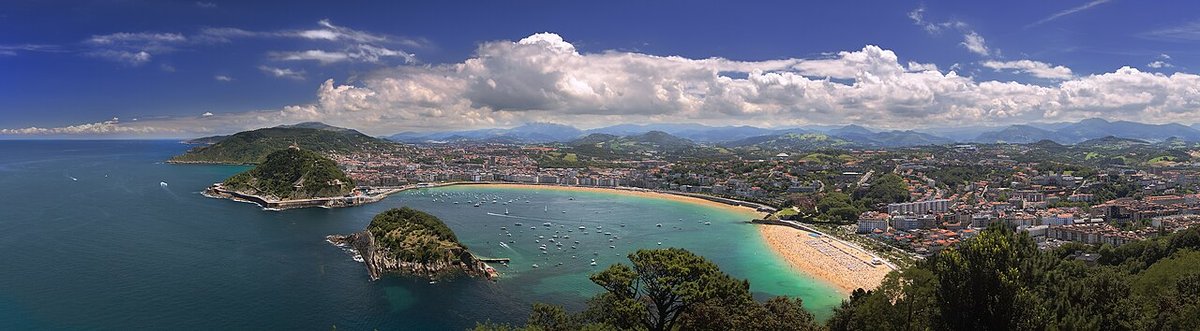
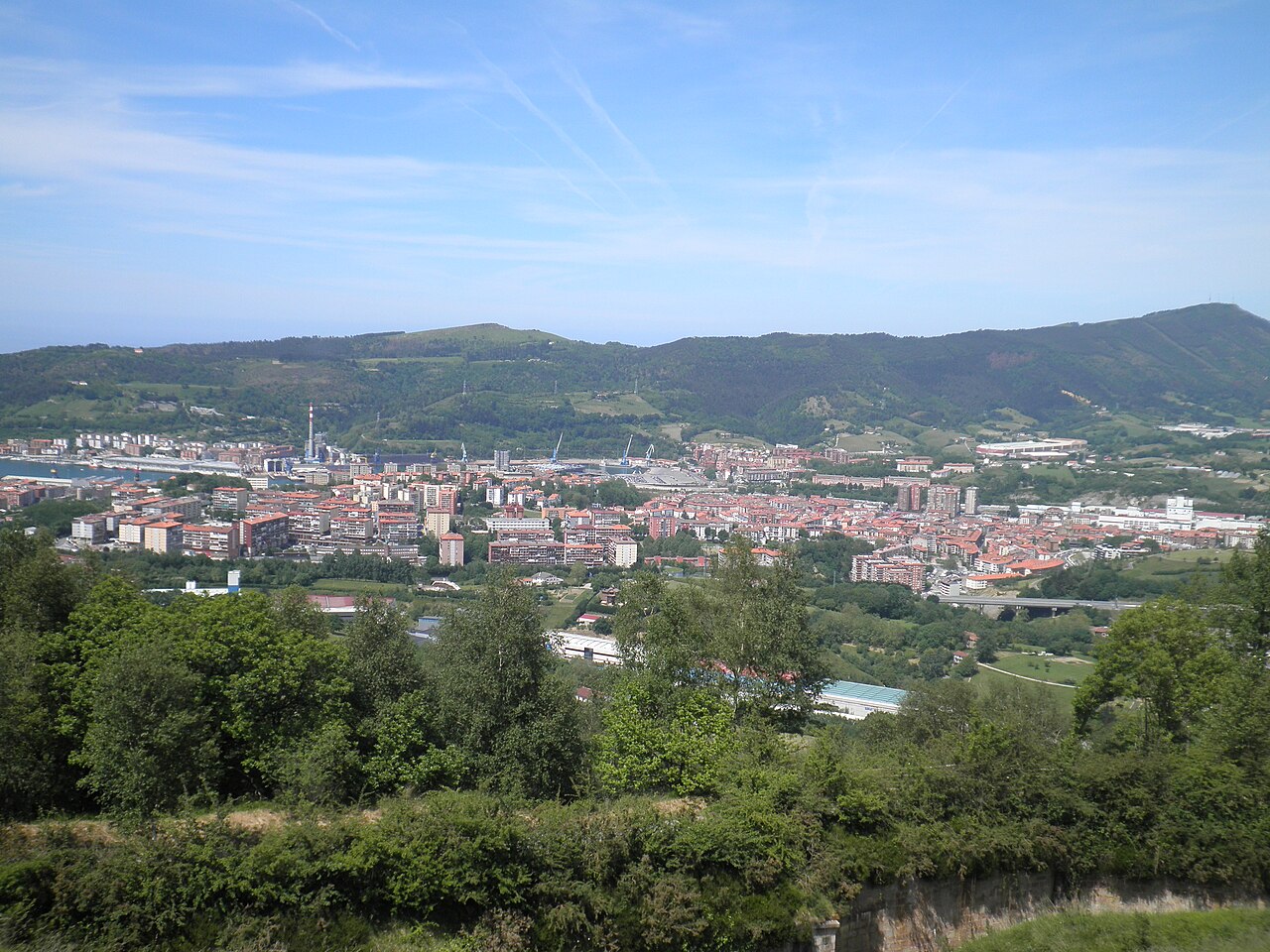
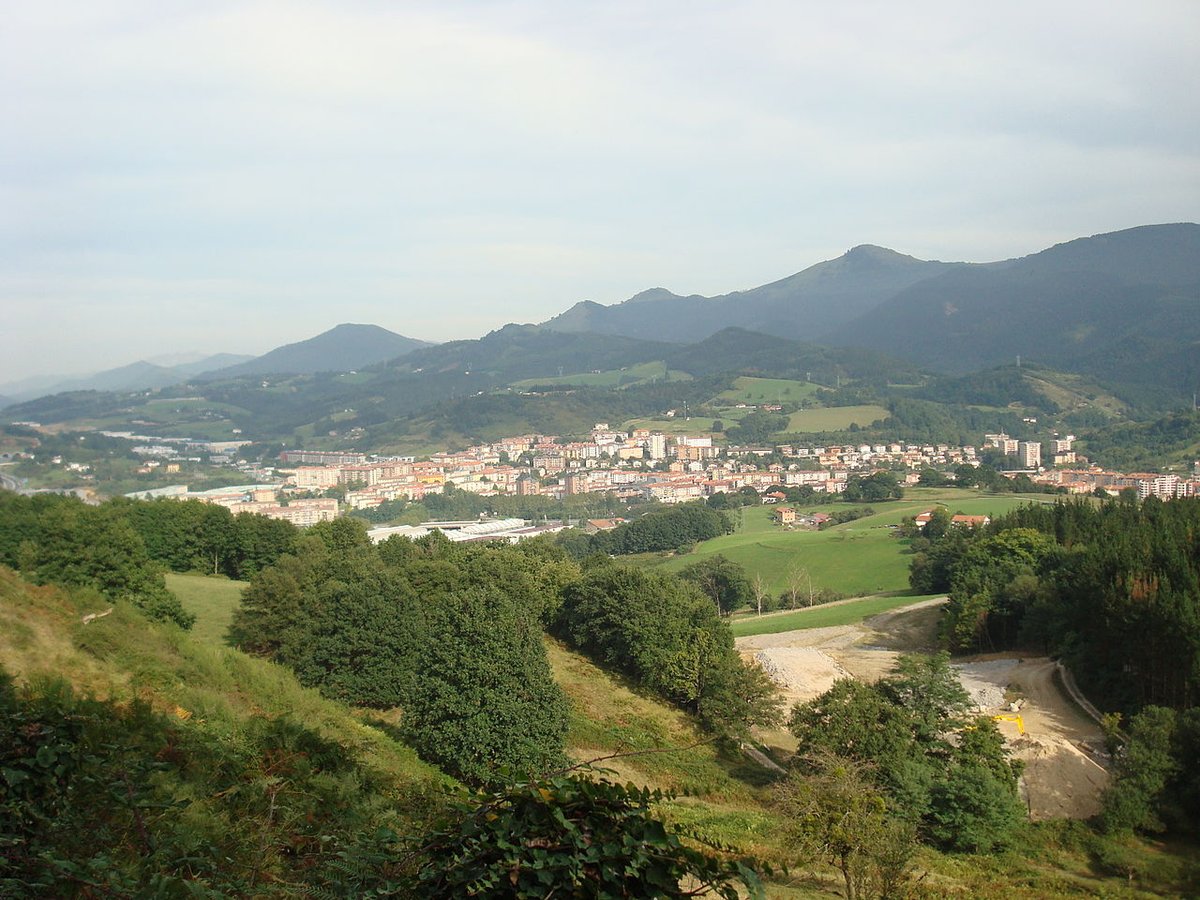
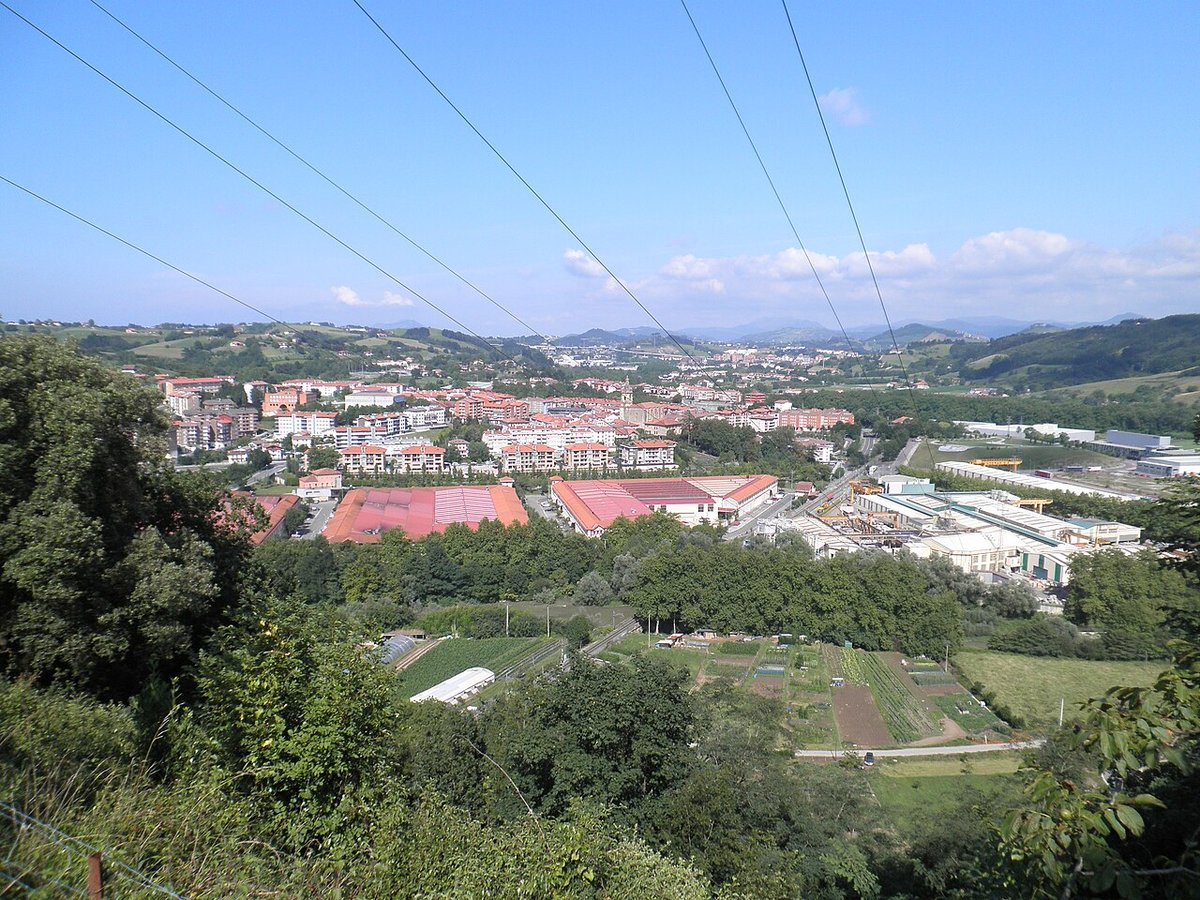
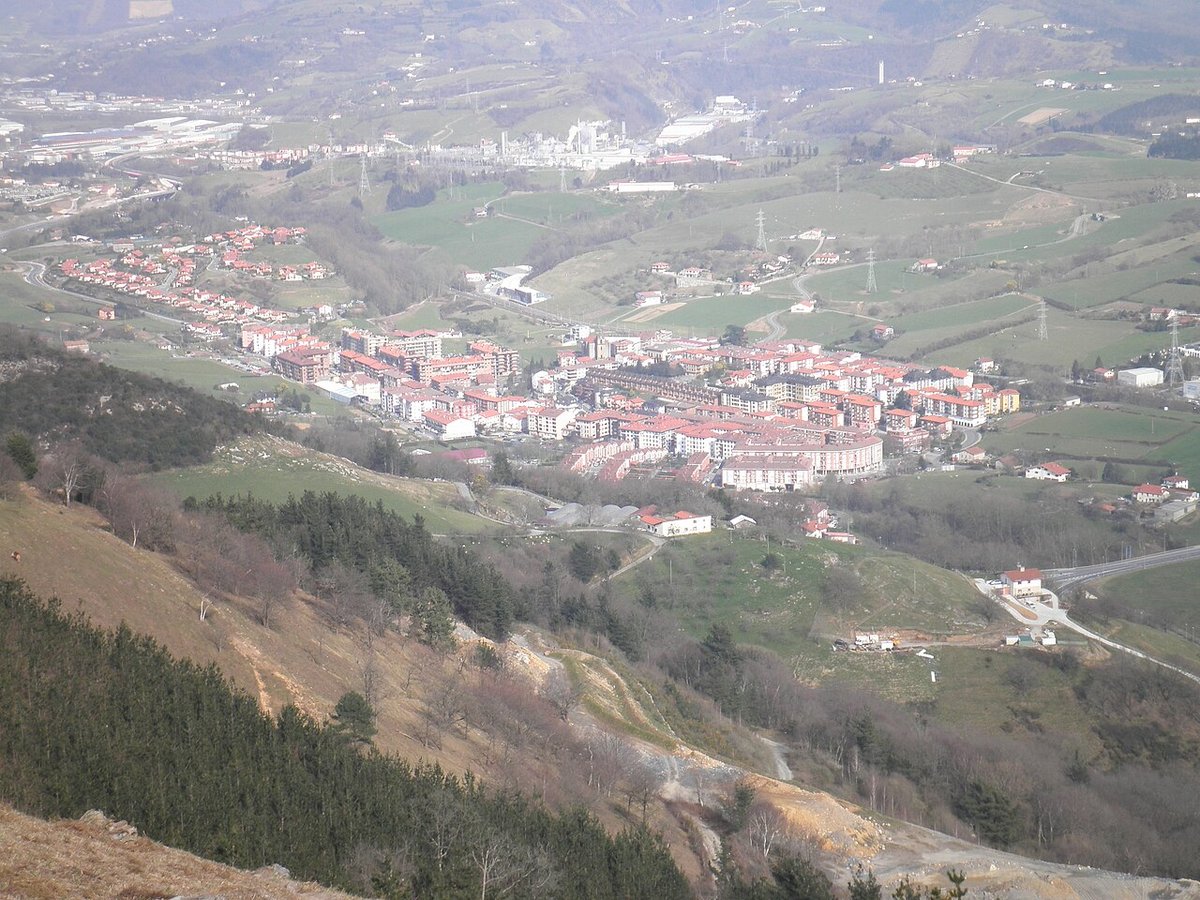
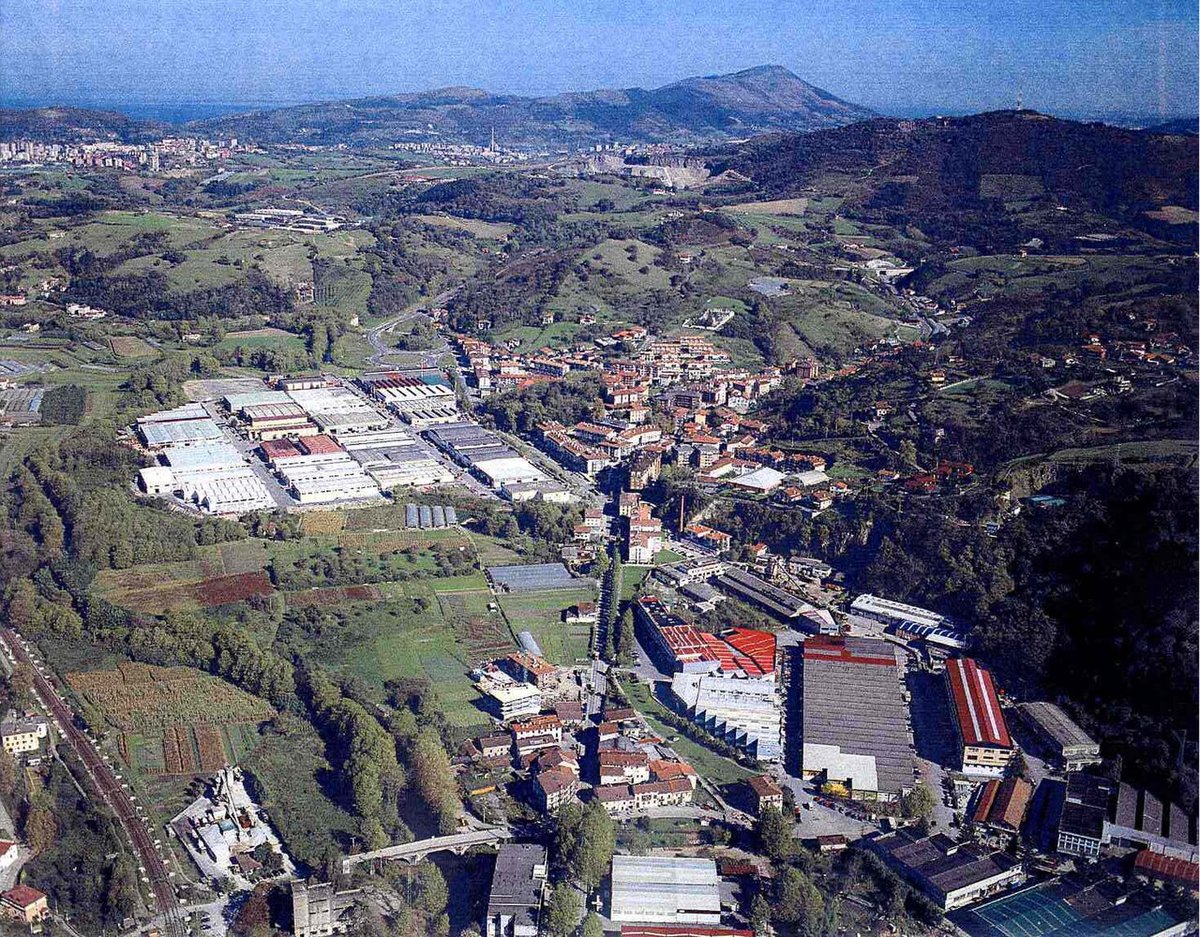
Astigarraga sits just a few kilometres from San Sebastián, yet the shift in atmosphere is immediate. Houses spread out, vegetable plots appear, farmhouses, and rows of apple trees that in spring fill with white blossom.
The land of apples
From the area around Sagardoetxea, the Basque Cider Museum, the valley opens into a patchwork of meadows and scattered farmhouses. On clear days the slopes where apple trees are planted stand out clearly. This part of Gipuzkoa holds a large share of its traditional cider houses, and many of the bottles that end up on tables across Euskadi begin here.
Cider works almost like a landscape. The apple varieties grown here, names such as errezil, urtebi or goikoetxea often come up in conversation, are not especially striking to look at. They are small, sometimes uneven, their skins marked by wind. Once pressed and fermented, though, they produce the dry, sharp cider that is drunk locally in a wide glass and in a single go.
Sagardoetxea occupies a restored farmhouse surrounded by young apple trees. Inside, the process is explained: how the fruit was pressed, how the old presses worked, and why Basque cider is poured from a certain height. Step outside on a damp day, which is common in this part of Donostialdea, and the scent of the orchard returns straight away.
Stone towers and quiet routes
A short walk from the museum brings you to the Torre de Murgia, a stone structure usually dated to the 16th century. A fire at the end of the 19th century destroyed part of its roof, and today it stands plain, almost austere, among trees and fields.
Several paths run through this area, linking Astigarraga with Hernani and with the more rural neighbourhoods of the municipality. It is common to cross paths with cyclists or people out walking in the late afternoon, when the light falls at an angle across the fields.
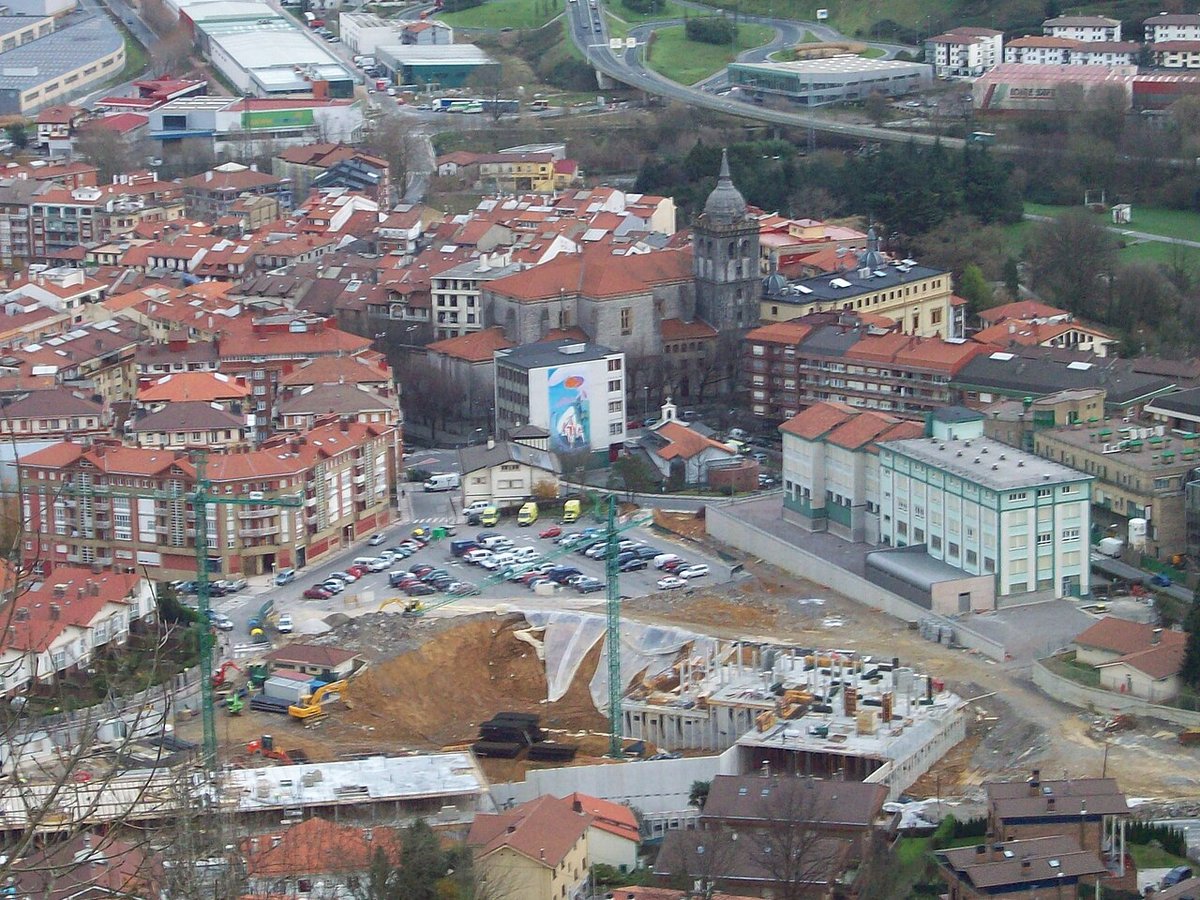
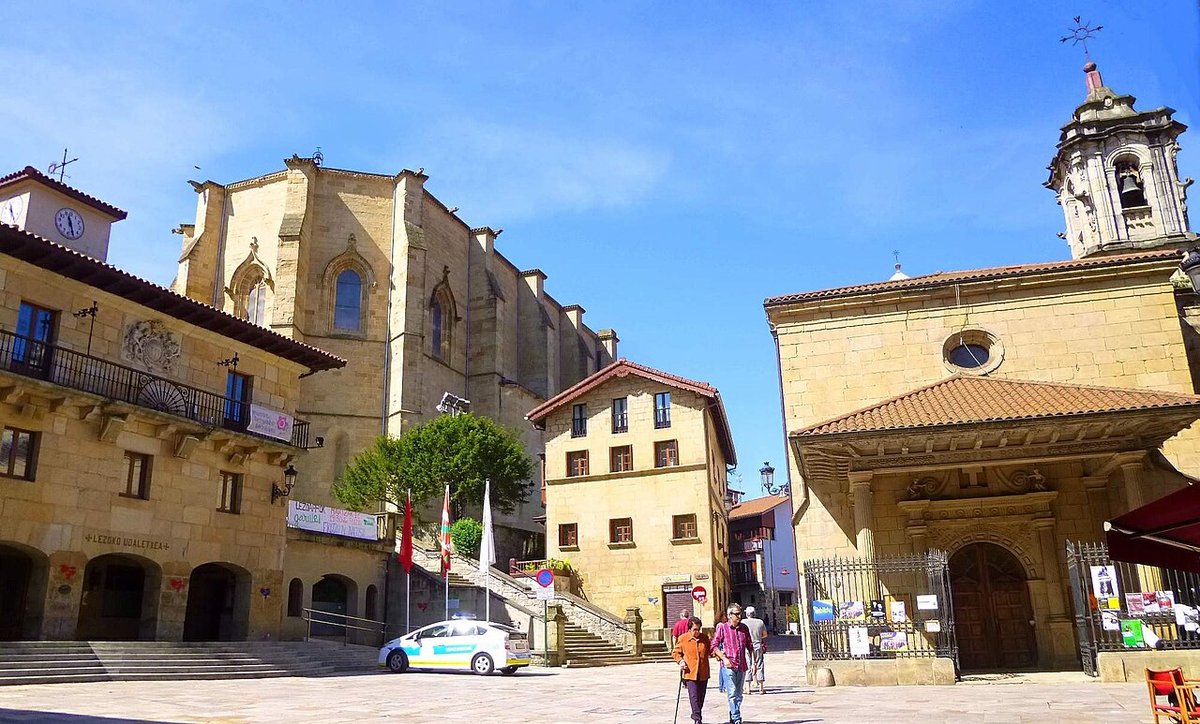
In the centre of the town stands the church of Santa María de la Asunción. It was built later than the tower, in the Baroque period, though without much ornamentation. Inside, the air smells of wax and old wood. Towards the end of the day, when sunlight enters low through one of the high windows, the golden altarpiece catches the light for a few minutes before fading back into shadow.
When the txotx begins
The txotx season usually starts in January and continues well into spring. During these months the cider houses open their dining rooms and people move from barrel to barrel, glass in hand.
The ritual is simple and has changed very little. Someone opens the tap on a large barrel, the cider flows in a thin stream, and each person tries to catch just enough to drink in one go. Then they return to the table.
The meal follows a familiar sequence that has been repeated for years. First comes cod omelette, then cod with peppers, followed by a large steak served sliced on a wooden board. To finish, sheep’s cheese with quince paste and walnuts. Tables are usually long and shared, and the noise builds gradually as the hours pass.
At weekends in the height of the season, arriving early or booking ahead is often a good idea. Dining rooms can fill up quickly at certain points in winter, especially given how close Astigarraga is to San Sebastián.
The season that reshapes the town
Astigarraga is easiest to understand in the colder months. In summer the town carries on with its usual life, but many cider houses are closed and the atmosphere shifts.
At the end of January there is usually a festival dedicated to the new cider. Stalls appear, there is music, and the streets fill with people. On that day the smell of fermenting apples mixes with grill smoke and with the sound of the txalaparta, a traditional percussion instrument, echoing between the buildings in the centre.
March has its own feel. The days begin to stretch out, the ground remains damp, and the apple trees are still bare. On weekday afternoons there is more calm, both in the cider houses and along the paths that lead towards the farmhouses.
From San Sebastián, Astigarraga can be reached in a few minutes by road or by bus. If arriving by car, it is best to leave it in the designated areas at the entrance to the town and continue on foot. Distances are short, and walking makes it easier to take in the sounds that define the place.