Full Article
about Donostia/San Sebastián
Hide article Read full article
A las ocho de la mañana, la bahía está bajo una niebla fina que huele a algas y a pan recién hecho. Los primeros surfistas cruzan la ciudad en silencio, con las tablas bajo el brazo, camino de Zurriola. En la Parte Vieja, los camareros sacan mesas a la calle mientras algunos gatos rondan los contenedores de pescado. En esos minutos tempranos, la ciudad respira tranquila, antes de que el día se llene de gente.
El aire del mar y la mantequilla tibia
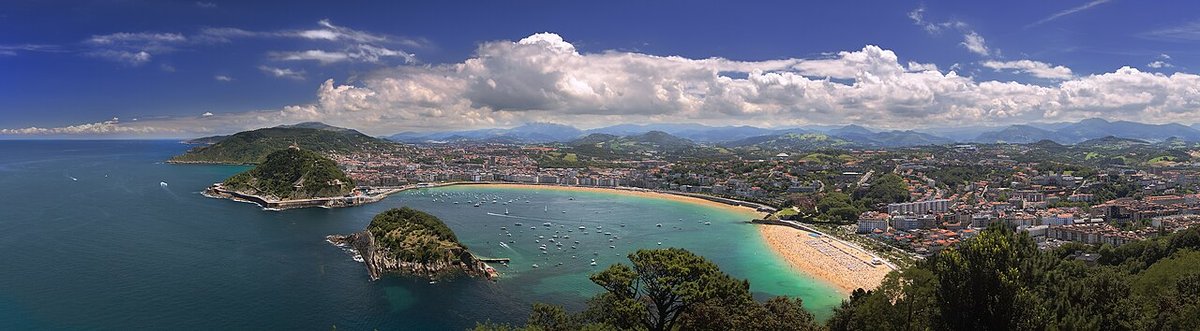
La ciudad cambia según donde te pares. Desde Monte Igueldo, las casas se ordenan alrededor de la bahía como un collar de piedra pálida. Desde la playa de La Concha, los edificios de finales del XIX y principios del XX alzan balcones de hierro y miradores acristalados que recogen la luz del Cantábrico.
Se nota más andando. Cada barrio tiene su propio olor si reduces la marcha. La Parte Vieja mezcla vino blanco, ajo frito y la humedad de la piedra vieja. El centro huele a cafeterías recién abiertas y a tiendas subiendo sus persianas. En Gros, la nota es otra: cera de surf, neopreno húmedo, cerveza servida al final de la tarde.
En el mercado de La Bretxa aún es común ver a gente mayor comprando pescado a primera hora. Las kokotxas de merluza, esa parte gelatinosa bajo la barbilla del pescado, siguen teniendo mucha salida. Suelen alcanzar buen precio, como casi todo lo que llega fresco de la costa cercana. Es una conversación habitual entre puestos: cuánto ha entrado hoy y de qué puerto viene.
Cuando callan los tambores
Hacia el 20 de enero, el ritmo de la ciudad se altera. La Tamborrada empieza a medianoche, y durante un día completo los tambores resuenan por todos los barrios. Sociedades gastronómicas, comparsas, cocinas que no paran, todo forma parte del paisaje sonoro.
Curiosamente, uno de los momentos más silenciosos llega justo después. Al día siguiente, trozos de serpentina se pegan al suelo y un silencio poco habitual se instala en una ciudad que ha pasado veinticuatro horas tocando el tambor. La gente camina más despacio, a menudo con cara de no haber dormido mucho. Si vienes en estas fechas, conviene quedarse un día más para ver ese contraste.
Comer andando
En San Sebastián, comer suele significar moverse. Entras en un bar, miras la barra, pides algo rápido, pasas al siguiente. El gesto se repite docenas de veces cada noche en la Parte Vieja.
La Gilda, un pincho de piparra, anchoa y oliva, se menciona a menudo como uno de los más antiguos de la ciudad. Dicen que el nombre viene de la película de Rita Hayworth: salado, verde y con un punto picante.
Lo importante no es acumular platos sino encontrar el ritmo. Un txakoli escanciado desde lo alto para que respire, dos bocados apoyados en la barra, luego otra calle. Las distancias son cortas aquí y la costumbre es seguir moviéndose.
Agosto y la ciudad sin sueño
En agosto, Donostia se llena. Durante la Semana Grande hay conciertos, una feria y un concurso de fuegos artificiales que ilumina la bahía varias noches seguidas. Al anochecer, mucha gente se sienta en la arena de La Concha o Zurriola mirando al cielo mientras las barcas del puerto quedan en sombra.
Aun así, las mañanas vuelven a la rutina. A primera hora, Zurriola tiene surfistas en el agua, incluso después de noches largas. En el puerto aún se preparan redes y se revisan motores. En algunos rincones de Gros todavía hay quien lee el periódico con un vermut corto antes de comer.
El funicular a Igueldo
El funicular de Monte Igueldo funciona desde principios del siglo XX. La subida es lenta, con bancos de madera y ventanillas que se abren con una palanquita metálica. Según asciende, la bahía se despliega poco a poco tras los tejados.
Arriba, la perspectiva cambia. La Concha parece dibujada con un compás, Santa Clara se queda en medio como una piedra verde, y el surf traza una línea blanca contra la arena.
Si se puede, baja después del anochecer. Las luces del paseo marítimo empiezan a reflejarse en el agua y el Cantábrico se vuelve casi negro. Desde esa altura, la ciudad pierde el ruido de sus terrazas y vuelve a algo más antiguo: puerto, mar y casas frente a la bahía.
Cuándo ir y qué tener presente
Septiembre suele ser un buen momento para venir. El agua aún guarda el calor del verano y la ciudad entra en un ritmo más calmado.
De madrugada, el ambiente por la Parte Vieja cambia, sobre todo en las zonas de marcha. Es bastante distinto a la ciudad que se ve durante el día.