Full Article
about Errenteria
Between hills and sea, Basque tradition and good food in every square.
Ocultar artículo Leer artículo completo
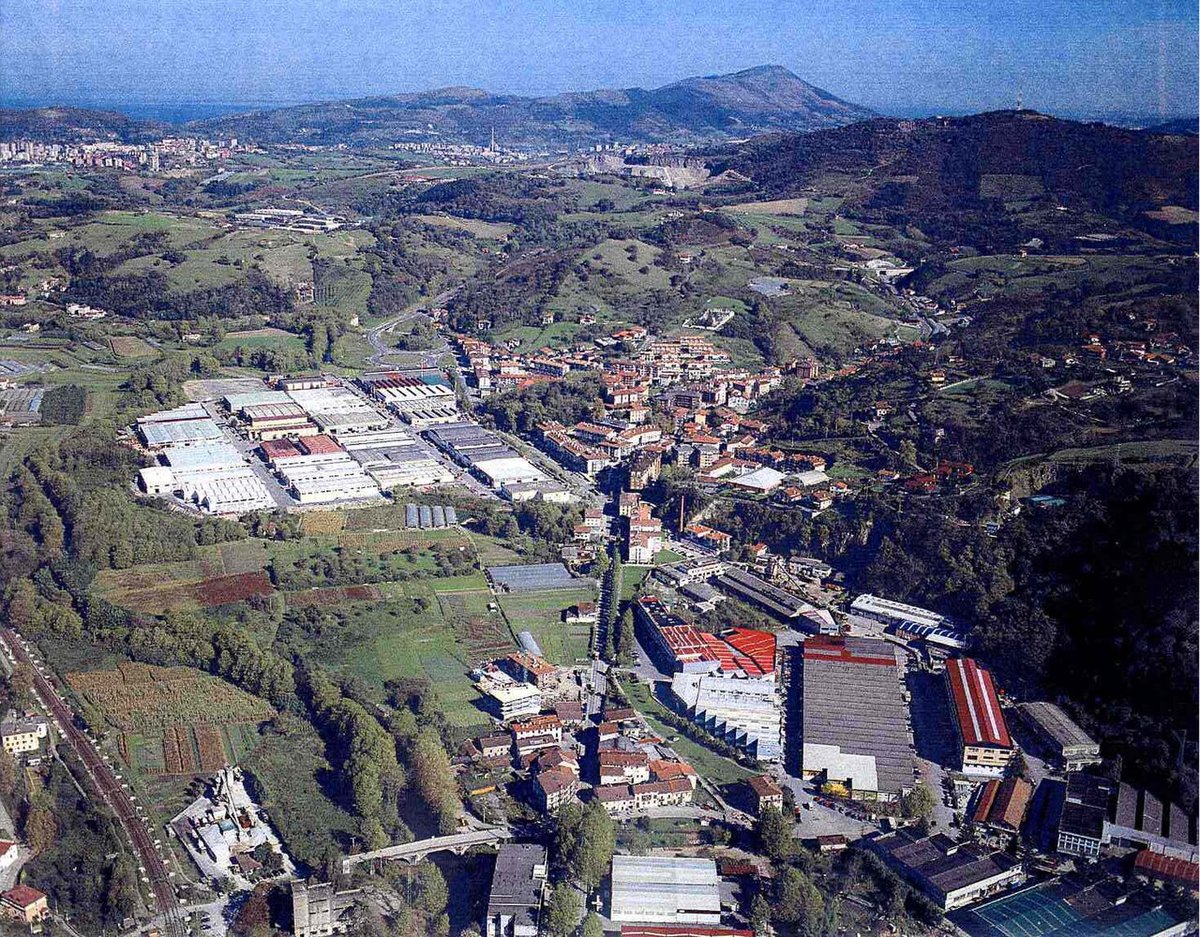
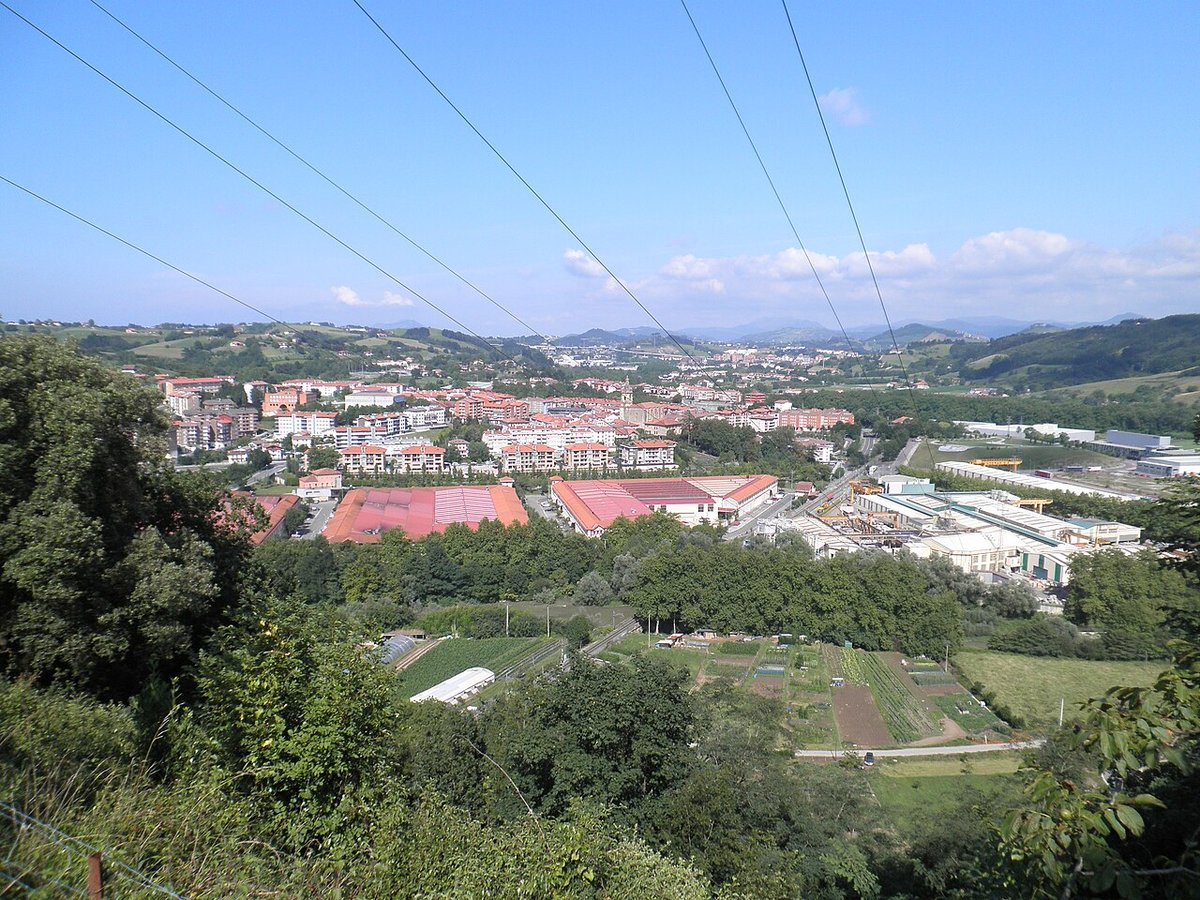
The 15-minute Euskotren from San Sebastián deposits you in a place where guidebooks fall silent. Errenteria's station platform faces a cement works, not a beach. The first thing you notice is the absence of what the Basque Coast sells best: no Belle Époque railings, no honey-coloured light on painted fishing boats. Instead, 1970s apartment blocks rise above a river that smells of damp leaves and diesel. This is precisely why locals from Donostia come here on Tuesdays—when they want a beer without a view.
A Working Town That Never Learned to Pose
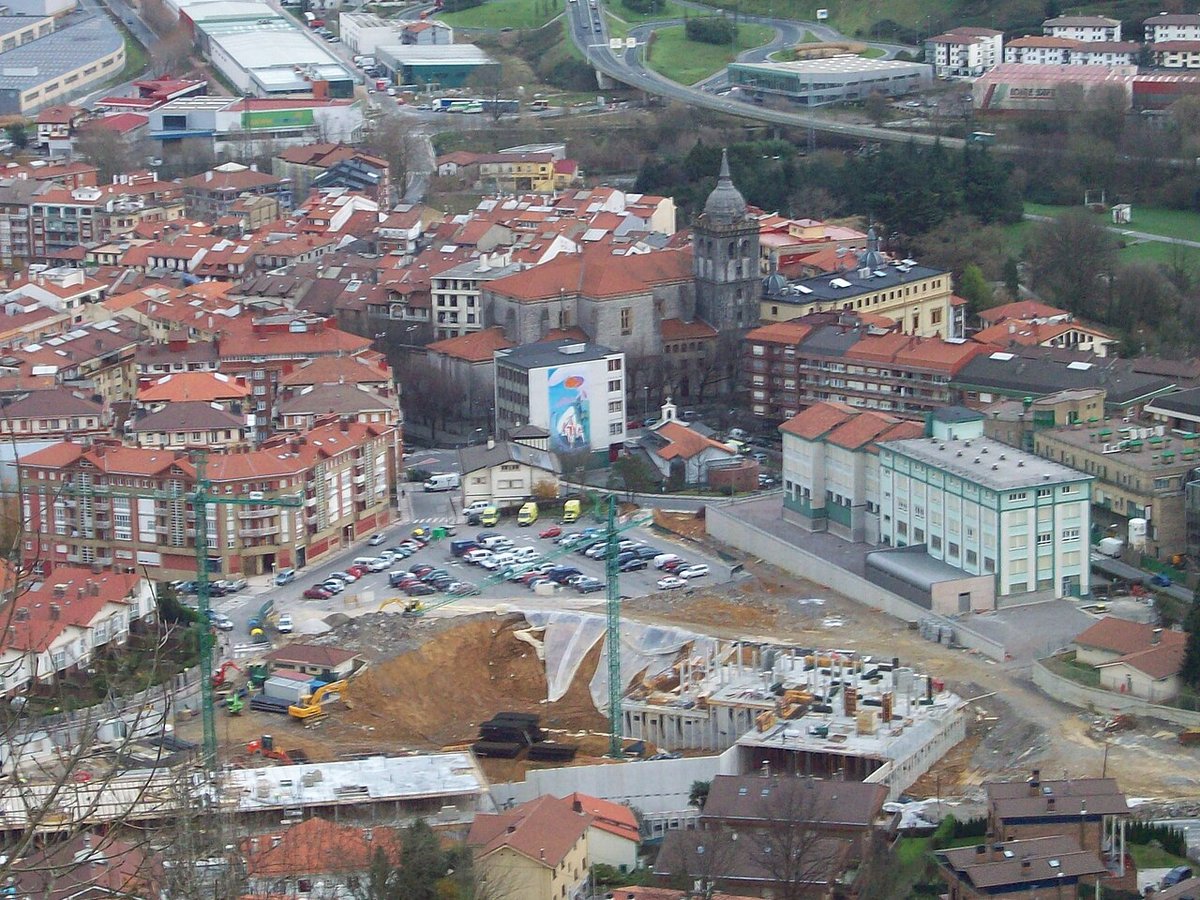
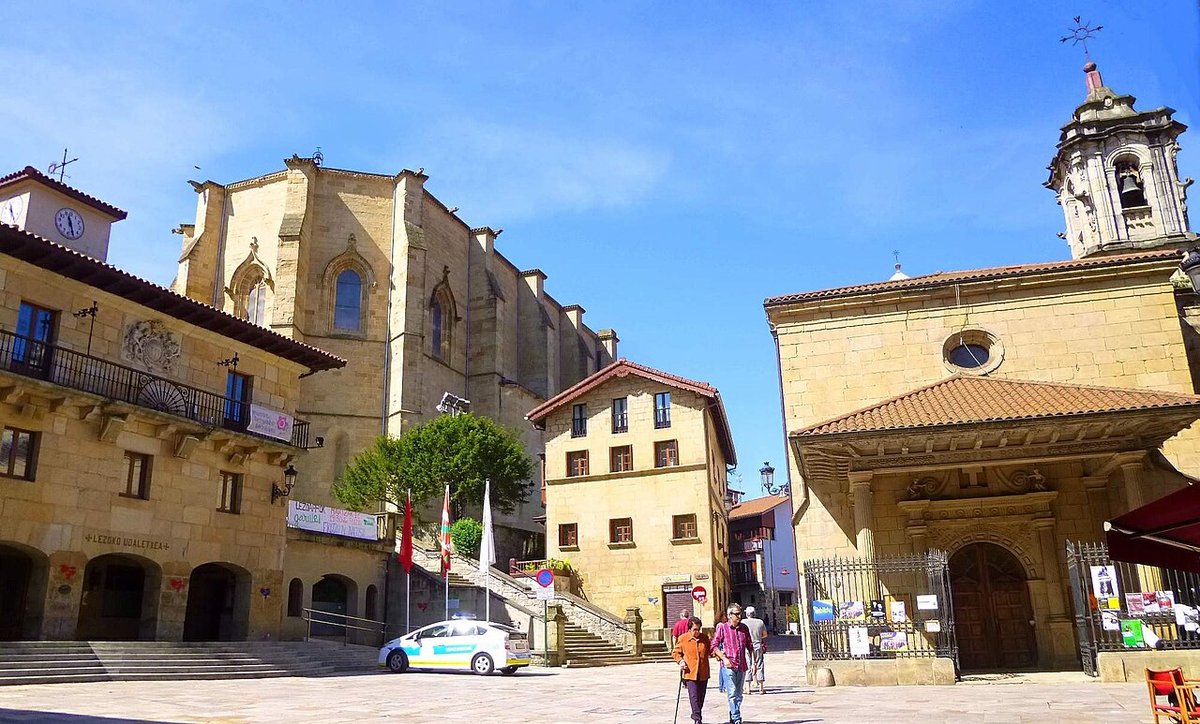
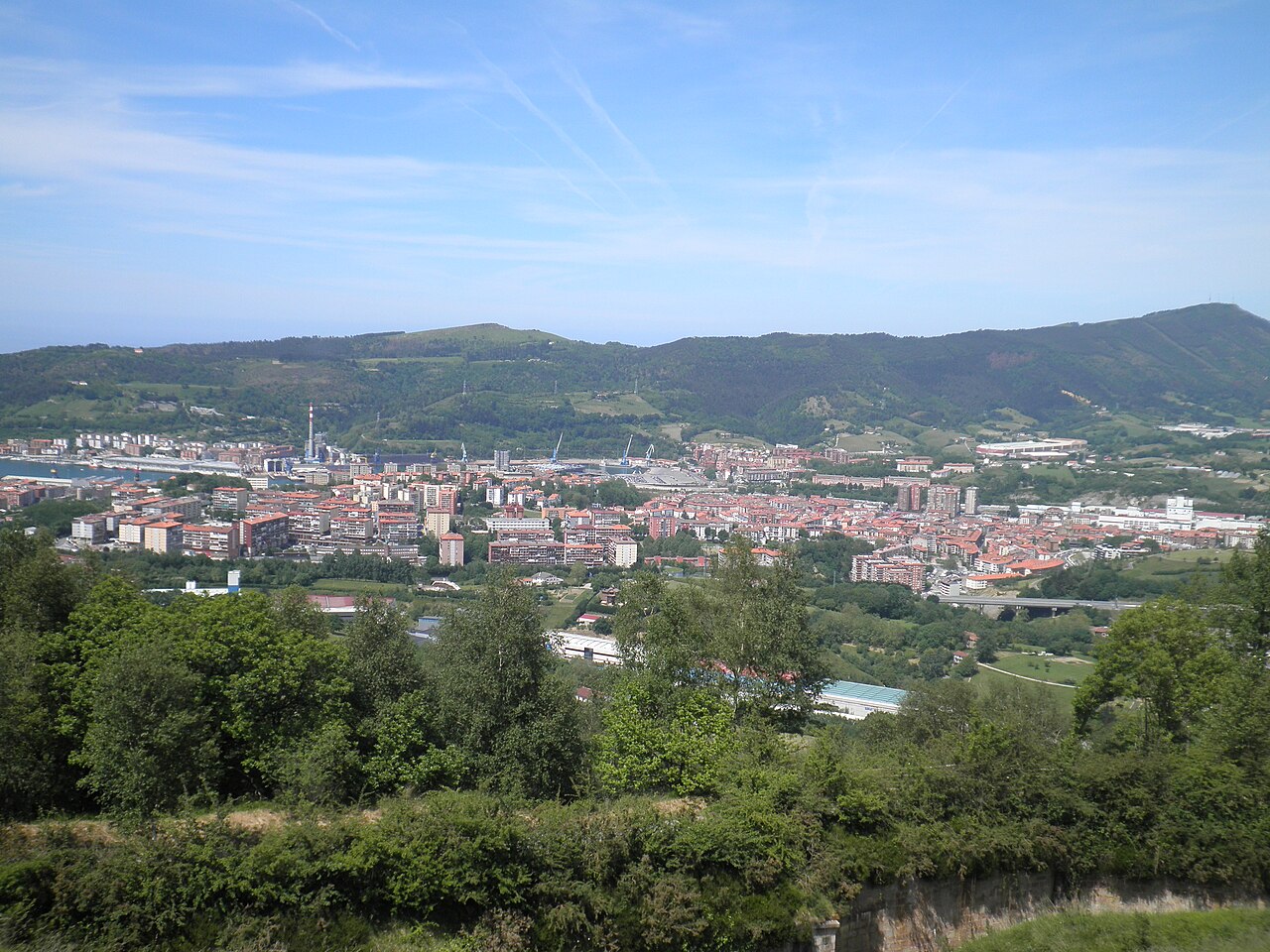
With nearly 40,000 inhabitants, Errenteria is the largest municipality in Gipuzkoa that tourism forgot. The old quarter fits inside a single grid of narrow lanes narrower than a Bristol parking space. Housewives wedge shopping trolleys between doorway and kerb while teenagers drift past, hoods up, discussing football scores. The 16th-century Palacio Dorretxea squats among them like a retired knight at a bus stop—interesting, but nobody's offering a selfie stick.
Inside the Iglesia de Nuestra Señora de la Asunción, the air carries incense and floor-wax rather than camera-strap nylon. Opening hours obey the liturgical calendar, not TripAdvisor. Turn up at random and you may find the doors locked; the caretaker nips home for lunch regardless of your rail timetable. When it is open, baroque altarpieces glitter under strip-lighting so harsh you can read the fine print on a mortgage application. No gift shop, no multilingual leaflets—just a plastic chair where an old man counts rosary beads and nods you in.
Lunch Without the Performance
Forget the tasting-menu theatre of nearby Mugaritz (ten minutes up the road, bookable three months ahead, leave hungry). Errenteria runs on everyday Basque food priced for people who earn their living here. Menú del día still clocks in under €14 and arrives on proper plates, not slate tiles. Try Bar Areetxa at 13:00 sharp: the txalupa—mushrooms and prawns gratinéed with mild cheese—pairs with a half-litre bottle of house Rioja without anyone asking your opinion on tannin structure.
Pintxo crawls happen horizontally. Start at Plaza San Juan, move downhill along Calle Mayor. Order one item per bar, pay with contactless, leave. Gilda skewers (anchovy, olive, chilli) cost €1.80 and separate the curious from the converted; if you belong to the anchovy-averse majority, swap for a tortilla wedge. Monday night is dead—most bars close—but Sunday evening surprises visitors used to shuttered San Sebastián. Errenterians still eat out after weekend mass, so you’ll find txistorra rolls sizzling at 21:00 while hotel rates drop thirty per cent.
The River, the Hill and the Mud
The Oiartzun riverwalk rescues visitors who arrive expecting coast and find cranes. A flat 3-km path links the Parque de Fanderia to an old railway bridge where graffiti spells “Gora Errenteria” in metre-high letters. Joggers in Athletic Club tops nod as they pass; dog-walkers carry compostable bags dispensed free from yellow wall-boxes. On clear mornings, herons stand mid-stream like grey commas in a run-on sentence. After rain—common, this is the Basque Country—the water turns the colour of builder’s tea and the path floods in two places. Wellington boots appear in shop windows overnight; locals treat them as seasonal fashion.
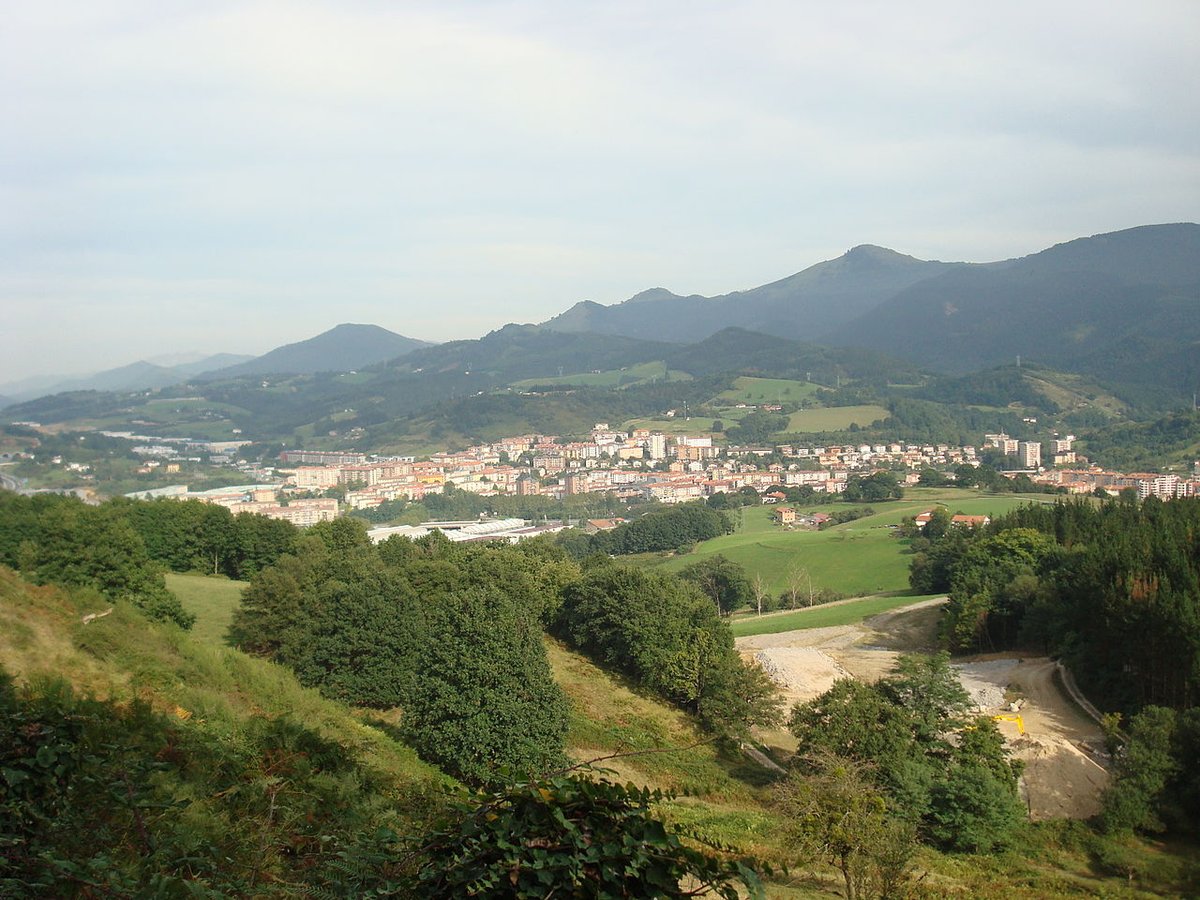
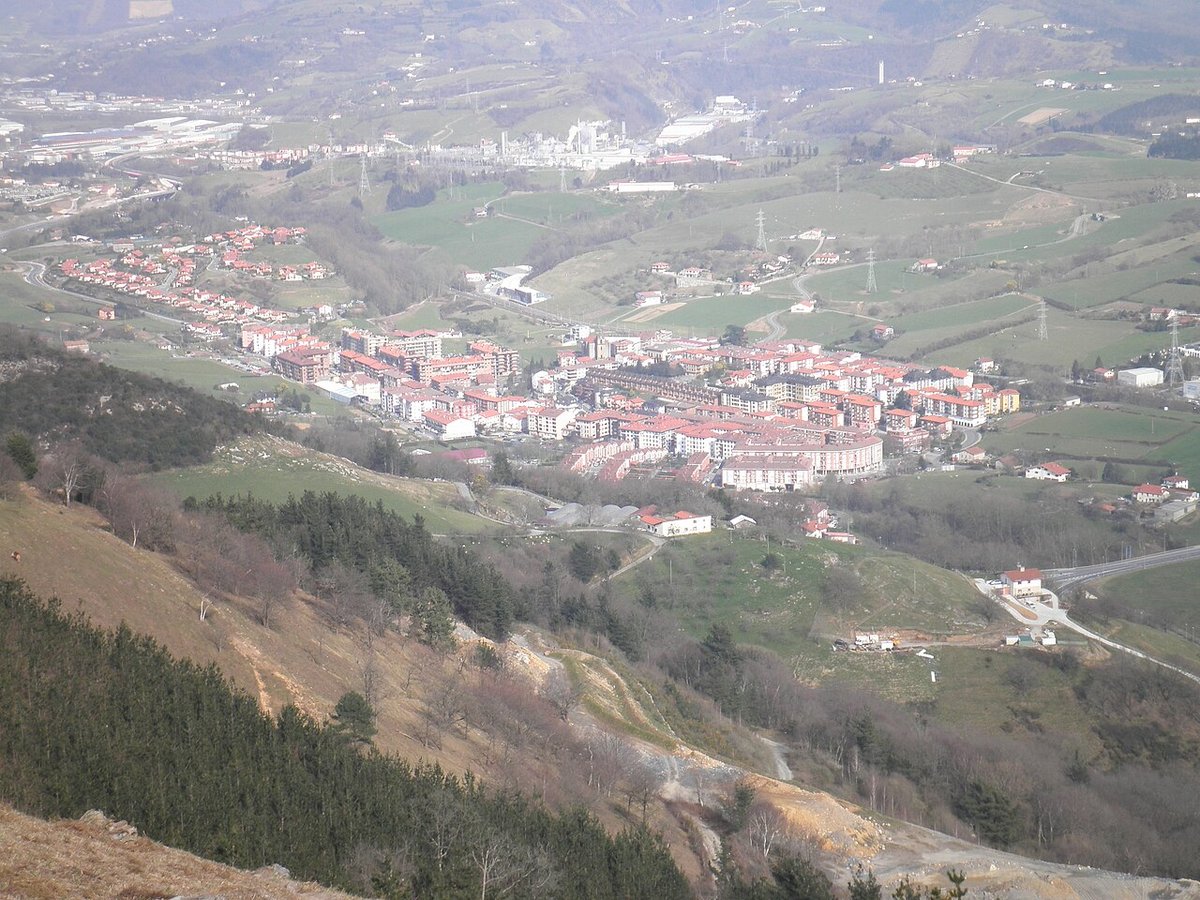
Behind the town, San Marko hill promises views over the valley and the Cantabrian ridge. The Errenteria Kirolak app flashes amber when paths liquefy; ignore it and you’ll skate downhill on clay thick as Christmas pudding. When dry, the 45-minute loop offers Atlantic panoramas that explain why Iron-Age tribes chose this ridge: you can spot French border peaks on a transparent January afternoon, or watch cloud roll in so fast you taste salt on the wind. Either way, wear shoes you don’t love.
A Practical Base That Knows Its Limits
Staying here makes logistical sense. The Euskotren to San Sebastián runs every fifteen minutes until 22:30; buy a Barik card at the airport and the 6-km ride costs €1.75, cheaper than a Spanish coffee on the beachfront. Heading east, the same line reaches Irún and the French border, handy for Biarritz flights. Road access is simpler than central Donostia: leave the AP-8 at Errenteria-Oiartzun, park free near the river, and ride the tram-train in. Saturday drivers note: the covered market fills the main square, so approach before 09:00 or after 14:00 to avoid a three-point turn among vegetable crates.
Accommodation is thin but adequate. Hotel Rio Bidasoa occupies a converted textile warehouse beside the water; rooms €85–110 include soundproofing against morning freight trains. Weekday corporate rates drop to €65—perfect if your itinerary mixes Bilbao business with weekend surfing. There’s no boutique fluff: reception sells transport tickets instead of scented candles.
When to Come, When to Stay Away
Spring and early autumn deliver the Basque trifecta: green hills, mild air, and space at the bar. San Juan fiestas (around 24 June) turn the centre into a thumping fairground; music until 04:00, but also free concerts in the park and children’s theatre in Basque with surtitles in Spanish. August feels empty—locals head for coastal campsites—yet bars stay open because someone must feed the factory night shift. December brings Olentzero, the charcoal-burning Christmas giant, down from the mountains; schoolchildren haul him through drizzle while parents sip cider so sharp it makes Kent apples taste like syrup.
Avoid Mondays unless your hobby is photographing closed doors. The Costume Interpretation Centre, the only museum of note, locks up along with half the cafés. Rain alone shouldn’t cancel plans—Errenteria functions under water—but if the Kirolak app flashes red, swap hillwalking for the covered market: stallholders sell mountain cheese at half the San Sebastián price and will happily discuss the difference between Idiazábal and smoked cheddar.
Departing Without the Souvenir Spoon
Errenteria offers no fridge magnets, no sunset viewpoints, no chef eager for Instagram tags. What it does offer is a glimpse of Basque life stripped of marketing: workers queueing for coffee at 07:30, teenagers inventing slang that won’t reach phrasebooks, shopkeepers who remember your order from yesterday. Spend an afternoon here and the coast’s perfection starts to feel curated, like a film set with the crew just out of shot. Board the train back to San Sebastián, and the city’s polished balconies reflect someone else’s holiday. Errenteria, meanwhile, refills its pavements with people who never left, already arguing about football scores and whether tomorrow’s rain will arrive before lunch.