Full Article
about Hernani
Between mountains and sea, Basque tradition and good food in every square.
Ocultar artículo Leer artículo completo
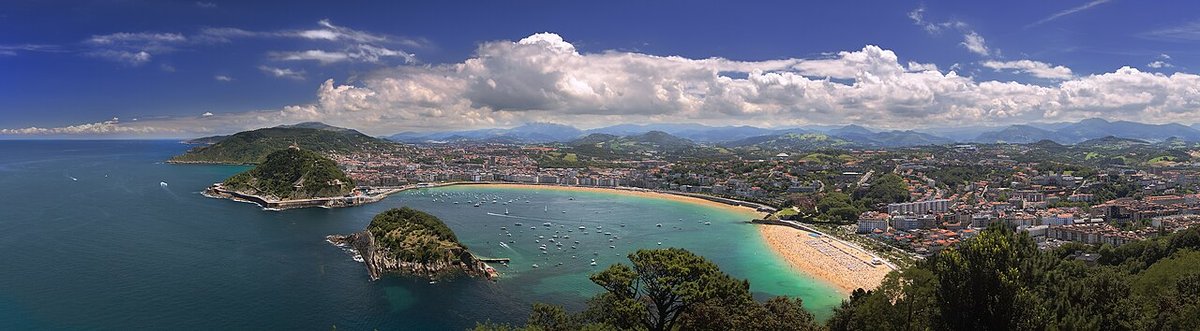
The 11:00 English tour at Chillida-Leku begins with a single question: “Why would a sculptor buy a 16th-century Basque farmhouse to store his work?” By the time the guide finishes, the answer feels obvious—Hernani’s low green hills and the quiet Urumea valley give steel and granite room to breathe. Eduardo Chillida chose well. Fifteen minutes uphill from San Sebastián’s packed La Concha promenade, the same Atlantic weather hangs in the air, yet you can walk for ten minutes and meet more sheep than people.
A Working Town, Not a Stage Set
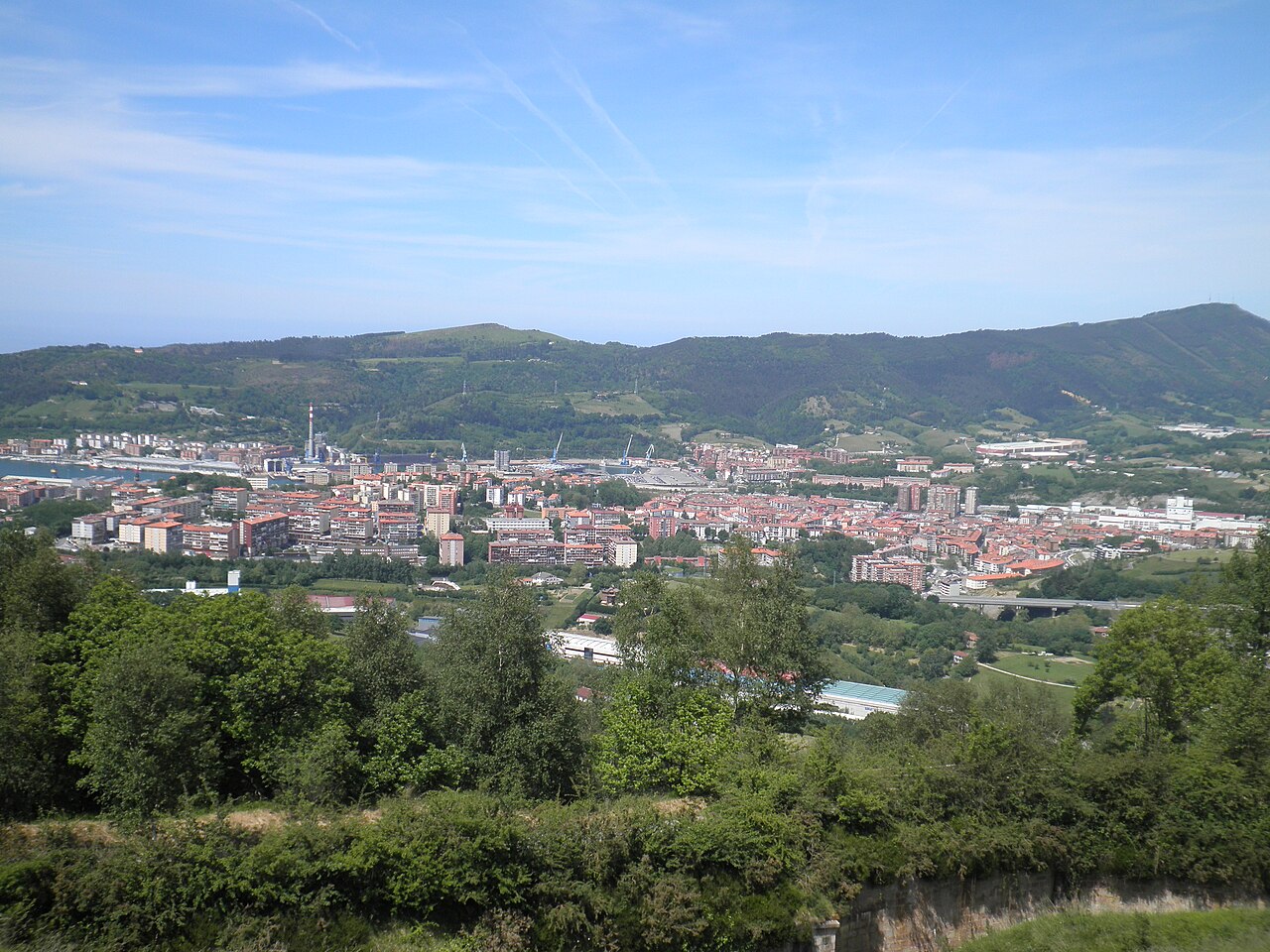
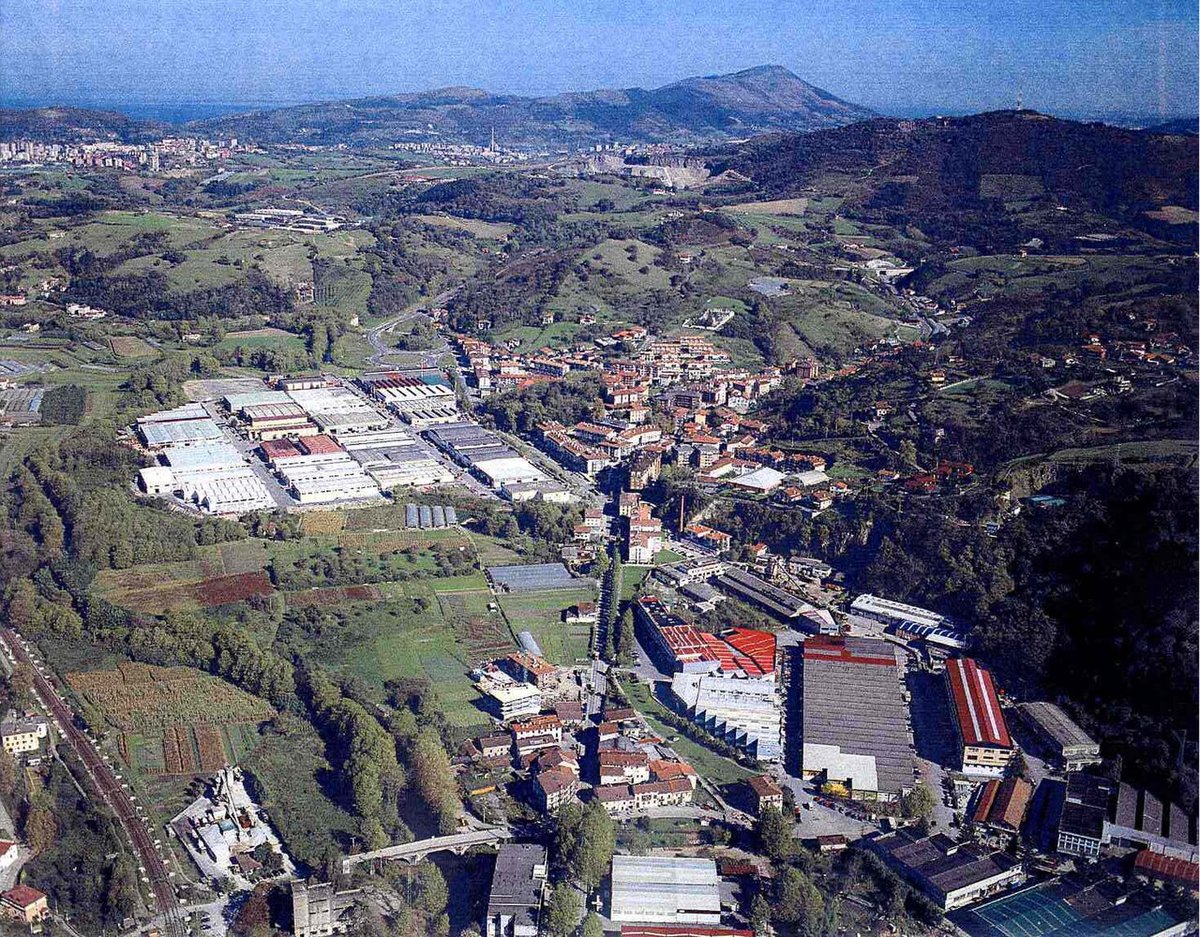
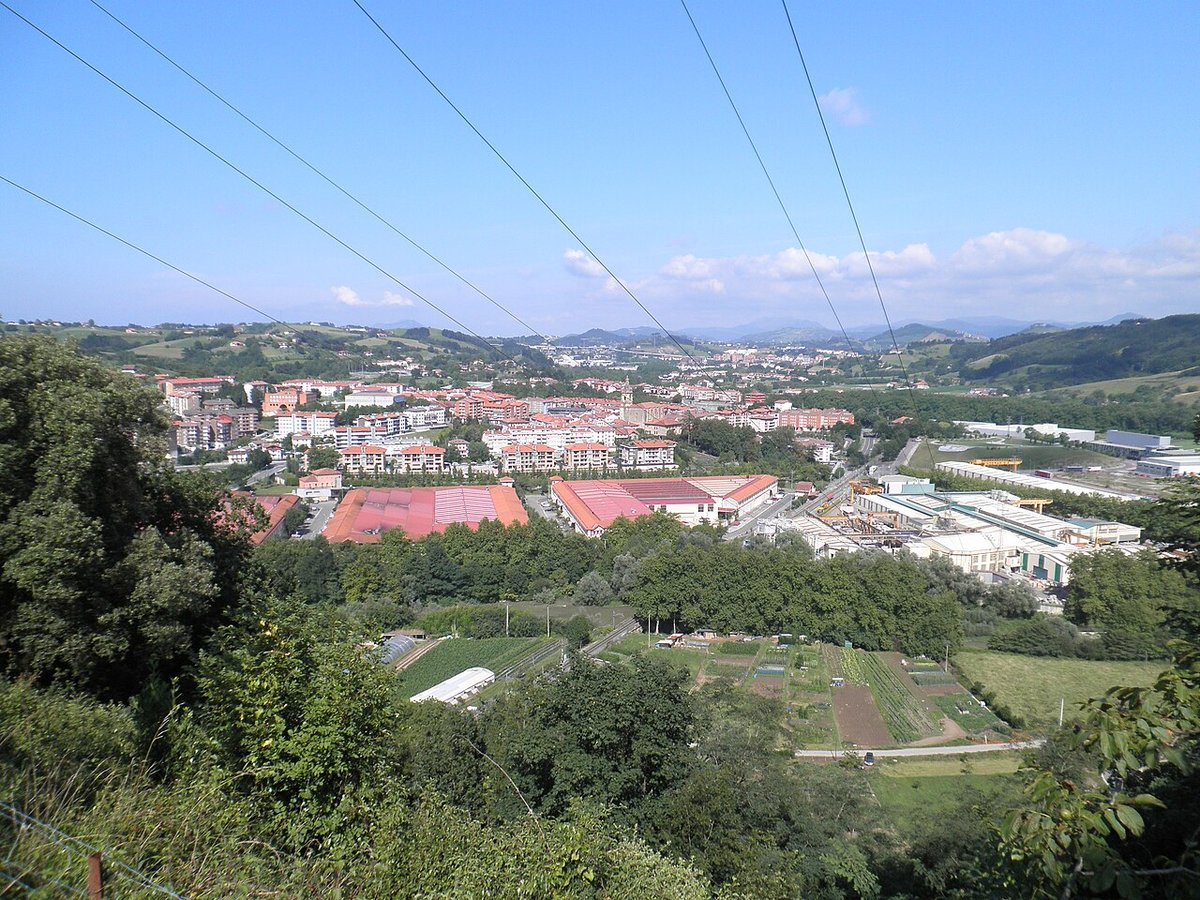
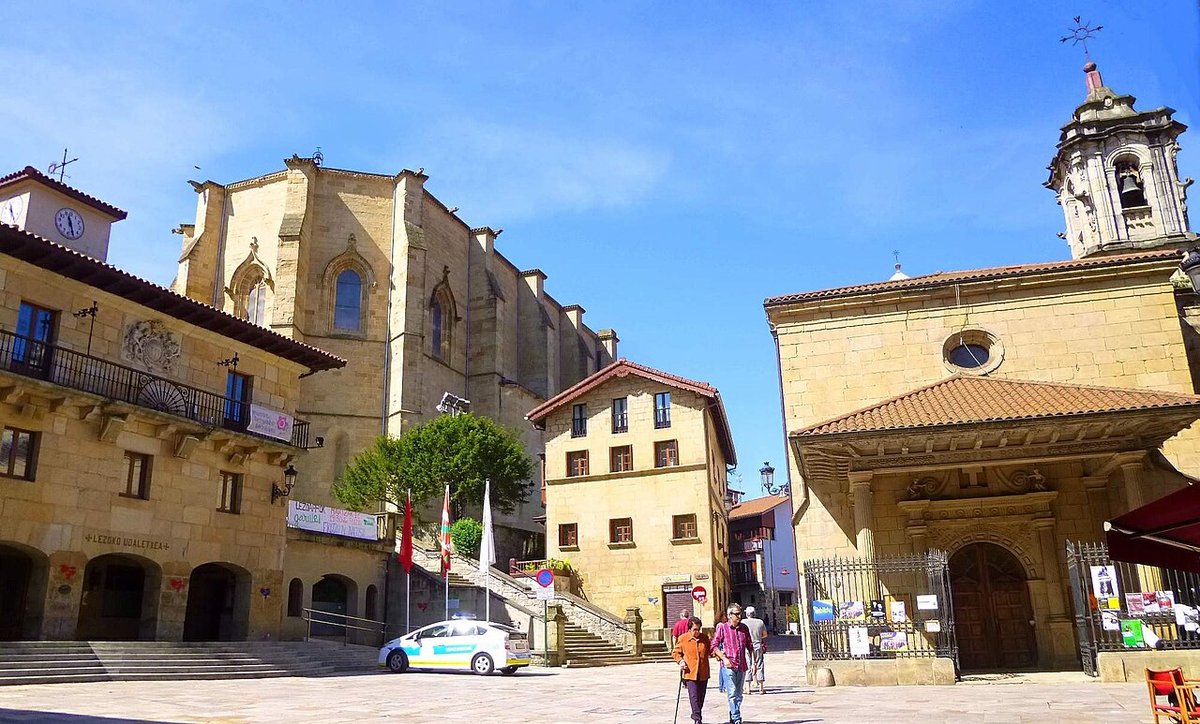
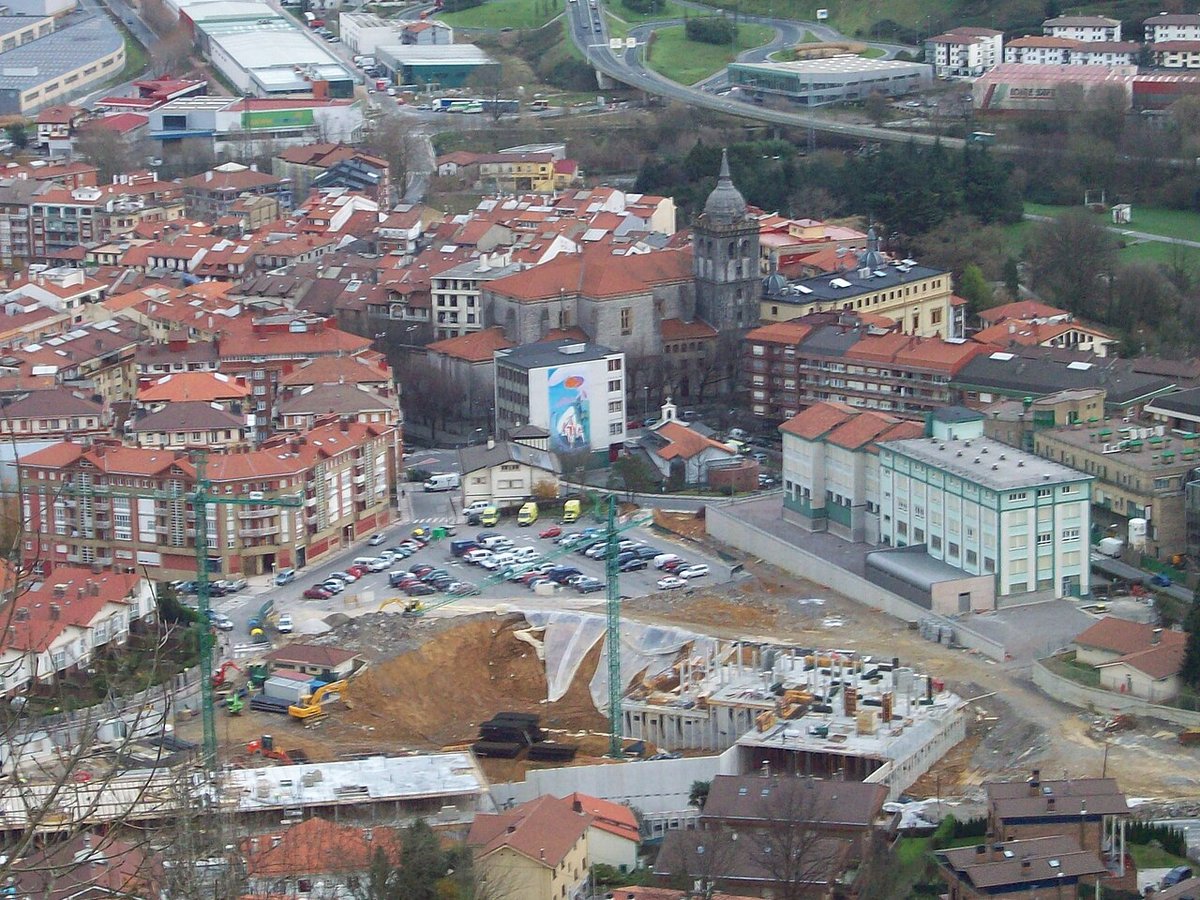
Hernani slips past the usual coastal clichés because it refuses to stand still for a photograph. Medieval lanes zig-zag between butchers’ delivery vans; housewives lean from wrought-iron balconies to shake tablecloths while chatty clusters of teenagers block the narrower passages. The 16th-century church of San Juan Bautista squats at the top of the old quarter, its tower a useful compass if the curving streets start to feel like a maze. Inside, a gilded altarpiece glints dimly—worth a pause, though nothing is roped off with museum solemnity. Come at 18:00 and you’ll share the nave with locals reciting the rosary at double speed before collecting children from karate class.
Below the church, Plaza Euskal Herria opens out like a pintxo tray. Office workers queue at Bar Aterpe for txalupa (a boat-shaped wedge of bread piled with crab and smoky cheese) and knock it back with a €1.60 caña. By 15:00 the square empties; shutters clatter down so proprietors can siesta, a habit San Sebastián surrendered years ago. Stray tourists who wander in expecting souvenir stalls instead find a chemist, a cobbler and a bakery that sells still-warm custard slices—evidence that this is a town of 20,000 with its own to-do list.
Steel in the Meadow, Cider in the Barrel
Chillida-Leku is the obvious headline. Forty sculptures scatter across a sloping orchard: rusted steel arches echo the curves of distant mountains, while a 20-ton iron wave titled “Comb of the Wind” seems to listen to the breeze. Entry is €14; book the first slot online and you’ll share the meadow only with wood pigeons and the occasional gardener clipping camellia hedges. An English-speaking guide walks the group slowly downhill, pausing at the open-air studio where Chillida’s welding goggles still hang on a nail. The visit ends in the stone threshing floor of the farmhouse; if the sky turns Basque-grey, staff hand out blankets rather than hurry anyone indoors.
Back in town, cider houses provide the counterpoint to all that meditative metal. Locals dine at 15:00 on Saturdays, so aim for 14:00 if you prefer a quieter initiation. At Errioguardaenea, the ritual is simple: stand in line, tilt your glass, catch the cider jet, repeat. The €35 menu delivers cod omelette, grilled T-bone and walnuts with quince paste; vegetarians get an omelette the size of a dinner plate plus piquillo peppers. Unlimited cider sounds dangerous, but the alcohol hovers around 6 %—closer to flat Somerset dry than a West Country scrumpy, and you control the pour.
If self-pouring feels too athletic, Basqueland Brewing Project occupies a former garage five minutes from the sculpture park. British expats in San Sebastián helped design the stout recipe, so expect chocolate-malt notes and proper bitter balance. A four-glass tasting flight costs €6 and staff switch to English without flinching. Monday visitors take note: when most pintxo bars shut, the brewery’s pizza van stays lit until 22:00.
Up the Valley, Into the Clouds
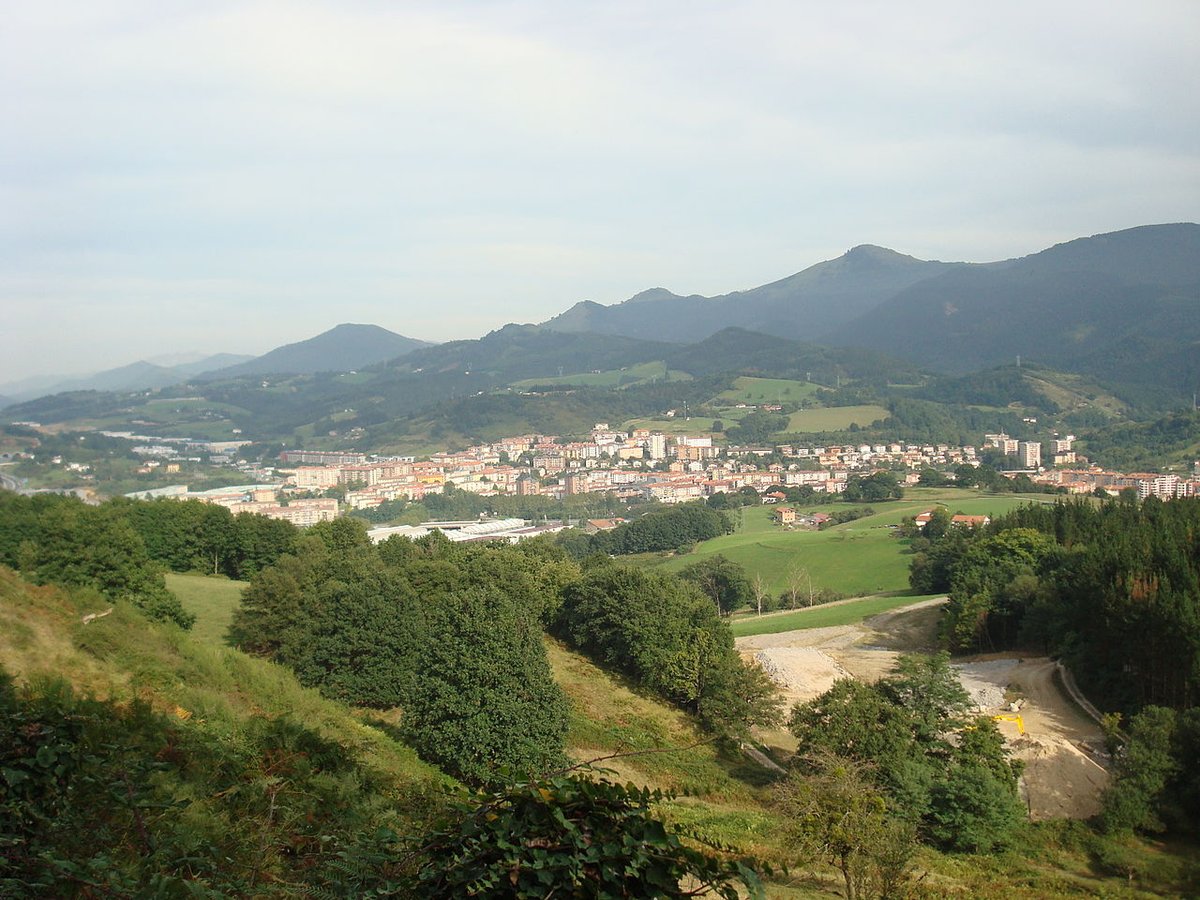
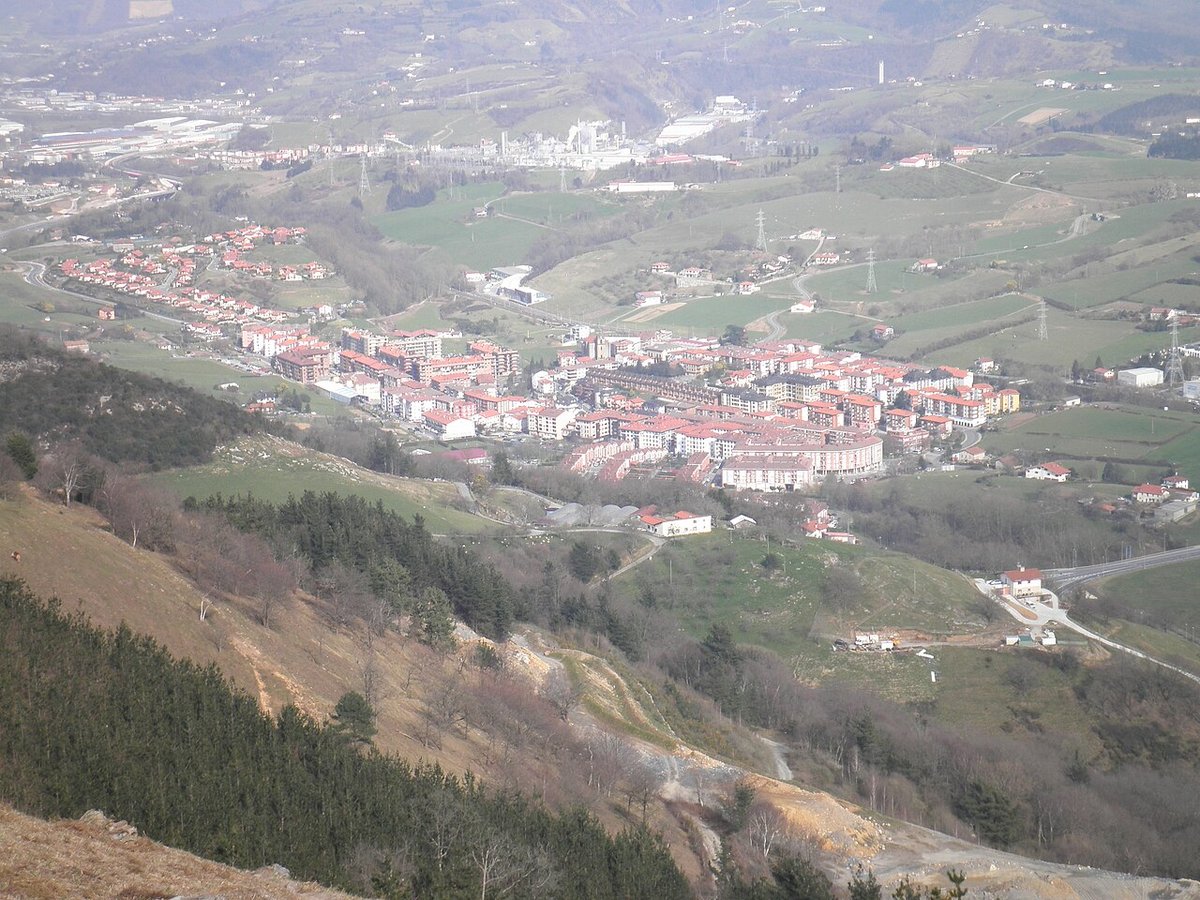
Hernani sits 60 m above sea level yet feels higher. The Urumea river squeezes between limestone walls, funnelling moist Atlantic air that condenses into hill-hugging cloud. Walk 20 minutes downstream and you’re on a flat cycle path to San Sebastián; stride 30 minutes upstream and housing estates give way to chestnut forest, the tarmac narrowing into a farm track where signposts promise “Donostia 3 h” or “Pasajes 5 h” for anyone with stout boots and a picnic.
The serious ascent starts behind the cemetery. A gravel lane climbs 300 m to the Ermita de San Cristóbal, a stone hut that doubles as both chapel and rain shelter. From the terrace, the whole corridor opens: motorway viaducts, railway, river and the occasional Heathrow-bound jet glinting silver above the hills. The return loop drops via the village of Martutene, re-entering Hernani through allotments where elderly men hoe leeks in flat caps and boiler suits. Total circuit: two hours, calf muscles optional.
Winter transforms the same trail. When an easterly wind drags polar air across the Bay of Biscay, the hills whiten and buses to San Sebastián crawl with snow-chains. Day-trippers vanish; firewood smoke drifts across the old quarter, and restaurants swap salads for bean stew thick enough to stand a spoon in. Spring, by contrast, arrives early—camellias bloom in February, drenching Chillida-Leku in lipstick-pink petals and tempting early hikers into T-shirts.
Logistics Without the Yawn Factor
Lurraldebus A1 leaves San Sebastián’s Avenida de la Libertad every hour; the €1.85 journey lasts fifteen minutes and the last return service departs at 21:30. Drivers should ignore sat-nav short-cuts up the old mountain lane—follow the new brown Chillida-Leku signs via Errekalde and you’ll reach a free, orderly car park. Parking inside Hernani itself is tighter: blue-zone bays cost €1.20 per hour and the ticket machines refuse contactless. Leave the car near the sports centre on the eastern ring-road; it’s a five-minute, calf-warming walk into the centre.
Rain jackets matter even in July. Atlantic weather can swing from 25 °C sunshine to sideways drizzle within an hour, and Chillida-Leku keeps most art outdoors. Monday remains the quietest day but also the day half the bars close—plan a brewery lunch or book ahead at Restaurante Fagollaga, where the €25 menú del día runs until 15:30 and staff will swap spider crab for simple roast chicken if you ask nicely.
Leave Before You’re Ready, or Stay and Commute
Hernani works as a base for San Sebastián without the sea-view price tag. A double room above the old town costs €70 mid-week; morning coffee arrives with the clatter of schoolchildren rather than wheelie suitcases. Yet the town also stands alone: you can spend a whole day wandering sculpture gardens, cider cellars and cloud-banked trails without ever craving the beach. The risk is leaving too early, lured back by Donostia’s Michelin stars, only to realise on the bus that Hernani’s everyday rhythms—the river, the market, the metal wave listening to the wind—were the real reason you crossed the Channel in the first place.