Full Article
about Lasarte-Oria
Between hills and sea, Basque tradition and good food in every square.
Ocultar artículo Leer artículo completo
The queue outside Martin Berasategui starts forming at 12.15 pm, even though lunch doesn't begin until 1.30. Well-dressed couples clutching reservations totter along the pavement in impractical shoes, checking phones and discussing whether the 14-course tasting menu might be "a bit much". They're the reason most British travellers have heard of Lasarte-Oria—if they've heard of it at all.
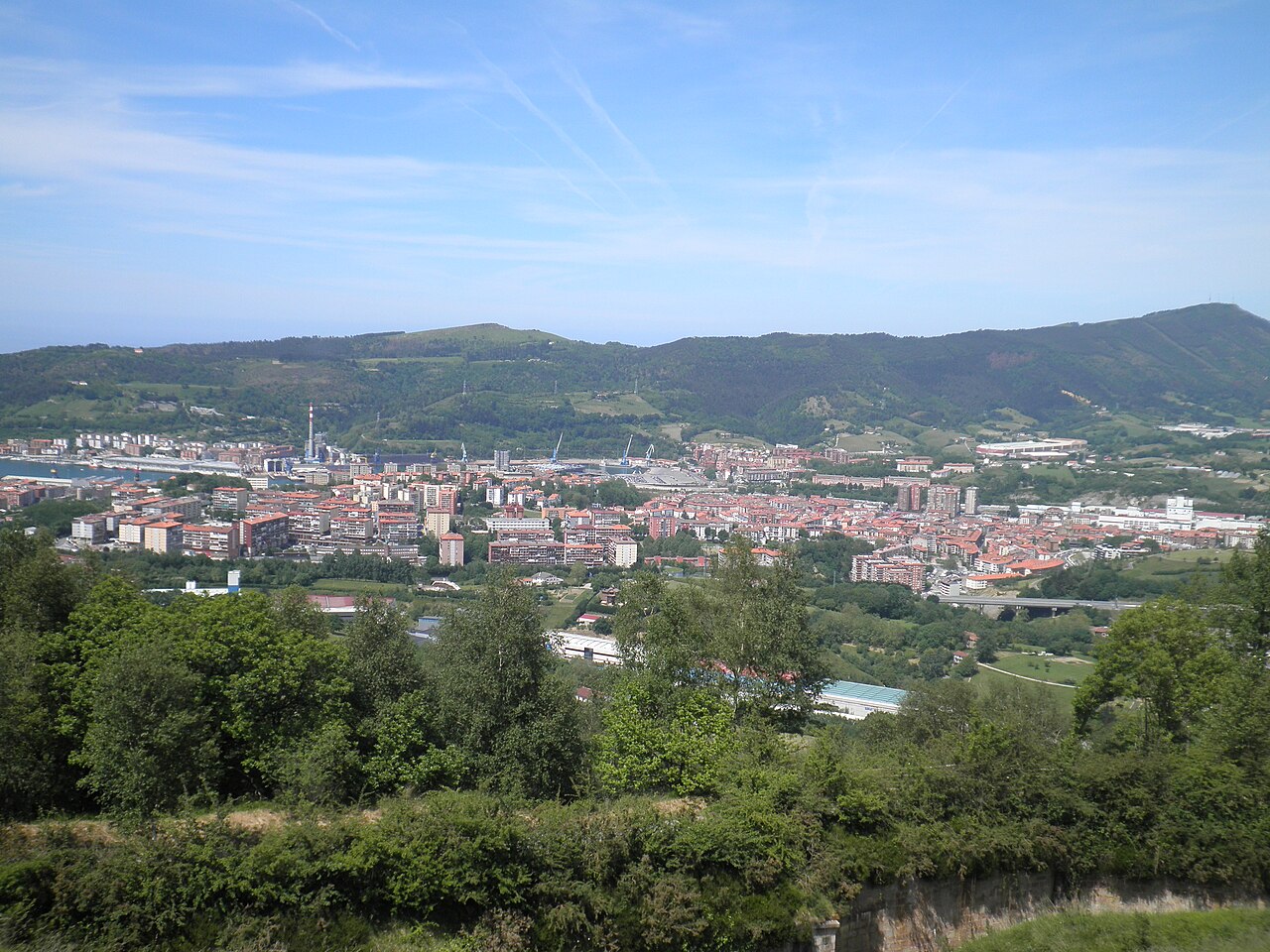
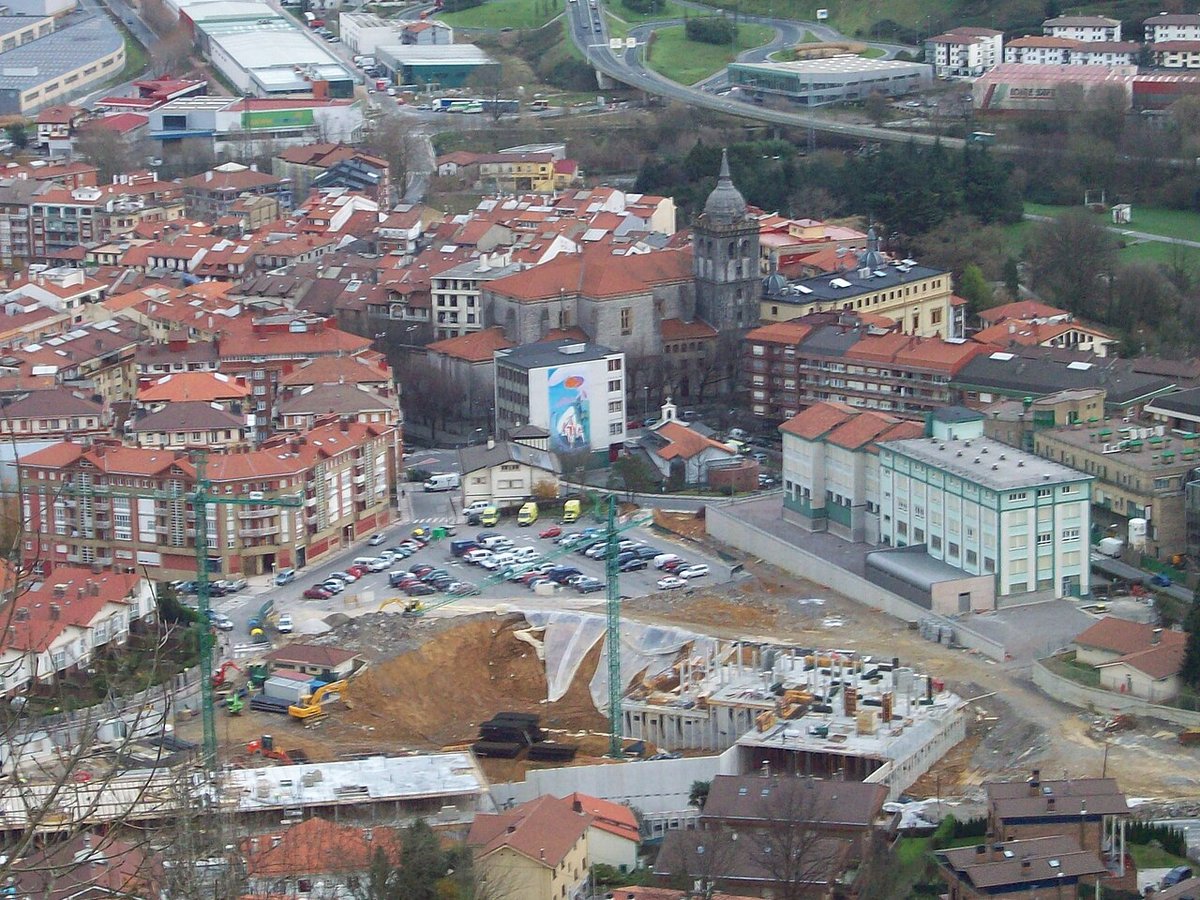
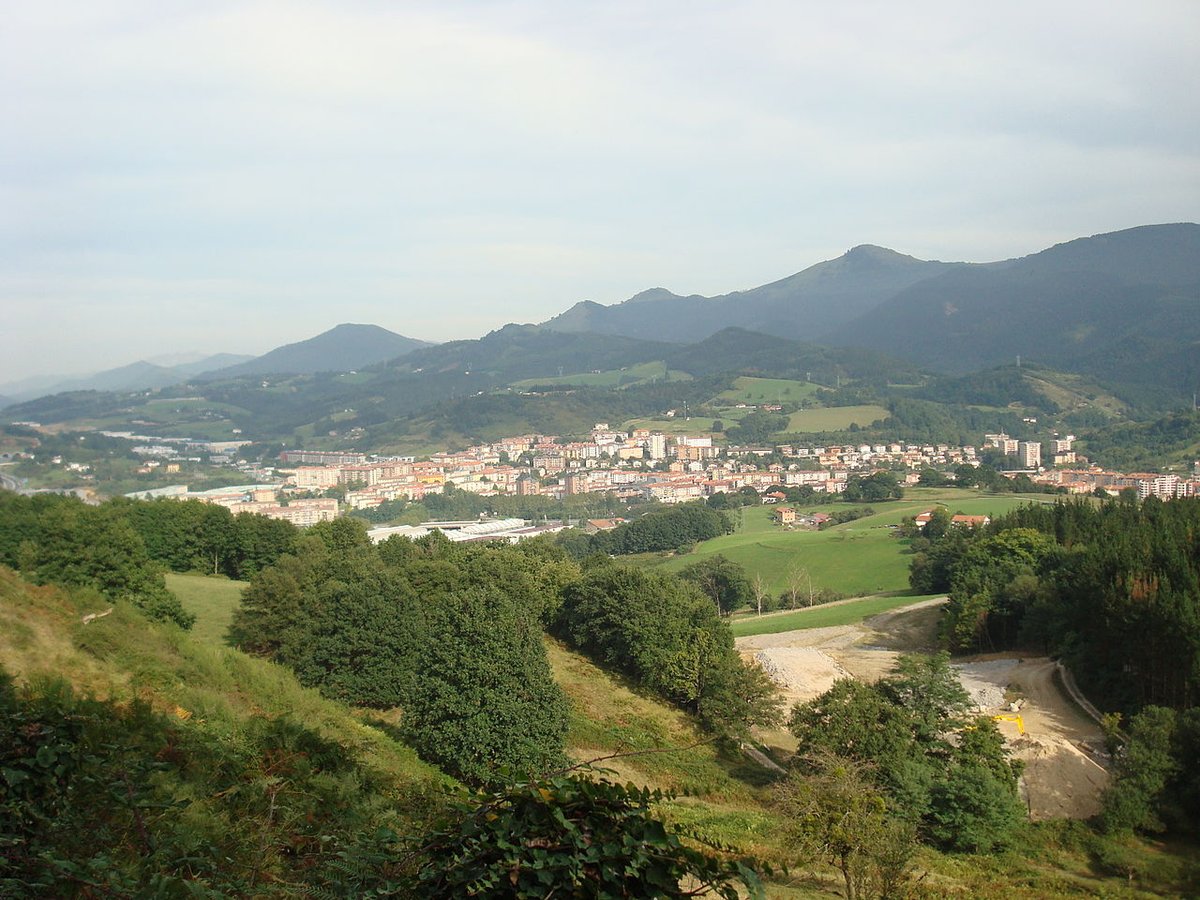
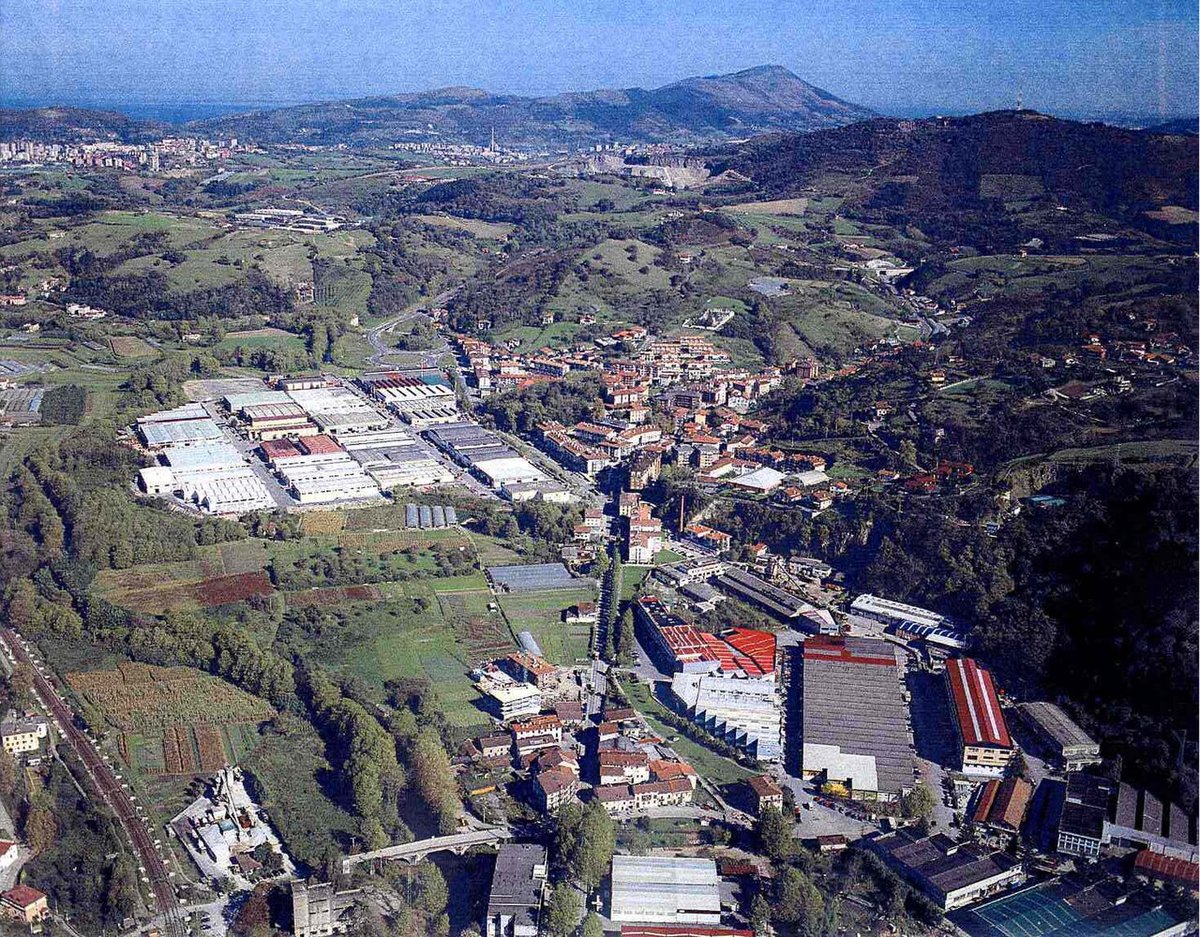
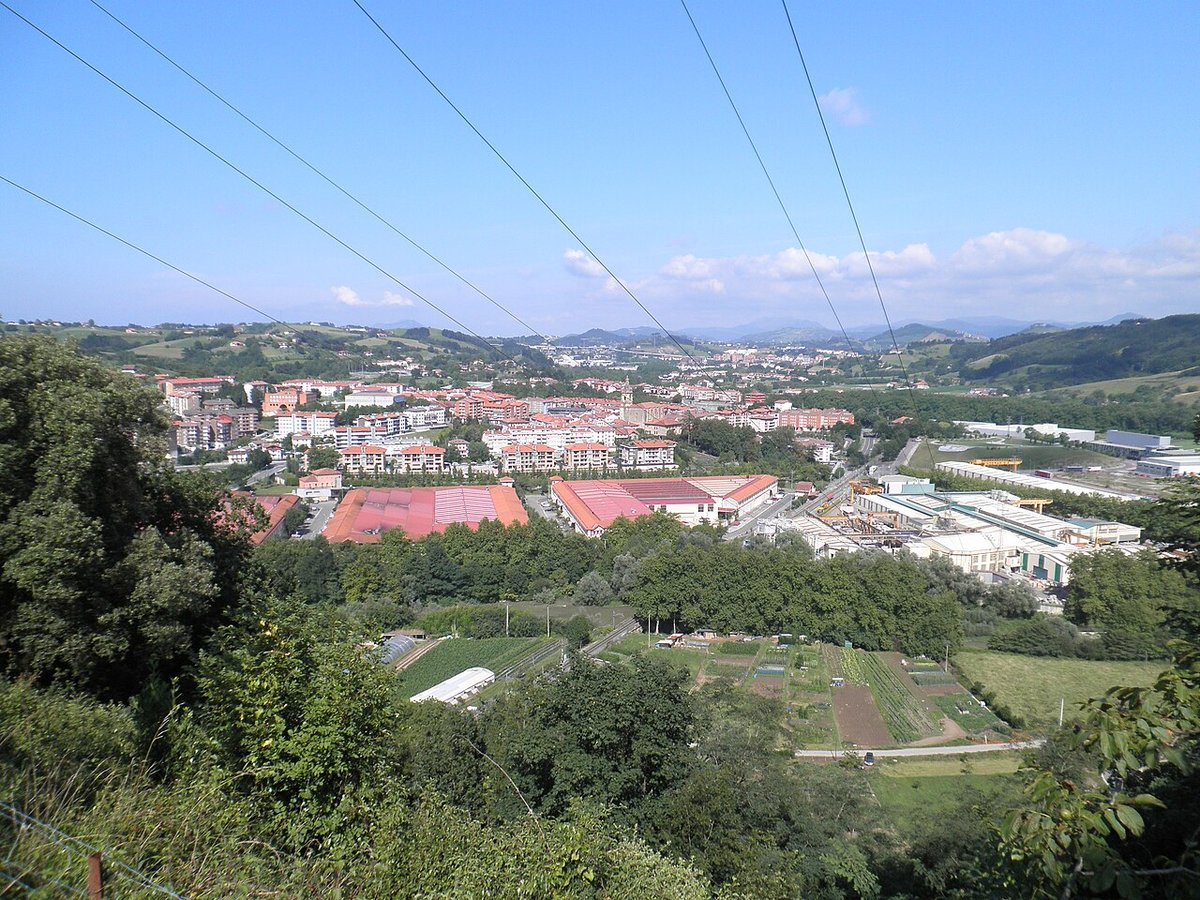
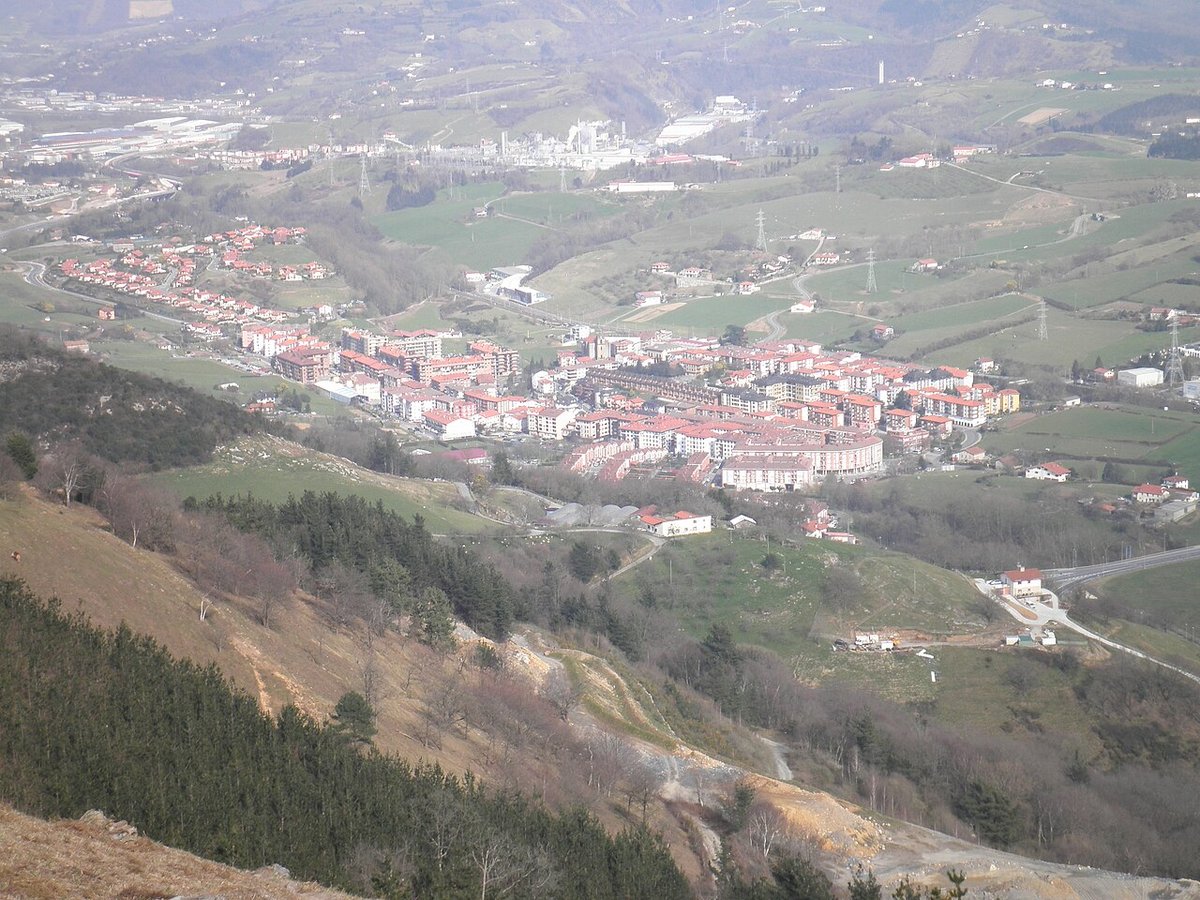
Seven kilometres inland from San Sebastián, this commuter town of 19,500 stretches along the Oria river like a Basque Swindon: practical, unpretentious, and largely ignored by the guidebooks. There's no medieval quarter, no postcard-perfect plaza mayor, no castle on a hill. Instead, you'll find 1970s apartment blocks, industrial estates, and a high street where the most prominent landmark is a Decathlon superstore. Yet something interesting is happening here, and it isn't just the three Michelin stars glittering above Calle Loidi.
Between River and Motorway
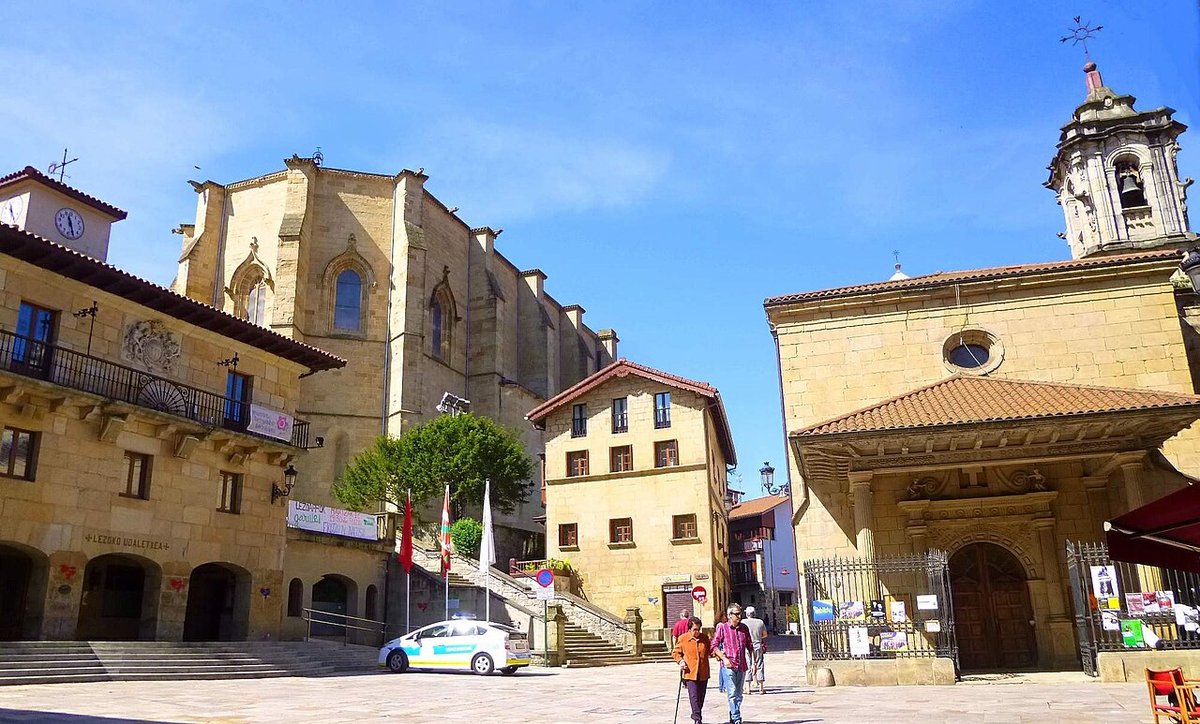
The Oria divides the town neatly in two. On the eastern bank, Lasarte proper clusters around the church of San Miguel and a modest high street where butchers still wrap chorizo in white paper and the bakery sells talo (cornflat cakes) on Saturdays. Cross the modern footbridge—installed in 2019 so locals could reach the sports centre without detouring via the main road—and you're in Oria, a separate village until 1966, now a neighbourhood of identical apartment blocks and Sunday-morning football pitches.
The riverside walk is the town's best feature, and the one locals point to with genuine pride. It's not spectacular: 3.5 km of level path, benches every 200 metres, and river views that alternate between reeds and the back of logistics warehouses. But on summer evenings it fills with families pushing prams, teenagers practising skateboard tricks, and elderly couples walking tiny dogs. The pace is unhurried; nobody's trying to sell you anything. Free exercise machines—looking suspiciously like medieval torture devices—sit unused beside the path, while a pint-sized outdoor gym for children gets thoroughly worked over by under-tens in Athletic Bilbao shirts.
Cyclists heading south can follow the river another 12 km to Tolosa, a pleasant ride through market gardens and disused mills. Northwards, the path stops abruptly at the AP-8 motorway, forcing riders onto a narrow pavement beside six lanes of traffic roaring towards France. It's the town's Achilles heel: geography has made Lasarte-Oria a transport corridor, and the N-1 and A-8 carve great concrete scars through residential areas. Morning rush hour starts at 7 am; evening tailbacks begin at 4.30 pm. If you're driving in for dinner, allow an extra 30 minutes or you'll be watching the sunset from a stationary Seat Leon.
The Restaurant That Changed Everything
Martin Berasategui isn't just the town's biggest tourist draw—it's practically the only one. The chef grew up two streets away, learnt to cook in his parents' bar, and returned in 1993 to open a restaurant that now holds three Michelin stars and appears regularly on "World's 50 Best" lists. The tasting menu costs €275 (£235) before wine; booking opens three months in advance, and weekend slots disappear within hours. Lunch is fractionally easier to secure, which explains the pavement queue of determined gastronomes.
Inside, the experience is pure theatre: 14 courses, each introduced by waiters who could moonlight as sommeliers, featuring ingredients that sound like a Basque spell-check error (txangurro, kokotxas, huitlacoche). The dining room overlooks a manicured garden where herbs for your dinner grow in neat rows—think Downton Abbey with better seafood. It's brilliant, exhausting, and utterly divorced from the town outside. Walk 200 metres in any direction and you're back among the petrol stations and tower blocks that pay the bills for most locals.
Less celebrated but more representative are the everyday eating options. Txirrita Sagardotegia, a traditional cider house on the northern edge of town, serves unlimited cider from enormous barrels and vast slabs of chuleton steak cooked rare. The fixed menu costs €35 (£30) including dessert; vegetarians get a pitying look and an omelette. Lavie, opposite the town hall, offers a modern Basque set lunch—three courses, wine, coffee—for €18 (£15.50) weekdays only. It's where local office workers celebrate birthdays and retired couples stretch pensions. No reservations needed, but arrive before 2 pm or the merluza runs out.
Life Beyond the Stars
What saves Lasarte-Oria from being merely a bedroom community with an expensive restaurant is the sheer intensity of local life. Basque culture isn't performed here; it's lived. Children dash to after-school pelota training clutching wooden bats that cost more than their parents' first cars. The frontón beside the river hosts matches most evenings; crowds lean over the fence shouting encouragement in Euskara, the Basque language you'll see on every street sign. Join them for ten minutes and you'll understand why locals claim pelota isn't a sport but a conversation played at 200 km/h.
Festivals punctuate the calendar with reassuring predictability. San Miguel in late September transforms the fairground behind the sports centre into a blur of dodgems, doughnuts and txistorra sausage sandwiches. San Martín in November is quieter—more neighbourhood supper club than street party—but both events involve processions, brass bands, and middle-aged men in berets arguing about whose turn it is to carry the saint's platform. Carnival in February draws teenagers from across Gipuzkoa; they descend on the town in elaborate fancy dress, turn the main square into an open-air disco, and vanish by 11 pm to catch the last bus to San Sebastián.
Saturday mornings mean market: 40-odd stalls set up beside the river selling Idiazabal cheese, still-warm bread, and vegetables trucked in from nearby valleys. It's smaller than San Sebastián's famous Bretxa market, but prices are lower and vendors have time to chat. One cheesemaker offers tastings of 12-month-cured sheep's milk cheese so sharp it makes your tongue tingle; buy a wedge and he'll wrap it in waxed paper with the date handwritten on top. Try getting that in Waitrose.
Practical Reality Check
Staying here saves roughly £80 per night compared with equivalent hotels in San Sebastián, and parking is free on most residential streets. The L4 and L19 buses reach the city centre in 15 minutes (£1.45 each way) but stop running at 10.30 pm—factor in a £20 taxi home if you're planning late-night pintxo bar crawls. Hotel Lur-so, a three-star beside the river, offers clean rooms from €85 (£73) including breakfast; ask for a rear room unless you enjoy the dawn chorus of delivery lorries. Reception staff will phone restaurants to secure reservations, useful if your Spanish is limited to "una cerveza, por favor".
Rain matters more here than on the coast. Lasarte-Oria sits in a valley where clouds stall against surrounding hills; annual rainfall exceeds London by 30%. When it pours, the riverside path floods and the town shrinks to its indoor spaces: bars fill with damp cyclists, teenagers colonise the shopping centre's food court, and the cinema (three screens, Spanish dubbing only) becomes unexpectedly popular. Pack a decent jacket whatever the season; August thunderstorms can arrive without warning and turn afternoon heat into evening chill.
Come with modest expectations and Lasarte-Oria delivers an authentic slice of Basque life minus the San Sebastián prices. The town won't change your world, but it might change your dinner—especially if you booked that table three months ago.