Full Article
about Lezo
Between hills and sea, Basque tradition and good food in every square.
Hide article Read full article
A hillside village near the bay
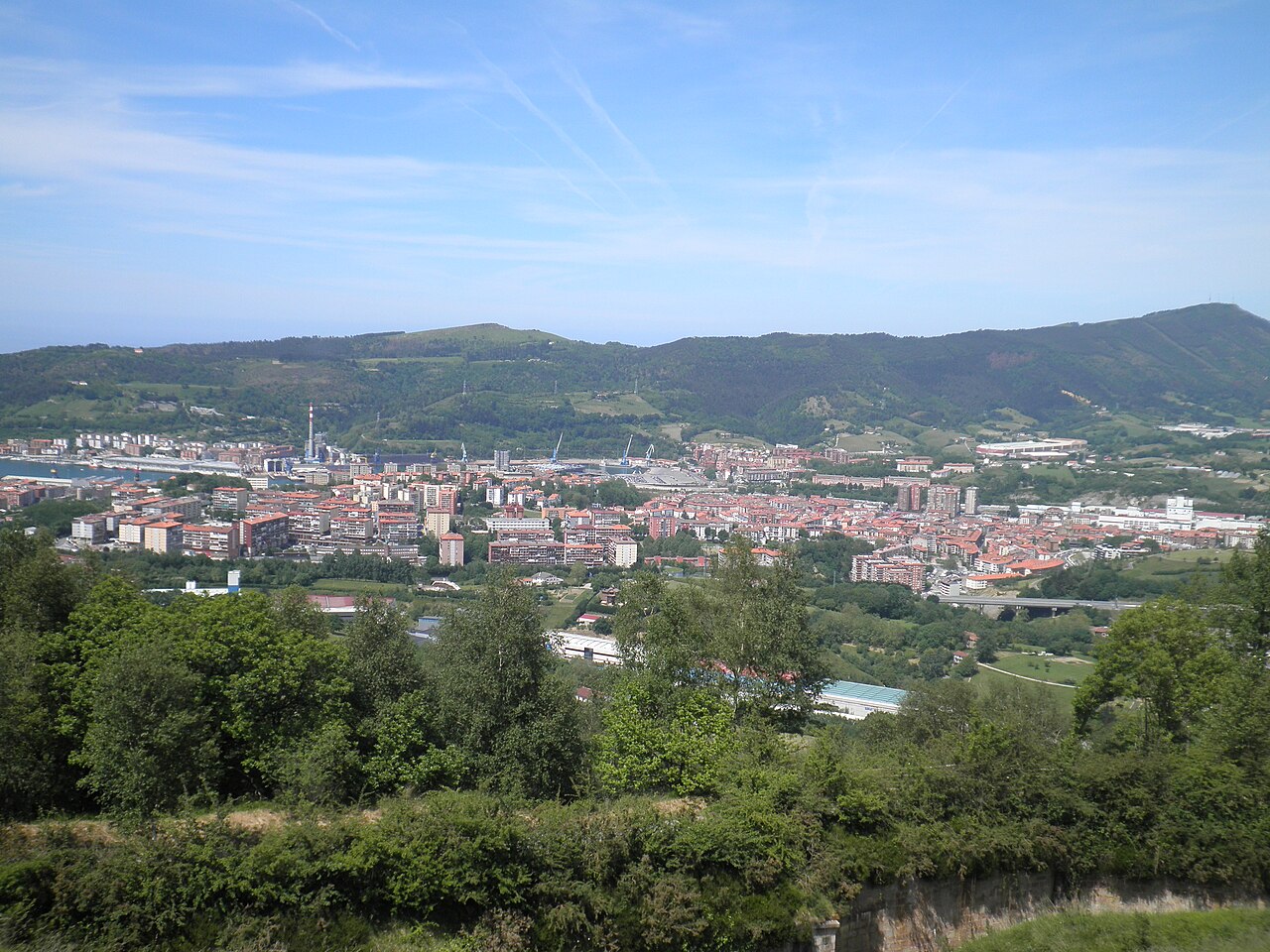
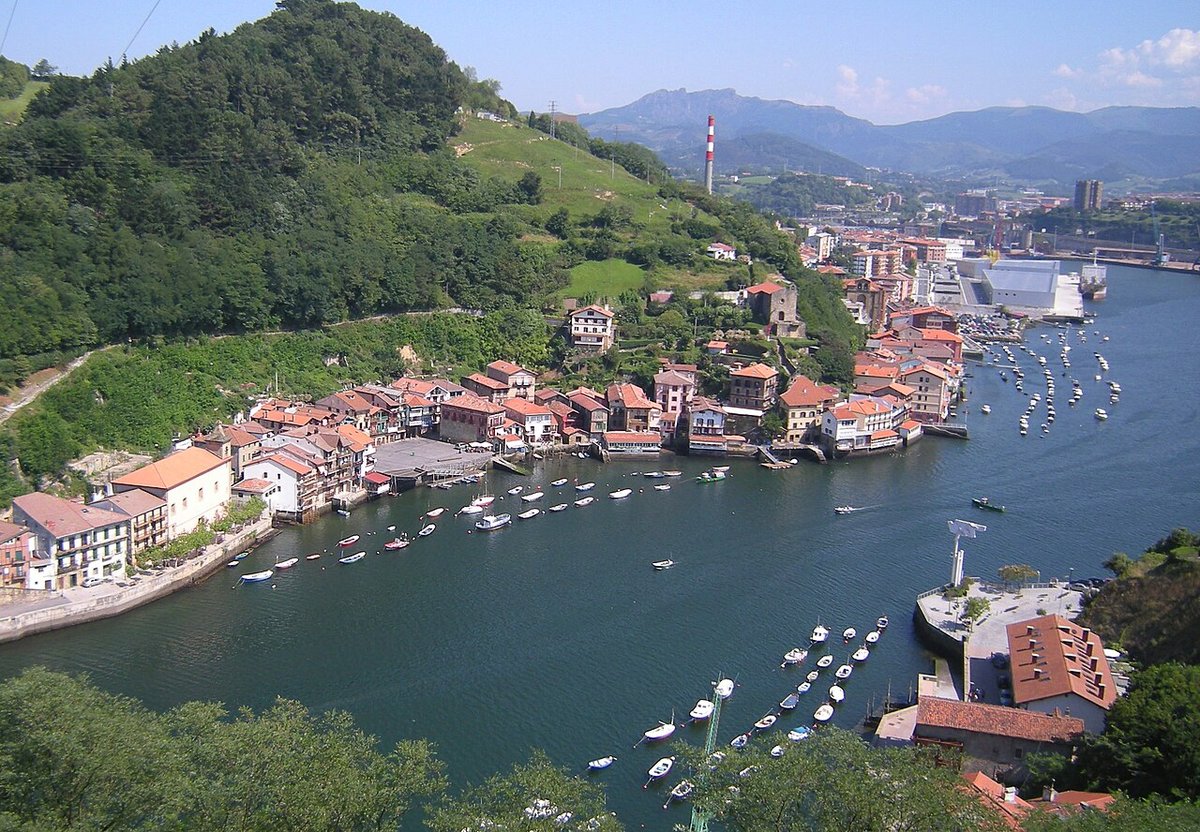
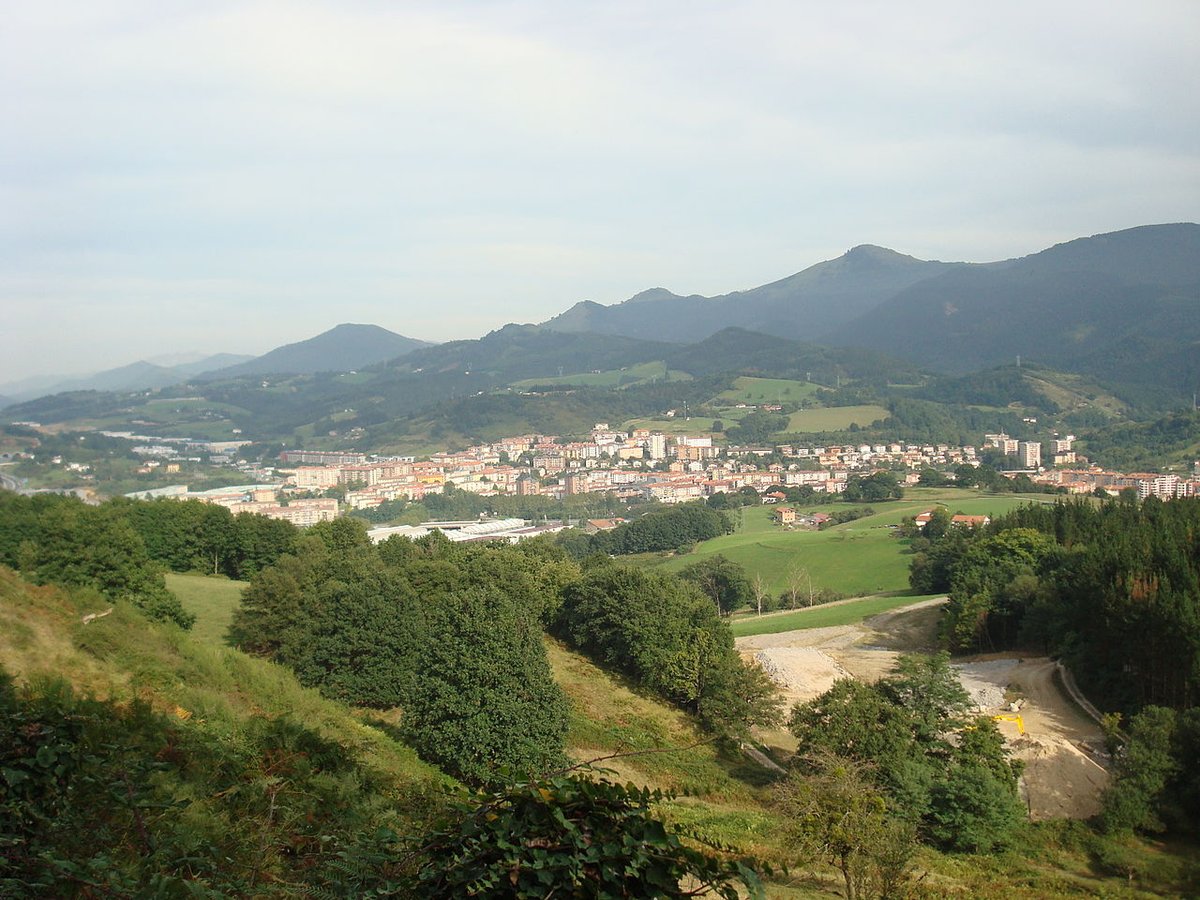
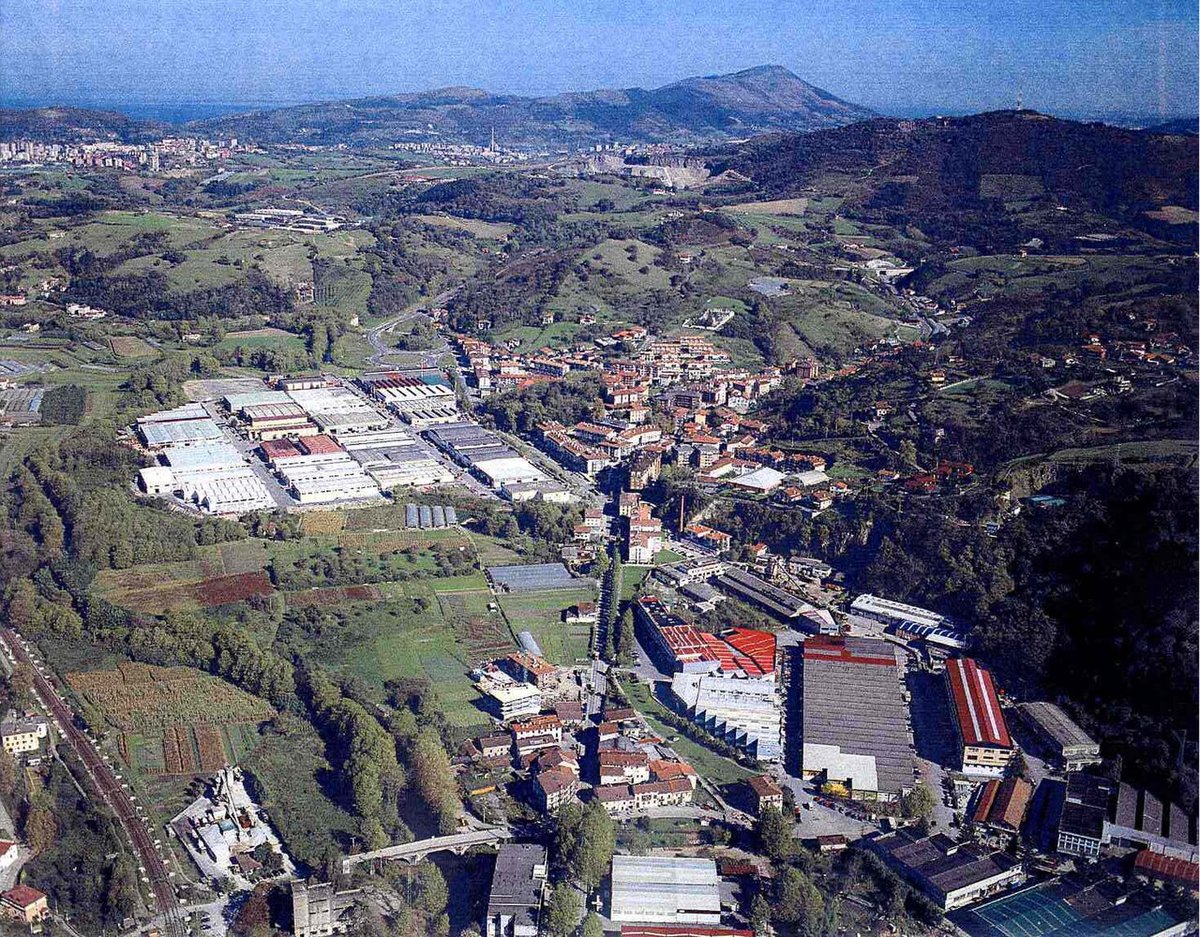
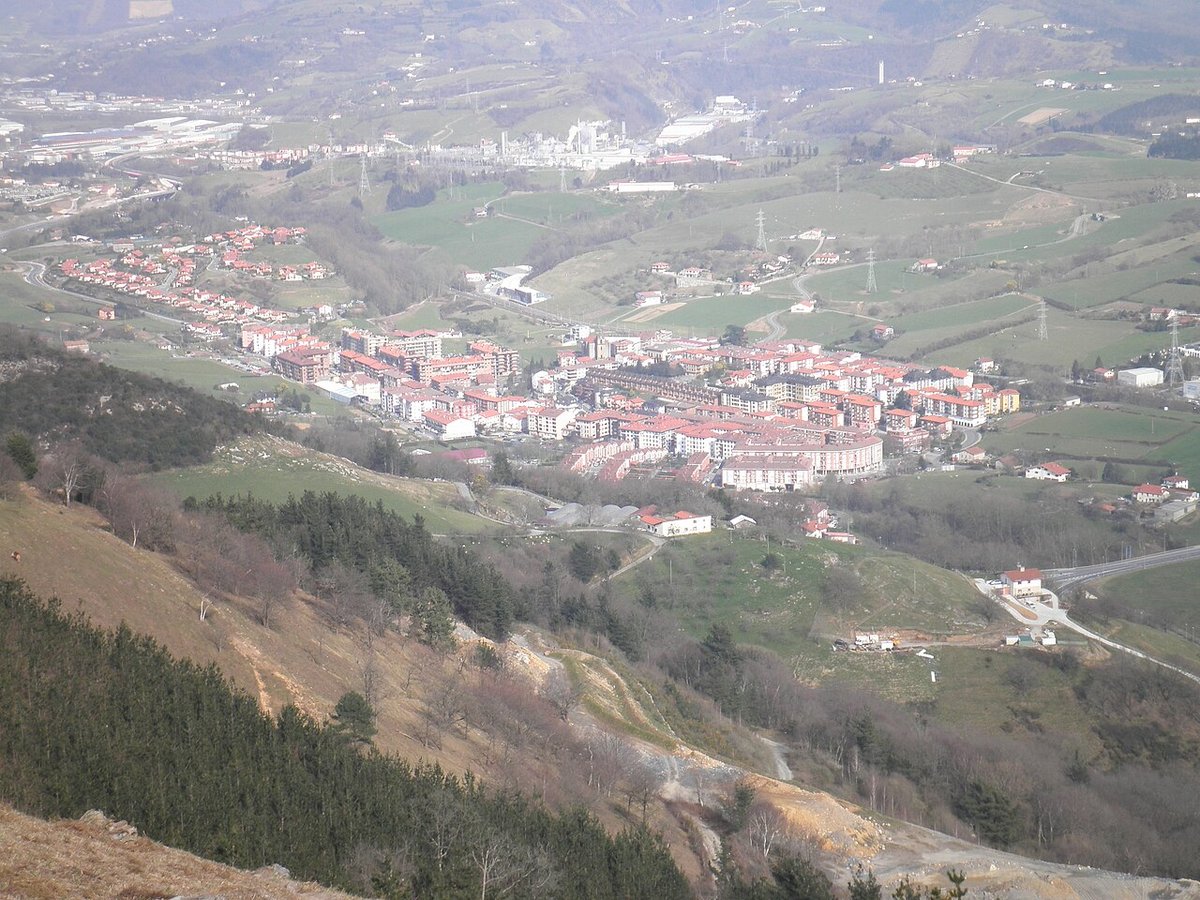
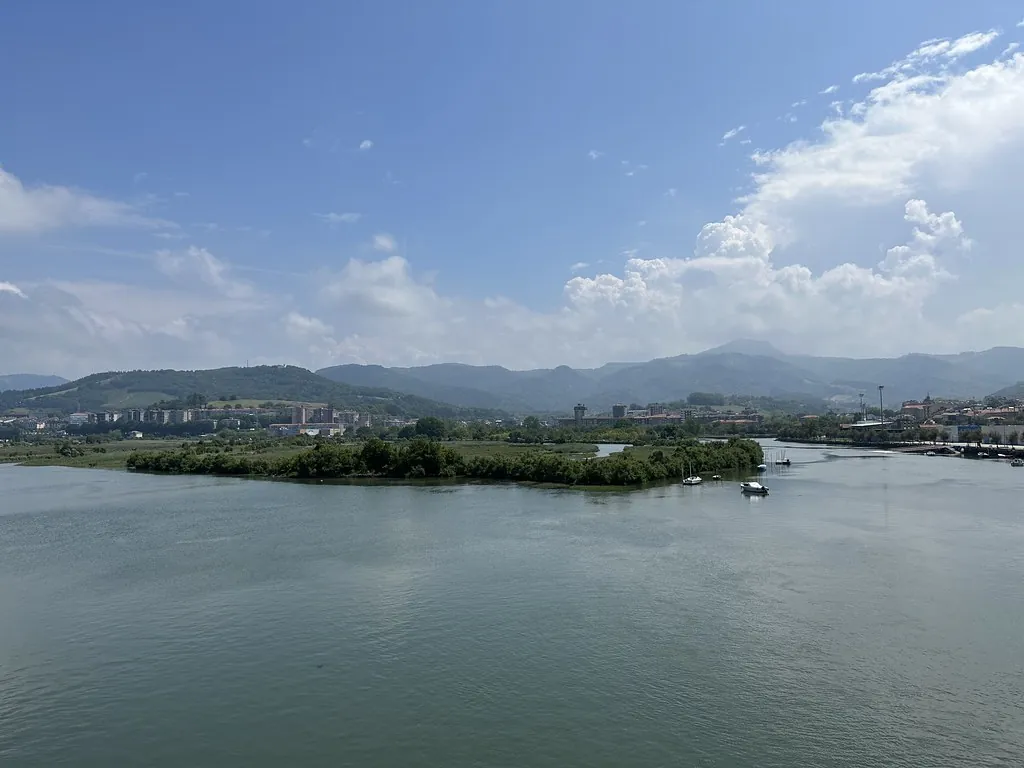
The train that runs between Irún and San Sebastián stops at Lezo‑Rentería station, at the foot of Jaizkibel. From there, the old town is about a fifteen-minute walk. The distance is short, but the slope makes itself felt straight away: Lezo is built into the hillside. From the platform, the mountain seems almost overhead, while the sea is only hinted at beyond the docks of Pasajes. Lezo is not a coastal town. It sits just inland, looking towards the coast rather than living directly on it.
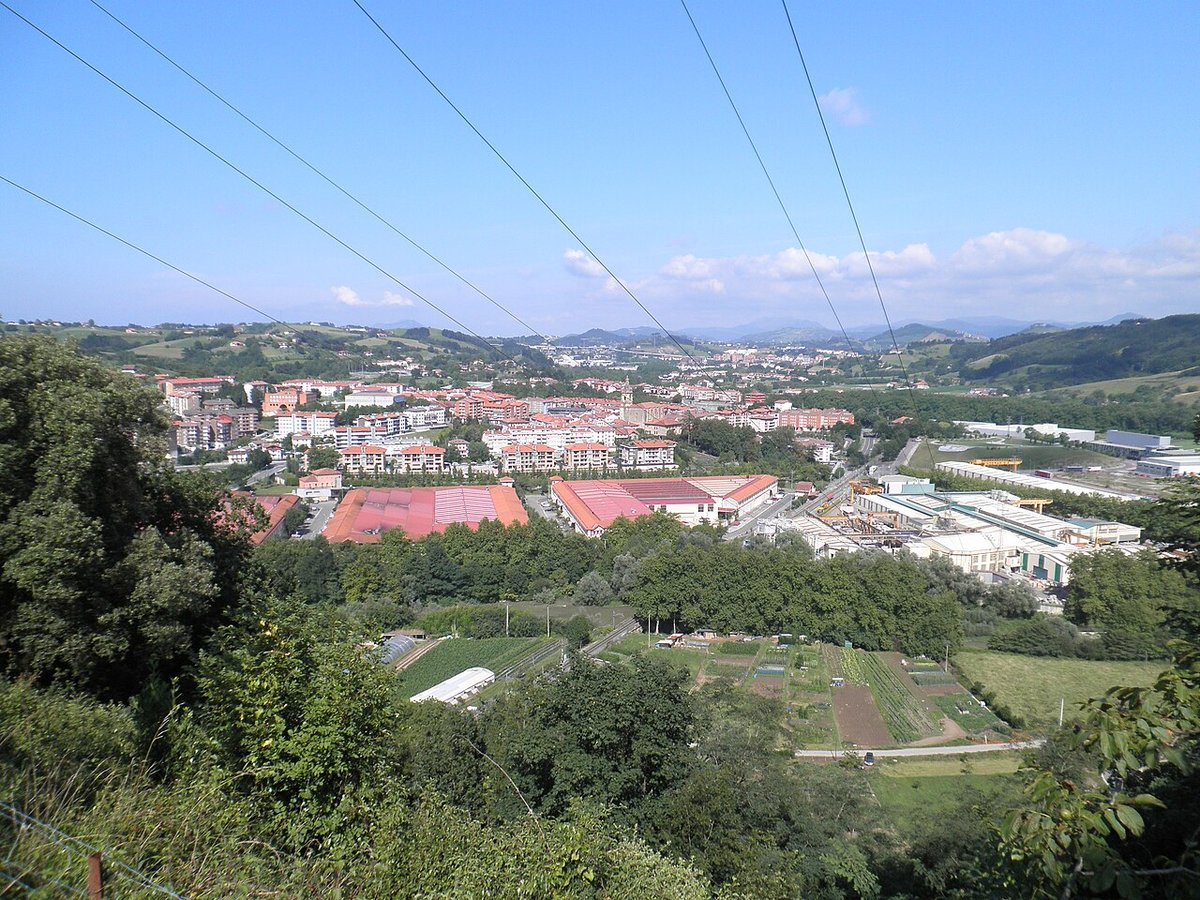
Despite its proximity to larger towns, Lezo retains a clear sense of scale. The urban continuity with Errenteria and Oiartzun can blur the boundaries, yet the rhythm here remains that of a small place.
Jaizkibel, the defining presence
Jaizkibel shapes both the landscape and much of the story of Lezo. Rising just over four hundred metres, it is the final stretch of the Pyrenees before they drop into the Cantabrian Sea. Shared with Pasajes and Hondarribia, the mountain held strategic importance for centuries. From its slopes, it was possible to watch over the entrance to the Bay of Txingudi and the mouth of the Bidasoa.
Lezo developed in this setting, closely tied to the nearby port of Pasajes. Blas de Lezo, the admiral who defended Cartagena de Indias in 1741, was baptised here. He had been born in Pasajes, but his family had links to the local parish, and his surname became associated with the town.
There are no major rivers running through the municipality. Instead, small streams descend from Jaizkibel and flow into the Oiartzun. The settlement has always been modest in size. Today, just over six thousand people live here, and daily life continues at a steady, local pace.
The church and the Santo Cristo pilgrimage
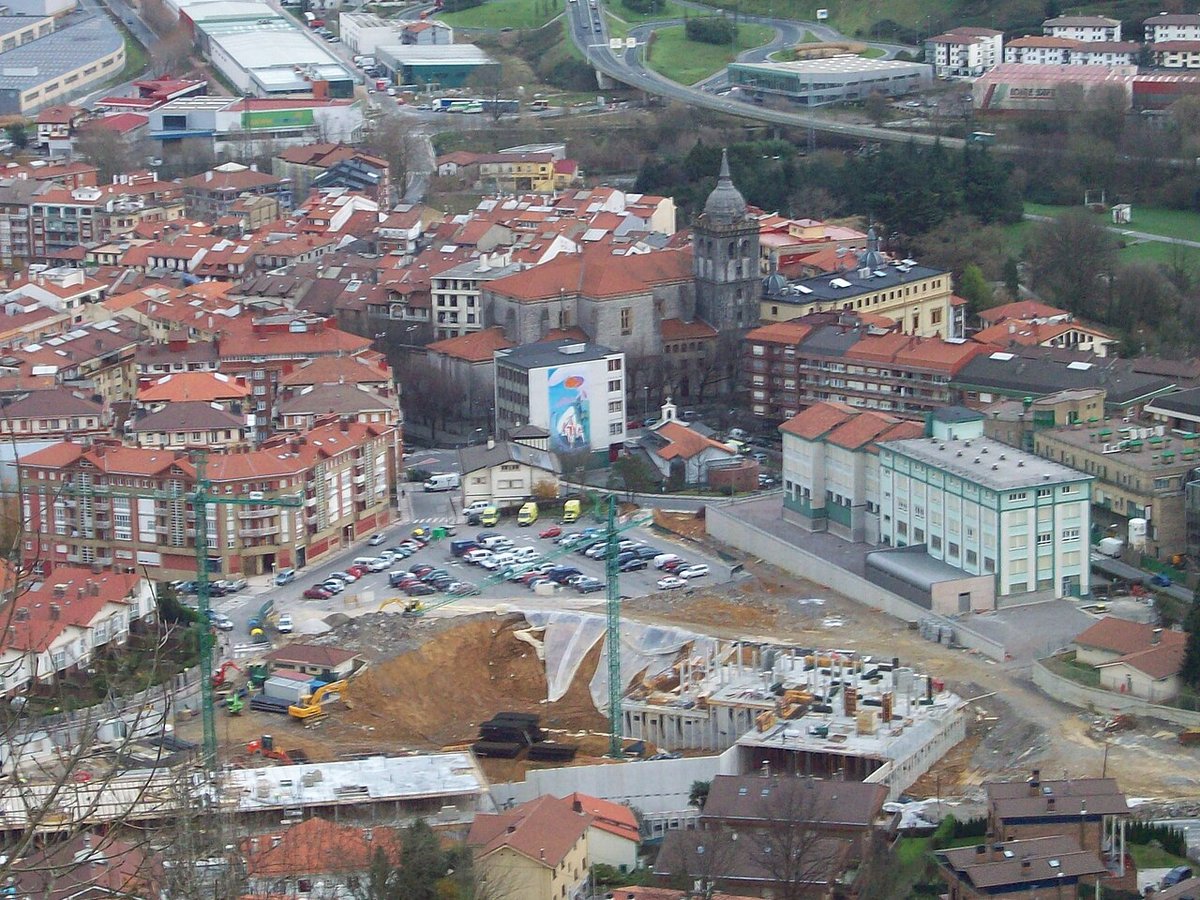
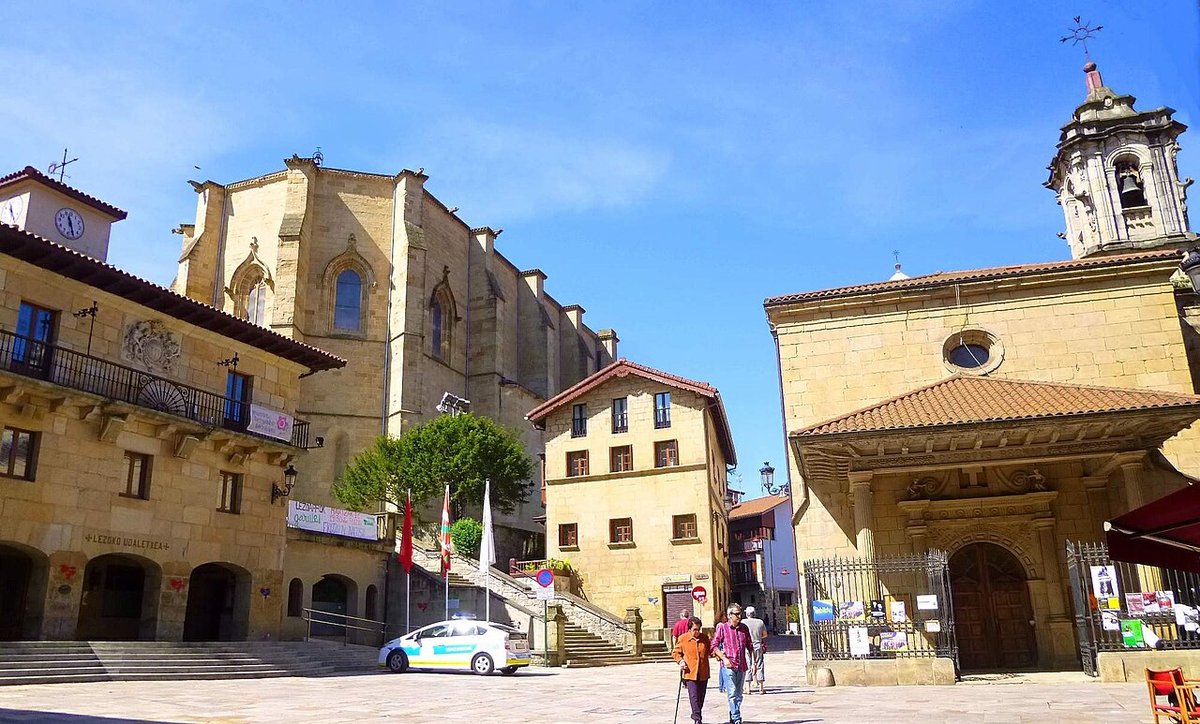
The parish church of San Juan Bautista stands at the centre of the old town. Its tower rises from a sixteenth-century structure, although the building has undergone later alterations. It is not especially grand, yet it holds a central symbolic place in the community.
For many years, religious life in Lezo was shared between this parish and the hermitage of the Santo Cristo, located on the mountain some distance from the town. Each year on 14 September, a well-established pilgrimage makes its way up to the hermitage. This tradition dates back at least to the seventeenth century, when Lope de Isasti, a priest and chronicler known in Gipuzkoa at the time, was connected both to the parish and to the administration of the royal shipyards operating around Pasajes.
Those shipyards disappeared long ago, but the annual walk to the Santo Cristo remains part of the local calendar, linking present-day Lezo with its earlier rhythms.
Streets, houses and everyday architecture
Lezo is not defined by monumental buildings. Its interest lies more in the overall fabric of the old town: narrow streets, houses bearing coats of arms, and many examples of traditional Gipuzkoan architecture.
Several houses still preserve long wooden balconies and south-facing galleries. This orientation had a practical purpose. Sun and airflow were used to dry fish brought from the nearby port. For generations, many residents worked in fishing, shipbuilding, or trades connected to Pasajes.
This world was captured by the painter Elías Salaverria in his work La procesión del Corpus, awarded at the International Exhibition in Munich in 1913. The painting is kept in the church of San Juan. It is not always on display, but when the church is open it can be seen hanging along one of the sides.
Walking through the old streets, the sense of continuity is clear. The architecture reflects everyday needs rather than grand design, shaped by climate, work and the relationship with the port.
Getting there and moving around
Lezo lies very close to both San Sebastián and Irún, with road connections linking it to each. The usual access is via the N‑121A, from which turn-offs lead towards the town centre. At certain times of year, parking in the centre can be limited, so many visitors leave their cars on the outskirts and continue on foot.
The train is another option, stopping at Lezo‑Rentería station. From there, the walk to the old town takes around fifteen minutes.
The historic centre can be explored at a relaxed pace in about an hour. Plaza de la Constitución and the streets climbing towards the parish church contain most of the older buildings. Those interested in traditional architecture may want to pay attention to balconies and galleries on houses along streets such as Zubieta.
For a longer walk, a path leads from the town up to the hermitage of the Santo Cristo, gradually gaining height. From above, views open out across the Oiartzun valley and, on clear days, towards the coast.
Jaizkibel is crossed by numerous paths that intersect one another. Not all are signposted, so it is sensible to carry water and check the weather before heading up. Fog can roll in quickly from the sea on this mountain.
A place that keeps its rhythm
Lezo is not centred on tourism. The town has everyday shops, basic services and the routines typical of a small locality in Gipuzkoa. Its best-known festivities revolve around the Santo Cristo in September, alongside other traditional celebrations throughout the year.
Rather than being shaped for visitors, Lezo continues to function as a lived-in place, where the mountain, the port and local traditions still set the pace.