Full Article
about Oiartzun (Oyarzun)
Between mountains and sea, Basque tradition and good food in every square.
Ocultar artículo Leer artículo completo
The 08:04 from Bilbao rattles past strawberry tunnels and slate-roofed hamlets before easing into Oiartzun station. By half past eight the valley smells of damp earth and fresh bread, and the only other people getting off are teenagers in matching tracksuits who disappear uphill faster than most of us manage before coffee. You have, more or less, the place to yourself.
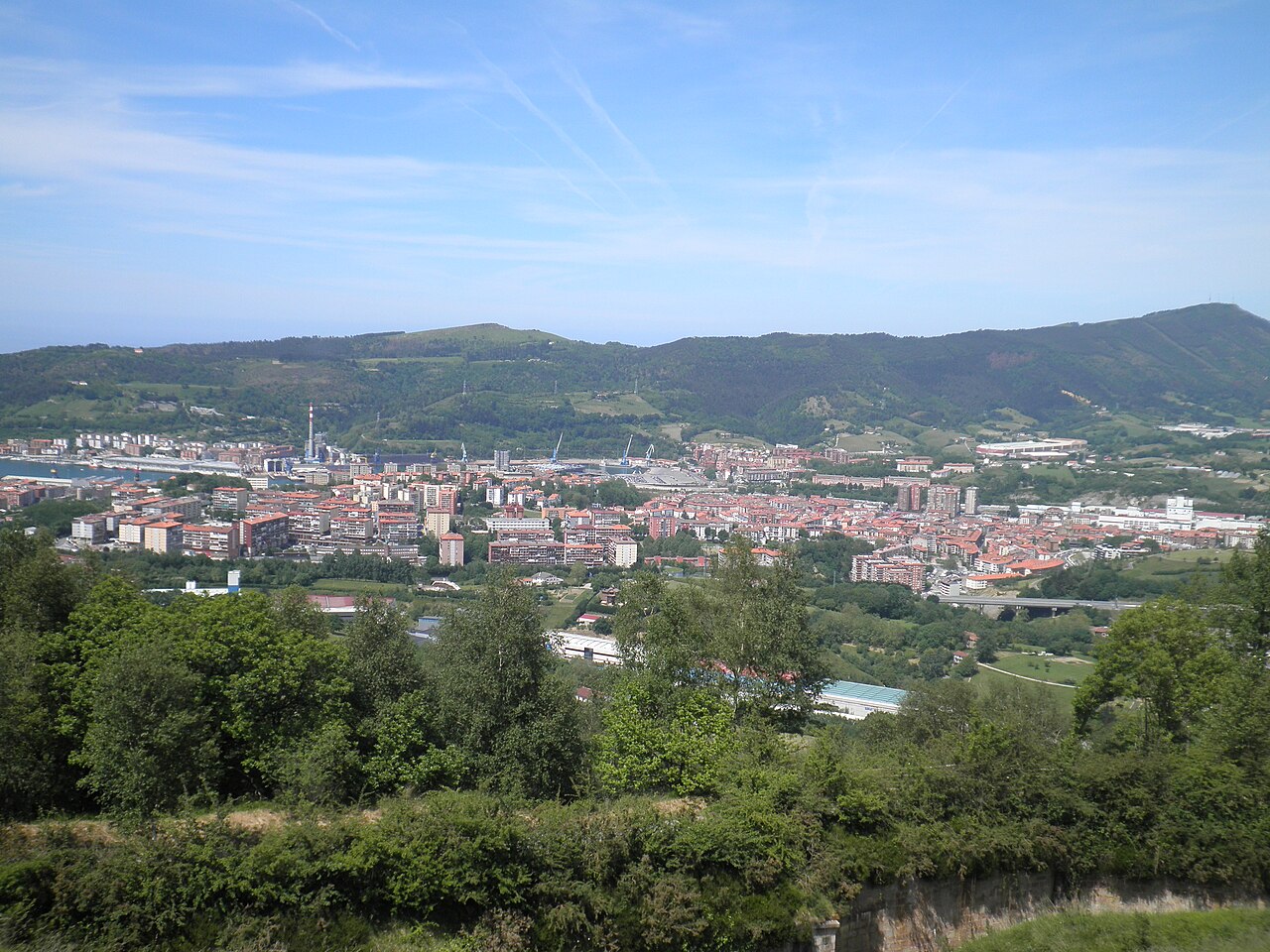
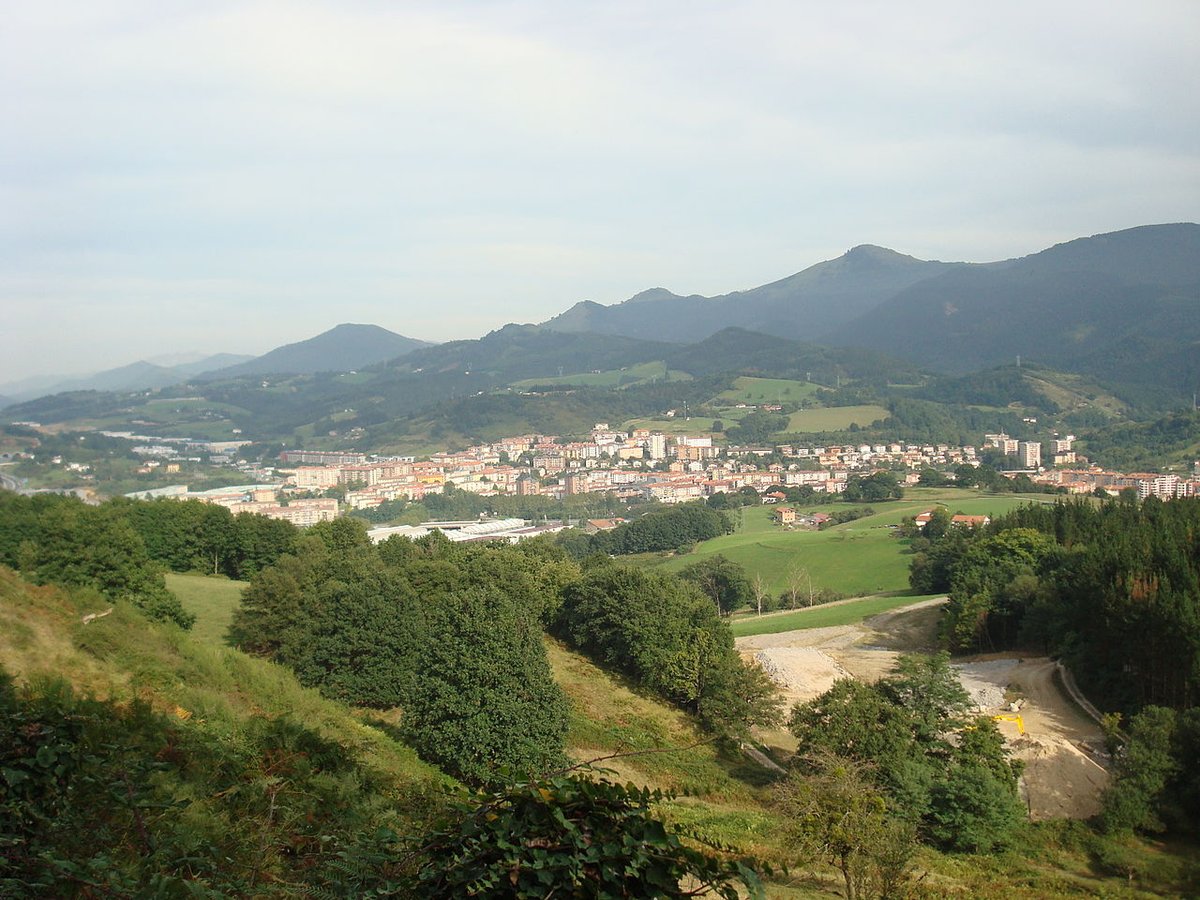
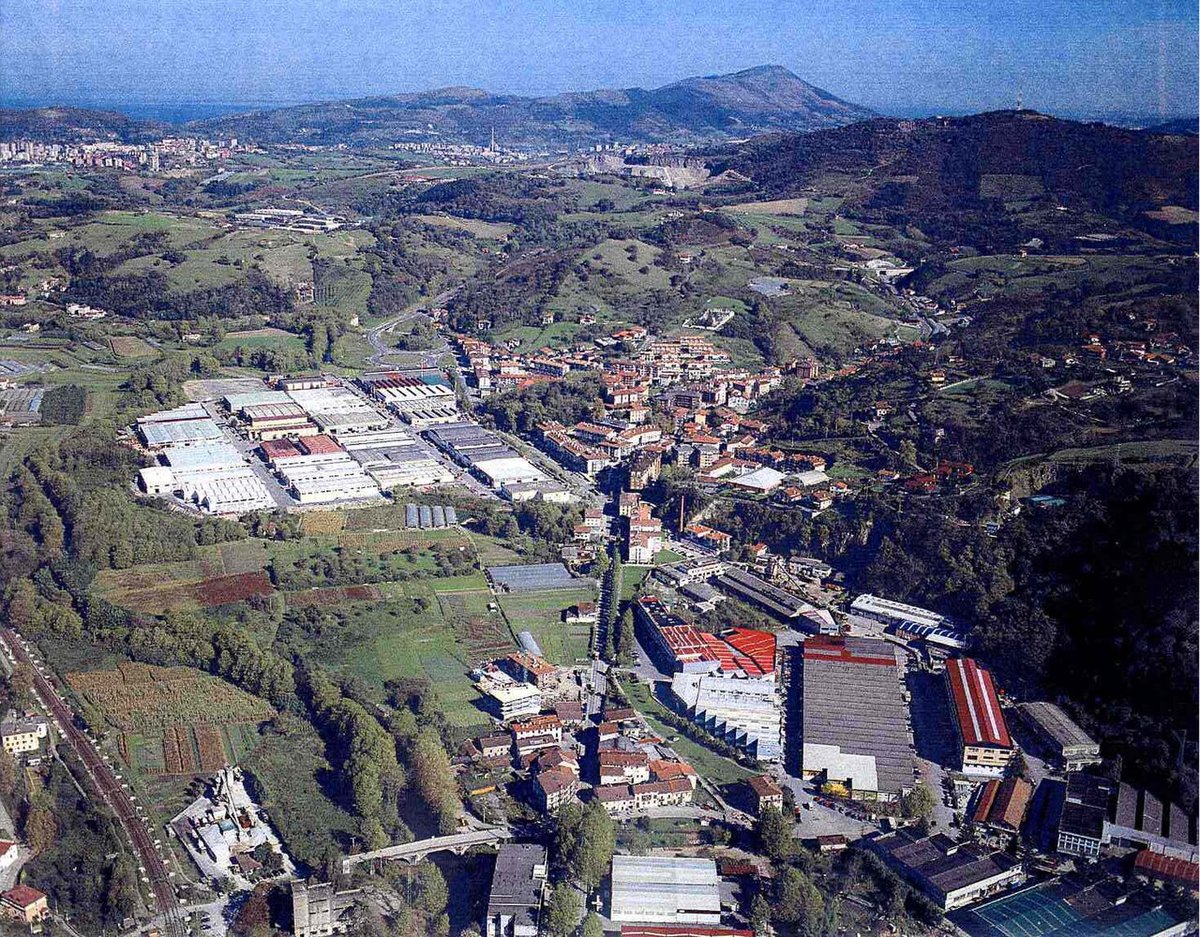
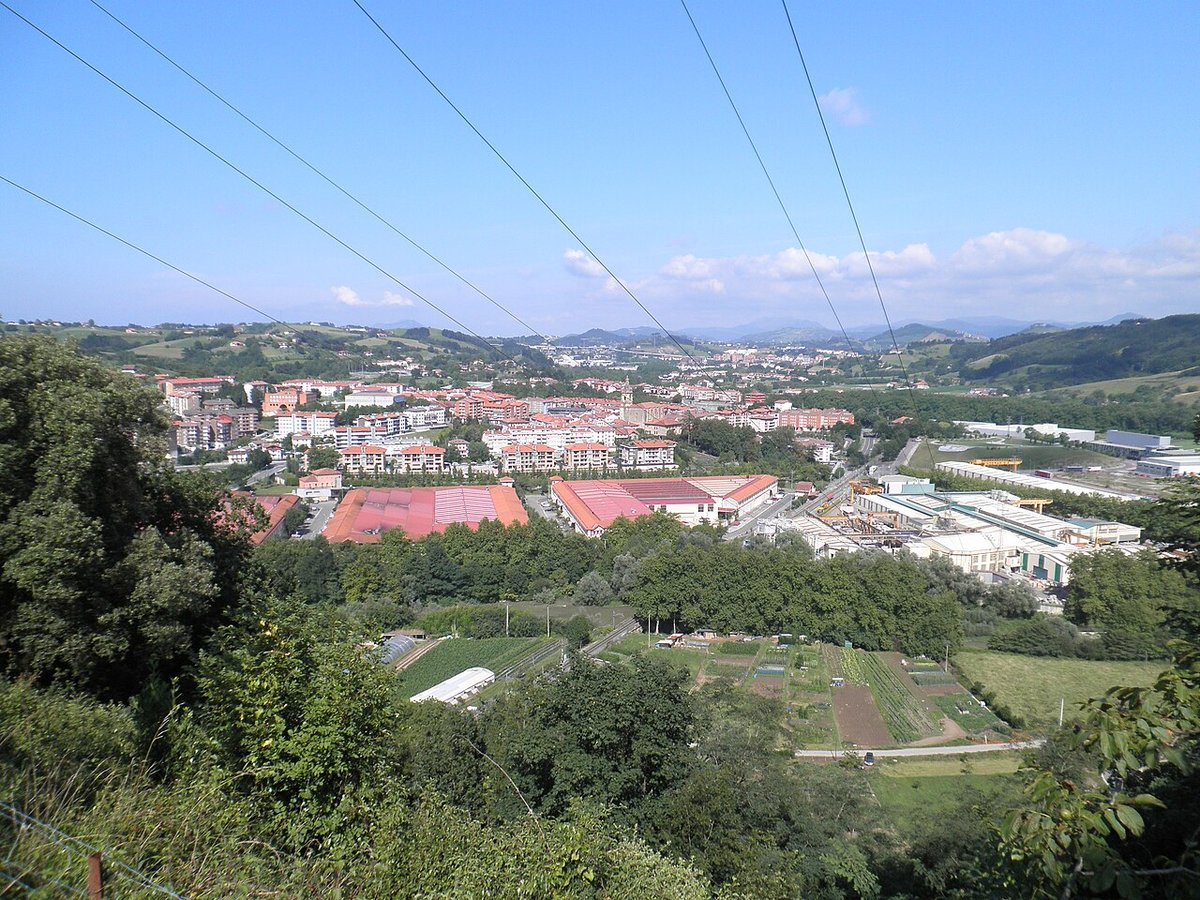
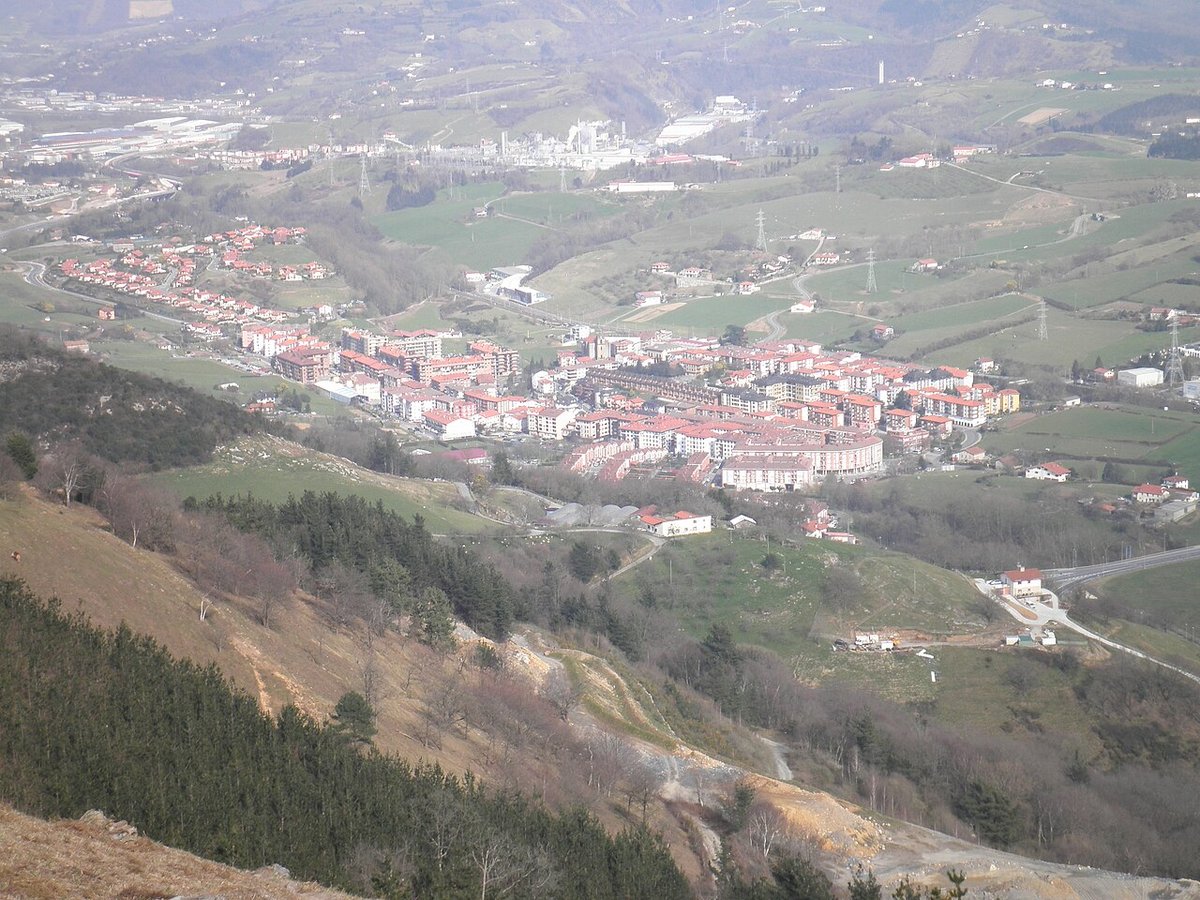
Most British visitors race straight through on the motorway to San Sebastián, 18 kilometres south, which explains why Oiartzun still prices its pintxos at €1.80 and shopkeepers greet you in Basque before switching to Spanish, never assuming English. The town (don’t call it a village—5,000 souls insist on the distinction) sits where the Oiartzun river flattens into a flood plain, hemmed by beech-covered ridges that turn the colour of burnt toast by late summer. It feels closer to Snowdonia than to Seville, only with better coffee.
Morning: The Town that Forgot to be Pretty
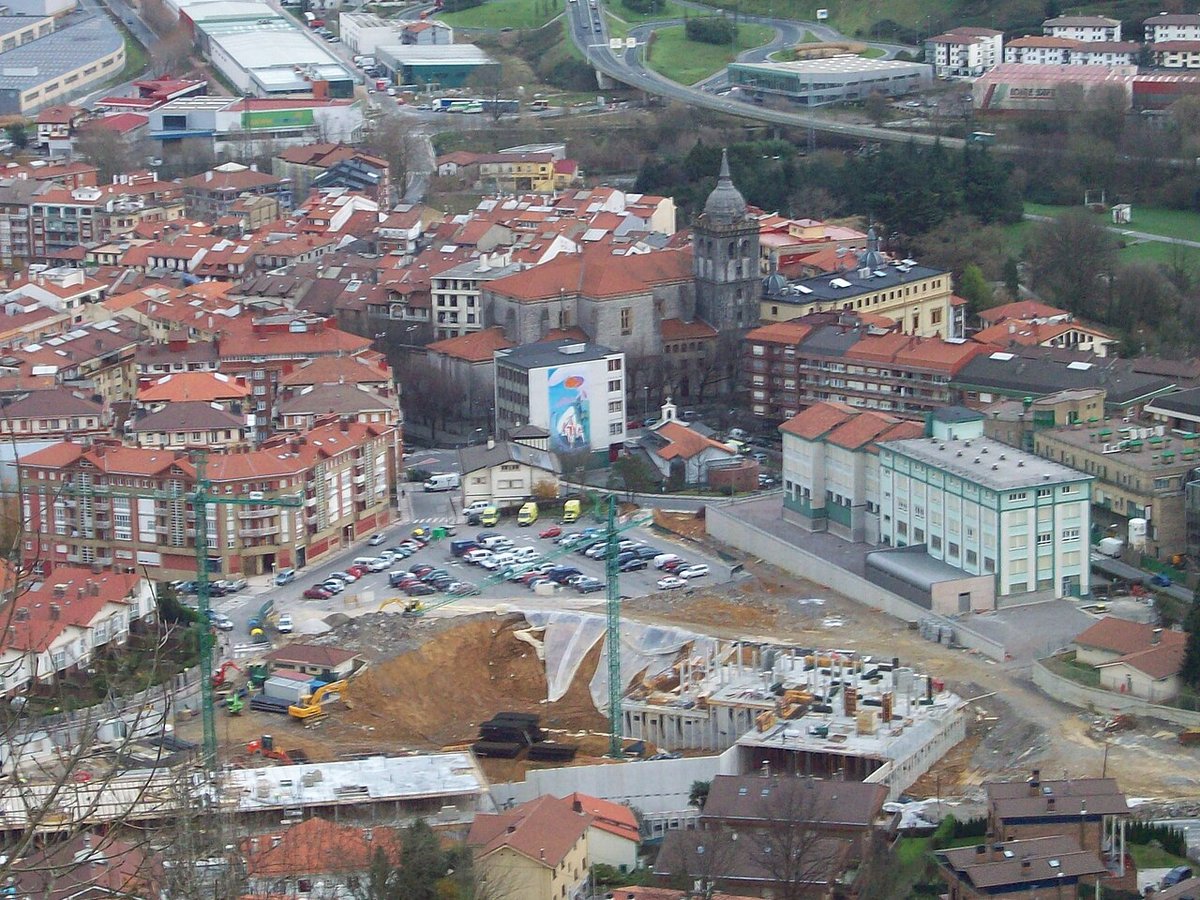
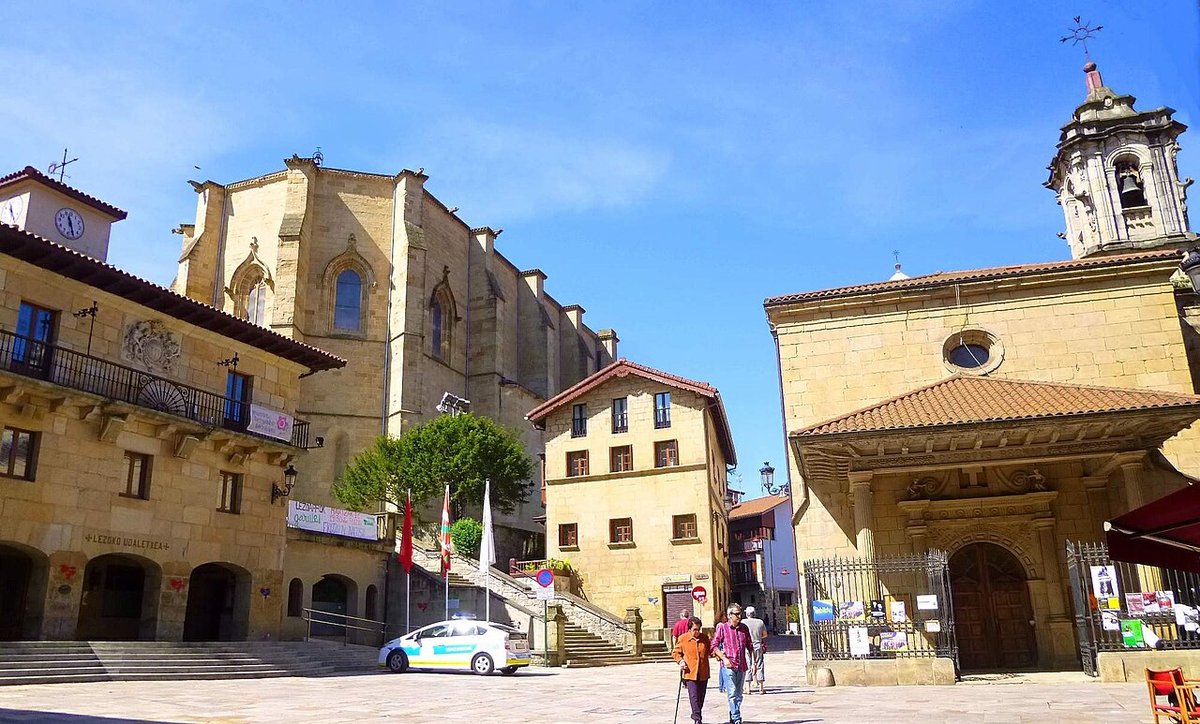
A five-minute walk from the station brings you to Plaza Zaharra, a triangular square flagged with mossy stone. There is no photogenic arcaded balcony, no mosaicked fountain—just a 16th-century church tower, benches occupied by grandfathers comparing lottery tickets, and the steady thwack of pelota from the municipal frontón. The game is pelota mano, played bare-handed; matches start at 10 a.m. on Saturdays and are free to watch if you lean against the rail. The scoring is straightforward once you realise the wall is part of the court and the crowd heckles in rhyming couplets.
Follow any lane radiating from the square and you’ll pass stone houses the colour of weathered pennies, their coats of arms eroded to faint bumps. Number 15 on Calle Nagusia hides a timber doorway wide enough for ox-carts; look up and you’ll see the original iron ring used to tether them. The effect is understated, more lived-in museum than showpiece, and that seems to suit everyone. By 11 a.m. the only traffic is women wheeling trolleys to Eroski for the daily shop, nodding egun on as you step aside.
Midday: Greenways and Copper Mines
Behind the church a signposted lane joins the bidegorria—the old railway turned greenway that once hauled copper ore from the Arditurri mines. The surface is compacted gravel, gentle enough for a hybrid bike or sturdy pushchair, and shaded by hazels that drop nuts underfoot in October. Walk 40 minutes upstream and you reach the mine entrance; English-language tours run at 11:30 and 13:30 (€8, book online the night before). Inside, the temperature drops to 12 °C whatever the weather outside, so bring a windproof. The guide demonstrates how Roman soldiers hacked out ore with pick-shaped dolabra, then shows 19th-century British drill bits shipped in via Falmouth—Oiartzun’s brief Welsh moment.
If subterranean history sounds claustrophobic, stay above ground and continue another three kilometres to the Errenteria turning. The return journey is slightly downhill, ideal for cycling lethargically back in time for lunch. Bike hire is available at Goikoetxe Bikes on the main road (€15 half-day), though they close at 2 p.m. sharp because, well, lunch.
Lunch: Menu, Not Tapas
Basque culinary fame centres on San Sebastián’s Michelin constellations, but Oiartzun feeds you first, photographs later. The menú del día is a weekday institution: three courses, water and wine, usually €14–16. Olaizola Jatetxea occupies a 17th-century farmhouse opposite the frontón; inside, low beams force anyone over six foot to duck. Monday is pot-luck—almost everywhere shuts—so aim for Tuesday to Friday when options might include grilled hake with clams, or txipiron (squid) stewed in its own ink. Children are offered pollo a la plancha and chips without asking; vegetarians get a cheese-stuffed piquillo pepper that’s better than it sounds.
For something quicker, Ogi Berri bakery sells txapata—a crusty roll crammed with cured ham, cheese and a smear of tomato. Locals eat it leaning against the counter, coffee in the other hand, finished within four minutes. The price list is in Basque; gazta means cheese, txokolatea is self-explanatory, and the staff will slow down if you attempt eskerrik asko (thank you) without aspirating the k.
Afternoon: When the Hills Start
Oiartzun’s southern edge collides with the Jaizkibel massif, rampart between Spain and France. A web of footpaths climbs through gorse and oak, waymarked by red-and-white stripes. The classic circuit is the 7 km loop to Txurru mendi (413 m), starting 500 m past the petrol station on the GI-2130. The first 20 minutes are a calf-warming pull past allotments where elderly baserritarra still hoe by hand; after that the gradient eases, the track narrows to single-file, and the views open west to the Cantabrian coast. On clear days you can pick out the limestone ridge above Bilbao; on hazy afternoons the valley smells of eucalyptus and wood-smoke, and you meet more horses than hikers.
Summer walkers should start early or wait until after 5 p.m.; midday heat plus humidity mimics a lukewarm greenhouse. In winter the same trails turn slick as slate—walking poles save both pride and laundry bills. Whatever the season, carry a litre of water; there are no cafés on the ridge, and the only bar at the trailhead keeps erratic hours dictated by the owner’s fishing schedule.
Evening: Pintxos and Pilgrims
By 7 p.m. the square fills again. Teenagers queue outside the pastelería for ensaimada stuffed with custard; parents claim outside tables with packets of galletas for toddlers. Pintxos appear on bar tops: gilda skewers of olive, anchovy and guindilla pepper; miniature tortilla still oozing egg. Txalupa bar does a creditable txalupa (a boat-shaped mushroom shell filled with crab) for €2.20, but the real draw is the house txakoli, tart white wine poured from height to mimic a cider splash. Order by holding up fingers—one means one glass, not one bottle, a mistake no-one makes twice.
Oiartzun sits on the Northern Saint James’ Way, so don’t be surprised if a grazed German cyclist in Lycra asks for agua while you’re mid-croqueta. The albergue is two streets back, charging €10 for a bunk; lights-out at 10 p.m., snoring provided free.
Practicalities without the Bullet Points
Bilbao airport to Oiartzun takes 55 minutes on the Euskotren E1 line (€2.55—yes, cheaper than a Heathrow coffee). Trains run every 30 minutes; buy a Barik card from machines if you plan more than two trips. Drivers should note the A-8 toll is €7.50 each way and the AP-8 hugs the coast, so you miss the valley entirely—take the GI-2130 for scenery and the possibility of being stuck behind a tractor. Parking by the frontón is free for three hours; display a cardboard clock or risk a €60 fine slapped on by a vigilante policía local who knows every British number plate.
Accommodation is limited. Malkorra Hotel has 18 rooms, sober décor and a restaurant happy to swap chips for salad; doubles from €85 including breakfast tostadas thick enough to roof a shed. There is no boutique option, which keeps the coach tours away. Mondays mean tumbleweed: bakery shut, museum locked, even the church bells sound half-hearted. Schedule accordingly.
Worth Knowing, Not Worth Worrying About
Rain arrives suddenly; a cloud can dump 20 mm while you finish your café con leche. The tourist office (Plaza Zaharra 1) lends umbrellas and English audio-guides against a €10 deposit—return before 2 p.m. or wait until 4 p.m. when staff reappear after siesta. Mobile signal drops once you start uphill; download an offline map. Finally, Basque is not Spanish spoken with a lisp; attempt kaixo (hello) and you’ll get a grin even if the reply is incomprehensible.
Come for a morning and you’ll leave after supper. Oiartzun offers no postcard moment, no hashtagged infinity pool—just a working valley where lunch is still sacred and the hills smell of damp laurel after rain. That, for many, is novelty enough.