Full Article
about Pasaia (Pasajes)
Cantabrian Sea, cliffs and seafaring flavor in the heart of the Basque Country.
Hide article Read full article
Fishing nets hang from the bridge ceiling like curtains of orange nylon. It is Tuesday, close to nine in the morning, and the inner bay of Pasaia smells of fresh diesel and sardines. The purse-seine boats have just docked in Pasai San Pedro, and the fishermen carry blue plastic crates with a rhythm that has repeated here for generations. There is no visible rush, as if the real clock were the tide.
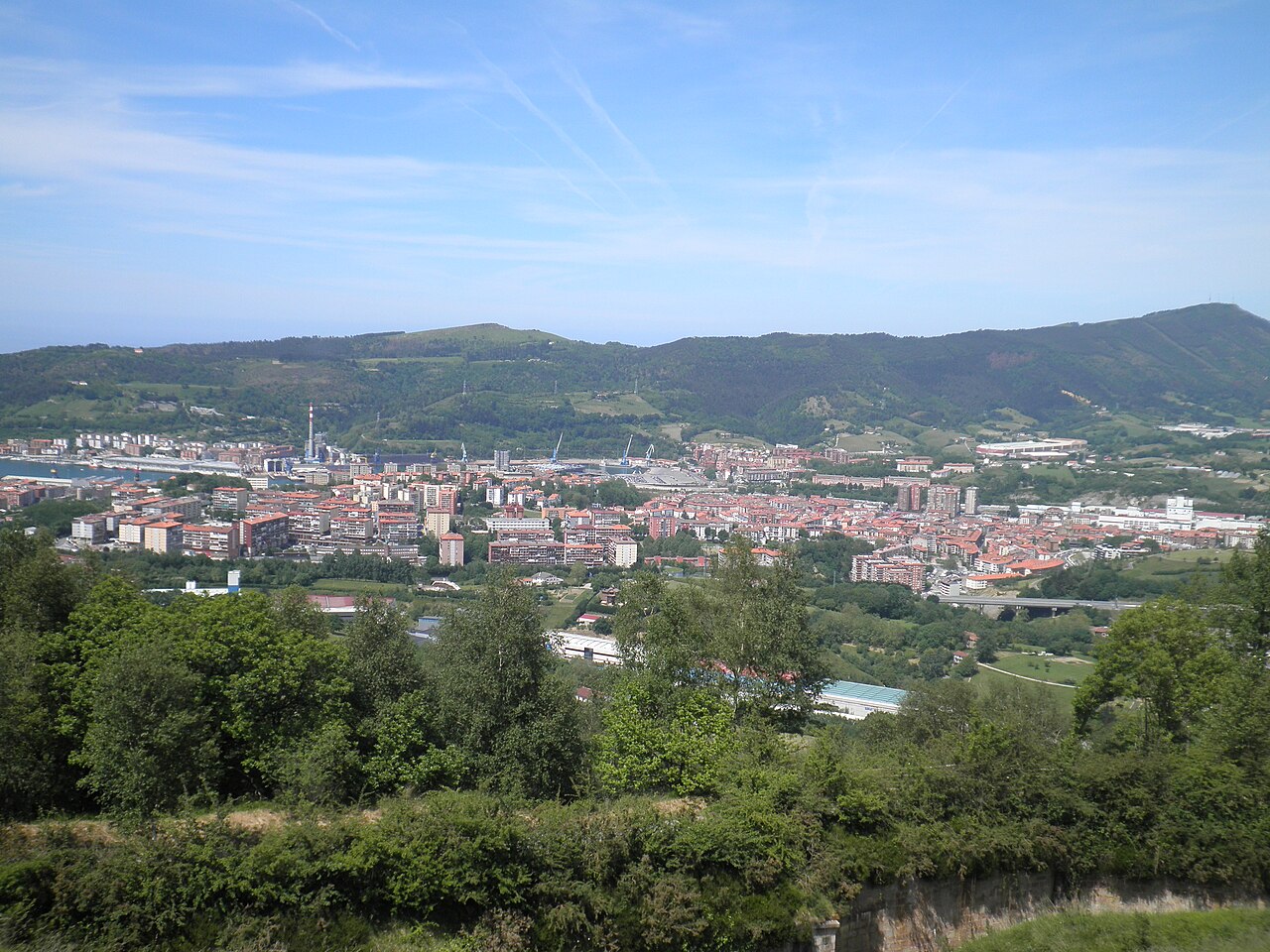
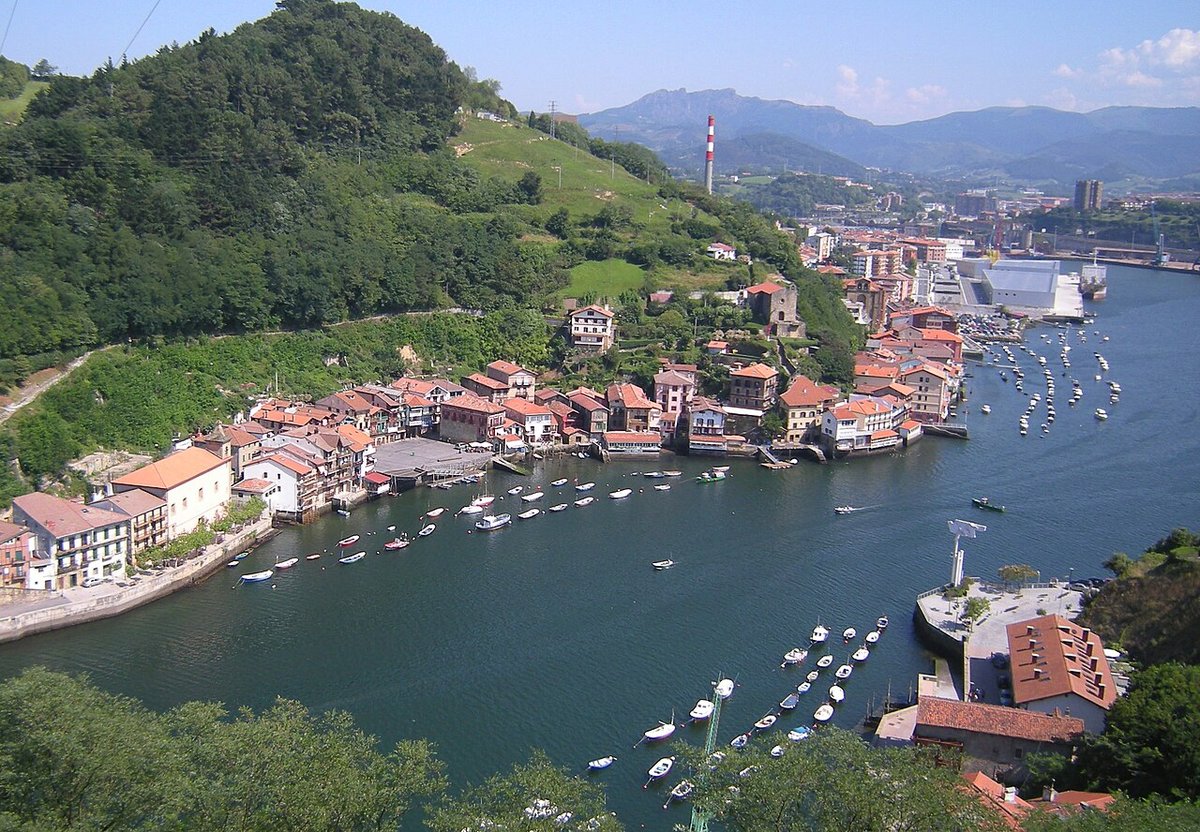
From the quay, the row of houses in Pasai Donibane climbs the hillside in soft colours scattered over stone. Sea green, faded pink, yellow worn by damp. The houses are narrow, their balconies almost touching. Some windows still hold geranium pots and washing that shifts with the breeze from the estuary. Not long ago, a wooden sign on one façade asked residents to keep quiet. The sign has gone, but the message still makes sense.
There is no open beach here. The water reaches the stone wall, and the wind slips in from every corner. Even so, when the heat sets in, it is common to see children jumping from the breakwater while grandmothers chat in Basque, watching the water without distraction. The bay acts as a long, narrow inner courtyard where four districts share space along with centuries of seafaring life.
Port rhythms and the scent of the sea
Early in the day, near the fish market in San Pedro, short voices and the thud of crates on wet ground fill the air. Fish changes hands quickly, then disappears into vans or kitchens. In the nearby square, some locals pause to eat something hot, leaning against a wall, paper stained with grease and paprika.
Cooking here follows what the sea brings in. Small squid known as chipirones, hake, spider crab when it is in season, and cod prepared with care all shape the local table. There is no need for ceremony. Sitting where the port workers sit is enough, and the mix of salt air and hot griddles does the rest.
A walk along the water helps make sense of Pasaia. The path that follows the bay keeps both shores close at hand. Workshops appear beside small boats, and façades almost reflect in the dark water. To cross from San Pedro to Donibane, people usually take the small motorboat that travels back and forth throughout the day. The journey lasts only a few minutes and forms part of everyday life here.
In San Pedro, by the quay, a group of carpenters often works on rebuilding the San Juan galleon. This 16th-century whaling ship sank in Newfoundland. Its wooden structure grows gradually, piece by piece. When the wind shifts, the smell of resin mixes with the scent of the harbour.
Paths above the bay
A path leaves from San Pedro towards Faro de la Plata. The route stretches for around three kilometres and climbs gently through eucalyptus trees and brambles. Some shaded sections stay damp even in summer. The lighthouse itself is plain, almost purely functional. The most striking moments come before reaching it. Turning back reveals the full mouth of the bay, with boats moving slowly and rooftops showing patches of rust.
On clear days, Donostia appears in the distance with Mount Igueldo shaping the horizon. Waves hit the breakwater with a constant background sound.
Another trail runs longer and further across Jaizkibel towards Hondarribia. It follows the ridge for several kilometres where wind is frequent and sheep scatter across grass slopes. Mud appears after rainy days and some sections require careful footing. Carry water and food; you will find no services or shelters along this way.
When pace shifts
At end of August Santo Cristo de Bonanza festivities transform Donibane for few days Long tables fill streets brass bands play smell frying drifts out from doorways gastronomic societies local private dining clubs typical Basque Country Many residents who live elsewhere return during this time neighbourhood fills again familiar faces
Night San Juan around 23 June follows its own ritual parts Antxo Trintxerpe bonfires lit near water People gather sardines bread something drink staying out late while smoke rises straight into air if night still
Víctor Hugo’s house
In 1843 Víctor Hugo spent time Pasai Donibane In his notebook he described it as “an amphitheatre water stone” house where he stayed remains Calle San Juan ochre façade iron balcony It not museum but private home Even so plaque marks moment many people stop briefly look out over estuary from that spot
Just few steps away stands church San Juan Bautista Inside gilded Baroque altarpiece changes with afternoon light When sun enters through windows atmosphere shifts quietly echoing steady rhythm defines rest Pasaia