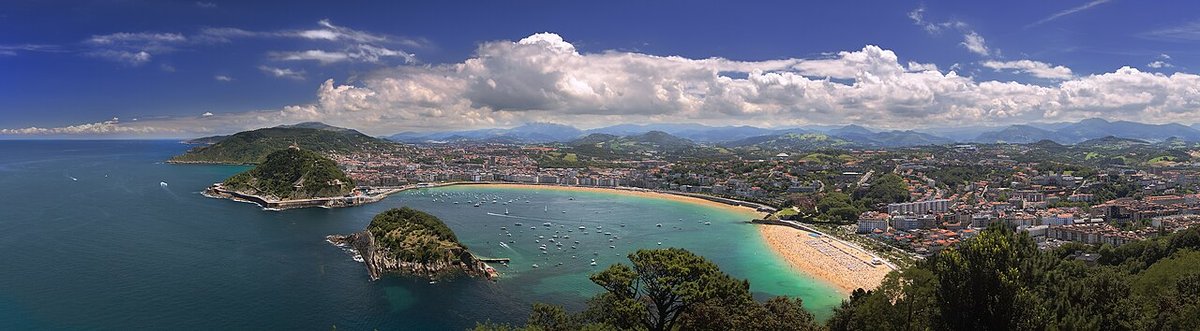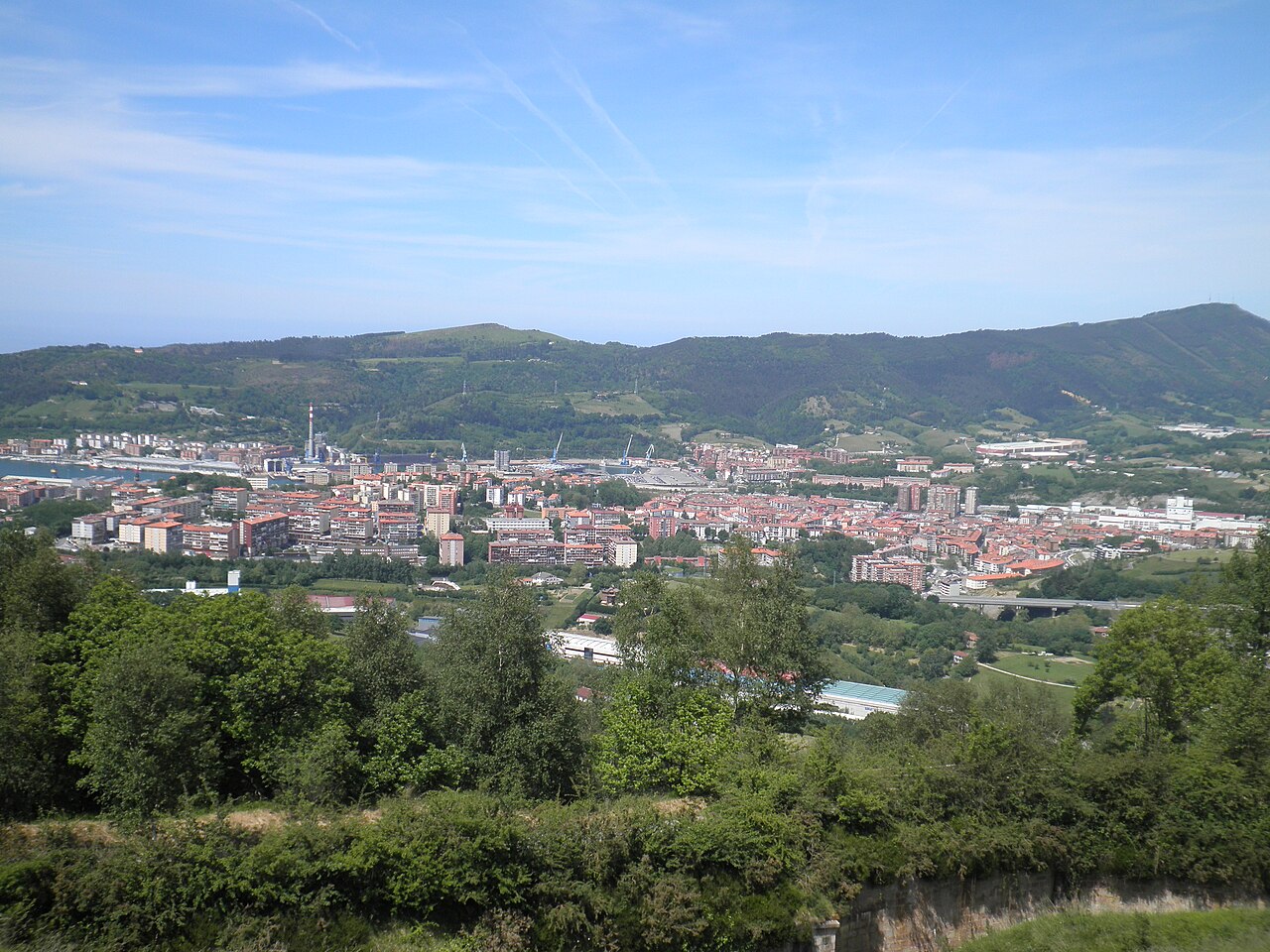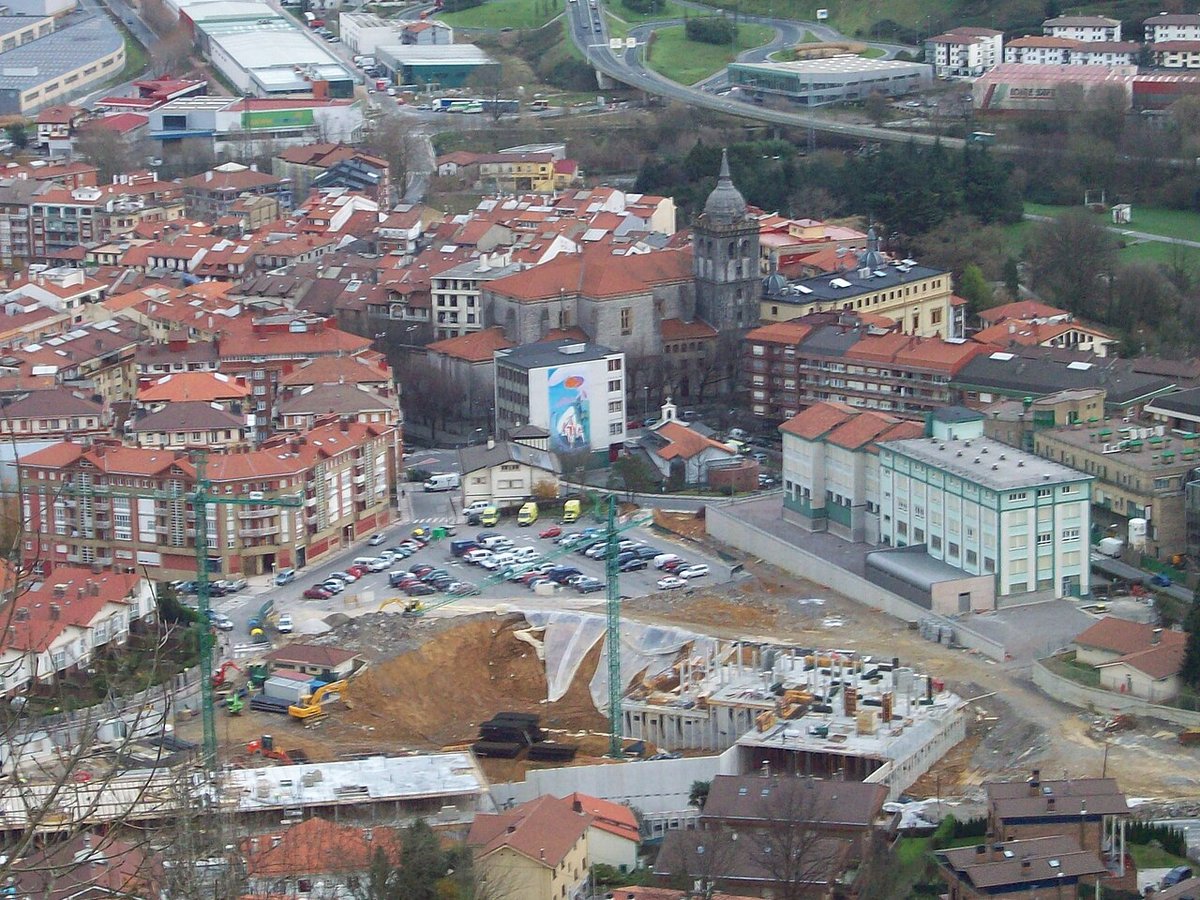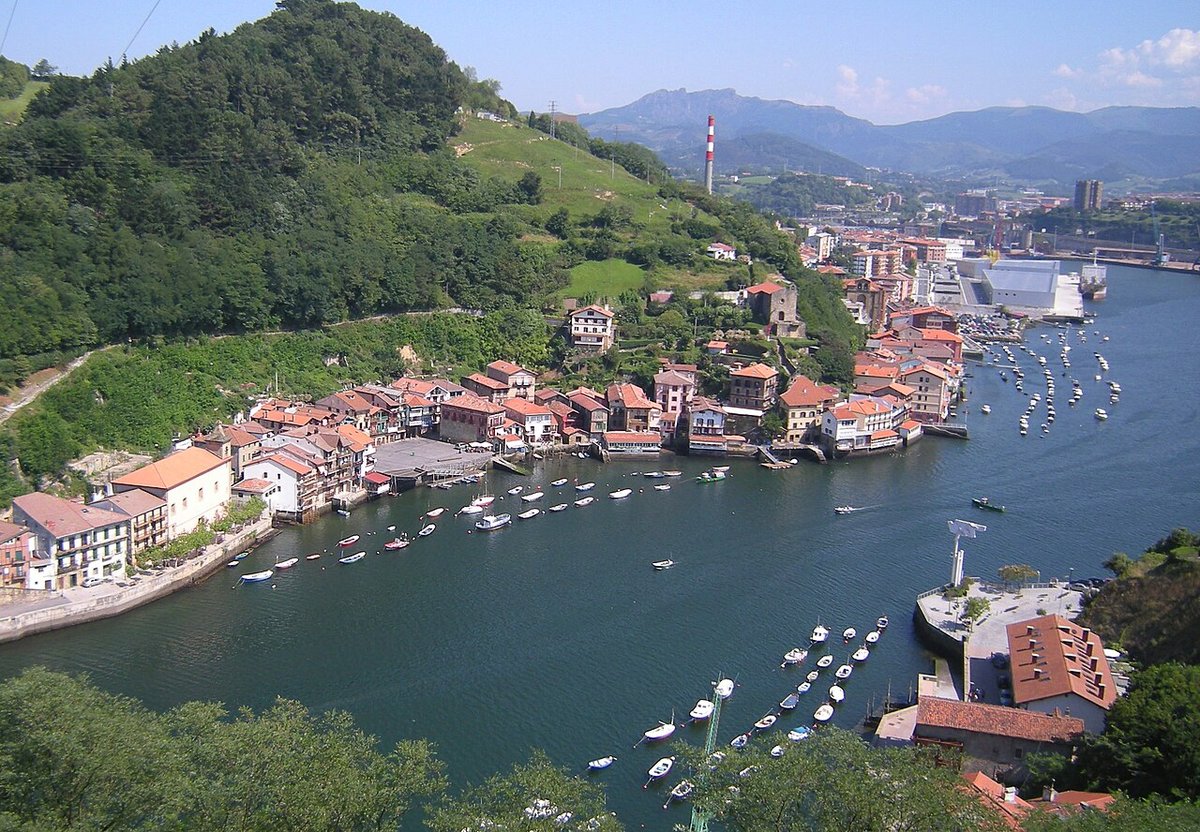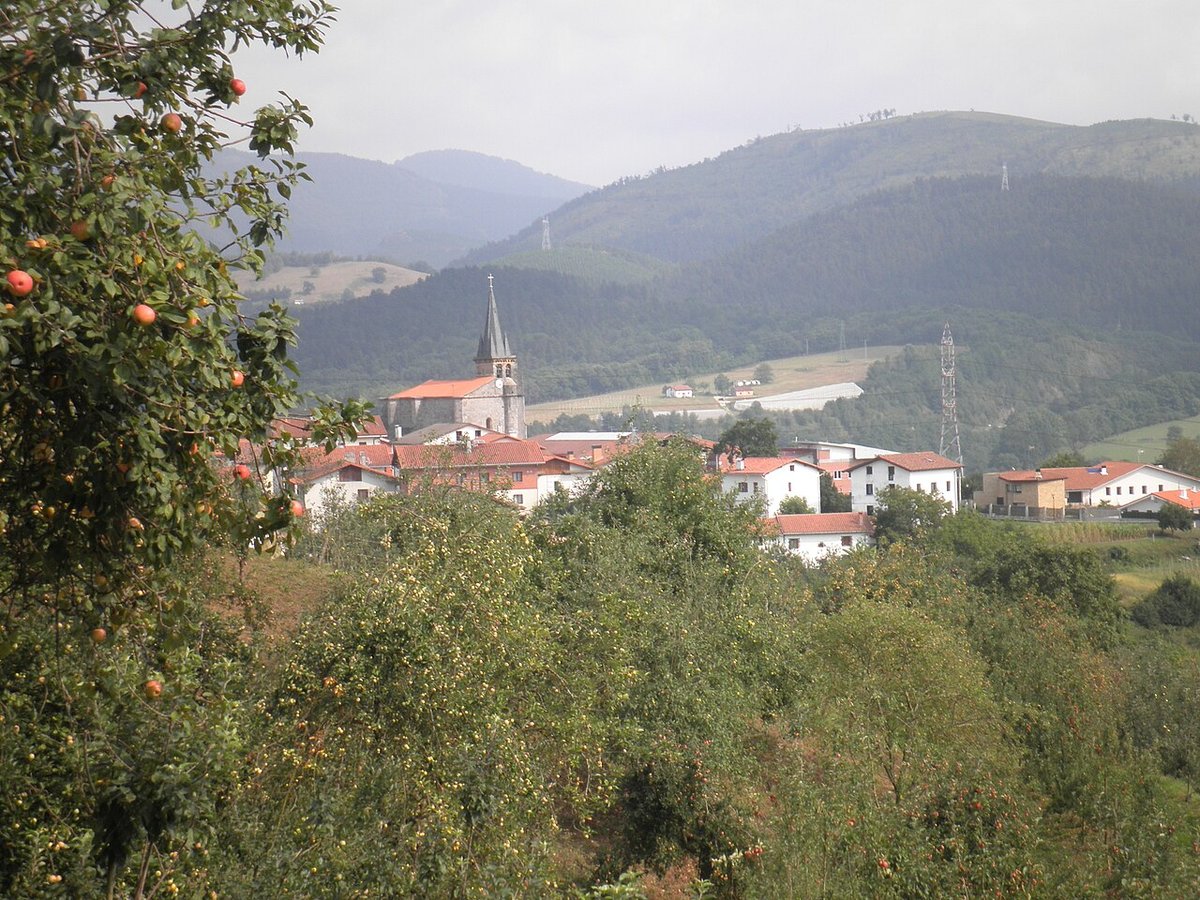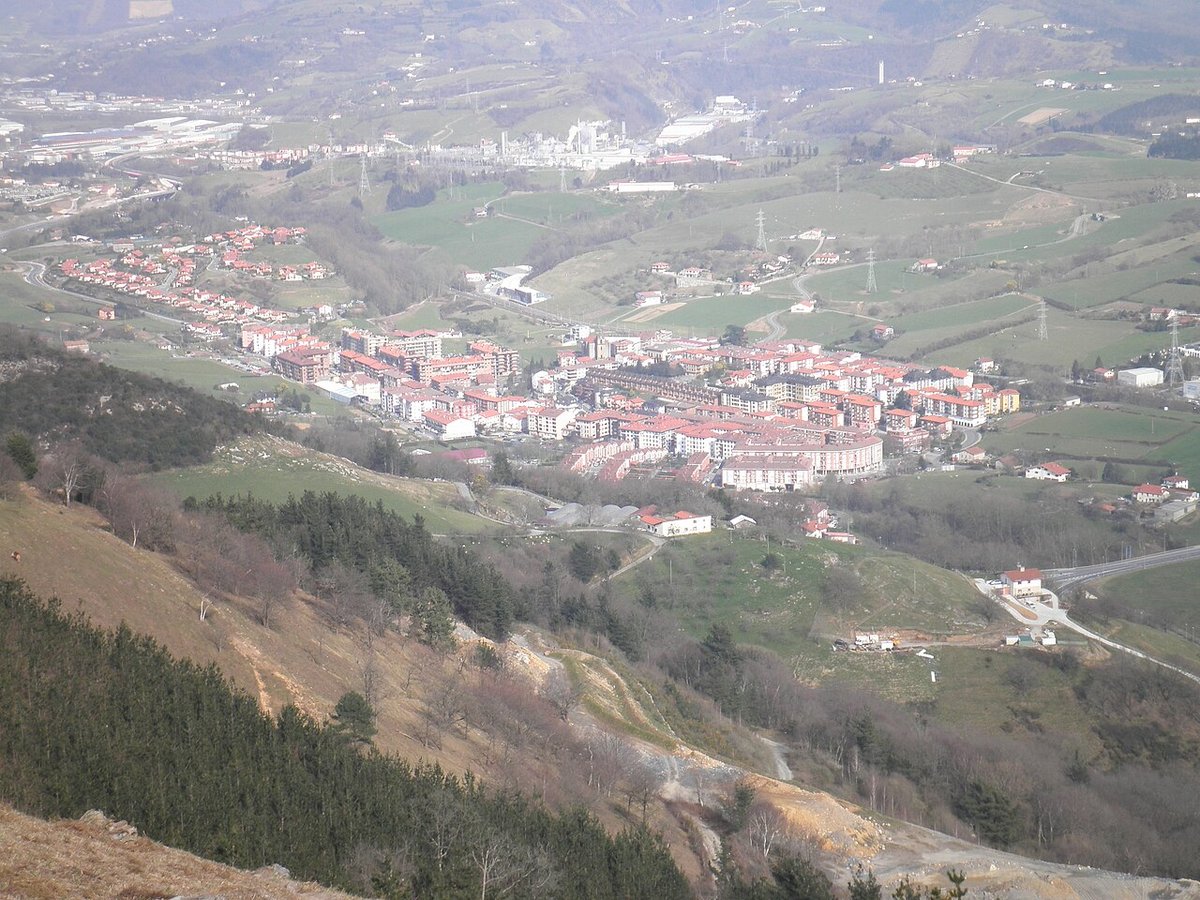
Urnieta buruntzatik 01
País Vasco · Atlantic Strength

Urnieta

The 15-minute train ride from San Sebastián drops you in a different century. Mobile signal flickers, the valley walls close in, and the Urumea riv...

6,327 inhabitants · INE 2025
820m Altitude

Why Visit

Mountain Historic quarter Hiking

Best Time to Visit

summer

Things to See & Do
in Urnieta

Heritage

  • Historic quarter
  • parish church
  • main square

Activities

  • Hiking
  • mountain biking
  • viewpoints
  • local food

Full Article
about Urnieta

Deep green, farmhouses and nearby mountains with trails and viewpoints.

Ocultar artículo Leer artículo completo

A Place That Works While You're Somewhere Else

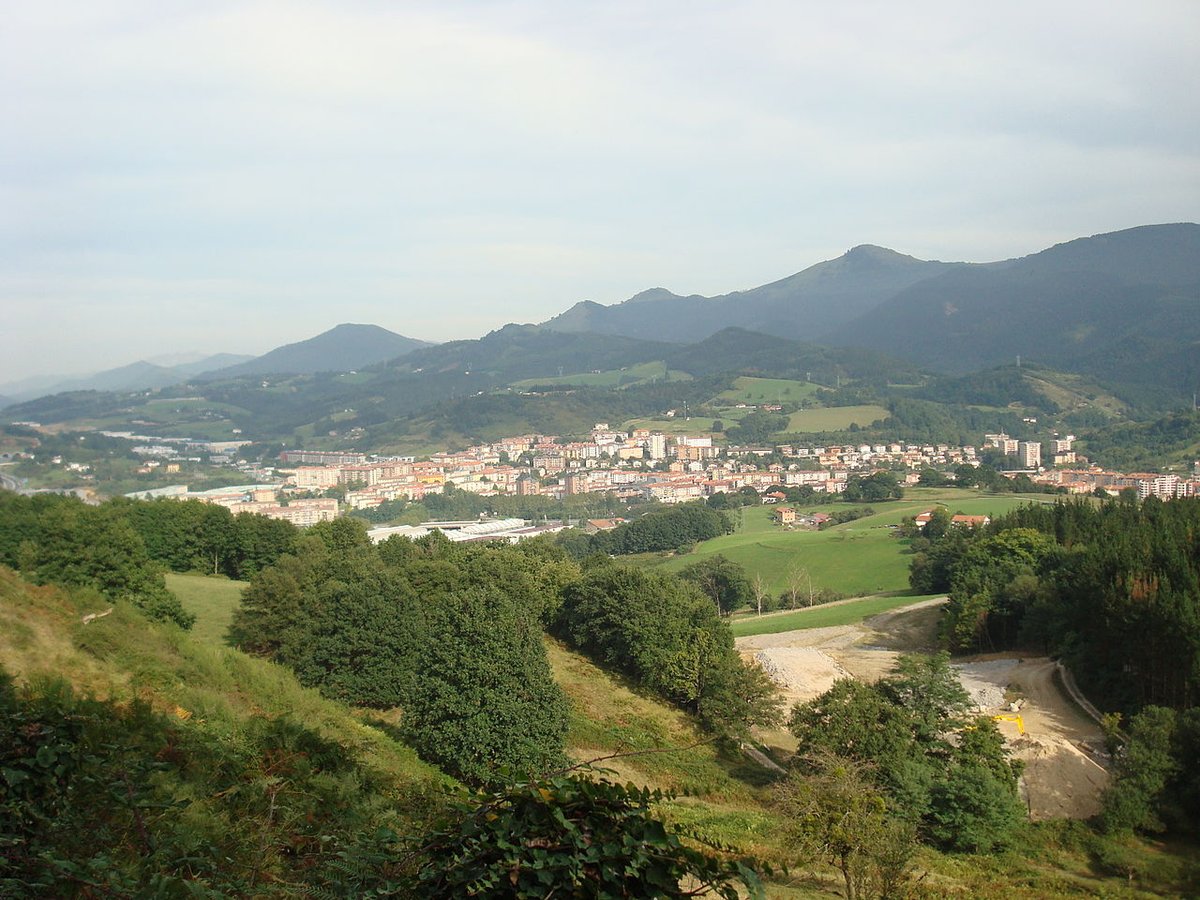
The 15-minute train ride from San Sebastián drops you in a different century. Mobile signal flickers, the valley walls close in, and the Urumea river starts to sound like a proper river again rather than city background noise. This is Urnieta—population 5,000, altitude 60 metres, and stubbornly uninterested in being a tourist attraction.

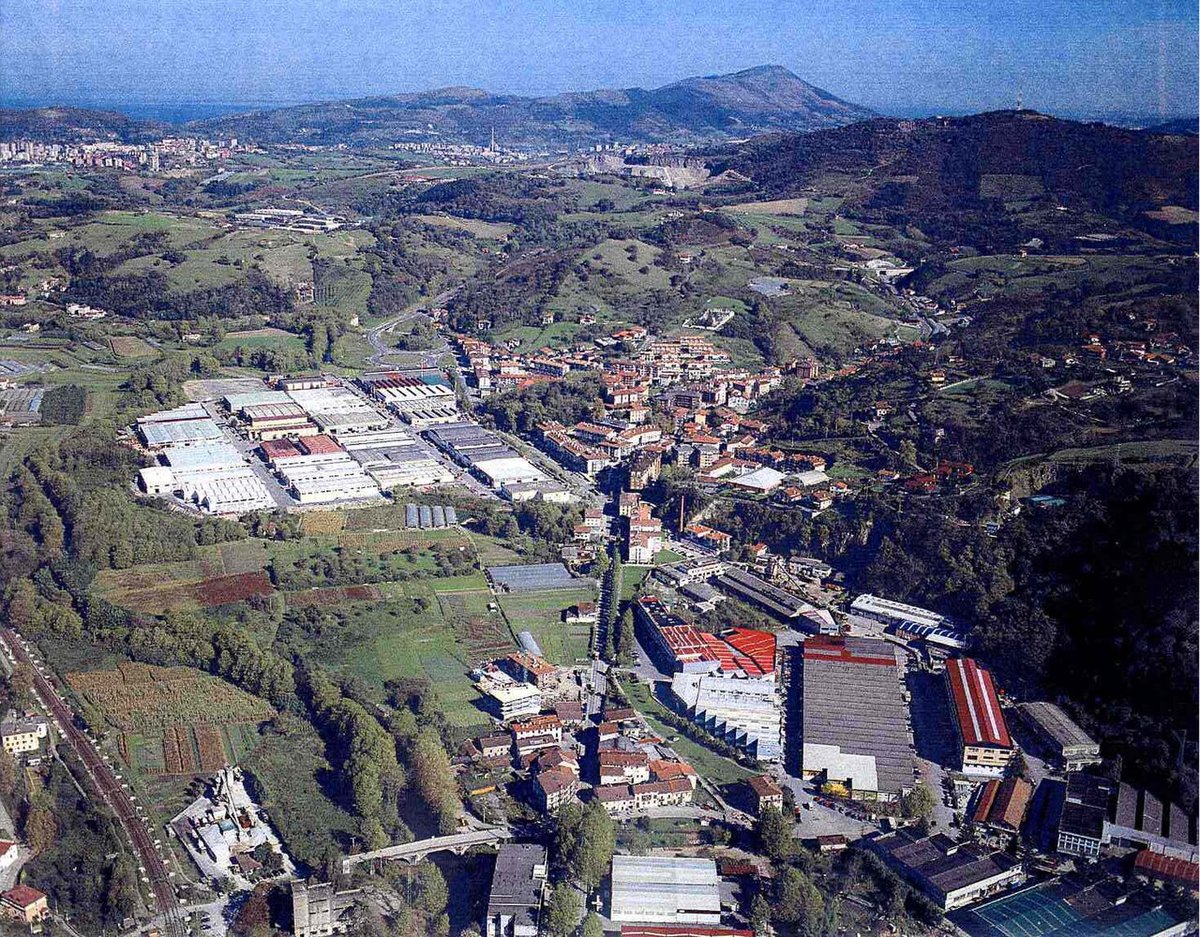
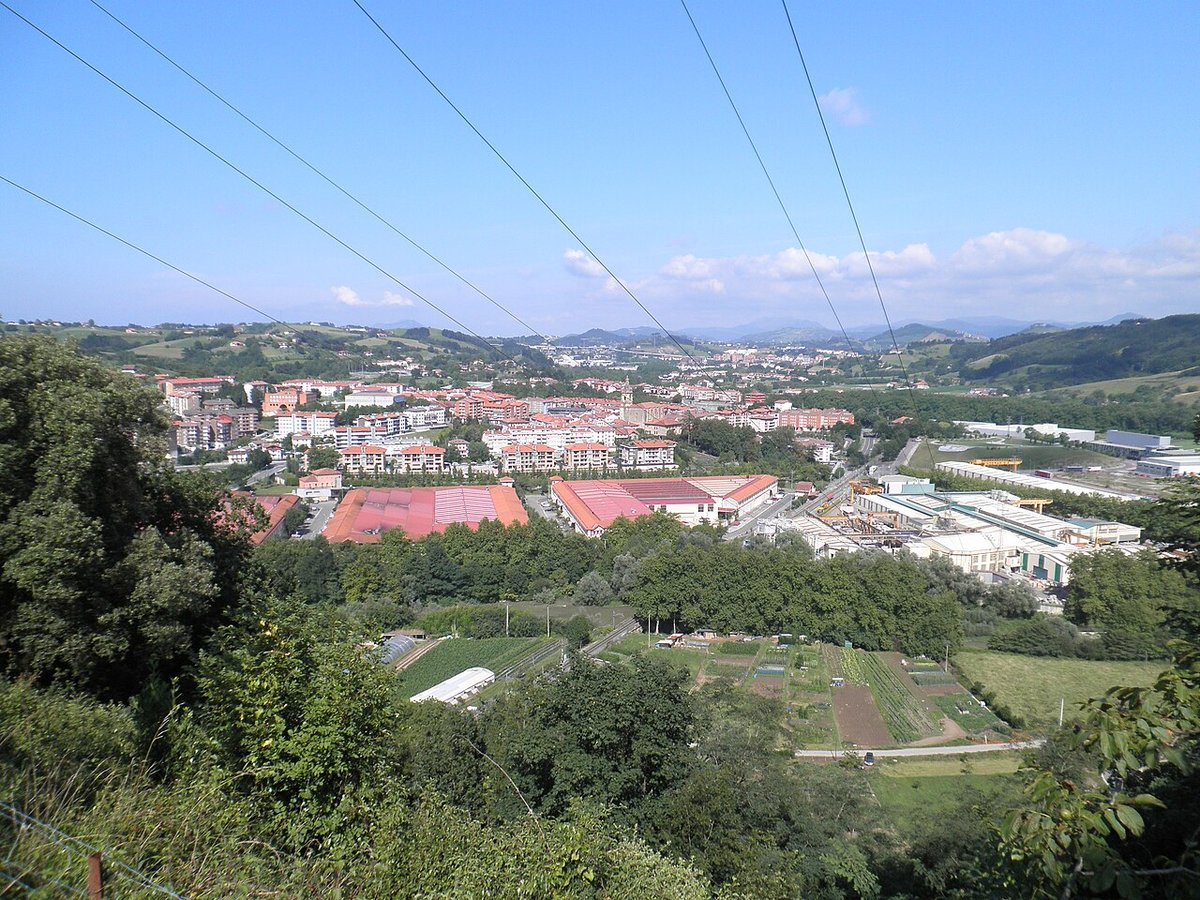
British visitors usually notice two things first: the car park is free, and nobody's trying to sell them anything. The industrial estate on the eastern edge (Polígono Erratzu) houses the modern hotels that coach parties use as overflow when San Sebastián is full. They're clean, anonymous boxes with 24-hour reception desks and €18 set dinners of grilled salmon or chicken—exactly what exhausted drivers want after a Channel crossing and 1,000 kilometres of motorway. What they don't expect is the old village five minutes uphill, where stone houses still have wooden balconies wide enough to hang washing without touching your neighbour's knickers.

Between the Church and the Fronton

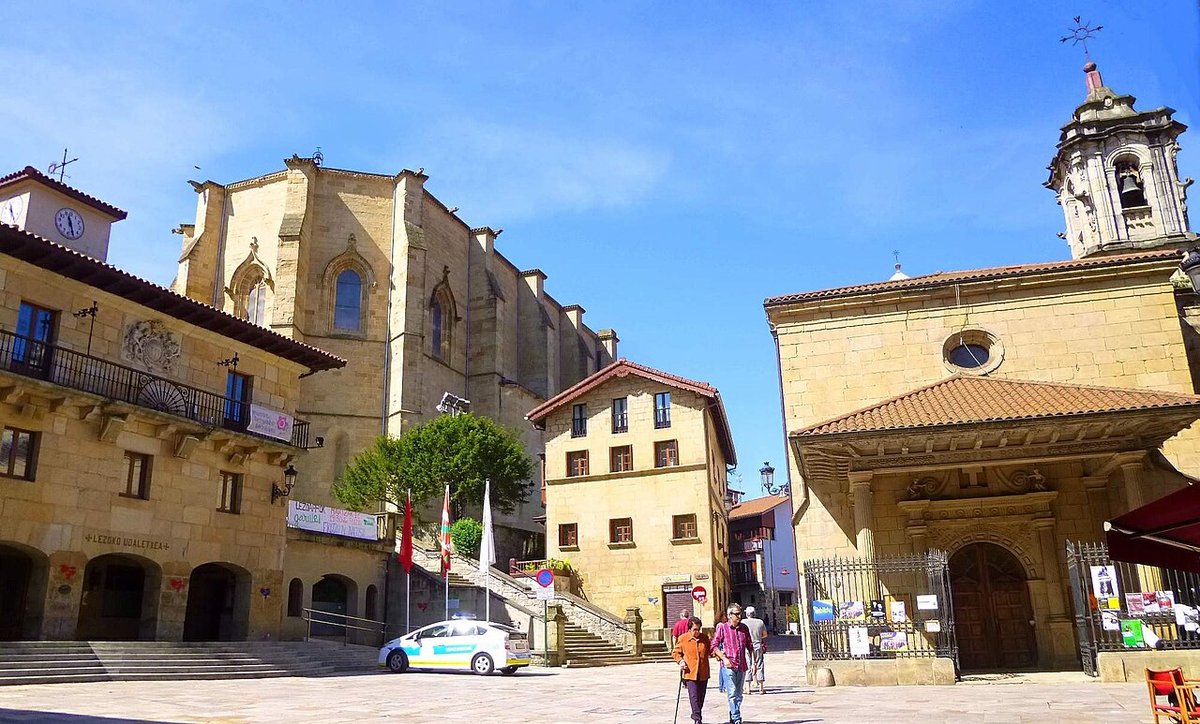
San Miguel Arcángel stands at the top of the main street, doors locked more often than open. When the caretaker does appear—usually mid-morning, keys jangling like a medieval jailer—the interior smells of candle wax and river damp. The building has been rebuilt so many times it's become a timeline in stone: Gothic base, Baroque tower, twentieth-century roof beams paid for by emigrants who made money in Venezuela. Nobody charges entry, but there's a discreet box for coins if you feel guilty about photographing the font.

Opposite, the fronton wall dominates the small plaza. Pelota matches happen on Saturday evenings; the rest of the week it's a meeting point for teenagers who've discovered that the sloping concrete makes skateboarding mildly suicidal. Cafés spill onto the pavement with prices 30% lower than the coast—coffee €1.40, glass of house white €2—though you'll need cash. Several bars still refuse cards under €10, and the single ATM likes to break down on bank holidays.

Walk five minutes past the last houses and tarmac turns to packed earth. The valley narrows, oak and chestnut replace plane trees, and the river noise gets louder. This is where locals walk dogs before work; if you meet anyone, they'll nod but won't interrupt. It's not unfriendliness—just Basque reserve. Say "egun on" (good morning) first and faces soften.

Why People Actually Stay Here

Proximity is the sell. San Sebastián's old town is 15 minutes by car outside rush hour, 25 during term time when parents create school-run gridlock. Hondarribia and the French border take 35 minutes up the A-1. Biarritz airport is an hour if the A-63 isn't jammed with weekend shoppers. What you get in return is sleep: no stag-party singing at 03:00, no €35 parking tickets, no pintxo bars charging £4 for a thimble of warm beer.

The valley climate helps too. At 60 metres you're above the coastal humidity that turns August into a sauna, but below the mountain weather that closes roads in winter. Spring arrives two weeks earlier than on the beaches; autumn lingers long enough for mushrooms and chestnuts. When the Atlantic fog rolls in, Urnieta often sits just above it, breakfast tables bathed in sunshine while Donostia's residents can't see across the river.

Rain still arrives—this is the Basque Country after all—but the valley shape means showers pass quickly. Carry a light jacket even in July; locals judge visitors by their footwear, and canvas plimsolls disintegrate within hours on wet forest tracks.

What Counts as Entertainment

There isn't a museum, gift shop or interpretative centre. Instead you get functioning countryside. Thursday morning market fills the square: one stall for peppers, another for cheap socks, a van hawking kitchen knives that supposedly cut through tins. The butcher sells morcilla that's still warm; the baker runs out of croissants by 09:30 because he refuses to make more than his oven can handle.

If you need organised activity, the tourist office (open 10:00-14:00, closed Mondays and whenever Maria's granddaughter has a dentist appointment) lends free walking maps. Routes follow old mule tracks to neighbouring villages—Hernani for cider houses, Andoain for yet more churches. Distances look modest: six kilometres, 200 metres ascent. What the leaflet forgets to mention is that Basque hills rise like walls. Allow double the printed time and carry water; there are no pubs in the forests, only the occasional stone trough fed by a spring. The water's drinkable if you're brave; the sheep upstream don't care about your stomach.

Mountain bikes can use the same paths, though you'll share them with tractors and the occasional loose horse. Road cyclists prefer the valley floor—quiet secondary roads, gentle gradient following the river towards the paper mills at Tolosa. Drivers are used to amateur Le Tour contestants wobbling round bends; they still overtake on blind corners, but at least they honk first.

Eating Without the Hype

Evenings centre on food, but quietly. Celtics Pub shows Premier League matches and serves Guinness at €5.50 a pint—extortionate by Spanish standards, comfortingly familiar if you've spent all day pretending to enjoy anchovies. Adarra Jatetxea's terrace does a plain omelette and chips plate that British children recognise; parents can order txuleton, the rib-eye the size of a steering wheel. Staff will cook it medium if you insist, though they'll look disappointed.

Hotel K10's restaurant caters to coach groups who don't want surprises. Expect grilled fish, salad out of a bag, and wine that tastes like Ribena. It's exactly what you need when driving south tomorrow at 07:00. For something sharper, drive ten minutes to Hernani on a Friday evening; cider houses open their barrels, pour cider two metres into your glass, and serve salt-cod omelette until you beg them to stop. The fixed menu costs €35 including as much cider as you can catch; taxis back to Urnieta are €18 after midnight.

Sunday lunch requires planning. Kitchens close by 16:00; entire families decamp to grandparents' houses while restaurants stack chairs on tables. Arrive hungry at 13:00 or accept that your next meal will be crisps in the hotel bar.

The Honest Verdict

Urnieta won't change your life. You'll leave with photos of hills rather than selfies outside iconic landmarks, and your credit card will barely notice you've been. What it does offer is breathing space: a cheap bed, decent coffee, and a valley that still belongs to people who live there rather than people who visit. Use it as a base, not a destination. Spend mornings on the coast, afternoons in the mountains, evenings listening to river water instead of nightclub bass. Just remember to book your San Sebastián restaurant before you arrive—because once you're back in Urnieta, the hardest thing about the night will be staying awake past eleven.

Key Facts

Region
País Vasco
District
Donostialdea
INE Code
20072
Coast
No
Mountain
Yes
Season
summer

Livability & Services

Key data for living or remote work

2024
ConnectivityFiber + 5G
TransportTrain nearby
HealthcareHealth center
EducationHigh school & elementary
Housing~6€/m² rent · Affordable
CoastBeach nearby
Sources: INE, CNMC, Ministry of Health, AEMET

Planning Your Visit?

Discover more villages in the Donostialdea.

View full region →

More villages in Donostialdea

Traveler Reviews