Full Article
about Usurbil
Between mountains and sea, Basque tradition and good food in every square.
Ocultar artículo Leer artículo completo
The last train from San Sebastián leaves at 22:30. Ten minutes later the carriage empties at Usurbil station and the valley falls silent, save for the Oria river sliding past vegetable plots lit by a single street lamp. No souvenir stalls, no taxi queue, just the smell of wet grass and a sign in Euskera pointing towards the old town. This is how most visitors first realise they've left the coast behind.
Between the City and the Slope
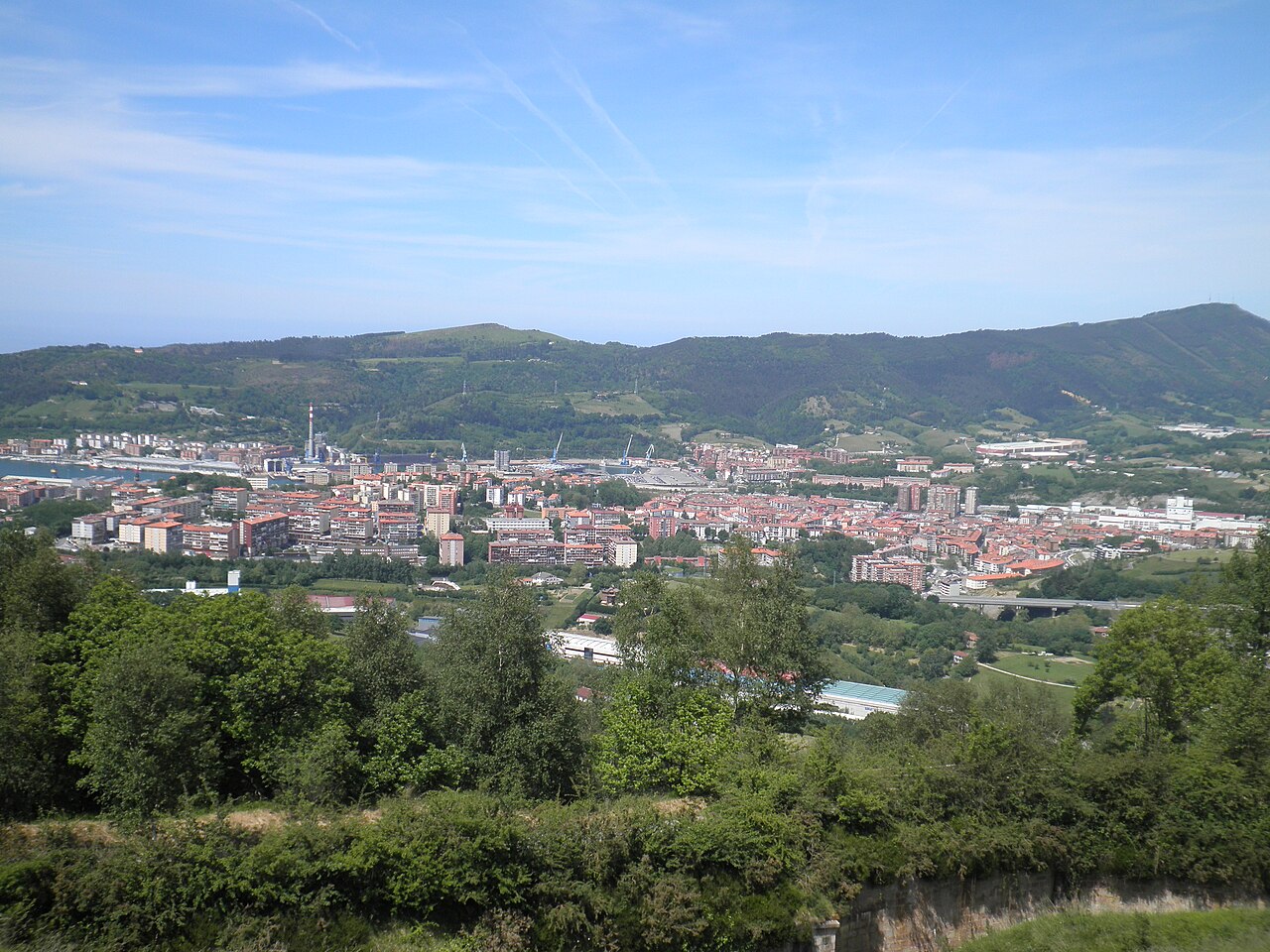
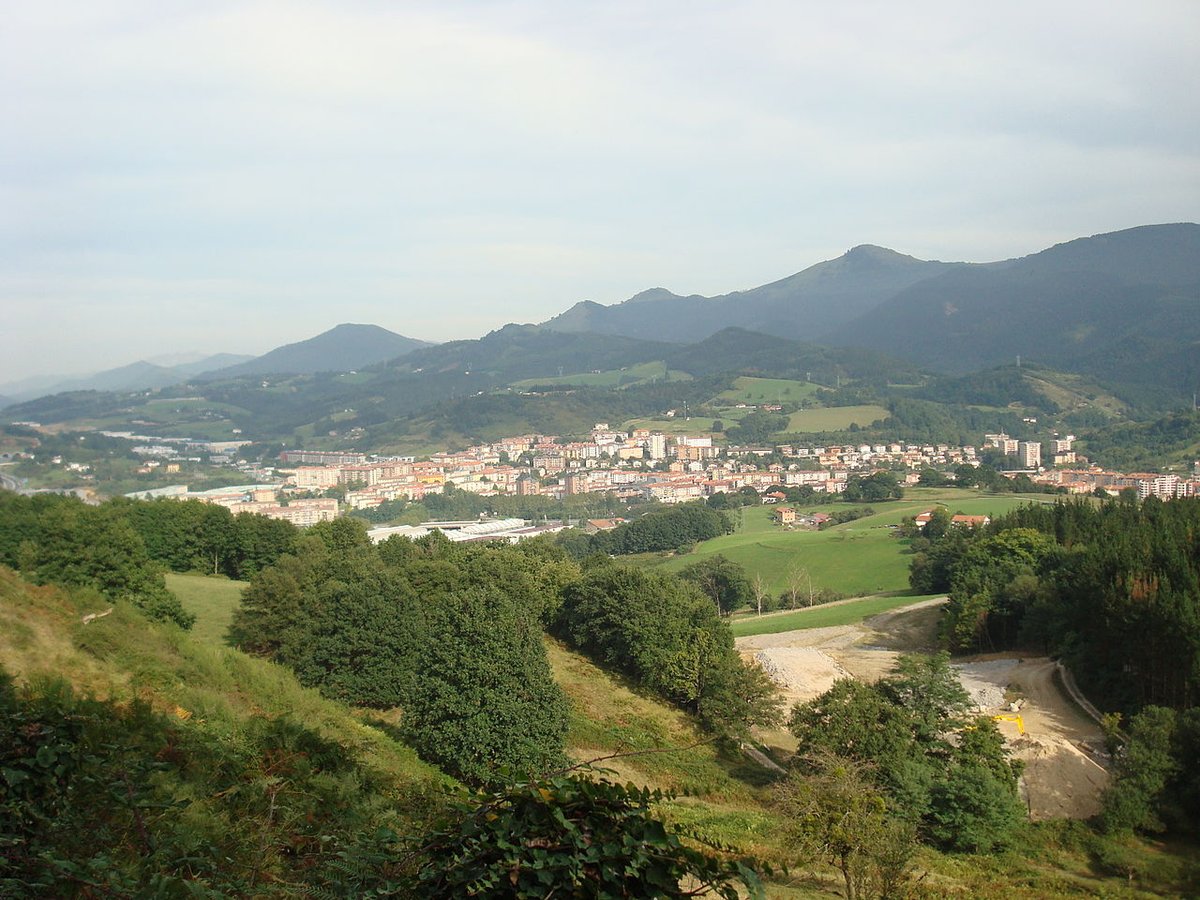
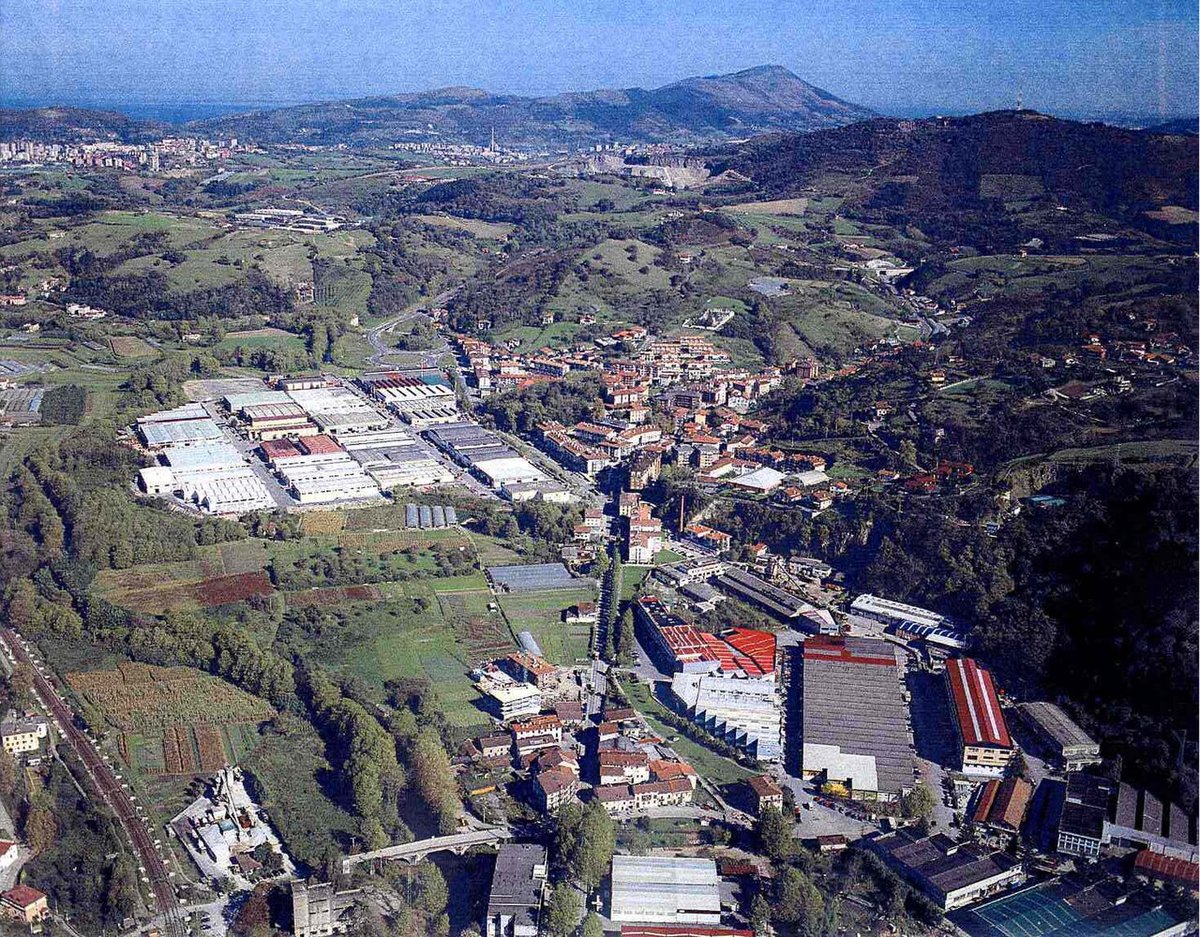
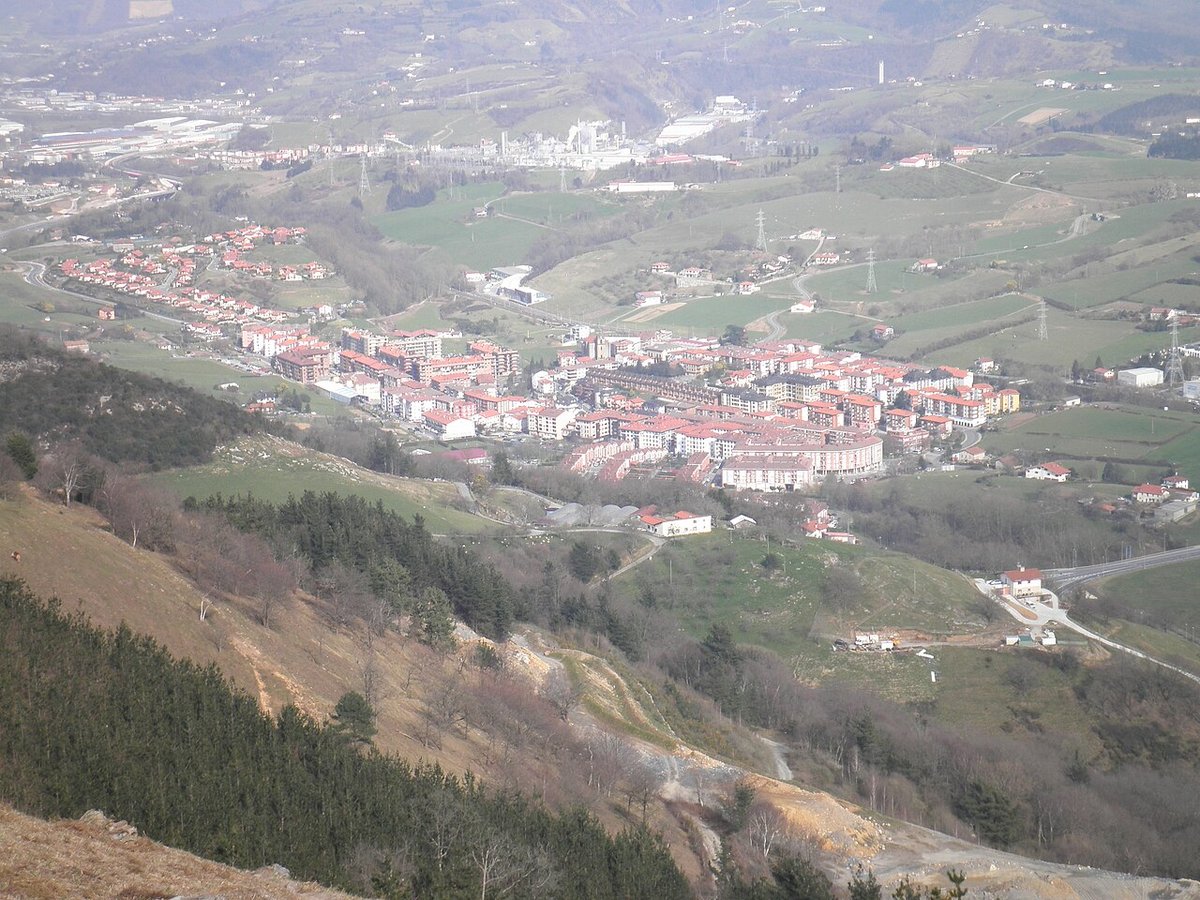
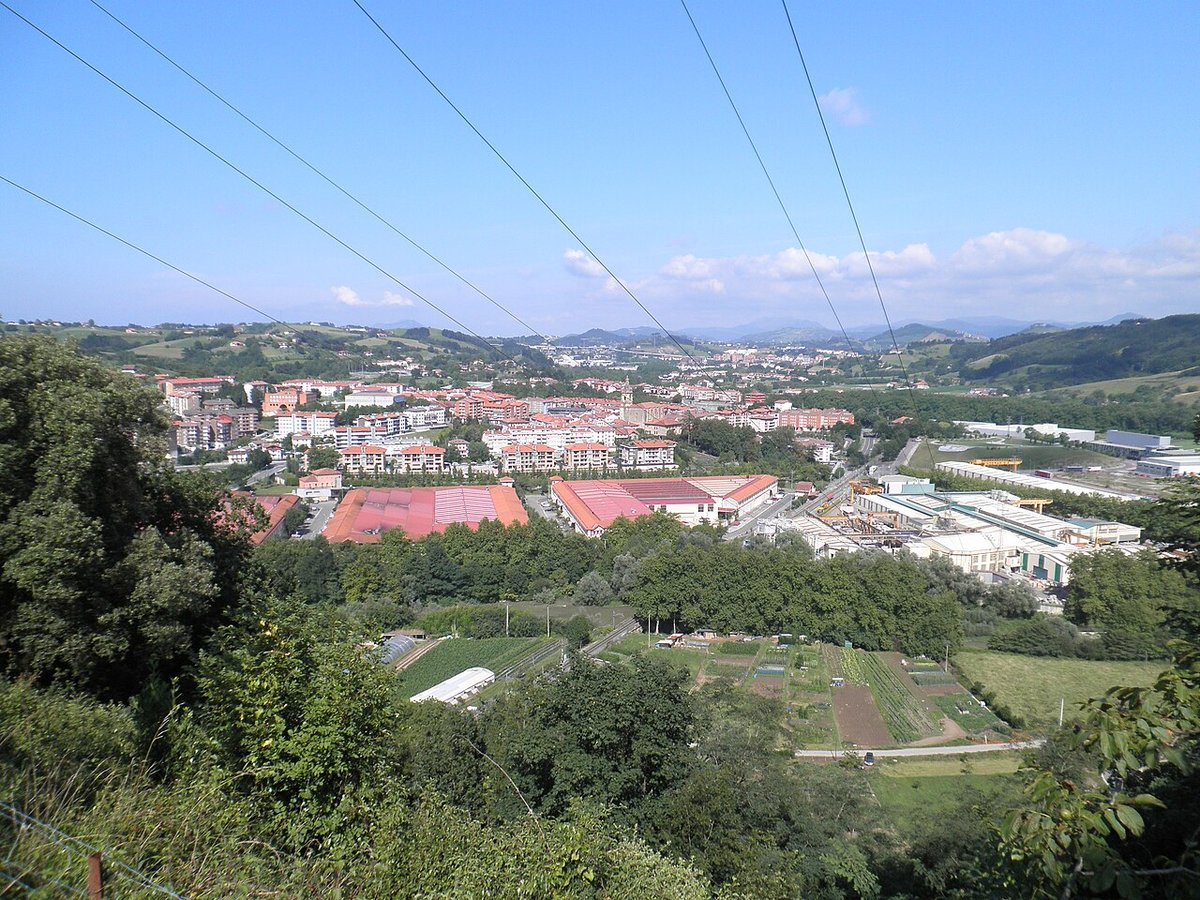
Nine kilometres inland, Usurbil sits where the Oria valley narrows and the hills start to squeeze. It isn't a chocolate-box village—there's a tyre depot on the approach road and the main street carries traffic heading for the A-8—but that practicality is the point. Farmers load crates of peppers before dawn, children walk to school speaking Euskera, and the weekly market spreads across Plaza San Salvador every Thursday without fail. The place works for locals first, tourists second.
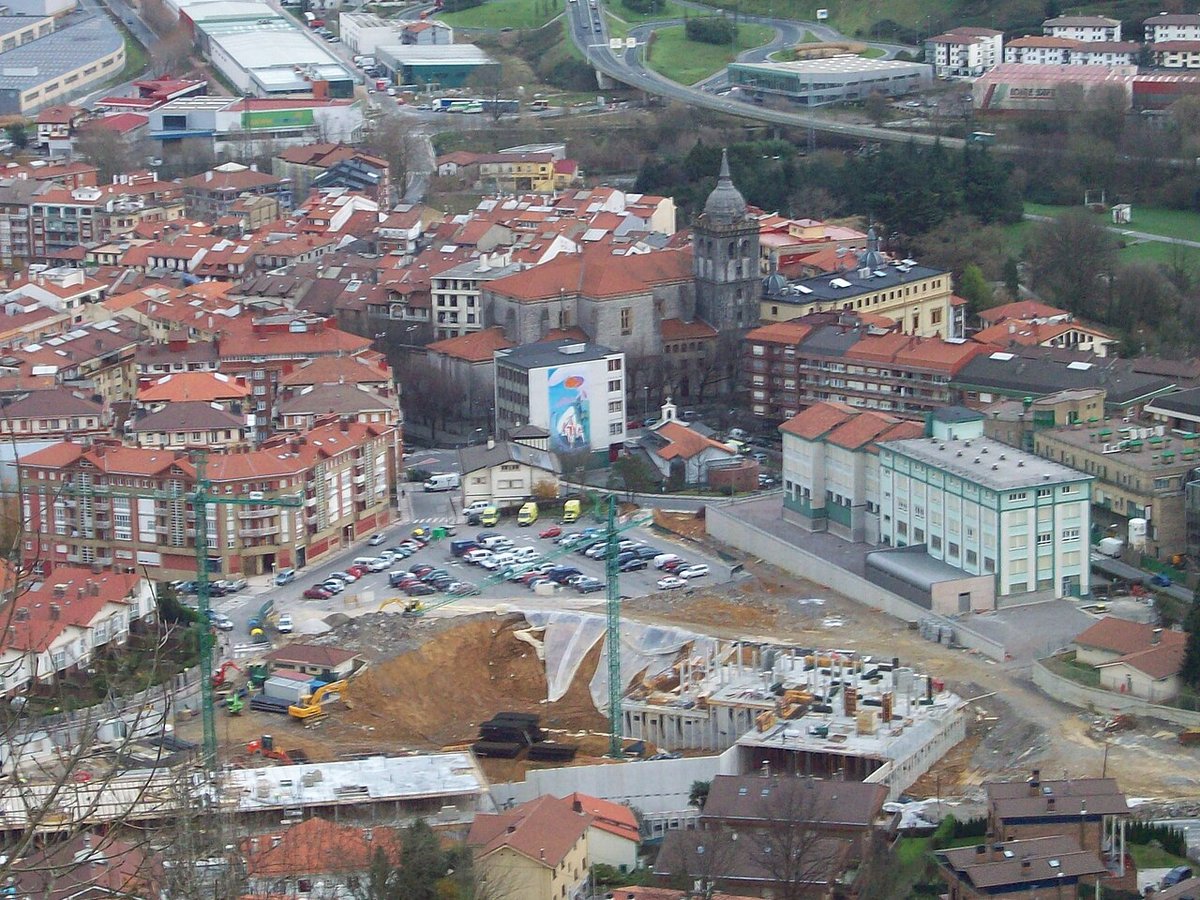
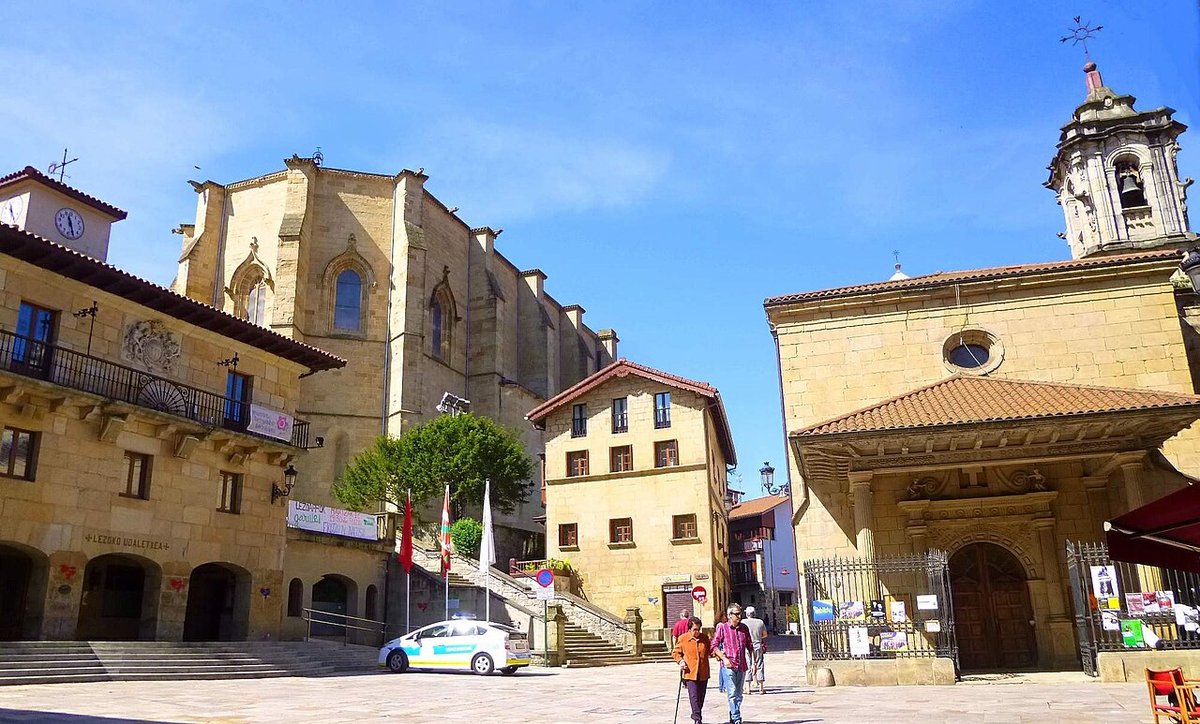
The church tower rises above slate roofs like a ship's mast in a green ocean. Step inside San Salvador (usually open 10:00-12:00) and the baroque altarpiece glitters with gold leaf that once sailed back from South America on Basque ships. Five minutes is enough to take it in, yet linger and you'll notice elderly women slipping into side chapels to mutter a quick prayer before grocery shopping. Faith here is habitual, not performative.
Walk fifty metres past the town hall—early 20th-century brickwork that wouldn't look out of place in a Midland's market square—and the urban fabric dissolves into farm tracks. These lanes link scattered hamlets: Aginaga, Santiago, Elortza. A signpost might promise "Errekalde 15 min" but Basque minutes are measured by strong legs. The path climbs through apple orchards, past stone houses whose balconies sag with age and honesty boxes selling walnuts for two euros a bag. Carry change; no one stocks floats for fifty-euro notes.
What Arrives on the Plate
The red pepper of Usurbil turns up only when it feels like it—late August through September. You'll spot them drying on balconies like scarlet socks, not swinging from gift-shop key-rings. In season the set-menu at family-run Saizar on Kale Nagusia starts with roasted piquillo peppers stuffed with salt cod, followed by txuleta, a rib-eye the size of a Sunday roast cooked over oak until the edges blacken. Locals eat it rare; hesitate and the waiter will ask "medium?" in the same tone reserved for children who still want ketchup.
Cider houses (sagardotegi) operate on the same stubborn calendar. Petritegi, a twenty-minute walk uphill from the station, opens January-April and that's it. Inside, legs of ham dangle like prosciutto curtains and the cider arrives not in pint glasses but in thin streams shot from chest height. Catch it, drink it in one, pass the glass. British palates expecting Magners sweetness recoil—this is sharp, flat, closer to dry apple Prosecco. The fixed-price feast (around €35) includes unlimited cider, cod omelette, giant steak, cheese and walnuts. Last orders 15:00 sharp; miss it and the shutters slam even if you're still chewing.
Vegetarians survive on tortilla and sheep's-milk cheese. Vegans should pack snacks.
Moving Without a Car
Euskotren Line E1 rattles every quarter of an hour to San Sebastián (20 min, €2.20) and Zarautz (10 min). Buy a Barik card from the machine and load credit; paper single tickets cost more. Sunday service halves after 20:00—check the last train or you'll discover the €35 taxi fare back from the coast.
Buses exist but timetables are printed in microscopic Euskera. The Moovit app decodes them and works offline, useful because mobile signal drops in the valley. Cyclists can follow the river trail towards the sea; it's paved for 6 km then turns to gravel and climbs. Hire bikes in San Sebastián—Usurbil's single shop repairs tractors, not punctures.
Drivers note: central streets are one-way and narrow enough to scrape wing mirrors. Use the free car park behind the frontón and walk two minutes. Blue-zone bays fill early with commuters who catch the train to town.
When the Weather Turns
Atlantic clouds hit the coastal hills and unload. Usurbil receives twice the rainfall of San Sebastián, which is why the grass stays emerald and the mushrooms taste of earth. Bring a jacket even in July; August afternoons can reach 30 °C but evenings drop to 18 °C. Winter is mild—snow once every five years—but fog traps valley pollution from the nearby paper mill; those with asthma notice it.
Rainy-day options are limited. There's no museum, no covered market, just the frontón where pelota matches sometimes draw crowds who bet in whispers. Bars open at first light and close by 22:00. Order a cortado, watch the news on a mute television, practise your Spanish on the barman. He'll reply in Euskera if he feels like it; smile and the conversation switches.
Sleeping Over, or Not
Accommodation is thin. Casa Rural Anoetxe offers three rooms in a 17th-century farmhouse outside the centre—wooden beams, low doorways, breakfast featuring home-made jam. Double rooms €90, two-night minimum weekends. Otherwise stay in San Sebastián and commute; last train 22:30, remember. Booking Usurbil thinking it's "in San Sebastián" is the commonest TripAdvisor complaint—twelve kilometres feels longer after midnight.
Morning delivers the opposite revelation. Walk the lane above the cemetery and the whole valley opens: orchards stepping up the slope like green terraces, mist lifting off the river, the distant glint of the Bay of Biscay. You can reach the ridge in forty-five minutes, look south to the Pyrenees and north to the sea, then drop back down for coffee before the city tourists have finished their hotel breakfast.
Worth the Detour?
Usurbil won't fill an eight-hour itinerary. It suits travellers who've ticked San Sebastián's old town and crave somewhere the guidebooks ignore. Come for lunch on a Thursday market day, combine with Zarautz beach ten minutes down the line, or use it as a base if you like falling asleep to cowbells rather than nightclub beats. Expect normal life, not a performance. The valley rewards those who adjust to its pace, not the other way round. And if you miss that 22:30 train, the night is very quiet indeed.