Full Article
about Abadiño (Abadiano)
Valleys and hamlets a short distance from Bilbao, with plenty of local life.
Hide article Read full article
A quick turn that becomes something else
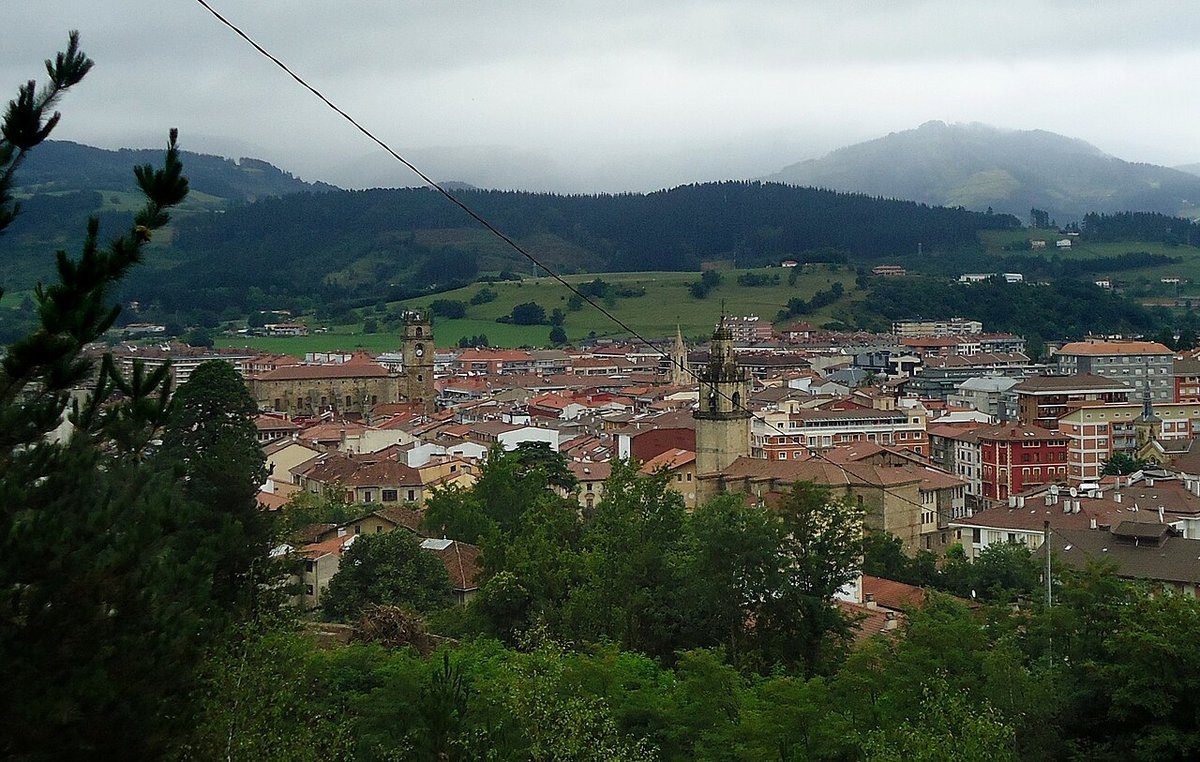
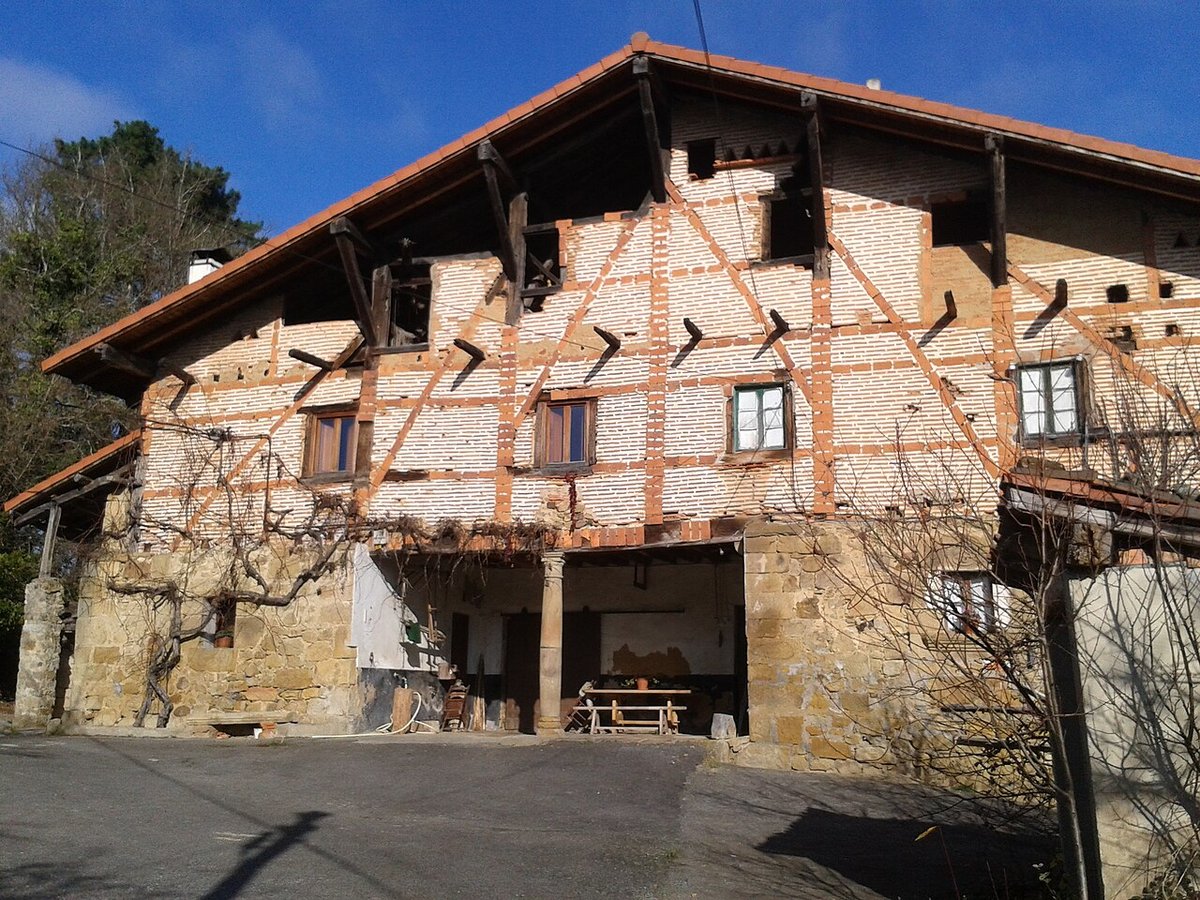
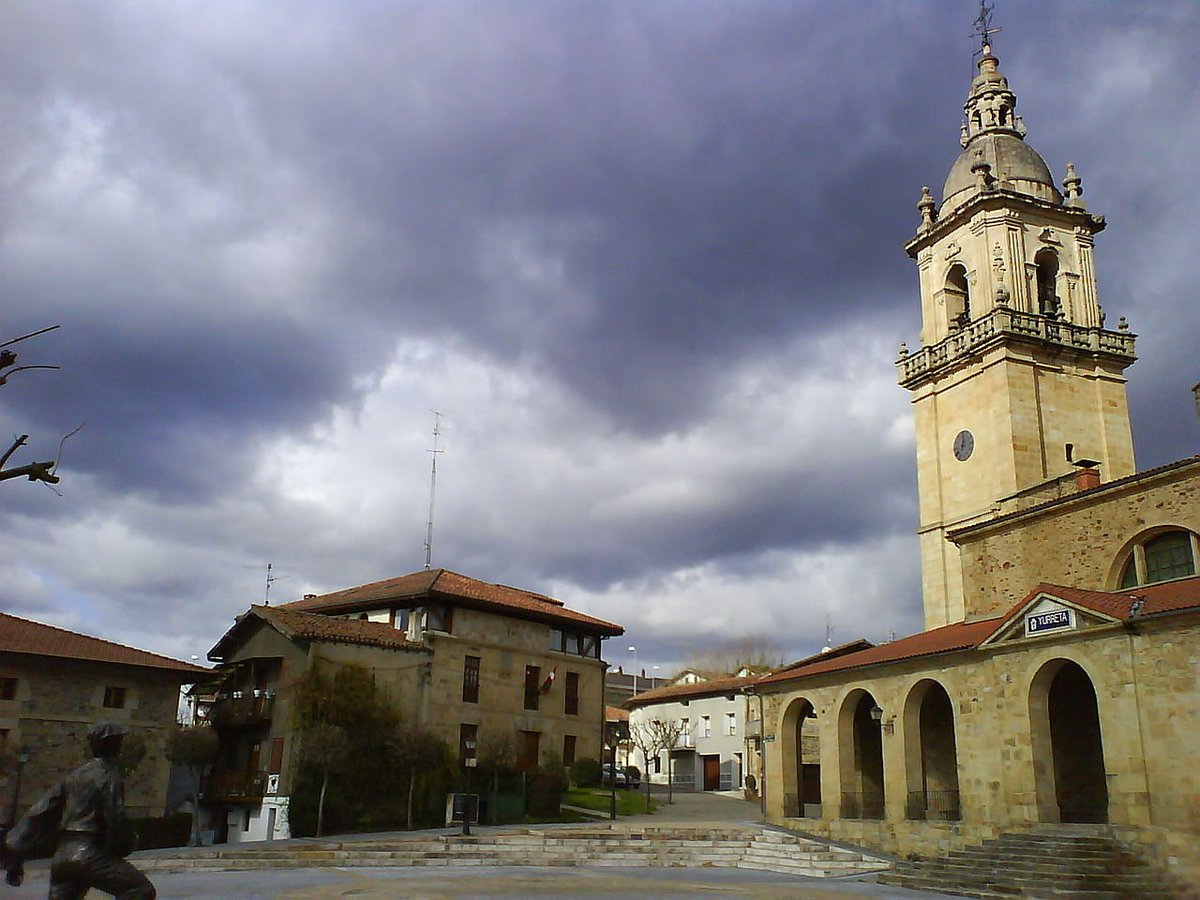
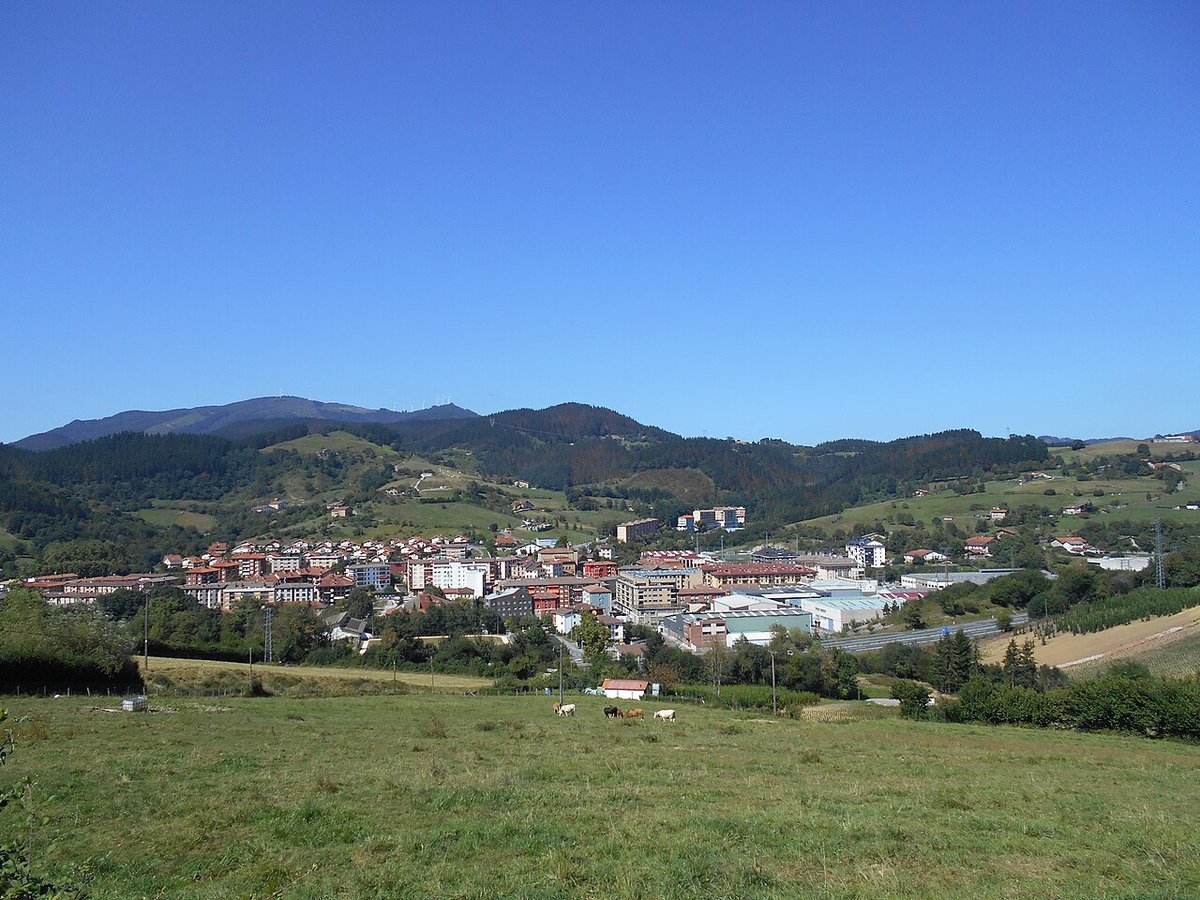
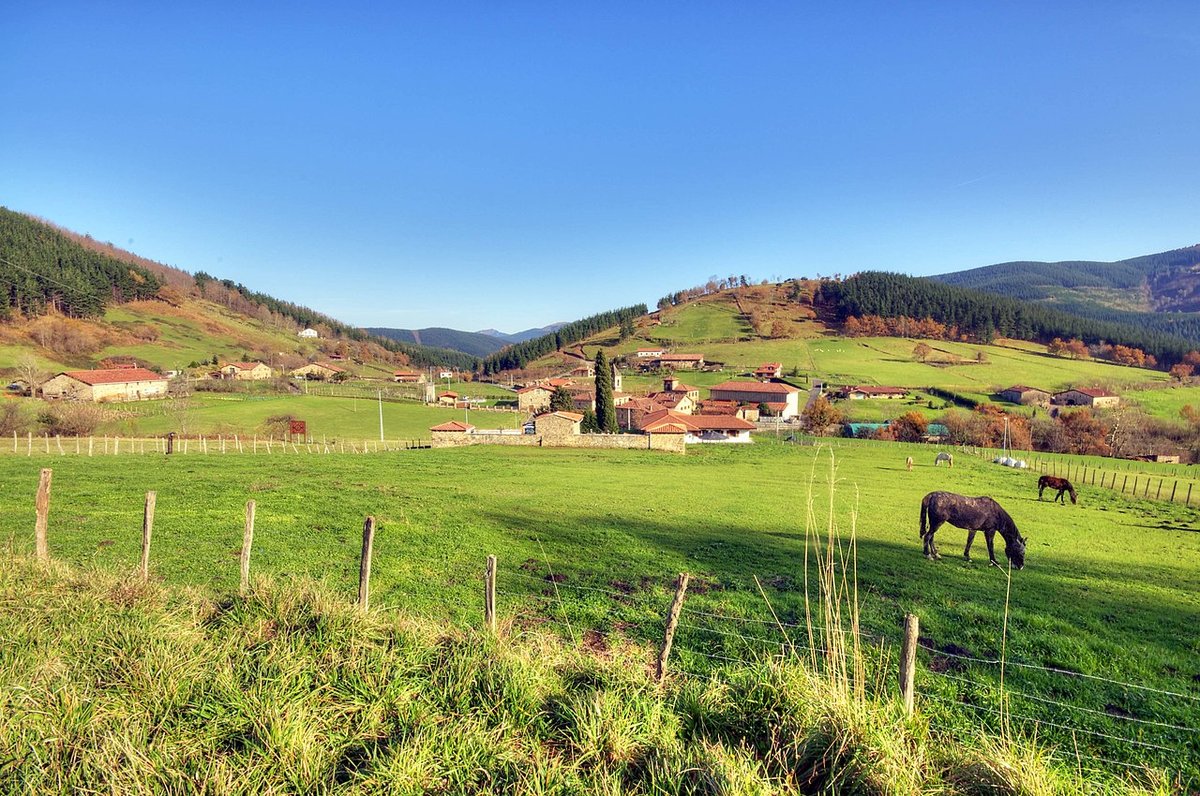
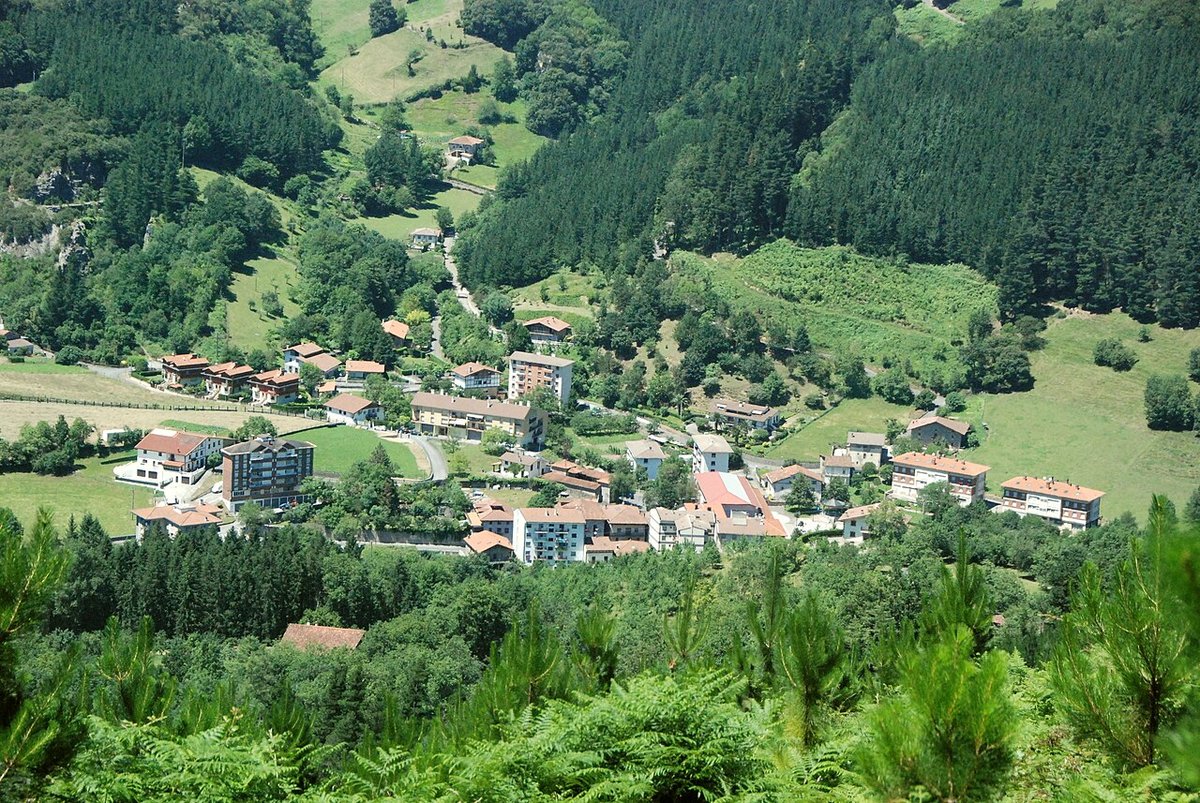
Abadiño feels like agreeing to “a quick walk” and somehow ending up on a mountainside without planning it. It sits very close to Bilbao, yet the change is immediate. Traffic thins out, farmhouses known as caseríos appear, and the surrounding mountains seem to stand watch over the valley.
In a little over half an hour from the Gran Vía in Bilbao, the setting shifts to a place where you can still see stone‑dragging contests with oxen and visit a cave that holds traces of people who lived here thousands of years before roads existed. That contrast, rural tradition alongside serious, imposing mountains, goes a long way to explaining Abadiño.
Urkiola, when the landscape tightens
Urkiola is sometimes described as the “little Swiss corner of the Basque Country”. The phrase turns up often in brochures, though it feels a bit forced.
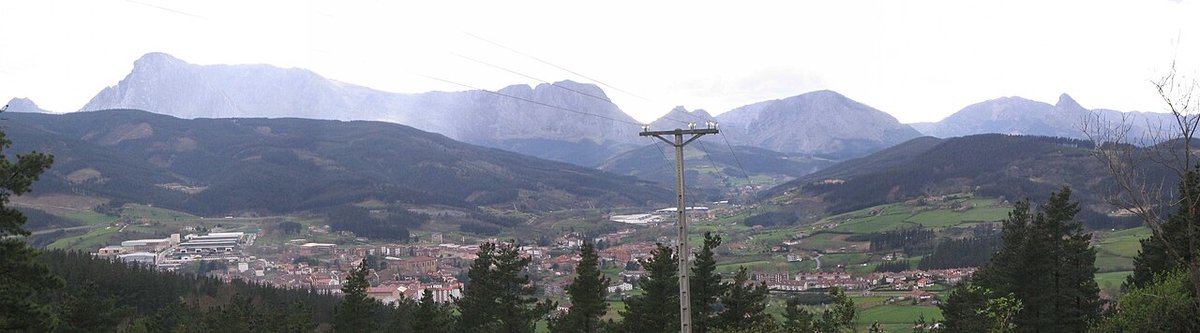
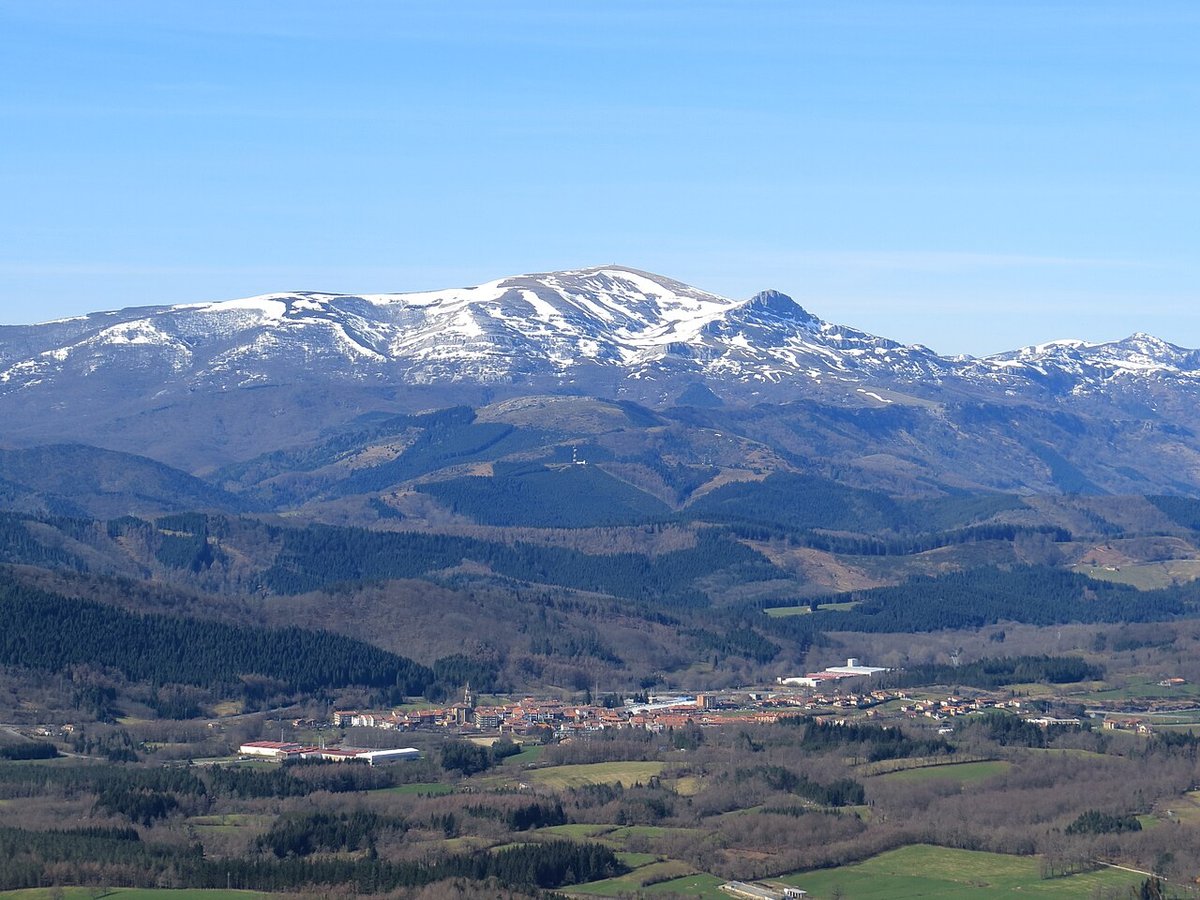
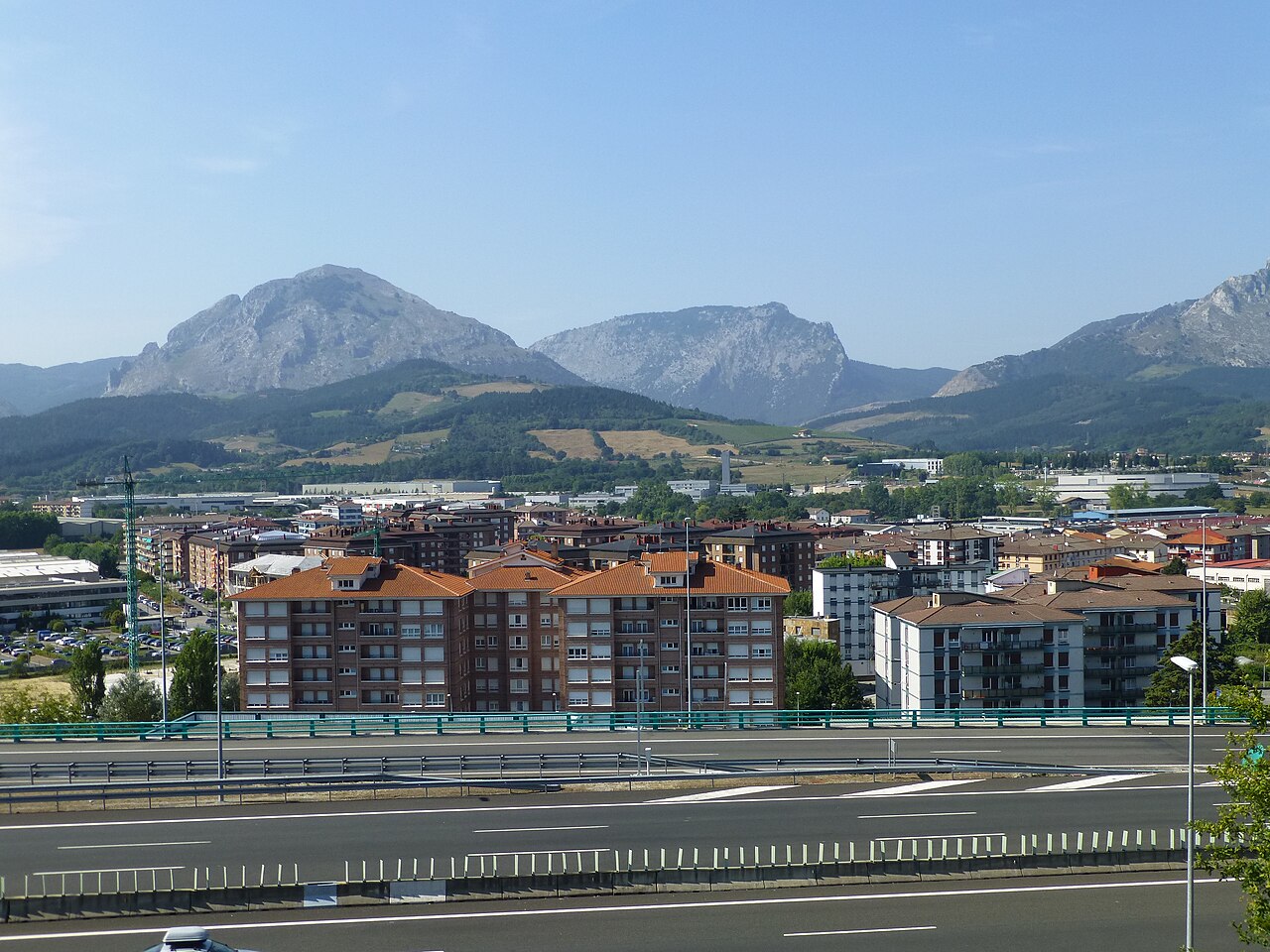
The approach along the BI‑623 makes the change clear. Leaving behind the industrial area of Abadiño, the scenery alters almost instantly. Rock faces appear with little warning, the valley narrows, and the green deepens in tone. It is the kind of place where a car suddenly feels small against so much stone.
The Urkiola Natural Park covers a large part of the municipality, so reaching the mountains does not require elaborate planning. A short stroll can turn into a proper walk within minutes.
One of the more common routes is the walk known as the Santos Antonios. It starts near the sanctuary and winds through beech forests and rocky ground for several kilometres. There is nothing especially technical about it. It is the sort of route that stretches out naturally if you pause to take in the view or end up chatting with others heading the same way.
The tower of Muntxaraz
In the Muntxaraz district stands an old tower that looks as if it belongs to another time. It is not a reconstruction or a decorative feature. It is one of the defensive towers built centuries ago, when each valley had its own disputes to manage.
The walk there is short, crossing meadows and passing between caseríos. Along the way, it is easy to feel observed by the local cows, which tend to watch visitors with a steady, almost evaluative gaze.
The tower itself is protected as heritage, so it cannot be entered. The interest lies more in the surroundings and in imagining what life might have been like when the valley had neither roads nor industrial estates.
Stories also circulate in this area. Mount Amboto, which dominates the Duranguesado region, is linked to figures from Basque mythology. Among them are the Ximelgorris, small and slightly mischievous beings tied to local legends. No one expects to encounter them, but these tales have been part of life in the valley for generations.
Eating in Abadiño: straightforward valley cooking
Food here is direct and rooted in the area. Bacalao with salsa vizcaína appears regularly, along with freshly made talos at fairs and Idiazabal cheese, strong in aroma and richer in flavour. There is little interest in elaborate reinvention.
If a livestock fair or a local celebration happens to coincide with a visit, it is common to find stalls preparing talo with chistorra. There may also be demonstrations of stone dragging with oxen. For anyone unfamiliar with it, the scene is striking: large animals pulling an enormous stone while people gather around and cheer as if it were a sporting event.
Then there is txakoli, the local white wine. It is fresh, slightly acidic, and easy to underestimate if the glasses keep coming.
A place that suits a day
Abadiño is not somewhere that calls for a packed three‑day itinerary. It works best as a day out.
A typical plan might begin with a morning drive up towards Urkiola, followed by a relaxed walk. Afterwards, returning to the valley for a solid meal and a wander through its different neighbourhoods fills out the day without any rush. By evening, the sense is of having stepped away from the noise of the city without travelling far.
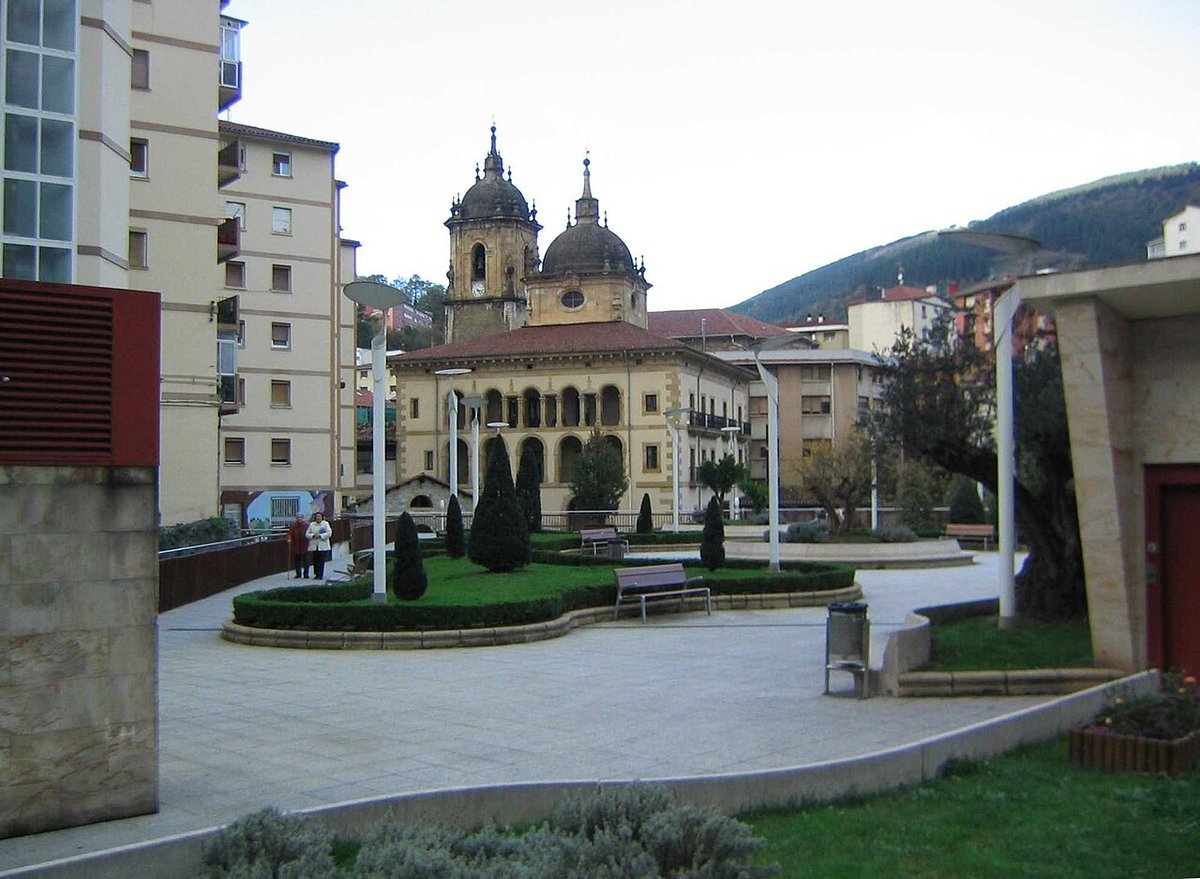
The town has a population of just over seven thousand. It moves at a noticeably calmer rhythm than nearby Durango, which sits close by and feels busier.
If there is a good time to choose, spring stands out. The valley turns intensely green, the mountains carry a damp, earthy scent, and there are fewer people heading up to Urkiola. Near the sanctuary, there is also a well‑known stone with a local tradition attached. It is said that walking around it several times will bring you a partner within a year.
Whether that works or not is another matter. The story has been passed around the Duranguesado for centuries, and it remains part of the landscape, just like the mountains and the paths that begin almost without warning.