Full Article
about Atxondo (Valle de Achondo)
Valleys and hamlets a stone’s throw from Bilbao, buzzing with local life.
Hide article Read full article
Atxondo, un valle habitado
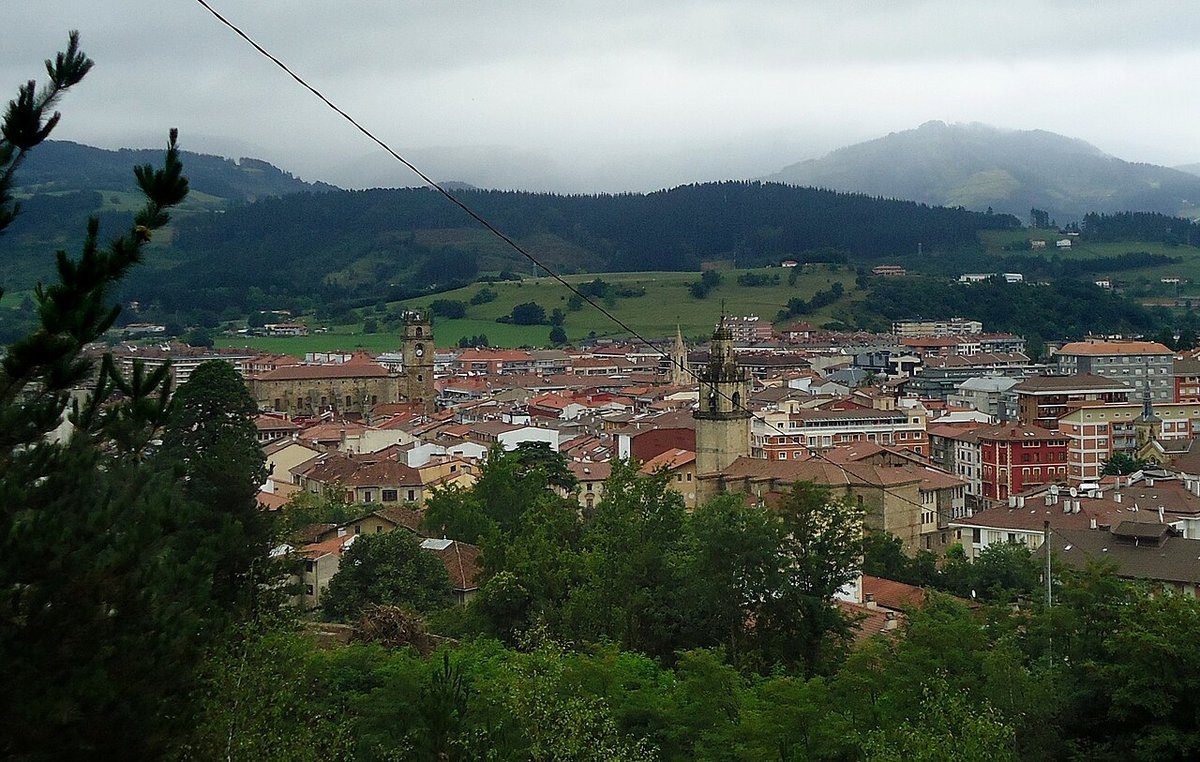
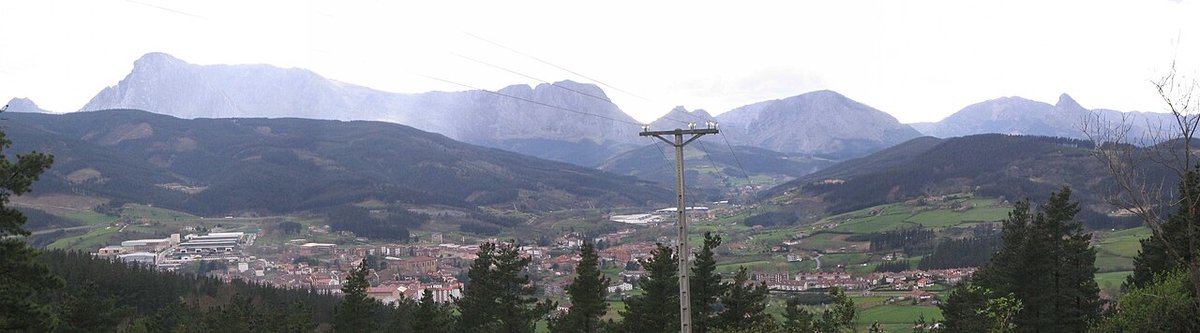
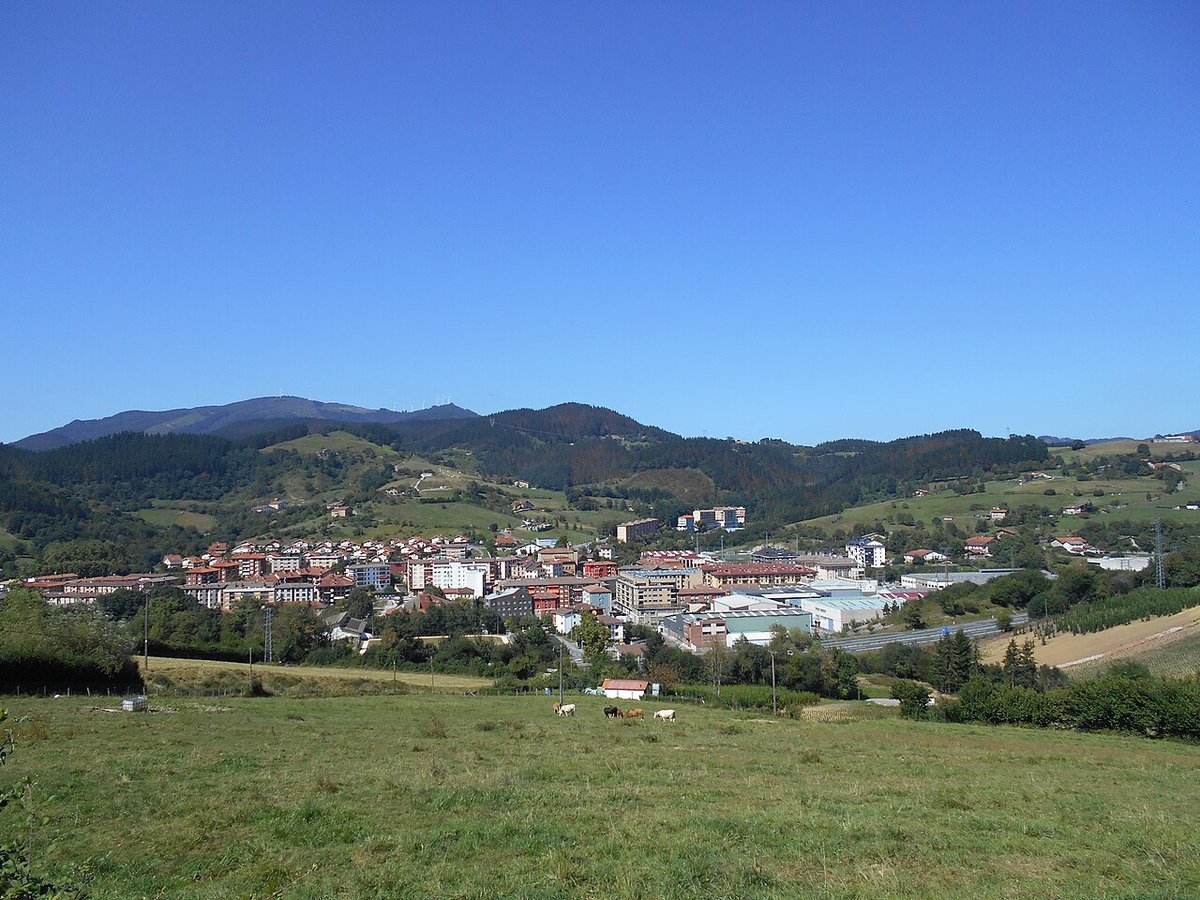
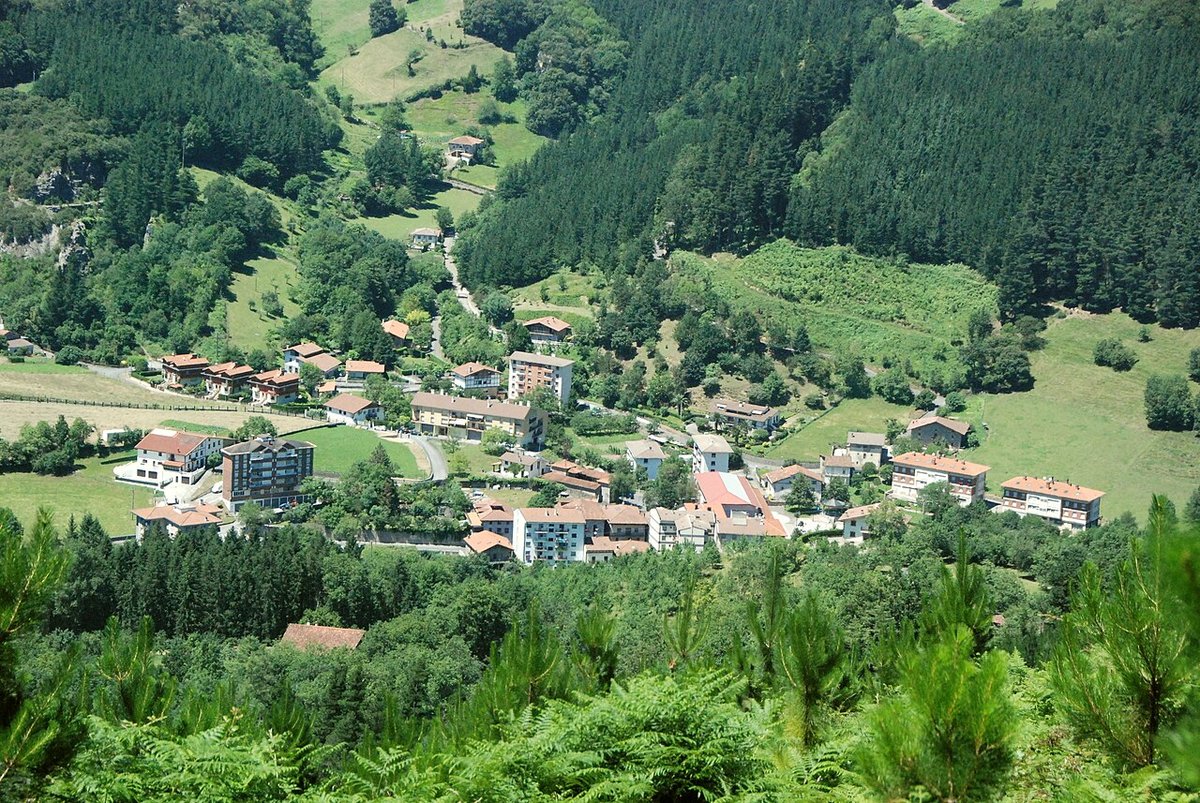
Atxondo es un municipio, no un pueblo. Su territorio se extiende por el valle que forma el río Ibaizabal a su paso por el Duranguesado, antes de llegar a Durango. La geografía lo explica: aquí no hay un núcleo urbano definido, sino una sucesión de barrios y caseríos dispersos entre prados y laderas de caliza. El paisaje está determinado por esa roca, que da forma a las montañas, a los muros y al carácter del suelo bajo los pies.
Los poco más de mil trescientos habitantes viven repartidos. La estructura es heredera de una economía agraria donde cada caserío funcionaba como una unidad autónoma. Por eso, recorrer Atxondo da la sensación de adentrarse en un valle donde se vive y se trabaja, más que de visitar una localidad con un centro claro.
La iglesia de San Miguel en el paisaje
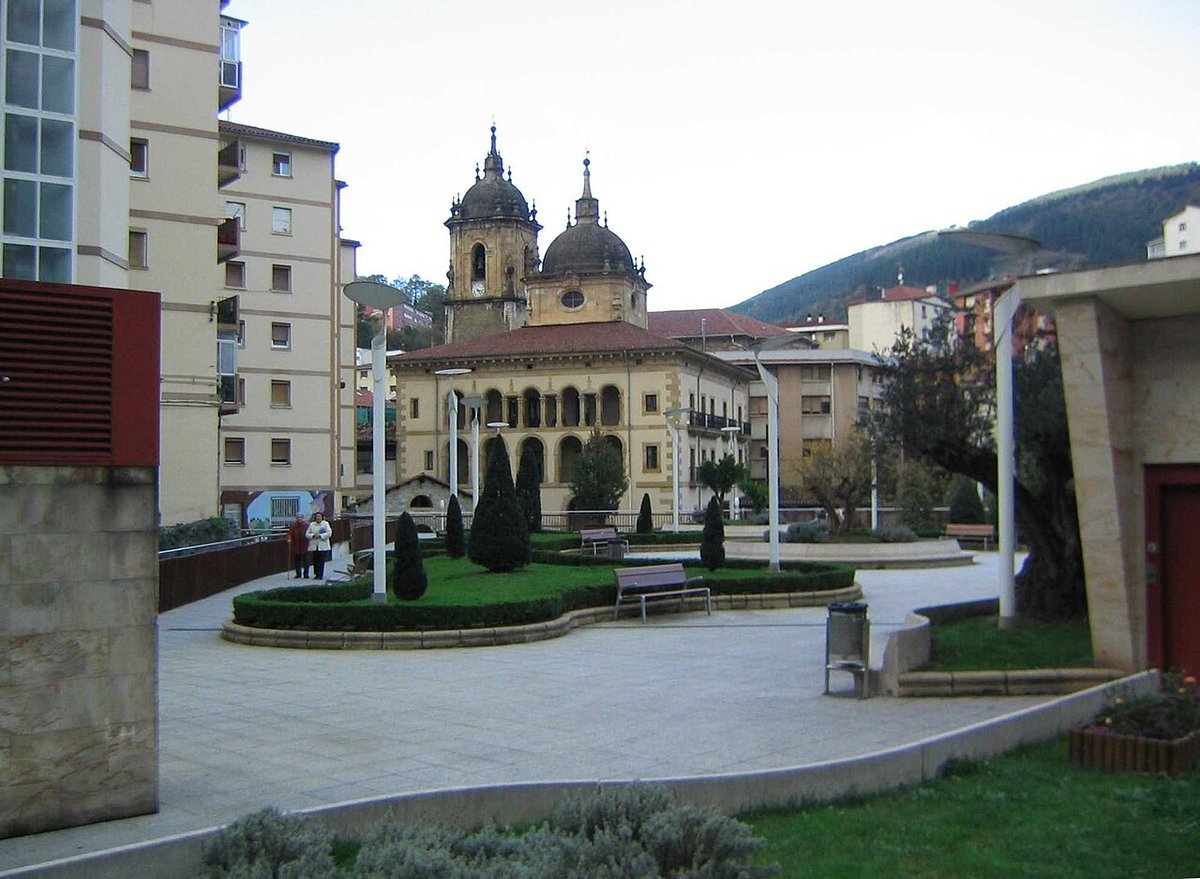
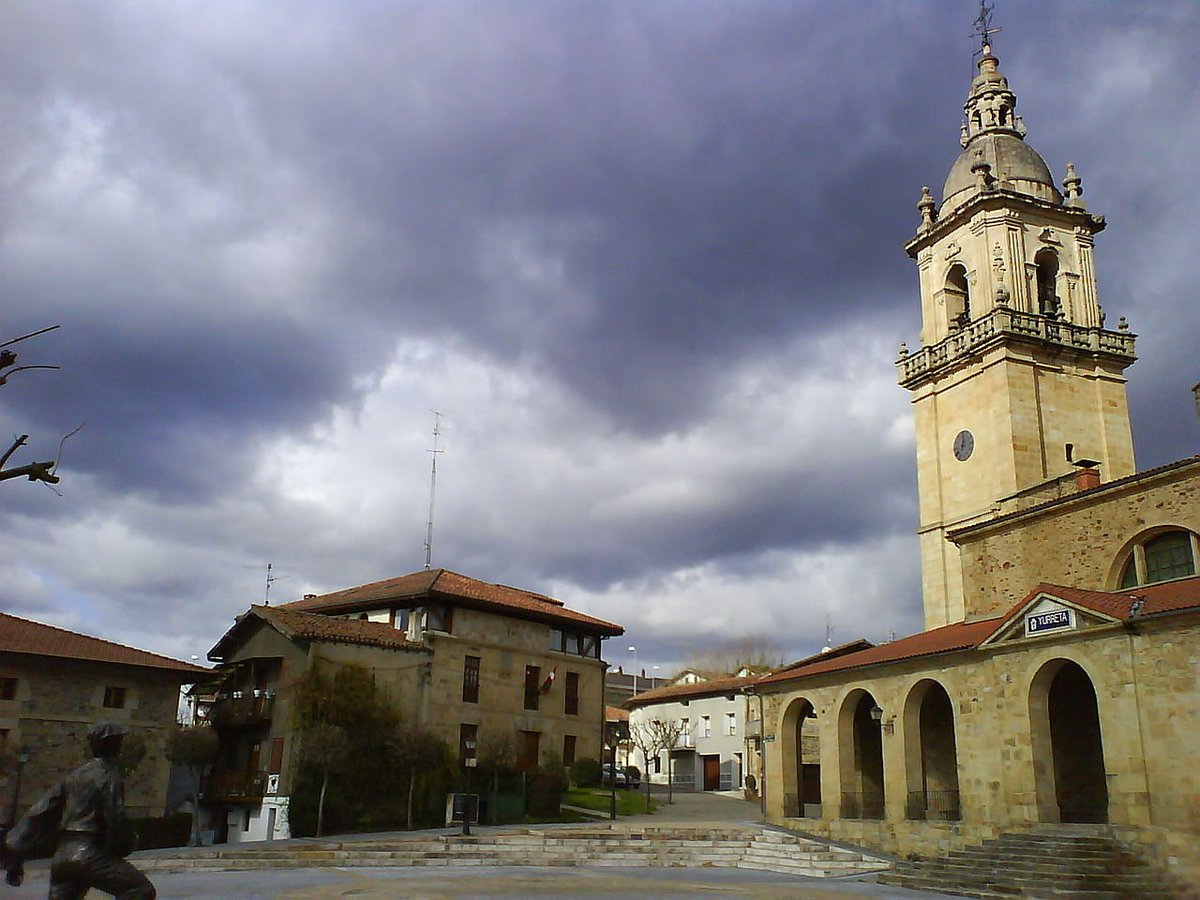
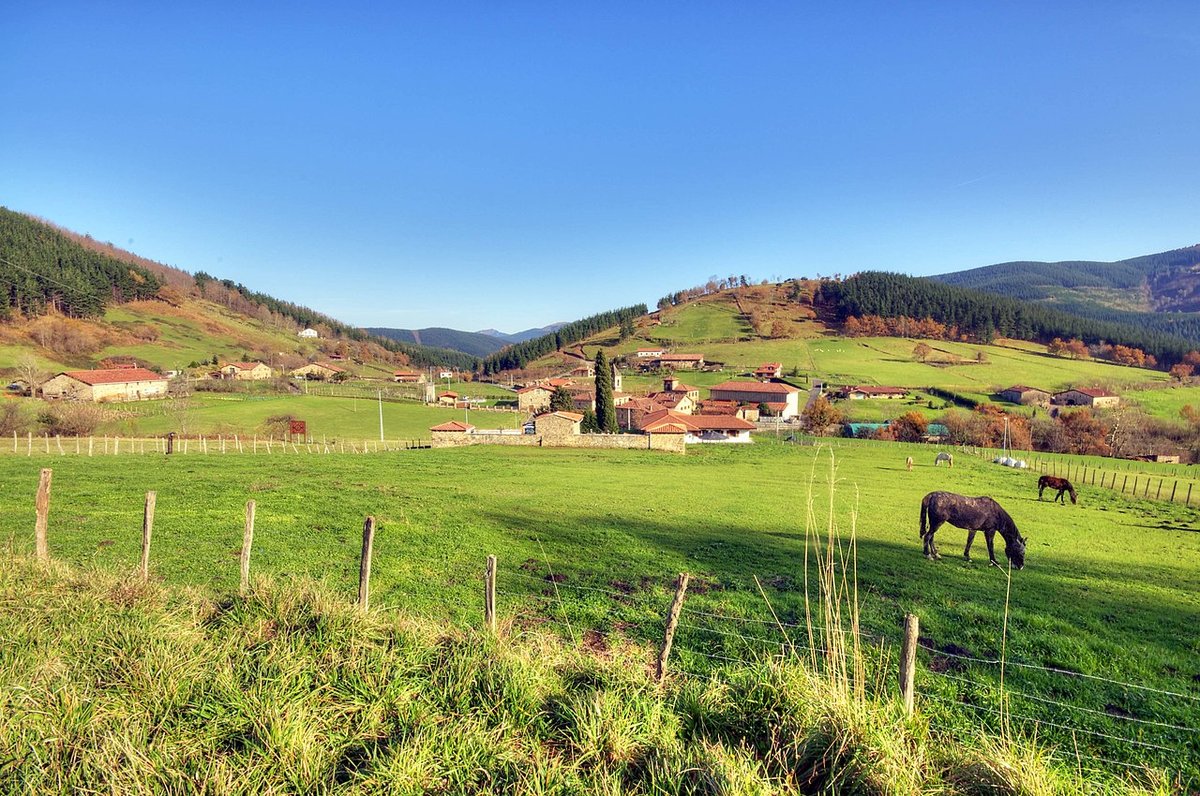
La iglesia de San Miguel Arcángel se levanta en una ligera elevación del terreno, cerca del barrio de Apatamonasterio. Su construcción data principalmente del siglo XVI, con reformas posteriores. No es un edificio de grandes dimensiones ni de ornamentación destacada.
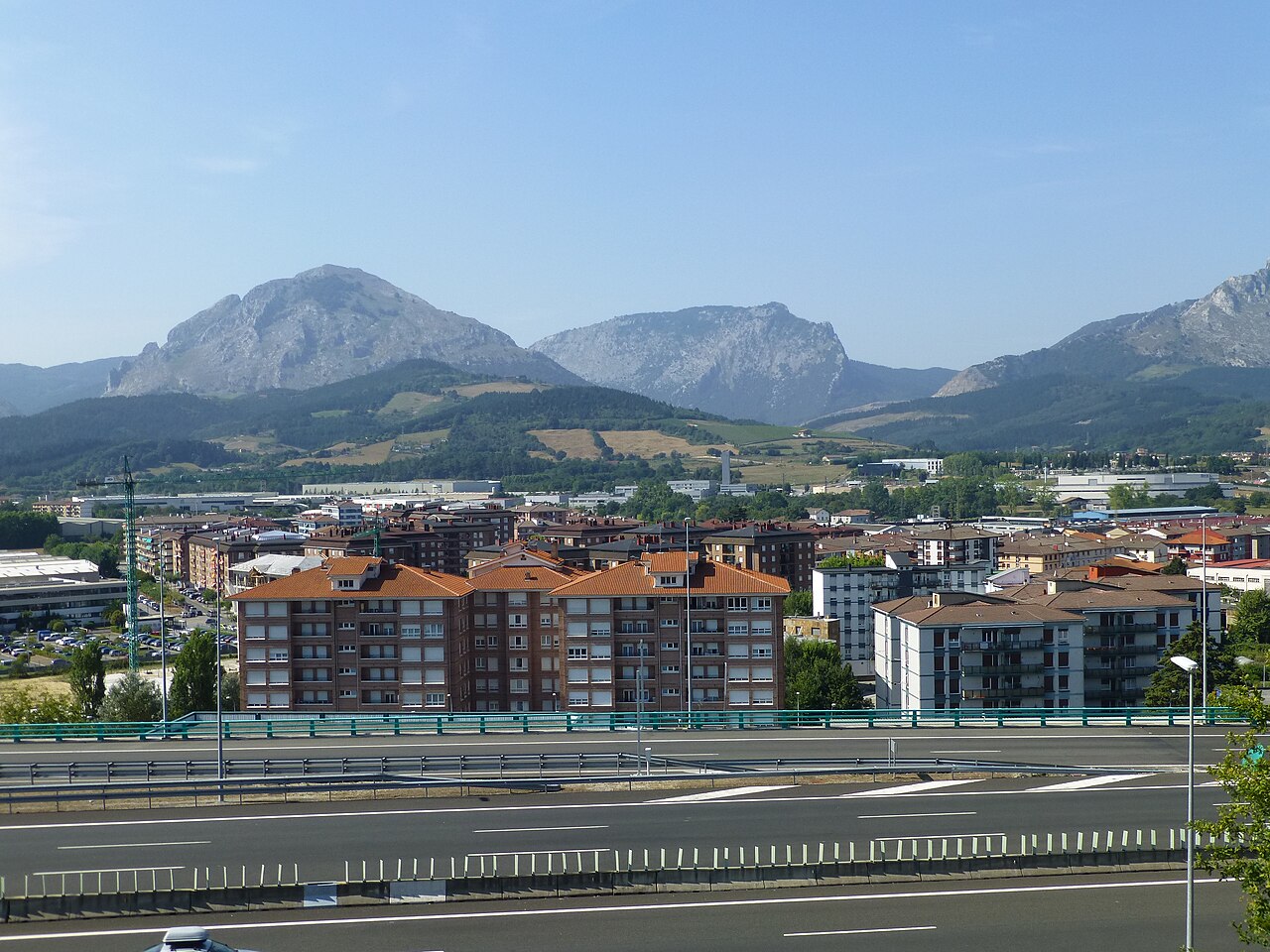
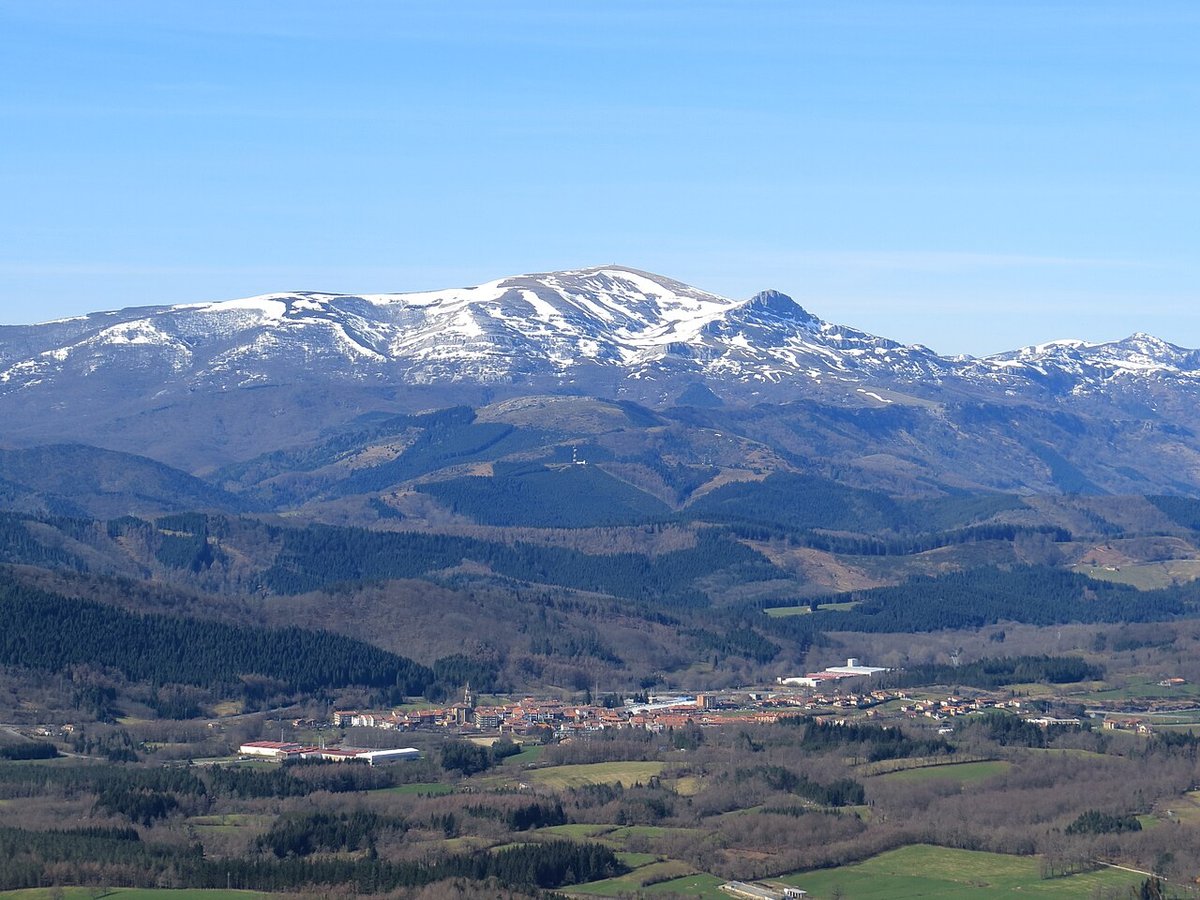
Su valor está en la ubicación. La torre sirve de referencia visual en un paisaje de prados abiertos y caseríos dispersos. Desde sus alrededores se comprende la escala del valle y la presencia constante de las paredes calizas del Anboto y el Udalaitz. La iglesia no domina; se integra. Refleja la relación directa entre lo construido y el medio natural en esta zona.
Los barrios y su estructura
El municipio se organiza en barrios como Apatamonasterio, Axpe, Santiago o Arrazola. Los une la carretera BI-634, que recorre el fondo del valle, y una red de caminos locales más estrechos. No hay un plano urbano; el crecimiento fue orgánico, partiendo de cada caserío.
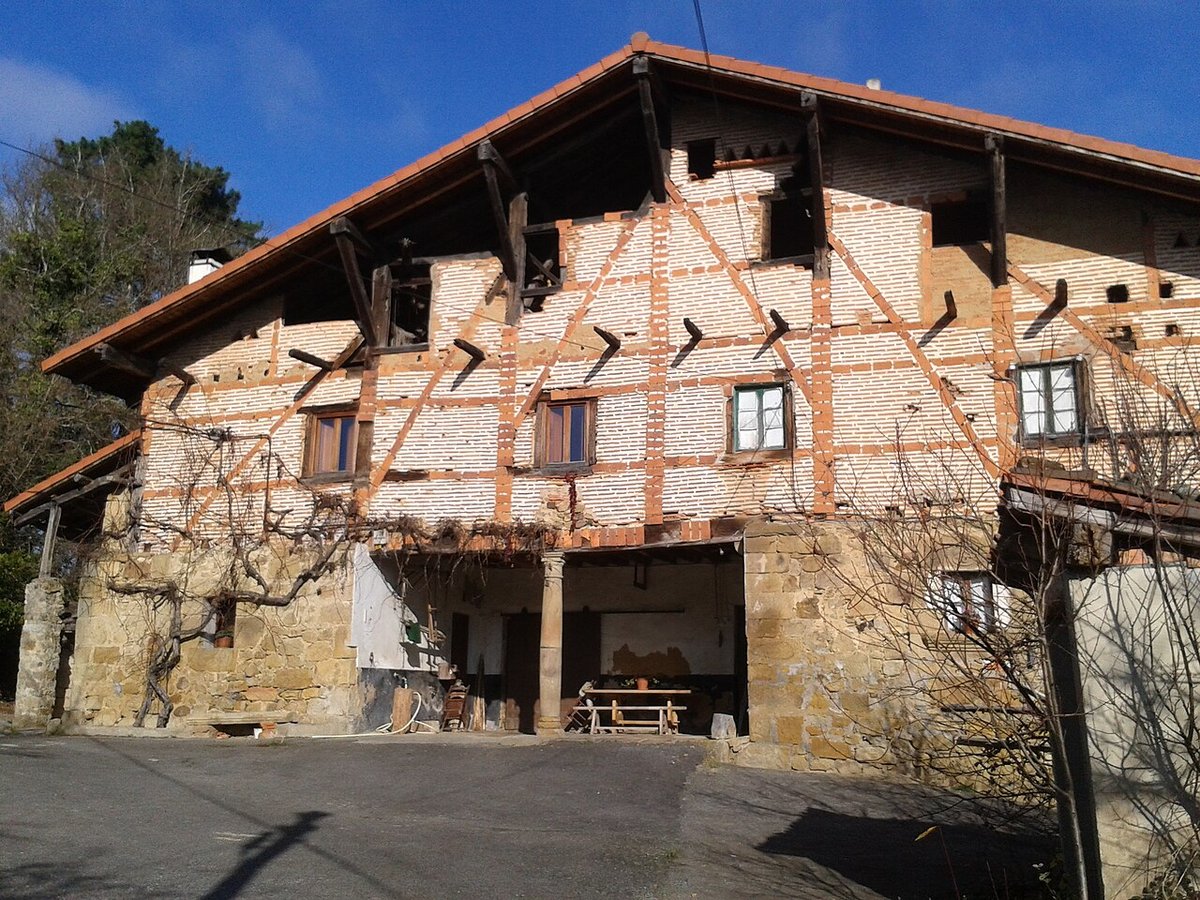
Caminar por esas vías secundarias muestra cómo funciona. Aparecen muros de piedra, pequeñas huertas junto a las viviendas y dependencias agrarias aún en uso. La arquitectura es práctica, pensada para la vida y el trabajo. Muchos caseríos mantienen la orientación y disposición tradicional, buscando el sol y protegiéndose de la humedad.
El río y el tiempo
El río Ibaizabal vertebra el valle. En sus riberas crecen chopos, fresnos y avellanos, que proporcionan sombra en los días templados. El tiempo es un factor a tener en cuenta. Tras lluvias, los caminos cercanos al cauce suelen embarrarse, algo frecuente en los valles interiores de Bizkaia.
El suelo calizo y las laderas permiten que el agua circule con rapidez, pero también que ciertos tramos se vuelvan resbaladizos. Esta relación entre agua, roca y terreno condiciona cómo se transita por el valle y la accesibilidad de algunos puntos según la estación.
Senderos hacia las cumbres
Desde varios puntos del valle parten caminos que ascienden a las montañas circundantes. Las cumbres de Mugarra y Untzillaitz son las más reconocibles del Duranguesado. El acceso puede ser exigente en algunos tramos, sobre todo con humedad, ya que la caliza mojada es muy deslizante.
También hay paseos más suaves por el fondo del valle o entre barrios. Permiten observar con detenimiento la disposición de los caseríos, los prados y los bosquetes. Es un ritmo que se ajusta mejor a la naturaleza dispersa del lugar. En la carretera principal es habitual ver ciclistas, que afrontan las rampas cortas pero constantes que conectan con otros valles y puertos.
Una visita práctica
Visitar Atxondo implica moverse entre barrios o hacer alguna parada a lo largo del valle. No es un recorrido monumental, sino geográfico. Para caminar por los senderos o aproximarse a las faldas de las cumbres, conviene llevar calzado adecuado, sobre todo fuera del verano. La humedad y el terreno calizo son factores constantes.
El valle no se muestra de golpe. Se va comprendiendo a través de sus caseríos aislados, sus caminos que cambian con el tiempo y la roca gris que enmarca cada perspectiva.