Full Article
about Berriz
Valleys and hamlets a stone’s throw from Bilbao, buzzing with local life.
Hide article Read full article
A valley shaped from above
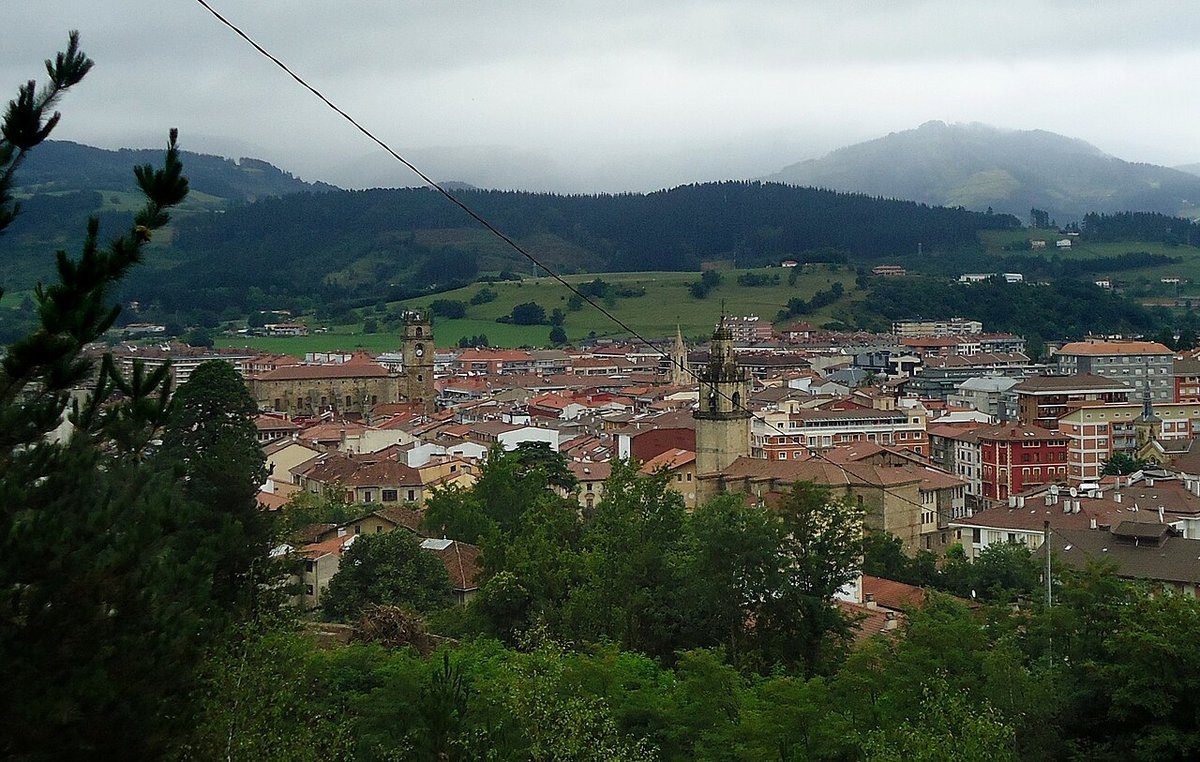
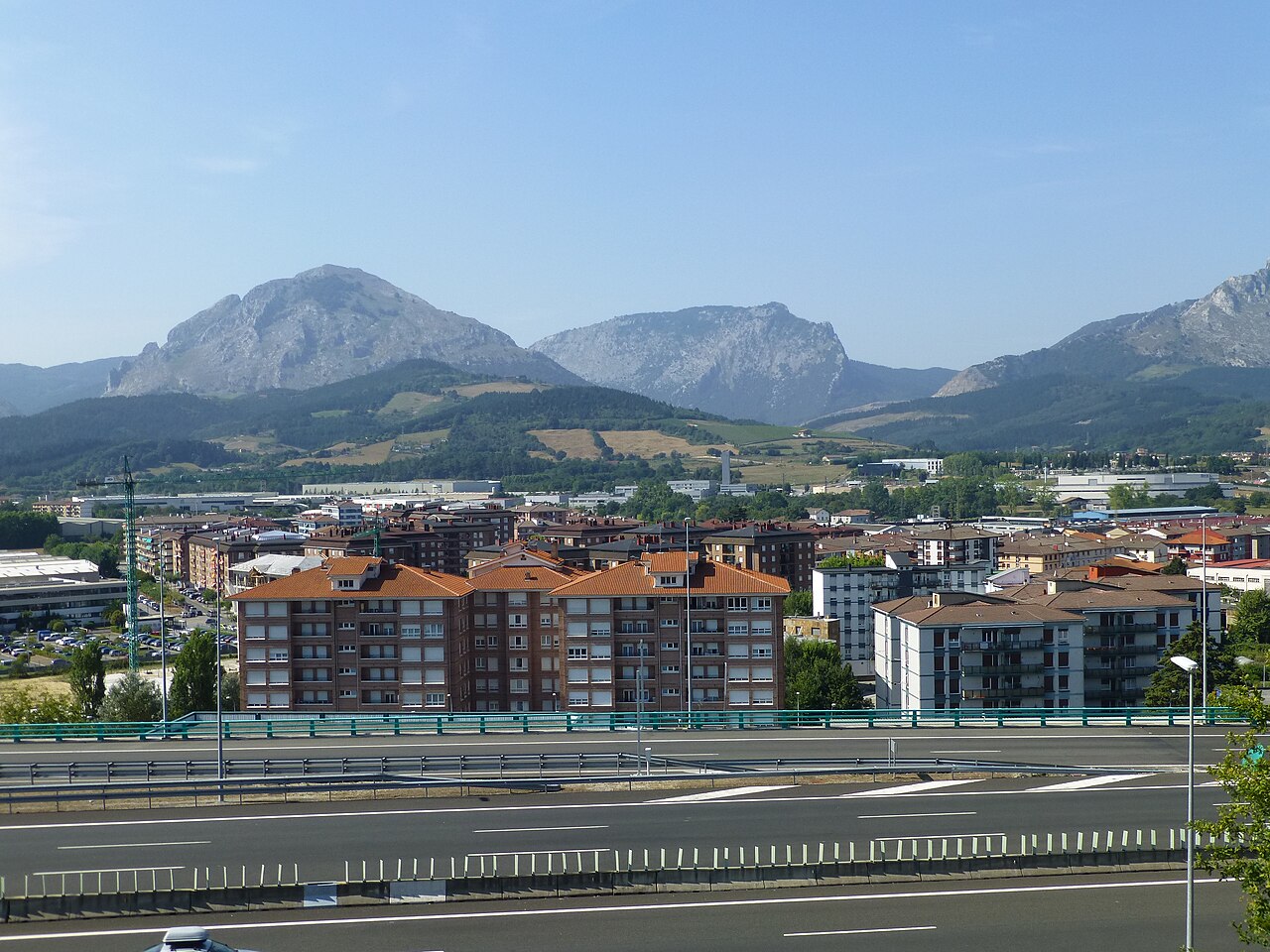
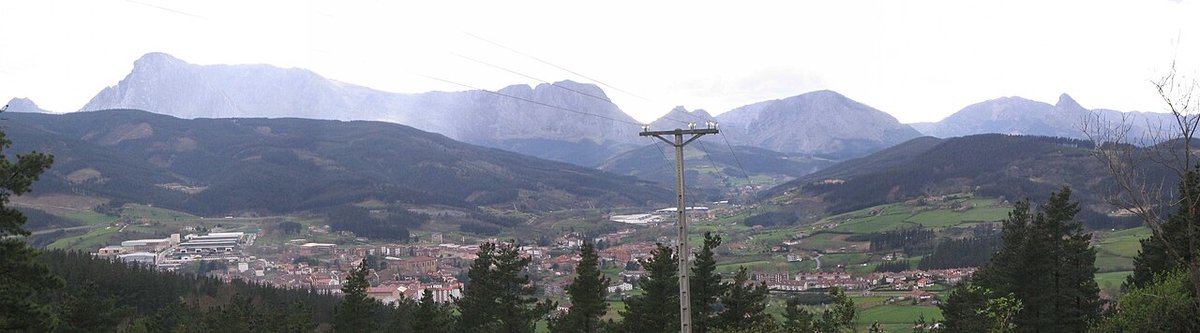
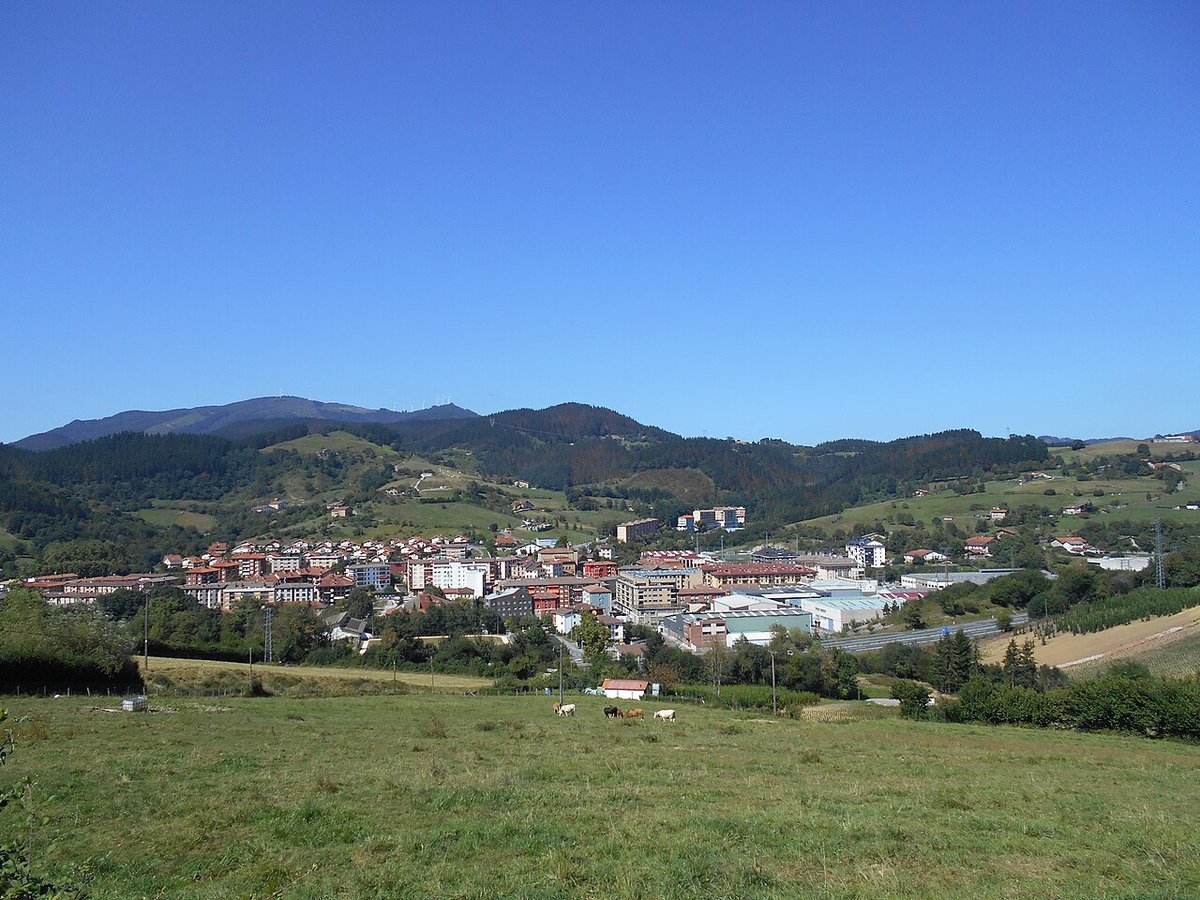
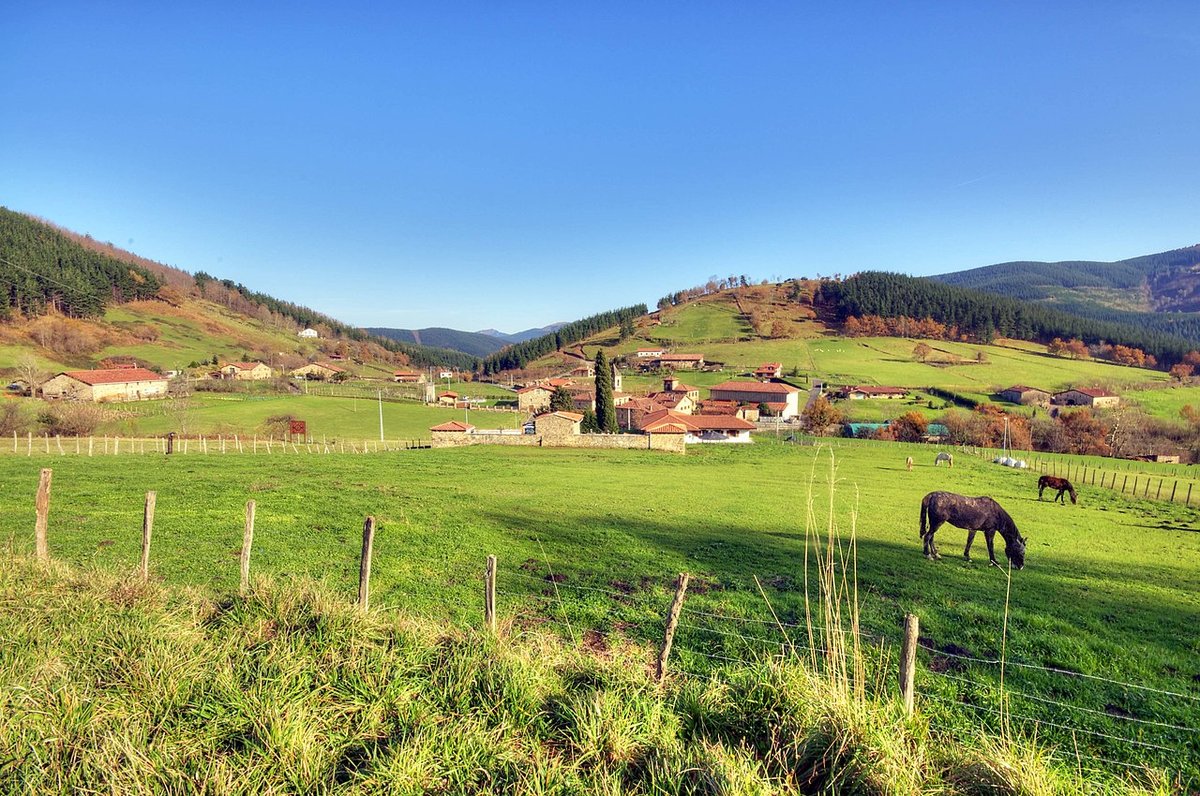
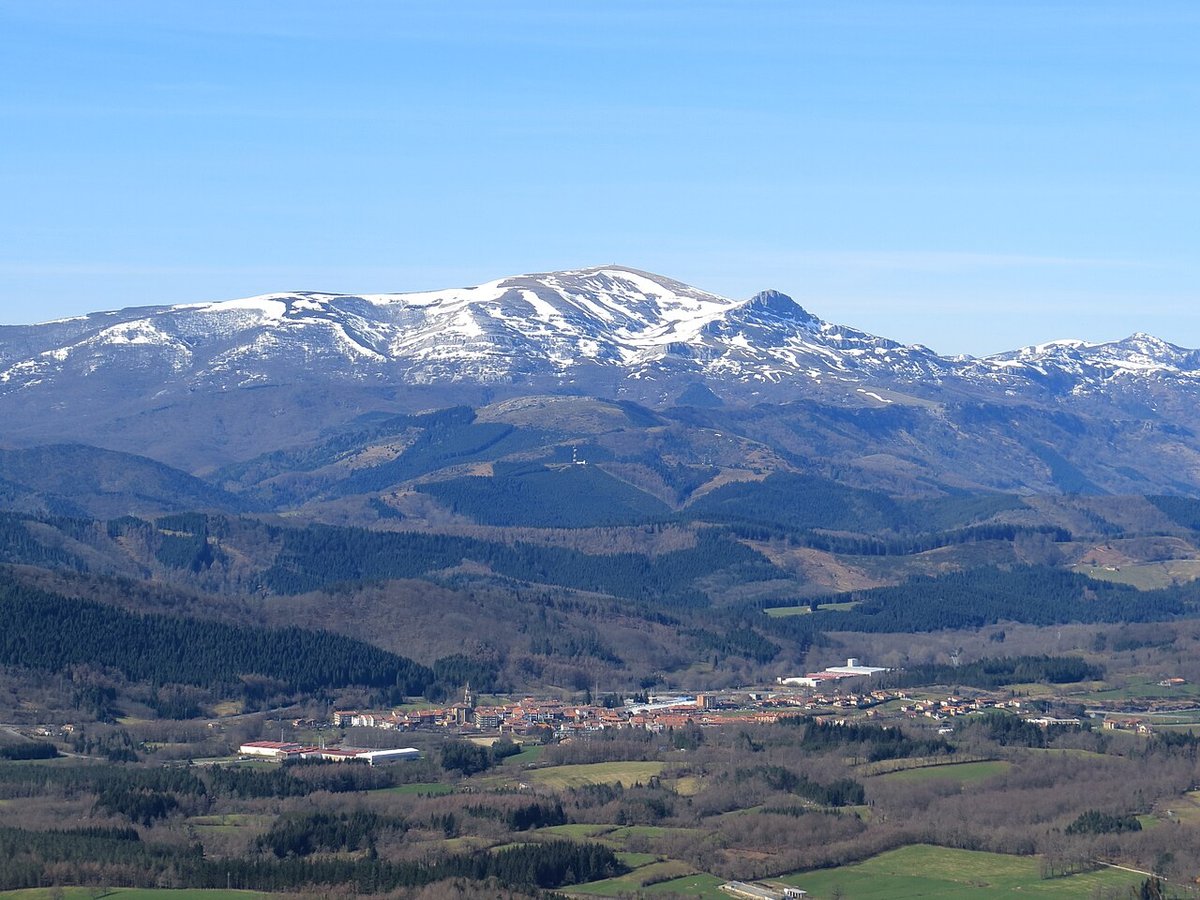
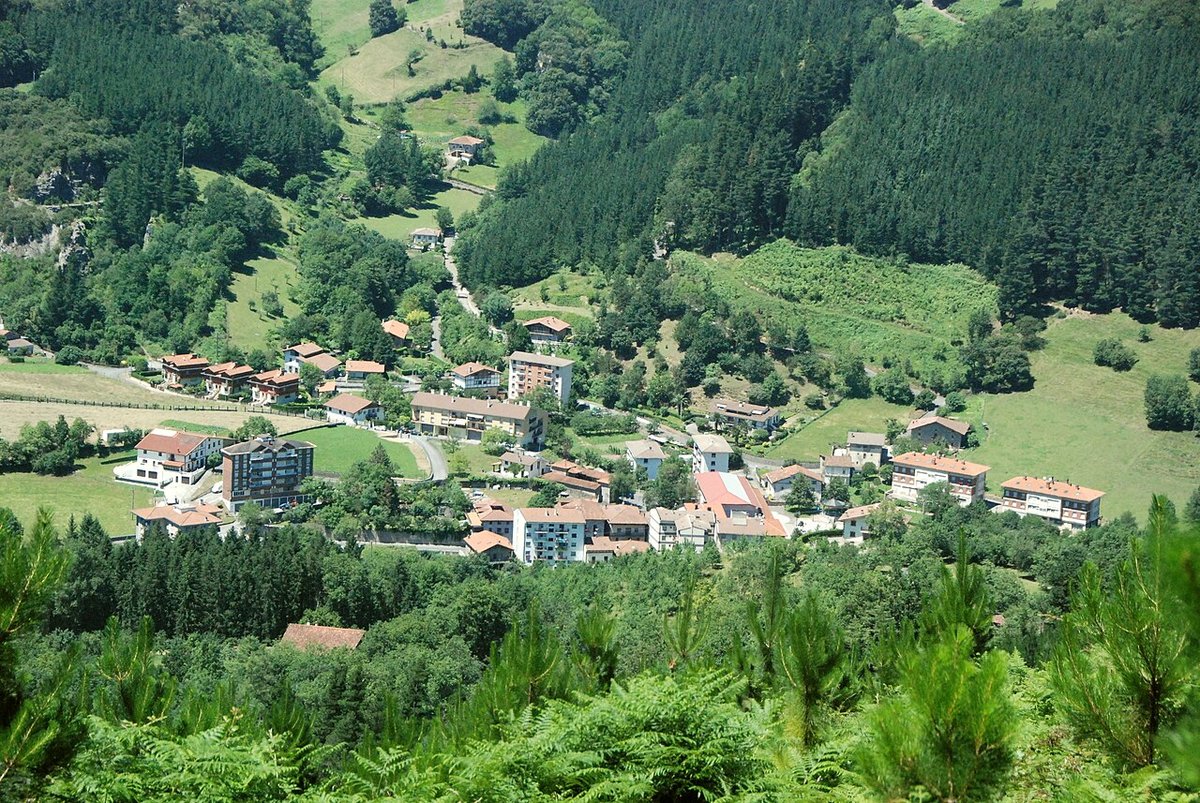
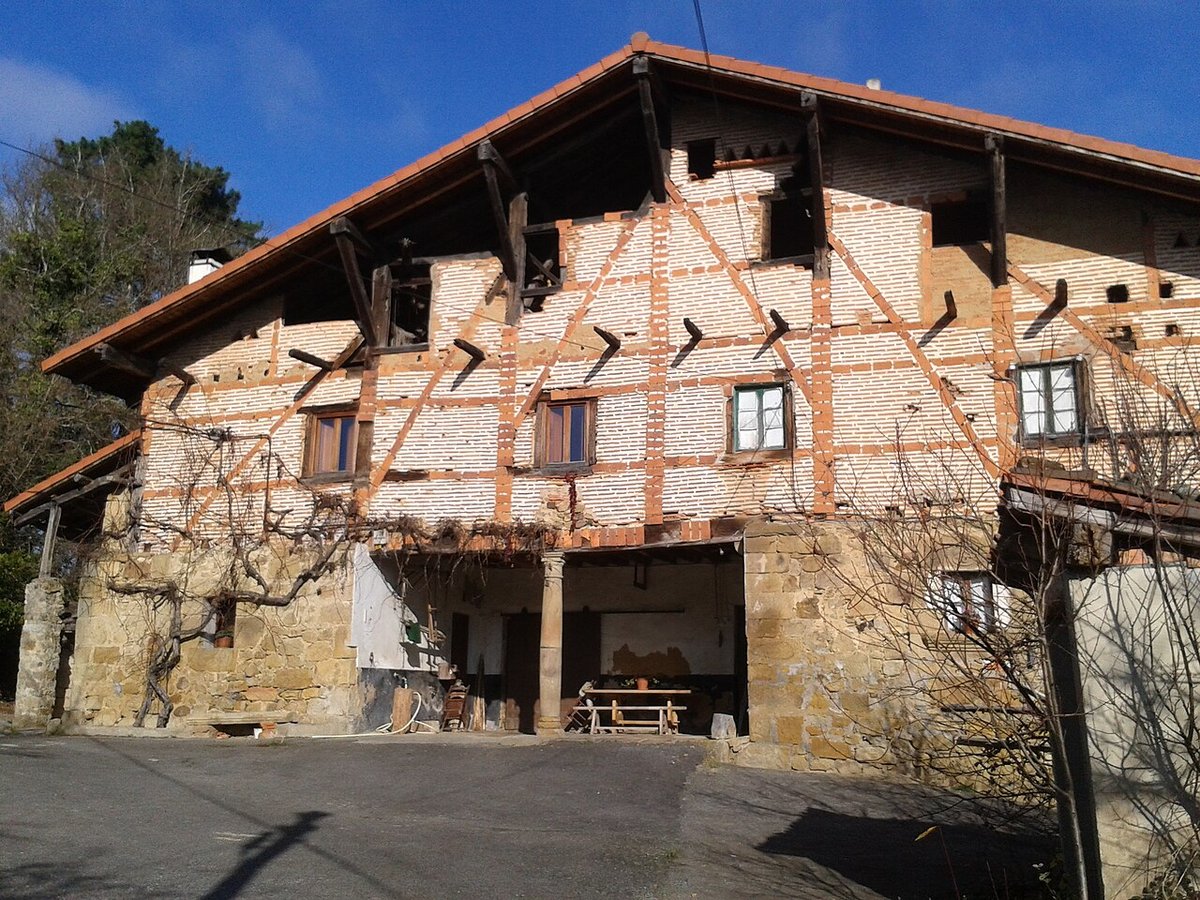
Tourism in Berriz makes more sense when you begin with Monte Oiz. From the north it dominates the entire valley, setting the scale for everything below. At its base, the town spreads out across meadows and scattered caseríos, the traditional Basque farmhouses that define much of rural Bizkaia.
There is no tightly packed historic centre here like in other towns in the Duranguesado area. Instead, Berriz developed in a more dispersed way, organised around strong rural houses, local paths and small clusters of homes. The landscape is not a backdrop but the main structure, and the settlement follows its logic rather than reshaping it.
Within this setting, three tower houses help explain how the area once worked. They are not isolated landmarks. They belong to a wider system that, for centuries, shaped daily life and controlled movement through the valley.
Towers that organised the territory
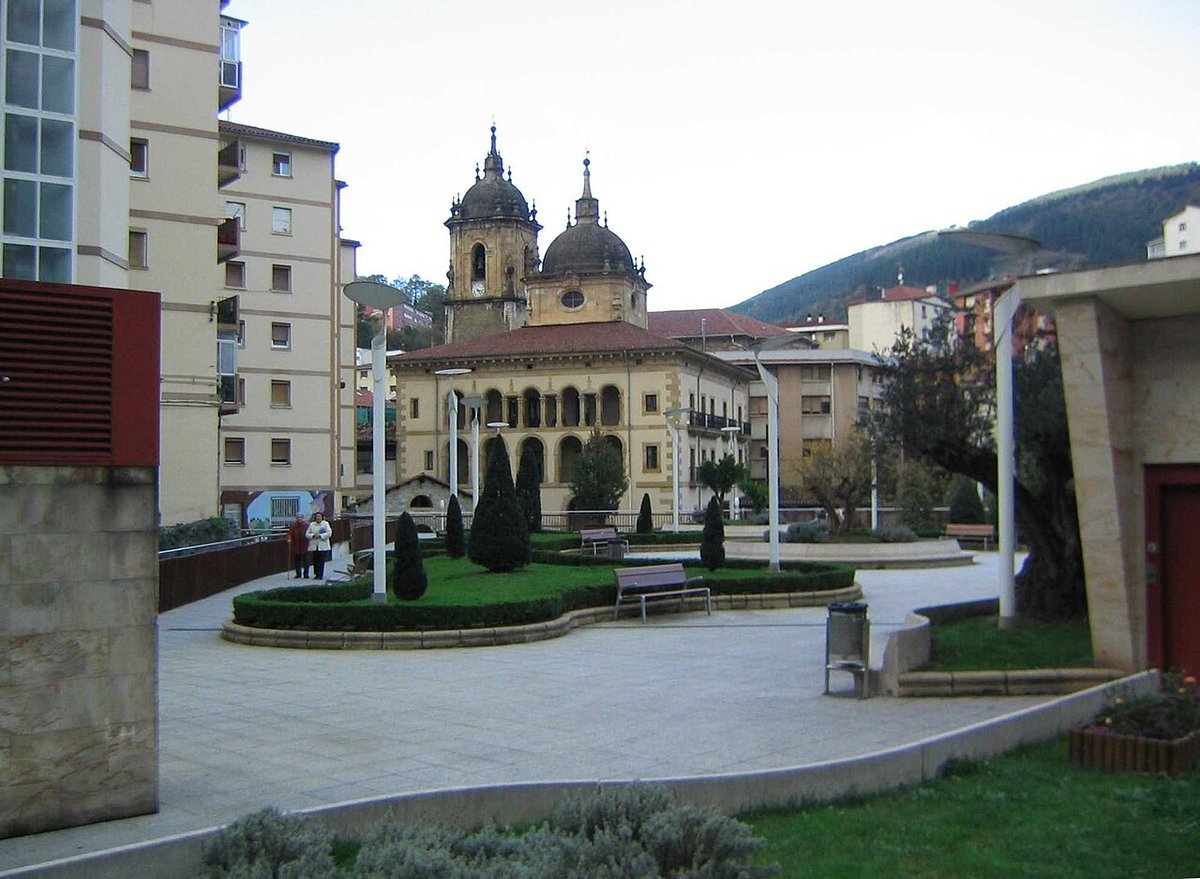
The so‑called tower or palace of Berriz stands as the most visible historic building in the centre. Its origins are usually placed in the medieval period, though what can be seen today reflects later expansions and alterations. Over time it stopped functioning as a noble residence and came to house municipal services. This transition is fairly common in Bizkaia, where many of these defensive buildings lost their original purpose and were adapted for civic use.
Beyond the centre, two more towers appear in key positions: Lariz and Arria, the latter located in the neighbourhood of Sarria. Both retain the restrained appearance typical of Bizkaian towers, built with an emphasis on solidity rather than ornament.
None of these towers can be visited inside, but their placement says a great deal. Each one occupies a point that overlooks a natural access route into the valley. Their role becomes clear simply by observing where they stand: they were part of a network designed to monitor movement and assert control over the surrounding land.
San Juan Evangelista and layers of time
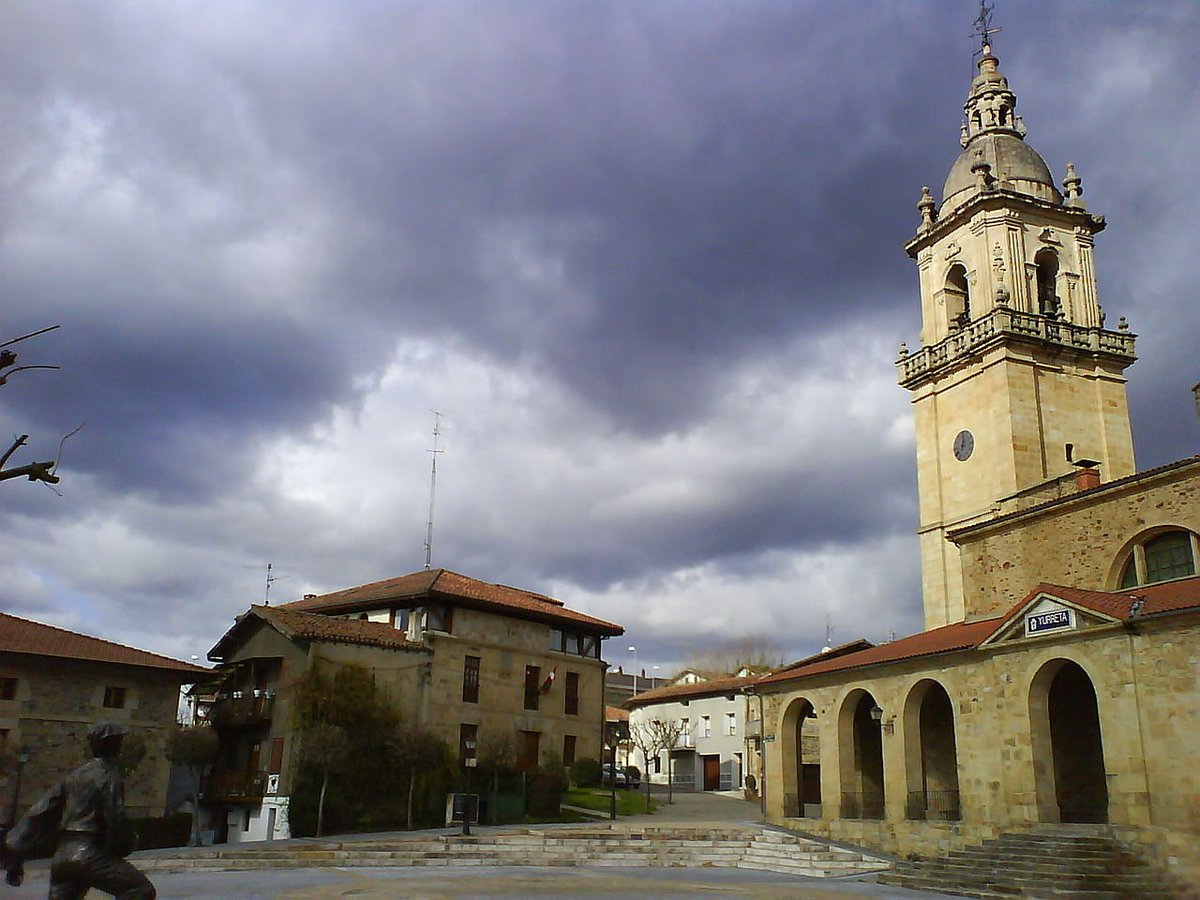
The church of San Juan Evangelista brings together several historical periods in a single structure. The current building dates from the 16th century, constructed on top of an earlier one. Some elements appear to retain features from that older phase, though the church as a whole reflects gradual adaptation rather than a complete rebuild.
This kind of evolution is typical of rural parishes in the Basque Country. Instead of starting from scratch, buildings were modified over time, responding to changing needs while preserving parts of what already existed.
Inside, there is a painting traditionally associated with the circle of Luca Giordano, the Neapolitan painter. It is not considered a central work within his output, and the attribution is not always regarded as certain. Even so, its presence is striking in a parish church of a small town in the Duranguesado.
The church is also linked to the memory of Martina Ibaibarriaga, who was born in Berriz in the late 18th century. Her story is often mentioned in connection with women’s involvement in the Peninsular War, known in Spain as the War of Independence. According to tradition, she enlisted in the Spanish army disguised as a man and fought for years without revealing her identity.
Much older traces in the landscape
Human presence on these slopes long predates the formation of Berriz as a town. In the nearby hills there are prehistoric remains such as the dolmen of Iturzuriaga and the burial mounds of Ipiñarrieta. These are not monumental sites in the conventional sense. At first glance they appear as grassy mounds with a few visible stones.
Even so, they point to the use of these higher areas thousands of years ago. Their simplicity makes them easy to overlook, but they form part of a much longer story embedded in the terrain.
A similar relationship between landscape and meaning can be seen at the sanctuary of Andikoa. It stands on elevated ground some distance from the main settlement. Rural hermitages in Bizkaia were often built in visible locations, serving both religious purposes and as reference points within the territory. They marked space as much as they provided a place of worship.
Walking the dispersed town
Berriz is better understood by walking than by seeking out individual monuments. The different neighbourhoods are spread between fields and small wooded areas, connected by paths that were used for centuries. These routes linked farmhouses, ironworks and grazing land, shaping everyday movement across the valley.
Several paths begin in the town itself and head towards Monte Oiz or into the rural districts of the municipality. Many follow older routes that are still in use today, now shared by walkers and mountain bikes. After periods of rain, some sections can become muddy, which is a common feature in this part of Bizkaia rather than an exception.
This network of paths reinforces the sense that Berriz is not organised around a single focal point. Instead, it unfolds gradually, with each area connected through practical routes shaped by work and geography.
Getting around and local rhythms
The centre of Berriz can be covered easily on foot. Reaching places such as the dolmens or the sanctuary of Andikoa is more practical by car, as they are located in dispersed parts of the municipality.
Durango lies just a short drive away and acts as the main hub for the area. It provides rail connections and bus links to other towns in the Duranguesado as well as to Bilbao, making it the reference point for wider travel.
At the end of June, the festivities of San Juan bring a noticeable change in atmosphere. During these days the town fills with residents and families who return to take part in the celebrations. The rhythm of daily life shifts, and spaces that are usually quiet become more animated.
Berriz is not defined by major landmarks or quick visits. It is more closely tied to the everyday landscape of inland Bizkaia, where farmhouses, open fields, and paths gradually climbing towards Monte Oiz shape the experience. The buildings and routes do not demand attention, but they offer a quiet explanation of how this territory functioned in the past. What matters here tends to lie in context and small details rather than in a single image.