Durangoko elizak
Asier Sarasua Garmendia, Assar · CC BY-SA 3.0
País Vasco · Atlantic Strength

Durango

The Monday market transforms Durango's main square into a different place entirely. By nine o'clock, stallholders have claimed every inch of paveme...

30,192 inhabitants · INE 2025
119m Altitude

Why Visit

Historic quarter Walks

Best Time to Visit

summer

Things to See & Do
in Durango

Heritage

  • Historic quarter
  • parish church
  • main square

Activities

  • Walks
  • Markets
  • Food
  • Short routes

Full Article
about Durango

Valleys and hamlets a stone’s throw from Bilbao, buzzing with local life.

Ocultar artículo Leer artículo completo

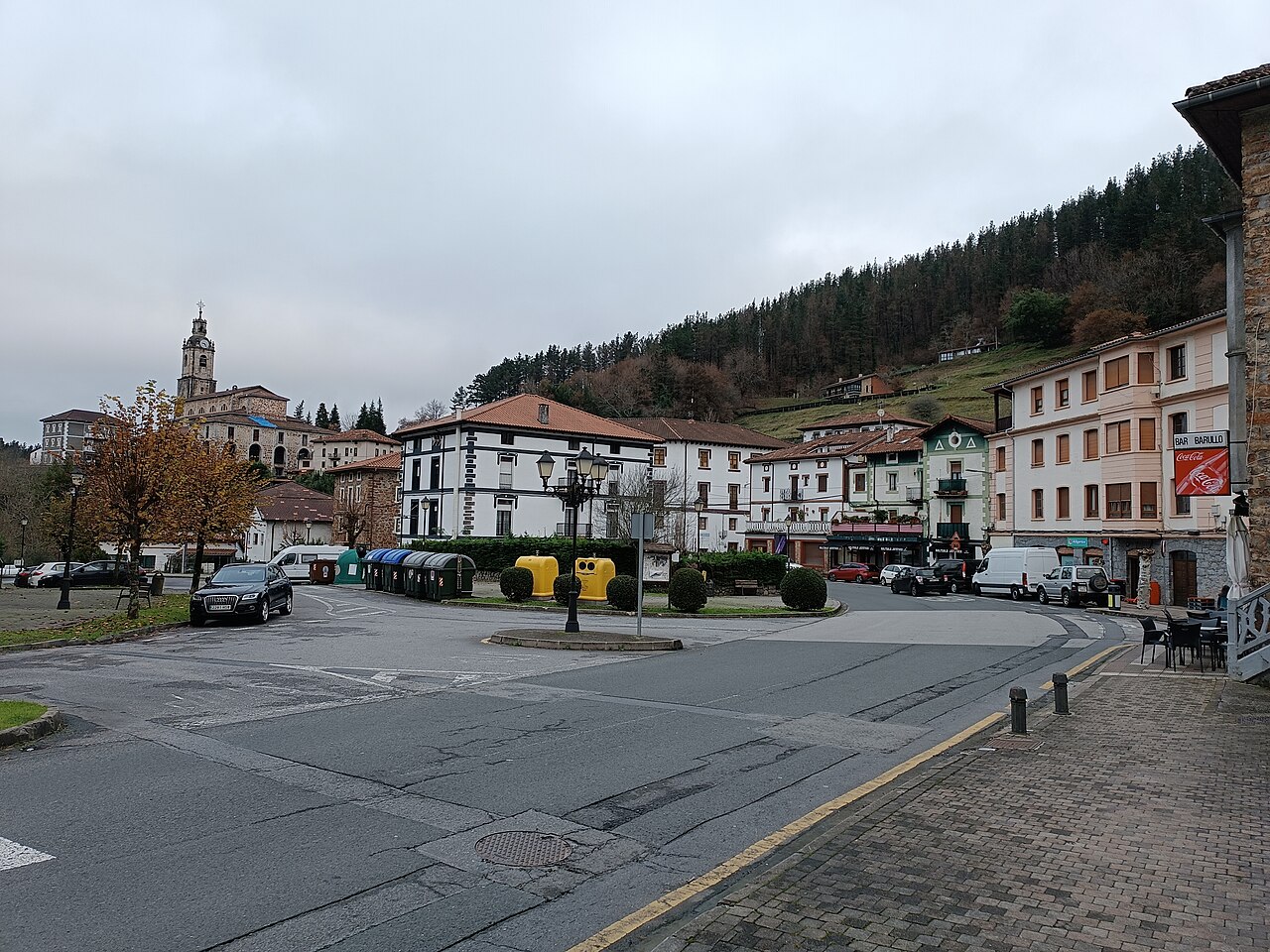
The Monday market transforms Durango's main square into a different place entirely. By nine o'clock, stallholders have claimed every inch of pavement around Plaza Ezkurdi, their calls mixing with Basque, Spanish and the occasional French phrase from day-trippers over from Biarritz. This isn't a performance for tourists – it's simply how Durango works, a market town of 30,000 people where commerce has pulsed through the streets since medieval times.

Stone Walls and Working Streets

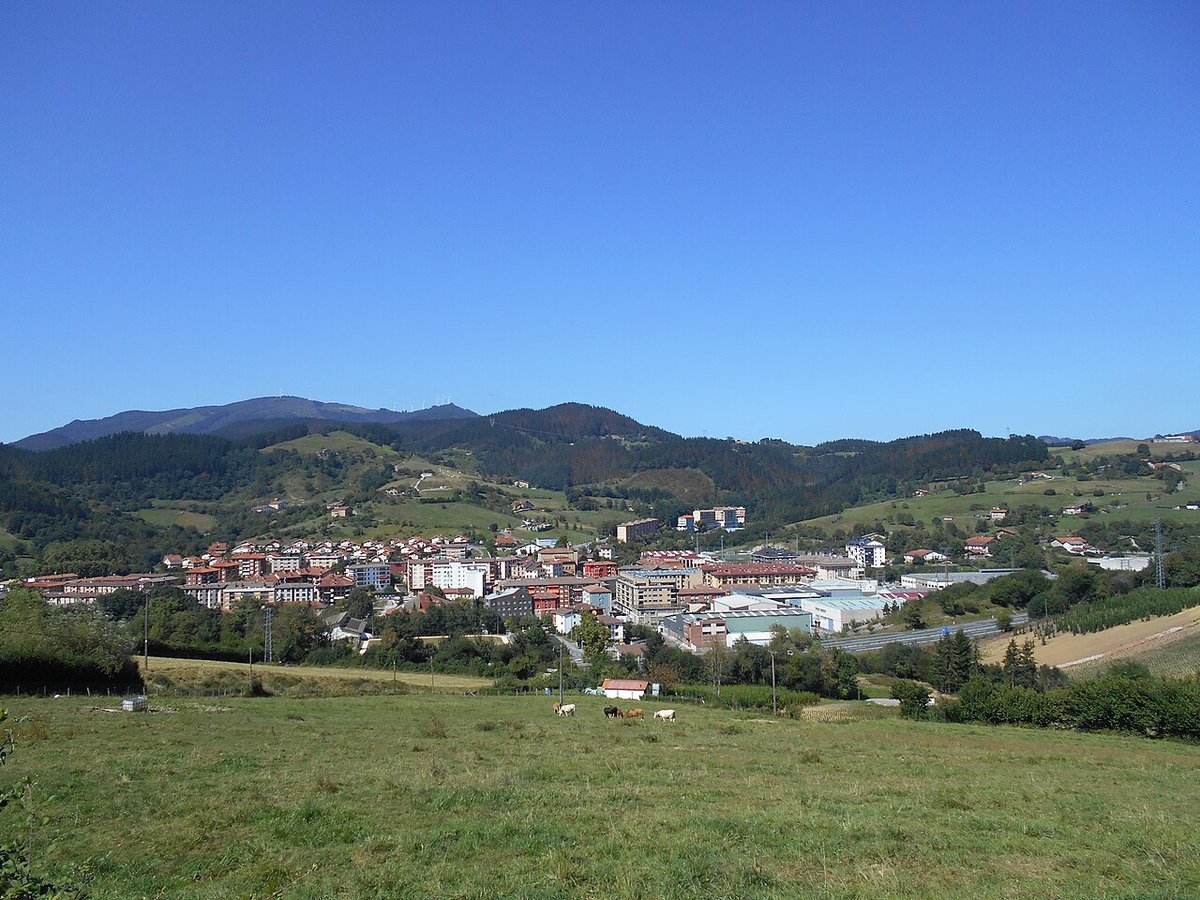
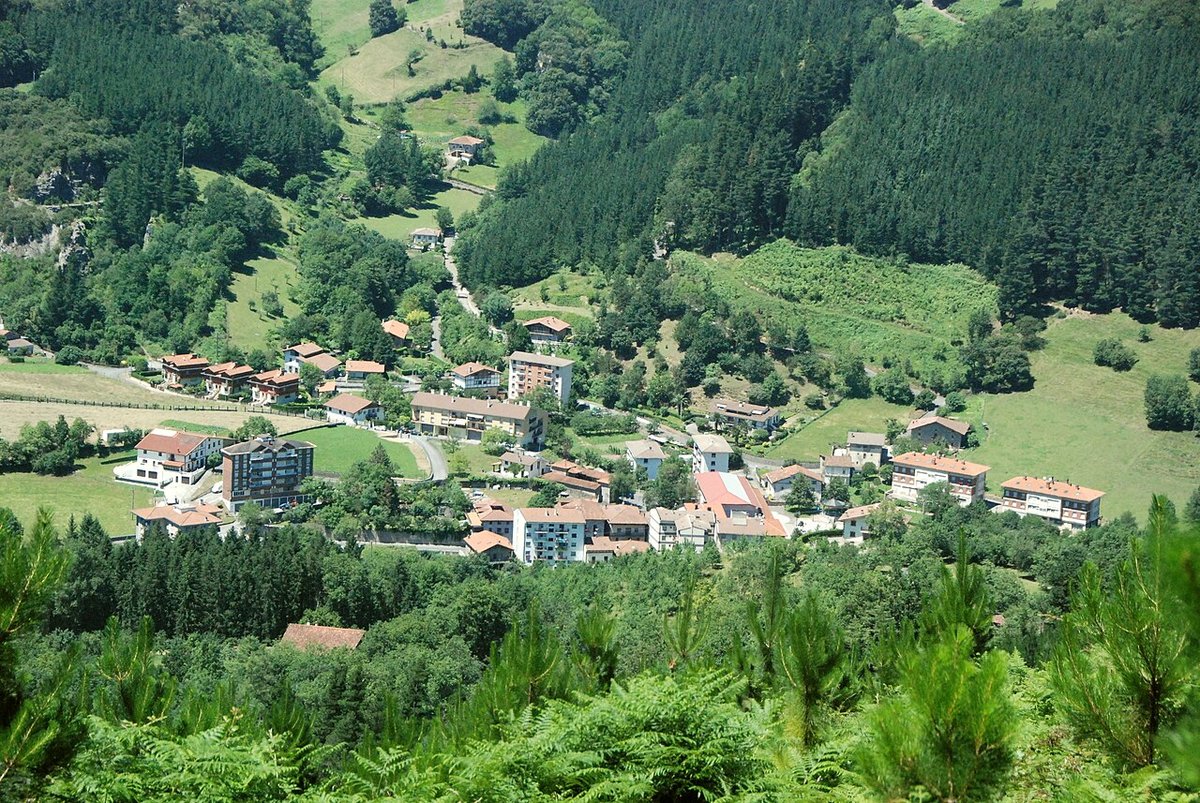
Durango sits in the Duranguesado valley, 35 kilometres southeast of Bilbao along the N-634. The approach reveals its dual nature immediately: modern apartment blocks cluster near the railway station while the old centre huddles under the Santa Ana arch, all that remains of the 14th-century walls. Step through this portal and the traffic noise drops away. Soportales – the characteristic covered walkways – line Barrenkalea, their stone columns scarred by centuries of cart wheels and market trolleys.

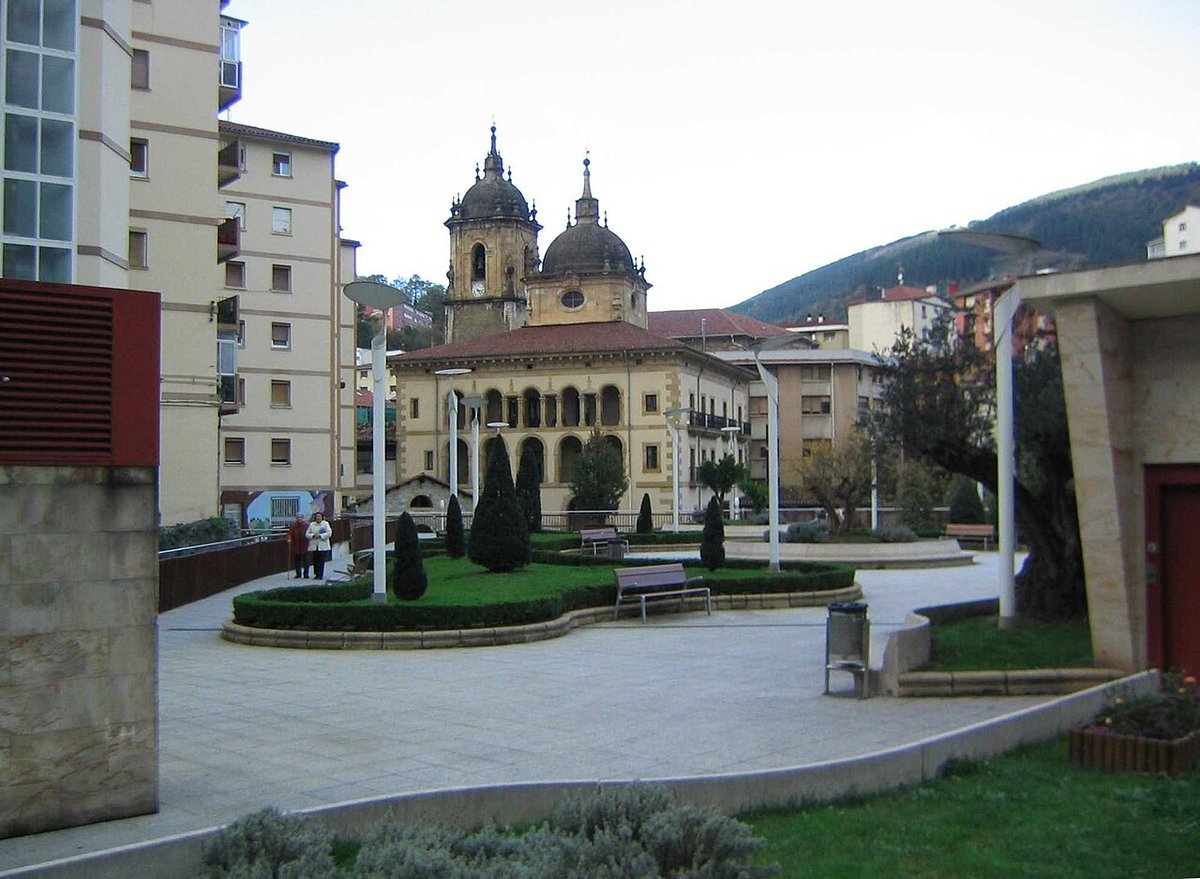
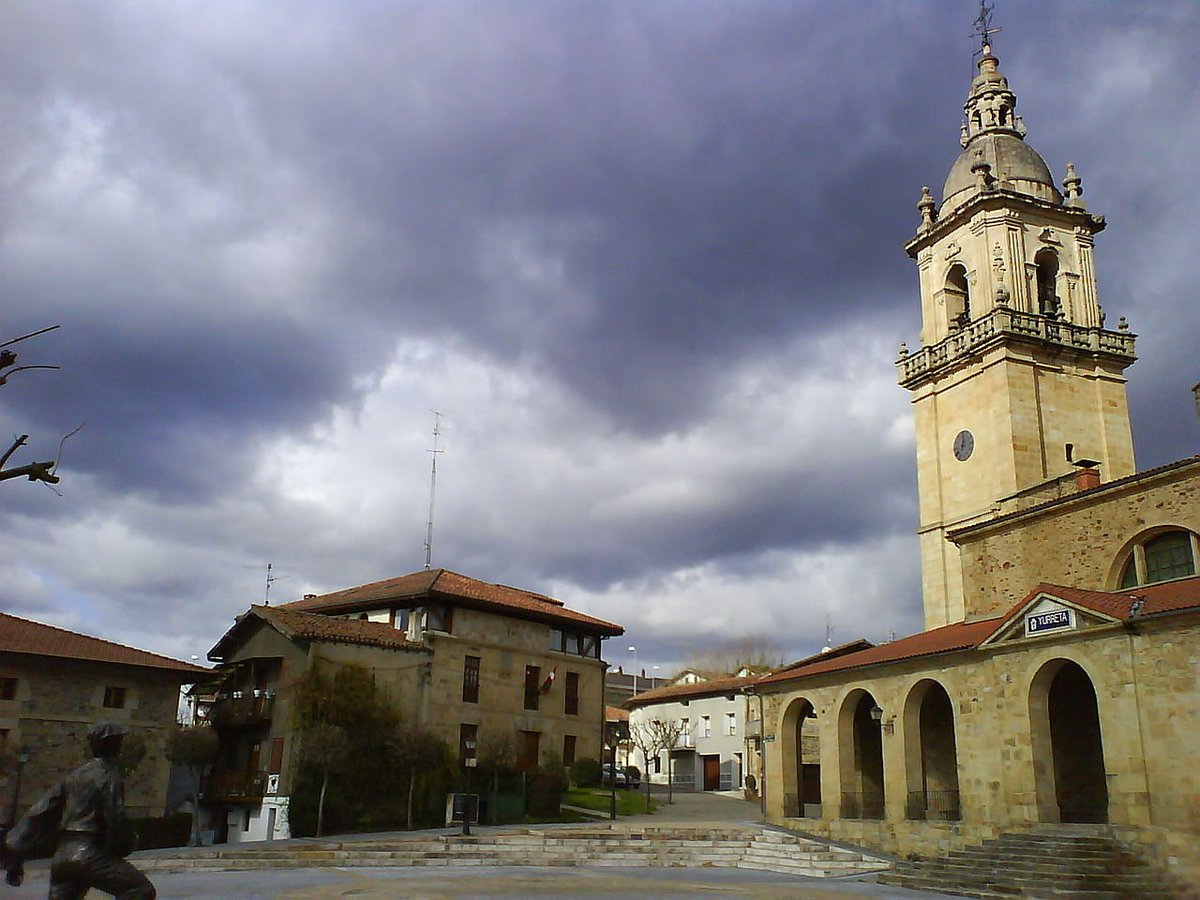
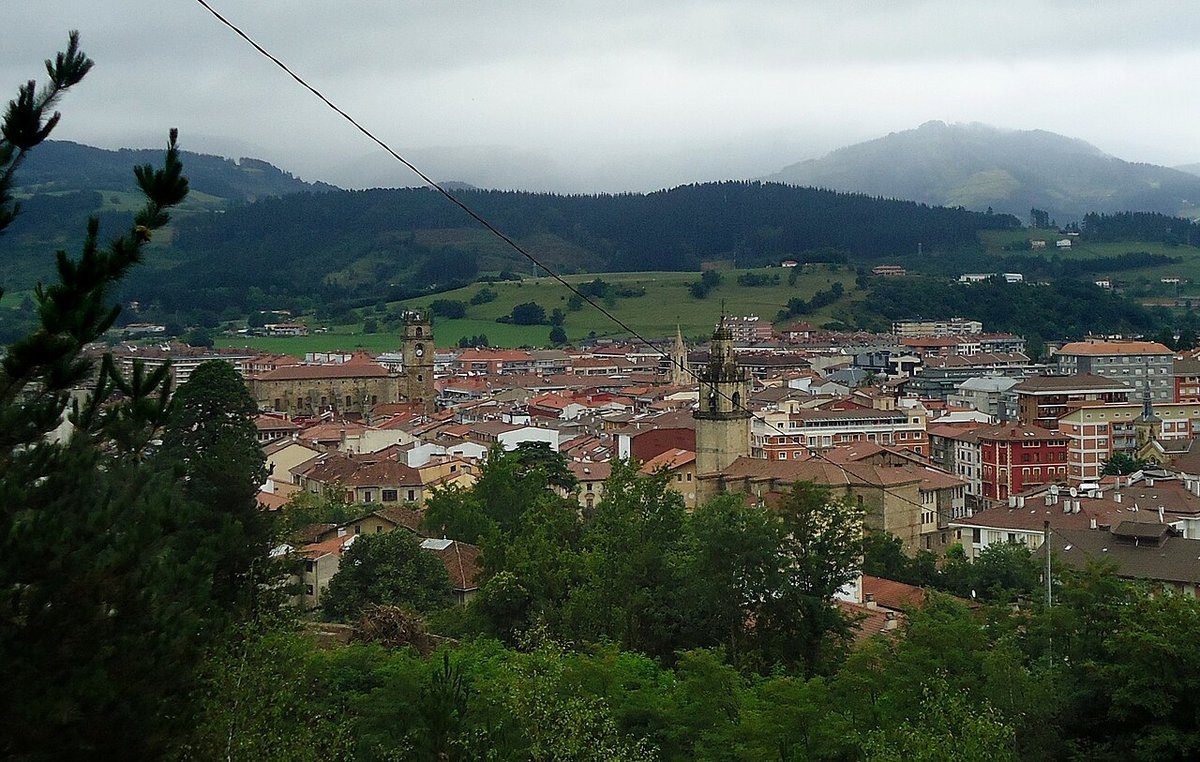
The Gothic church of Santa María de Uribarri dominates the highest point, its sandstone facade glowing amber in late afternoon light. Inside, the single nave stretches 52 metres, large enough to hold the entire medieval population during times of trouble. The bas-relica of Santa Ana stands nearby, its baroque tower visible from almost anywhere in town. Between them, the narrow streets follow no particular pattern, widening unexpectedly into small plazas where locals gather for the morning cortado.

Palacio Etxezarreta rewards those who look up. The 16th-century mansion's carved balconies tell stories of the family's former power – each corbel features different motifs, from grape vines to heraldic beasts. The attached tower house opposite shows earlier defensive architecture, its ground floor windows mere slits designed for archers rather than light. These aren't museum pieces but working buildings: the palace hosts the music school, meaning scales from violin students drift through open windows during afternoon lessons.

Beyond the Centre: Kurutziaga and the Valley

Ten minutes' walk north, past the modern shopping streets, the Crucero de Kurutziaga stands in its own small garden. This 15th-century stone cross depicts the Passion in intricate detail – Roman soldiers with period armour, Christ's face showing unmistakably Basque features. It's easy to miss if you're not looking, tucked between a primary school and a block of flats, which perhaps explains why coach tours bypass it entirely.

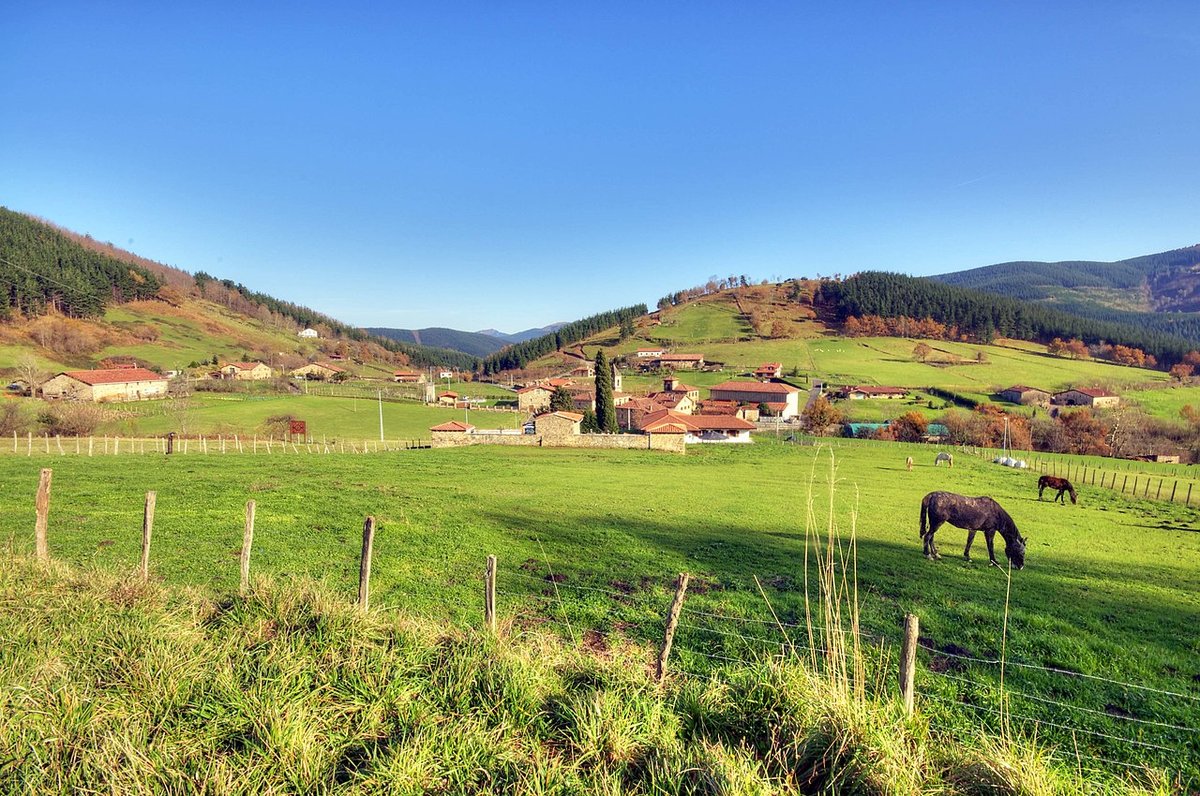
The Ibaizabal river traces a lazy curve through the valley floor. A paved path follows its course for several kilometres, popular with dog walkers and the occasional cyclist. Morning joggers share the route with elderly residents out for the newspaper, creating a gentle rhythm of daily life that visitors can observe but never quite join. The water runs clear enough to spot trout in deeper pools, though local anglers insist the best fishing happens higher upriver.

Mountain Weather and Market Forces

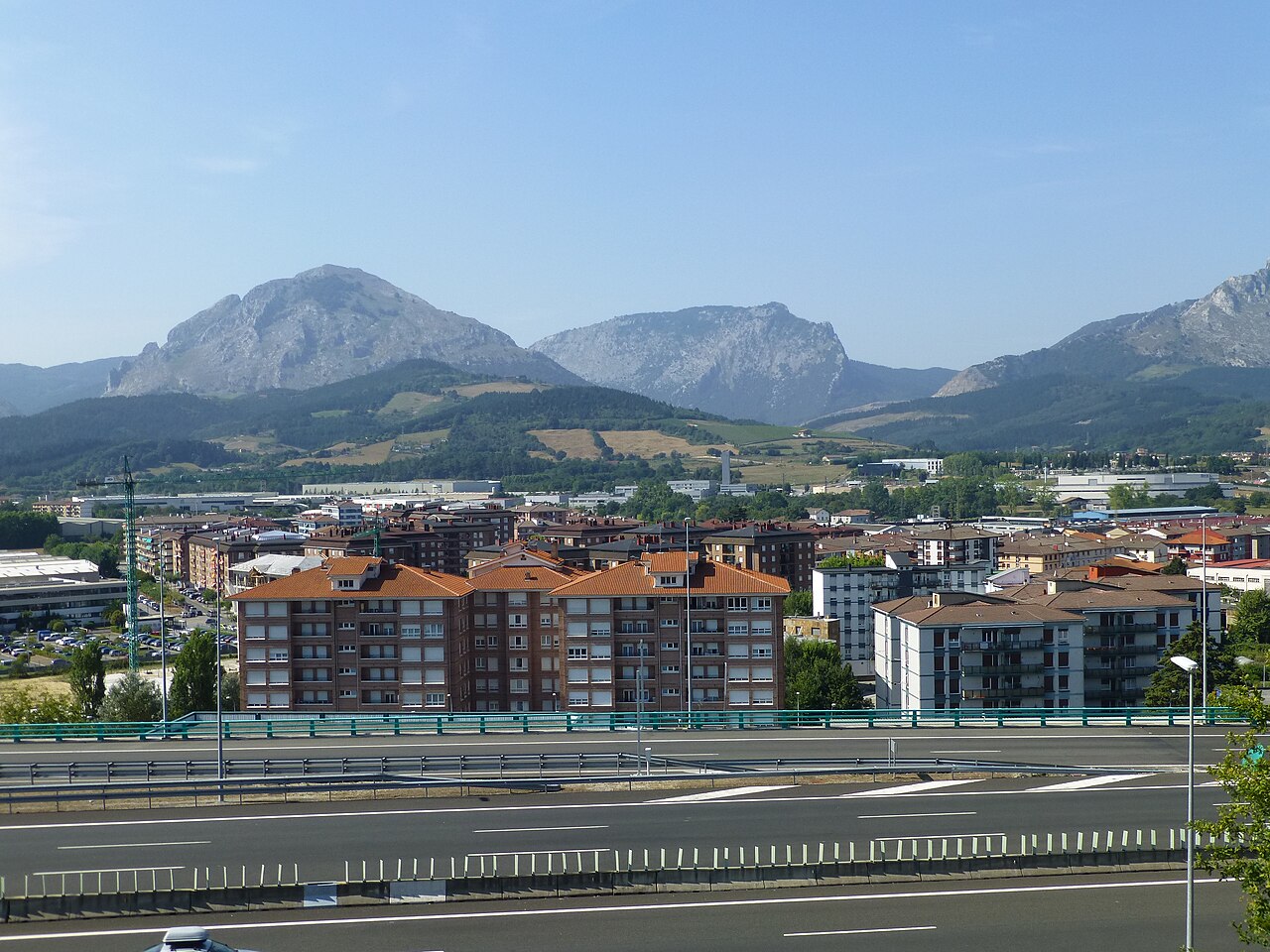
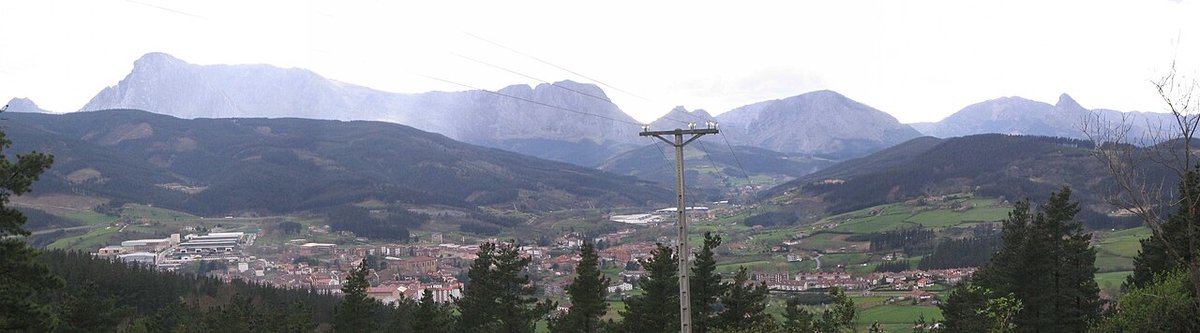
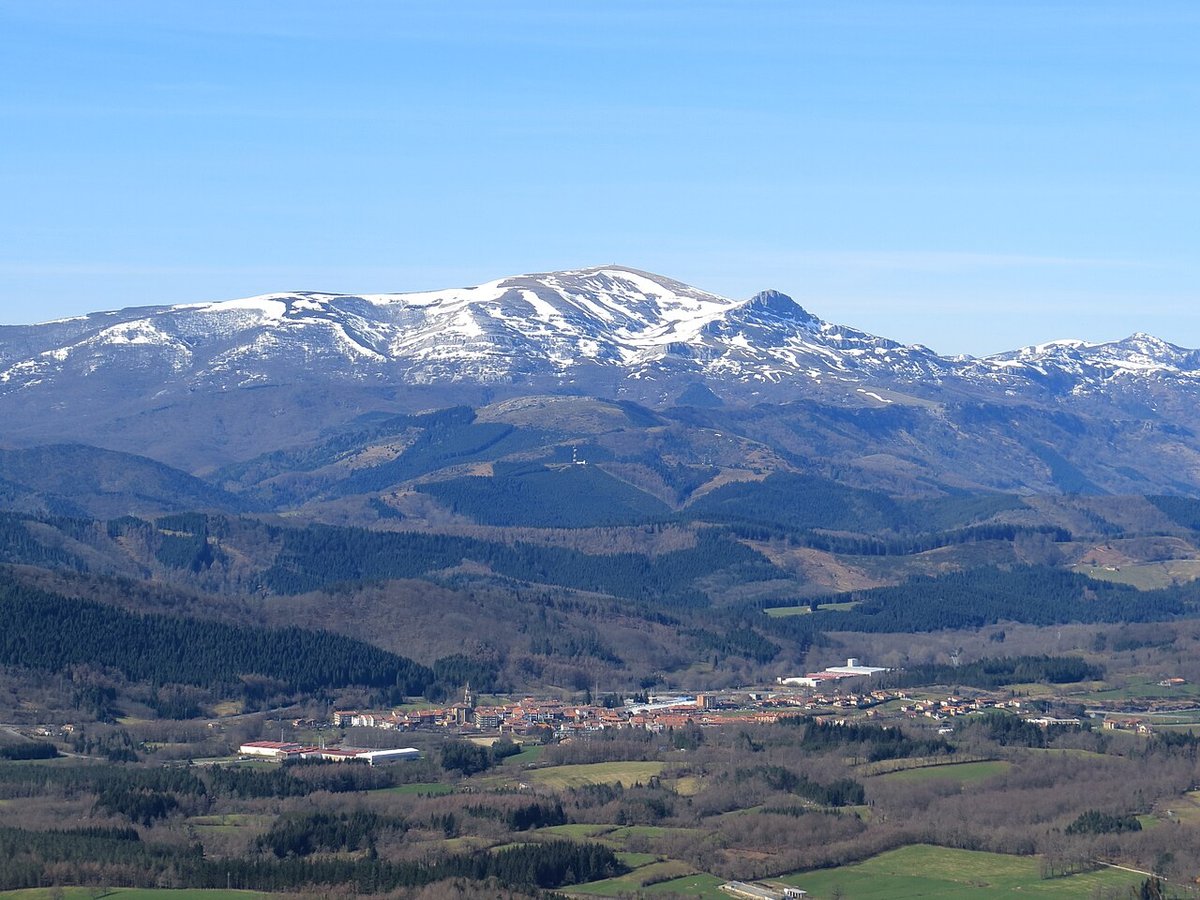
Durango's relationship with the surrounding mountains defines its character. The town sits at 126 metres above sea level, but the Urkiola massif rises to 1,300 metres barely ten kilometres away. This proximity creates weather that changes faster than British rail schedules. A perfectly sunny morning can dissolve into mountain mist by lunchtime, when clouds spill over the peaks and swallow the valley. Locals carry light jackets even in August; visitors in shorts and t-shirts learn quickly that altitude matters more than latitude here.

The Monday market amplifies normal activity by several degrees. Stall space doubles, car parks fill by ten o'clock, and the bars around Plaza Ezkurdi do three times normal trade. This is the day to visit if you want to see Durango being itself rather than preparing for visitors. Farmers from surrounding villages bring produce: talo (corn flatbread) cooked fresh on portable griddles, cheese from flocks that graze above the tree line, mushrooms gathered from secret forest locations that locals guard more carefully than bank details.

Practicalities Without the Patronising

Getting here requires planning. Trains run hourly from Bilbao's Atxuri station, taking 50 minutes through increasingly steep countryside. The fare costs €3.60 each way – buy tickets from machines before boarding as inspectors fine passengers without validation. Driving means navigating the N-634, a road that demands attention rather than speed, particularly the final approach where lorries serving local factories dominate the carriageway.

Parking follows Basque rather than British logic. The underground car park beneath Plaza Ezkurdi charges €1.50 per hour but fills early on market days. Street parking exists but requires patience and acceptance of narrow gaps that would terrify drivers used to supermarket car parks. Many visitors simply leave vehicles at the train station and walk ten minutes into town, a solution that removes stress while adding authenticity.

Accommodation remains limited and functional rather than charming. The Hotel Durango occupies a modern block near the station, its rooms clean and reasonably priced at €65-80 nightly depending on season. Several pensiones scatter through the old town, offering basic doubles for €40-50 but without the soundproofing that light sleepers might prefer. Weekends book up during festival periods, particularly the Durangoko Azoka cultural fair each December when Basque publishers descend for the year's most important book market.

Eating and Drinking: The Real Thing

Food follows market rhythms. Barrenkalea's bars fill from 11:30 for pintxos, the Basque version of tapas that bears little resemblance to Spanish offerings elsewhere. Try the gilda – anchovy, olive and pickled pepper skewered together – or talo with txistorra, a thin sausage that locals insist tastes better when bought from market stalls and eaten standing up. Prices hover around €2-3 per pintxo, meaning lunch costs less than a London sandwich.

The afternoon menu del dia offers better value than evening dining. Most restaurants serve three courses with wine for €12-15 between 1:30 and 3:30, after which kitchens close until evening. This isn't tourist accommodation but Spanish working patterns: chefs, waiters and customers all expect the siesta break that British visitors find inconvenient until they adapt.

The Mountain Question

Urkiola Natural Park tempts from every viewpoint, its limestone peaks dominating the southern horizon. But accessing serious walking requires transport and time. The Anboto peak reaches 1,331 metres via a path that starts 20 minutes' drive from town, or an infrequent bus service that runs twice daily in summer, once in winter. Weather changes rapidly above 800 metres: what appears a gentle stroll from the valley becomes a serious mountain walk with exposure and navigation challenges.

Local advice proves invaluable. The tourist office beside Santa Ana church stocks current trail maps and can confirm whether recent storms have washed out paths. They'll also explain that the park's famous vultures are best viewed from the pass road rather than the peaks themselves – information that saves hours of unnecessary climbing. Mountain rescue remains voluntary rather than professional; mobile coverage disappears in many valleys, meaning self-sufficiency matters more than in British national parks.

Leaving Without the Guilt Trip

Durango rewards visitors who arrive without rigid expectations. It functions perfectly well without tourism, meaning experiences feel earned rather than purchased. The historic centre takes perhaps two hours to explore thoroughly, but understanding the place requires observing its rhythms: the morning market surge, the afternoon lull, evening pintxo crawls that spill onto warm pavements.

This isn't a destination for ticking boxes or capturing perfect Instagram moments. It's a working Basque town that happens to contain significant history, surrounded by mountains that demand respect rather than conquest. Visit on a Monday, stay for lunch, walk the river path if weather allows. Then decide whether to tackle Urkiola or simply catch the train back to Bilbao, having seen a piece of Basque Country that guidebooks rarely mention and tourists seldom understand.

Key Facts

Region
País Vasco
District
Duranguesado
INE Code
48027
Coast
No
Mountain
No
Season
summer

Livability & Services

Key data for living or remote work

2024
ConnectivityFiber + 5G
HealthcareHealth center
EducationHigh school & elementary
Housing~5€/m² rent · Affordable
CoastBeach 17 km away
Sources: INE, CNMC, Ministry of Health, AEMET

Official Data

Institutional records and open data (when available).

  • Casco Viejo de Durango
    bic Monumento ~0.1 km
  • Convento de los Agustinos Descalzos (San Agustin Kultur Gunea)
    bic Monumento ~0.1 km
  • Arco de Santa Ana
    bic Monumento ~0.1 km
  • Casa Consistorial de Durango
    bic Monumento ~0 km
  • Cruz de Kurutziaga
    bic Monumento ~0.3 km
  • Iglesia de San Pedro de Tabira
    bic Monumento ~0.7 km
Ver más (3)
  • Basílica de Santa María de Uribarri
    bic Monumento
  • Palacio de Etxezarreta
    bic Monumento
  • Iglesia de Santa Ana
    bic Monumento

Planning Your Visit?

Discover more villages in the Duranguesado.

View full region →

More villages in Duranguesado

Traveler Reviews