Full Article
about Elorrio
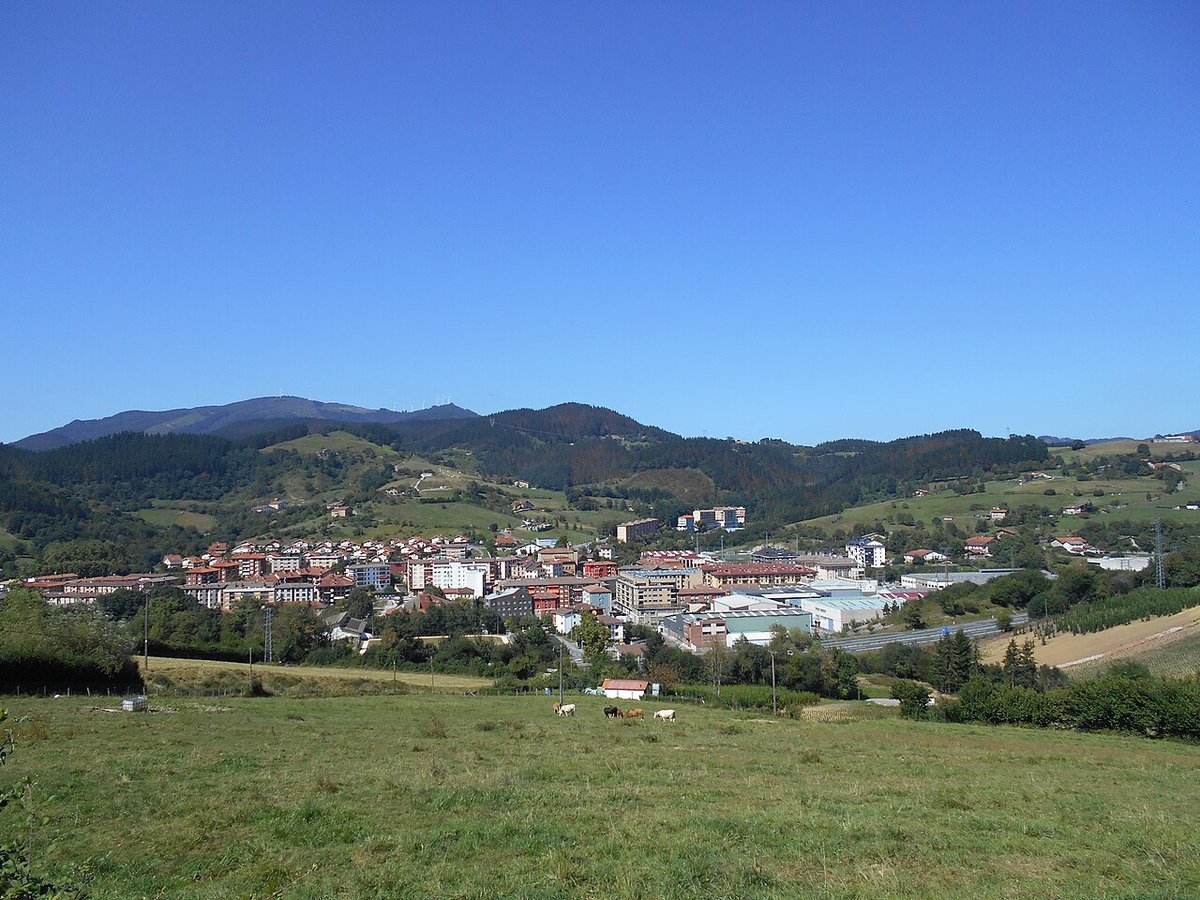
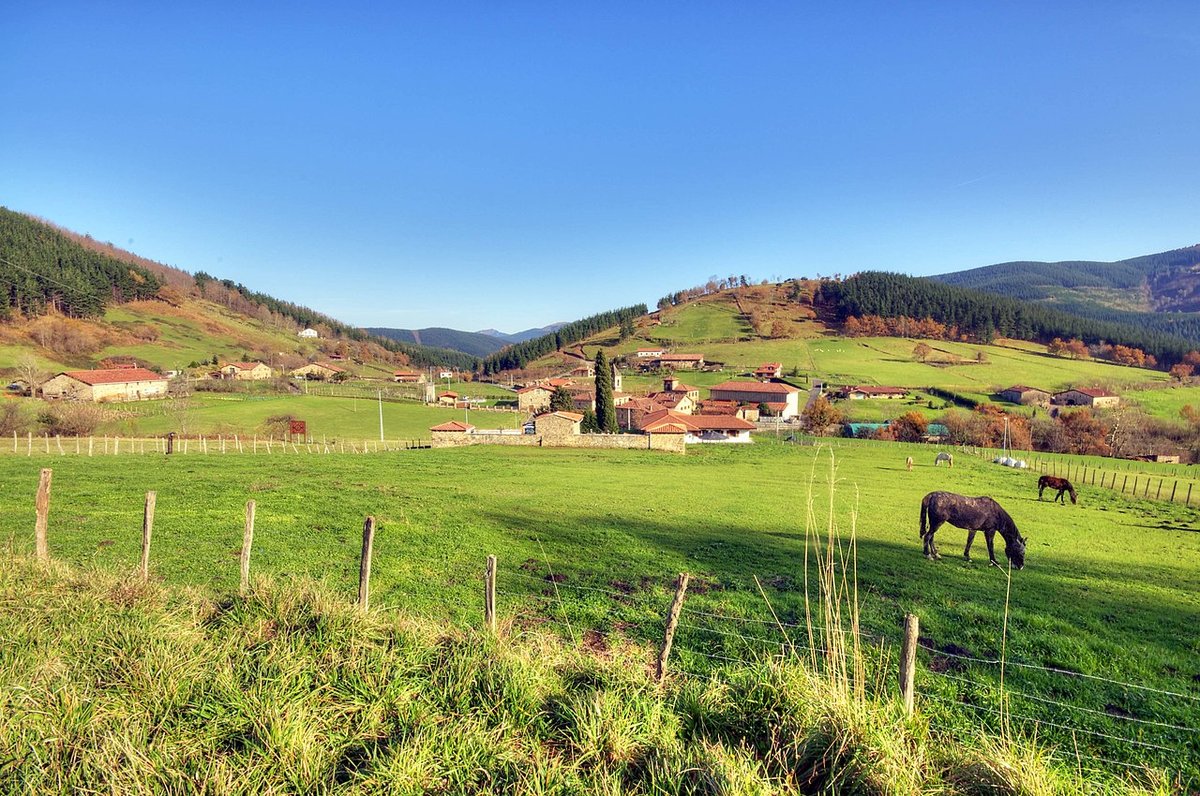
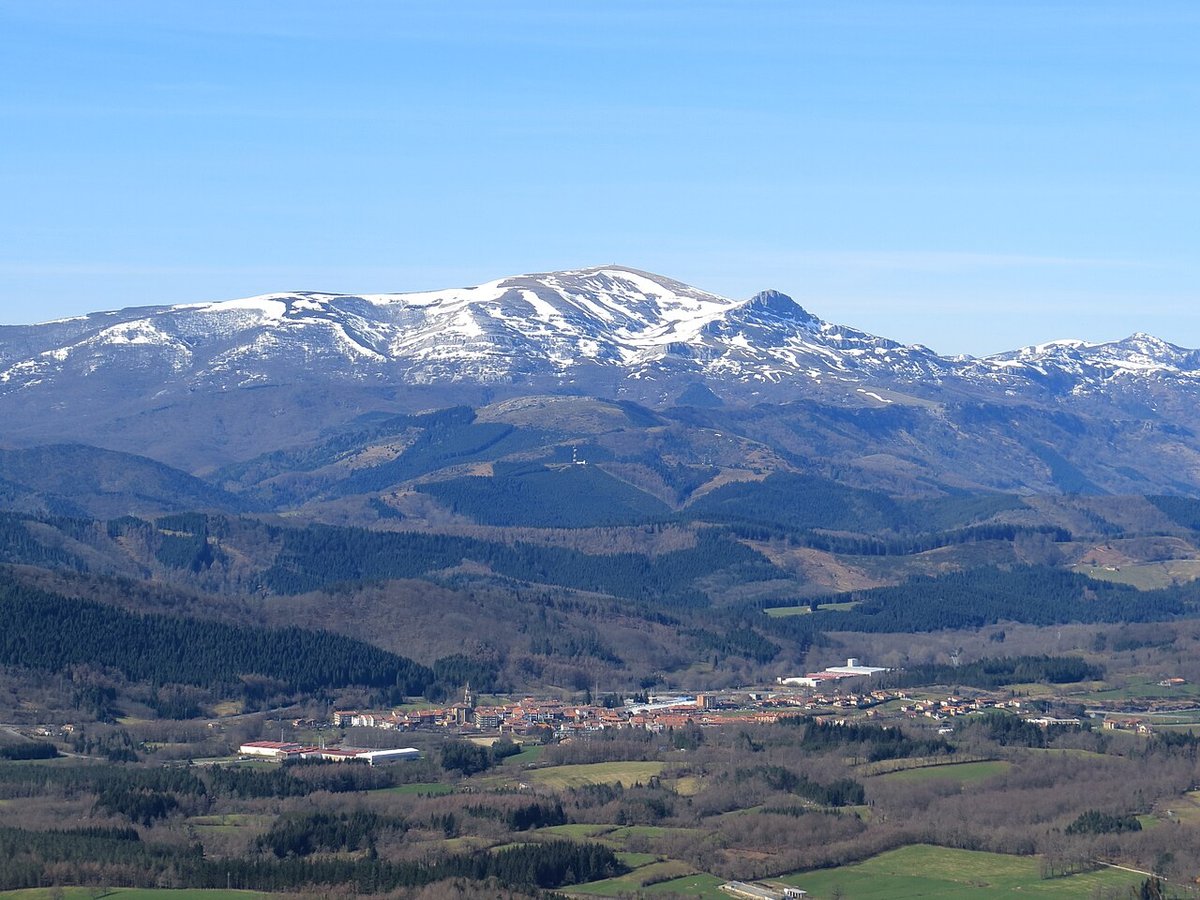
Valleys and hamlets a short distance from Bilbao, with a strong local life.
Hide article Read full article
A village built to last
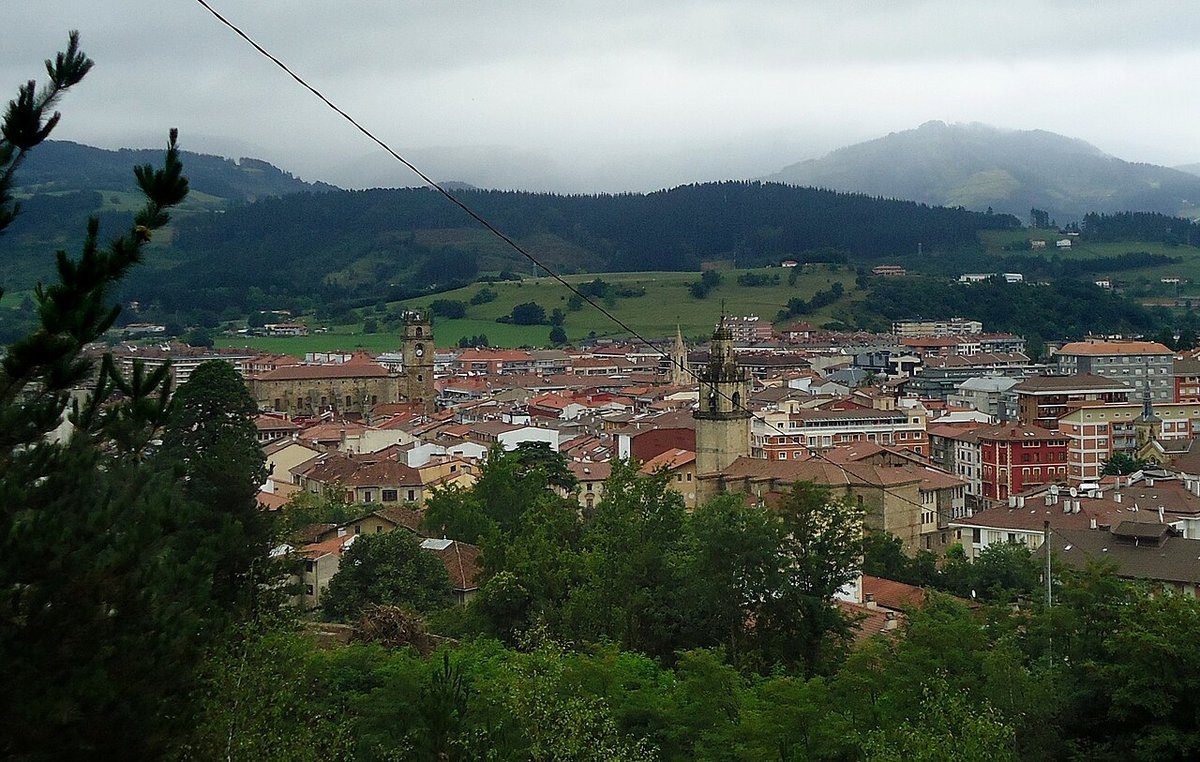
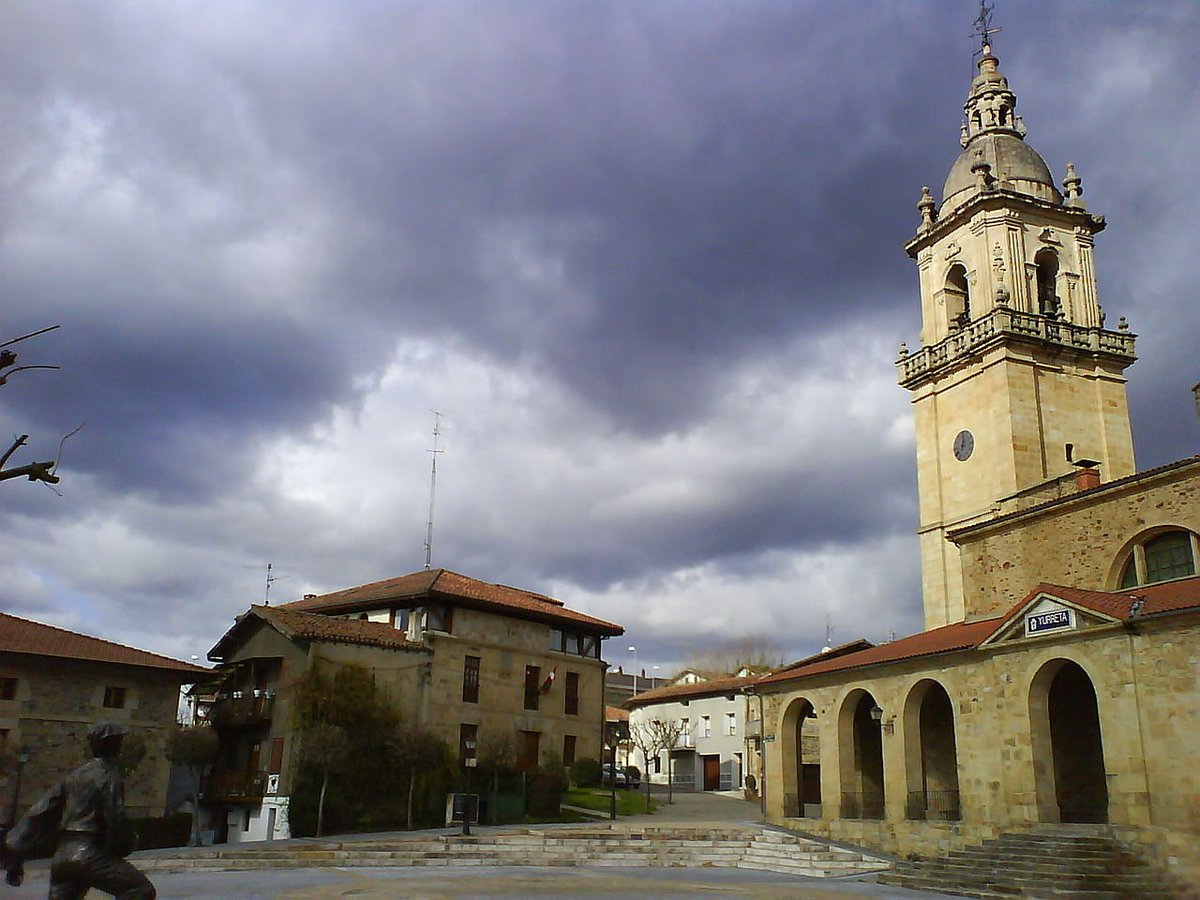
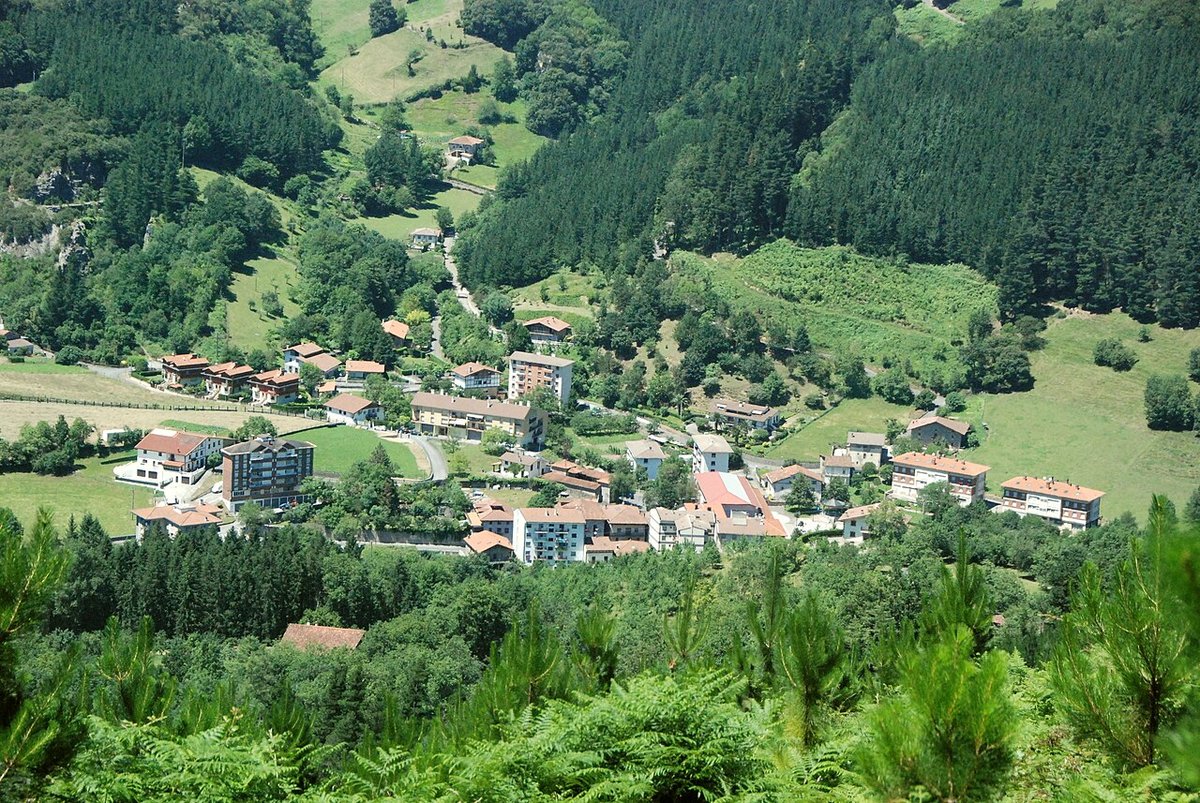
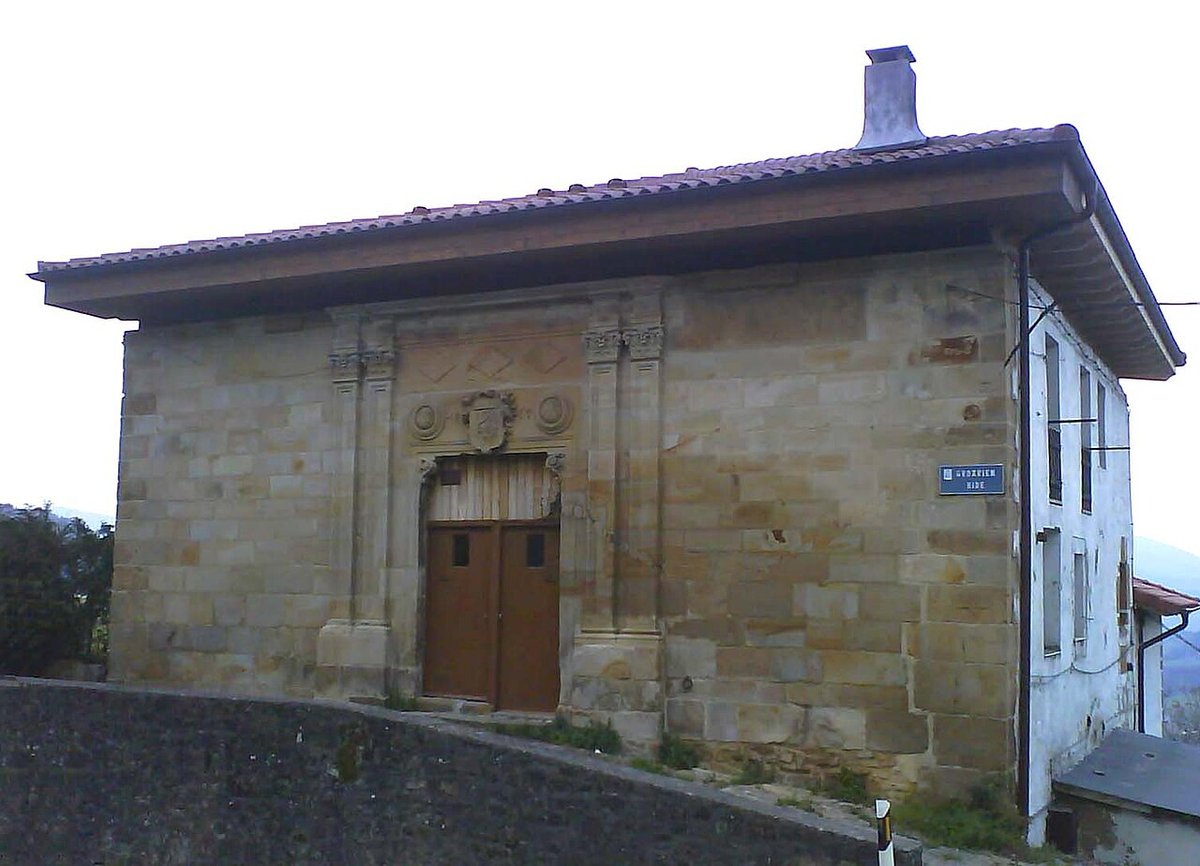
Elorrio feels like that relative who keeps more crosses in the living room than family photos. You see them everywhere: stone, iron, from the 16th and 17th centuries. Add to that dozens of coats of arms scattered across a town of just over 7,000 people, and it becomes clear that noticing every detail can take longer than walking the entire historic centre, even though it is not particularly large.
Walk along Calle Mayor and the buildings seem to watch you. It is not imagination, it is simply the stone. Everything is made of it. The light reflects differently here, cooler somehow, as if the houses refuse to take off their coats even when the sun is out.
Elorrio was founded in 1356, and that date still feels close. Don Tello, who was distributing towns across Bizkaia at the time, clearly had something long-lasting in mind. The result speaks for itself. In the 1960s, the historic centre became the first officially recognised Historic-Artistic Site in Bizkaia. A short walk through its streets makes the reason obvious.
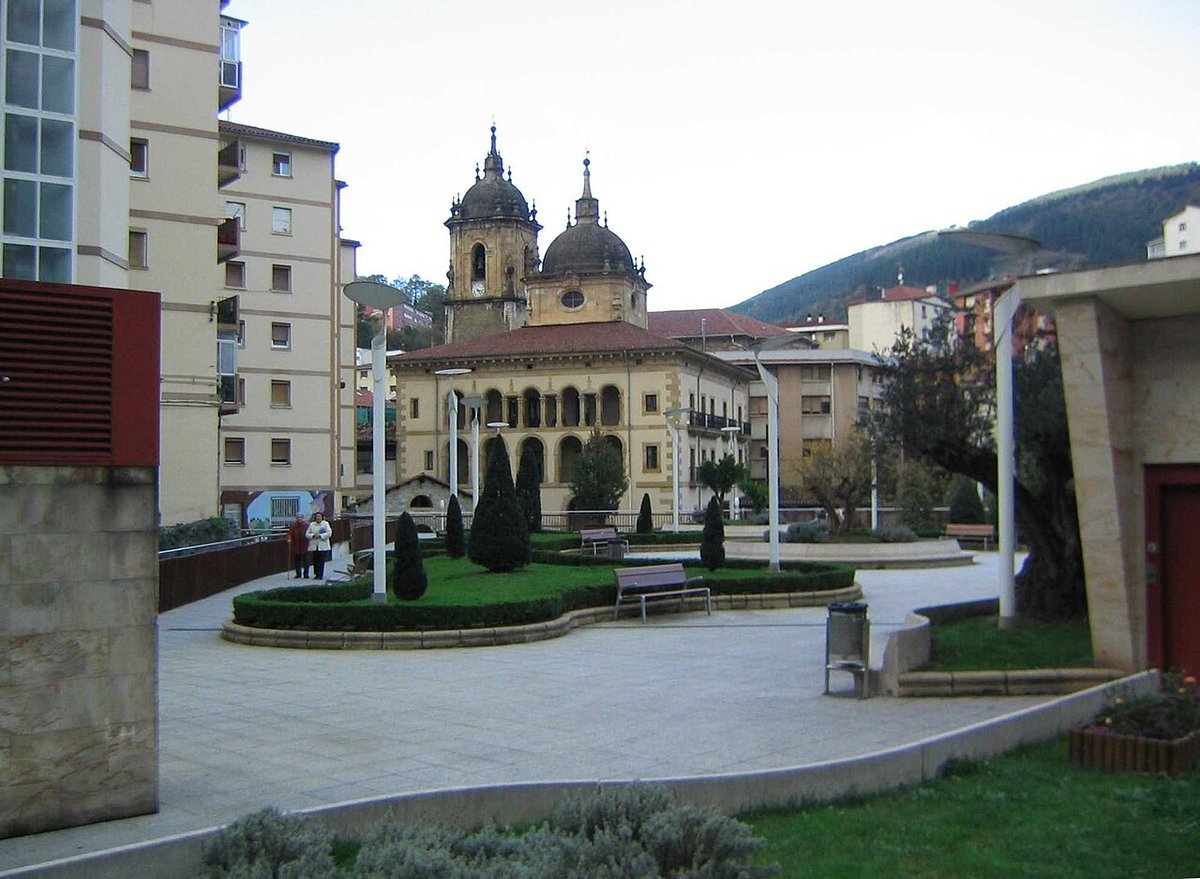
The Basílica de la Purísima Concepción sums it up well. A short climb up the steps leads to a façade that looks carefully crafted, almost patiently assembled. Inside, the scent of incense mixes with the sense of passing centuries. Much of what stands today was built when local families made fortunes in the Americas and returned with a desire to show it. The pattern repeats across many Basque towns. Wealth travelled by ship and came back transformed into stone, altarpieces and family crests.
Crosses that tell stories
The crosses of Elorrio work a bit like a shared conversation from the early modern period. They are spread across the town and its surroundings, and each one carries a meaning: a death, a promise, a family story.
The best known is the Kurutziaga cross, located at the entrance to the historic centre. It is tall, taller than it appears in photographs, and it has a presence that makes people stop for a moment. It is often described as one of the most monumental crosses in the Basque Country. Stand beneath it, look up, and the reason becomes clear. It has become the symbol of the town.
From there, the walk turns into something of a quiet game. Crosses appear in squares, at street corners, or beside small junctions. At the same time, noble coats of arms come into view on building façades. Some remain sharply defined, while others look worn by years of rain, like faded markings that have seen too many seasons pass.
Midday at a slower pace
By midday, the rhythm of the historic centre shifts. Streets that felt calm begin to fill with the smell of grills and traditional cooking.
The food follows a familiar path. Grilled meat, cod prepared in different ways, and local sheep’s cheese appear regularly. Nothing feels especially modern, but it does not need to. These are meals designed to stretch into long conversations at the table.
There is a simple rule that tends to work well in places like this: look at where local people are eating. Tables filled with groups of neighbours or older regulars usually point in the right direction.
When evening settles in
Elorrio changes noticeably once visitors leave. The brighter lights fade, the granite darkens further, and the atmosphere becomes quieter. The town carries on with its own pace, without much concern for being observed.
Valentín de Berriochoa was born here, a 19th-century Dominican who became a missionary in Asia and was later canonised by the Catholic Church. His presence remains strong in Elorrio, closely linked to the basilica. Each summer, celebrations take place around his feast day, and the town becomes livelier during that period.
A short walk to Argiñeta
A short walk of around fifteen or twenty minutes from the centre leads to the necropolis of Argiñeta. It is a small group of sarcophagi and funerary stelae, usually dated to the early Middle Ages.
The site sits in the open air, in a quiet meadow without much surrounding structure. The simplicity stands out. One moment you are among palaces marked by coats of arms, the next you are looking at very old and rather plain tombs.
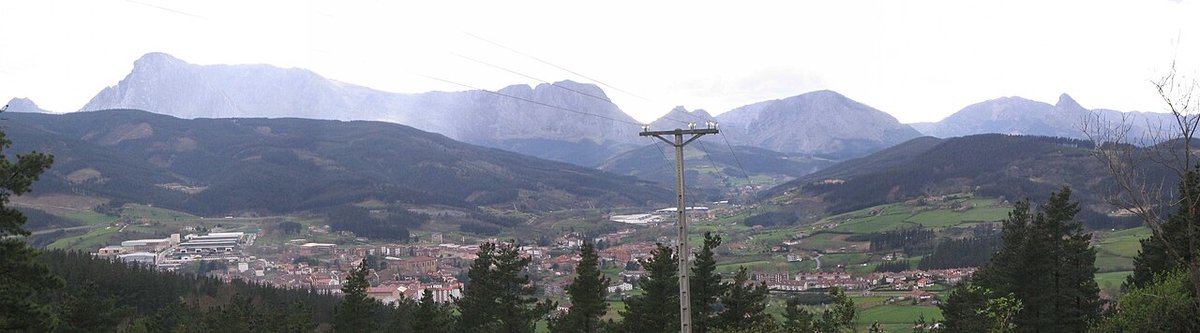
That contrast says a lot about Elorrio. It does not require a full day to understand. It fits naturally into a calm morning in the Duranguesado area: a walk through the historic centre, time spent spotting crosses, an unhurried meal, and perhaps the walk to Argiñeta.
A few hours are enough to form a clear impression. Elorrio leaves behind the feeling of a place that is not trying to draw attention to itself. That alone makes it stand out today.