Full Article
about Ermua
Valleys and hamlets a stone’s throw from Bilbao, buzzing with local life.
Hide article Read full article
First Impressions in a Tight Valley
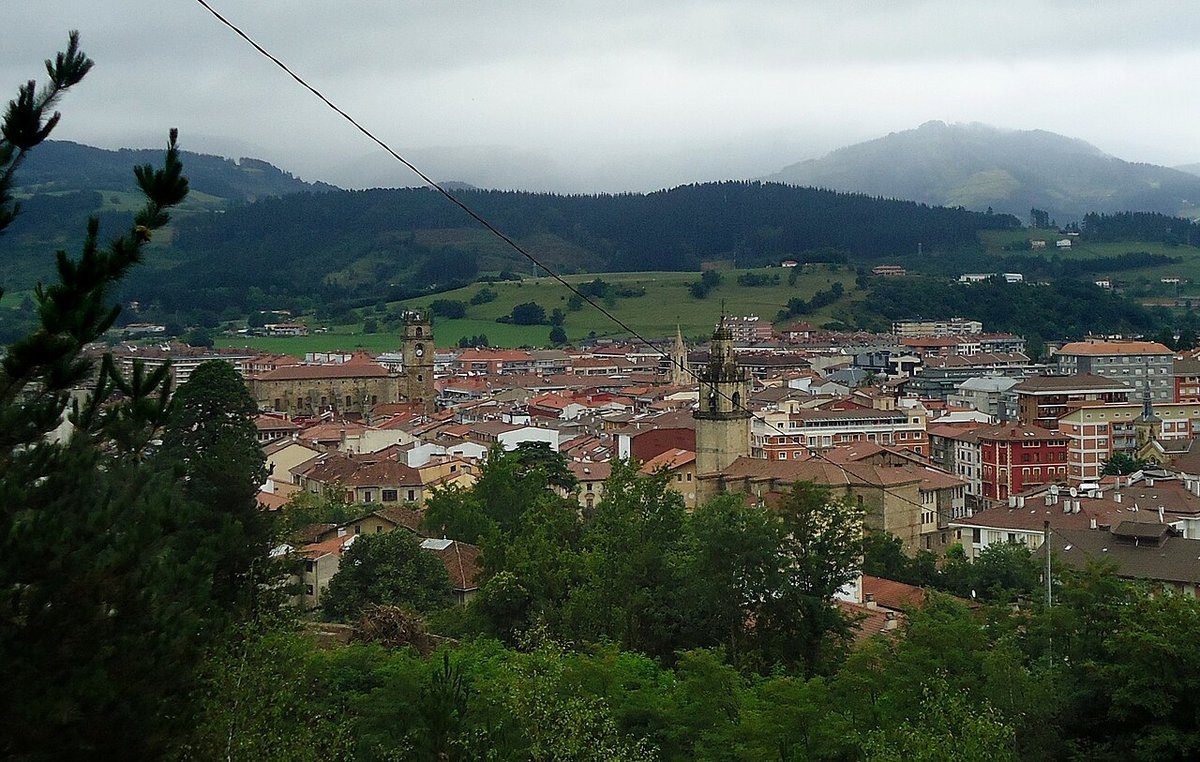
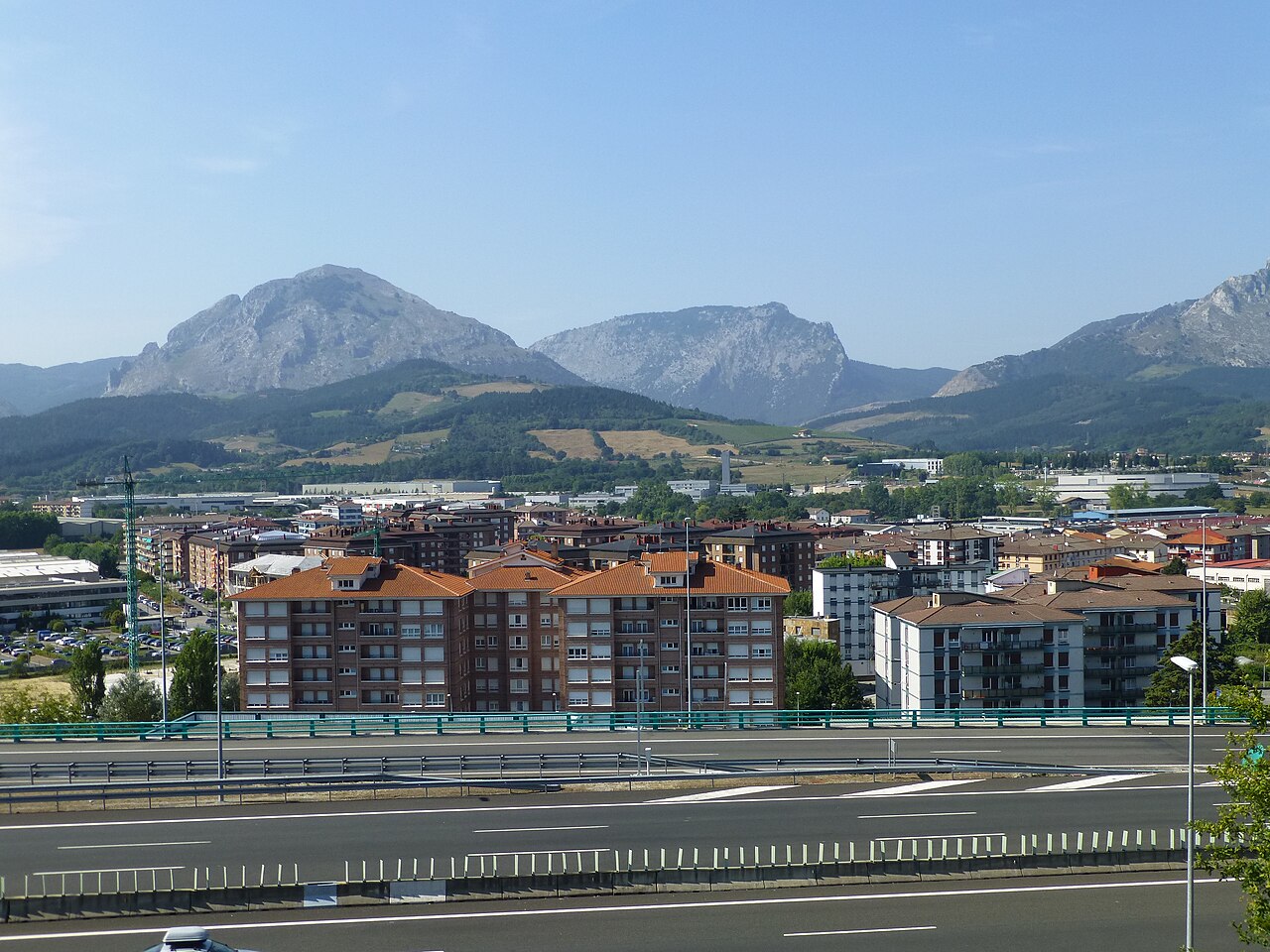
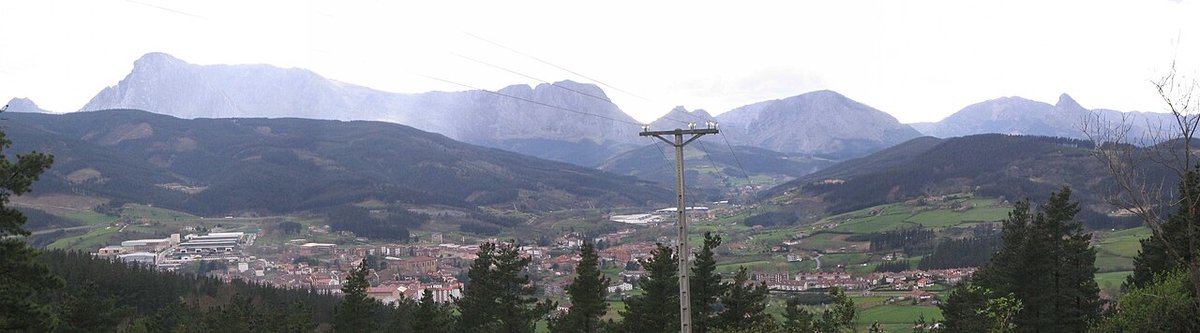
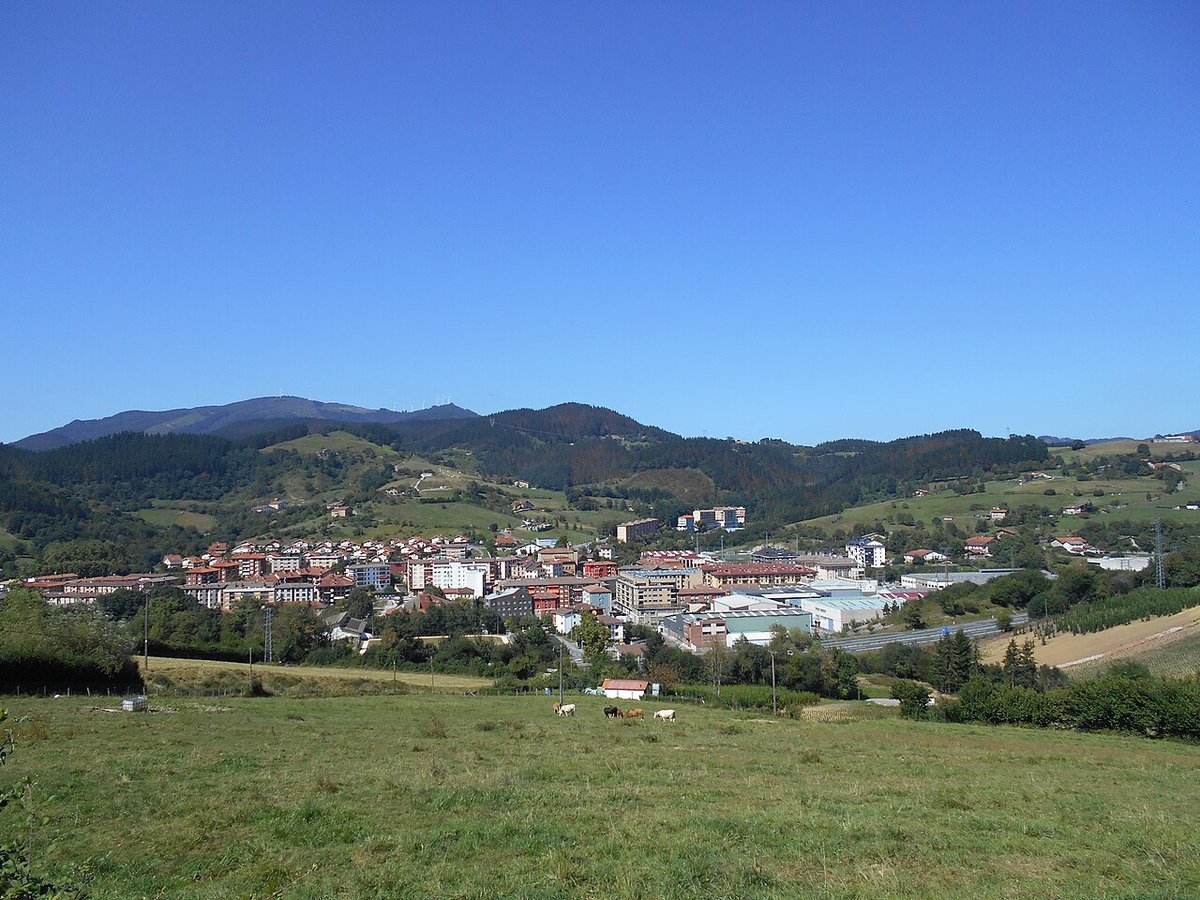
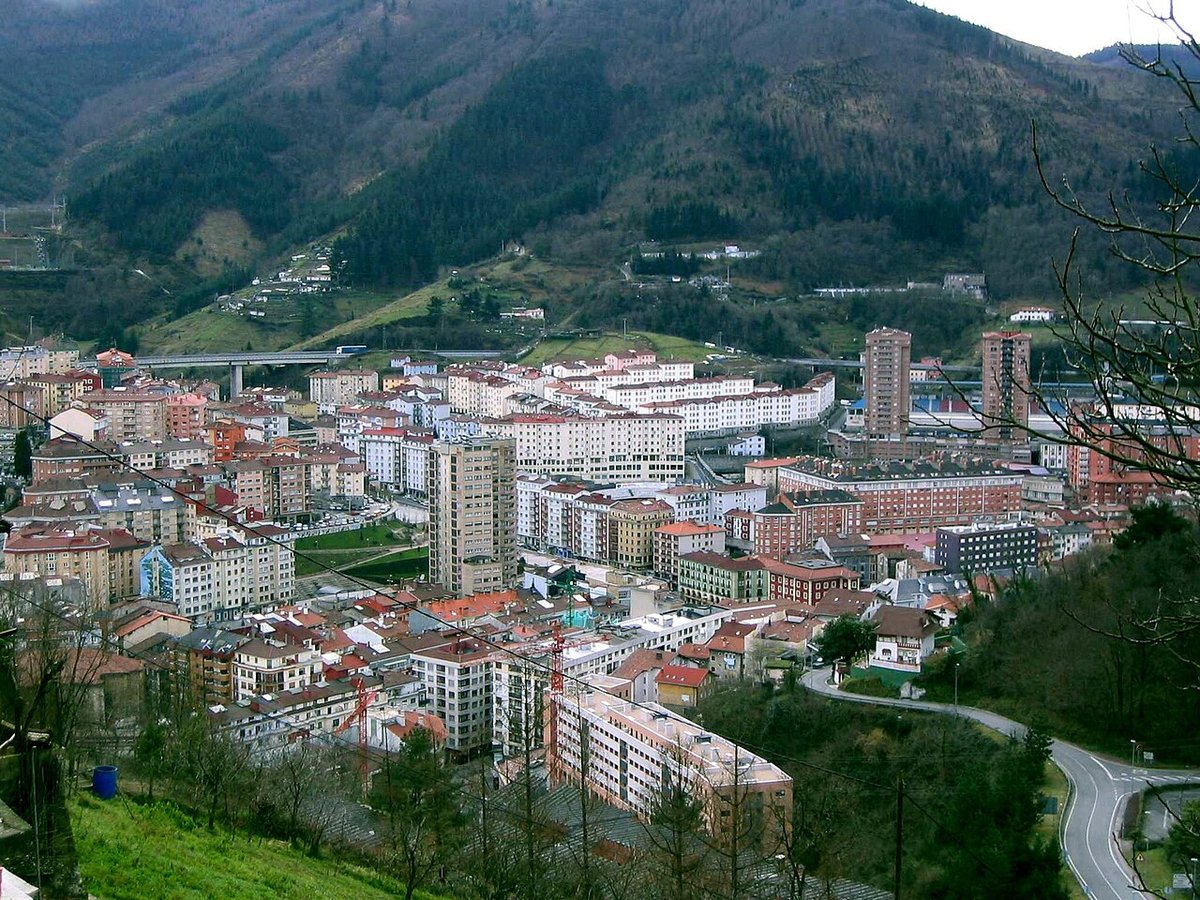
Ermua does not try to present itself as a picture-perfect Basque village. Around 15,500 people live here, packed into a very small space, with tall residential blocks filling much of the view. The town sits right on the border with Gipuzkoa, pressed into the narrow valley of the Ego river.
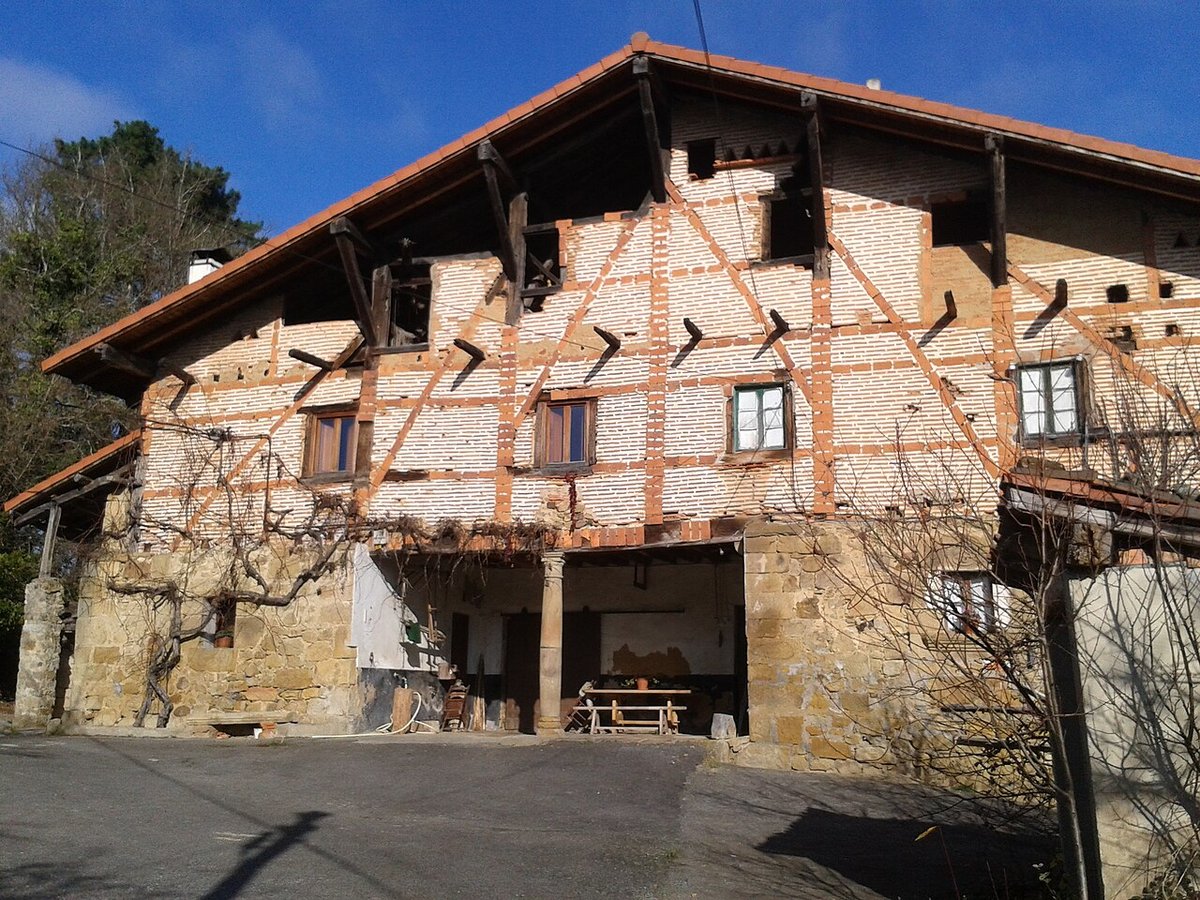
Anyone arriving in search of stone farmhouses or a postcard old quarter will not find that here. Ermua feels functional from the outset, shaped more by density and everyday life than by tourism.
A Quick Walk Through the Centre
Most visitors arrive via the A-8 or the N-634. The centre is a tangle of roundabouts and short streets, and the first impression can feel slightly chaotic. There is parking next to the sports centre and another underground car park in Plaza de los Fueros. Both tend to fill up in the morning, as Ermua works more as a commercial hub than a sightseeing stop.
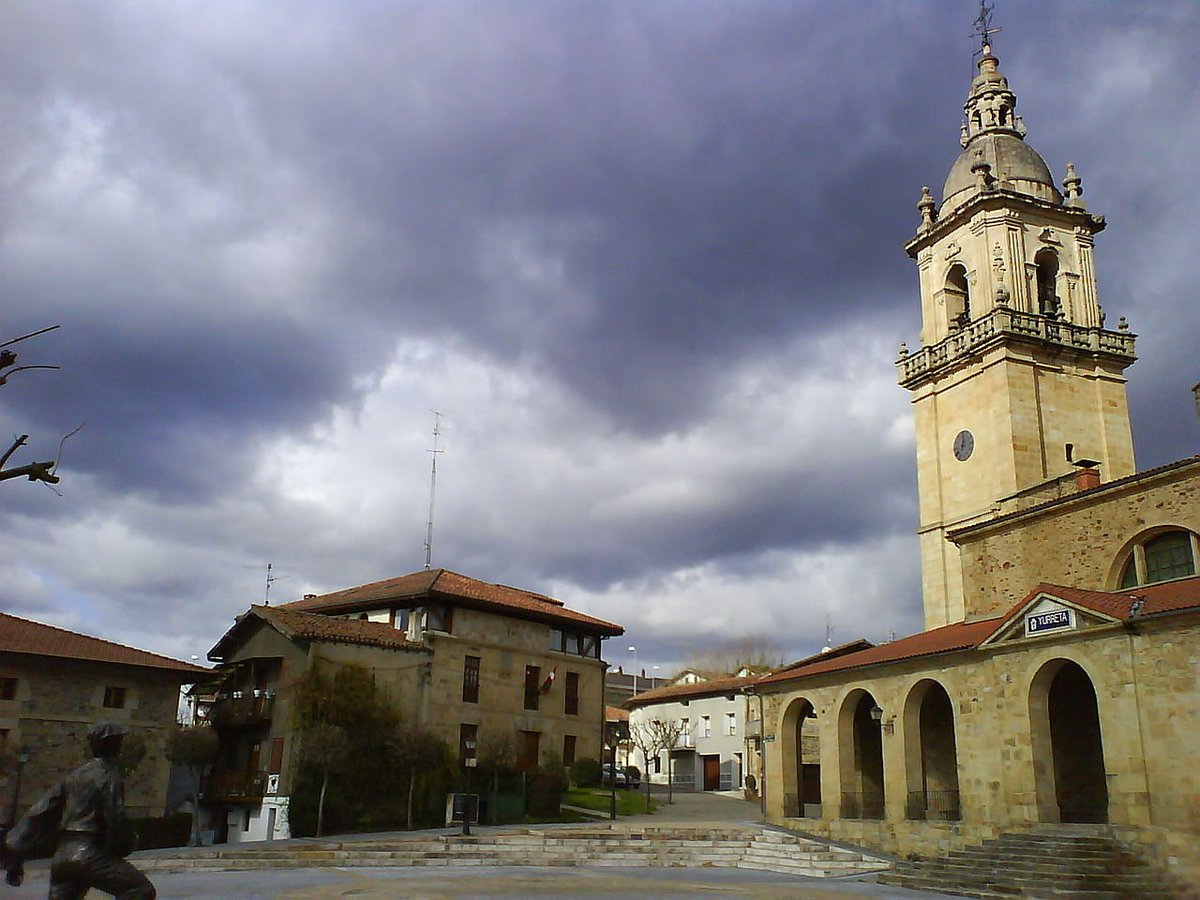
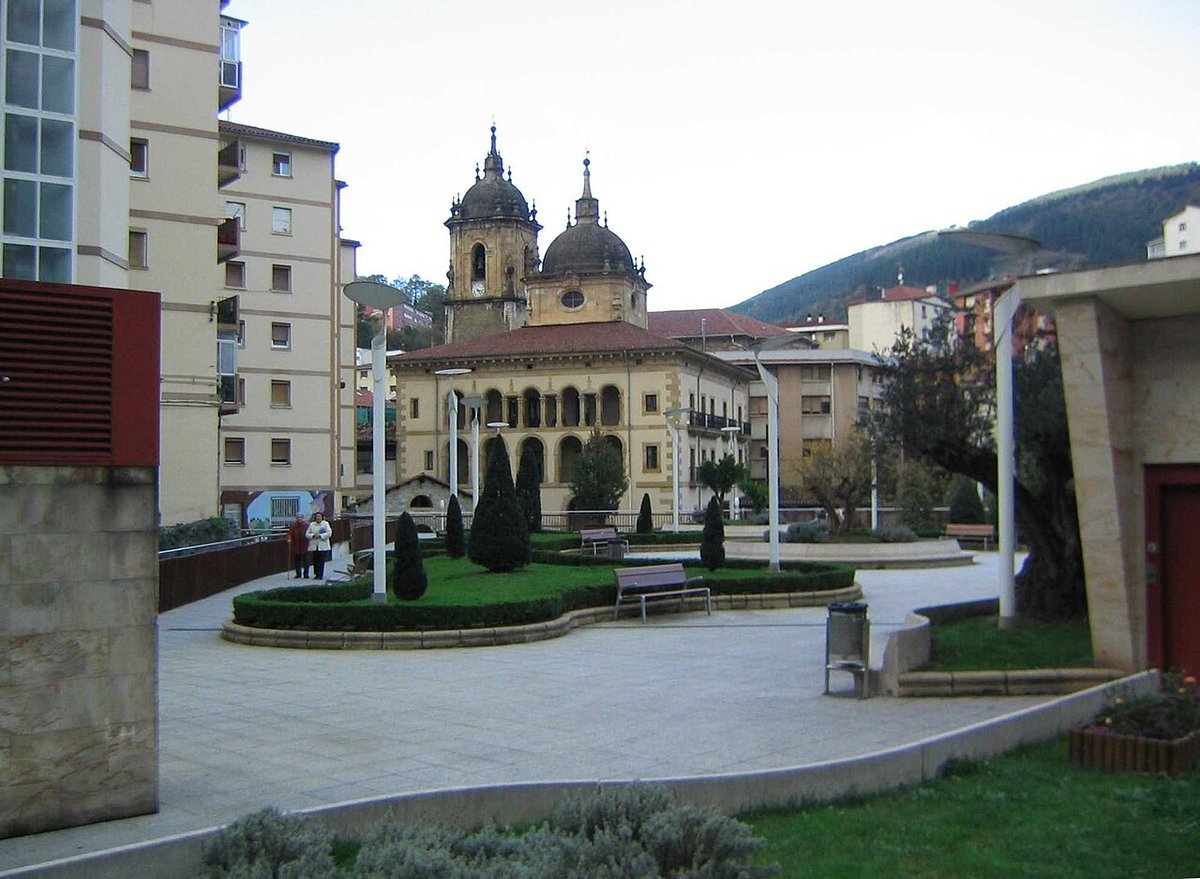
From there, Calle Mayor offers the most direct route on foot. The Iglesia de Santiago stands out as the clearest landmark. Its Baroque tower dates from the 18th century, while the façade is more recent. Next to it sits the Palacio Valdespina, now used for public purposes and home to a library. Both buildings share the same architect, Sebastián de Lecuna.
Beyond these, the centre leans heavily towards the practical. Shops, banks, bars and steady traffic define the streets. A slow wander is enough to get a sense of the place, and it rarely takes more than half an hour.
Five minutes away lies Parque de Osintxu. This small hill is dotted with eucalyptus trees and short paths, with a viewpoint over the valley. From here, a large automotive components factory is also clearly visible. It is not a wild or remote green space, but it works well for a short walk or a break from the streets.
Climbing Urko
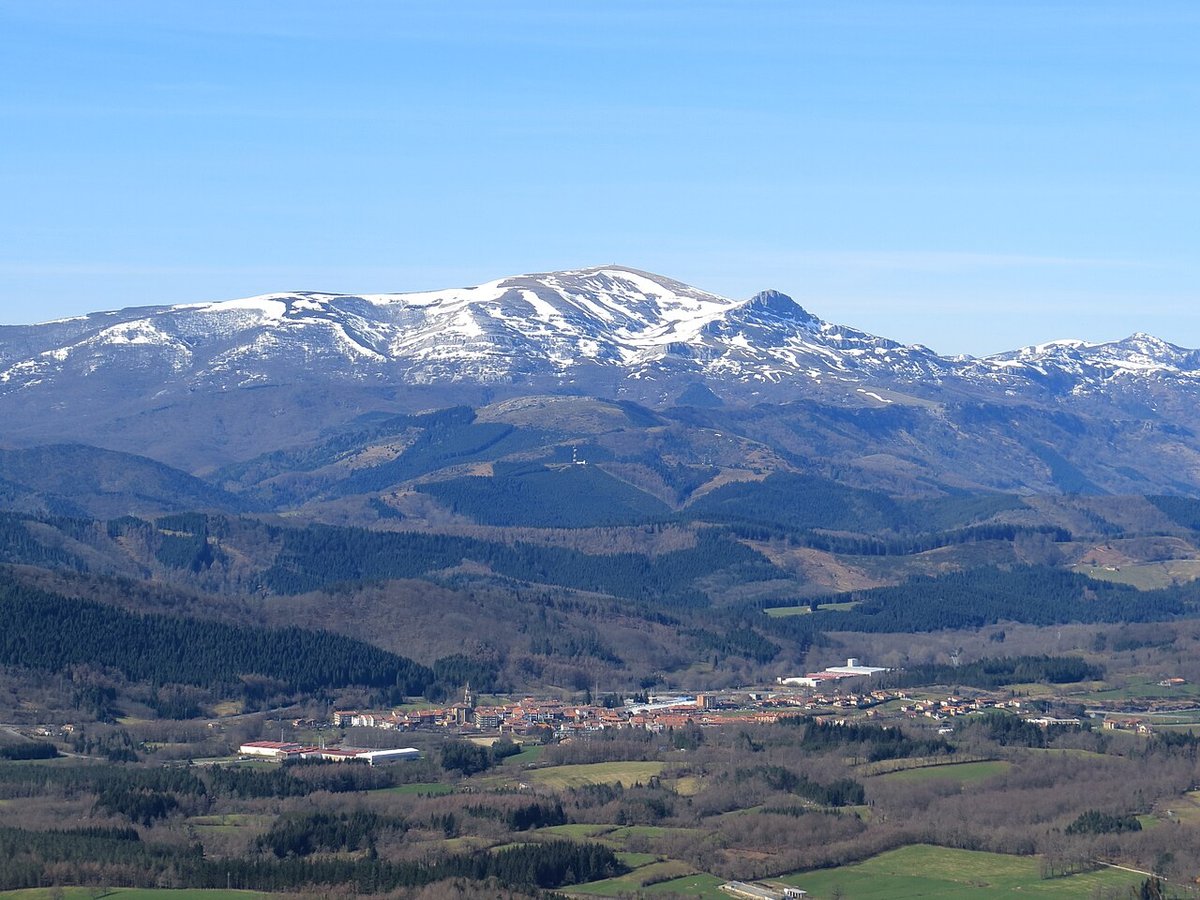
For those wanting something more active, Monte Urko provides the main option. The usual route begins near the frontón, a traditional Basque pelota court. The climb is about six kilometres with a noticeable amount of ascent. At a relaxed pace, it takes a couple of hours or a bit more.
The first half follows a wide track, easy to navigate. Later, the path narrows and becomes stonier underfoot. Carrying water is a good idea, as there are usually no fountains along the way.
At the top, there is a geodetic marker and open views when the weather cooperates. Nearby valleys are clearly visible and, on some days, a strip of sea appears in the distance. Fog is common in this area, and when it rolls in the views shrink considerably.
Most people return the same way. Some try to link the route with Eibar, but that detour is long and less straightforward.
Three Moments That Shaped the Town
Ermua’s past can be sketched through three key dates.
In 1353, the settlement appears in medieval documents under the name “Hermua”.
In 1794, during the war with France, the town was burned and looted. This explains why there are very few buildings left from earlier periods.
In 1997, ETA kidnapped and killed councillor Miguel Ángel Blanco. The public reaction was widespread and intense, and for weeks Ermua was at the centre of national news coverage.
The town’s major growth came with the rise of metalworking industry. Early activity focused on workshops producing weapons and keys. Today, companies linked to automotive production and logistics are more prominent.
Local Celebrations
Ermua’s calendar includes several small but lively events tied closely to local life.
San Blas, at the beginning of February, usually fills the main square with food and craft stalls. It is a short celebration with a distinctly local feel.
Santiago Apóstol, at the end of July, is the main festival. A procession takes place, and the evenings bring music and a busy atmosphere in the streets.
In December, the Santo Tomás market arrives. Stalls offer cheeses, talos and cured meats, drawing plenty of people from nearby towns. Talos are traditional Basque flatbreads, often served with simple fillings.
Getting There and Timing Your Visit
From Bilbao, the journey takes around half an hour via the A-8 when traffic is light. Euskotren services and buses also connect Ermua with the Biscayan capital and neighbouring towns.
Summer can feel heavy. Heat builds up in the valley, and there is often extra traffic from people returning from the coast. Spring and autumn are generally more comfortable, especially for anyone planning to walk up Urko. In winter, mud can make the climb more difficult.
A short stop is usually enough. A walk to the church or up to the viewpoint covers the essentials. For historic centres or a more traditional atmosphere, it is necessary to look to other towns in the surrounding area.