Full Article
about Garai (Garay)
Valleys and hamlets a stone’s throw from Bilbao, buzzing with local life.
Hide article Read full article
A place without a checklist
Some places come with a mental list of sights to tick off. Garai doesn’t really work like that. You arrive, step out of the car, look around and wonder where to begin. That uncertainty is part of the point.
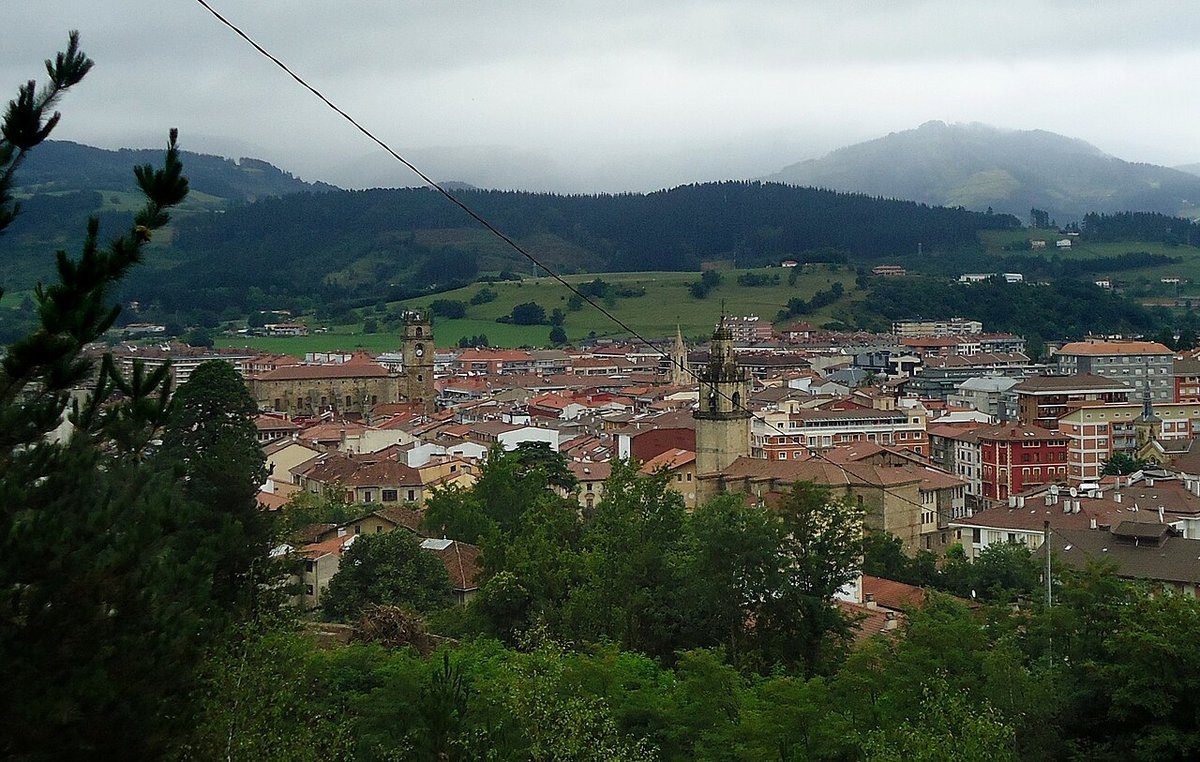
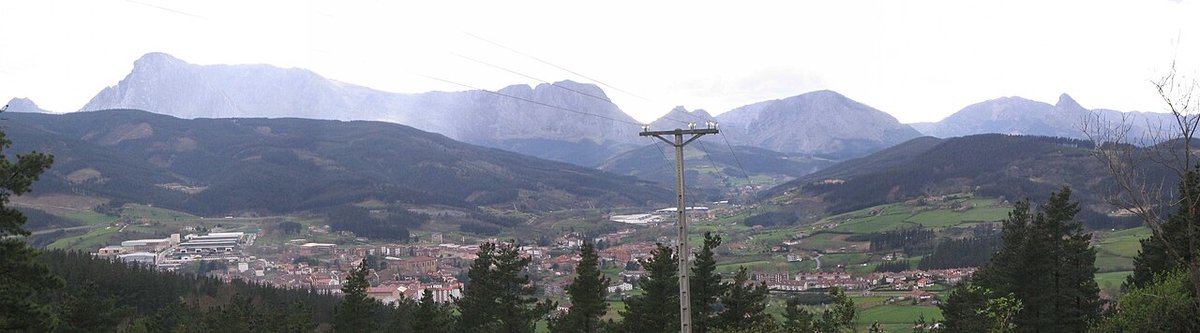
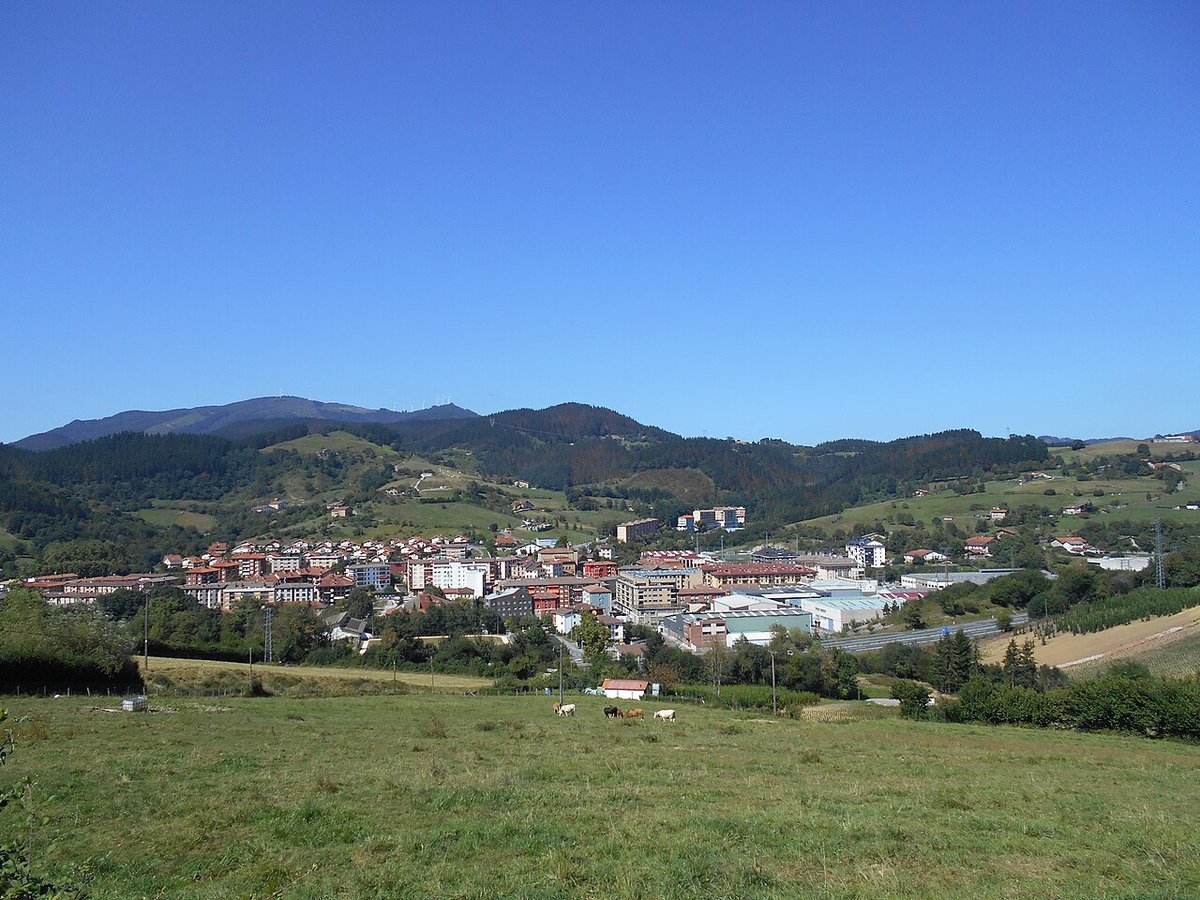
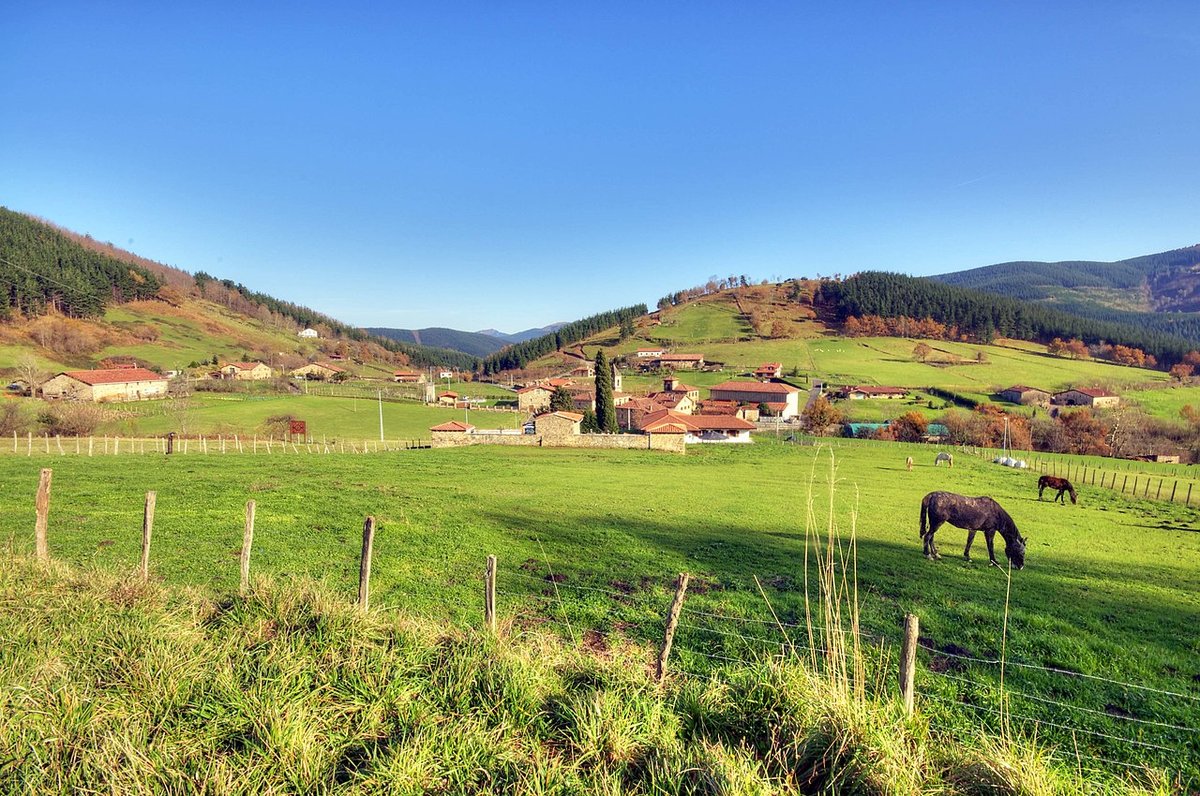
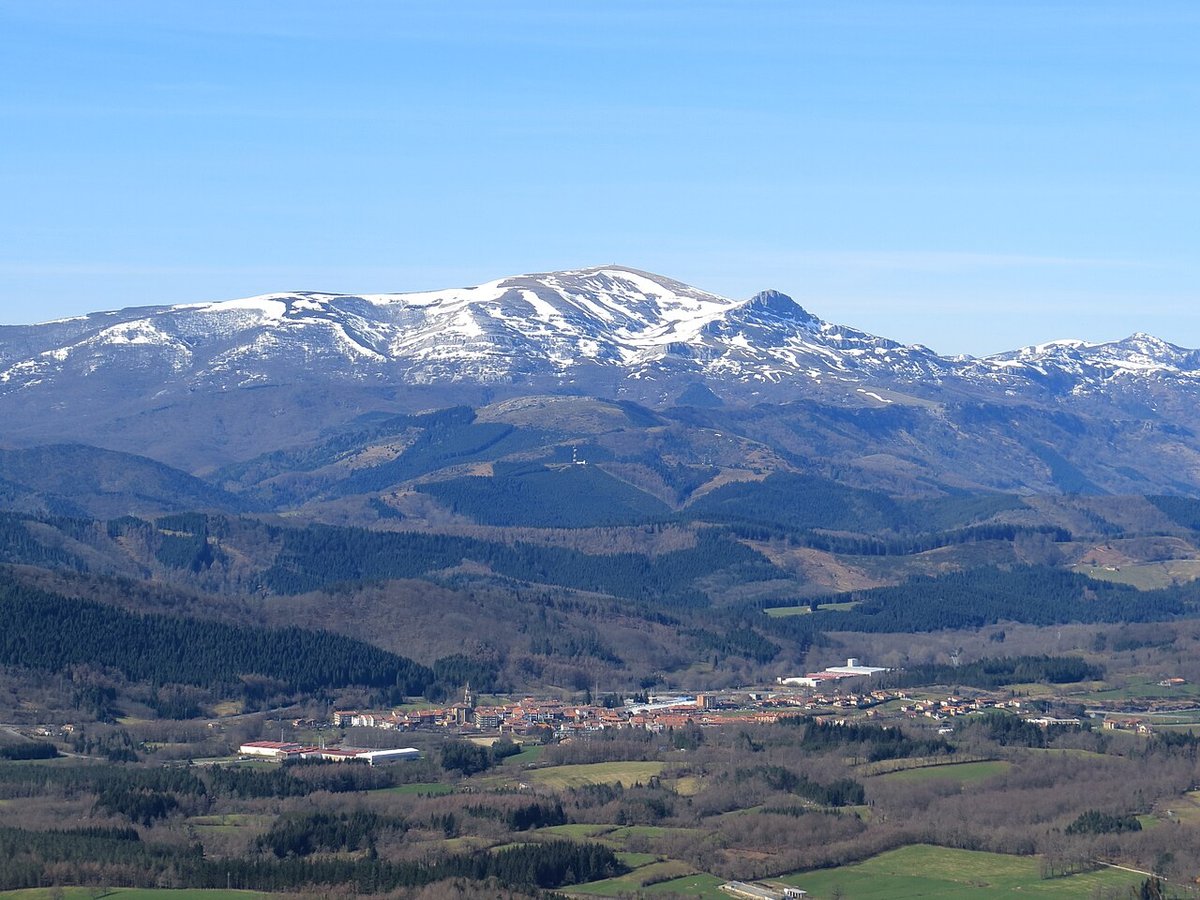
Tourism in Garai leans towards slow walking rather than rushing between landmarks. It’s a very small municipality in the Duranguesado area, set on a low hill with wide views over a landscape that feels typical of this part of Bizkaia: green meadows, scattered farmhouses and mountains rising in the background as a constant presence.
Getting there is already part of the experience. From Bilbao it takes about an hour, depending on your route, and the final stretch usually follows roads that wind up and down through open countryside.
First impressions on arrival
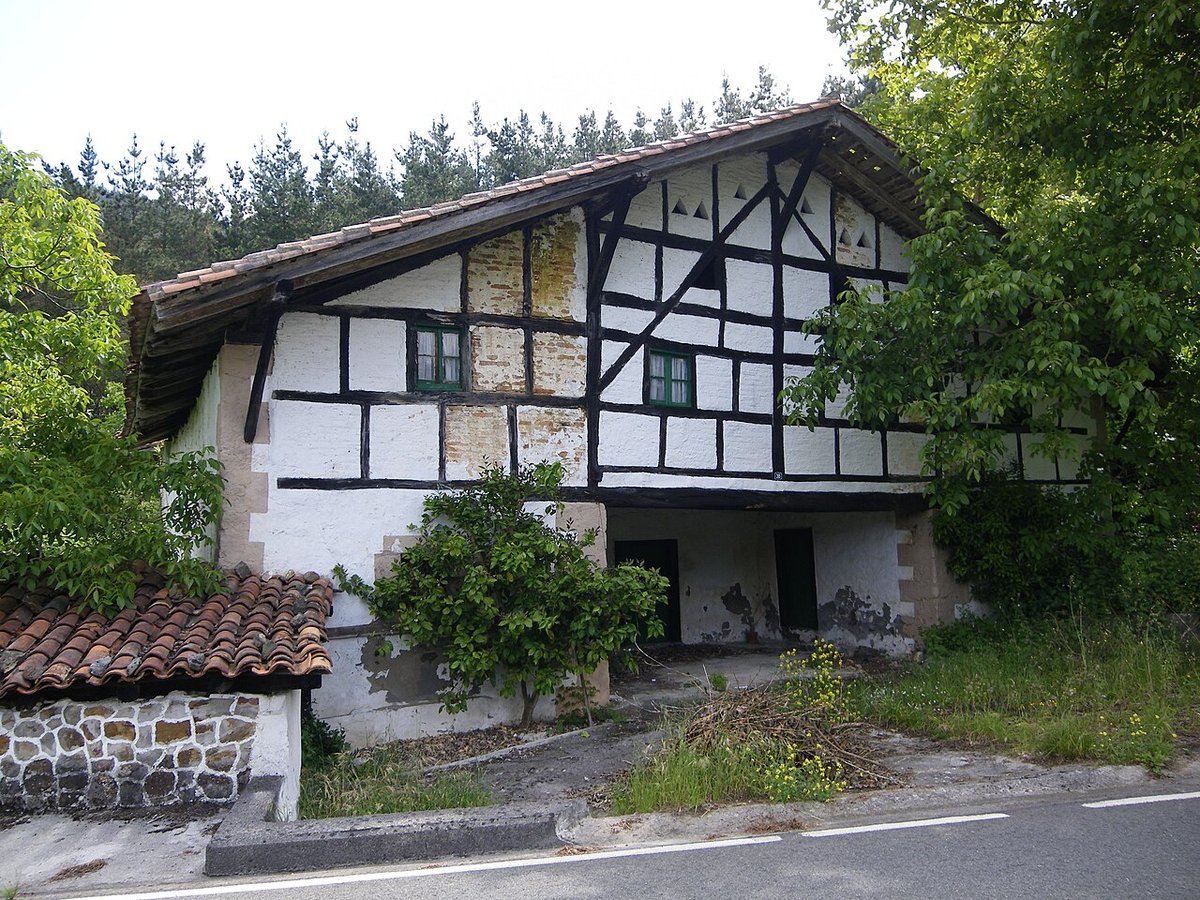
Garai doesn’t have a compact centre where everything is packed into a couple of streets. The layout feels open. Farmhouses, known locally as caseríos, are spread out with space between them, surrounded by fields.
Once you stop and walk a little, the quiet becomes noticeable. It’s not complete silence. There might be a dog barking somewhere in the distance, a tractor passing by, or wind moving through the trees. Still, the overall atmosphere is calm in a way that’s typical of small inland villages in Bizkaia.
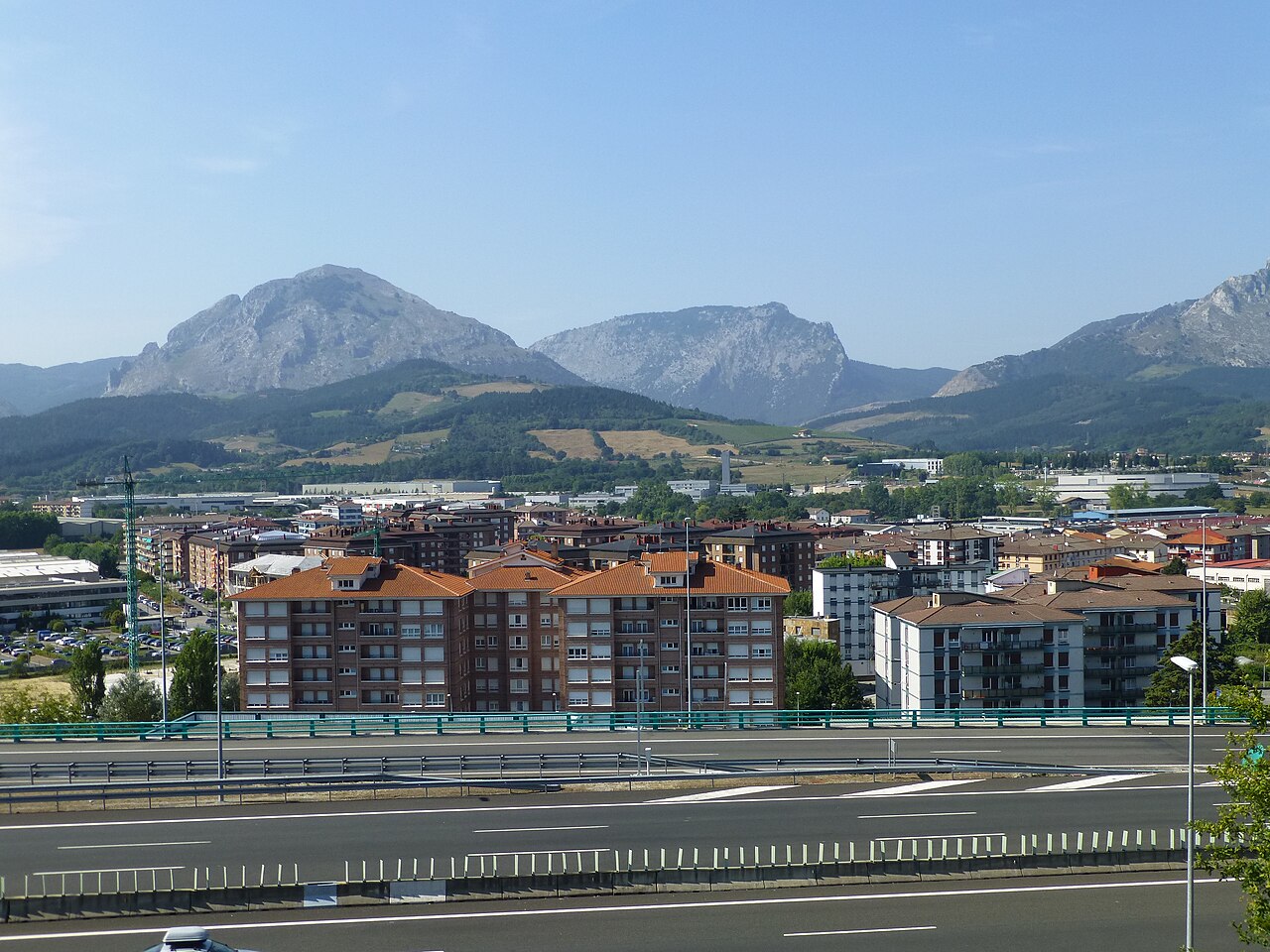
In the background, the outline of Anboto or the mountains of Urkiola often comes into view. They sit close enough to shape the feeling of the place. The whole valley seems connected to that mountain range, both visually and in everyday life.
Santa María and the village core
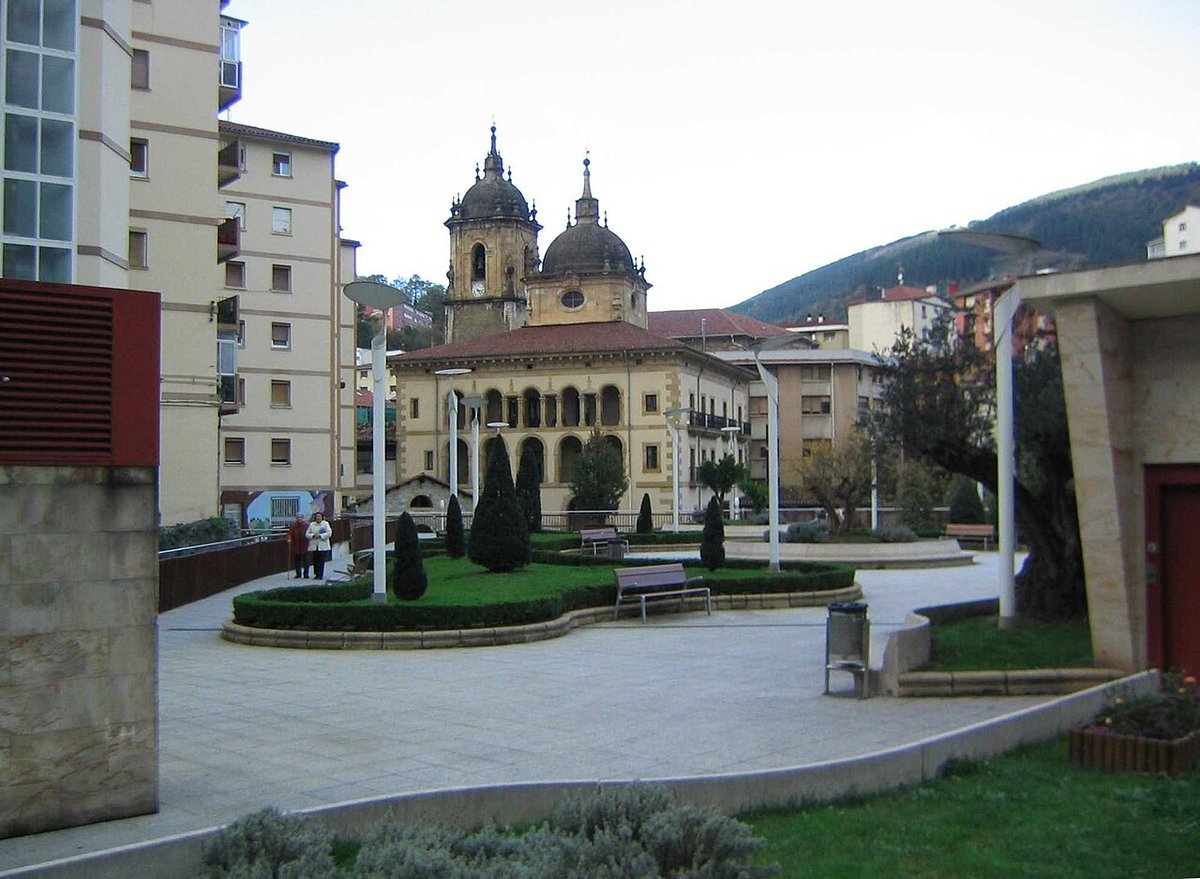
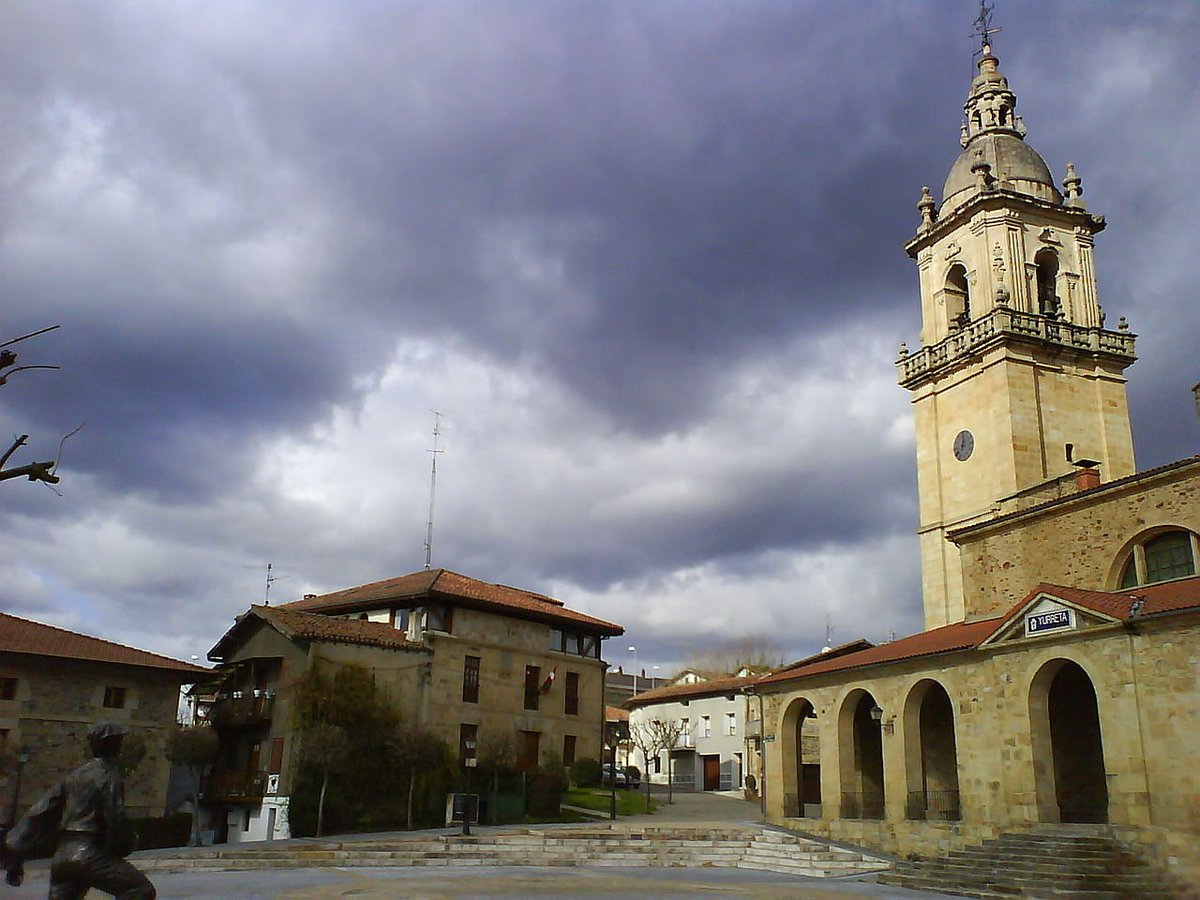
Garai does have a point that works as a loose centre. This is where the church of Santa María stands, a fairly simple stone building. It’s not especially large or ornate, but it fits naturally with its surroundings.
In front of the church there is usually a small open space that acts as a meeting point. Sometimes there is a bit of movement, sometimes it is completely empty. It depends on the time of day and the day of the week.
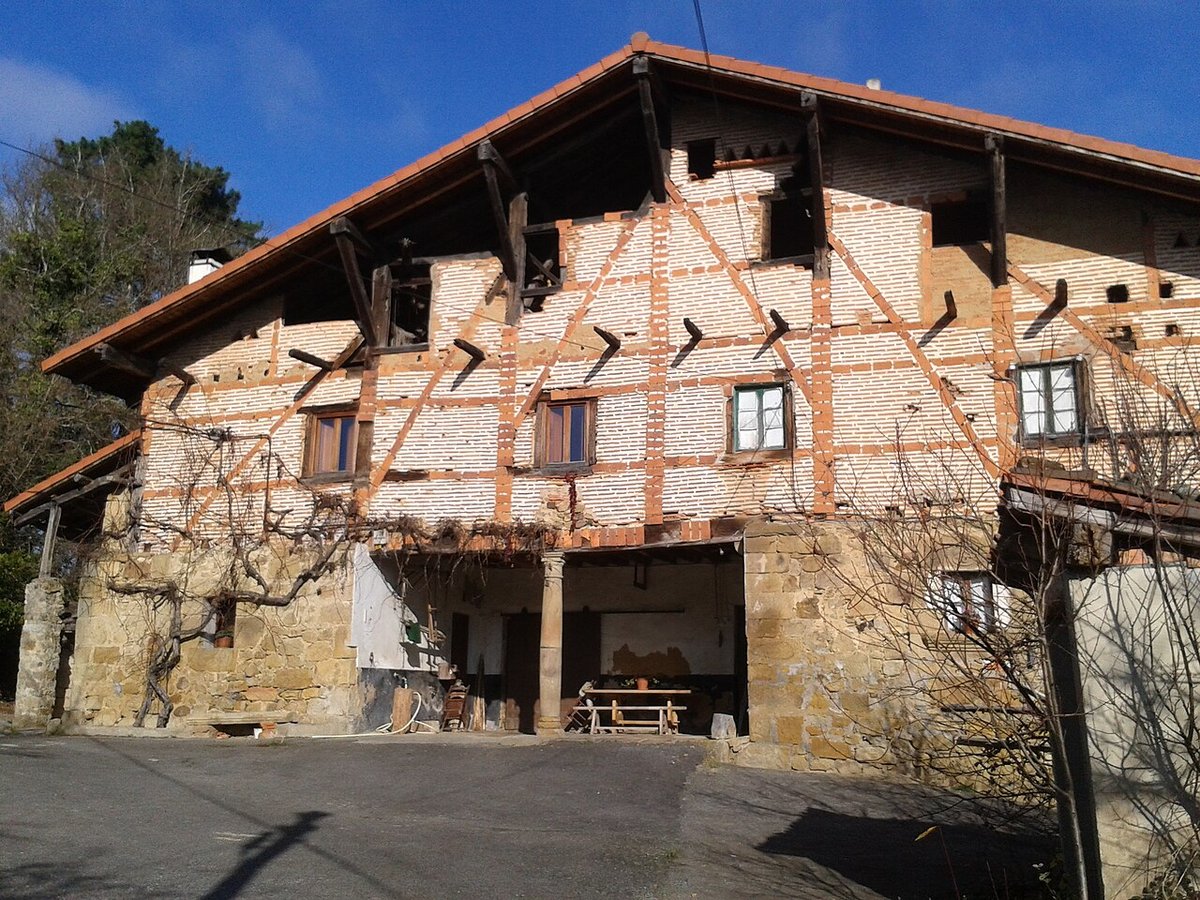
Nearby, there are older houses and several well-preserved caseríos. If rural Basque architecture catches your eye, this is where you start noticing details: wooden balconies, thick stone walls, large doorways built for agricultural life. You don’t have to go far to find examples.
Walking between fields and farmhouses
The main thing to do in Garai is simply to walk. There’s no need to plan a long route. It’s enough to follow one of the paths that lead out from the centre and into the surrounding fields.
Very quickly, you begin to pass stone fences, small vegetable plots and barns. Many of them are still in use. You might see sheep grazing, or sometimes horses. It’s the kind of landscape where farming activity is still visible and part of daily life.
If it has rained, which is quite common in this part of the Basque Country, the ground can be slippery. Nothing extreme, but decent footwear helps. Mud and grass together tend to make these paths less predictable.
As you walk, the terrain occasionally rises just enough to open up views over the Duranguesado. These aren’t formal viewpoints. There are no signs or platforms. The land simply shifts, and suddenly the valley stretches out ahead with its fields and scattered farmhouses.
A quiet base near Urkiola
Garai often appears as a stop for people moving around the Urkiola area. That makes sense. It sits close to the natural park and to several access points towards the Anboto area.
At the same time, the village itself doesn’t function as a major tourist hub. There are no offices filled with brochures or marked routes every few metres. The rhythm is different: a small village, a slow pace, and visitors organising their time as they go.
It’s common to combine a short visit to Garai with a walk in Urkiola or with a drive through other villages in the Duranguesado region. The area invites that kind of flexible plan.
Local food and everyday simplicity
Food here remains closely tied to local produce. Sheep’s cheese from the area, homemade cured meats and warming dishes when the weather turns cold are all part of what you find.
This isn’t a place of busy streets lined with terraces or venues designed for large groups. The atmosphere is more in keeping with village life. If you come across somewhere open to eat or to buy local produce, it will usually be simple and straightforward.
In many cases, the best food in the area isn’t in public venues at all, but in the caseríos themselves or in private homes. That says a lot about how food culture works here.
Things to know before you go
Garai is quick to explore. In a couple of hours you can walk through the centre and take a short stroll around the surrounding countryside.
Having a car makes things much easier, both for getting there and for moving around nearby areas. Some of the streets are narrow, and the village isn’t designed for large numbers of visitors.
Comfortable shoes are a good idea, and bringing a jacket is wise even on days that seem mild. The weather in this part of Bizkaia can change quite quickly.
It helps to arrive with the right expectations. Garai isn’t about major attractions or packed itineraries. It’s a place to get a sense of how small inland villages still function. You walk for a while, take in the landscape, listen to the quiet, and then continue your journey through the Duranguesado.