Full Article
about Izurtza (Izurza)
Valleys and hamlets a stone’s throw from Bilbao, buzzing with local life.
Hide article Read full article
A Place Without a Checklist
Tourism in Izurtza feels a bit like stopping by a friend’s house in the countryside. There is no fixed plan, no list of sights to tick off. You arrive, park the car, look around, and notice that everything moves at a slower pace than in nearby Durango, which is only a few minutes away.
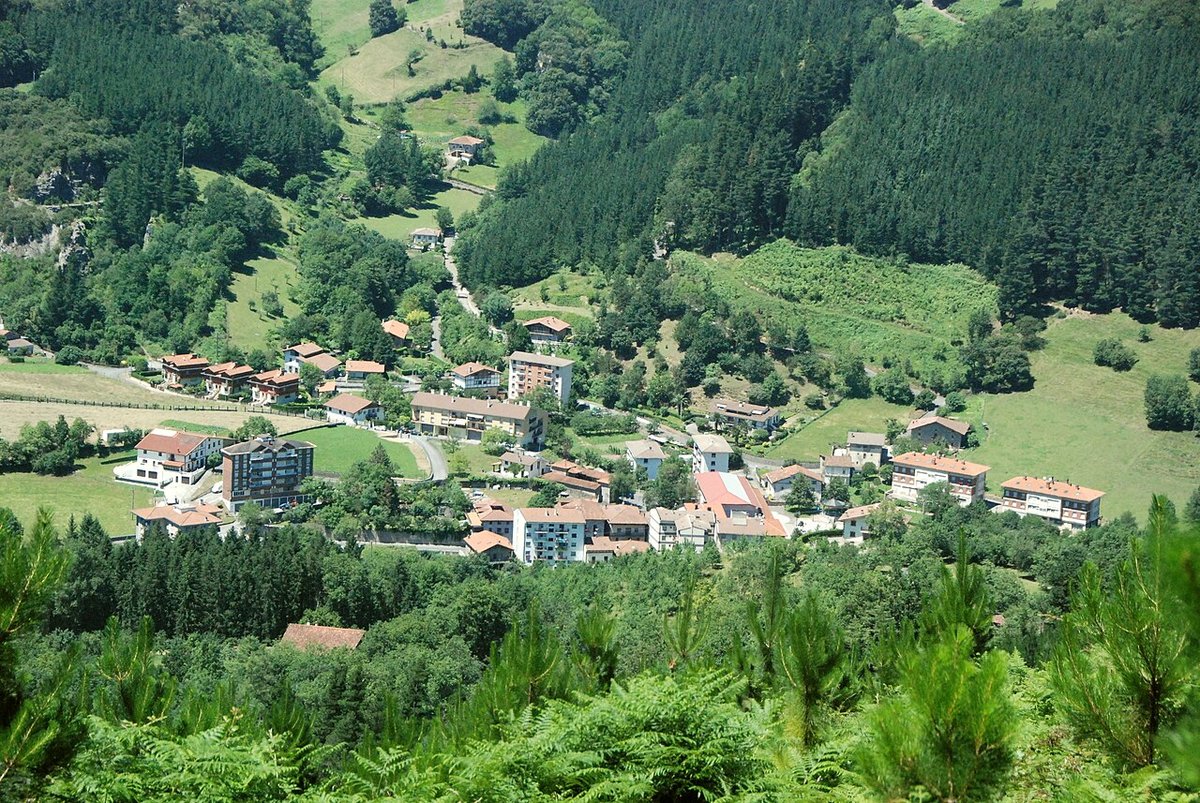
Izurtza does not have a compact old town or a central square where everything gathers. Instead, the settlement is spread out. Houses appear scattered between meadows, narrow roads and paths that seem intended more for local use than for visitors. It is the kind of place that does not try to draw attention to itself.
That lack of structure shapes the experience. Rather than moving from one landmark to another, time here tends to stretch into small observations: the layout of a farmhouse, the curve of a lane, the quiet of the valley.
The Small Centre and San Andrés Church
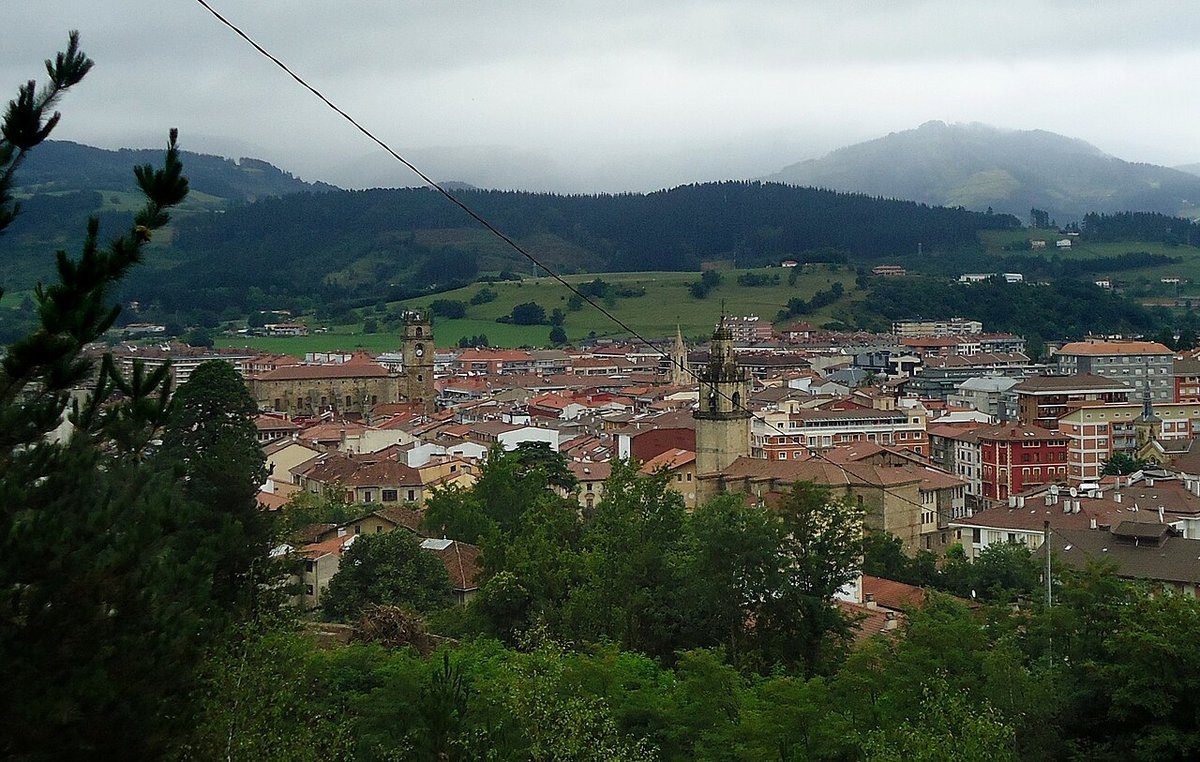
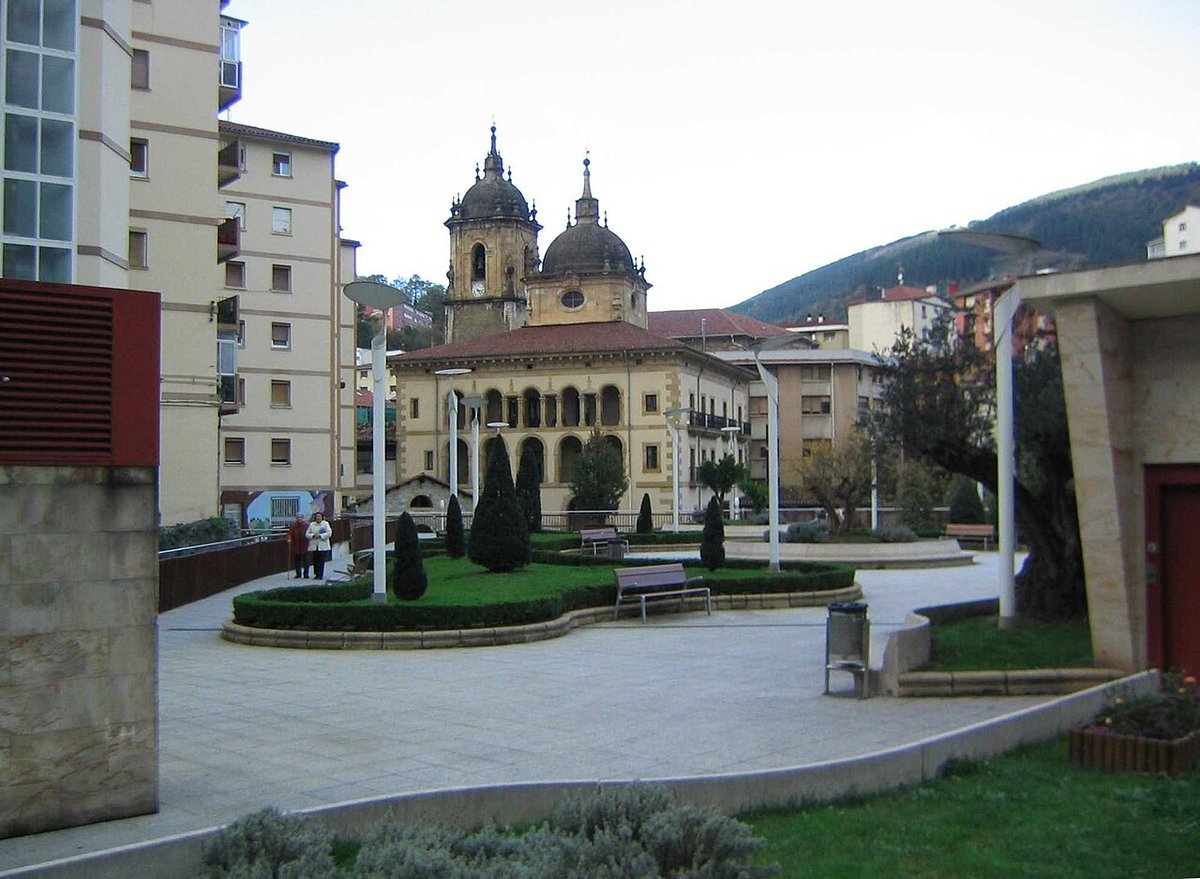
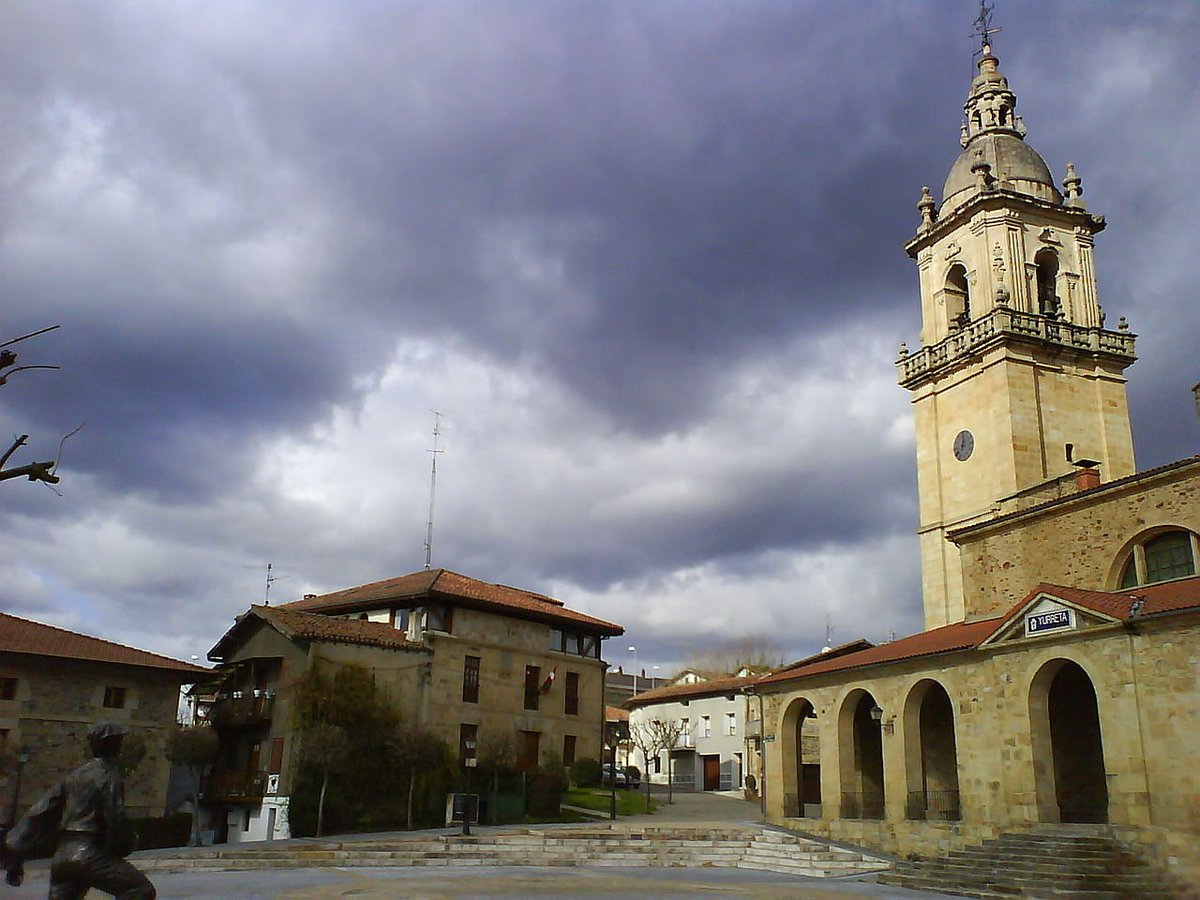
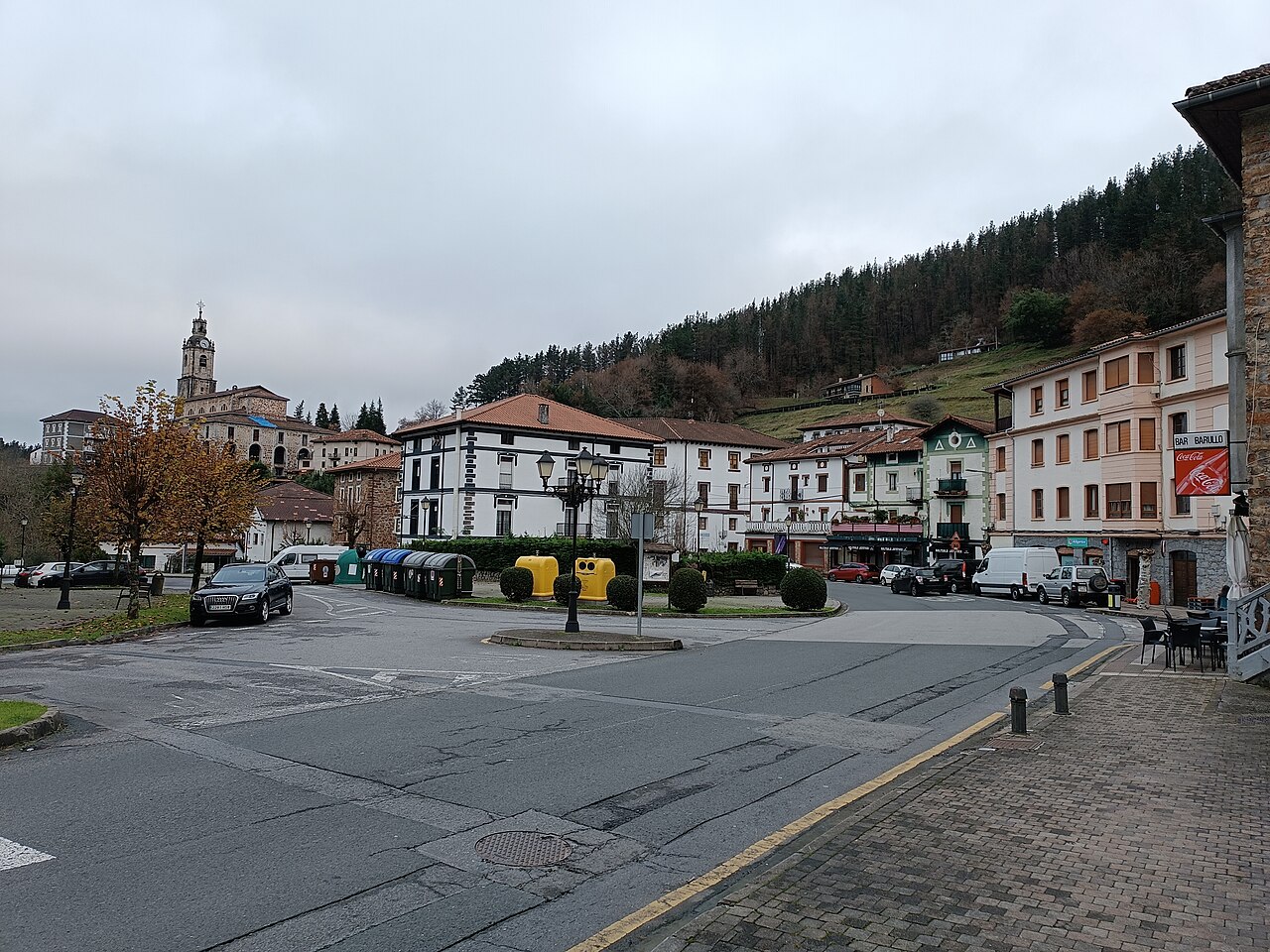
Closer to the centre, the most recognisable building is the church of San Andrés. It is not striking for its size or decoration. In fact, it is quite the opposite, simple and very much in keeping with what is typically seen in small villages in the Duranguesado area.
Inside, it retains the atmosphere of a rural church that many will recognise. Wooden pews, soft light and a sense that the space is used by the local community rather than by passing visitors. Throughout the year, village festivals and traditional events are held here, still bringing residents together. Even so, it does not function as a tourist focal point.
The church sits naturally within the rhythm of the place. It is part of everyday life rather than a separate attraction.
Scattered Farmhouses and the Valley Landscape
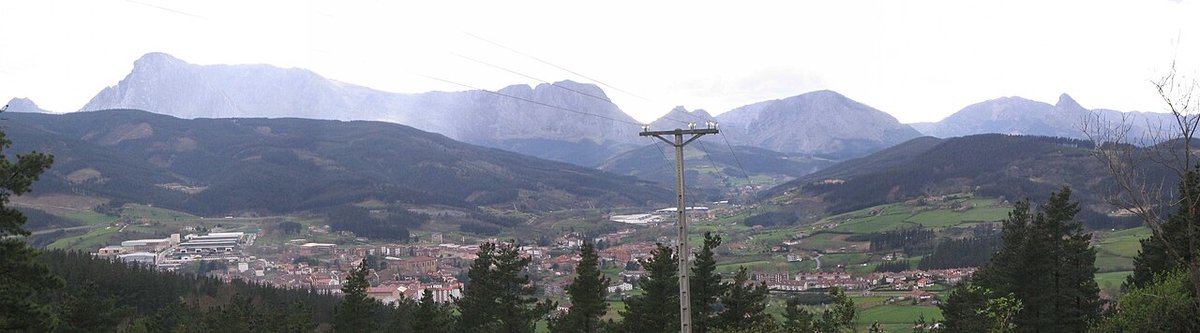
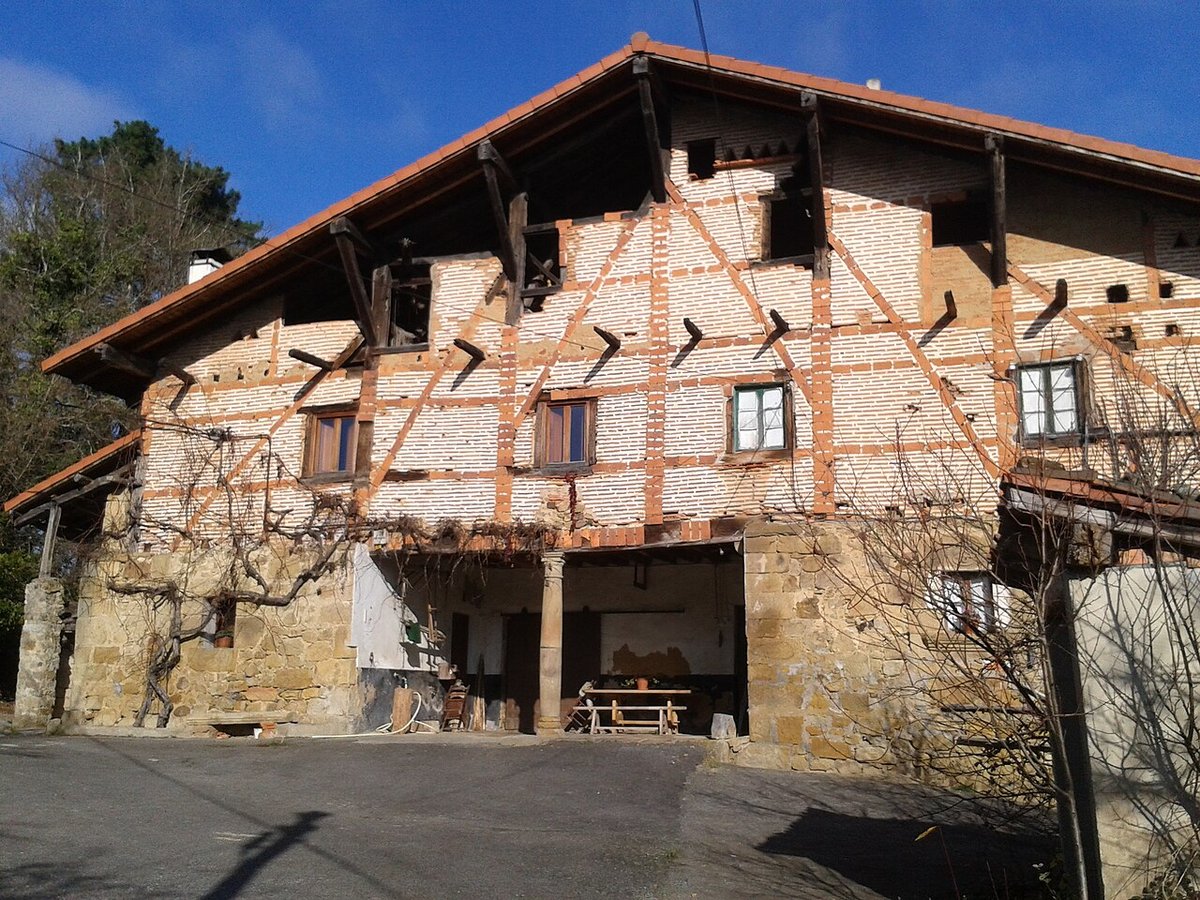
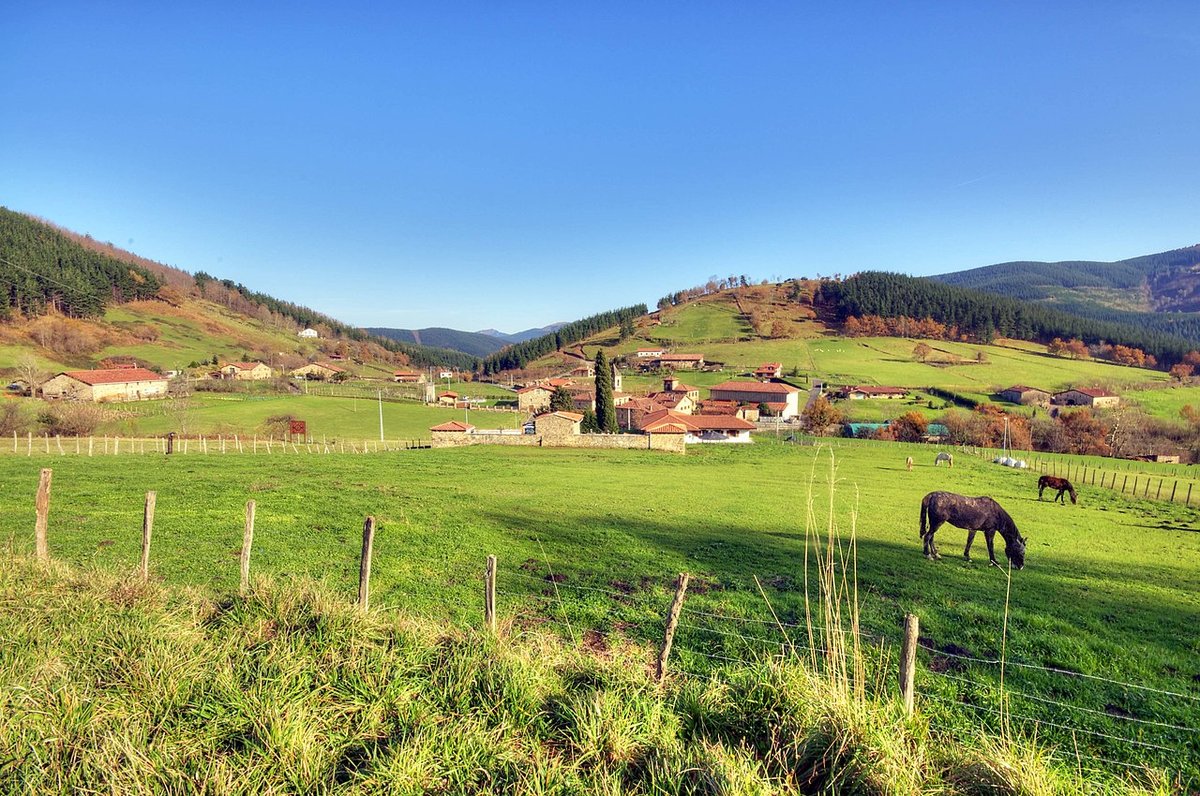
One of the defining features of Izurtza is how its houses are arranged. Farmhouses, known as caseríos, are dotted across the area, separated by meadows, small vegetable plots and patches of woodland. Many are still lived in. Others have been renovated over time, though they keep the typical stone and timber structure of the region.
The landscape itself is not dramatic. What you find instead is a calm, green valley with fields and trees that shift noticeably with the seasons. In spring, everything turns intensely green and fruit trees and hedgerows come into blossom. In autumn, the tones deepen and chestnut trees become more prominent on some of the slopes.
This is not a place for sweeping panoramic views. It invites attention to smaller details, the texture of the land, the way the light changes, the quiet continuity of rural life.
Walking Without a Set Route
From around the centre, several rural paths extend outwards. They are used by residents, cyclists and people heading out for a walk. Not all of them are designed as formal walking routes, so it is common to find a mix of footpaths, agricultural tracks and very narrow roads.
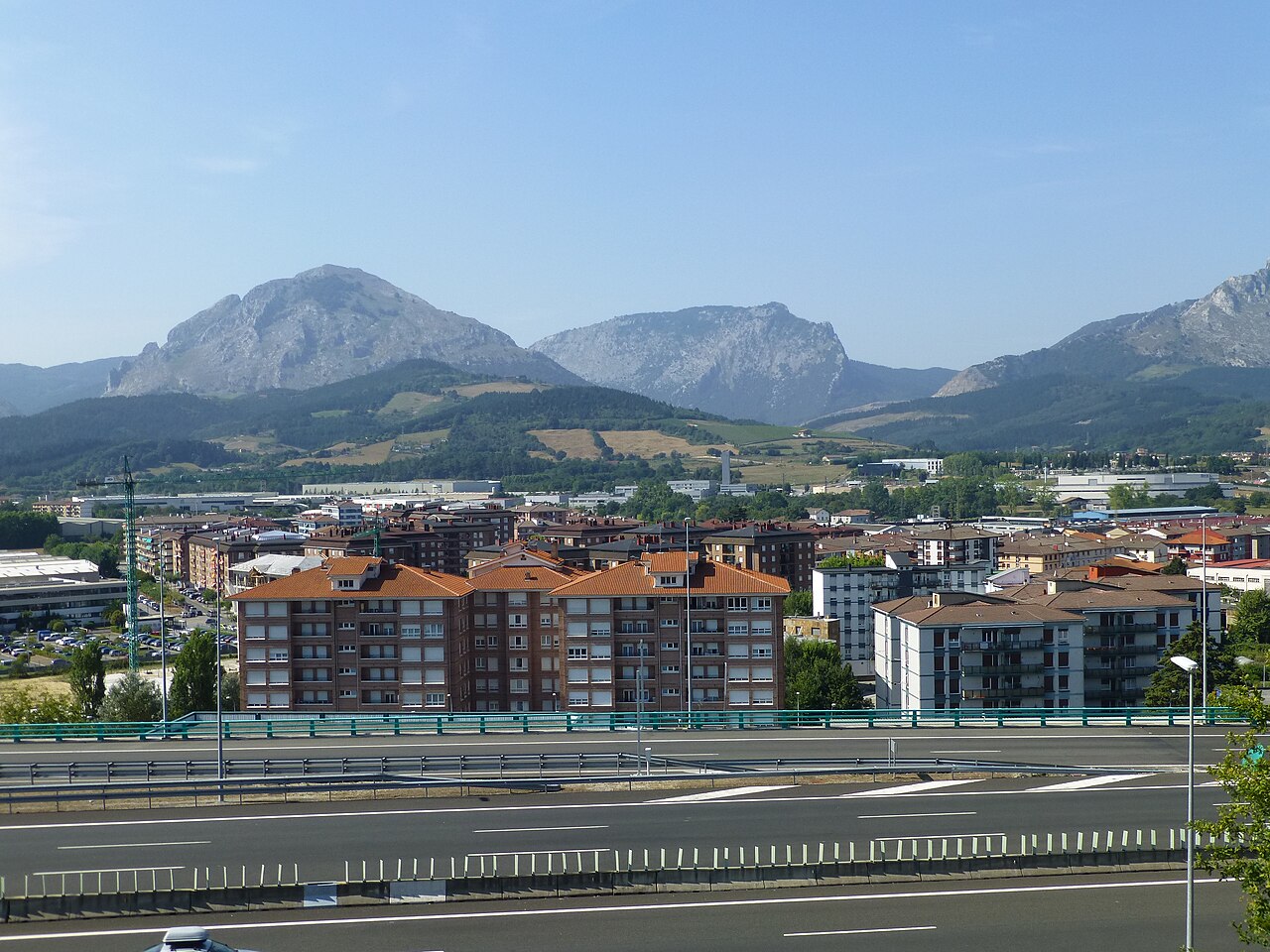
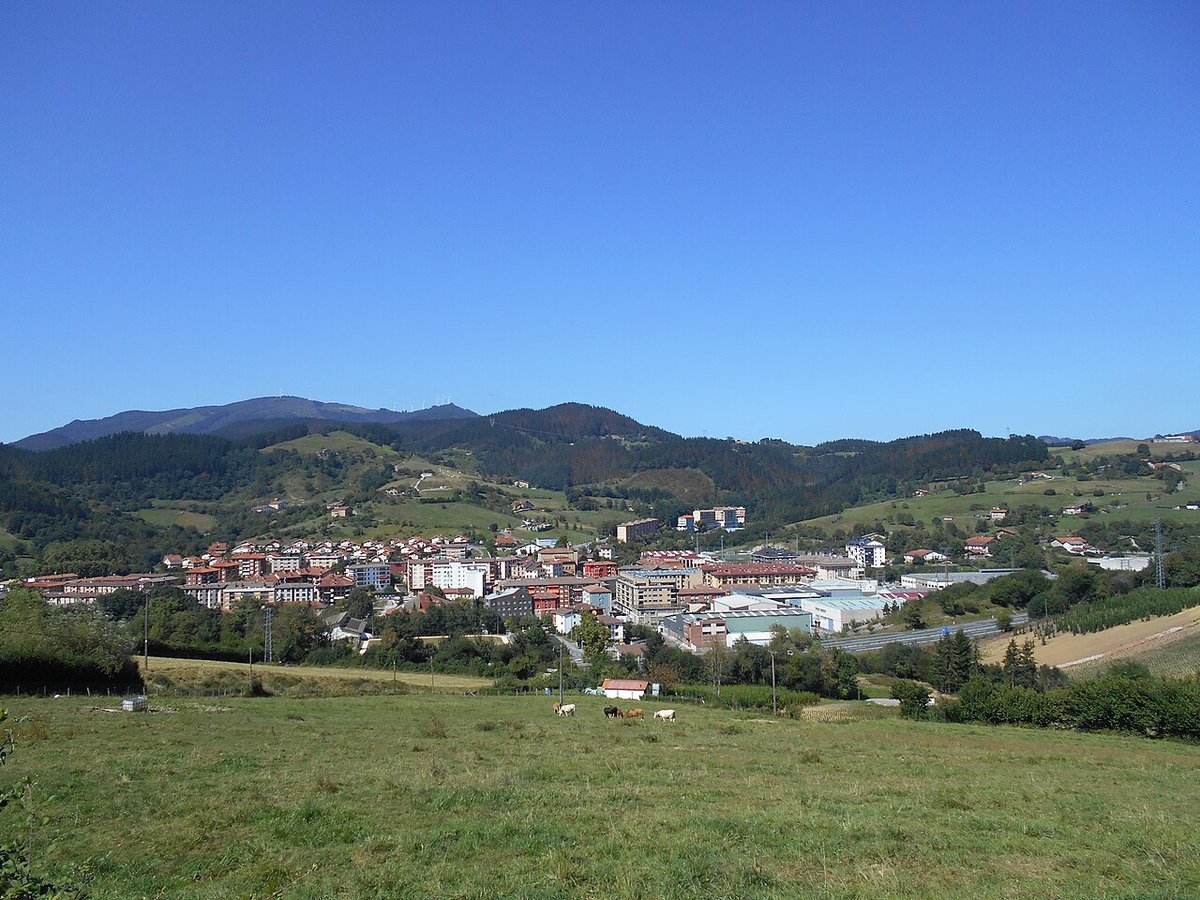
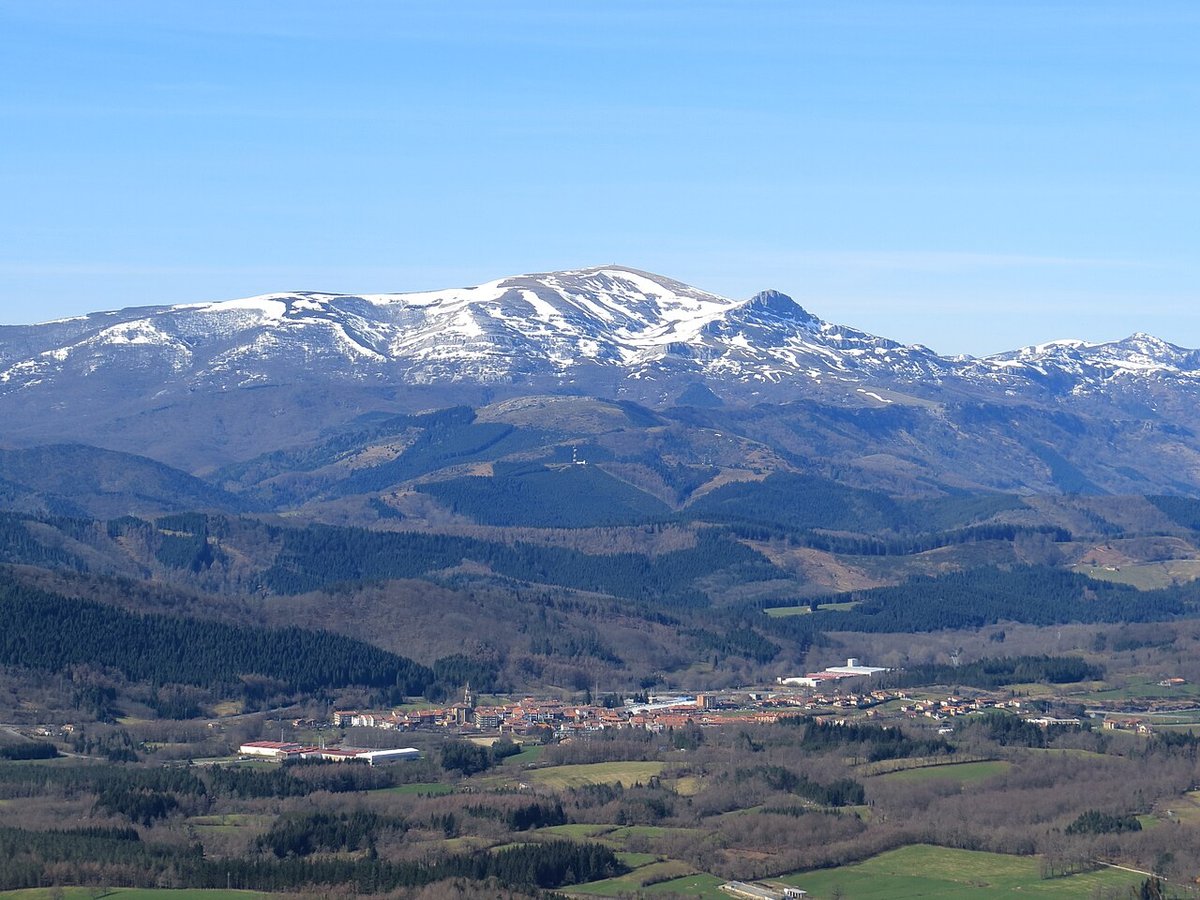
For those who enjoy walking without too much planning, it is easy to follow one of these routes towards the river or head up towards the first slopes that surround the valley. In certain spots, the view opens out towards Durango and the nearby mountains of the Duranguesado.
This is not an area for long-distance hikes within the municipality itself. Instead, it suits shorter walks of an hour or two, taken at an unhurried pace.
Quiet Roads and Cycling
Cycling around the area is also quite common, though it requires some care. Many of the roads are narrow and winding, the kind where vehicles need to slow down when passing each other.
For cyclists with some experience, it can be an enjoyable way to move between farmhouses and meadows. With young children, walking along the quieter paths is usually a better option.
As with walking, the appeal lies less in reaching a specific destination and more in moving through the landscape at a steady, observant pace.
A Short Stop That Makes Sense
Izurtza makes it clear that it is a small village. There are private plots of land, access routes to farmhouses and paths used daily by residents. Chains, gates or signs generally indicate private property and should be respected.
It is also not a place designed to fill a full day of sightseeing. It fits more naturally as a short stop while travelling through the Duranguesado. A walk, a moment to take in the valley, then on to the next destination.
Sometimes that is exactly what is needed. A place where very little happens, and that is precisely why it works.