Full Article
about Mallabia (Mallavia)
Valleys and hamlets a short distance from Bilbao, with a lively local scene.
Ocultar artículo Leer artículo completo
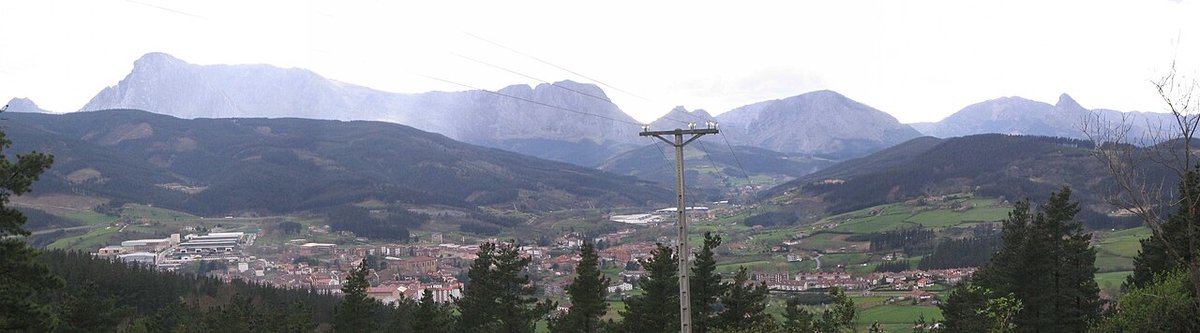
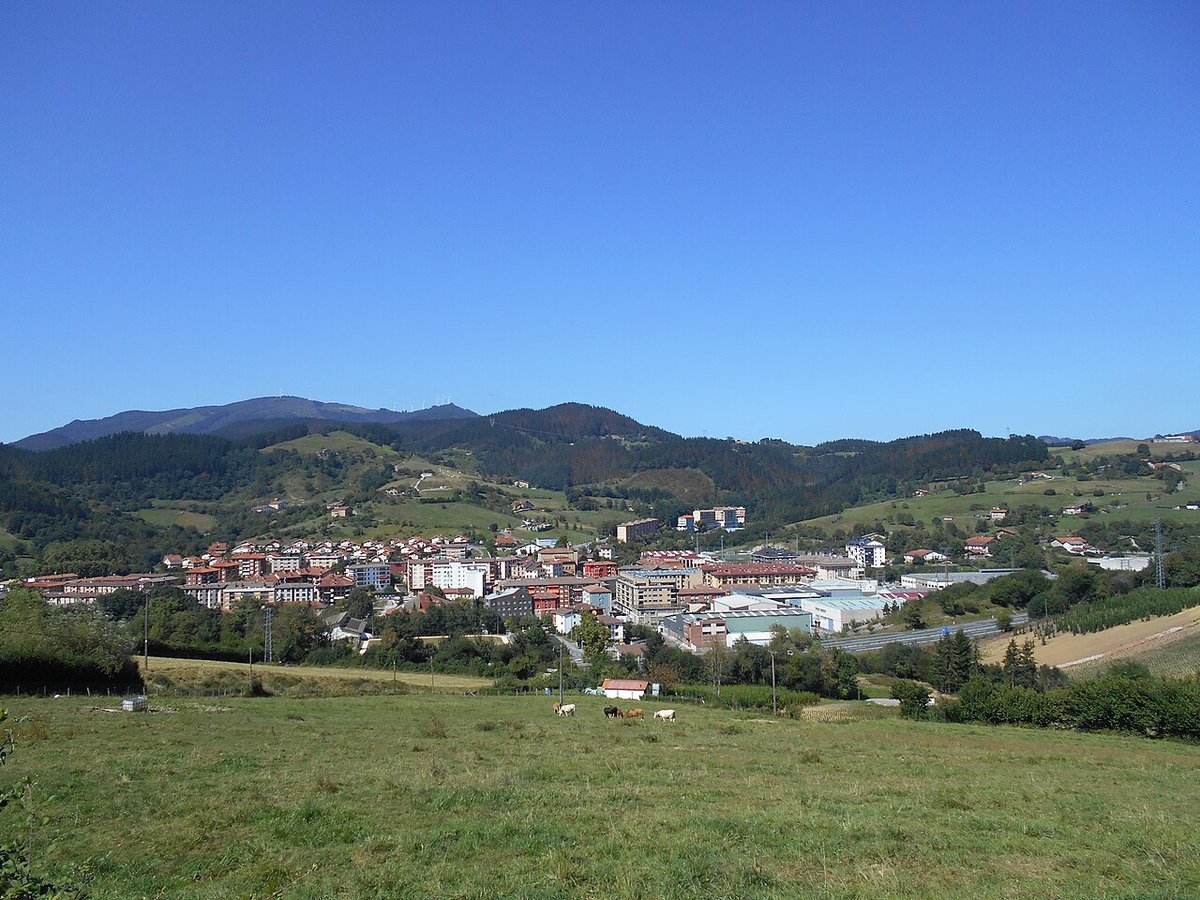
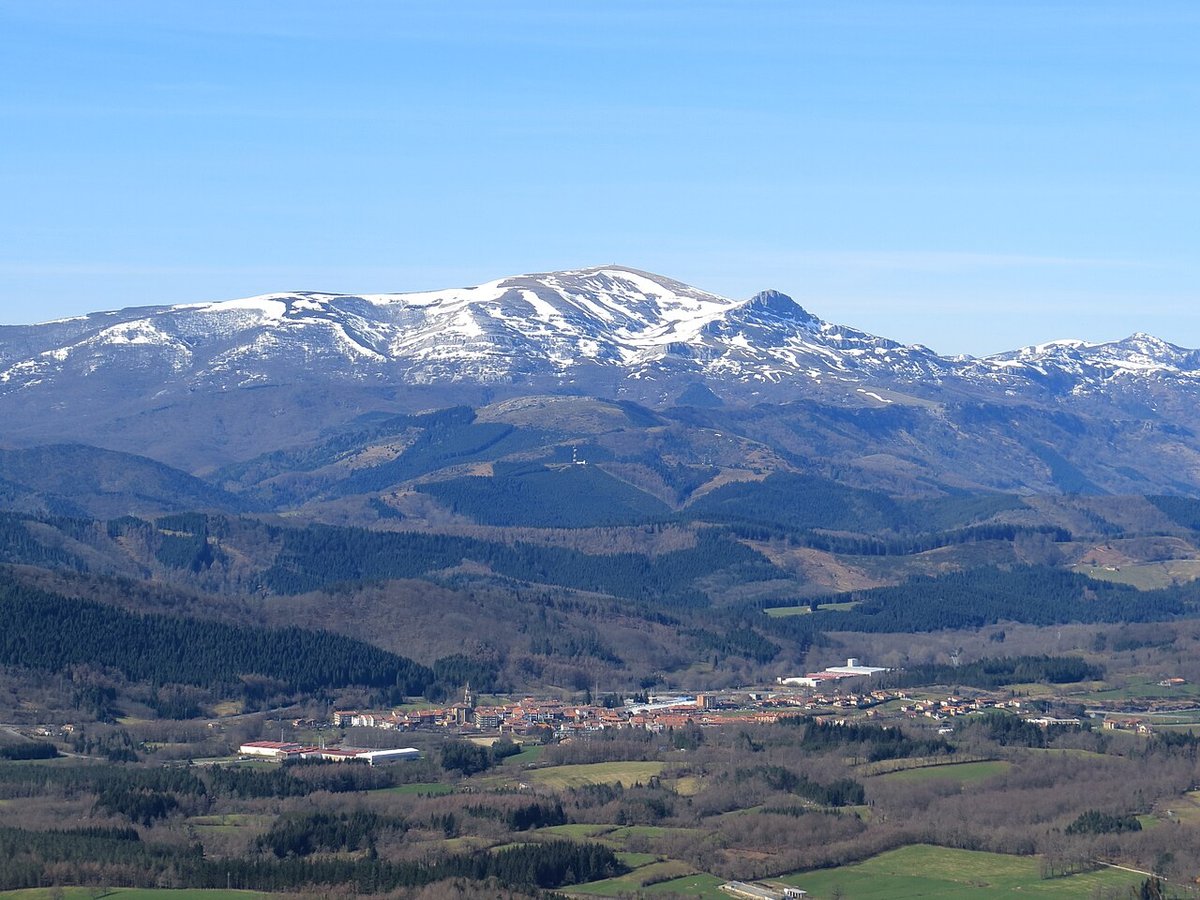
The sheep notice you before anyone else does. Latxa ewes lift their heads as you pause on the narrow lane, their bells clinking a soft warning. Somewhere behind the stone wall, a farmer keeps cutting hay, indifferent to the hire car that just squeezed past his tractor. This is Mallabia, 1,100 souls scattered across Basque hills so steep that sat-nav politely suggests you “proceed with extreme caution”.
A Village That Refuses to Huddle
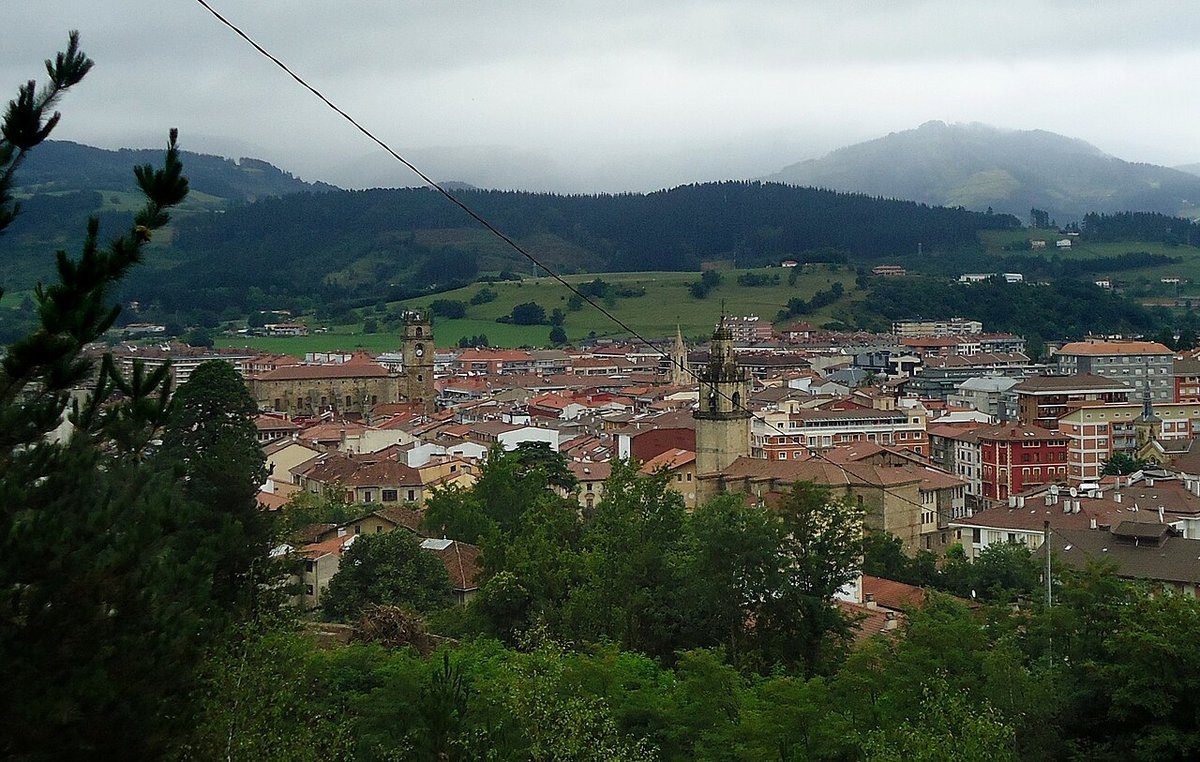
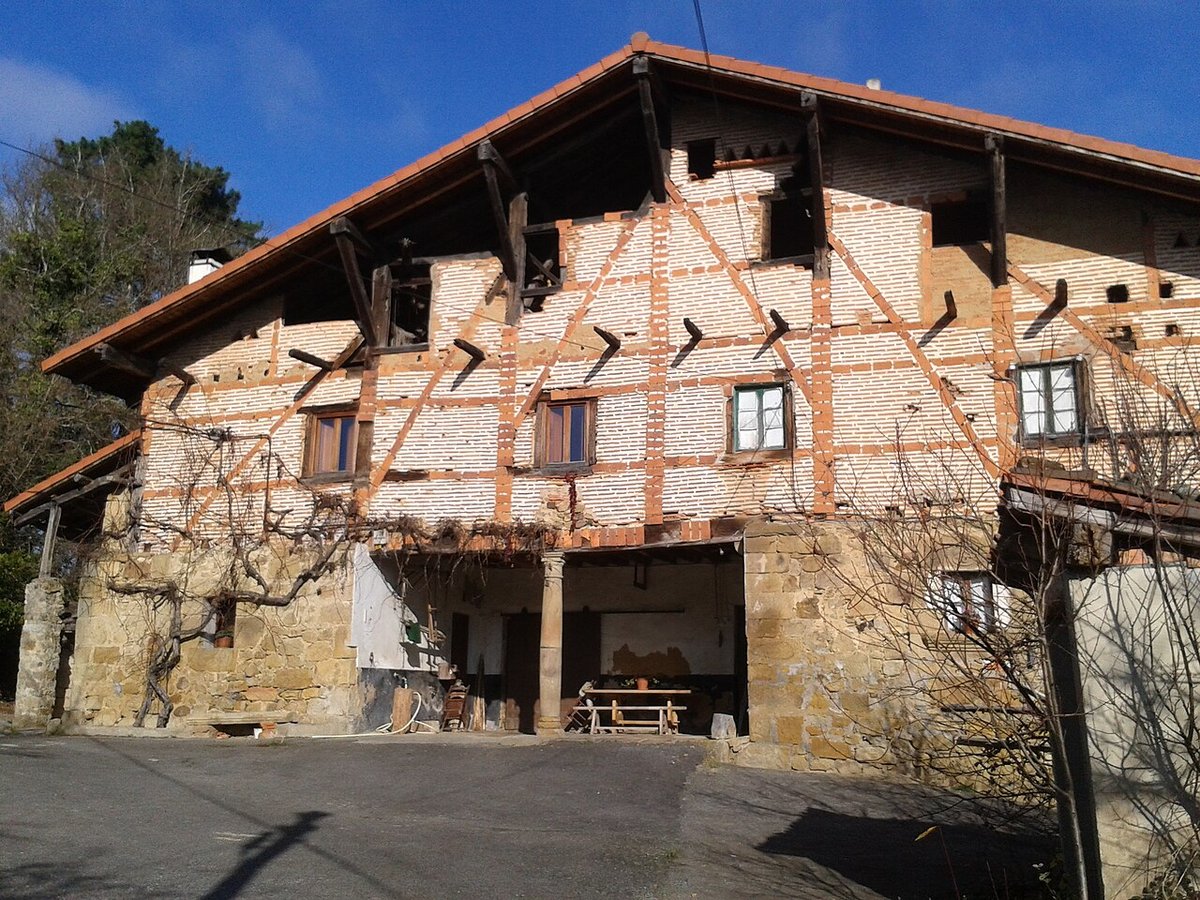
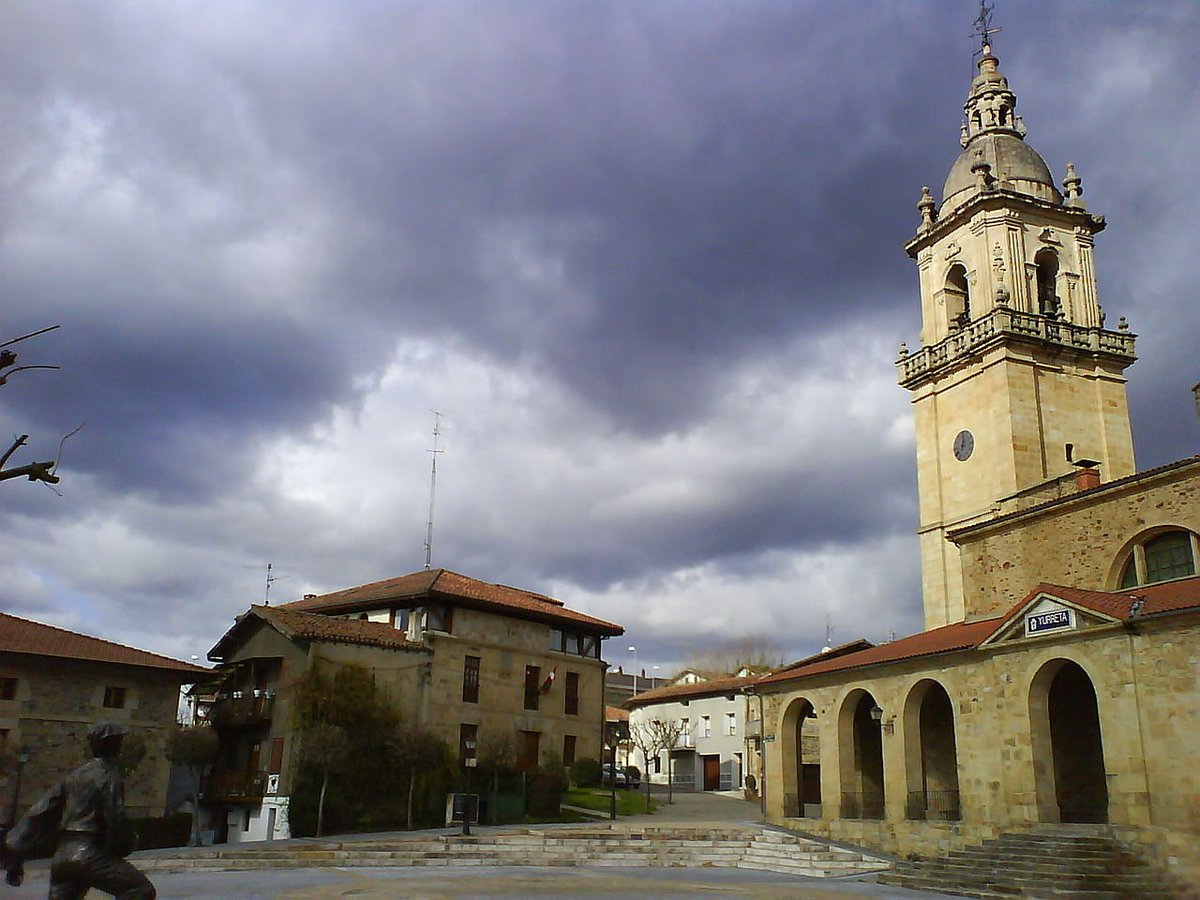
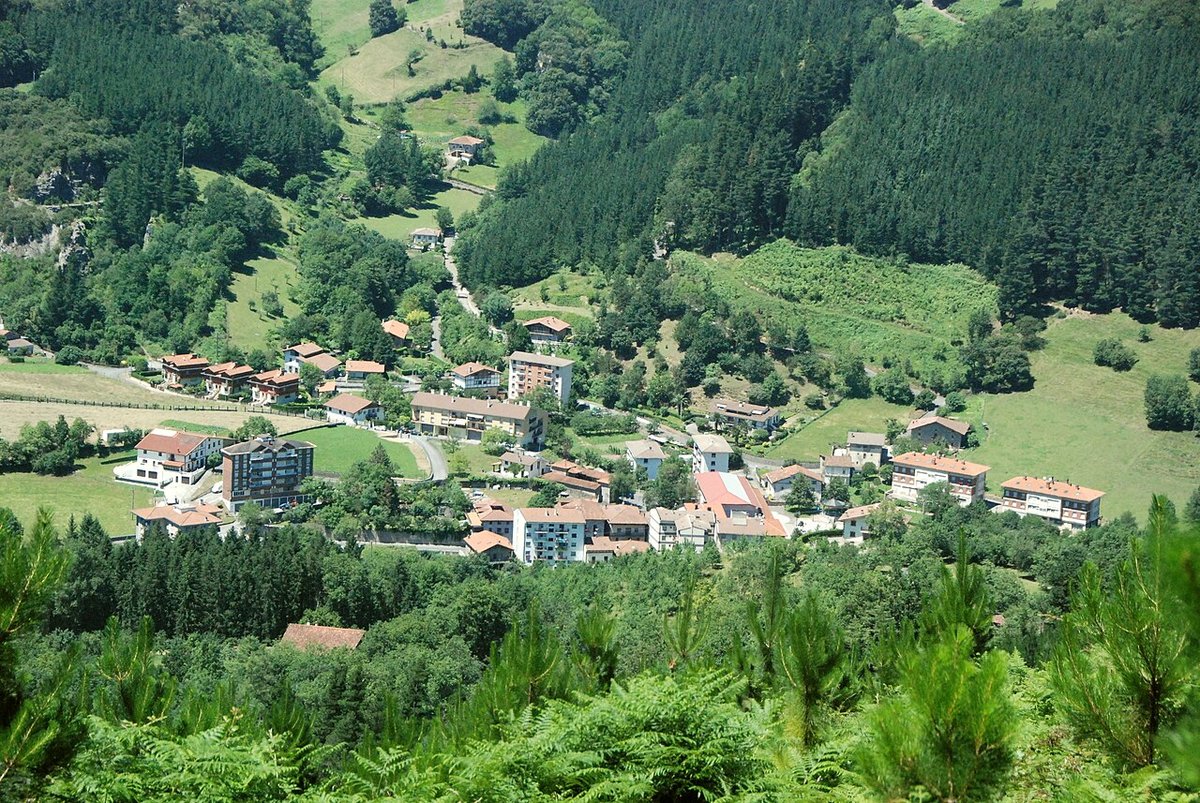
Forget the postcard plaza ringed by cafés. Mallabia’s houses are strung along ridges and tucked into folds of beech and oak, linked by roads barely wide enough for two vans to pass without mirror diplomacy. The church of San Pedro stands at the highest point of the original hamlet, its square tower visible for miles, but there is no centre in the British sense—no high street, no war memorial, no bench for a breather. Instead you get neighbourhoods with names like Argiñeta and Zabala, each a cluster of half-timbered farmsteads whose family crests have been weather-blasted since the 1700s.
Park on the verge (wheels well in, tractors have priority) and walk. Within ten minutes you will have seen the core: the church, the fronton court where pelota balls thud after school, and Bar Mañe, its terrace angled to catch the afternoon sun. Order a cortado and you will probably share the counter with someone still wearing barn boots. Conversation drifts between Basque and Spanish; English is met with polite curiosity rather than menus in laminated triplicate.
Working Landscape, Not Backdrop
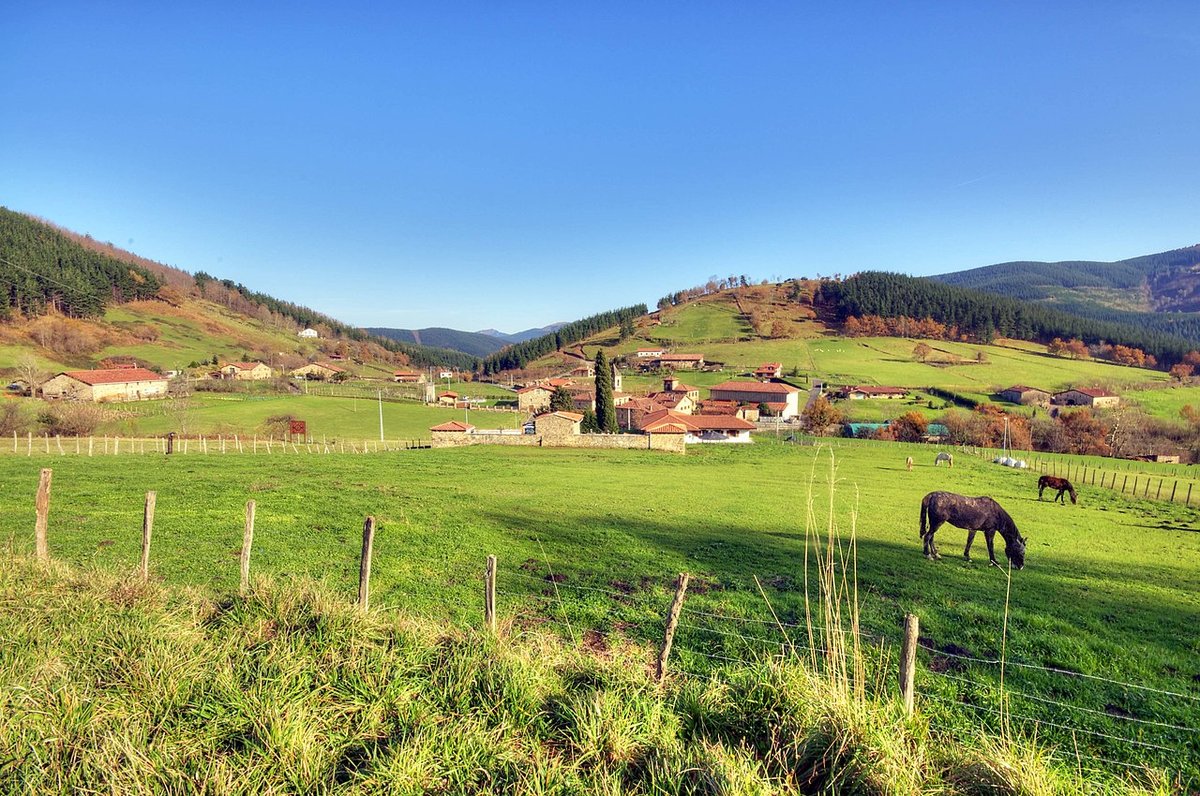
Every meadow here earns its keep. The latxa milk goes to Idiazabal cheese, the apples to cider houses along the BI-623, and the hay bales you photograph are winter fodder, not Instagram props. Footpaths are signed, but discreetly—white and yellow flashes on fence posts or a splash of paint on a drainpipe. Follow one and you will skirt pastures where sheep dogs eye you with professional suspicion, then climb into beech woods so suddenly silent that your own breathing sounds intrusive.
The classic circuit threads south-east to the tiny chapel of Santa Agueda, 3 km on a stony track that turns slick after rain. Allow an hour up, forty minutes back, and expect 200 m of ascent—modest on paper, calf-burning in humid July heat. Mountain bikers use the same trails; if you hear a bell behind you, stand aside and wave—riders brake hard on these gradients.
Rain is part of the deal. Atlantic weather sweeps in off the Bay of Biscay, damp even when Bilbao is sunny. Waterproof trousers live in car boots year-round; locals judge a morning “bueno” if the cloud base is above the bell tower. Spring and early autumn give the best odds: wild daffodils in April, beech leaves the colour of burnt toffee in late October.
What You’ll Eat and Where You’ll Sleep
Mallabia keeps two bars and one restaurant. Bar Mañe fires up its charcoal grill at 20:00 sharp; arrive earlier and you will smell the oak smoke before you see it. The chuletón for two weighs a kilo, arrives on a wooden board with only a lemon wedge for decoration, and costs €42—bring friends or an appetite sharpened by hill air. Cider season runs January to April: waiters pour from shoulder height into your glass, a two-second theatre that aerates the drink and soaks the floor. If you prefer beer, the village shop stocks Urdaibai craft ale brewed 20 km away, citrusy enough to please a British IPA palate.
Accommodation is thin. Three rural houses offer rooms under the Basque Government’s Agroturismo label—expect stone walls, under-floor heating and breakfasts that include cheese made that week. Prices hover round €90 for a double, cheaper mid-week. Book early for the last weekend in June when San Pedro fiestas fill every spare bed; fireworks echo round the valley until 02:00, so light sleepers should request the rear rooms.
The nearest supermarket sits on the edge of Durango, ten minutes down the BI-623. Sunday lunchtime it is shut, along with the petrol station. The Spanish habit of carrying weekend supplies in the boot makes perfect sense here.
Getting It Wrong, Getting It Right
British visitors usually arrive from Bilbao airport, 35 minutes away on the A-8. The temptation is to treat Mallabia as a quiet Bilbao dormitory—big mistake. The last direct bus leaves Durango at 20:10; miss it and a taxi costs €30. Hire cars start at £28 a day in winter, cheaper than two return cab rides and essential if you plan to walk anywhere beyond the village lanes.
Another mis-step is assuming “small” equals “quick”. A drive from one end of the municipality to the other can take twenty minutes on switch-back roads where 30 km/h feels reckless. Build buffer time for reversing into passing bays when the milk lorry appears round a bend.
Do ask permission before crossing a field even if the map shows a right of way; farmers move livestock quickly and a gate left open can ruin a morning. A courteous “¿Podemos pasar?” usually earns a wave, sometimes directions to a viewpoint that is not on any leaflet.
When to Come, When to Leave
August is fiesta month: brass bands, paella pans the diameter of tractor tyres, and a rowdy game of “bolos de arena” played with heavy wooden balls on a sand alley outside the fronton. The village feels lively rather than packed—still only 1,500 people—but every room within 15 km is booked by May. Spring brings orchid-spotted meadows and the smell of wild mint underfoot; autumn sharpens the air enough to make the cider taste sweeter. Winter is misty, beautiful and slightly melancholy; daylight fades by 17:30 and bars close early if custom is thin. Come then only if you are content with your own company and a good supply of books.
Leave before you have ticked everything off. Mallabia does not reward checklist tourism; it offers instead the small pleasure of realising that somewhere between the beech woods and the cow byres, the twenty-first century has been persuaded to slow down. Drive back towards the coast and the hills recede in the rear-view mirror, greener than seems possible under a cloudy Basque sky. Somewhere behind you, the sheep bells keep clinking, indifferent to whether you stayed an hour or a week.