Full Article
about Mañaria
Valleys and hamlets a stone’s throw from Bilbao, buzzing with local life.
Hide article Read full article
Mañaria, o cuando el pueblo es solo la antesala
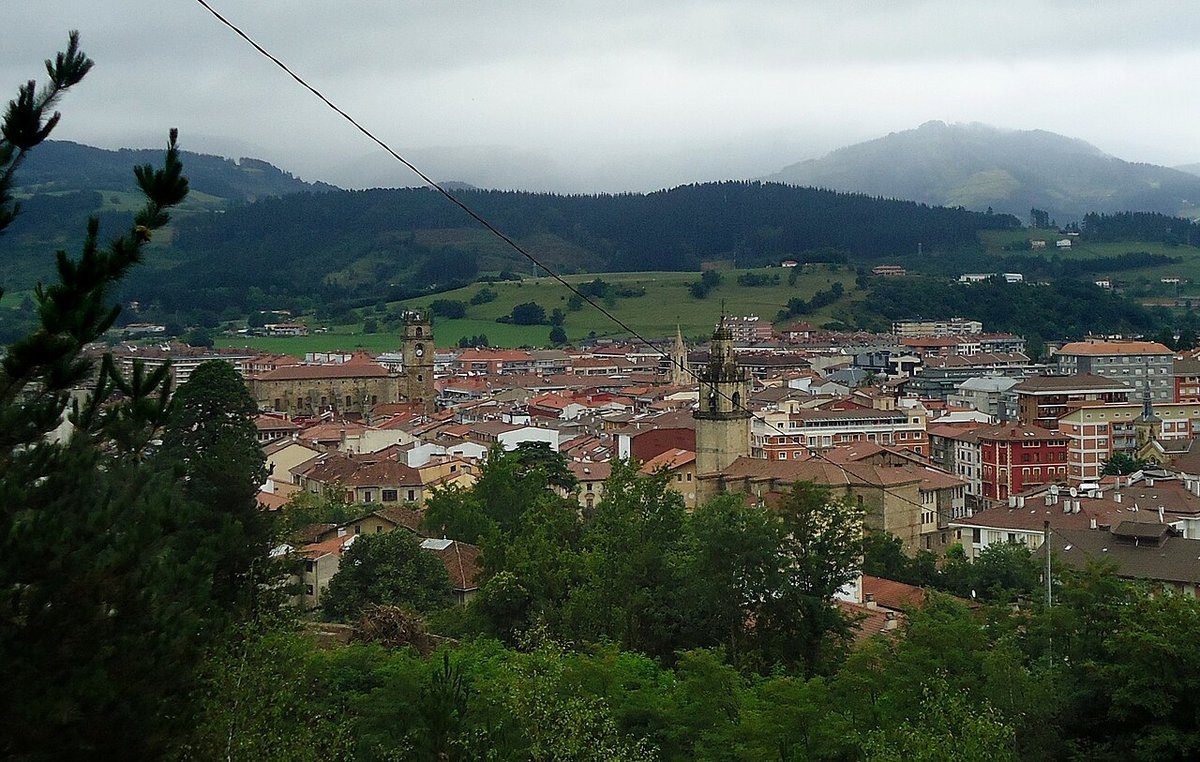
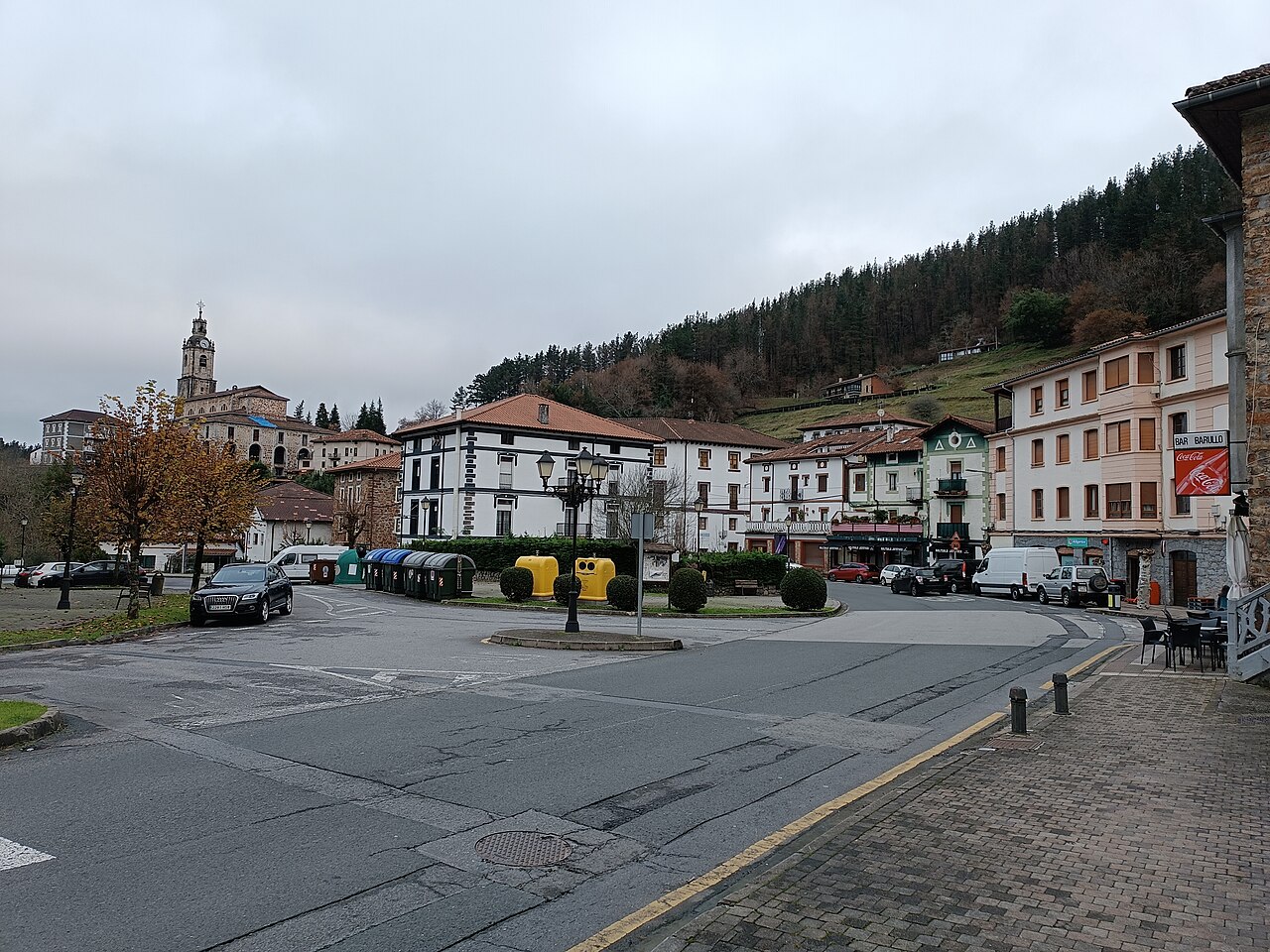
Llegas a Mañaria por la carretera que serpentea el valle, y lo primero que piensas es: "Aquí vive gente". No hay una plaza mayor monumental, ni un cartel que te señale el "mirador más fotogénico". Hay casas de piedra junto a la carretera, un bar con su terraza, y la sensación clara de que esto no es un decorado. Es como llegar a casa de un amigo sin avisar: las cosas están como están, y tú eres el que pasa por allí.
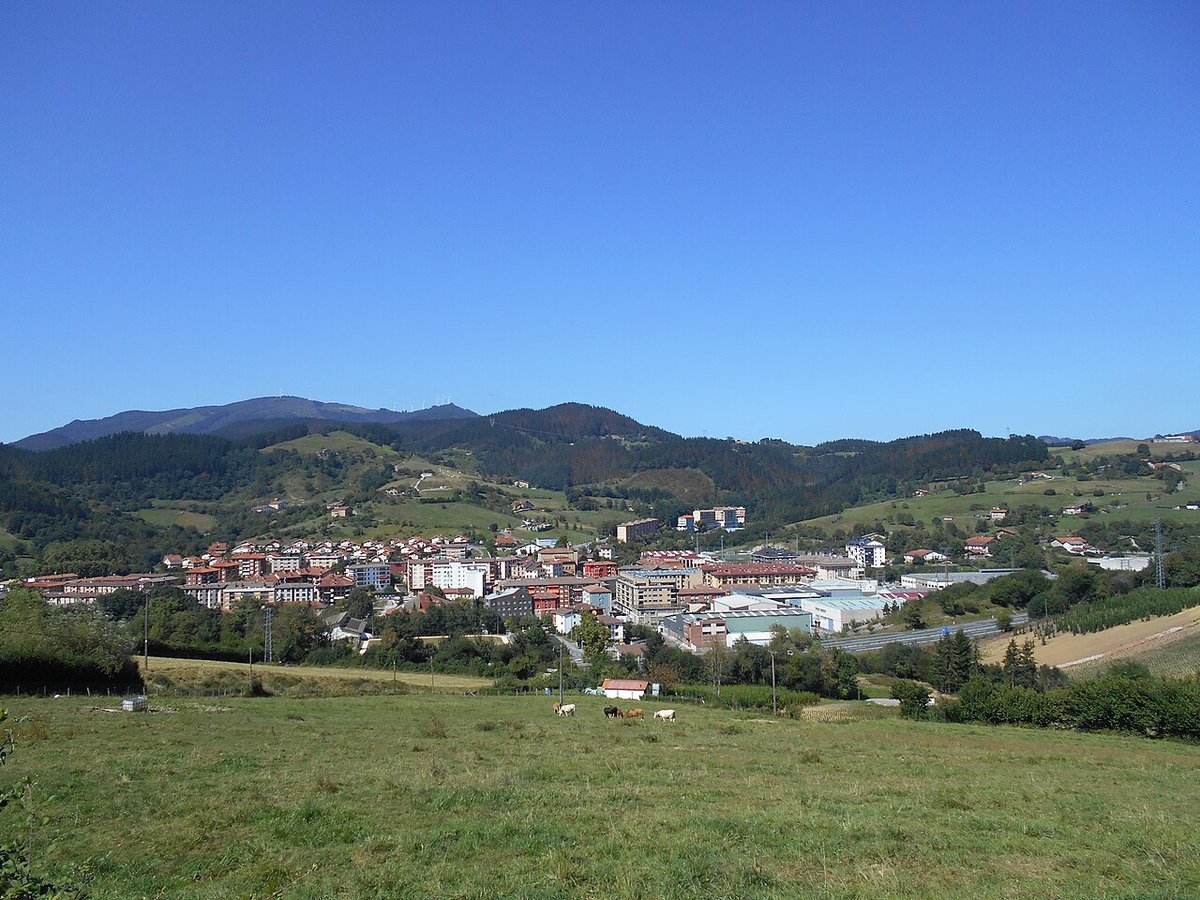
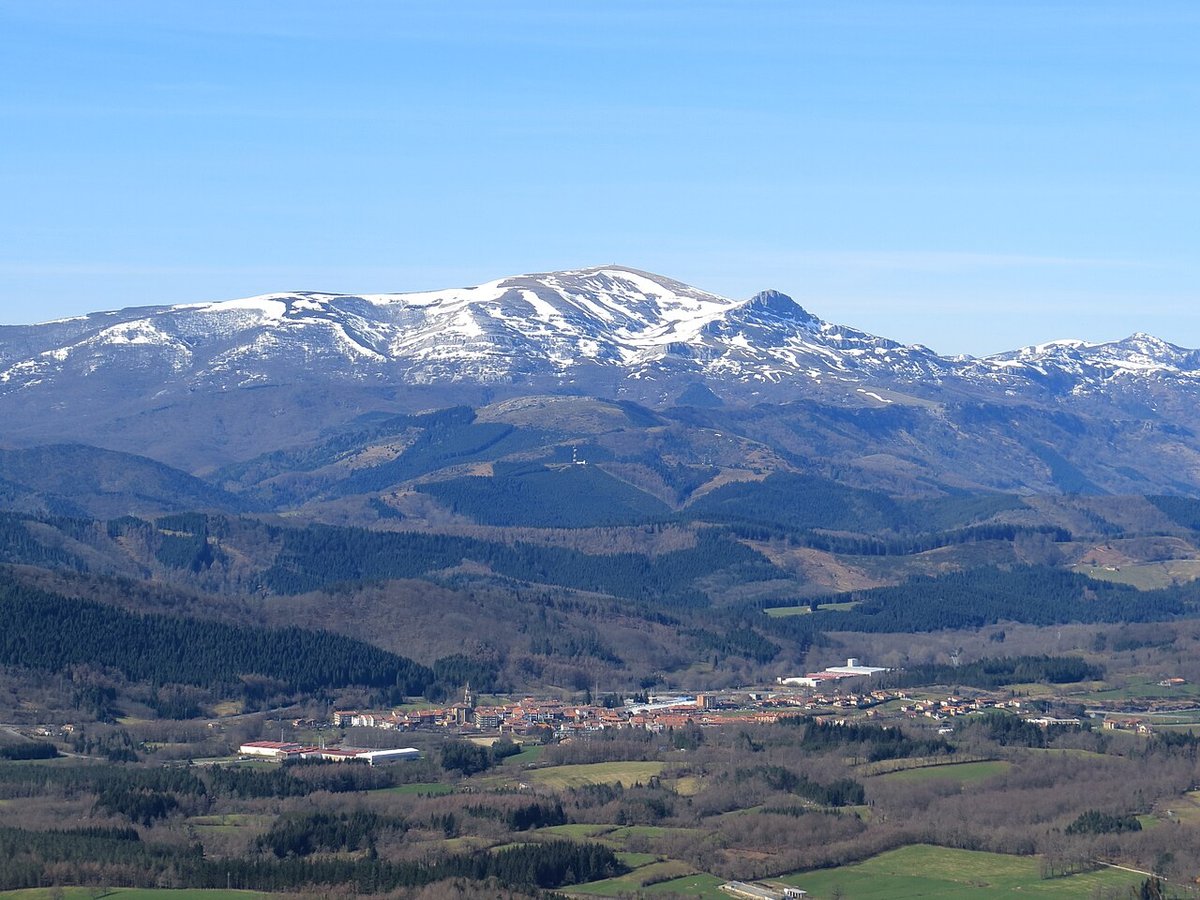
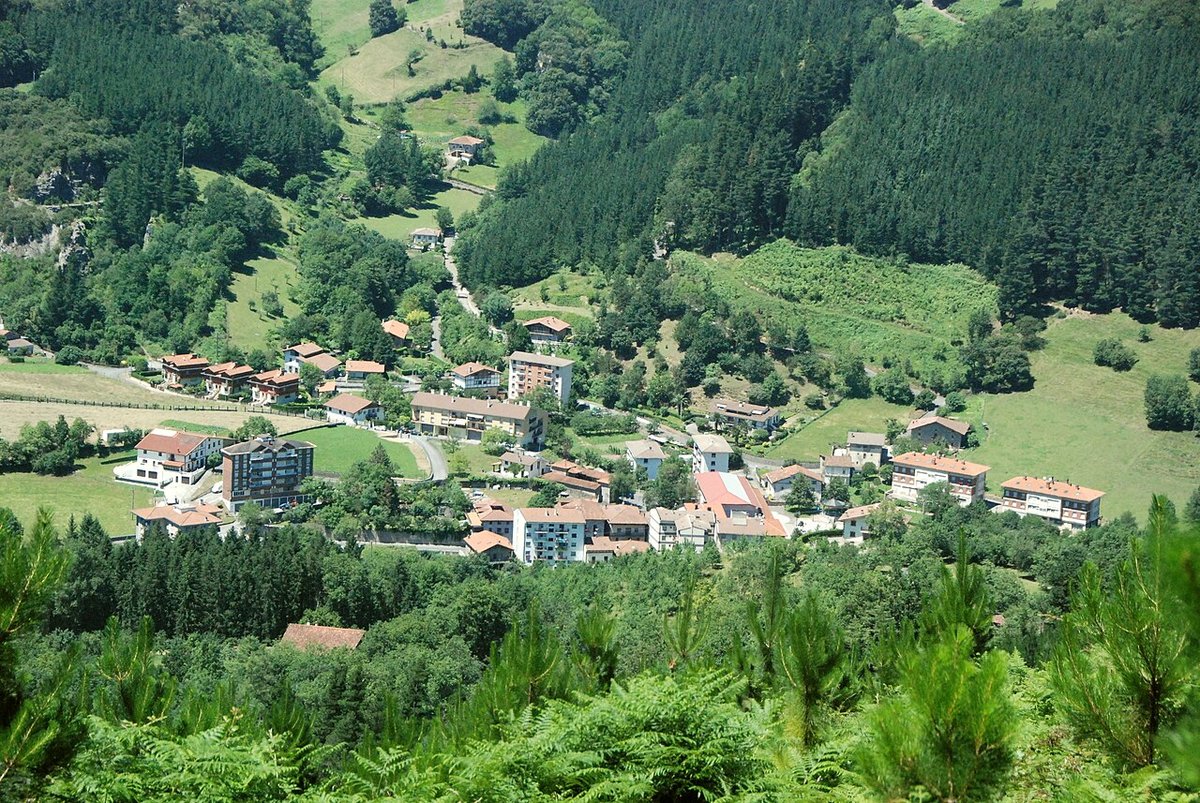
Tiene poco más de quinientos habitantes y está en el Duranguesado, en Bizkaia. Su gracia, si se le puede llamar así, es que no tiene pretensiones. Es un pueblo funcional, colgado en una ladera, que sirve sobre todo de puerta de entrada a lo que importa: las montañas de alrededor.
Un paseo corto y con la cabeza arriba
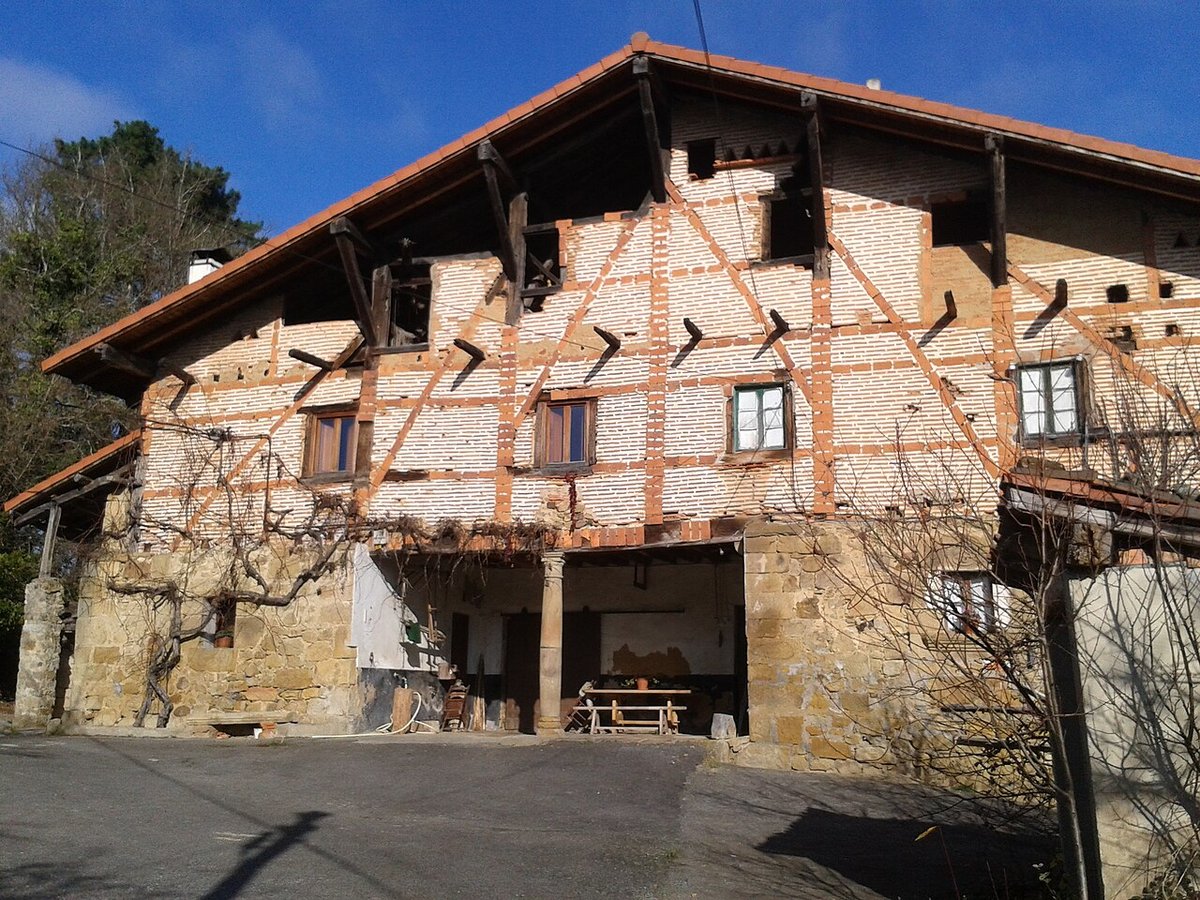
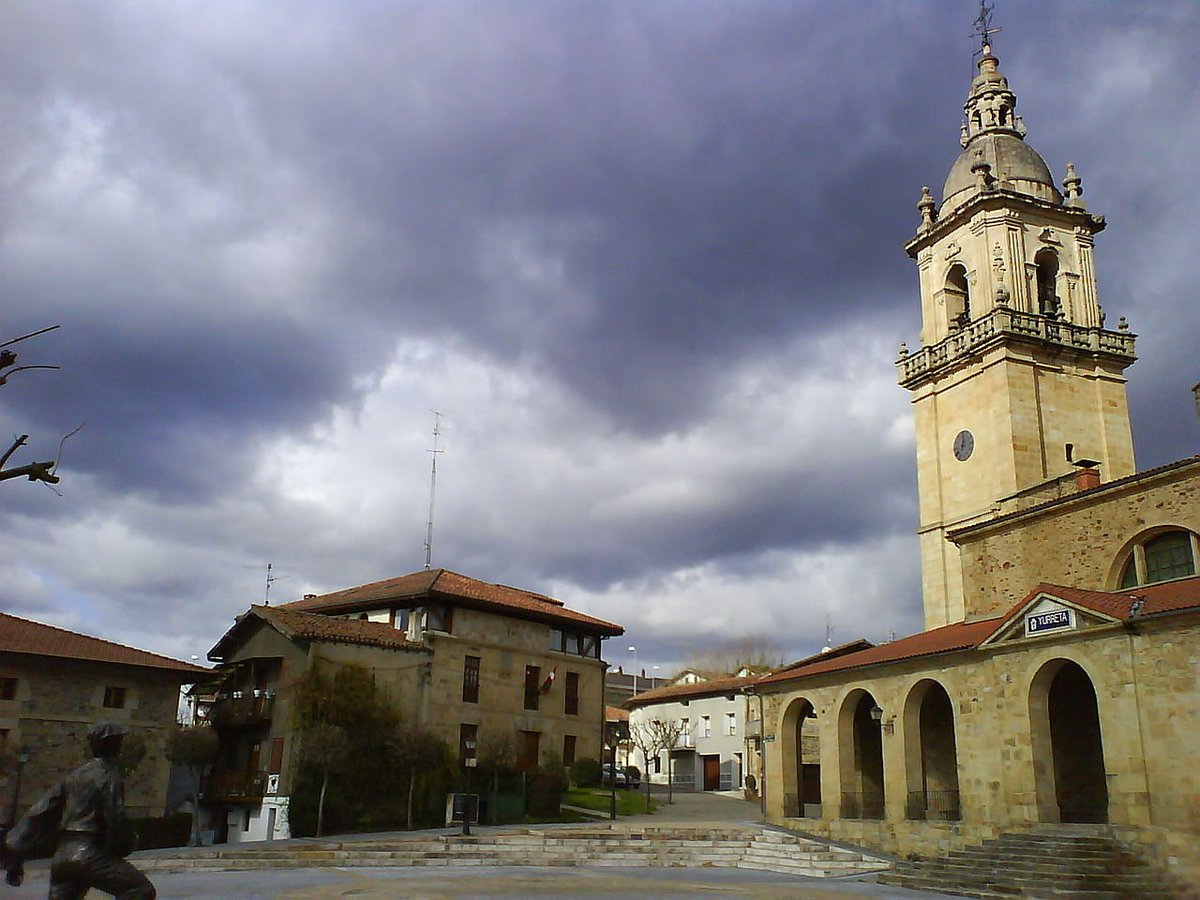
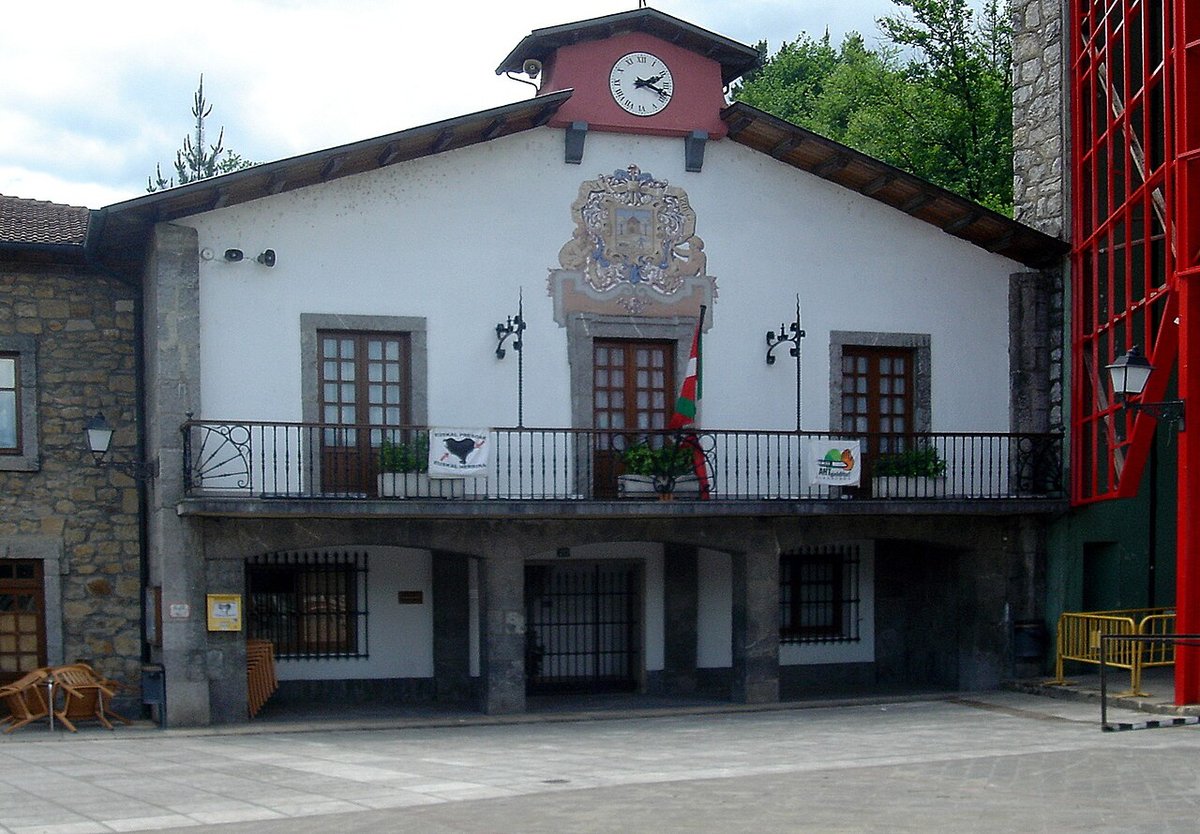
No vengas buscando un laberinto de calles medievales. Mañaria se recorre en línea recta, siguiendo la carretera principal. Las casas son de esa piedra oscura típica del lugar, algunas con escudos desgastados por la lluvia. No hay paneles explicativos; o te fijas o pasan desapercibidos.
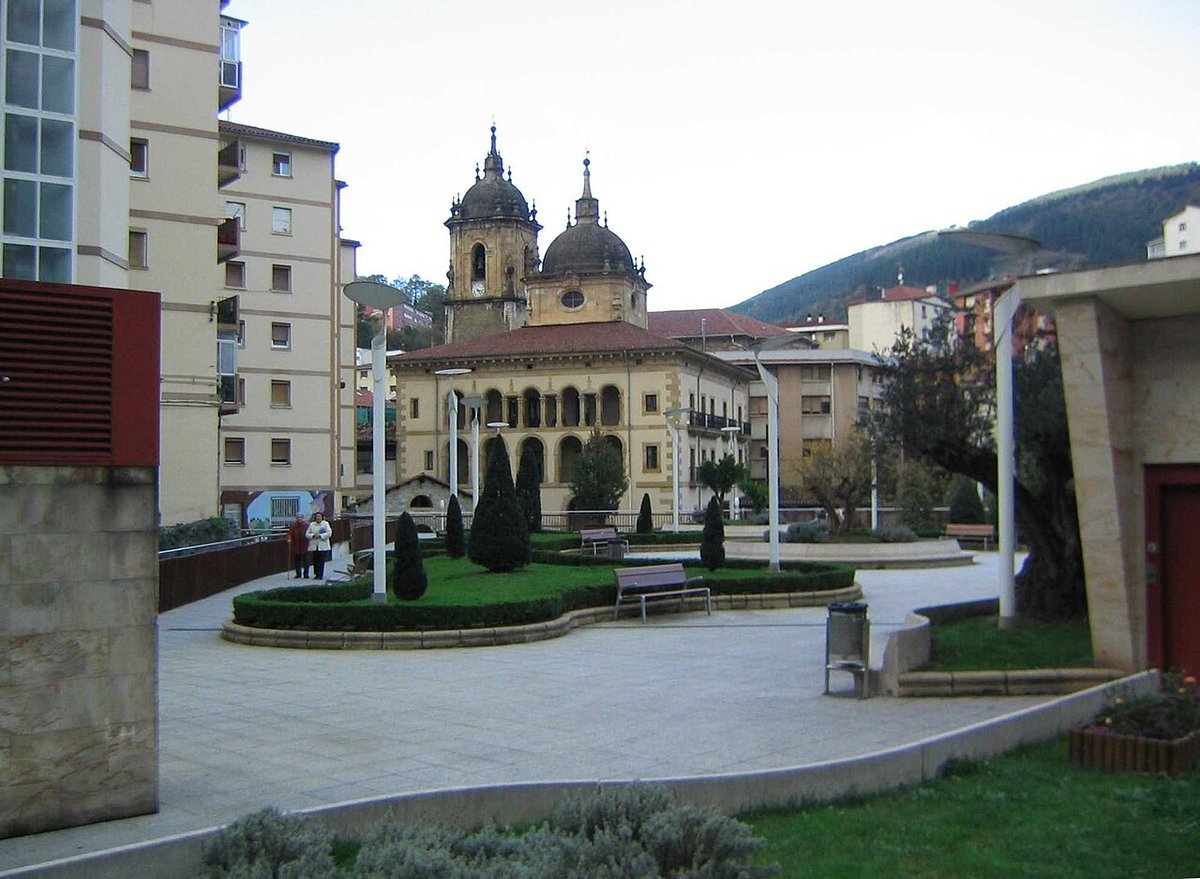
La iglesia de San Miguel suele estar abierta. Es austera por dentro, amplia y fría, con ese aire de lugar que se usa los domingos y punto. Vale la pena echar un vistazo rápido, pero no esperes encontrar una obra maestra del arte sacro. Es una iglesia de pueblo, sin más.
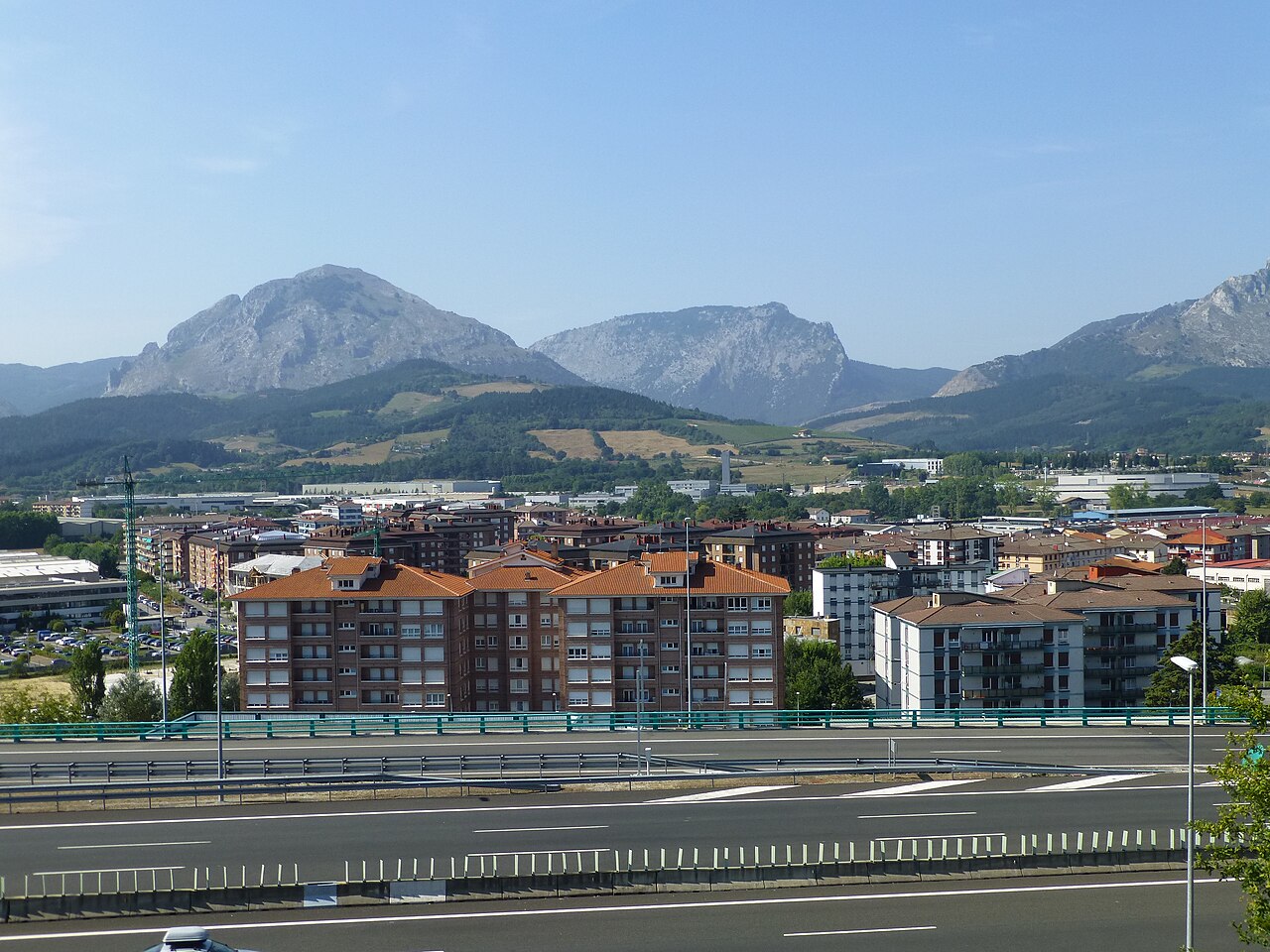
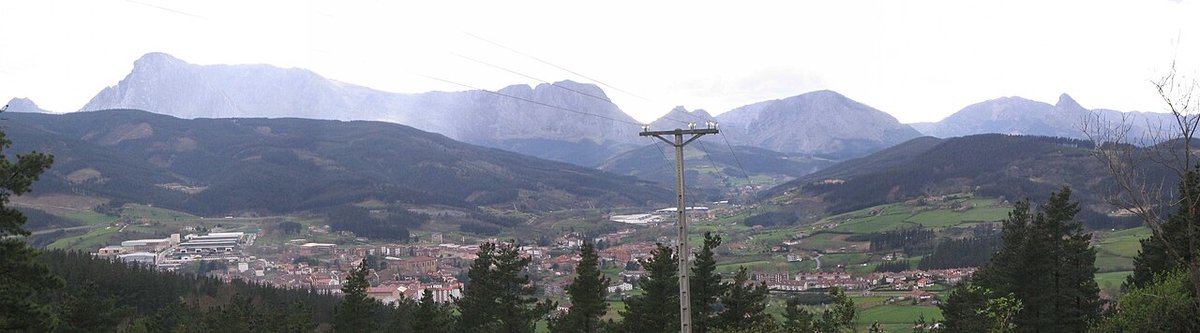
La verdad es que caminar por aquí te hace mirar hacia arriba constantemente. Las paredes de roca del Urkiola y la silueta del Anboto lo envuelven todo. Te sientes pequeño, en el buen sentido.
Donde empieza lo bueno: las salidas al monte
Lo único por lo que realmente merece la pena parar aquí es si vas a caminar o a pedalear. El asfalto termina pronto y empiezan las pistas forestales y los senderos que se adentran en el Parque Natural de Urkiola.
Son caminos serios. No son paseos domingueros con bar al final. La cuesta aparece rápido y el firme puede ser complicado si ha llovido (que suele pasar). Pero son auténticos: los usan los vecinos para ir a sus bordas o los ciclistas para entrenar. No están preparados para turistas.
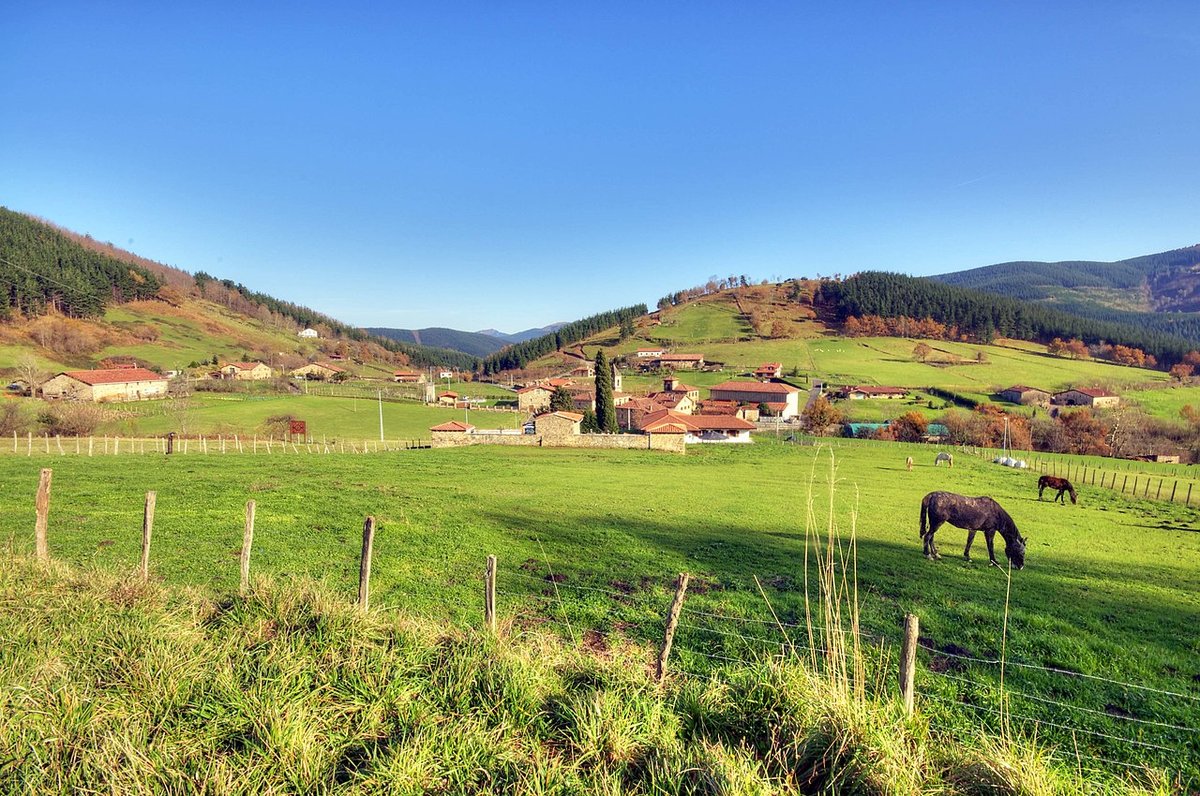
Si solo quieres una idea, hay una ruta corta que sube desde el pueblo hacia las primeras estribaciones. En media hora tienes ya una vista panorámica del valle que pone las cosas en perspectiva: Mañaria abajo, diminuta, y todo el poderío del Duranguesado alrededor.
Un pasado industrial que aún se intuye
Aunque ahora parezca solo un remanso verde, este valle vivió de la madera y del agua. Si prestas atención mientras caminas por sus límites, verás restos de antiguos molinos o construcciones relacionadas con los aprovechamientos forestales.
No son museos ni están señalizados. Son como cicatrices en el paisaje: te cuentan, sin aspavientos, que la vida aquí siempre fue dura y ligada al sudor. Le da otra capa al lugar saber eso.
Mi consejo práctico
¿Vale Mañaria un viaje expres? En mi opinión honesta: no. No es un destino en sí mismo.
Funciona perfectamente como parada técnica. Imagínate este escenario: vas camino del Urkiola o haces una ruta por el Duranguesado; necesitas estirar las piernas o tomarte un café tranquilo; paras en Mañaria. Das un paseo de veinte minutos por el pueblo, respiras ese aire frío de valle estrecho, miras hacia los picachos y sigues tu camino.
Esa es su virtud real: es útil sin querer ser protagonista.
Un aviso importante sobre el tiempo aquí. El clima lo cambia todo radicalmente. Un día despejado es espectacular; con niebla baja (algo muy frecuente), el pueblo se vuelve gris y melancólico. Y si llueve –cosa probable– olvídate de salir al monte sin equipo adecuado porque te vas a embarrar hasta las cejas.
Mañaria no te va a enamorar con su arquitectura ni con su ambiente vibrante. Es simplemente un pueblo vasco metido en un pliegue de la montaña donde la vida transcurre ajena a si alguien pasa o no pasa. Y quizás por eso mismo resulta tan creíble