Full Article
about Zaldibar (Zaldívar)
Valleys and hamlets a stone’s throw from Bilbao, buzzing with local life.
Hide article Read full article
A place that keeps its stories to itself
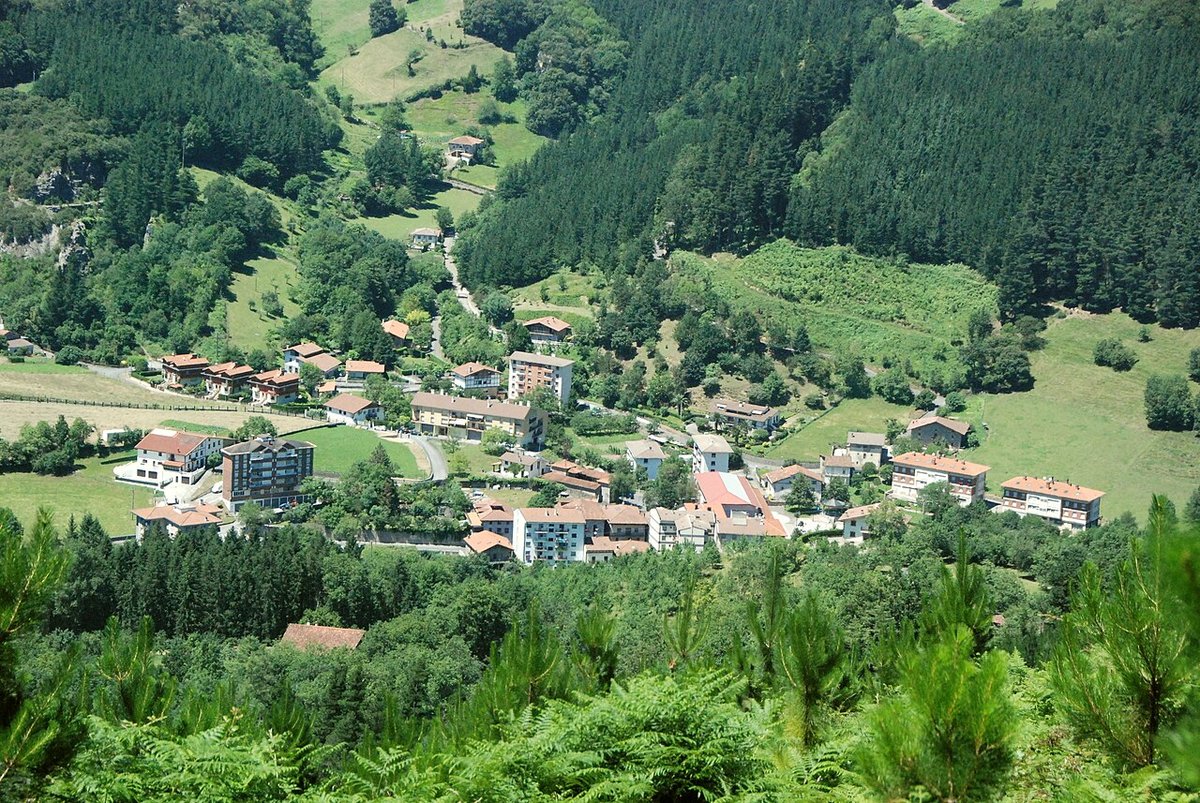
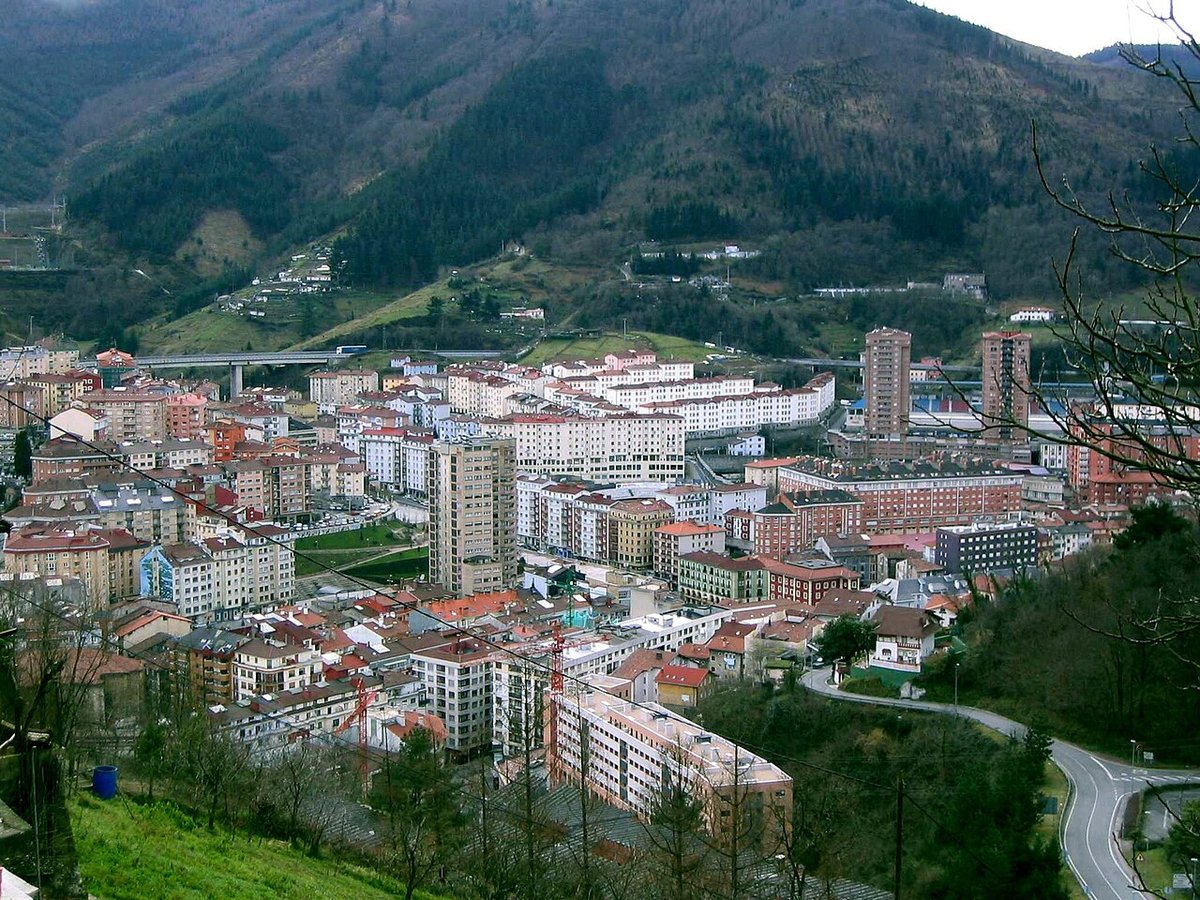
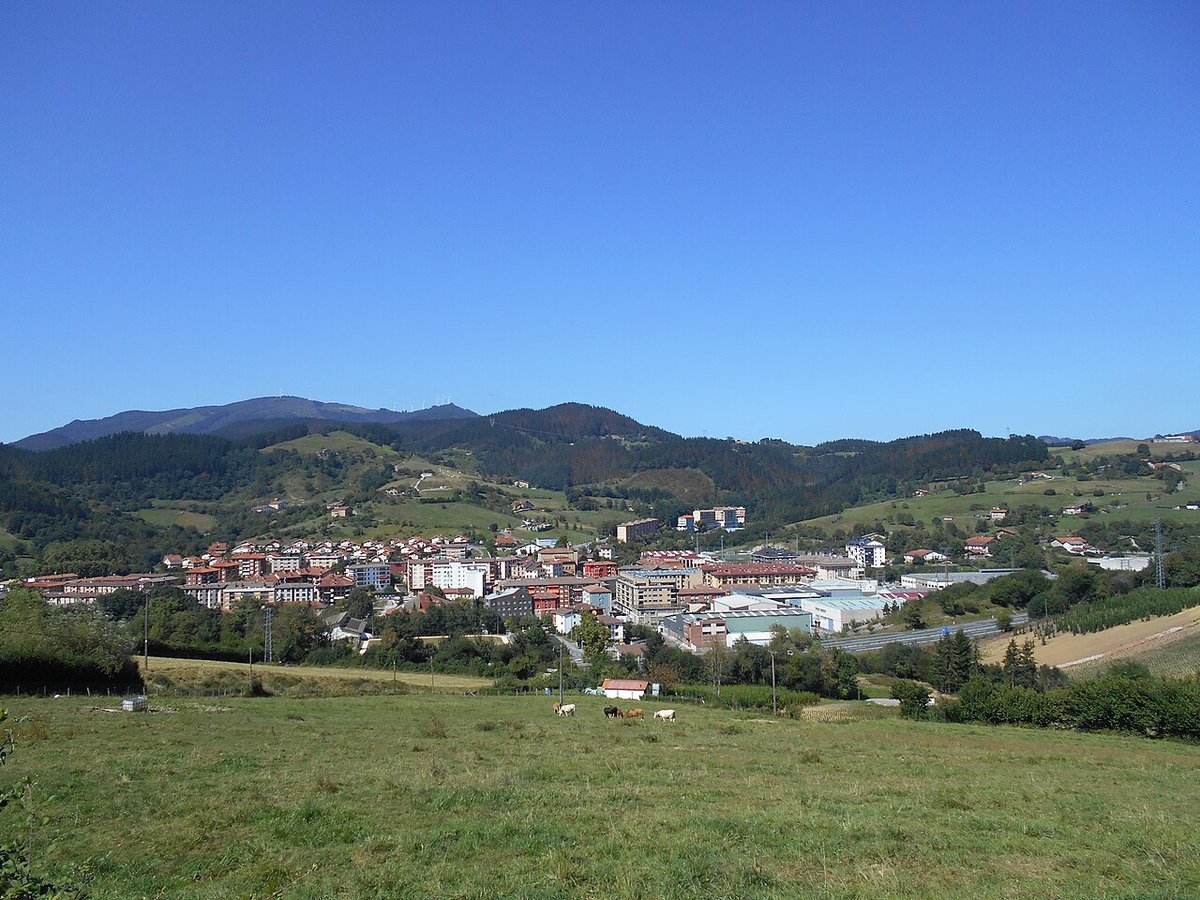
Zaldibar sits between Durango and Elorrio, the kind of place few people mention until you arrive and realise why it matters locally. It has the air of a town that does not need to explain itself. Life carries on at its own pace, and that sense of normality is part of the appeal.
Tourism in Zaldibar follows that same pattern. It rarely appears on lists or itineraries, yet once you spend a bit of time here, it becomes clear why people from the area speak of it with affection. It is not about standout landmarks or big attractions. The interest lies in the layers you notice when you slow down.
When Zaldibar was a summer escape
In the 19th century, part of Bilbao’s bourgeoisie looked for quiet places to spend time away from the city. Zaldibar had its moment then. There was a spa, and visitors came to “take the waters”, a common habit across much of Europe at the time.
It is not easy to picture that scene today given the size of the town, but for a while Zaldibar became a small summer meeting point. The spa has long disappeared, as many of those places did, yet traces remain. Some stately houses still stand, along with old towers, hinting at a busier past than the present suggests.
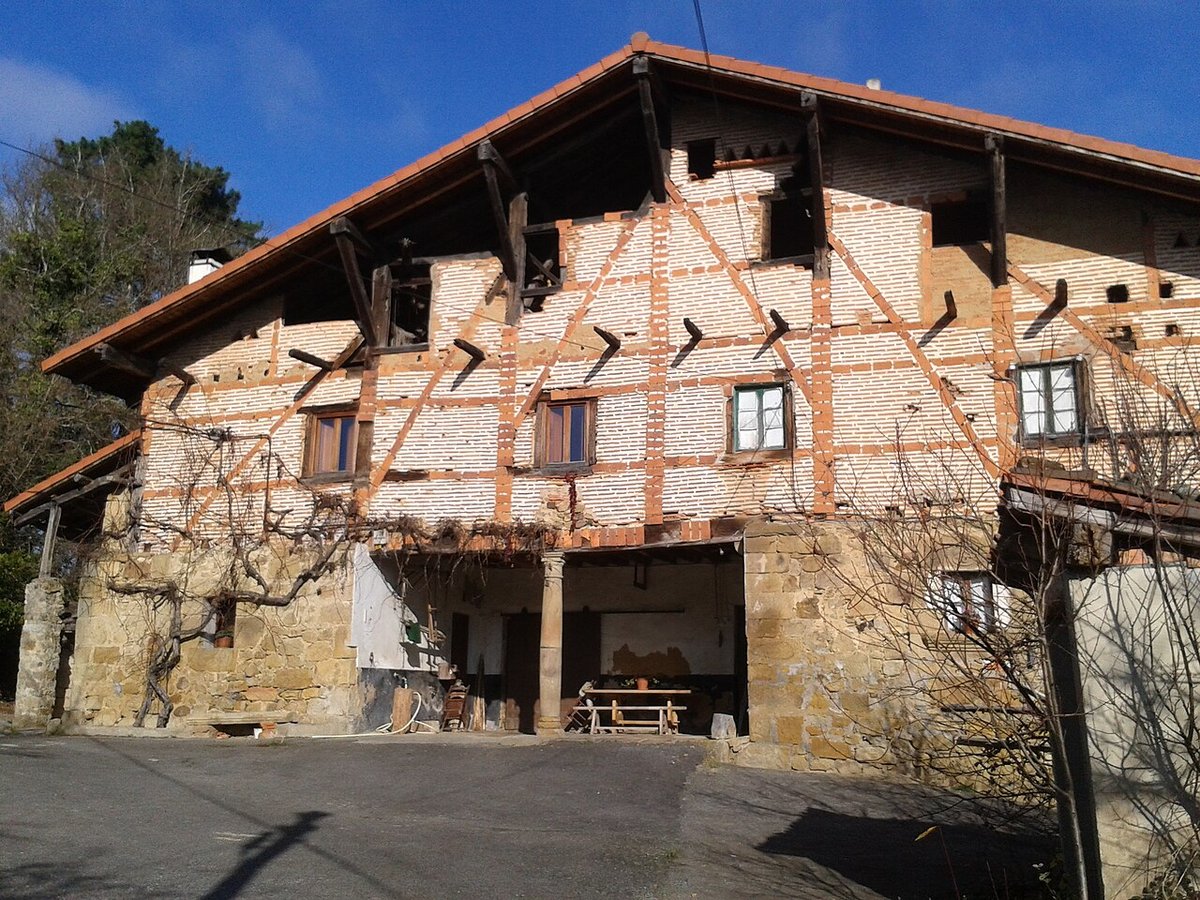
Walking through neighbourhoods such as Saturdi or Urreta, certain buildings stand out. They do not feel accidental. They suggest a period when the town held a different kind of importance, even if that role has faded.
The towers of Eitzaga and Garitaonandia are still standing. They recall a time when the area was organised around fortified houses and local family lineages. Another tower, Zaldua, is often said to have collapsed in the mid-20th century, one more example of how these structures disappeared once they lost their purpose.
A short climb to the Calvario
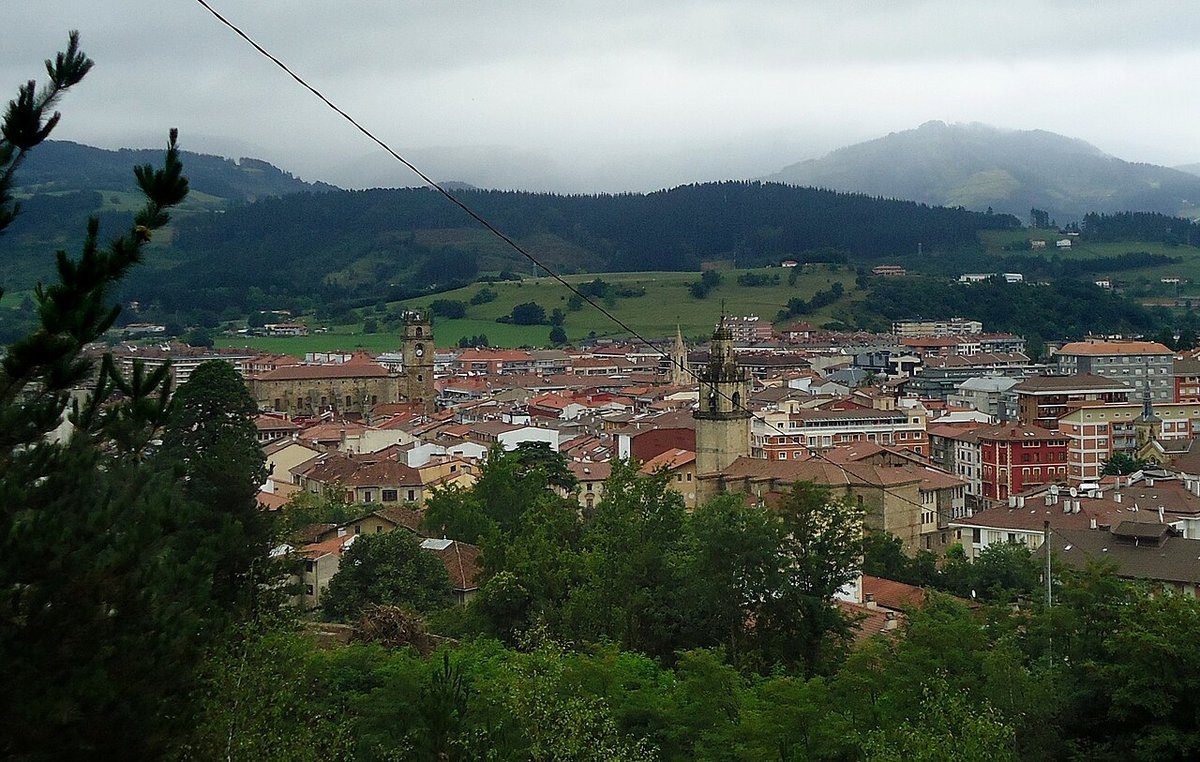
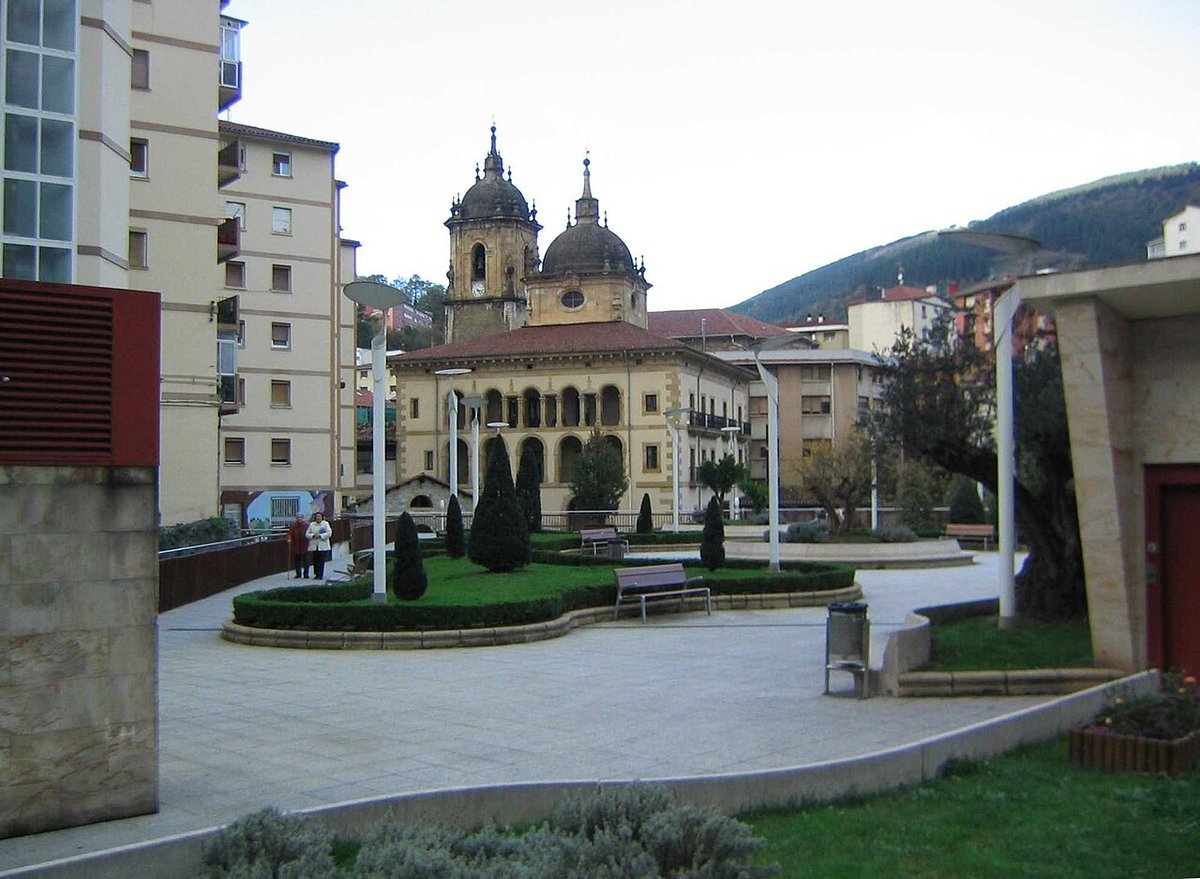
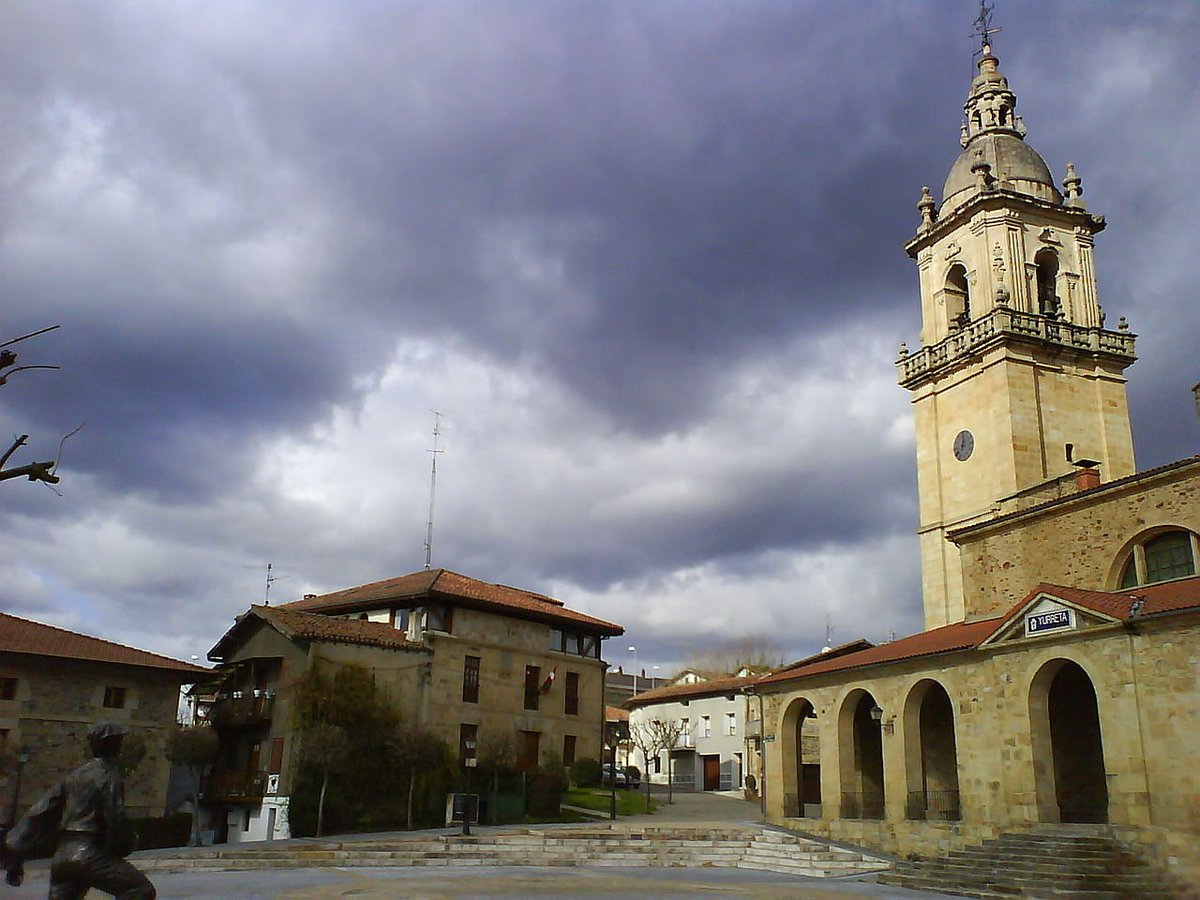
The church of San Andrés has medieval origins, with parts dating back to the 13th century. Like many churches of its kind, it has been altered over the centuries, but the sense of age is immediate. It anchors the town in a long timeline.
Right next to it is the Calvario, a short route marked by sculptures representing the Passion. The climb is not long, though it does have a steady incline. It feels like a condensed version of a typical Sunday walk, with a bit of effort followed by a view that makes it worthwhile.
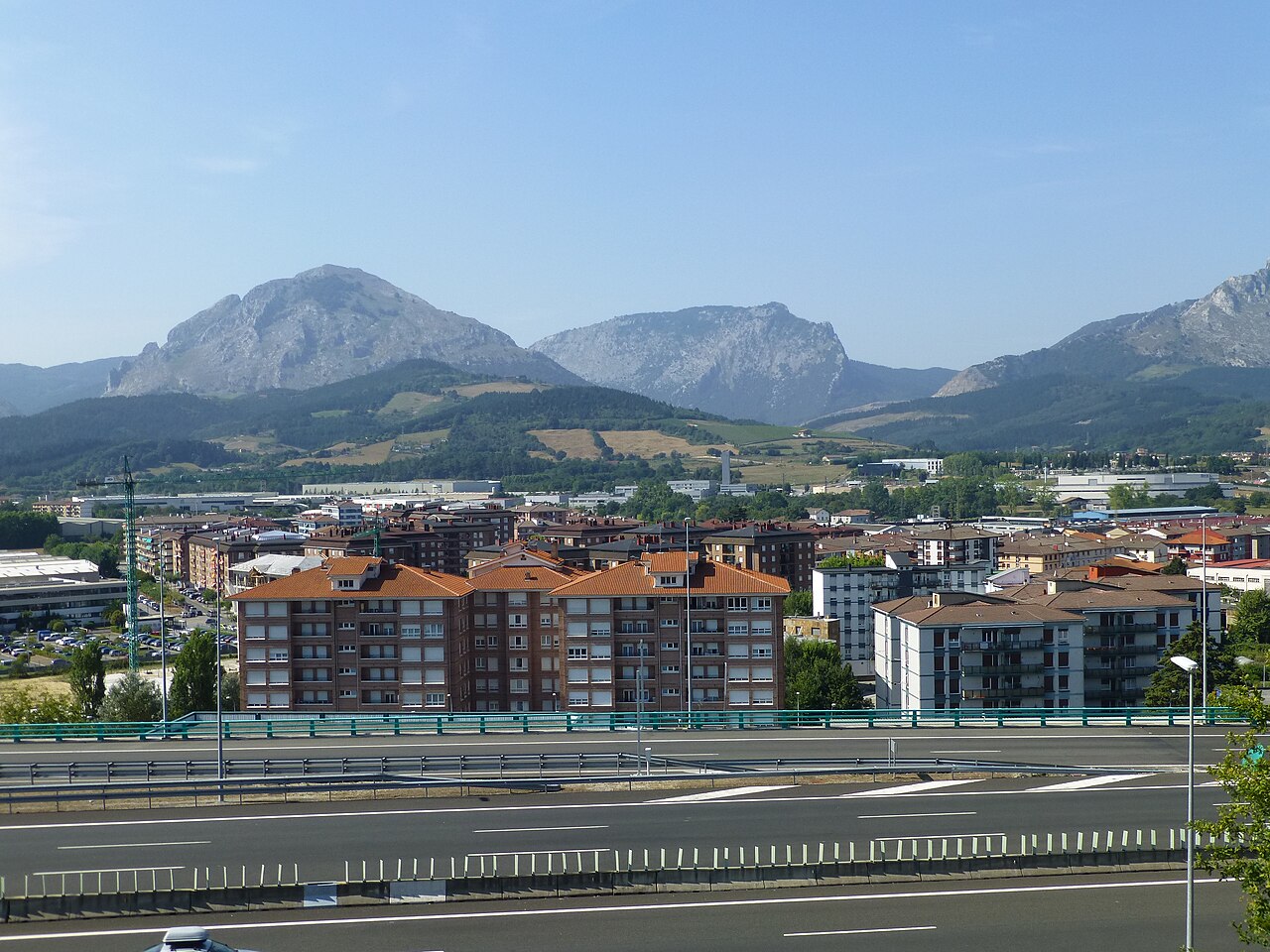
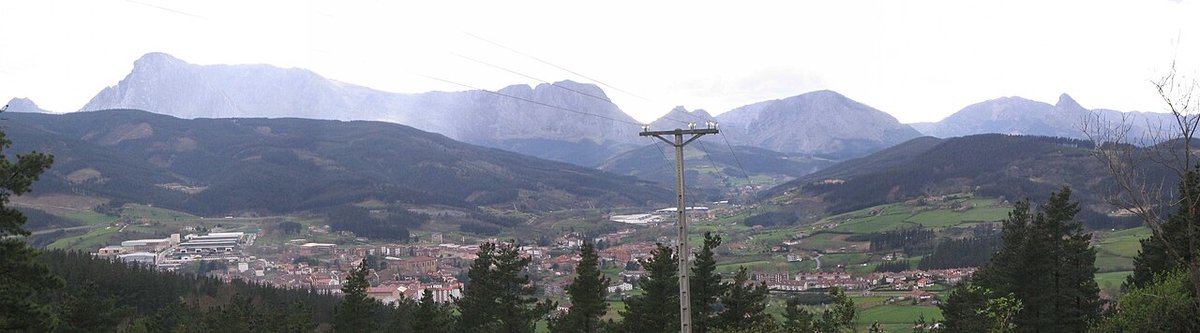
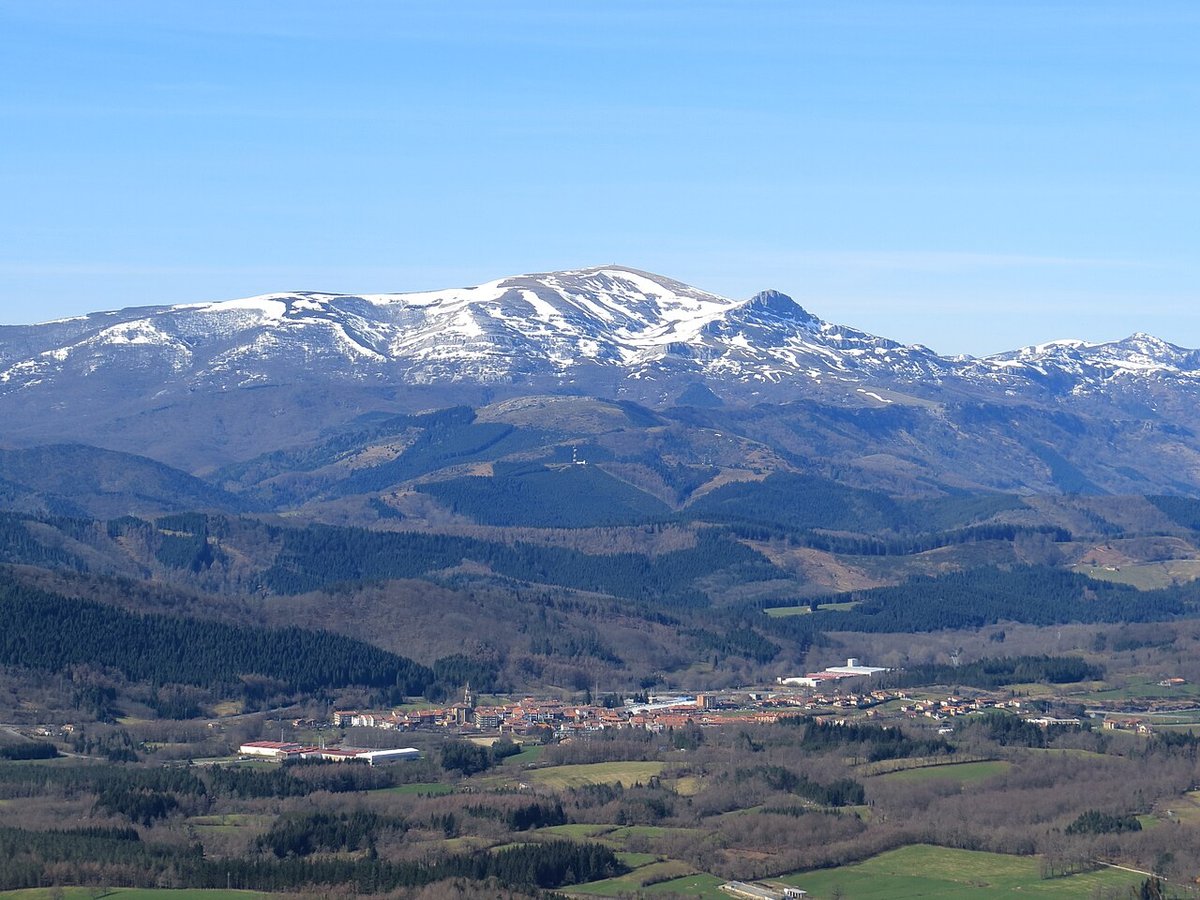
From the top, the valley opens up. On a clear day, familiar mountains in Bizkaia such as Anboto or Oiz can be seen. The idea of spotting the sea depends more on imagination and weather. Fog is common in this area, and there are days when the valley seems to sit inside a bowl of white.
Songs at your window before sunrise
The eve of Santa Águeda is widely observed in Zaldibar. Groups of neighbours go from house to house singing traditional verses while striking the ground with makilas, wooden sticks used in Basque culture. It is a custom found across Euskadi, though in smaller towns it feels more immediate. Everyone hears it, whether they planned to or not.
For visitors, it can be striking to watch how different age groups organise themselves and move through the streets. They stop at doorways and windows, keeping the rhythm and the songs alive. Children treat it as an adventure, while older participants carry on the tradition because it has always been done this way.
There are also carnivals and other local celebrations throughout the year. Another date that draws attention is 1 May, when many people from the area follow the opening of pastures in Aralar. This event is especially popular in Gipuzkoa and Navarra, and here it is followed with interest too.
Walking between neighbourhoods
Zaldibar is not defined by major mountain routes. The surrounding hills do have their gradients, but the more revealing experience often comes from the paths linking its neighbourhoods.
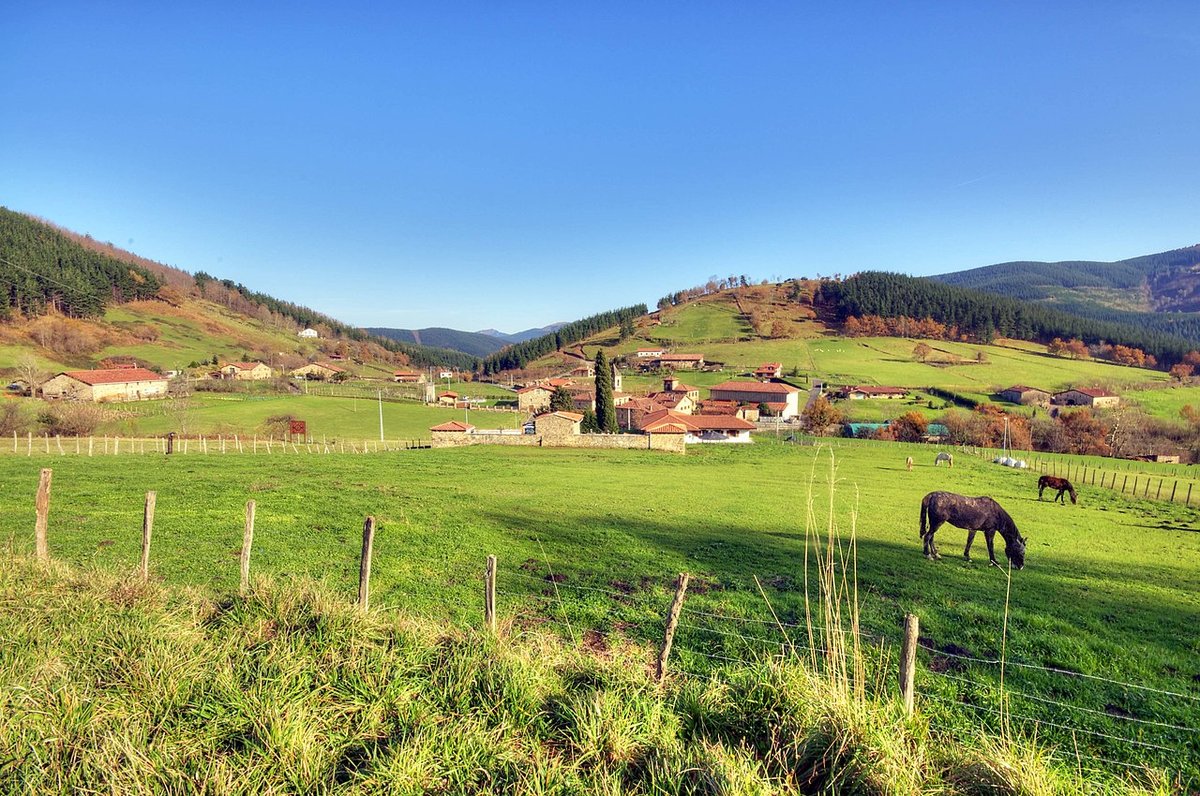
These are short walks, the kind you complete almost without noticing. They pass between farmhouses, small cultivated plots and patches of woodland. In twenty or thirty minutes, it is possible to move from one neighbourhood to another and get a clearer sense of how the town is structured.
Along the way, small details appear. An old house with signs of age, a frontón tucked away, chickens roaming near a caserío, someone working in a garden. None of this is designed to impress, yet it offers a direct look at how everyday life functions in this part of the Basque Country.
Is it worth the detour?
That depends on what you expect. If the idea of a trip involves busy streets filled with shops and terraces, Zaldibar will feel limited. The rhythm here is different.
For those interested in places that still operate as real towns rather than curated settings, it can be a worthwhile stop. It does not require a full day. A couple of hours is enough to walk through the centre, head up to the Calvario and wander between a few nearby neighbourhoods.
A simple plan works well. Arrive in the morning, leave the car near the square and walk without rushing. If there happens to be a market day or a bit more activity in the streets, even better. Then make the short climb to the Calvario, take in the view of the valley, and head back down.
After that, it is just a matter of sitting for a while, with the bells of San Andrés marking the time, and letting the place reveal itself at its own pace.