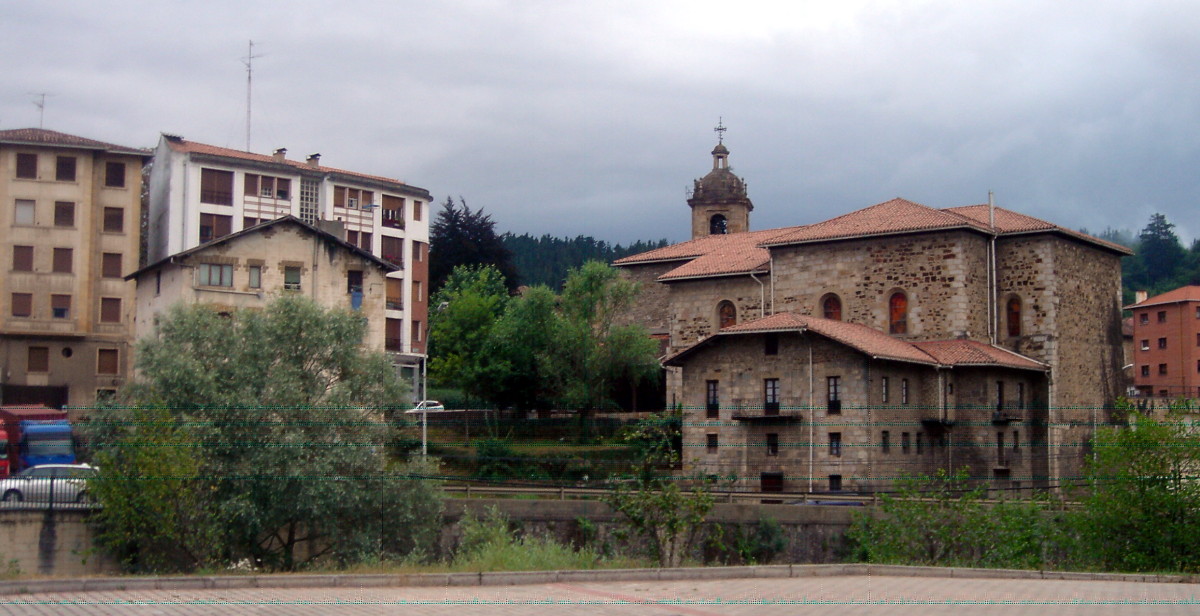
Zornotza
Asier Sarasua Garmendia · CC BY-SA 3.0
País Vasco · Atlantic Strength

Zornotza (Amorebieta-Echano)

The cider hits the glass from half a metre up, a thin golden arc that catches the light before settling with a brief, foamy sigh. Nobody looks up. ...

19,660 inhabitants · INE 2025
65m Altitude

Why Visit

Historic quarter Walks

Best Time to Visit

summer

Things to See & Do
in Zornotza (Amorebieta-Echano)

Heritage

  • Historic quarter
  • parish church
  • main square

Activities

  • Walks
  • Markets
  • Local food
  • Short trails

Full Article
about Zornotza (Amorebieta-Echano)

Valleys and hamlets a stone’s throw from Bilbao, buzzing with local life.

Ocultar artículo Leer artículo completo

The cider hits the glass from half a metre up, a thin golden arc that catches the light before settling with a brief, foamy sigh. Nobody looks up. In Batzoki Zornotza's front-bar this theatrical pour is as ordinary as pulling a pint of bitter back home, yet for first-timers it still draws the same delighted grin. One swift "¡up!" from the barman, a nod that means drink immediately, and you've just joined the daily ritual that keeps this Basque village ticking between mealtimes.

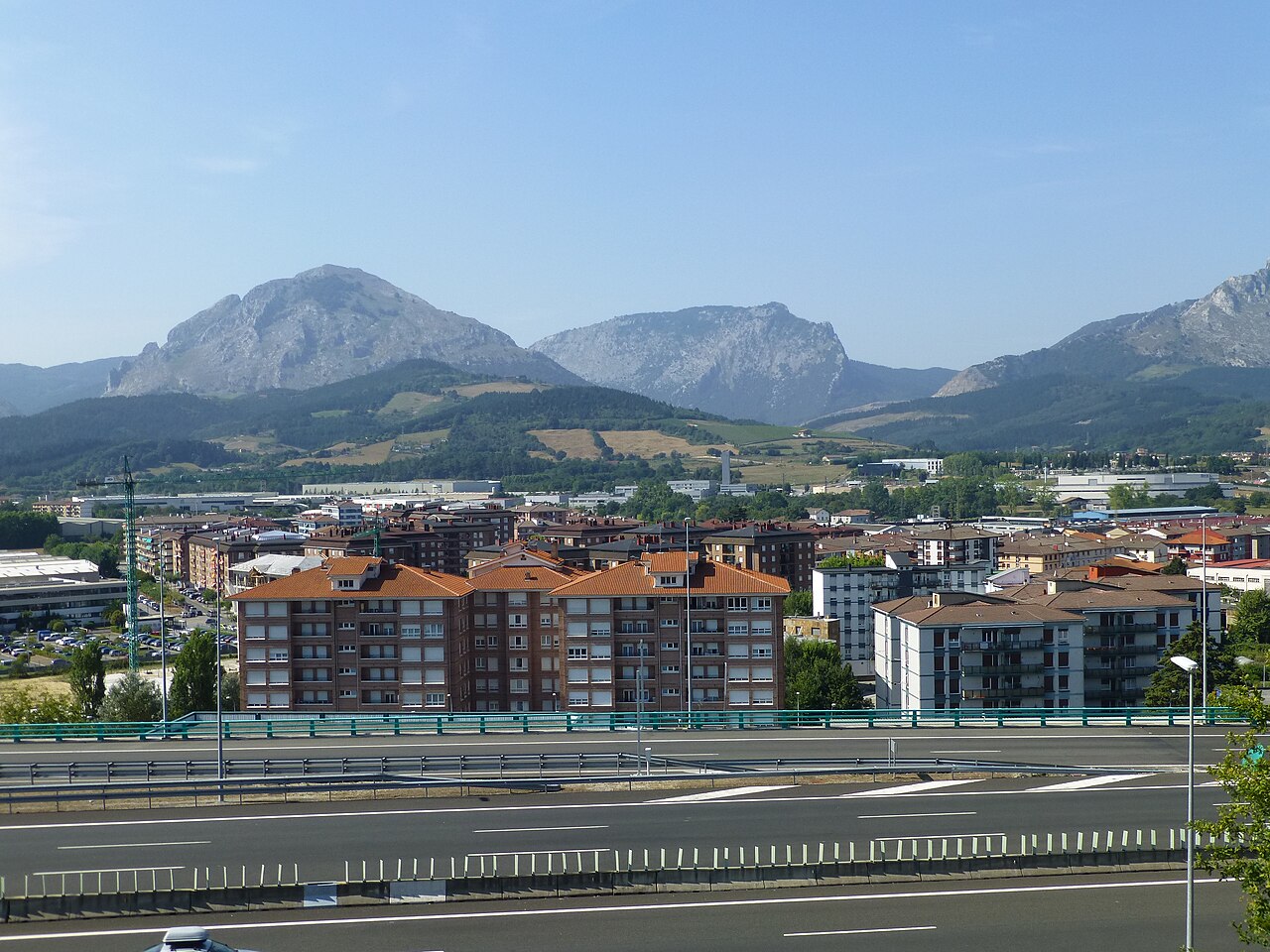
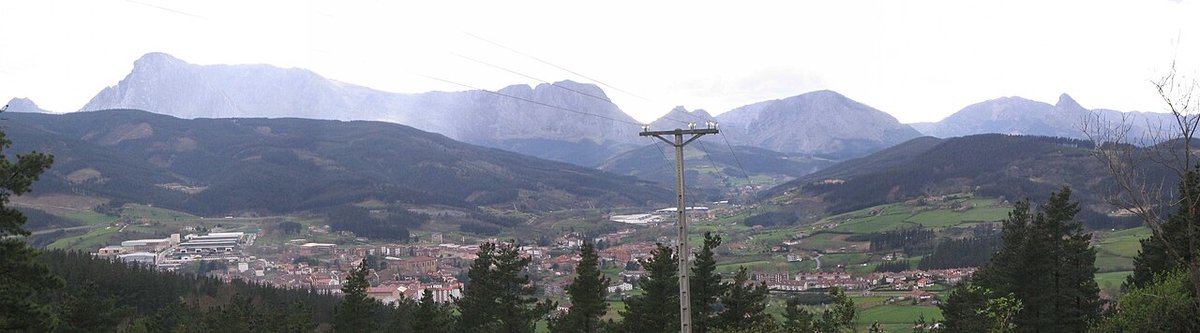
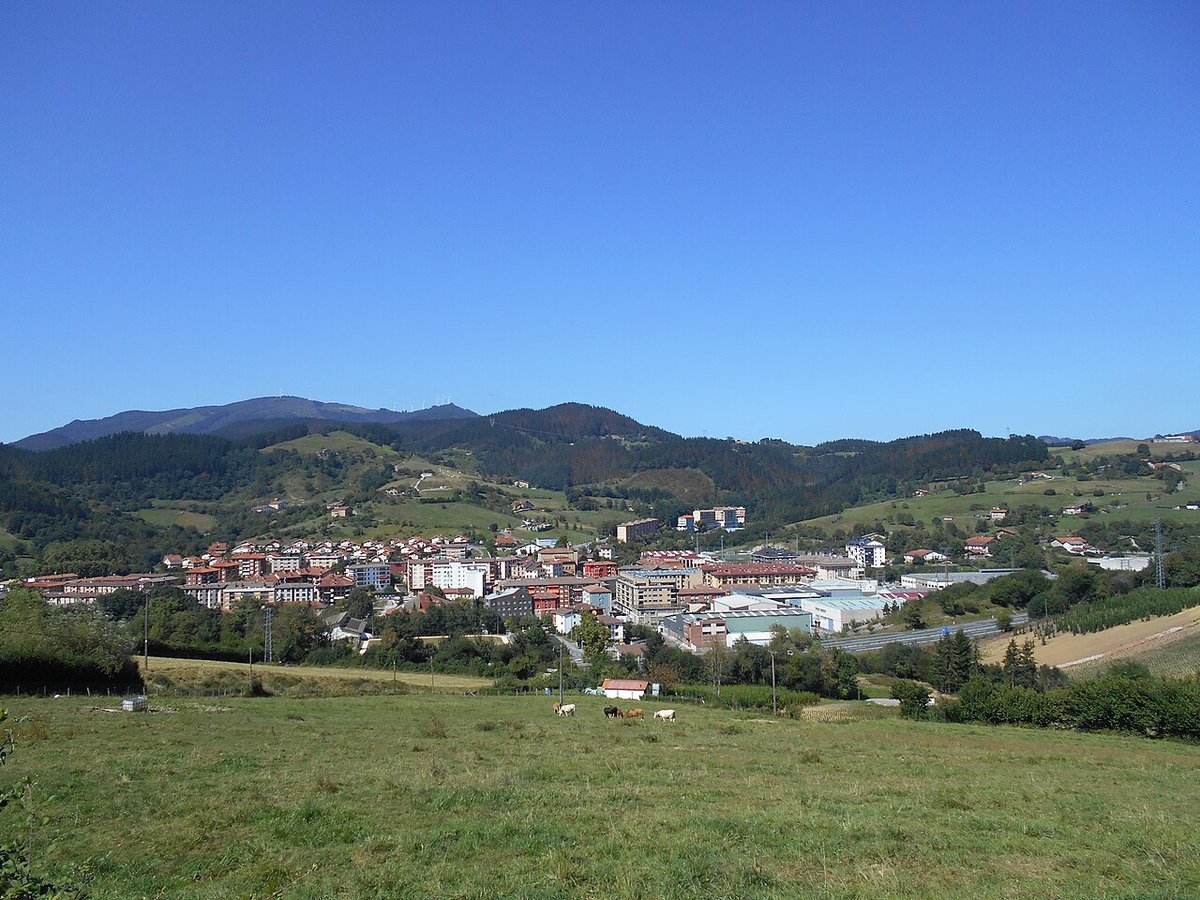
Zornotza sits astride the BI-636, twenty-five minutes south-east of Bilbao airport, close enough to the A-8 to make it a painless detour but far enough from the coast to escape cruise-day trippers. Amorebieta-Etxano is the official municipality name on road signs; locals use the old district name Zornotza without thinking. Sat-navs list both, so pick either and you'll fetch up in the same broad valley where dairy cattle graze right up to the roundabout.

Morning: Plazas, Pelota and a Three-Euro Coffee

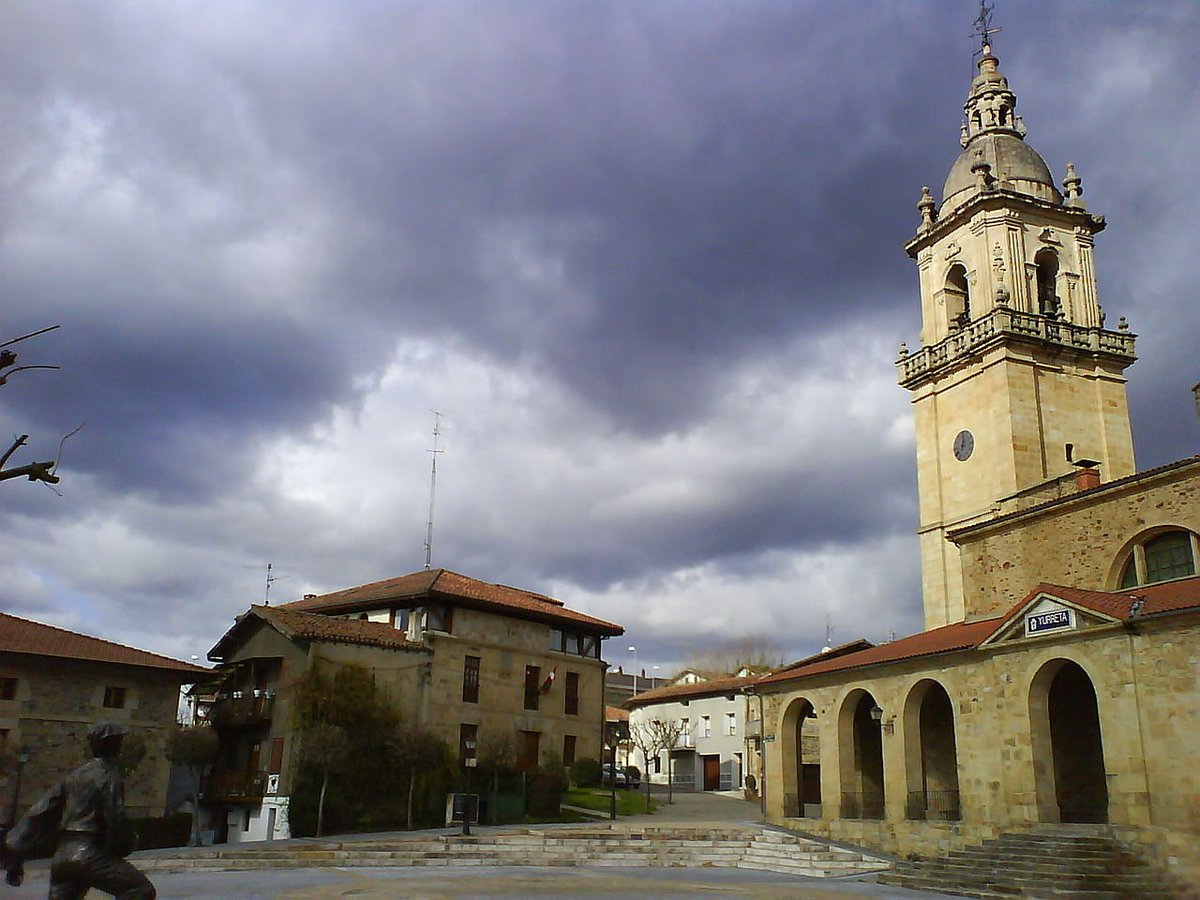
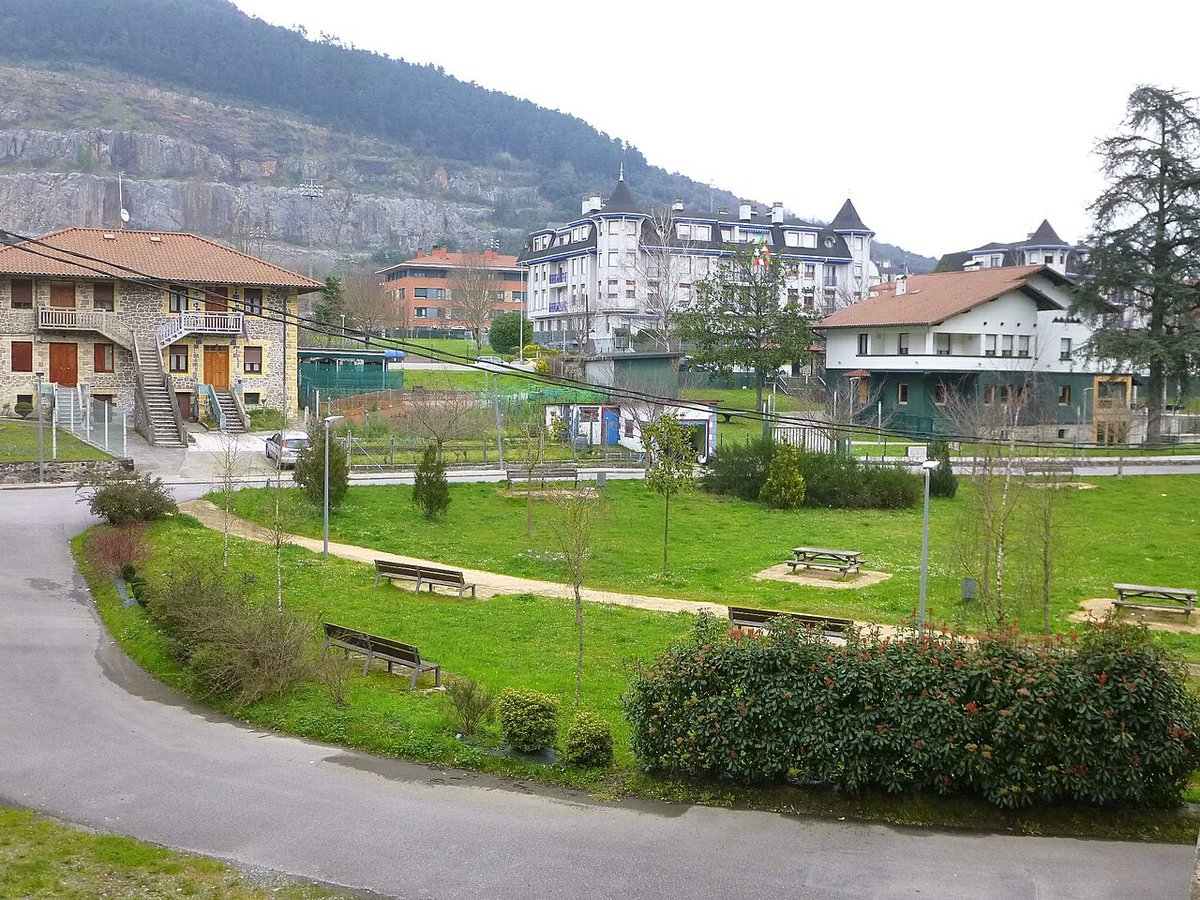
The day starts in the elongated main square, half car-park, half outdoor living-room. Delivery vans nose between the plane trees while retired men in berets argue over yesterday's pelota results. The frontón wall dominates one side; if you're lucky a pair of teenagers will be whacking a ball at murderous speed, the crack echoing off stone like rifle fire. Stay ten minutes and you'll understand why this isn't heritage theatre—it's simply how you learn hand-eye coordination here.

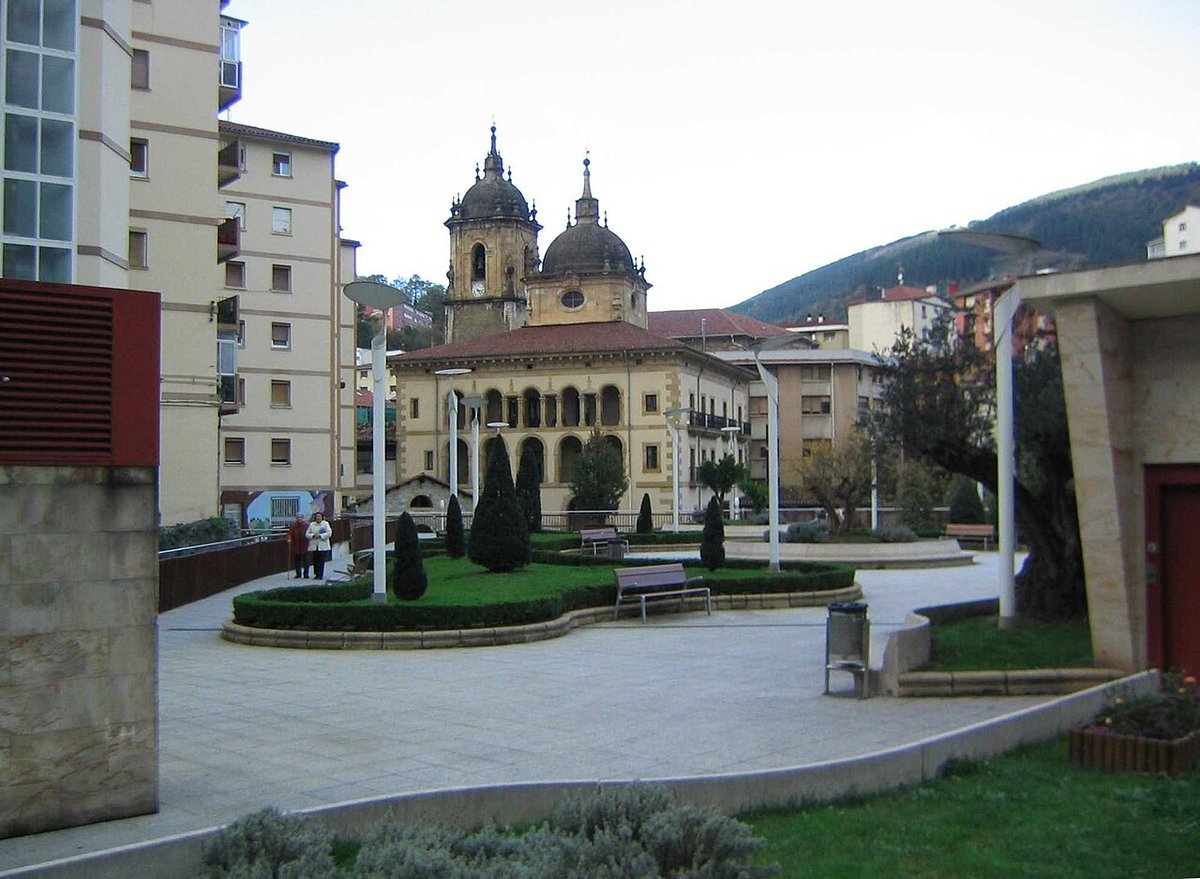
A short loop of streets radiates from the square, just enough for a gentle leg-stretch. The parish church keeps its doors unlocked in the morning; step inside for a two-minute pause among honey-coloured limestone and the faint smell of beeswax. There are no explanatory panels, no gift shop, just the hush that tells you Sunday's service still matters. Back outside, Calle Zornotza's bakeries sell talo con chocolate—a thin corn-flour pancake folded around a slab of melting chocolate, priced at two euros and impossible to eat without licking your fingers. Consider it an edible hand-warmer if the Atlantic clouds have rolled in.

Lunch: The Menu That Converts Skeptics

Spanish clocks run late, but rural Basque clocks run later. Kitchens open at 13:30 at the earliest; arrive earlier and you'll be offered coffee or politely ignored. By 14:00 Batzoki Zornotza is humming, its timber dining-room filling with farmers who've changed out of overalls, office workers from the industrial estates, and the occasional British couple lured by online reviews promising "the best value steak on the planet."

The menú del día costs fourteen euros Monday to Friday, sixteen at weekends. What arrives is a three-course lesson in local confidence: pimientos de Gernika fried whole and salted like superior padron peppers, followed by txuletón—a rib-eye thick as a railway sleeper, charred outside, violet within, served on a hot plate with nothing more than a lemon wedge and sea salt. Pudding might be cuajada (sheep's-milk curd with honey) or a slab of tarta de queso still warm from the oven. House wine is drinkable, cider is cheaper, water comes in glass bottles you're expected to recycle on your way out. No one will hurry you; the table is yours until the staff start stacking chairs at 16:30.

Afternoon: Mud, Meadows and the Smell of Silage

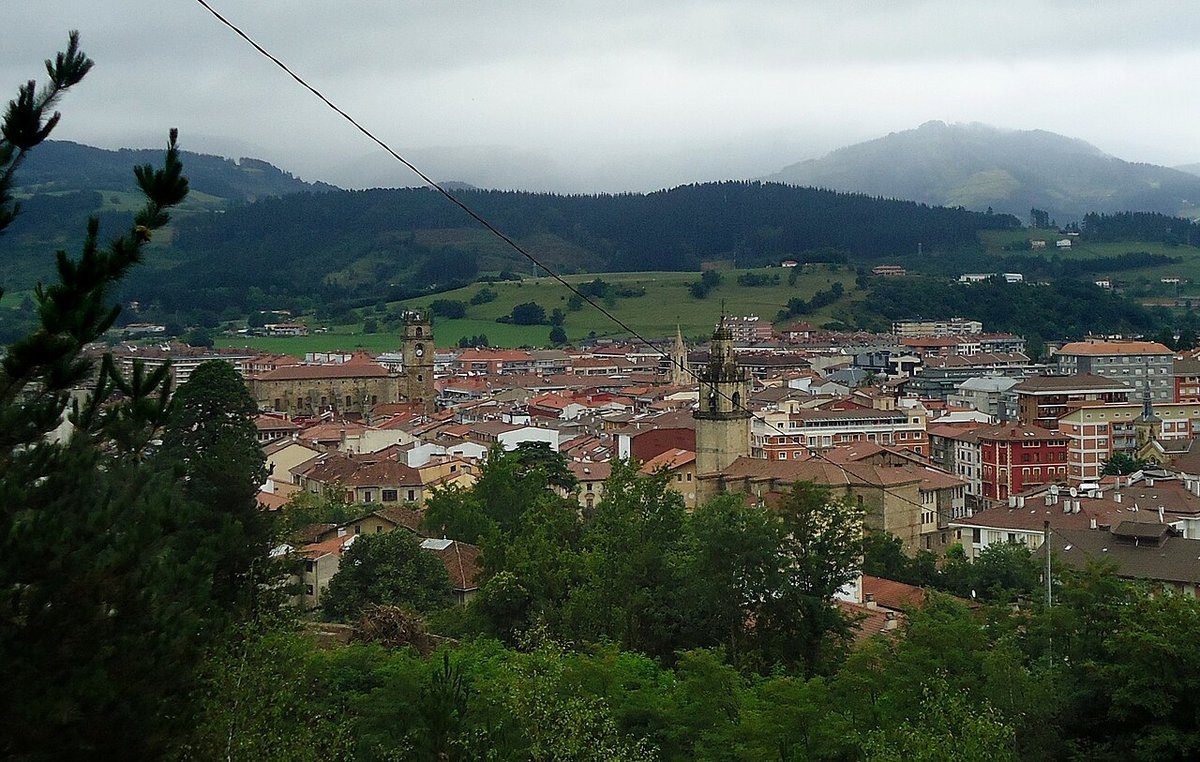
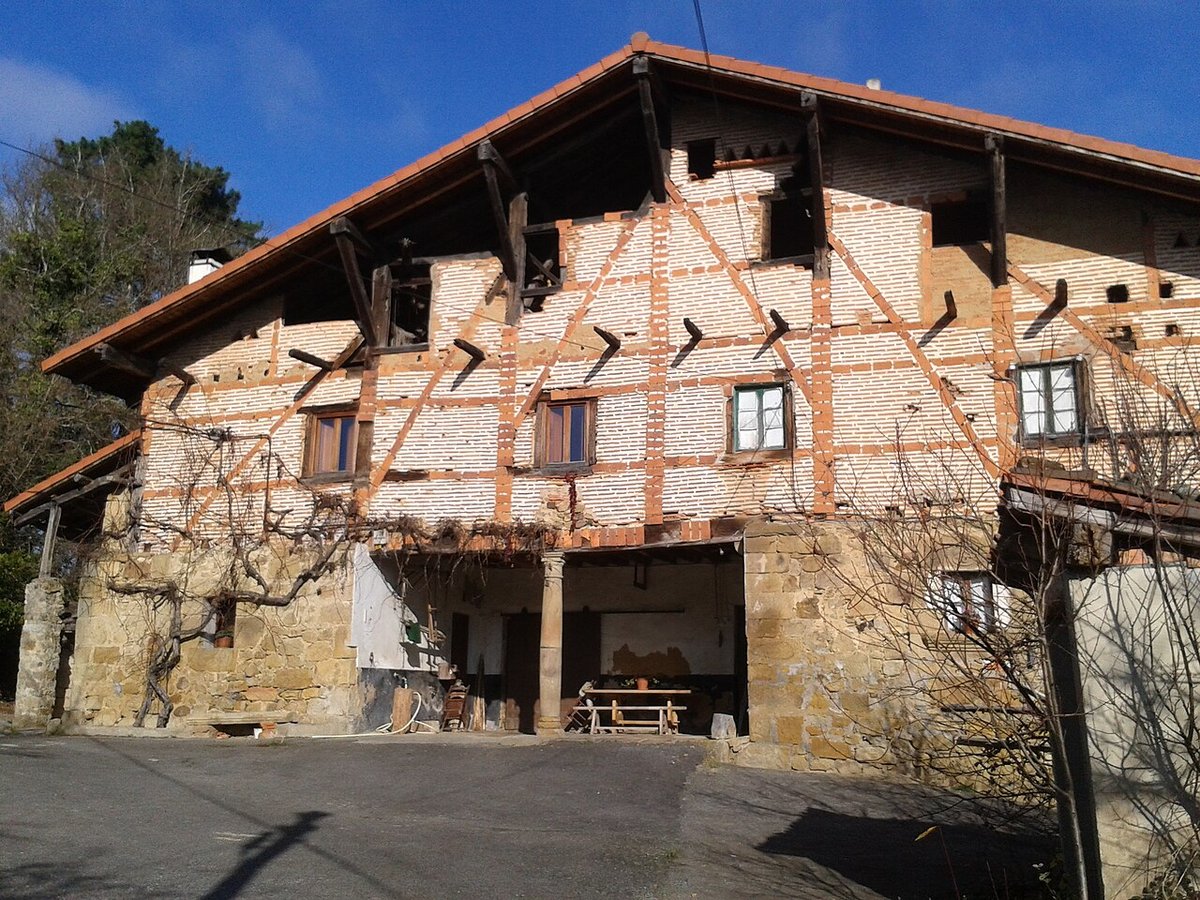
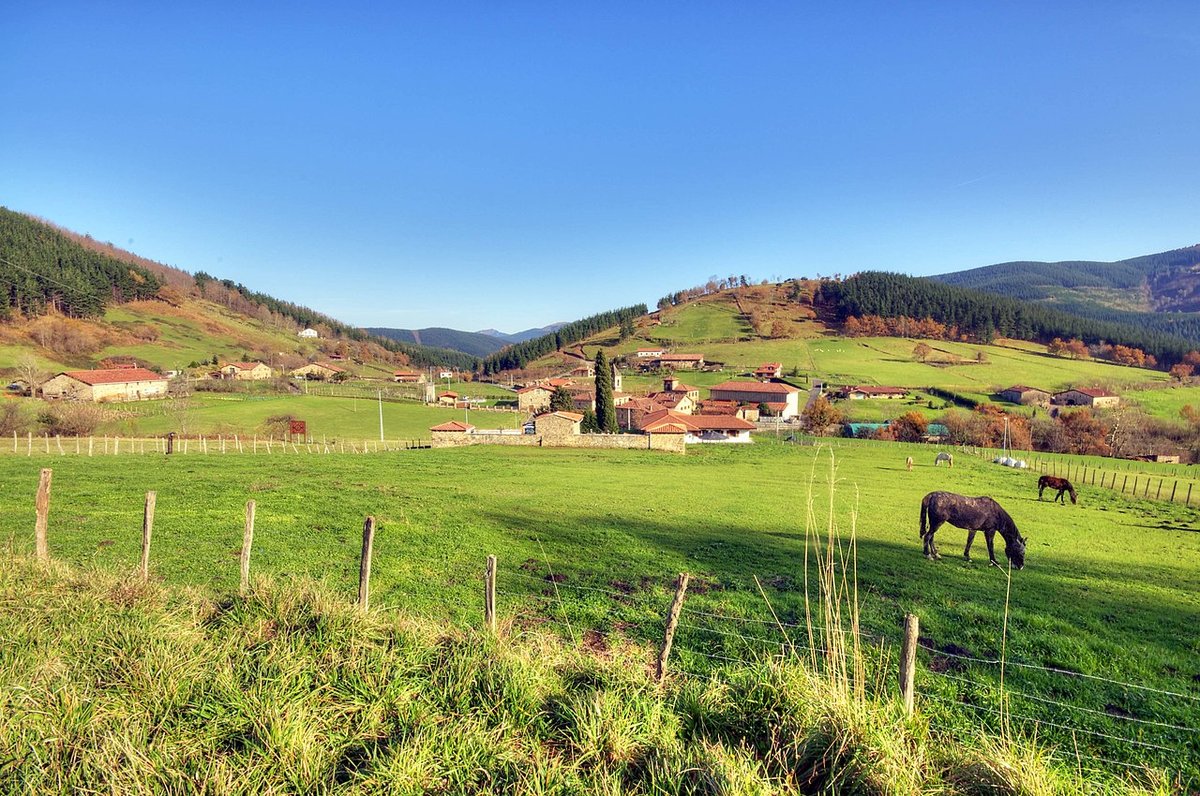
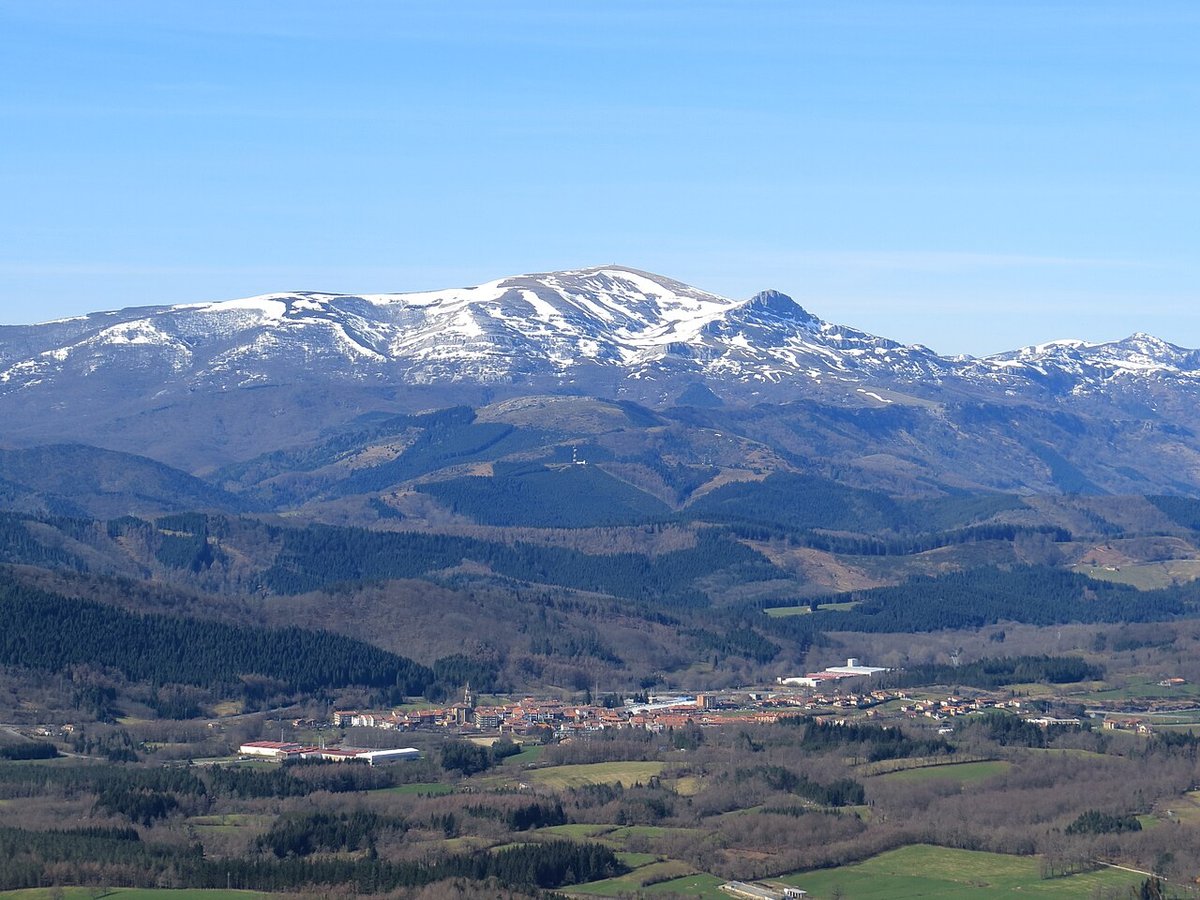
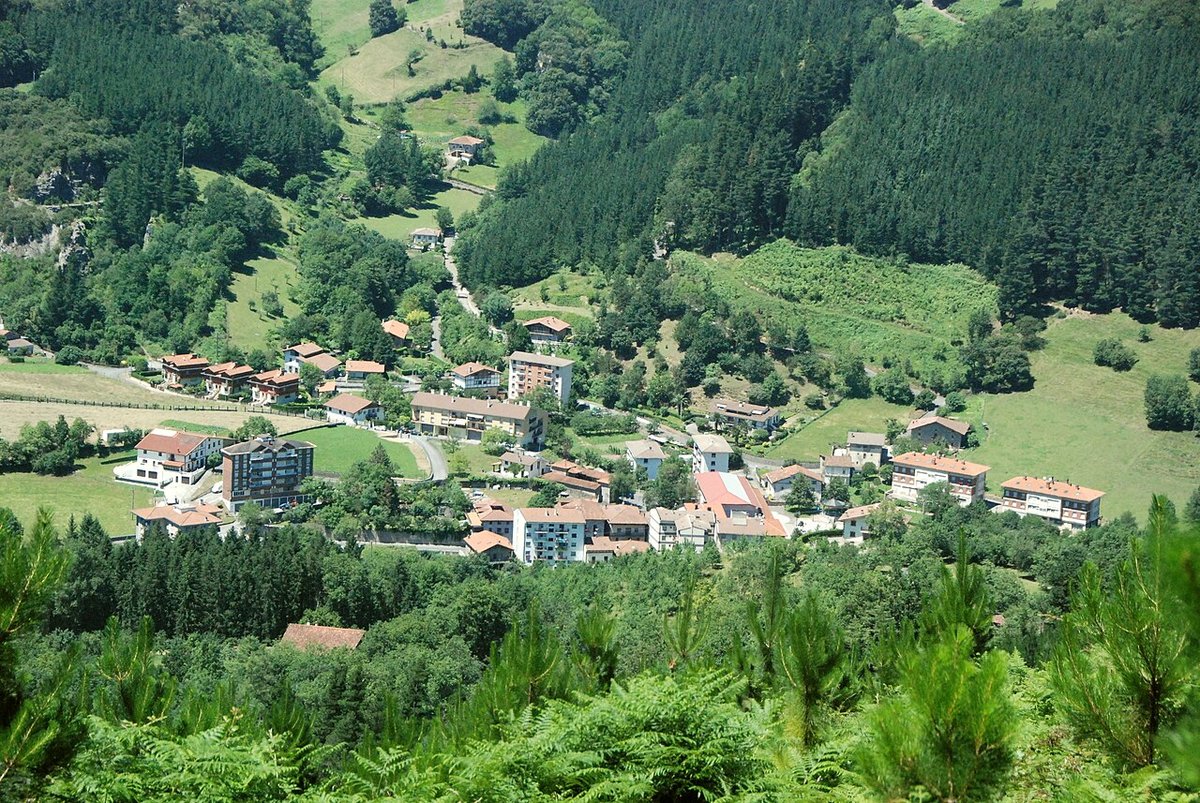
Zornotza's centre exhausts itself in under an hour. The real interest lies beyond the last zebra crossing, where tarmac gives way to packed-earth farm tracks that climb gently through a patchwork of small meadows. This is walking country rather than hiking territory: thirty to forty minutes of steady uphill on any lane signed "Gaineko Atea" or "Urkulu" repays you with a view back over the valley—red-tiled farmsteads, the church tower poking above plane trees, and the Cantabrian hills sliding off into cloud.

Paths are unsigned but followable; if you can see a stone shrine or a wooden gate you've probably gone the right way. What they don't tell you is that after rain the clay sticks to boots like wet cement and the cows leave artistic splodges everywhere. Wear something grippy and don't bother with pristine white trainers. In May the hedges spill over with wild fennel; October brings bronze bracken and the smell of wood-smoke from cottage chimneys. Summer can be humid, but an Atlantic breeze usually prevents the furnace heat found further south—start early if you plan a longer circuit.

Evening: When the Village Closes

By 19:00 the agricultural suppliers have rolled down their shutters and the square empties. This isn't a place for evening souvenir hunts; there aren't any. What you get instead is the slow transition from day-bar to night-bar. Lights dim, shutters stay half-closed, conversation drops an octave. Poteo—the Basque version of a pub crawl—means drifting between two, maybe three, bars with a single drink in each. Expect more cider, perhaps kalimotxo (red wine and cola, better than it sounds) or a miniature beer called zurito. Food is limited to crisps or gildas—skewered olives, chillies and anchovies sharp enough to make your tongue tingle.

Sunday nights everything locks up by 22:00. Plan accordingly: fill the petrol tank before 18:00, buy any toiletries before the pharmacy shuts at 14:00, and don't bank on a late supermarket run because there isn't a supermarket, only small colmados that smell of floor polish and sell everything from light bulbs to leeks.

Getting it Right, Getting it Wrong

Do greet the barman with kaixo (kai-sho) and thank him with eskerrik asko—the effort matters more than the accent.
Don't expect contactless everywhere; bring cash for rounds under twenty euros.
Do ask for the bill—"la cuenta, por favor"—because it won't arrive until you do.
Don't photograph the pelota players mid-match unless you fancy a lecture on respect.

The biggest mistake is treating Zornotza as a sight to tick off. Come for lunch, linger for an hour's walk, and you'll sense why locals stay put: life is calibrated to the rhythm of livestock, cider seasons and the distant roar when Athletic Bilbao score. Stay overnight and you'll hear it twice—once in the bar, again echoing from living-room windows along the high street.

Beds and Bases

Hotel Amorebieta sits just beyond the roundabout on the old N-634, a functional three-star with free parking and triple-glazing that keeps the valley hush outside. Rooms hover around seventy euros including a buffet strong enough to postpone lunch until Spain catches up. If self-catering suits, Hotel Irenaz offers modern studios in neighbouring Amorebieta centre; useful if you're combining Zornotza with the nearby Urdaibai estuary or the painted forests of Guernica.

Public transport exists—twice-hourly buses connect with Bilbao and Vitoria—but timetables assume you're commuting, not sightseeing. Hire a car at the airport and you've got the freedom to zig-zag between coast and mountains without checking the clock every half hour.

Worth the Detour?

Zornotza will never compete with San Sebastián's Belle-Époque glamour or Bilbao's titanium museum. That's precisely its appeal. Come hungry, bring walking shoes, and swap the selfie queue for a bar where the television is tuned to farming forecasts and the steak tastes better than anything three times the price in the city. Arrive with modest expectations and you'll leave wondering why more people don't take the exit labelled Amorebieta-Etxano—then feel relieved they haven't.

Key Facts

Region
País Vasco
District
Duranguesado
INE Code
48003
Coast
No
Mountain
No
Season
summer

Livability & Services

Key data for living or remote work

2024
ConnectivityFiber + 5G
Housing~5€/m² rent · Affordable
Sources: INE, CNMC, Ministry of Health, AEMET

Official Data

Institutional records and open data (when available).

  • Iglesia Santa María de la Asunción
    bic Monumento ~0.2 km

Planning Your Visit?

Discover more villages in the Duranguesado.

View full region →

More villages in Duranguesado

Traveler Reviews