Full Article
about Artzentales (Arcentales)
Valleys and hamlets a stone’s throw from Bilbao, buzzing with local life.
Hide article Read full article
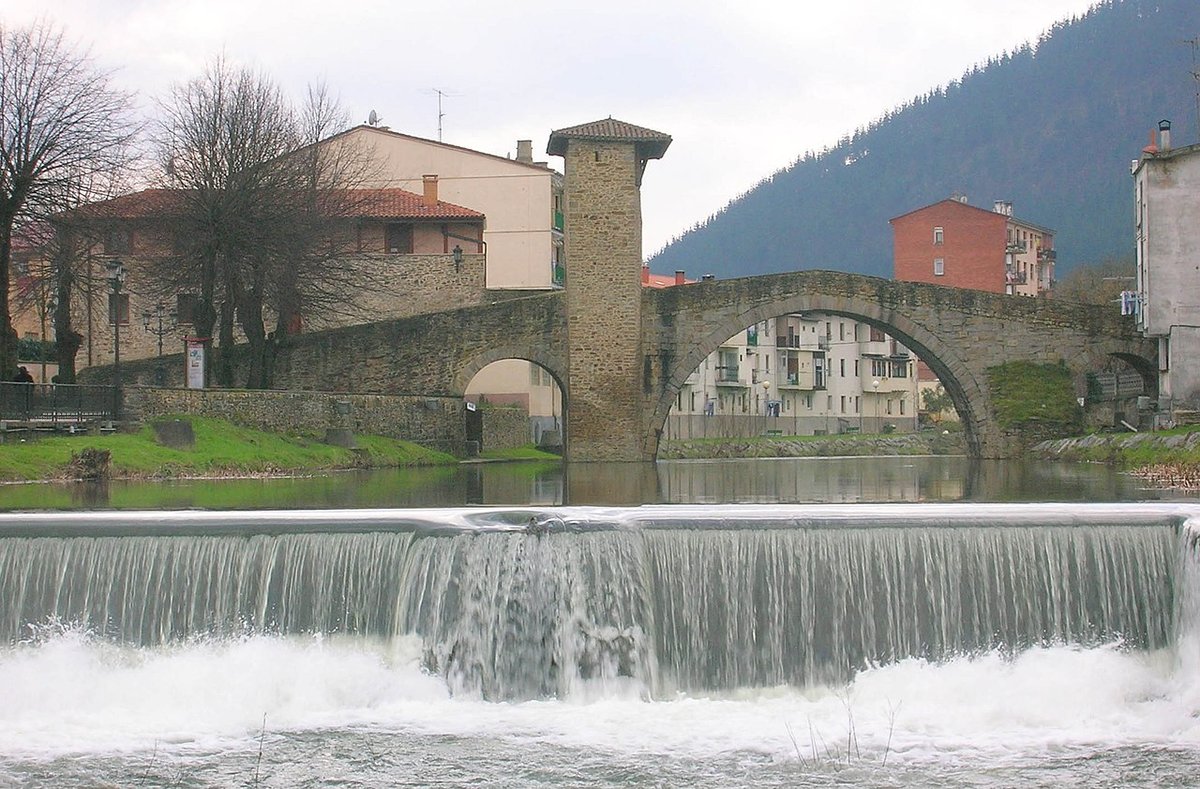
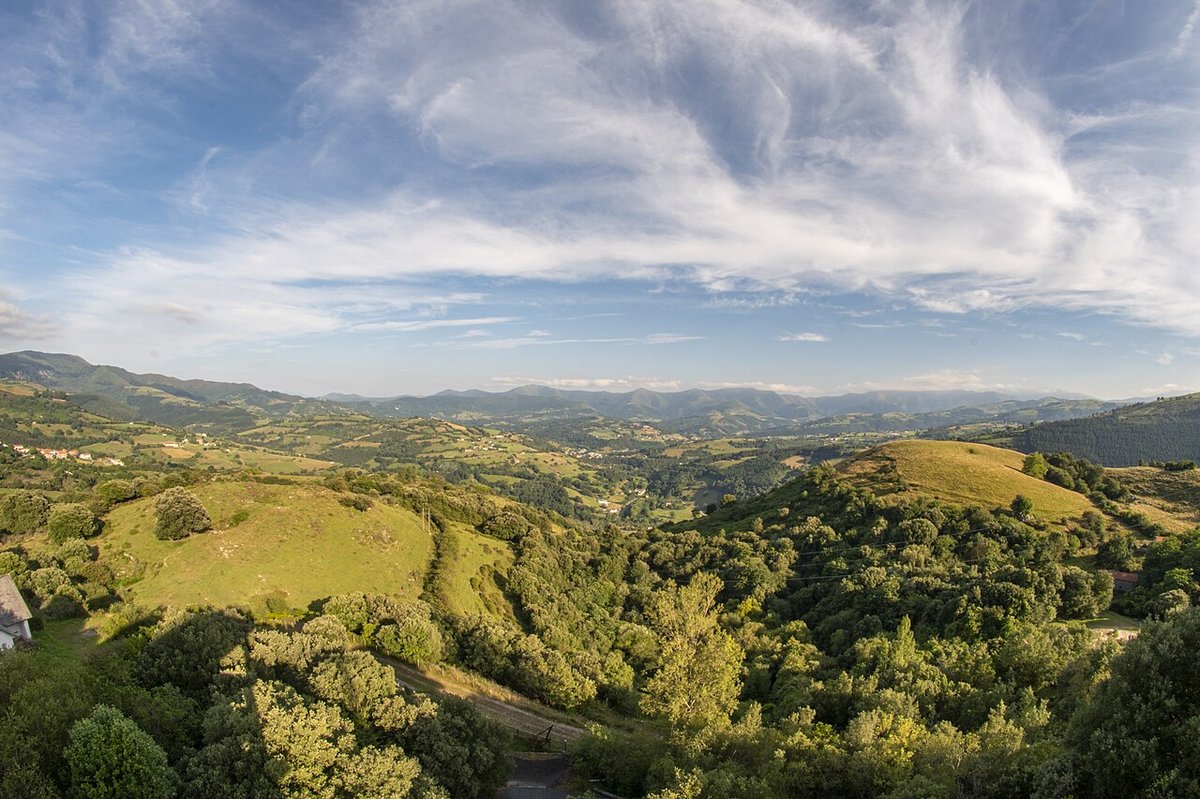
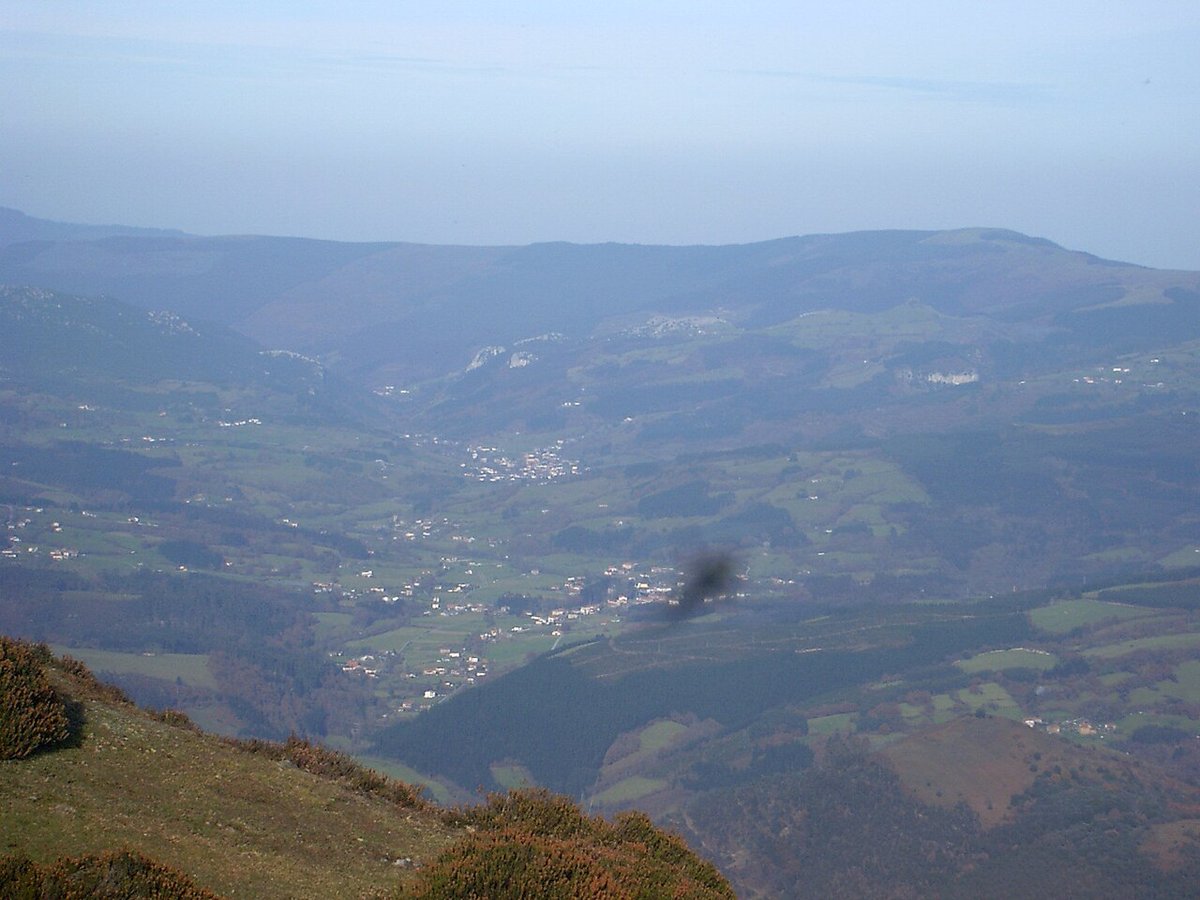
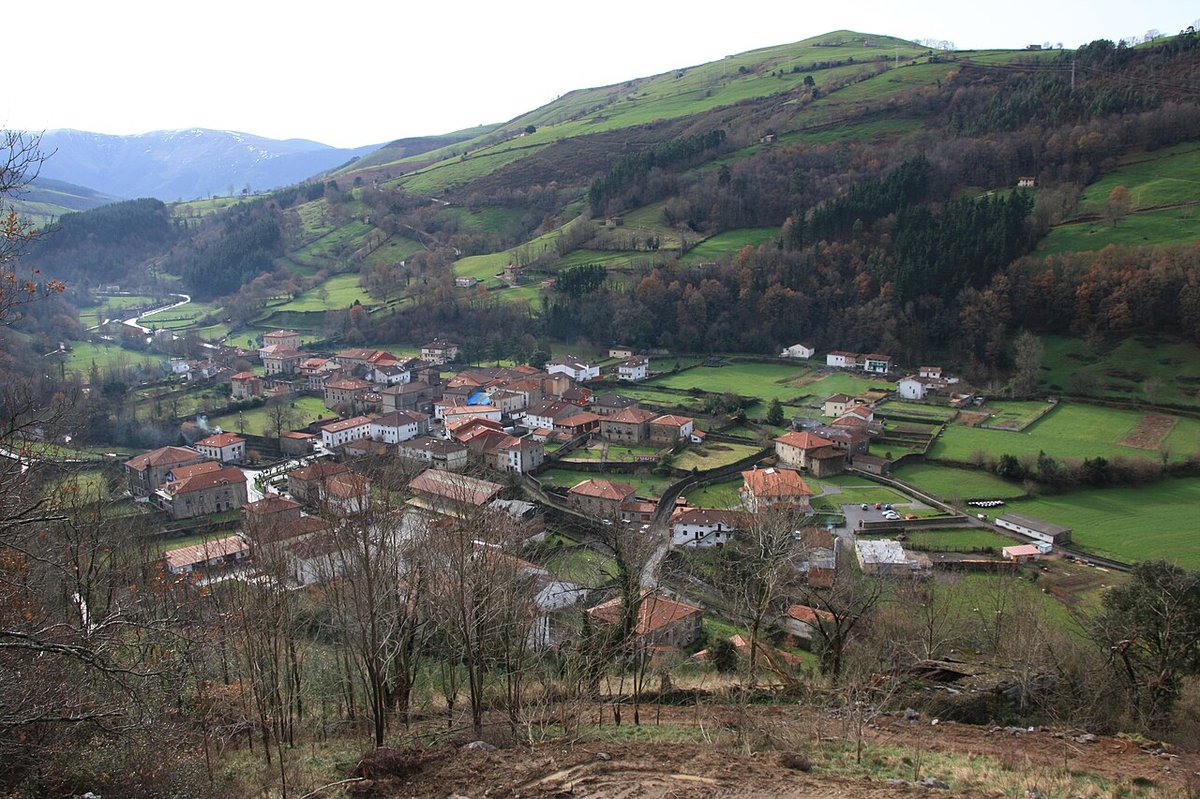
The first sound you notice in Artzentales, before the valley road or a distant tractor, is water. It’s a constant background murmur from streams cutting through the meadows, running under the lanes that connect one isolated caserío to the next. The air smells of damp earth and cut grass, a scent that deepens after rain, which is often. This isn’t a village you enter; it’s a municipality you move through, a collection of neighbourhoods held together by winding roads and the practical rhythm of agricultural life.
A landscape of scattered caseríos
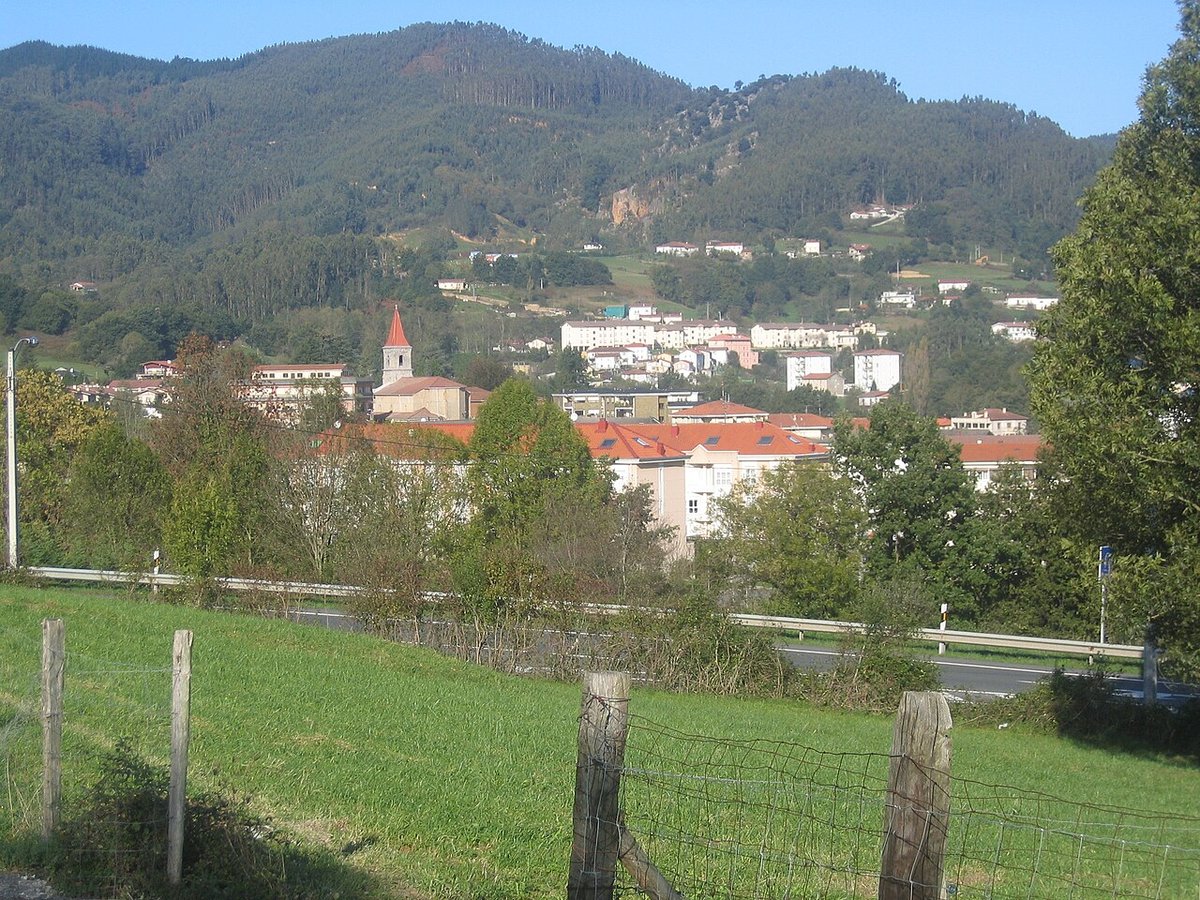
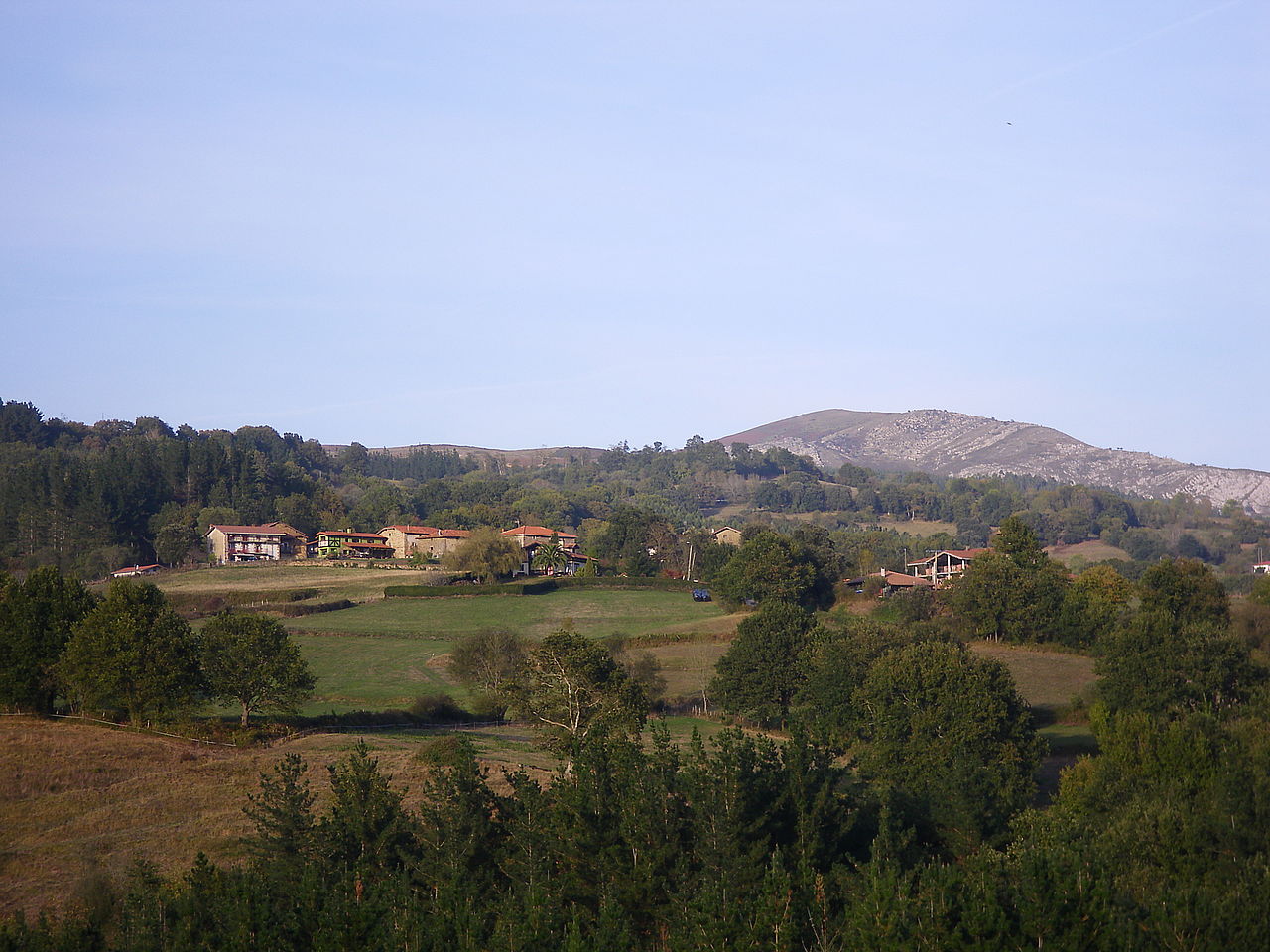
The structure here is dictated by the land. There is no central plaza. Instead, names like Traslaviña, Nocedal, or La Peña appear on signs where a narrow lane peels off from the main road. Each leads to a handful of farmhouses set within their own plots, separated by fields and gentle slopes. Driving these lanes, your wheels sometimes brush the fern-covered earth banks. You pass wooden fences needing repair, vegetable gardens with orderly rows of pimientos, and stone troughs green with moss. The houses are built from darkened wood and sandstone, their colours shifting from grey to a soft gold in the late afternoon light. This isn’t an open-air museum; gates are left open for tractors, and dogs bark from yards. The landscape is worked.
The solid quiet of San Martín de Tours
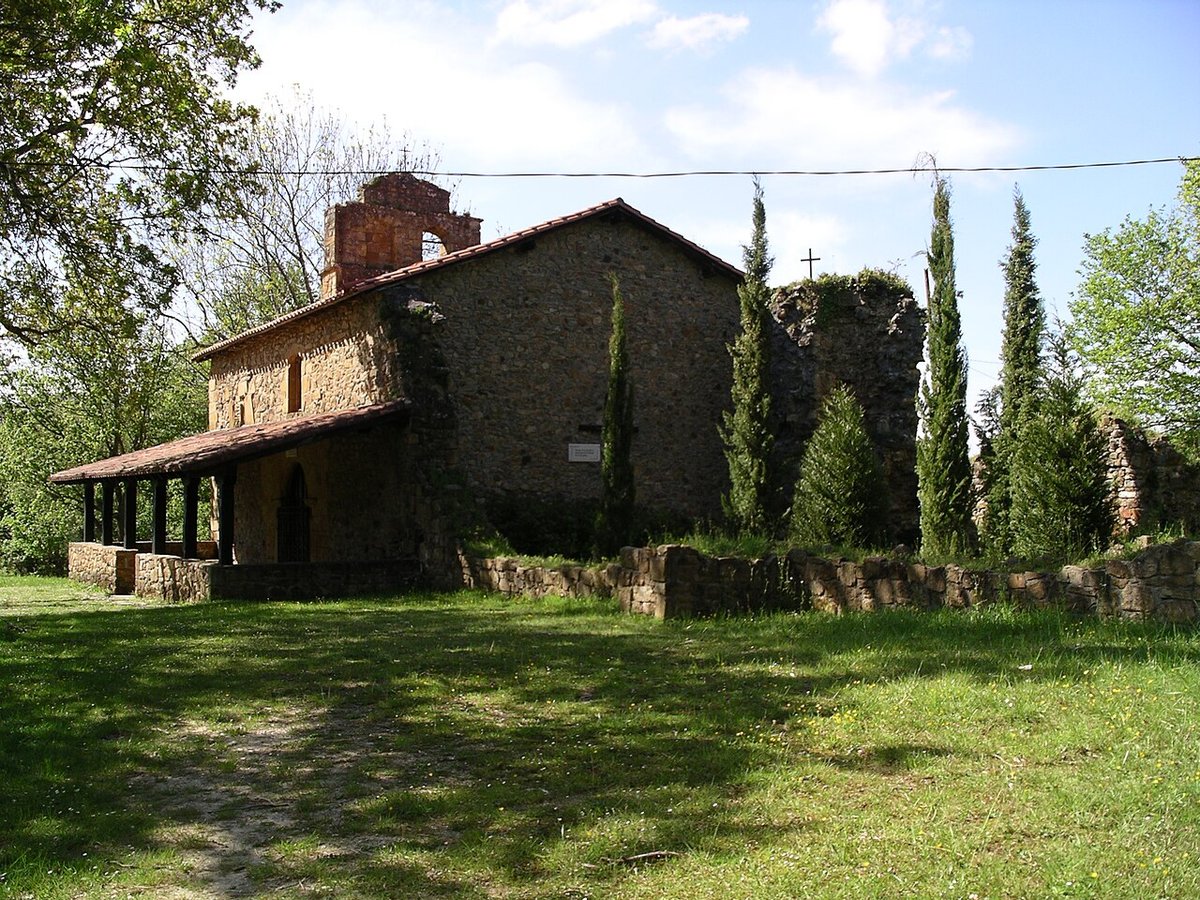
In Santullán, the church of San Martín de Tours sits among houses as if it grew there. Its square bell tower is the closest thing to a landmark you’ll find. The sandstone walls are thick, the windows small. Inside, it’s cool and quiet, the light falling in narrow shafts. It feels less like a monument and more like a part of the daily fabric—a place built for function, not grandeur. On a weekday morning, you’re likely to have it to yourself, with only the sound of your own footsteps on the stone floor.
Walking the lanes: a practical note
The best way to understand the place is to walk one of the old lanes between neighbourhoods. Wear boots; even in summer, morning dew soaks the grass and some tracks can be muddy. You’ll share the space with farming traffic. Remember that most land is privately owned for grazing or crops. Always stay on the visible track, leave gates as you found them, and don’t wander into the woods or meadows. This respect isn’t just courtesy; it’s how life operates here.
Autumn brings a different kind of traffic
Come October, you’ll see more cars parked carefully on grassy verges. People are in the beech woods on the higher slopes, looking for mushrooms. If you join them, go with someone who knows what they’re doing—mistakes have consequences. The activity is taken seriously here; it’s a harvest, not a hobby. The same rules apply: respect posted signs and private property.
When to go and what to expect
Avoid coming with a tight schedule. Distances are short but movement is slow, shaped by bends in the road and the desire to simply pull over and look. Weekdays are quiet; weekends might see a few more visitors at the church or walking the lanes. Park thoughtfully in the small informal areas used by locals, never blocking a gate or field entrance. The weather turns quickly. A clear sky can fill with rolling mist from the hills in minutes, and temperatures drop sharply once the sun is gone. Bring a layer more than you think you’ll need. The light just after rain, when the sun breaks through, is when Artzentales makes most sense. The green of the meadows intensifies, the slate roofs glisten, and for a moment, the scattered pieces of the valley feel connected. You understand it not by seeing a sight, but by feeling the pace of things—the sound of water, the weight of the quiet, the slow turn of the agricultural year.