Full Article
about Balmaseda (Valmaseda)
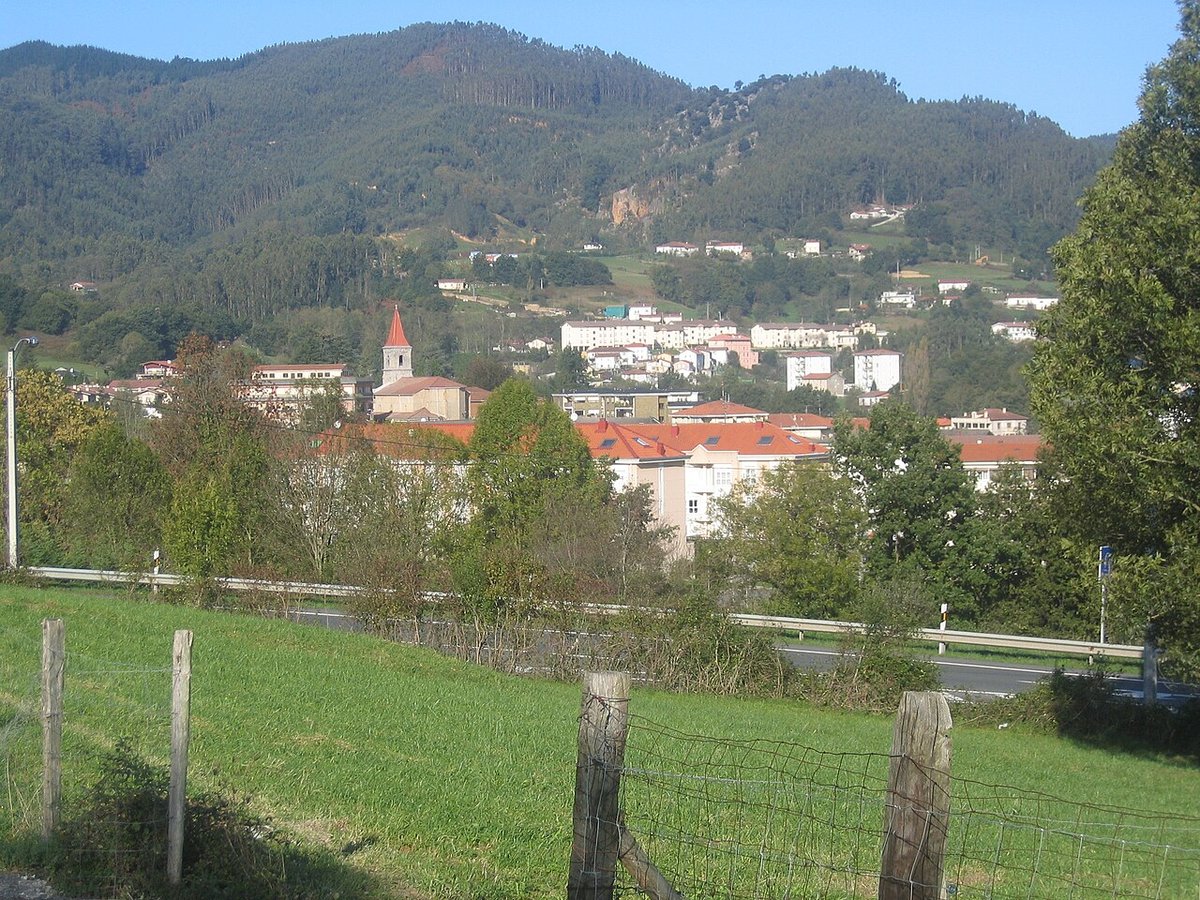
Valleys and hamlets a stone’s throw from Bilbao, buzzing with local life.
Hide article Read full article
A small town that doesn’t take long
Balmaseda is quick to get around. The main complication tends to be the car. Arrive after midday and parking near the old quarter becomes difficult. Higher up, in the upper streets, there is usually space. Down by the centre, it often means circling for a while.
Once on foot, everything sits close together. Distances are short, there are no steep climbs, and there are no districts where you can get lost. Rain is common in this part of the País Vasco, but the arcades provide cover when it arrives.
The bridge that once charged a toll
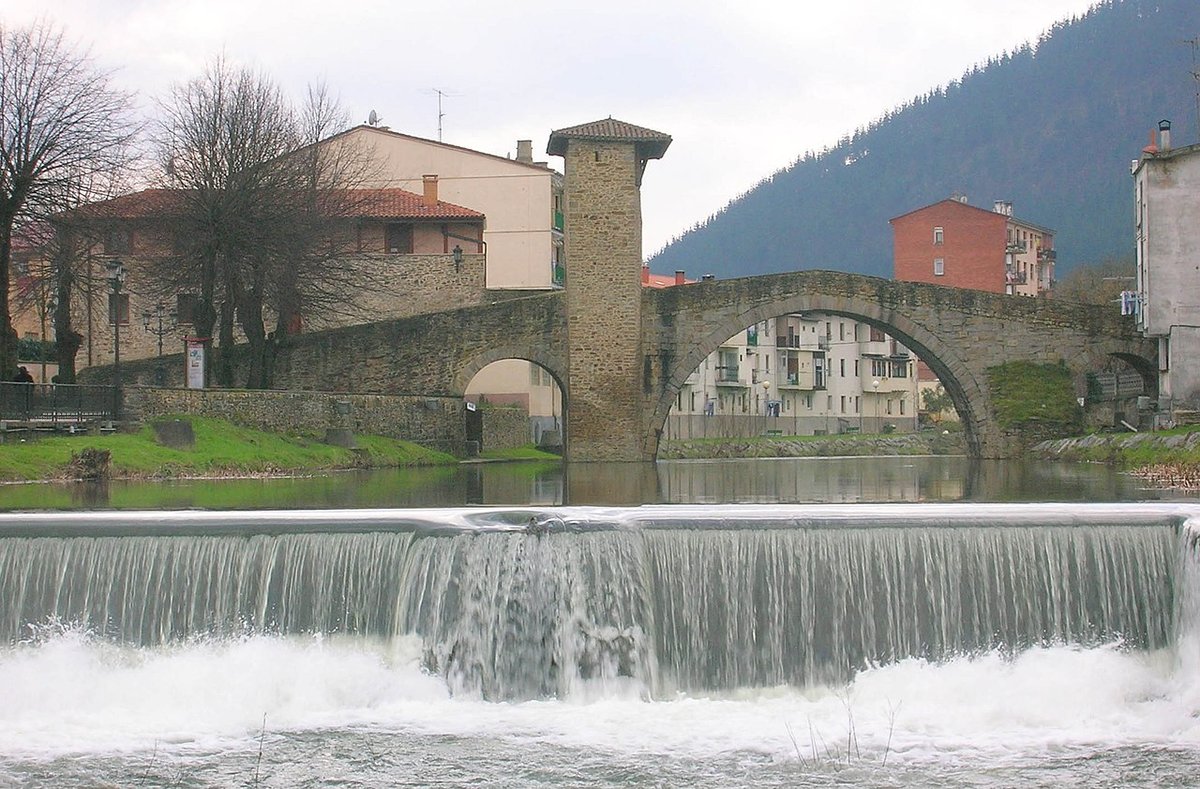
Crossing the Puente Viejo is the natural starting point. For centuries, this bridge functioned as a customs point where travellers paid a toll. It dates back to the 13th century and has a central tower rising above the walkway. The river Cadagua flows underneath.
A couple of photos are usually enough before moving on.
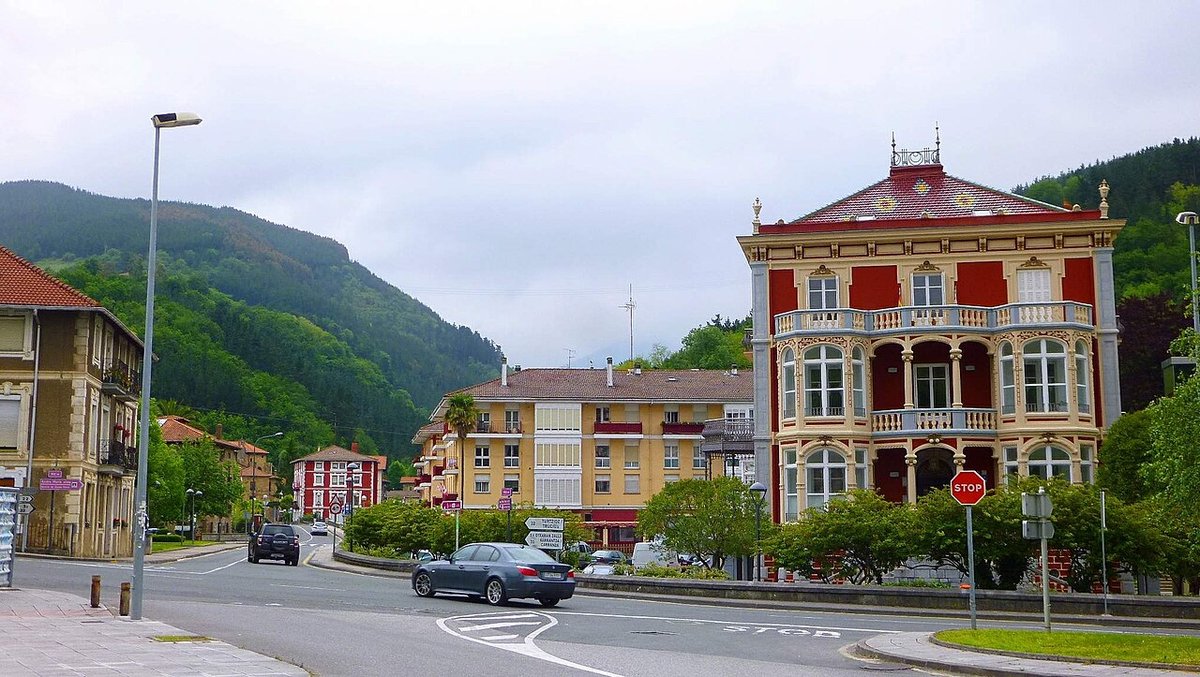
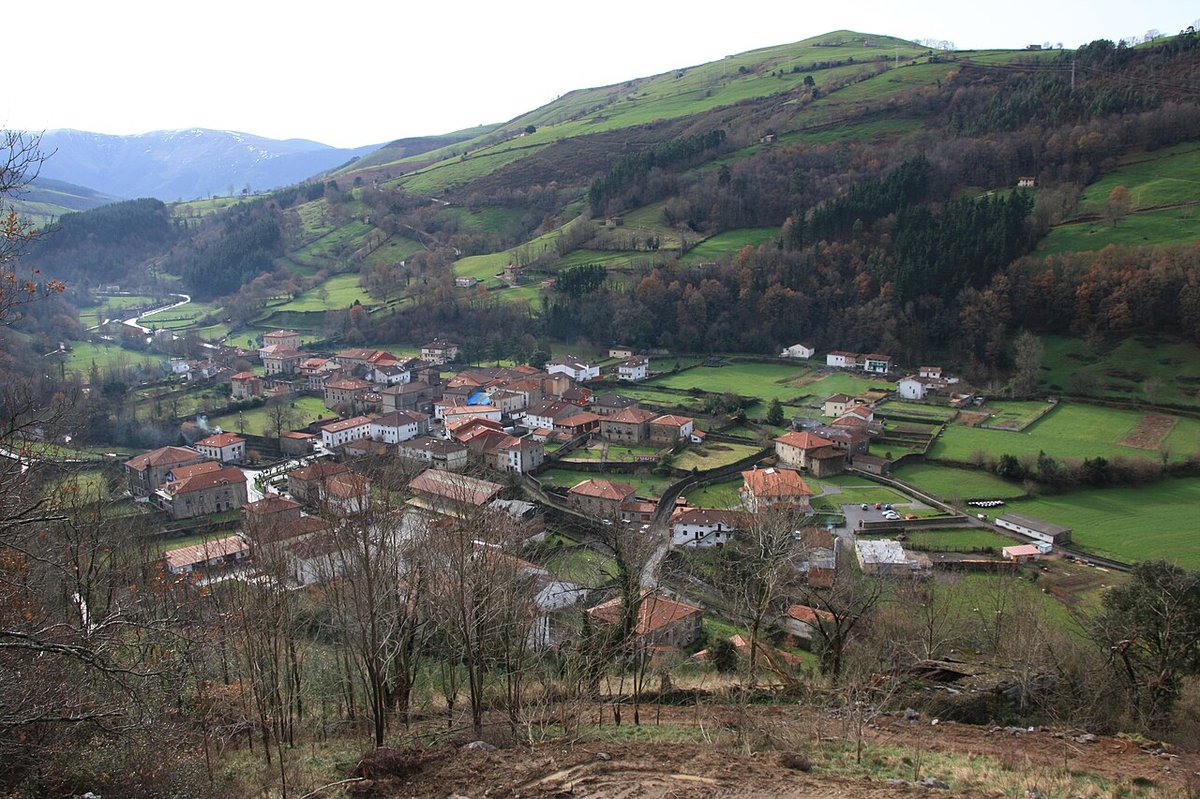
The historic centre is compact. It consists mainly of two long streets lined with older buildings. Among them are several casas de indianos, built with money brought back from the Americas, and they stand out more than most of the surrounding architecture.
The tower of San Juan plays the local anthem several times a day. Most people pause briefly, then continue walking.
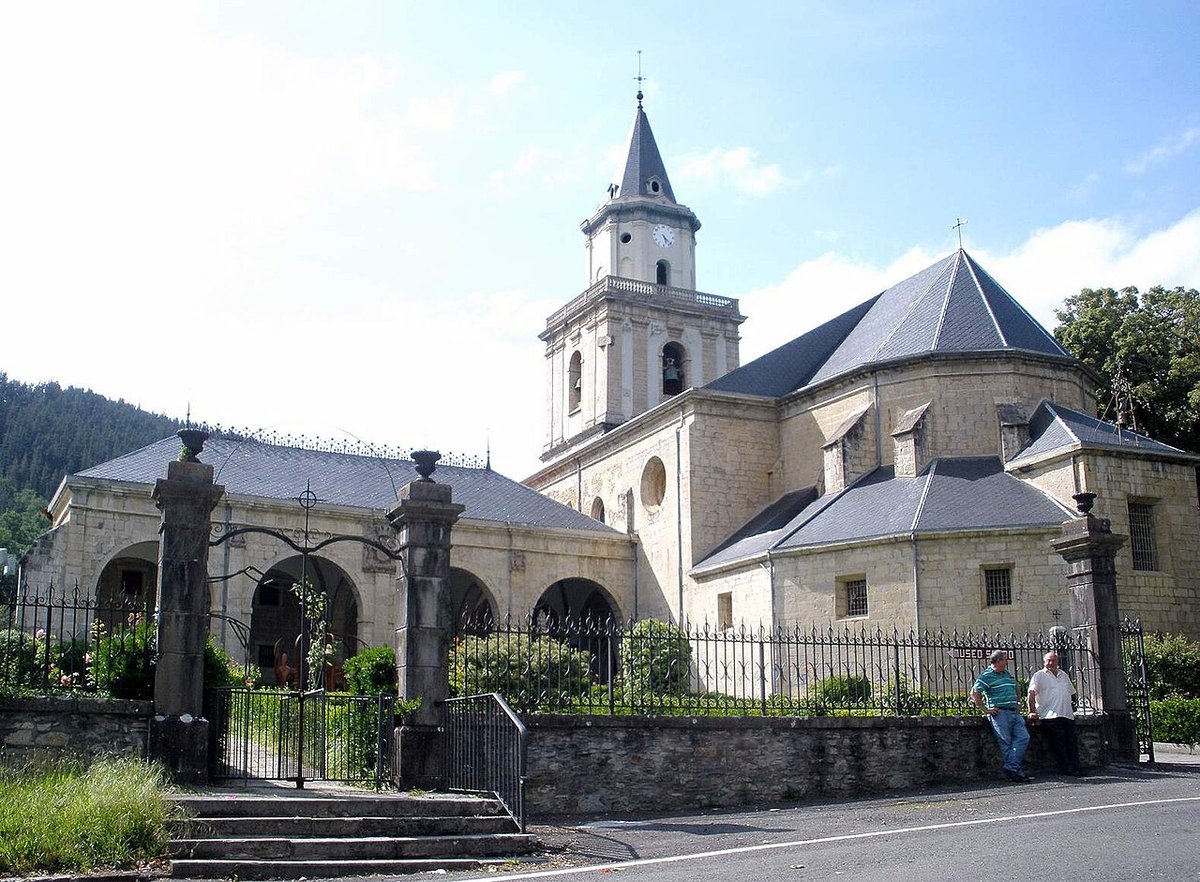
The main square is fairly modest. On Sundays, it often hosts a small market. Nearby, the church of San Severino contains a notable altarpiece, though it is not something that defines the entire visit. The Horcasitas palace appears suddenly between the houses, easy to miss if you are not paying attention. It opens sometimes, but not always.
The factory that made berets
A short distance from the centre stands La Encartada. This was a beret factory that opened at the end of the 19th century and remained active until 1992. Today, it operates as a museum.
Inside, the original machinery is still in place. Visitors can see the carding machines, the looms, and the hydraulic turbine that powered the entire operation. The dining room used by the workers has also been preserved.
The visit focuses on how the factory functioned and what daily work looked like. It gives a clear sense of the industrial process and the conditions at the time. The interior is cold, even on mild days, which adds to the atmosphere more than expected.
The route there follows the road on foot and is signposted.
Putxeras and local life
The most typical dish in Balmaseda is the putxera. It is a bean stew made with chorizo and morcilla, originally prepared by railway workers while they were on duty. Today, it appears on menus across the town.
There is nothing complicated about it. It is simply a well-made bean stew.
Every year on 23 October, during the feast of San Severino, Balmaseda holds a putxera competition. Cooking takes place in the fronton, and a large part of the town gets involved. There is also a children’s version of the event. The atmosphere feels more local than tourist-oriented.
During fairs and festivals, txakoli from the area is often present. It is somewhat milder than the varieties found along the coast.
Up to Kolitza, or staying in the valley
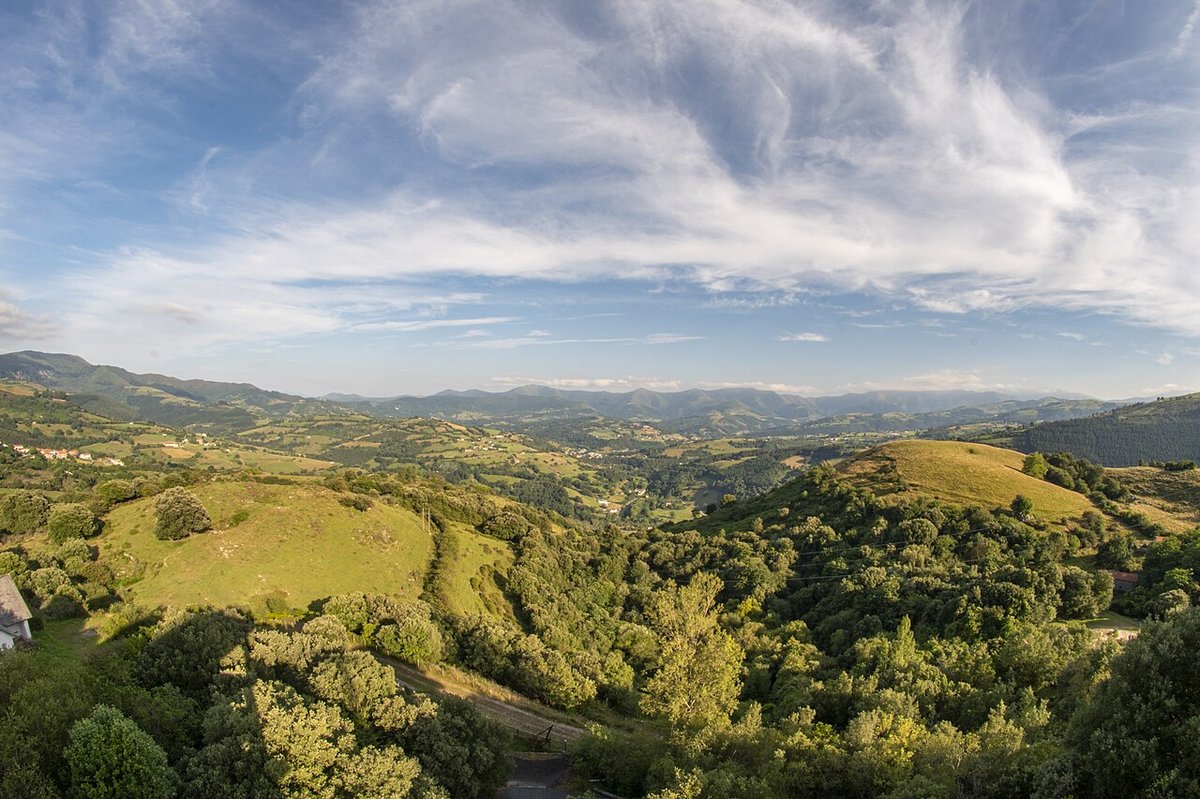
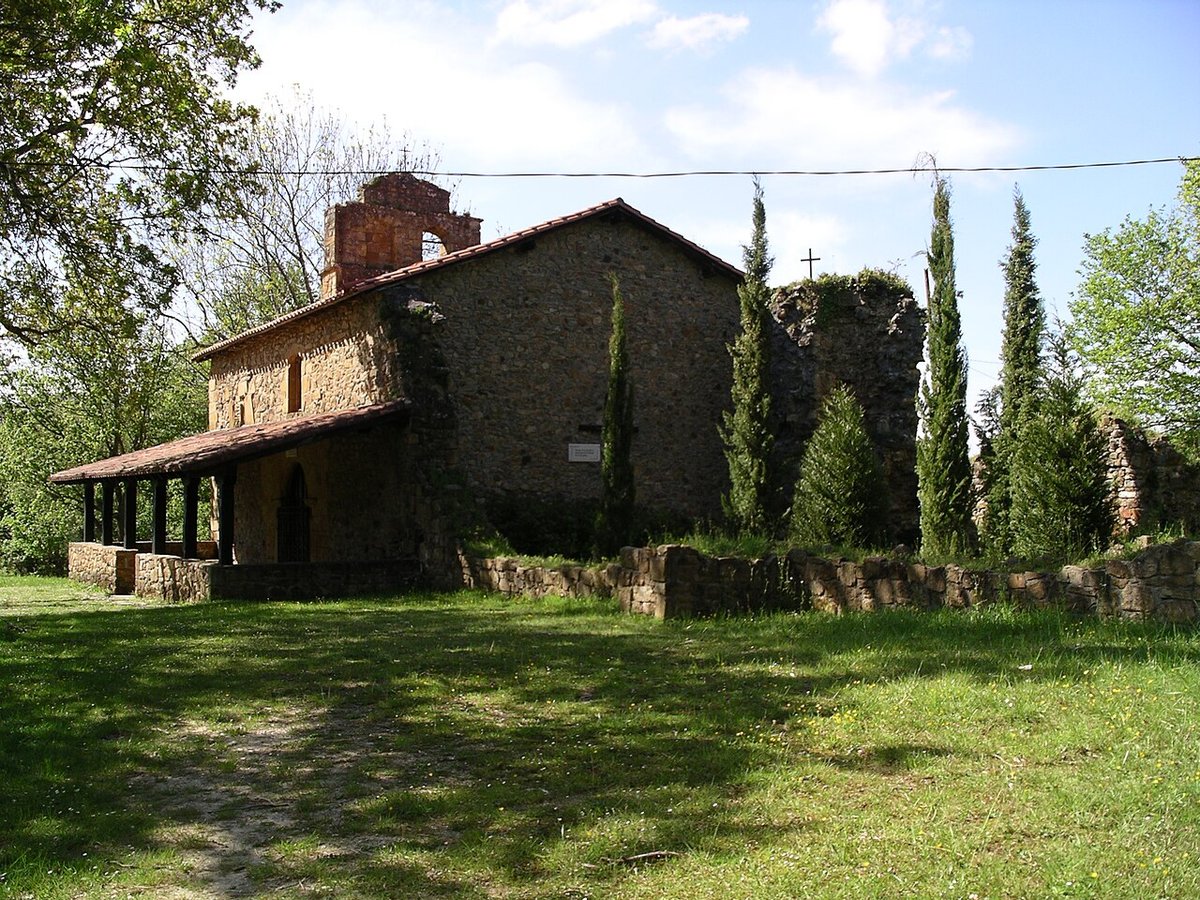
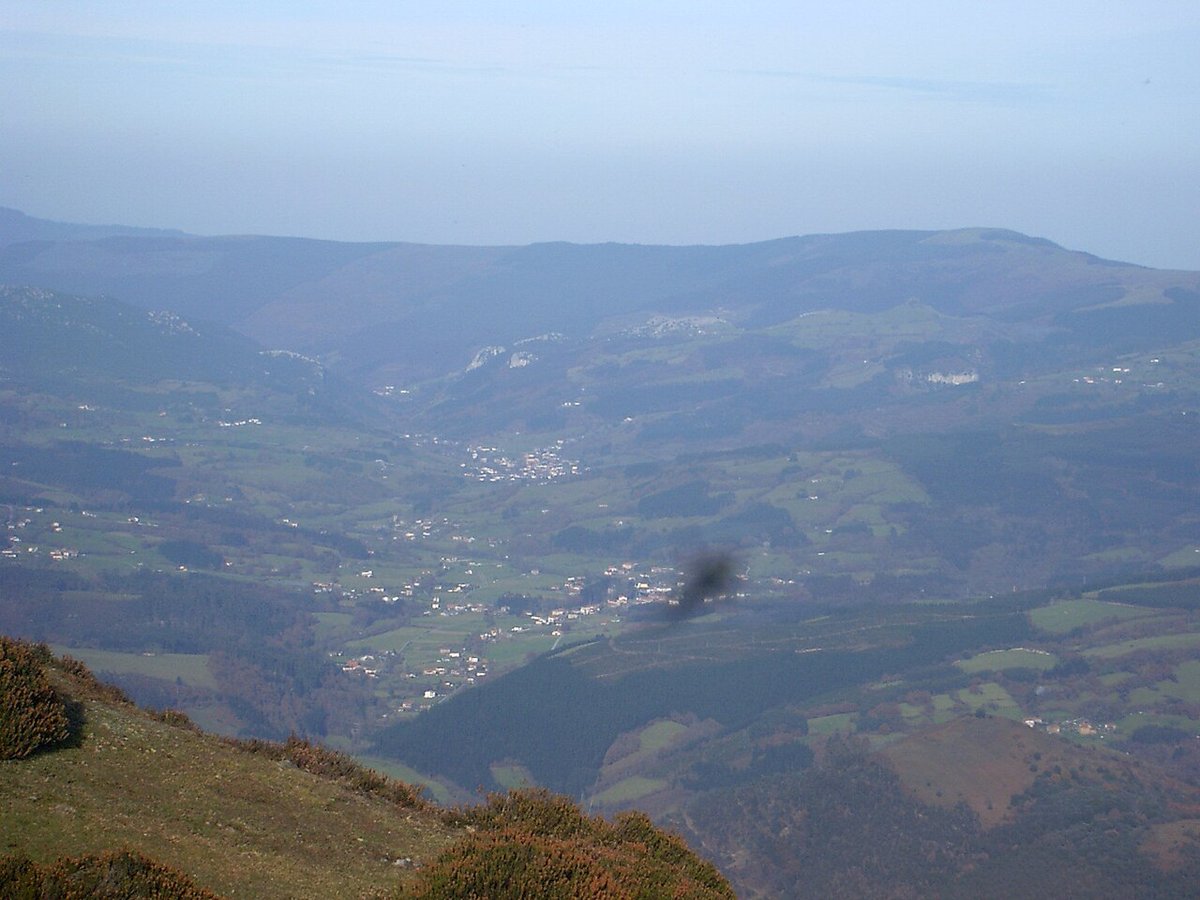
Kolitza rises directly above the valley. Several routes begin from Balmaseda. The classic ascent is about six kilometres one way and takes a little over an hour. At the top stands a Romanesque hermitage, along with open views across the valley when the weather is clear.
The path is marked and does not involve technical sections, although the climb is noticeable. Fog rolls in frequently in this area. When it does, the views disappear completely.
For something easier, there are flatter walks. One route follows the river Cadagua for several kilometres without much elevation. Another heads towards the remains of old 16th-century ironworks, though some of these are partly hidden by vegetation.
When to go and how to get there
Spring is usually the most pleasant time to visit Balmaseda. The valley turns green, and walking conditions are good. Autumn also works well for scenery, although rain becomes more frequent. In winter, fog can settle in and cover everything for hours.
During Holy Week, the town stages the Pasión Viviente, a live reenactment that involves hundreds of residents and draws a sizeable crowd. In October, a medieval market takes over several streets.
Balmaseda is connected to Bilbao by frequent buses, with a journey time of around fifty minutes. By car, access is via the A-8. It is best to leave the vehicle in the outer car parks and walk into the centre, which is pedestrianised.
Half a day is usually enough. The bridge, the historic centre, the beret factory, and perhaps a short walk if there is time. A longer stay makes sense mainly for those who want to explore the valley on foot. Balmaseda does not demand much more than that.