Full Article
about Galdames
Valleys and hamlets a stone’s throw from Bilbao, buzzing with local life.
Hide article Read full article
Galdames: un valle de hierro
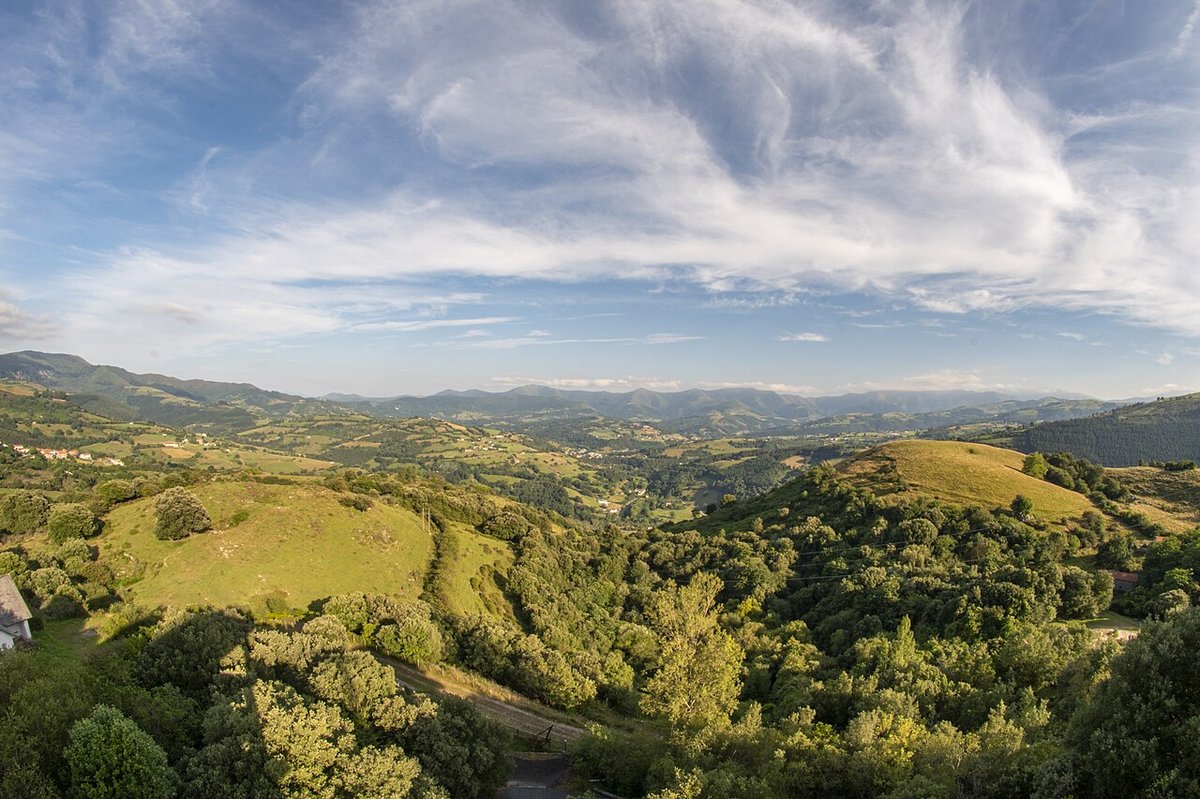
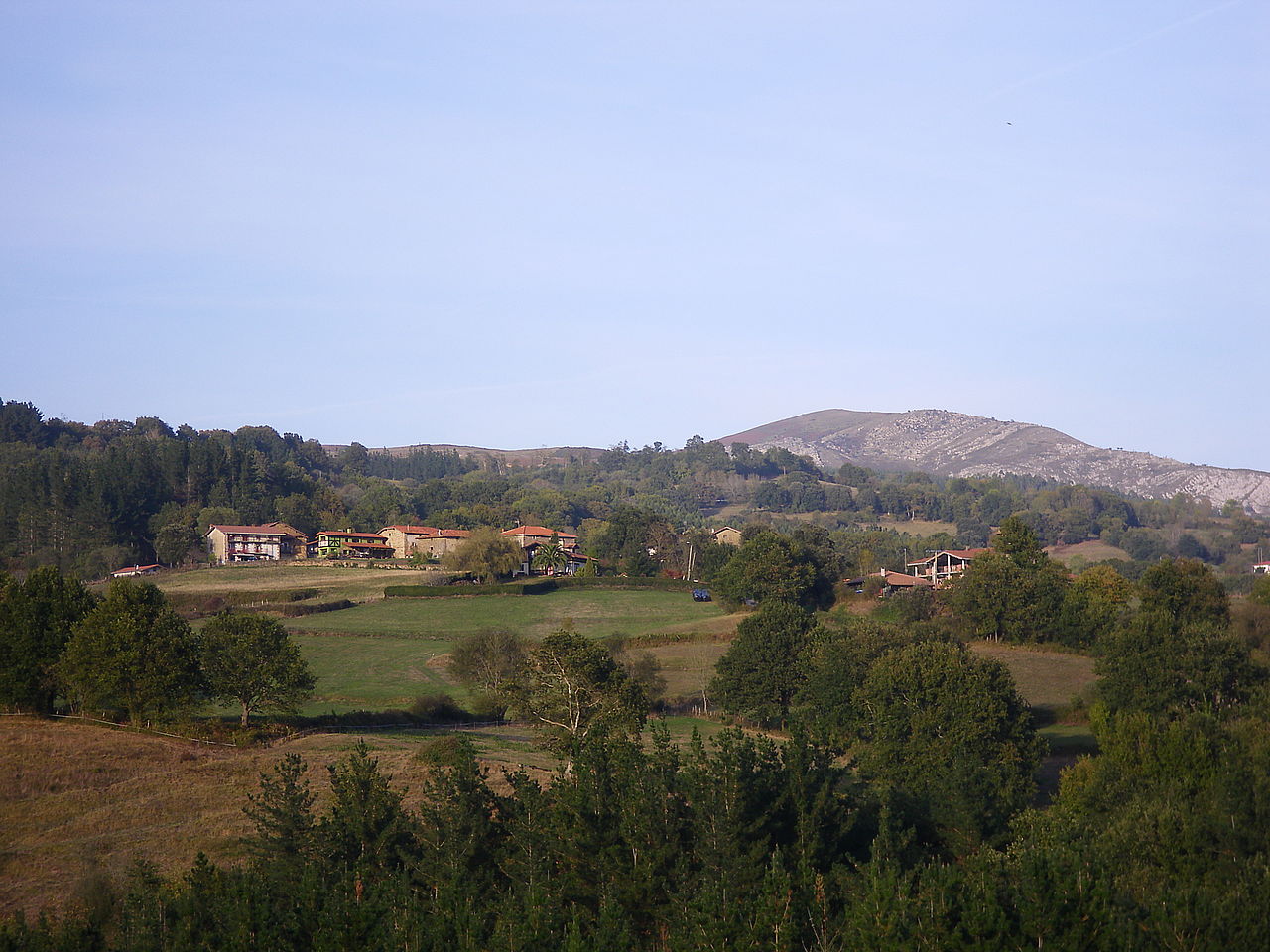
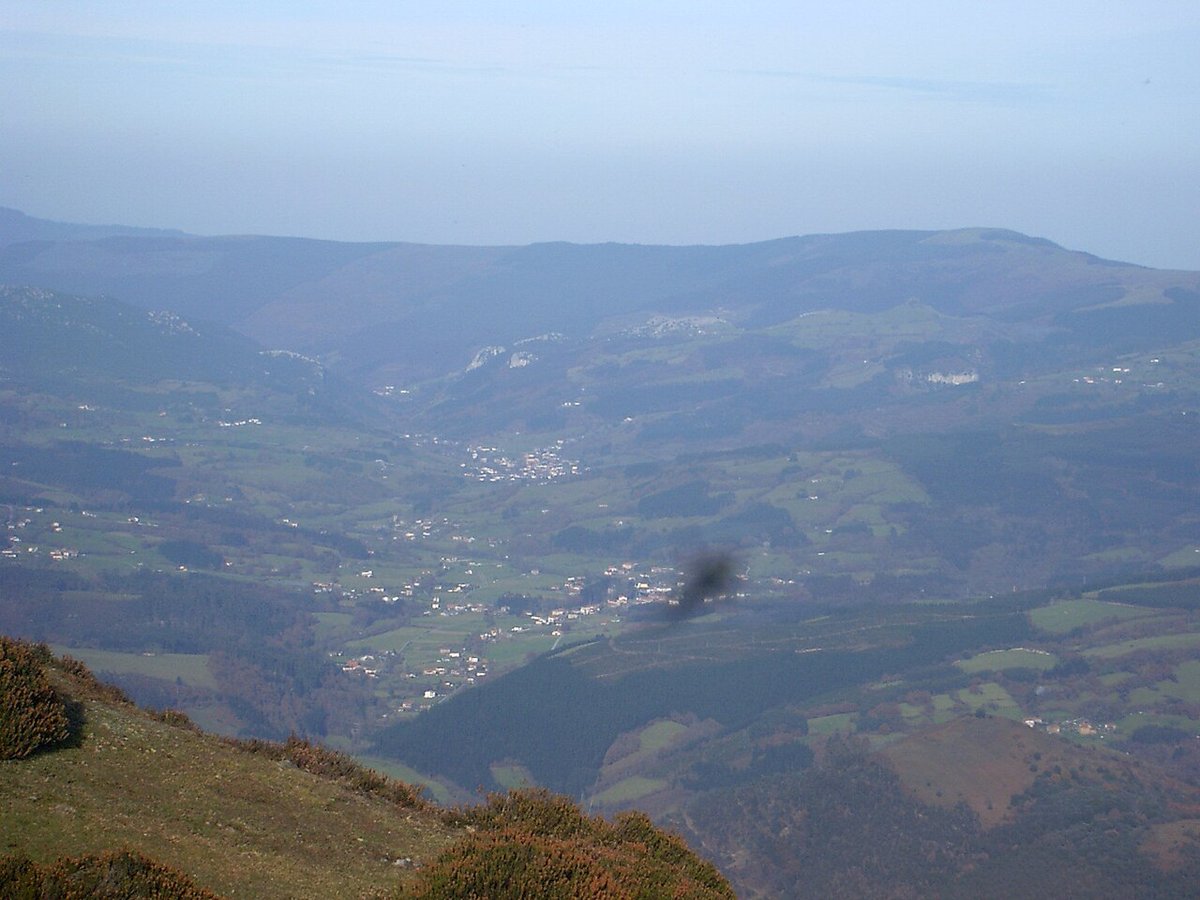
El apellido Galdames aparece en registros parroquiales del siglo XVI, pero la gente ya vivía en este valle mucho antes. La amplia cuenca del río Galdames, uno de los términos municipales más extensos de las Encartaciones de Bizkaia, se configuró en torno al hierro, no a los límites administrativos. Estas montañas no son un simple telón de fondo. Contienen los filones que se extrajeron, el carbón vegetal que alimentó los hornos y las torres que vigilaban un territorio rico en recursos.
El paisaje aún refleja ese pasado. Los caminos, las laderas y los manchones de bosque siguen patrones marcados por la extracción y el transporte. Lo que hoy parece un campo tranquilo funcionó como parte de un sistema industrial activo, vinculado a la ría del Nervión.
La Torre de Loizaga: vigía del mineral
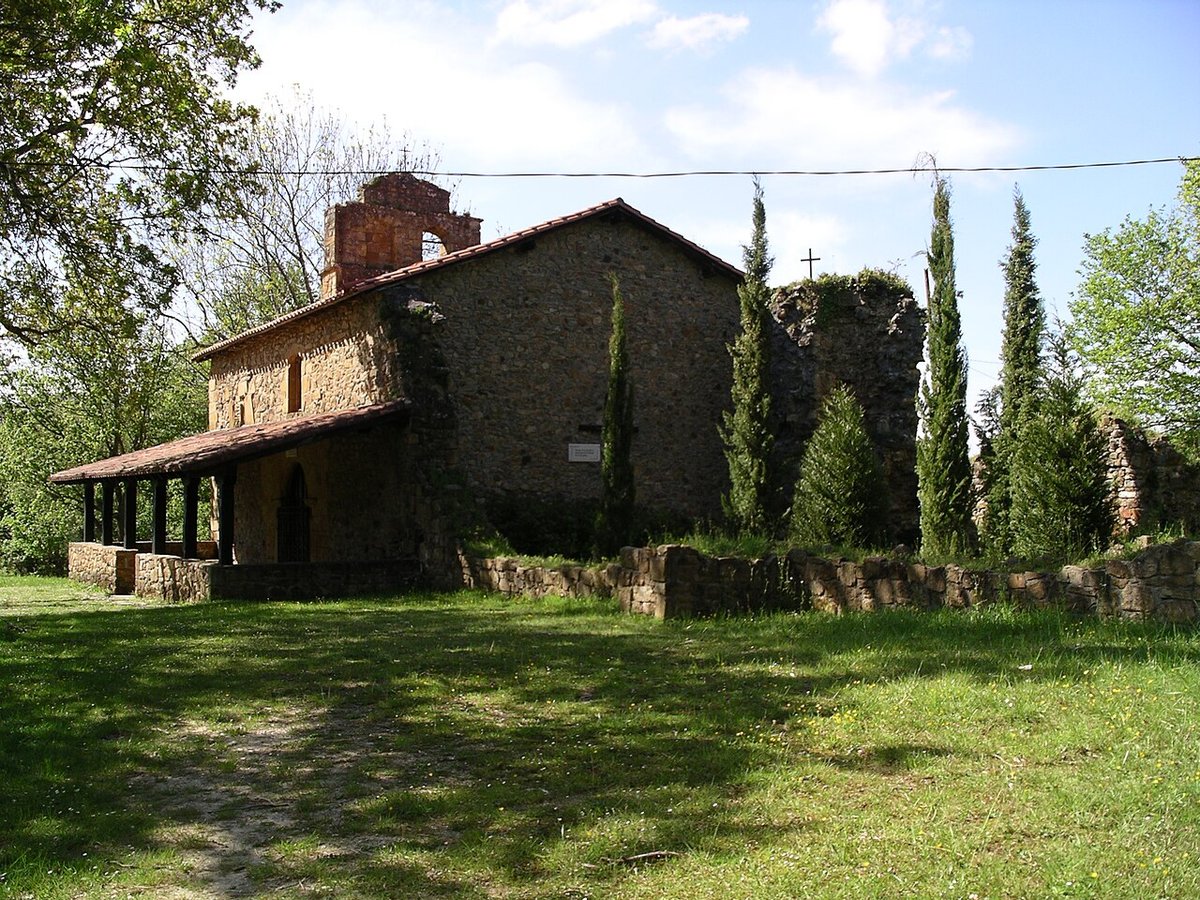
Para llegar a la Torre de Loizaga hay que dejar el coche en una pequeña explanada junto a la carretera y seguir a pie por un sendero que se estrecha entre el bosque. La torre, de origen medieval y restaurada en tiempos recientes, se alza sobre un promontorio con vistas amplias sobre gran parte del valle. No es una fortaleza imponente en el sentido grandilocuente. Sus muros gruesos y sus almenas reconstruidas definen su silueta. Un patio central retiene la humedad entre las superficies de piedra.
Su posición explica su función. Desde este punto se vigilaban las rutas que transportaban el mineral de hierro hacia la ría del Nervión. El control sobre esos caminos importaba en un lugar donde la riqueza mineral marcaba la vida cotidiana.
Dentro, el complejo guarda algo inesperado. Varios edificios albergan una colección extensa de automóviles Rolls‑Royce, reunida durante décadas. El contraste es notable. Un sitio ligado a la extracción del hierro exhibe vehículos que representan una línea clave de la industria automovilística del siglo XX. Recorrer las salas sitúa la historia del valle en un marco más amplio. La minería no fue una actividad aislada, sino parte de una cadena que se extendía mucho más allá de estas colinas.
San Pedro de Galdames: el núcleo minero
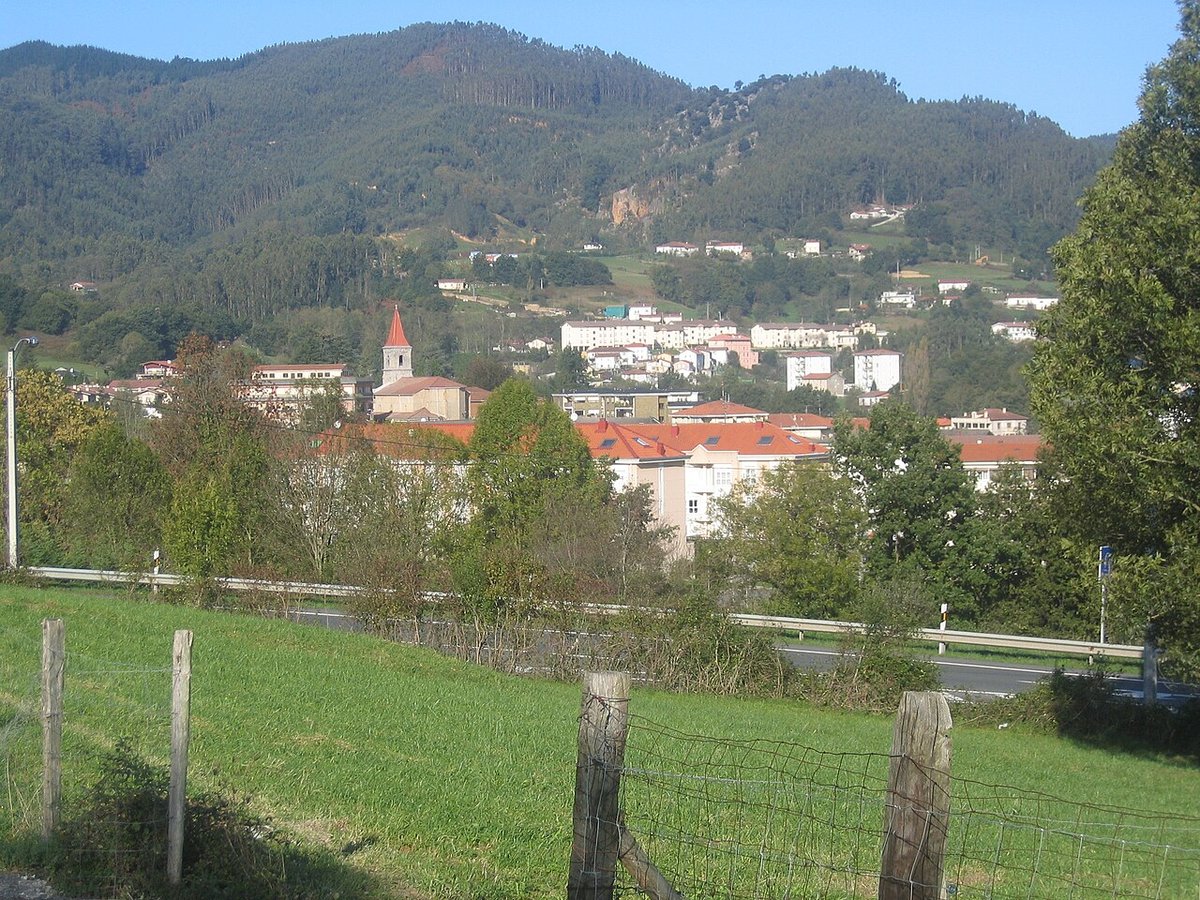
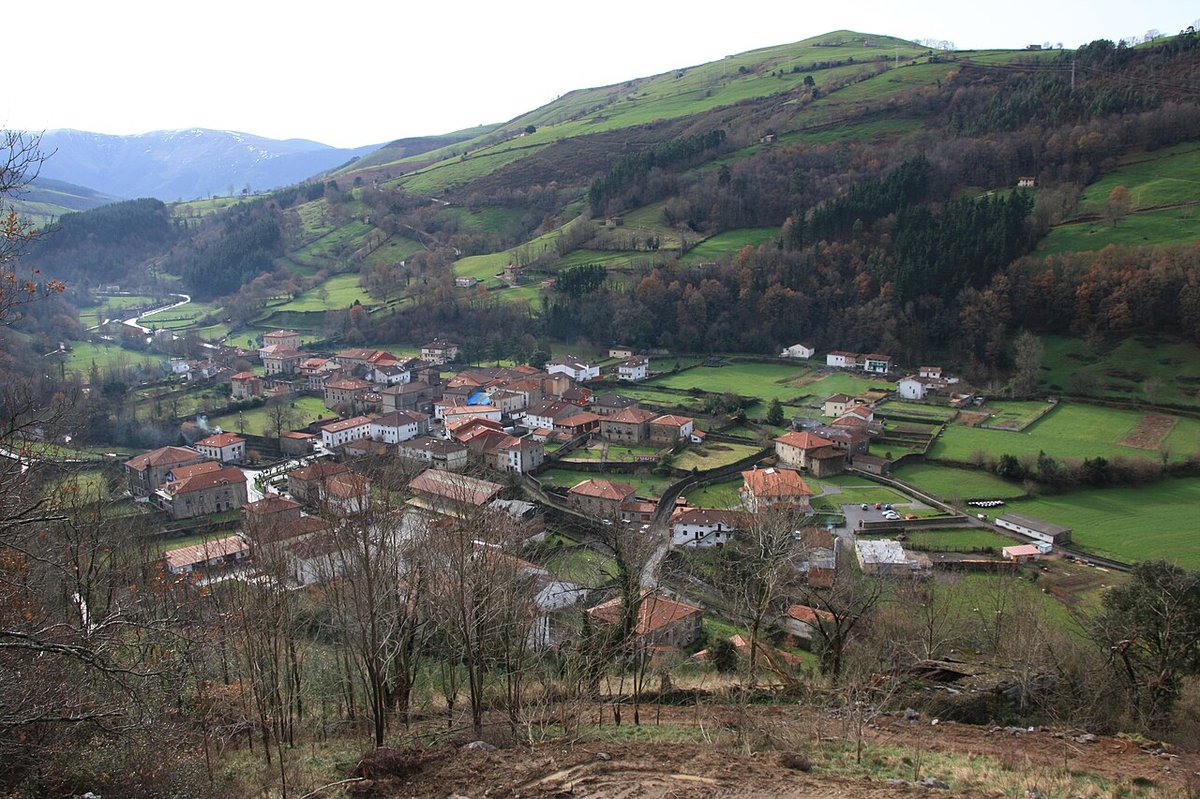
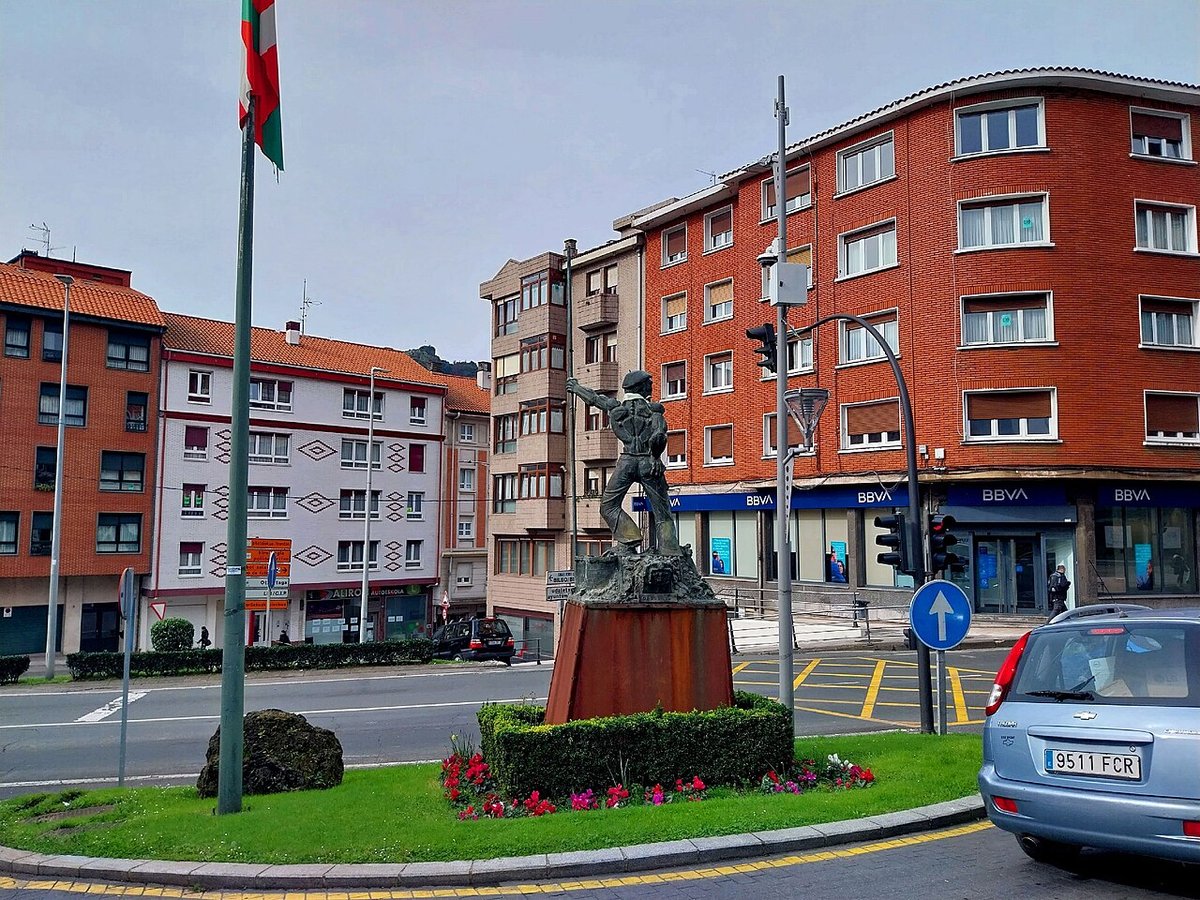
El descenso desde la torre conduce a San Pedro de Galdames, el centro administrativo del municipio. Su calle principal es corta y desemboca en una plaza pequeña. Ahí se encuentra un monumento a Martínez de las Rivas, minero y empresario vinculado al desarrollo industrial de Bizkaia a finales del siglo XIX y principios del XX. La escultura, instalada en las primeras décadas del siglo pasado, lo muestra con expresión contenida y un trozo de mineral en la mano.
Un lateral de la plaza lo cierra la iglesia parroquial, reconstruida en el siglo XIX tras un incendio. El edificio tiene una traza sencilla. Muros de piedra local y una cubierta a dos aguas. El entorno le da significado. Alrededor de este núcleo crecieron viviendas para los trabajadores de las explotaciones mineras cercanas. Entre ellas estaban las de Mallaunar, situadas a poca distancia del pueblo.
Este centro menor refleja cómo la actividad industrial modeló los asentamientos. Las casas, los servicios y los espacios públicos se desarrollaron junto a las exigencias de la extracción y el transporte.
Hornos, vías y la memoria del trabajo
La llamada Ruta del Hierro atraviesa Galdames por antiguos caminos mineros. En varios puntos se mantienen en pie hornos de calcinación. Estas estructuras de piedra, de forma troncocónica habitual, servían para calcinar el mineral y reducir impurezas antes del transporte. Ahora los cubren musgo y vegetación, pero su tamaño aún sugiere la intensidad de la actividad que aquí se desarrolló.
La senda continúa por pistas forestales flanqueadas por castaños y robles. Algunos tramos conservan terraplenes y desmontes que pertenecieron a infraestructuras mineras más antiguas. Entre ellas figura un ferrocarril que bajaba vagonetas hacia el valle del Nervión. Con el tiempo, la vía se ha difuminado entre la vegetación, pero quedan trazas visibles.
Cerca de Mallaunar aún se encuentran restos dispersos de la explotación. Escombreras, fragmentos de muros de piedra y la entrada a una galería, ahora cerrada, aparecen junto al camino. Estos elementos no forman un monumento unitario. Son más bien pistas dispersas que indican cómo funcionaba el valle cuando la minería marcaba el ritmo de la vida local.
Caminar por estas rutas permite comprender ese sistema. Las distancias son asumibles, pero el terreno cuenta una historia compleja de extracción, transformación y movimiento.
Cómo llegar y cuándo ir
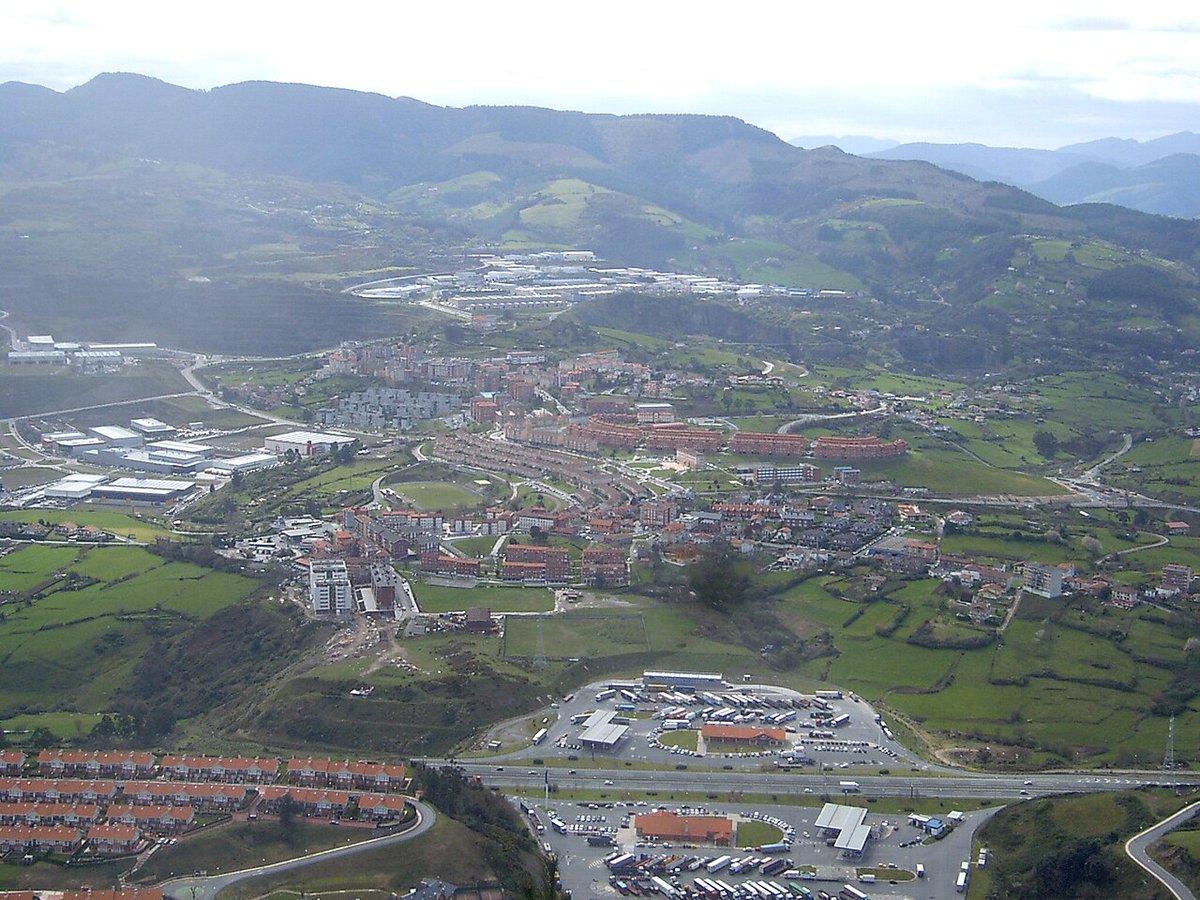
Galdames se sitúa en el interior de las Encartaciones, a menos de una hora en coche desde Bilbao. El acceso habitual sigue la A‑8 y luego carreteras comarcales menores que penetran en el valle. En San Pedro hay sitio para aparcar cerca del frontón y de la plaza principal.
El paisaje cambia de forma notable con las estaciones. La primavera tiñe el bosque de un verde intenso y los arroyos llevan más agua visible. El otoño también resulta apropiado para caminar por las pistas forestales. El invierno suele traer humedad y nieblas, y los senderos pueden volverse resbaladizos.
Conviene calzado adecuado si se piensa explorar las zonas mineras o los hornos. Los recorridos no son largos, pero el suelo tiende a permanecer húmedo durante gran parte del año. En el pueblo hay un bar que abre según el día, aunque no siempre con horario amplio. Es sensato llevar agua al adentrarse por las colinas.
Galdames no presenta su historia mediante grandes exposiciones o hitos espectaculares. Su carácter emerge de detalles menores repartidos por el valle: una torre sobre los árboles, un horno junto al camino, un fragmento de muro cerca de una antigua galería. Juntos, trazan el perfil de un lugar donde el hierro modeló tanto el territorio como la vida.