Full Article
about Gordexola (Gordejuela)
Valleys and hamlets a stone’s throw from Bilbao, buzzing with local life.
Hide article Read full article
Gordexola, el pueblo que no esperabas
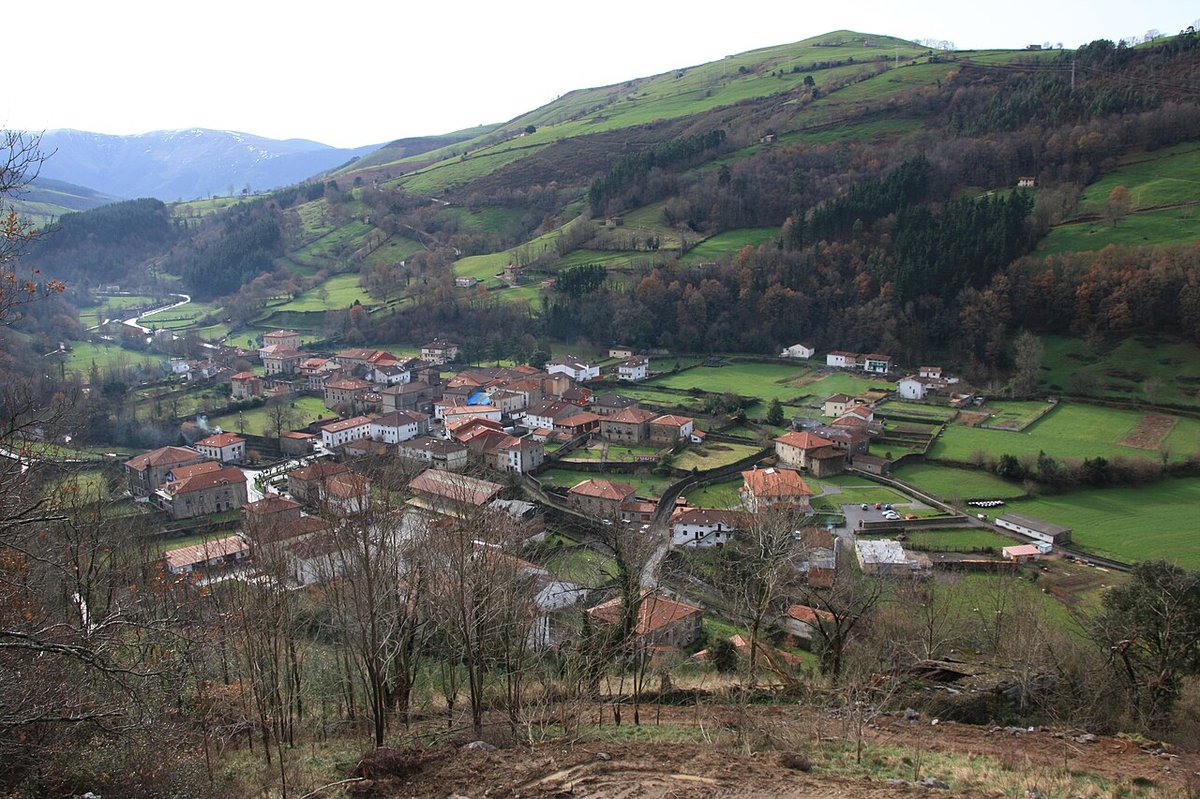
Gordexola es de esos sitios a los que llegas casi por error. Vas por la carretera principal, te sales un momento porque parece que hay algo verde ahí al fondo, y de repente estás en otro mundo. El ruido del asfalto se cambia por el de un río, las rotondas por praderas, y los bloques de pisos por caseríos que parecen clavados en la tierra desde hace siglos.
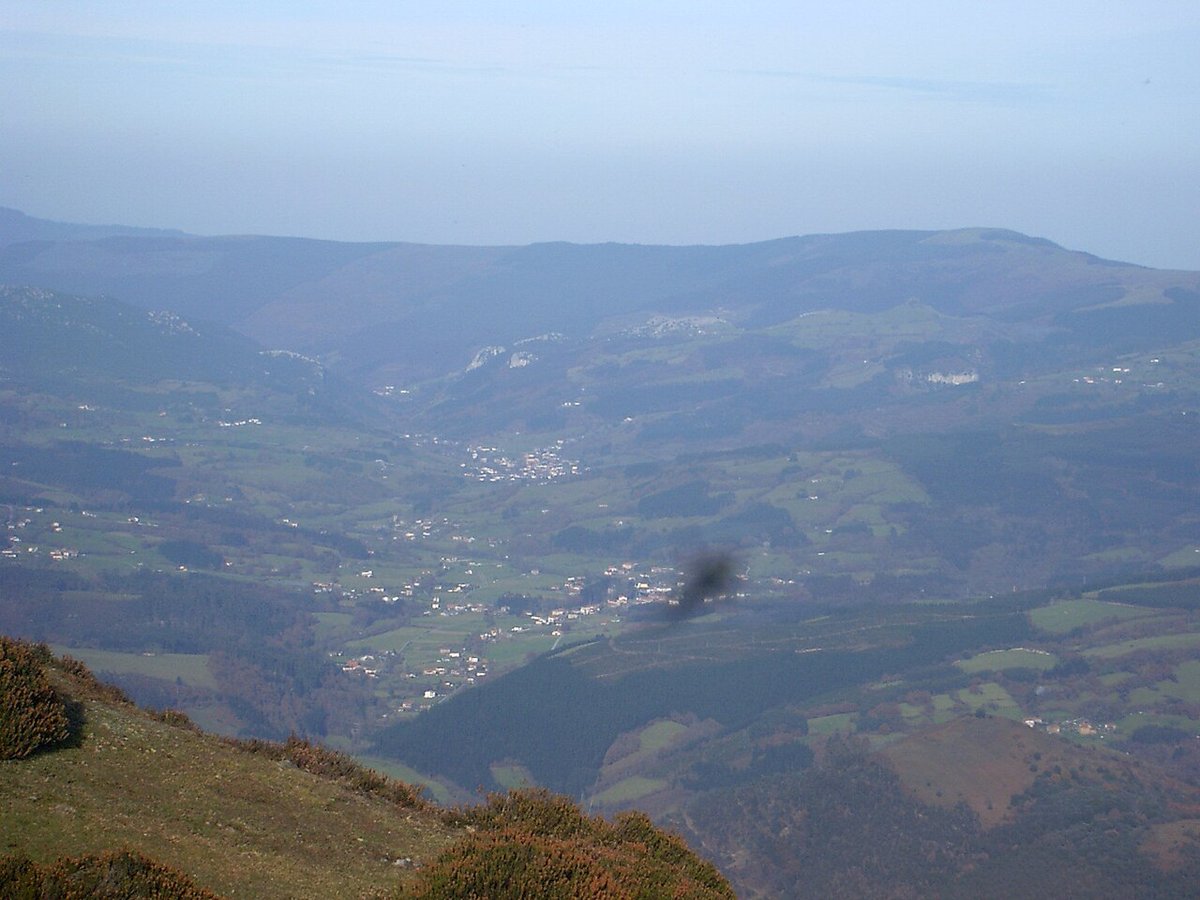
Así empieza casi todo el turismo aquí: sin planificación. No es un destino de cartel, ni tiene una catedral que justifique el viaje. Es un valle, el del Cadagua, con un puñado de barrios desperdigados y una vida que sigue girando alrededor del campo. Si buscas tiendas de souvenirs o un mirador con panel informativo, mejor gira el coche. Esto funciona a otro ritmo.
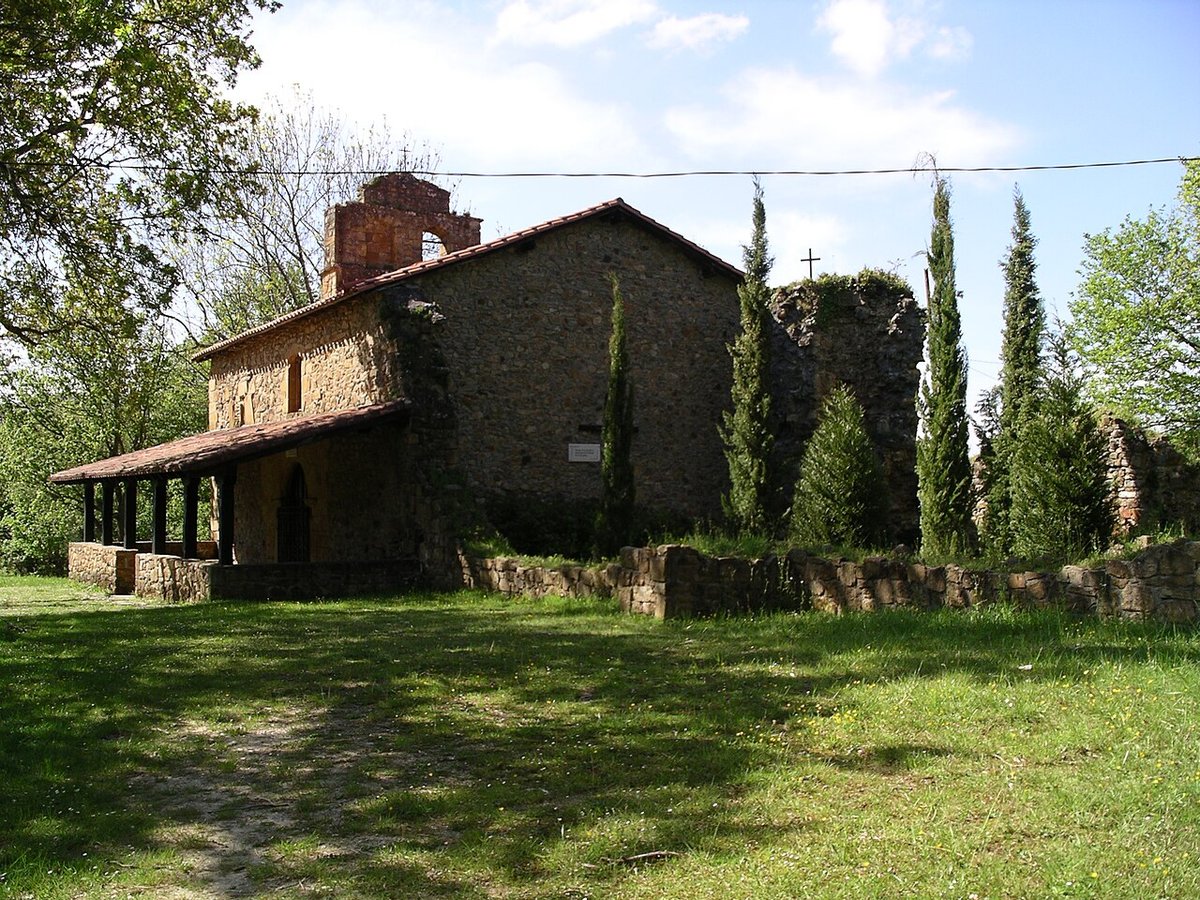
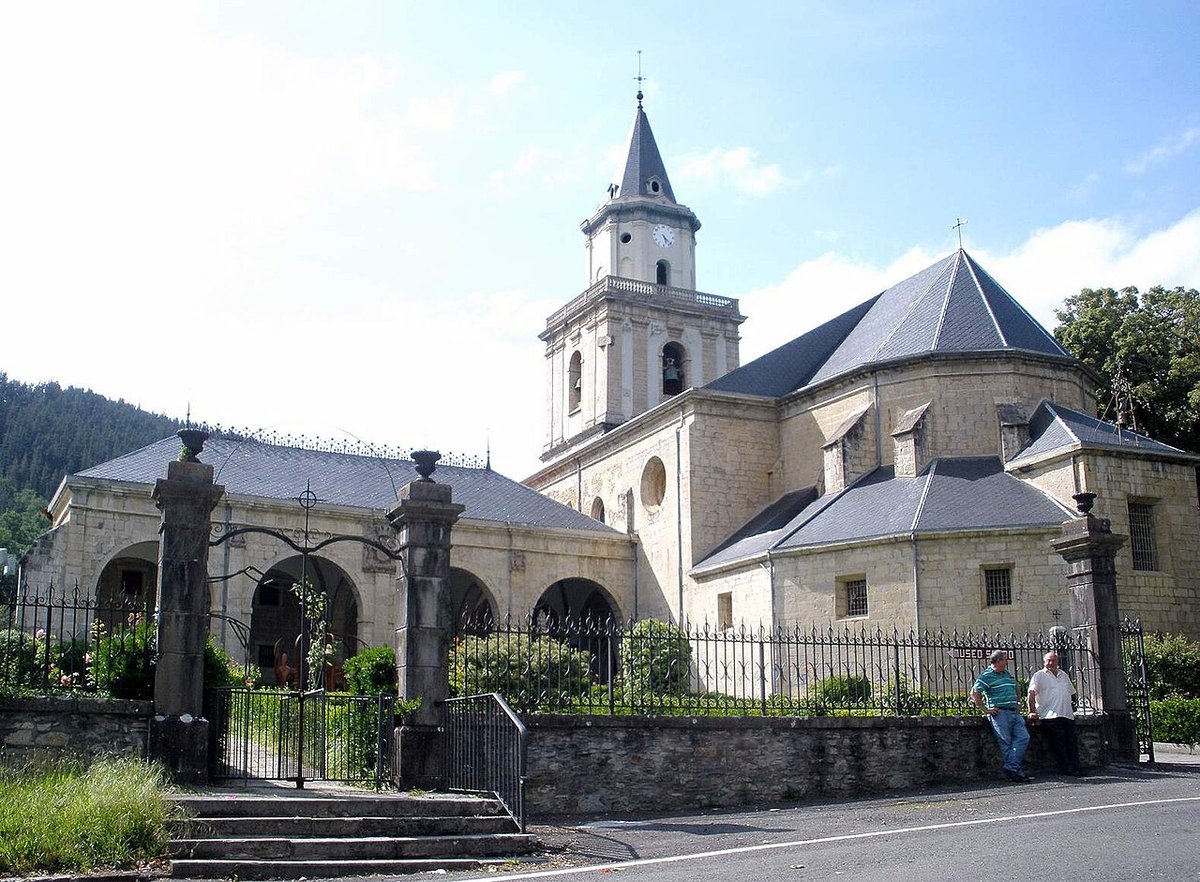
La iglesia que es más faro que monumento
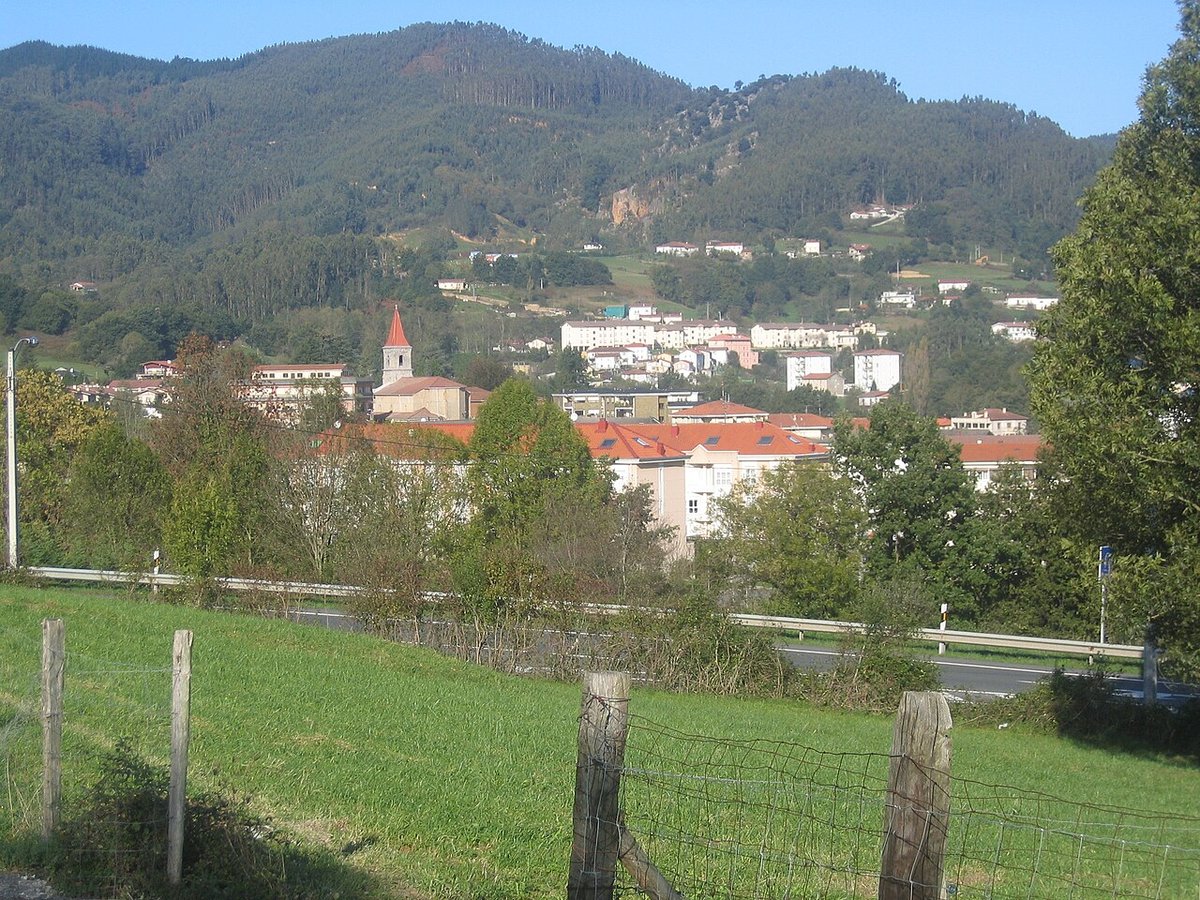
En Gordexola te orientas por la torre de la iglesia de San Pedro Apóstol. Es el punto de referencia físico y social. Quedar “en la iglesia” aquí no suena a cliché; es lo normal.
El edificio en sí es como la mayoría de pueblos antiguos: ha ido creciendo y cambiando a trozos. No vas a alucinar con su arquitectura, pero si te fijas en los muros, ves las cicatrices de las reformas, como las arrugas en la cara de alguien que ha trabajado siempre al aire libre. La plaza delante suele estar tranquila, salvo cuando toca fiesta o mercado. Las casas alrededor tienen esa piedra vista y balcones de hierro que hablan más de utilidad que de decoración.
Andar junto al Cadagua (y entenderlo todo)
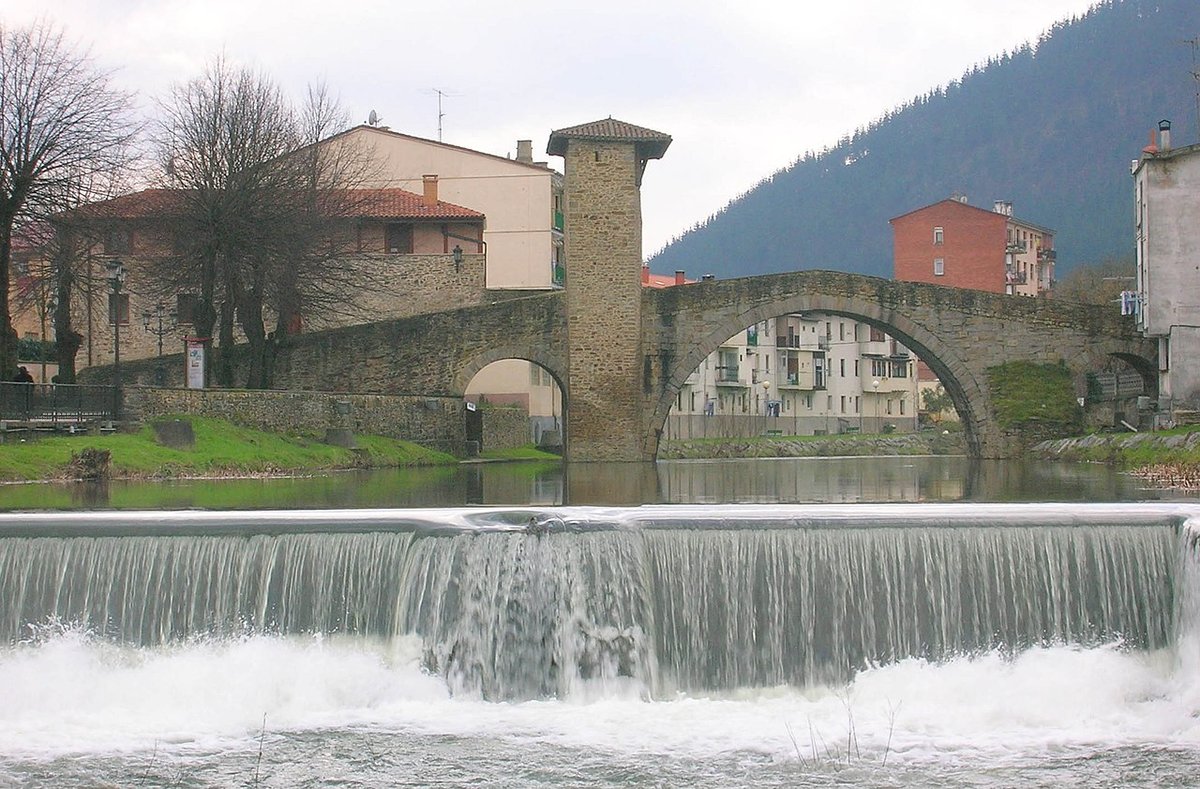
El río Cadagua es el hilo conductor de todo esto. No es ancho ni espectacular, pero está en todas partes: lo cruzas por puentes bajos, lo ves regando huertas, marca el camino.
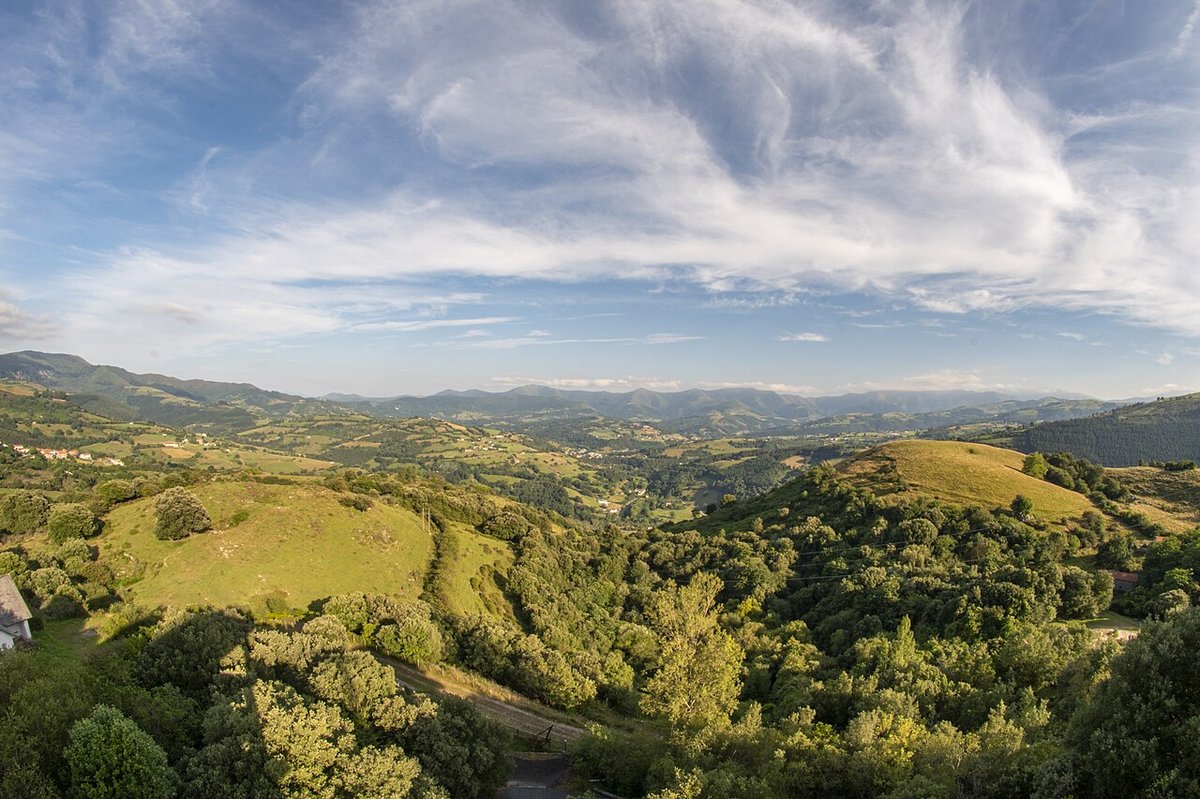
Hay senderos sencillos que van pegados a él, muchos coincidiendo con el Camino Natural del Cadagua. Son paseos fáciles, entre prados y algún tramo boscoso. Eso sí: si ha llovido mucho, prepara los zapatos para un poco de barro. La gracia está en que no hay “puntos panorámicos” señalizados; las mejores vistas salen en un claro entre árboles o al doblar una curva del camino. Ves las lomas suaves, los barrios separados por campos verdes y cómo se organiza realmente este valle.
Un paisaje que trabaja (de verdad)
Esto es lo más importante: Gordexola no es un decorado rural. Conduces por sus carreteras secundarias y ves pastos con ovejas, huertas cuidadas y naves pequeñas donde aún se trabaja el metal o se arregla maquinaria agraria. No son atracciones turísticas; son talleres con la puerta abierta y el radio puesto.
Por eso mismo, circula con calma. Es normal toparse con un tractor saliendo de una pista o una furgoneta parada en mitad del arcén mientras alguien habla con el dueño del caserío de al lado. La pesca de trucha sigue viva en algunos tramos del río – infórmate bien antes de lanzar el sedal – y ese ambiente laboral le da una autenticidad que otros pueblos han perdido.
La vida repartida en barrios
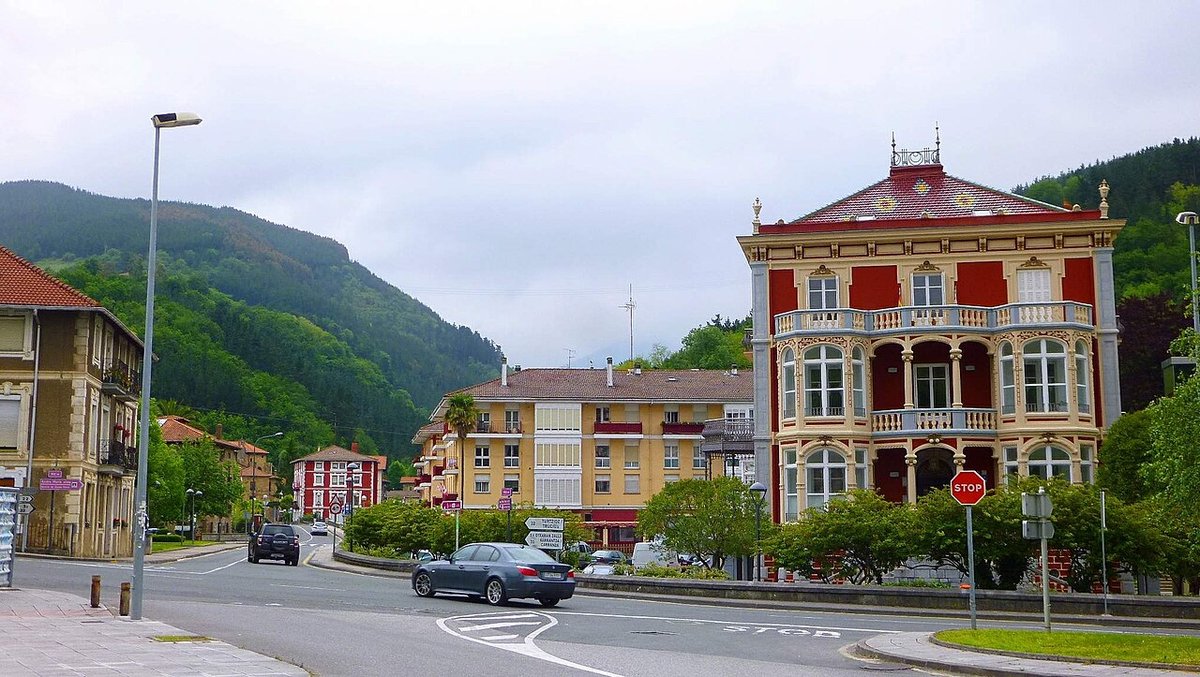
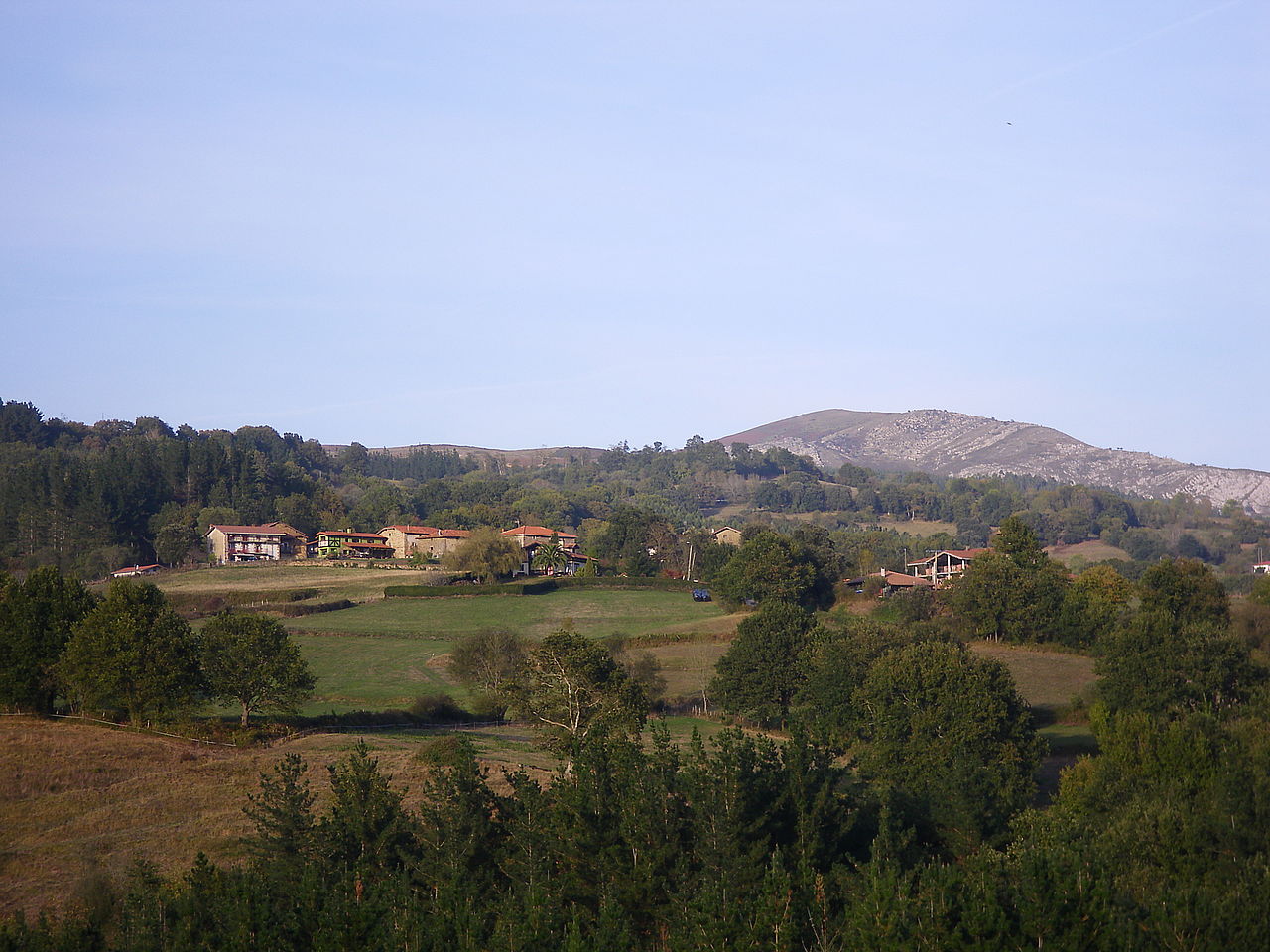
Olvídate del concepto “centro histórico”. Gordexola son varios núcleos – Alameda, El Haya… – cada uno con su carácter, separados por campos. Esto tiene una ventaja clara: el paisaje se mantiene abierto, sin edificación continua. Y una pega práctica: moverte sin coche requiere paciencia y algo de planificación.
Pero esa dispersión es también su encanto real. Entre barrio y barrio encuentras caminos rurales solitarios, caseríos aislados y ese silencio solo roto por pájaros o algún perro lejano.
Si vas con prisa (y sin ella)
Si pasas solo un par de horas: Aparca cerca de la iglesia San Pedro Apóstol, date una vuelta a pie hasta alguno de los puentes sobre el Cadagua y ya tienes la foto mental del lugar: un pueblo organizado alrededor del río y su iglesia-faro.
Si puedes quedarte más: Ponte calzado cómodo y recorre un tramo del camino fluvial. No hace falta hacer kilómetros; con andar media hora ya captas la esencia del valle. Y sobre todo, observa lo que pasa alrededor: el tipo cargando heno, la señora regando la huerta detrás de su casa… Ahí está la visita interesante