Full Article
about Karrantza (Valle de Carranza)
Valleys and hamlets a short distance from Bilbao, with plenty of local life.
Hide article Read full article
A place where the map starts to blur
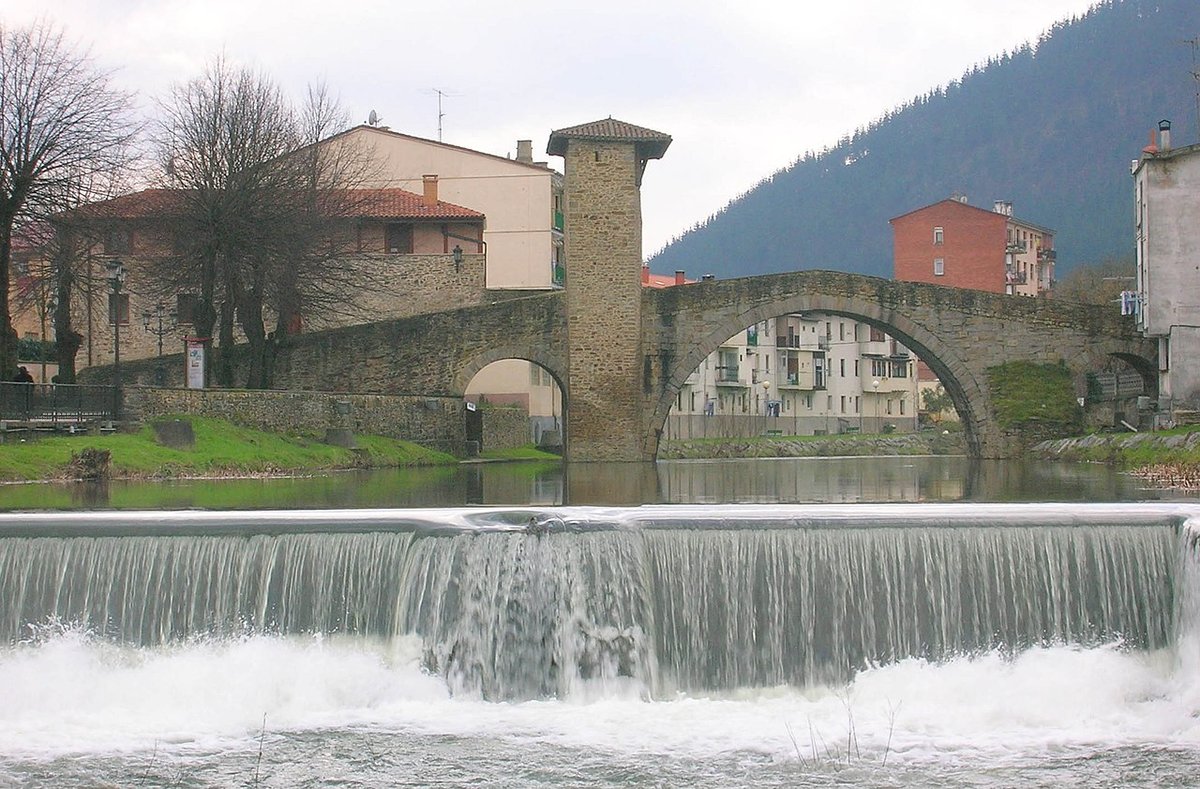
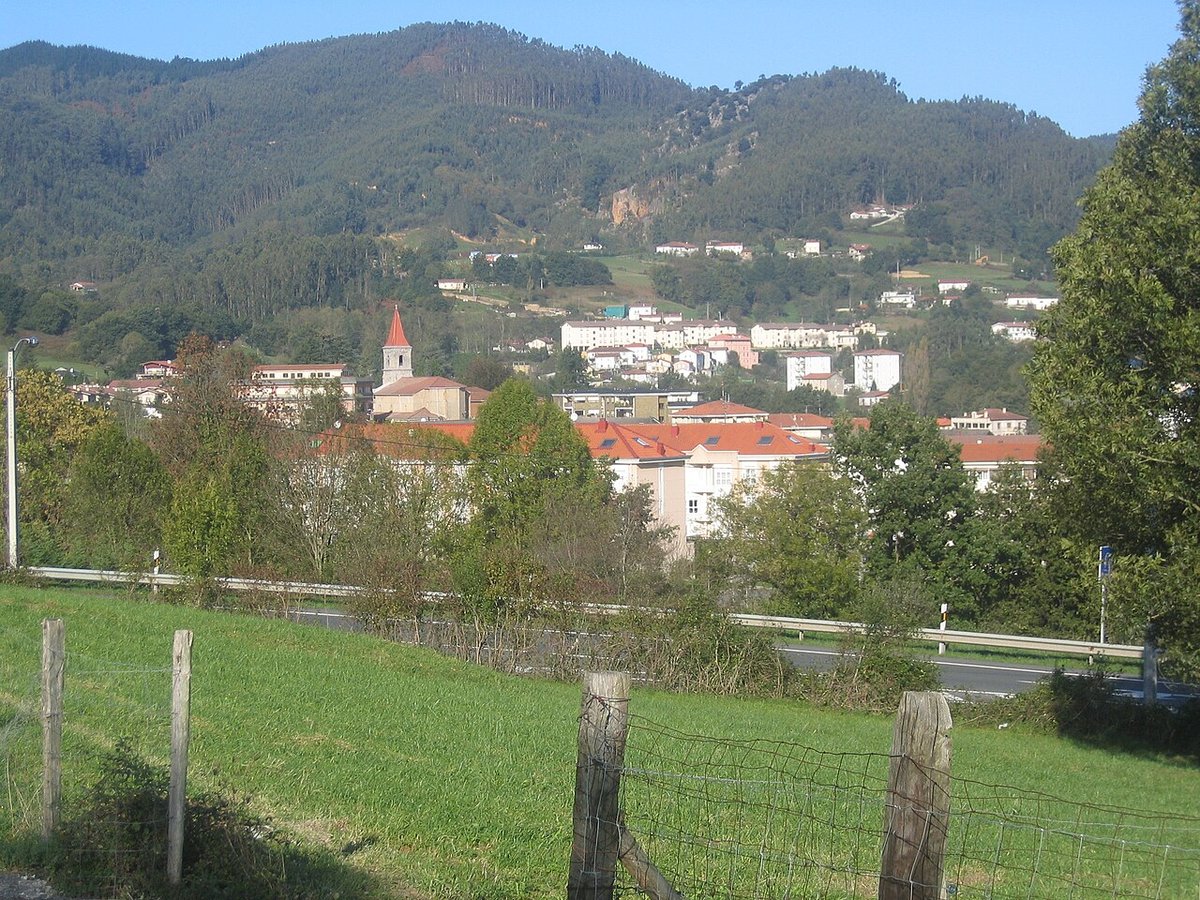
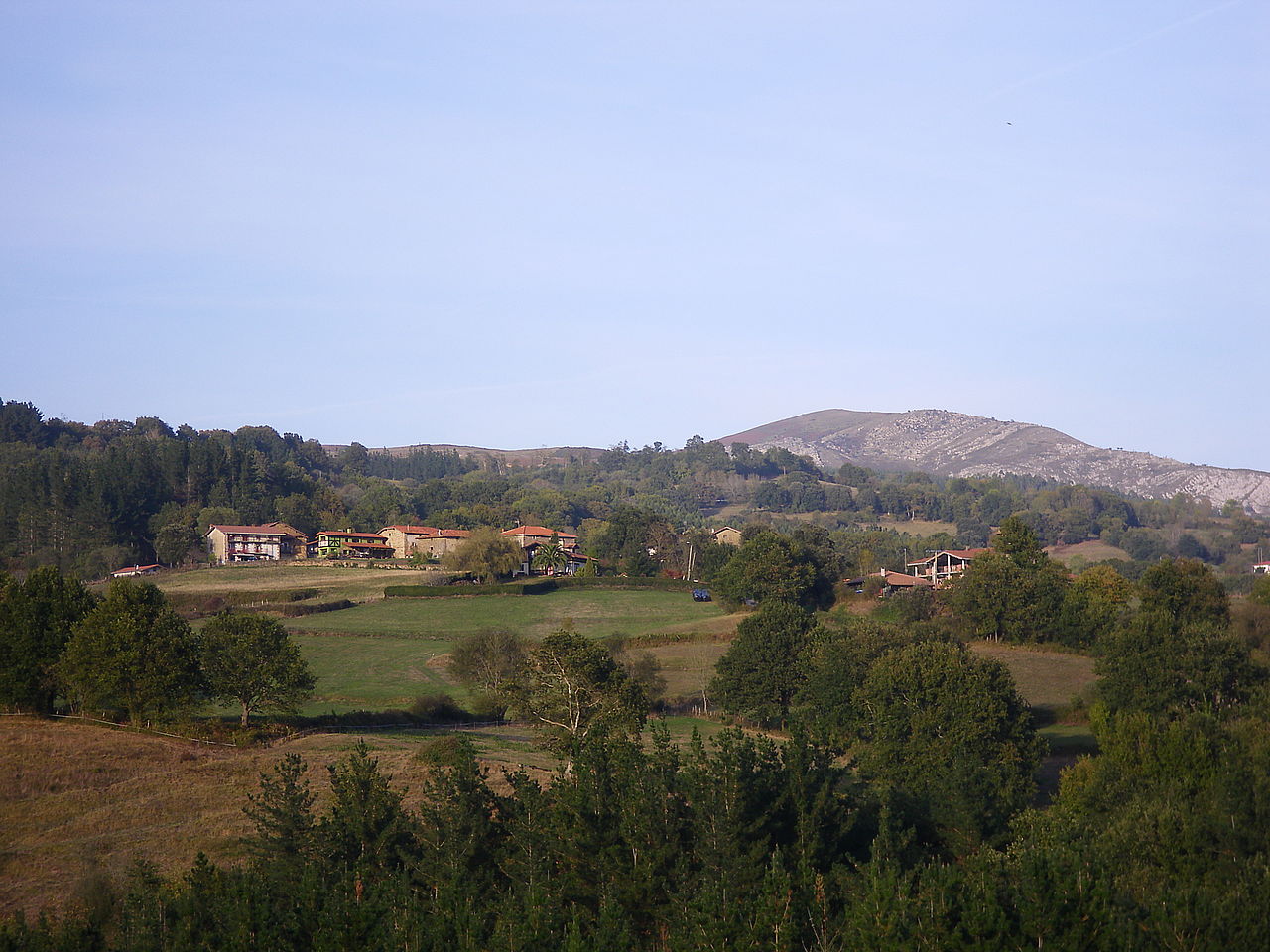
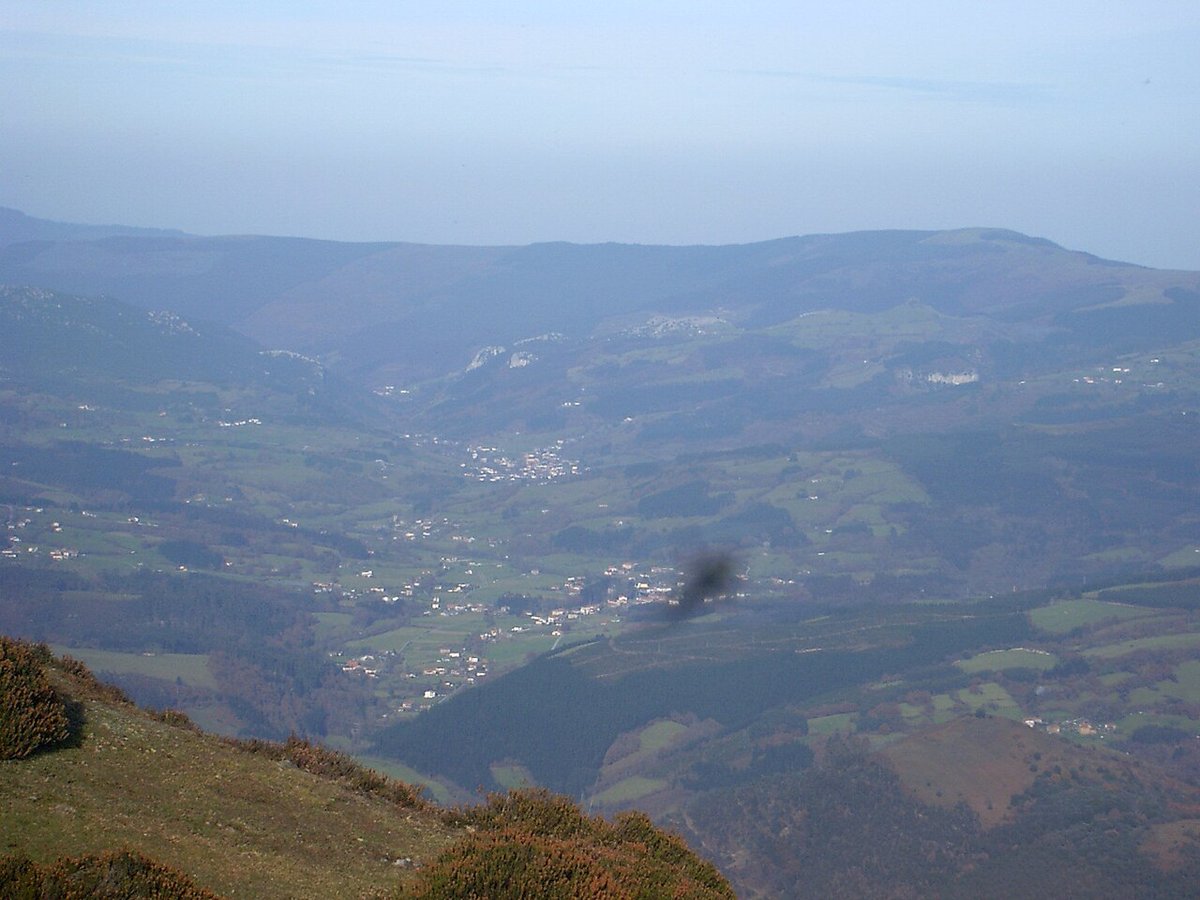
There are places where GPS starts to lose confidence. Karrantza, also known as Valle de Carranza, comes close. One look at the map explains why: 137 square kilometres spread across 48 neighbourhoods that seem to have been scattered down the valley as if dropped from a pocket. The road in curves and twists, the kind that makes you slow down whether you intend to or not, and it quickly becomes clear that things here don’t present themselves all at once. Nothing is hidden in any grand, mysterious sense. It feels more like opening a drawer and realising you had forgotten what was inside.
The day the mountain opened
Pozalagua has one of those stories that sounds exaggerated if you hear it told casually. In 1957, miners searching for dolomite set off a charge in the rock face and revealed a cavity filled with unusual stalactites. A guide described them as excéntricas, eccentric formations that grow without paying much attention to gravity.
Inside, the effect is quietly absorbing. White formations appear in every direction, the air is constantly damp, and the only sound is the steady drip of water. For a while, it can feel like standing inside something alive, as if the cave were a giant lung. When you step back outside, there is a lingering, slightly odd but pleasant thought that mountains might breathe in their own way.
Forty-eight ways to get lost
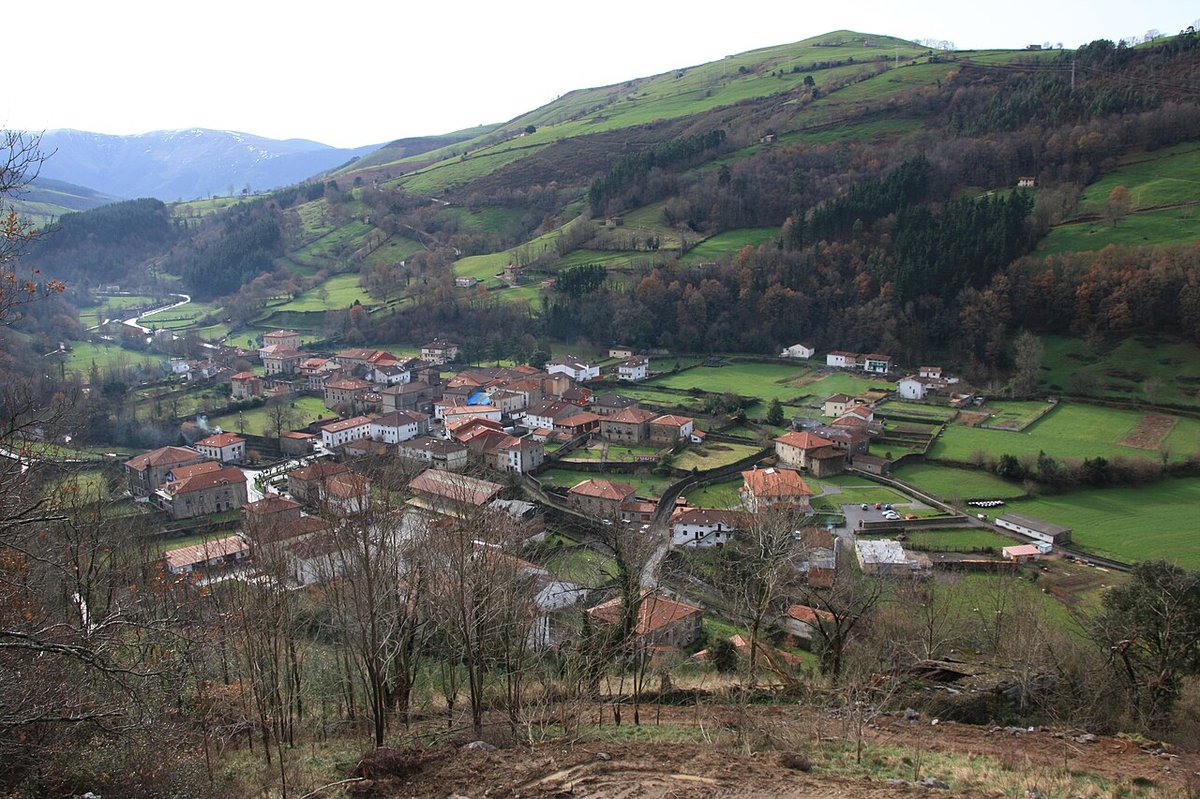
Karrantza does not function as a compact town. It behaves more like a mosaic. Neighbourhoods sit apart from each other, houses are scattered, and the roads rarely stay flat for long.
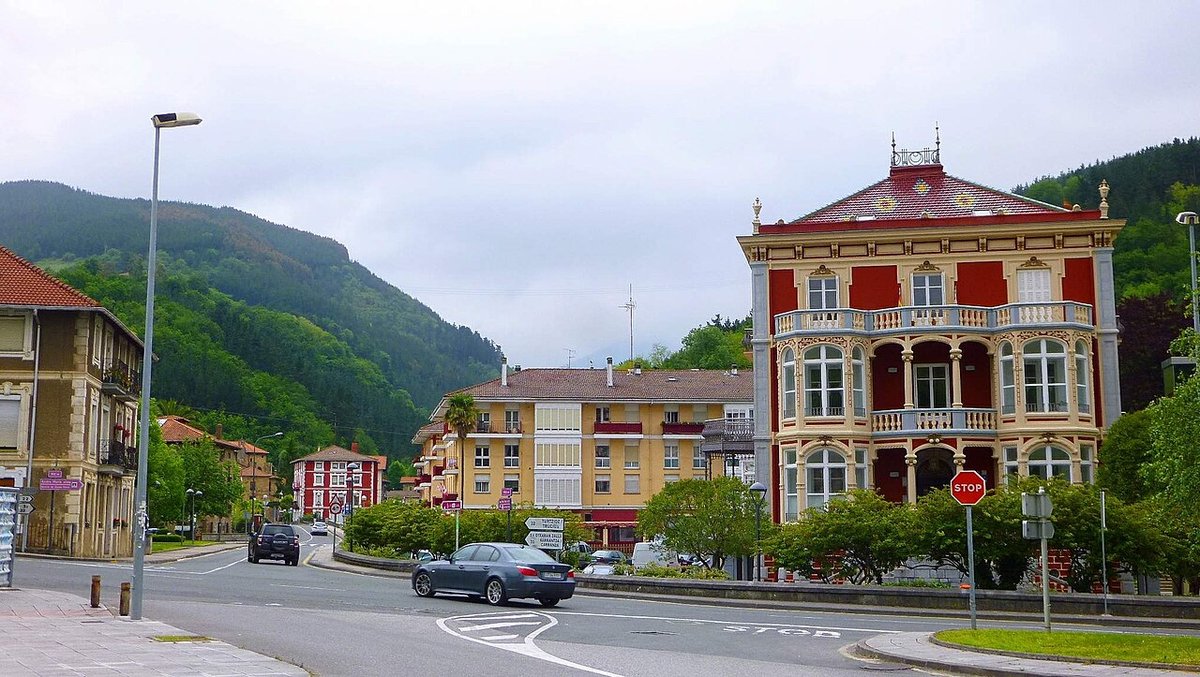
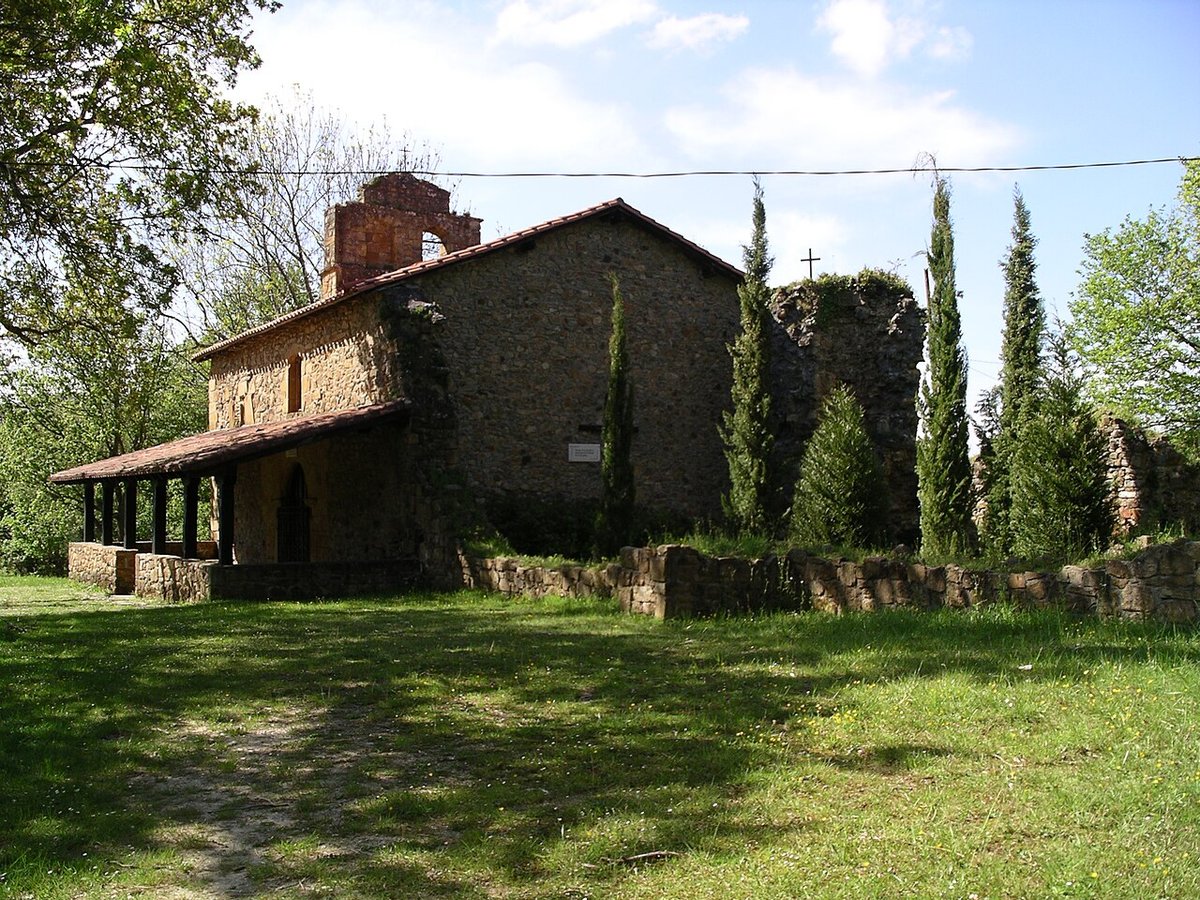
A drive through several of the 48 barrios quickly turns into an exercise in losing track. After a handful, the distinctions begin to blur. Many of them have their own church, a frontón used for pelota, and at least one large casa indiana. These are the houses built by families who emigrated to the Americas and returned with money and a desire to show it.
In Concha, one of these houses stands out. It has the kind of scale and character that might feel almost cinematic, with wooden galleries and palm trees in the garden. The story behind it follows a familiar pattern in this part of Spain. A great-grandfather left for Cuba, made his fortune, and came back to build something that would be noticed. Today, the house has taken on a different role, adapted to new uses while still carrying that original statement of success.
Cheese with an edge, and fog that stays put
Carranzana cheese is made from sheep’s milk and has a definite personality. The first bite can make you pause, even if you thought you were prepared.
In a small cheese dairy in the valley, the air carries a mix of warm milk and damp wood. The question comes quickly: do you like it strong? Confidence can be misleading here. The flavour hits sharply at first, almost demanding attention, before settling into something deeper and more balanced. After a moment, it starts to make sense why this cheese belongs so naturally to the landscape, alongside the pastures and flocks that define the valley.
That intensity does not fade easily. Even a modest piece is enough to linger, in taste and in memory. It becomes part of the experience of Karrantza in the same way as the weather, which often refuses to clear completely. Rain and fog are regular companions, and there are days when the mountains barely show themselves. The effect changes the rhythm of the place, softening outlines and slowing everything down.
Industry, stone and sound
Karrantza is not only about fields and scattered houses. The valley also holds traces of its industrial past. An old factory linked to dolomite extraction has been transformed into a space that explains this side of local history.
It does not feel polished or newly arranged. Large metal structures remain in place, old machinery sits where it was left, and the smell of oil and iron seems to have settled permanently into the walls. The impression is less that of a curated museum and more of a site that simply stopped operating not so long ago.
Nearby, the quarry offers a different kind of reuse. It now serves as an open-air auditorium. The rock walls shape the sound in unexpected ways. During concerts, it reflects and circulates, creating an atmosphere that depends as much on the setting as on the music itself. On certain days, when fog drifts in, the effect becomes even more unusual. Sound seems to hang in the air, contained within the stone as if inside a vast, natural enclosure.
Is Karrantza worth the detour?
The answer depends on what you are looking for. Anyone expecting seaside promenades, terraces overlooking a harbour, or a beach atmosphere will not find it here. The coast is far away, and the pace is different.
Karrantza invites a slower approach. It suits those willing to drive without hurry, stop in any neighbourhood that catches the eye, and spend time watching fields dotted with cattle. A morning at Pozalagua and an afternoon moving through the valley are enough to get a clear sense of the place.
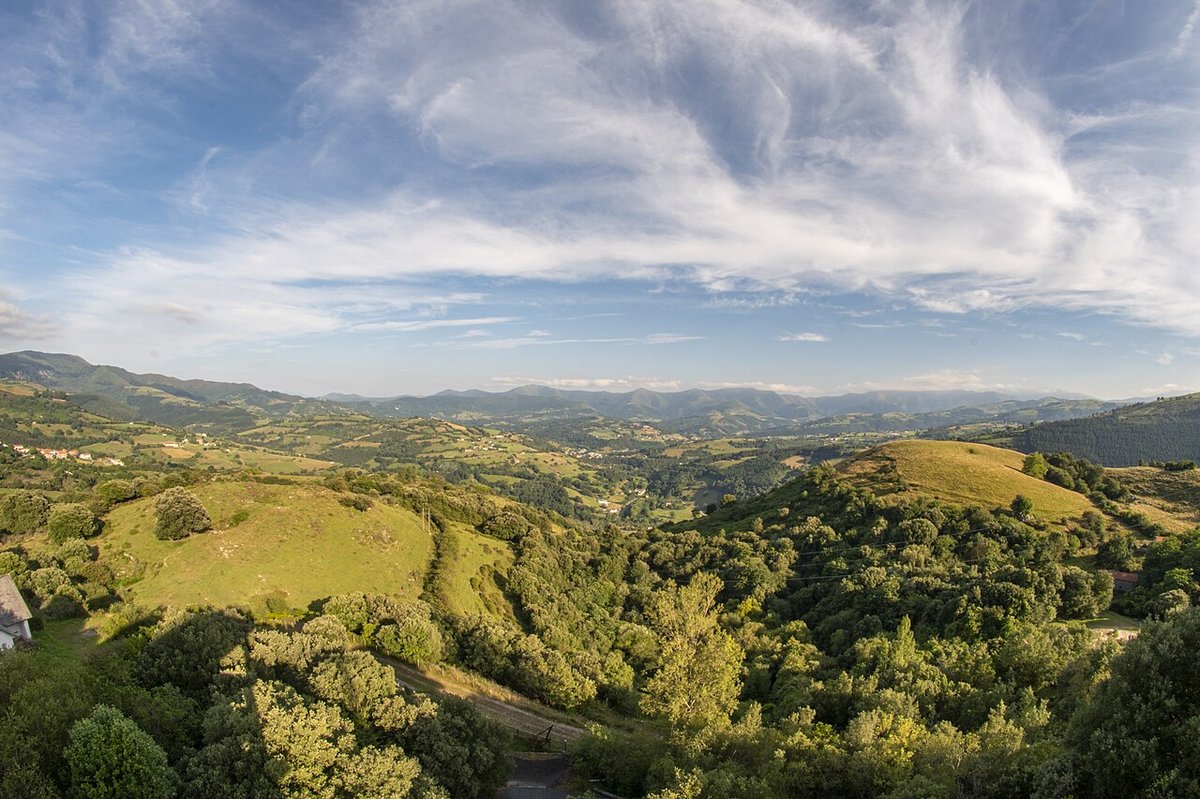
Weather plays its part, sometimes decisively. Rain and mist are not occasional interruptions but part of the setting. Mountains can disappear behind a curtain of cloud, only to reappear briefly later. That uncertainty adds its own character. The valley shares something with Asturias, though without the sea: green, damp, defined by strong cheese and roads that encourage a reduced pace. And, every so often, it offers something unexpected, like a cave discovered by chance when someone decided to blast through a wall.