Full Article
about Karrantza Harana/Valle de Carranza
Hide article Read full article
Karrantza Harana: un valle de caliza y memoria
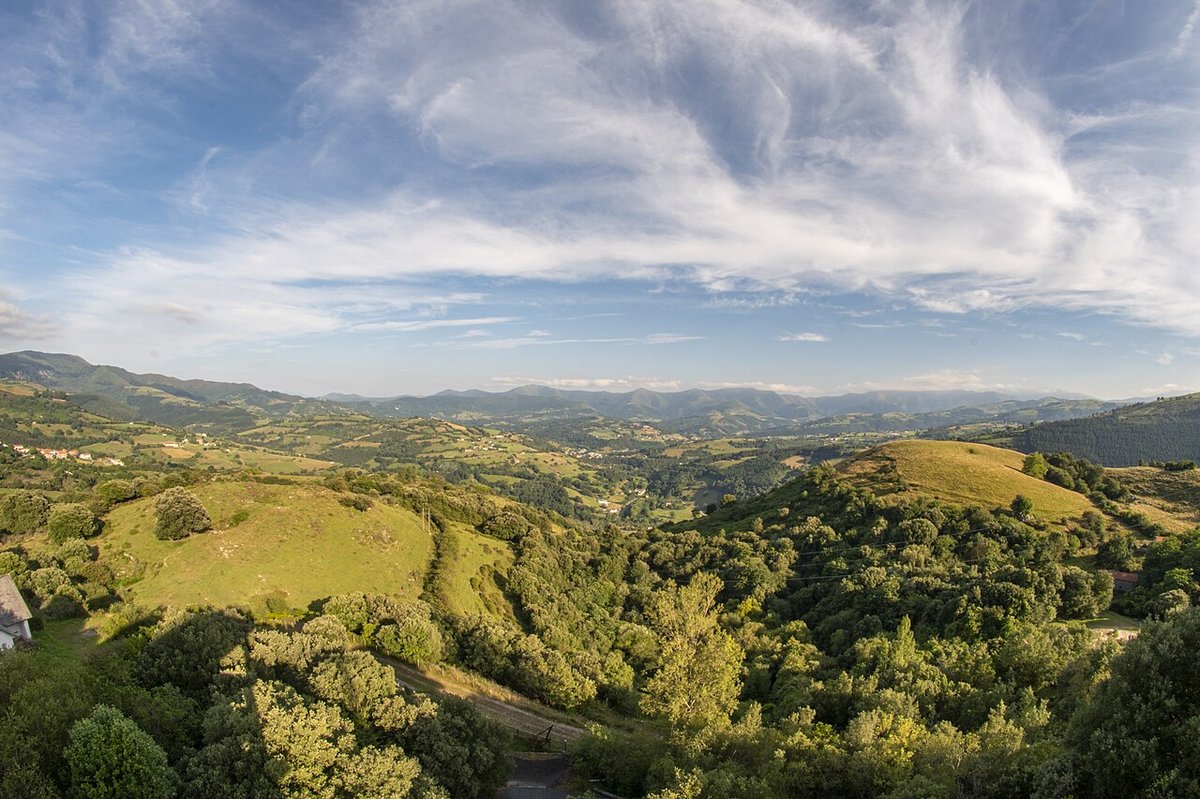
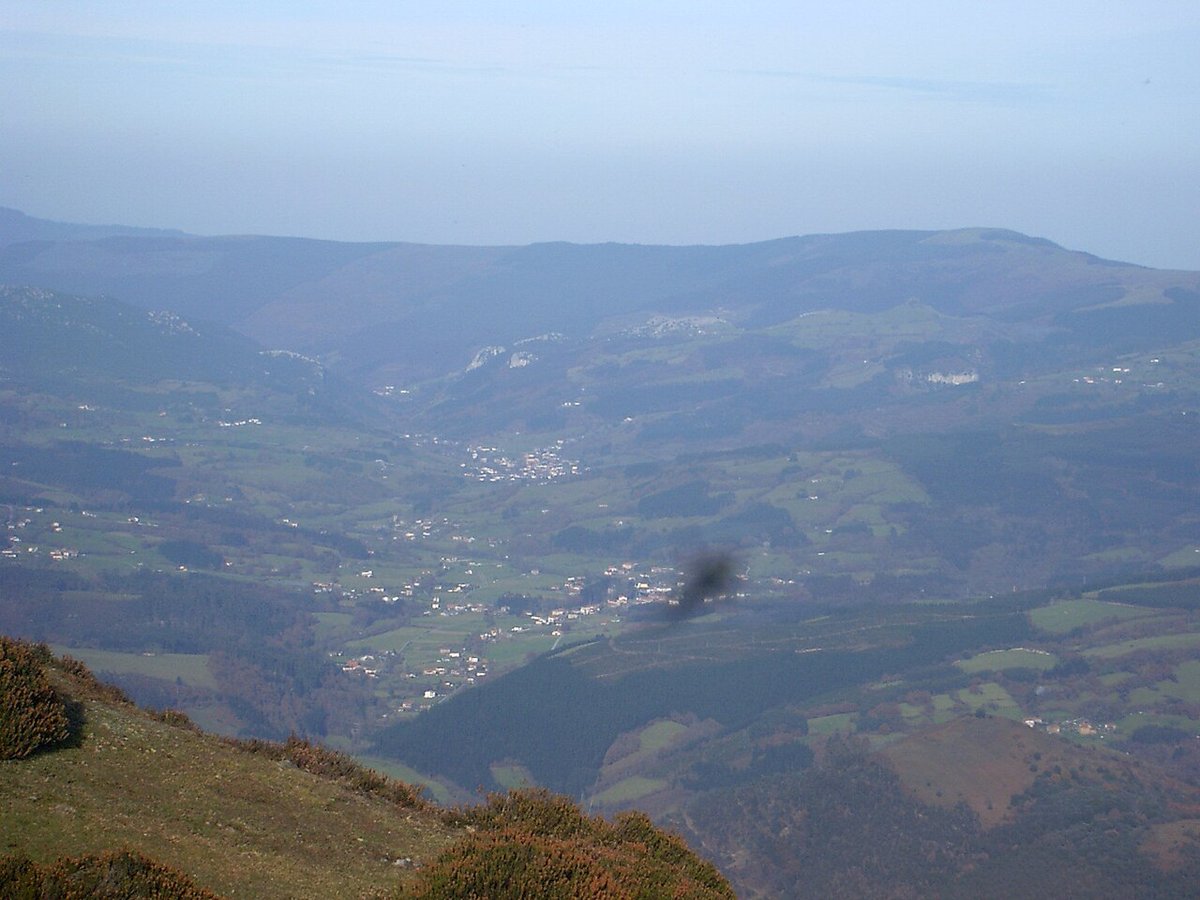
Karrantza Harana, el Valle de Carranza, ocupa el extremo occidental de Bizkaia. Su geografía lo explica casi todo: una depresión amplia, rodeada por lomas de piedra caliza que marcan el límite con Cantabria. El paisaje que se ve hoy es obra del agua. Durante milenios, la lluvia ha disuelto la roca, creando un sistema kárstico de sumideros, galerías y ríos que desaparecen bajo la tierra.
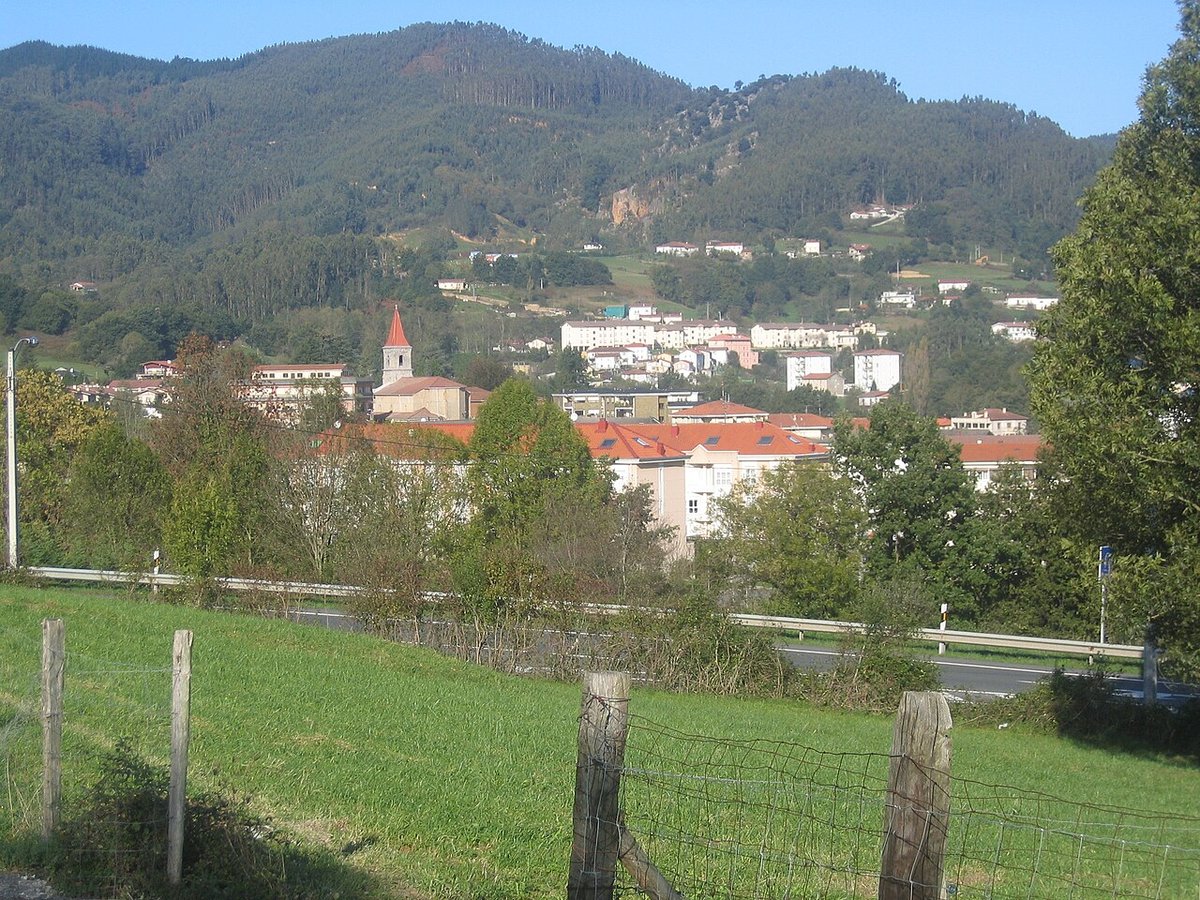
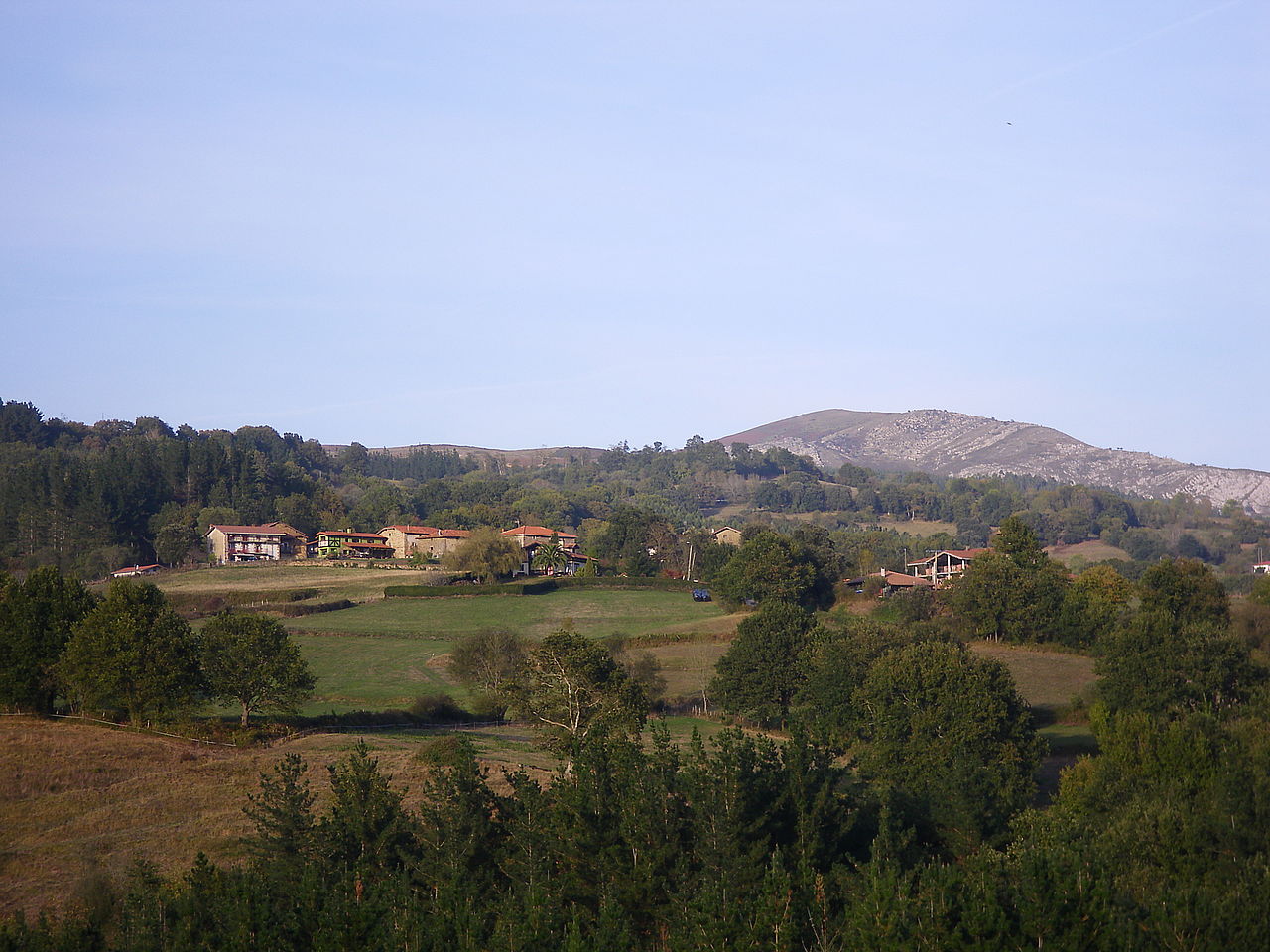
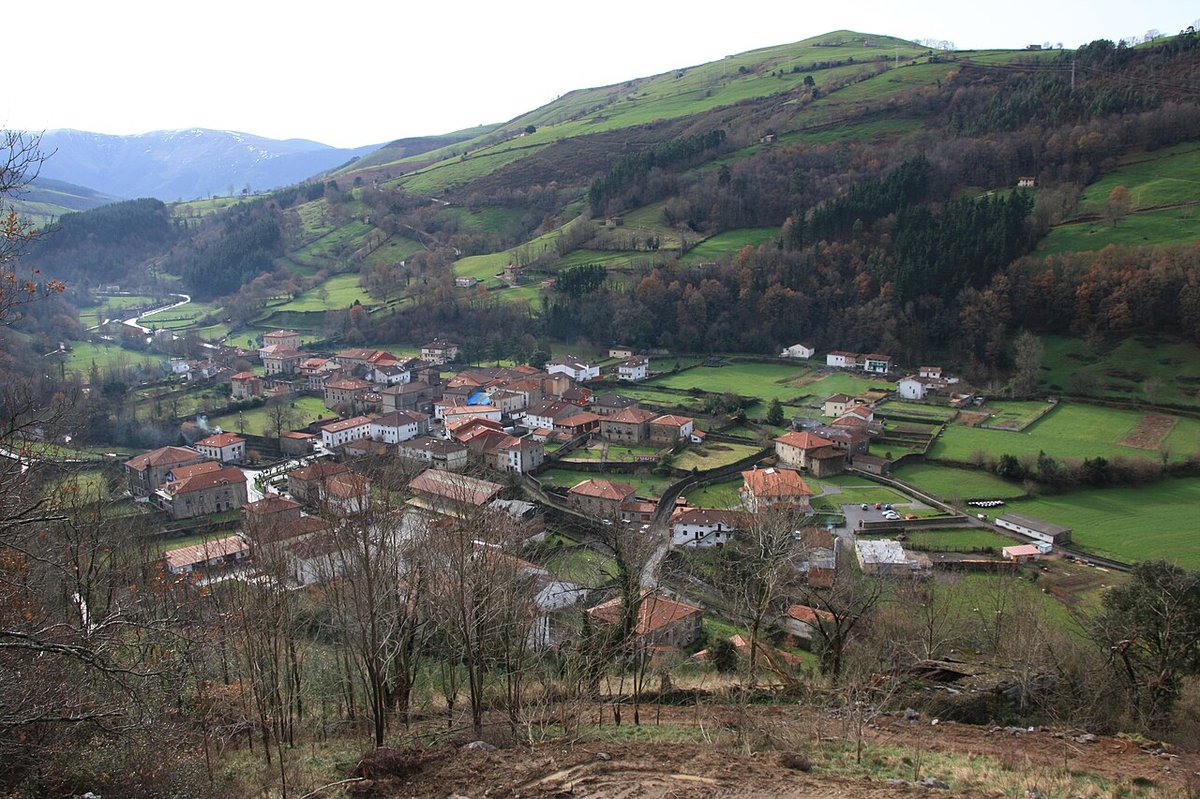
Este es el municipio más extenso de Bizkaia, pero su población es reducida. La consecuencia es un territorio donde las casas no se agrupan en un núcleo único, sino que se dispersan en barrios y concejos menores. Aquí, la distancia se mide entre aldeas, no entre calles.
La cueva que apareció tras una explosión
La Cueva de Pozalagua se descubrió por azar en 1957, durante una voladura en una cantera de dolomía. Al otro lado del boquete abierto apareció una sala repleta de helictitas. Estas formaciones son frágiles y crecen en direcciones caprichosas, retorcidas, desafiando la gravedad. No son exclusivas de este lugar, pero su concentración aquí es notable.
La visita transcurre por una galería descendente hasta la sala principal. El ambiente es constante: unos doce grados y una humedad palpable. El suelo está mojado en algunos tramos, una señal de que la cueva sigue activa. Las formaciones clásicas, estalactitas y columnas, comparten espacio con ese bosque delgado de helictitas.
A pocos kilómetros se encuentra la Torca del Carlista. No es un sitio visitable; es una sima que da acceso a una de las mayores salas subterráneas de Europa, solo para espeleología con permiso. Su presencia, sin embargo, recuerda que gran parte de la geología de Karrantza ocurre bajo el suelo.
La huella de los que volvieron
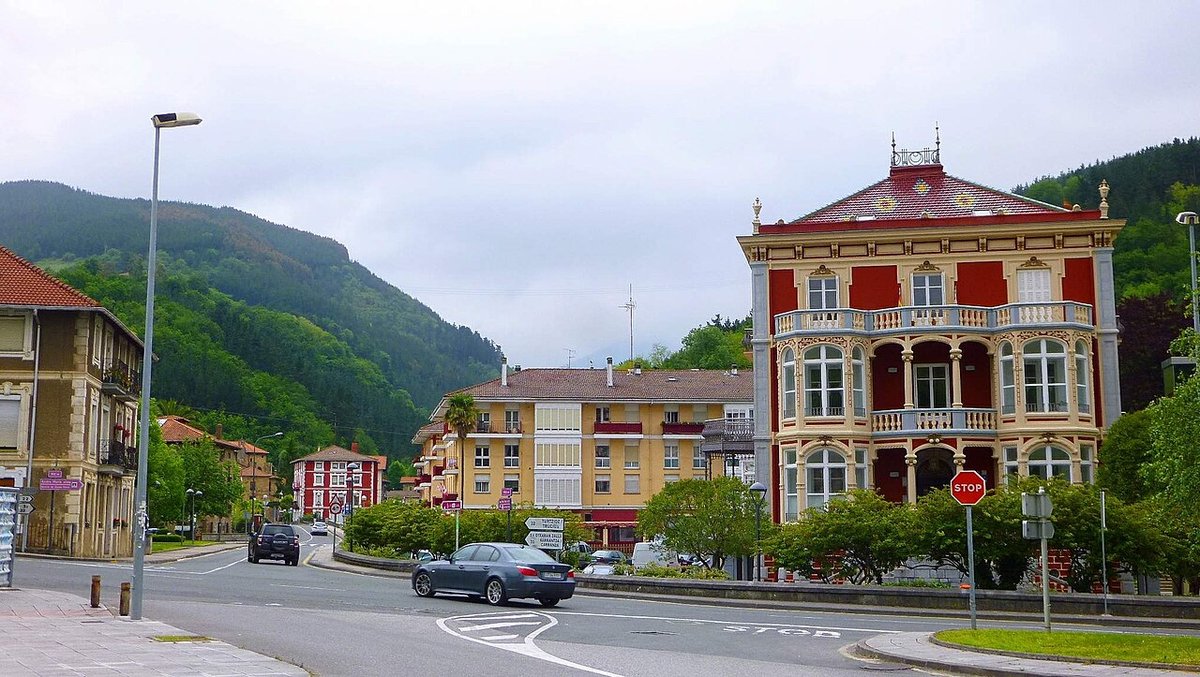
En el concejo de La Concha, algunas casas rompen con la arquitectura rural tradicional. Fueron construidas por indianos, quienes emigraron a América y regresaron con capital entre finales del siglo XIX y principios del XX.
Sus viviendas muestran balcones de hierro, fachadas amplias y jardines delanteros. Introdujeron un lenguaje arquitectónico distinto al de las casas de labranza vecinas. Son un registro físico de un ciclo económico que llevó a mucha gente de este valle hacia el otro lado del Atlántico y, décadas después, la trajo de vuelta.
Esa prosperidad tuvo también una base local: la dolomía. Las canteras del valle abastecieron a la industria vizcaína durante décadas. La actividad decayó, pero sus restos —instalaciones abandonadas junto a las carreteras— siguen presentes en el paisaje.
Un ruedo dentro de un santuario
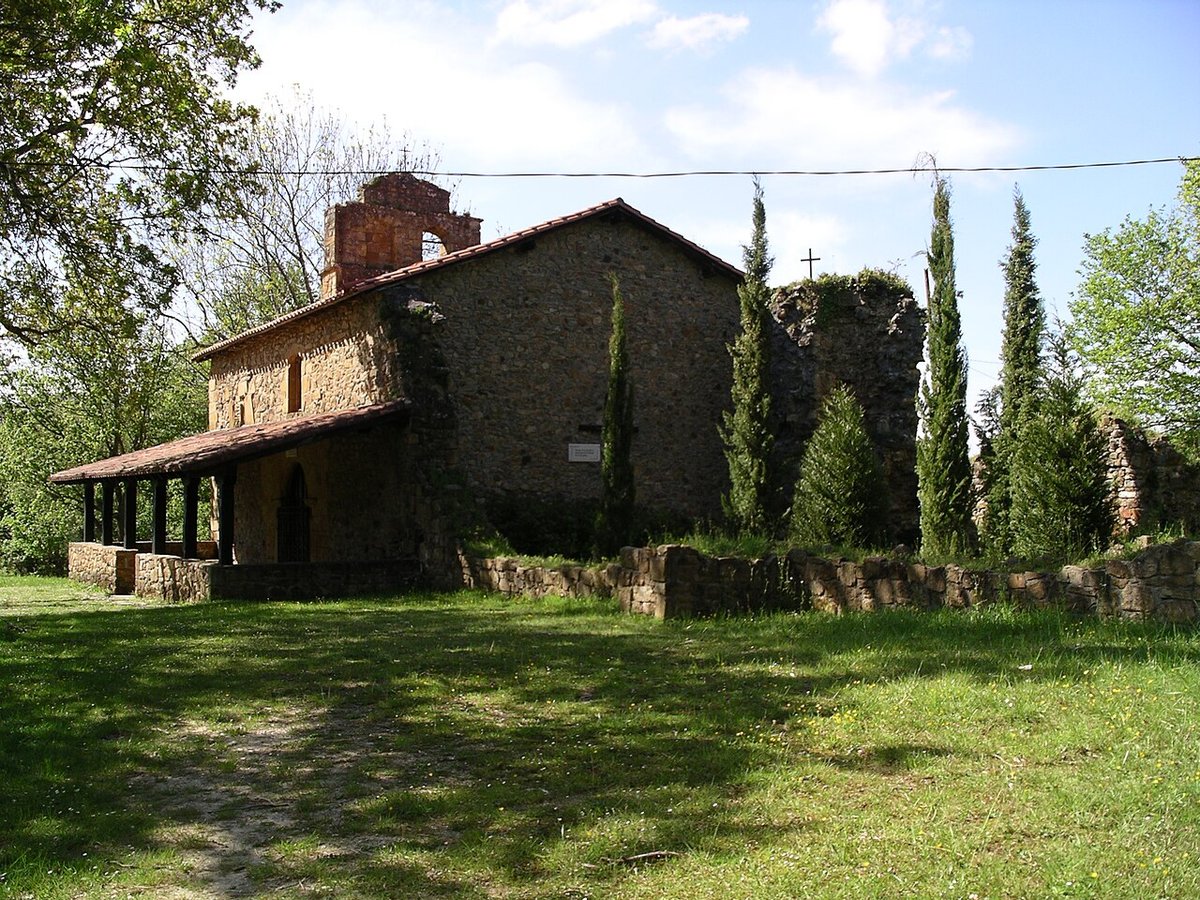
En el barrio de Buen Suceso se encuentra un conjunto arquitectónico singular: un santuario del siglo XVII que incorpora una plaza de toros en su recinto.
No es una comparación. El patio central funciona como ruedo, con tendidos de madera apoyados en los muros del propio edificio religioso. La fusión es funcional, no simbólica. Las tradiciones taurinas asociadas al lugar están documentadas en la comarca. Hoy el espacio se conserva como parte del conjunto histórico; recorrerlo permite entender cómo ciertas celebraciones se fijaron en la piedra.
Una frontera permeable
La cercanía con Cantabria se nota en detalles cotidianos: apellidos, rasgos arquitectónicos, modismos en el habla. Los límites administrativos siguen las crestas de los montes, pero la vida durante siglos ha ignorado esa línea.
Parte del valle está dentro del Parque Natural de Armañón. Cerca de Pozalagua hay un centro de interpretación que explica la relación entre el karst, la ganadería y los asentamientos. Desde los miradores próximos se aprecia la escala del territorio: prados extensos, barrios dispersos y el cerco continuo de las lomas calizas.
Cómo moverse por el valle
El núcleo principal de Karrantza se recorre en poco tiempo. Para entender el municipio hay que ir a los concejos: La Concha, Ambasaguas, Soscaño o Ahedo. Cada uno conserva su iglesia, su frontón y su plaza como punto de referencia.
La carretera a Pozalagua sube entre prados y bosques. En temporada alta puede haber restricciones de acceso; conviene consultar antes. La visita guiada a la cueva dura aproximadamente una hora. La temperatura interior no varía, por lo que llevar algo de abrigo resulta práctico.
Muy cerca se halla el auditorio natural formado por la antigua cantera. El espacio se usa ocasionalmente para actos culturales. La acústica es particular, con la piedra devolviendo el sonido de manera nítida.
La arquitectura popular del valle se lee mejor en los barrios más apartados. Allí conviven sin uniformidad las estructuras tradicionales —caseríos con solanas de madera— y las ampliaciones posteriores, hechas según las necesidades de cada época.