Full Article
about Lanestosa
Valleys and hamlets a stone’s throw from Bilbao, buzzing with local life.
Hide article Read full article
Morning light by the Calera
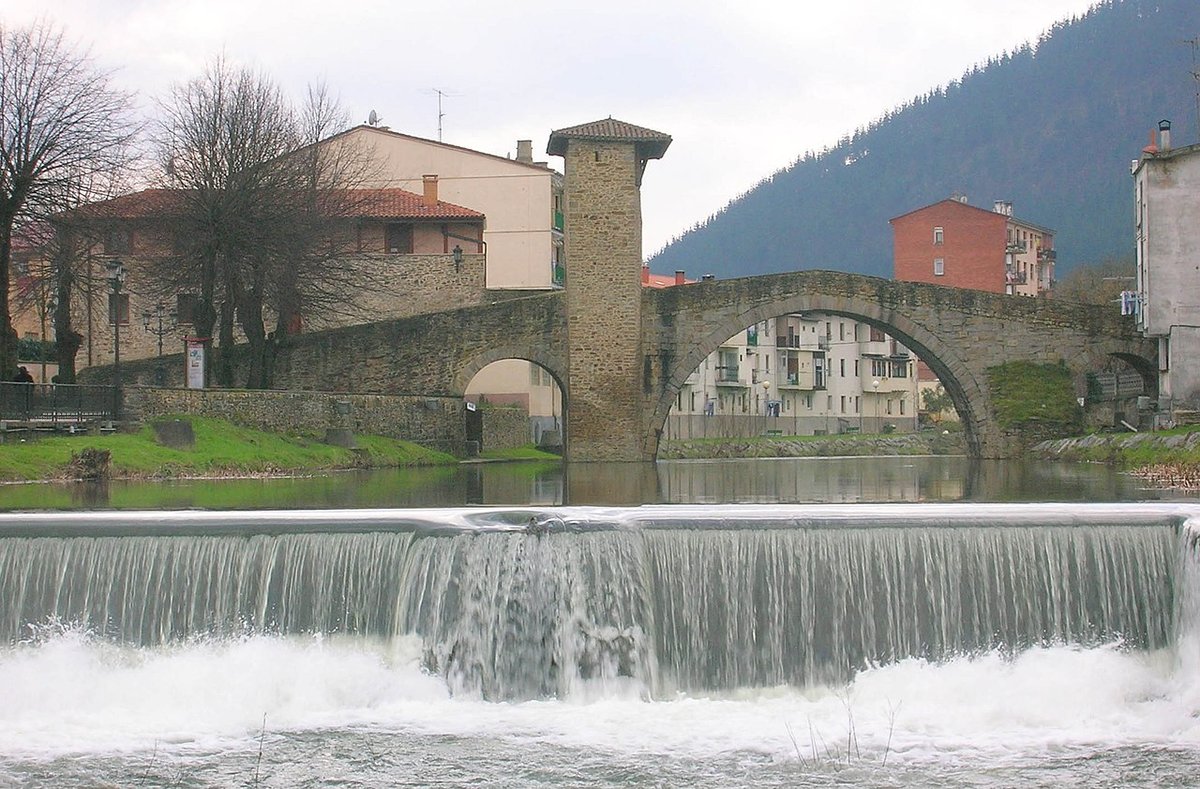
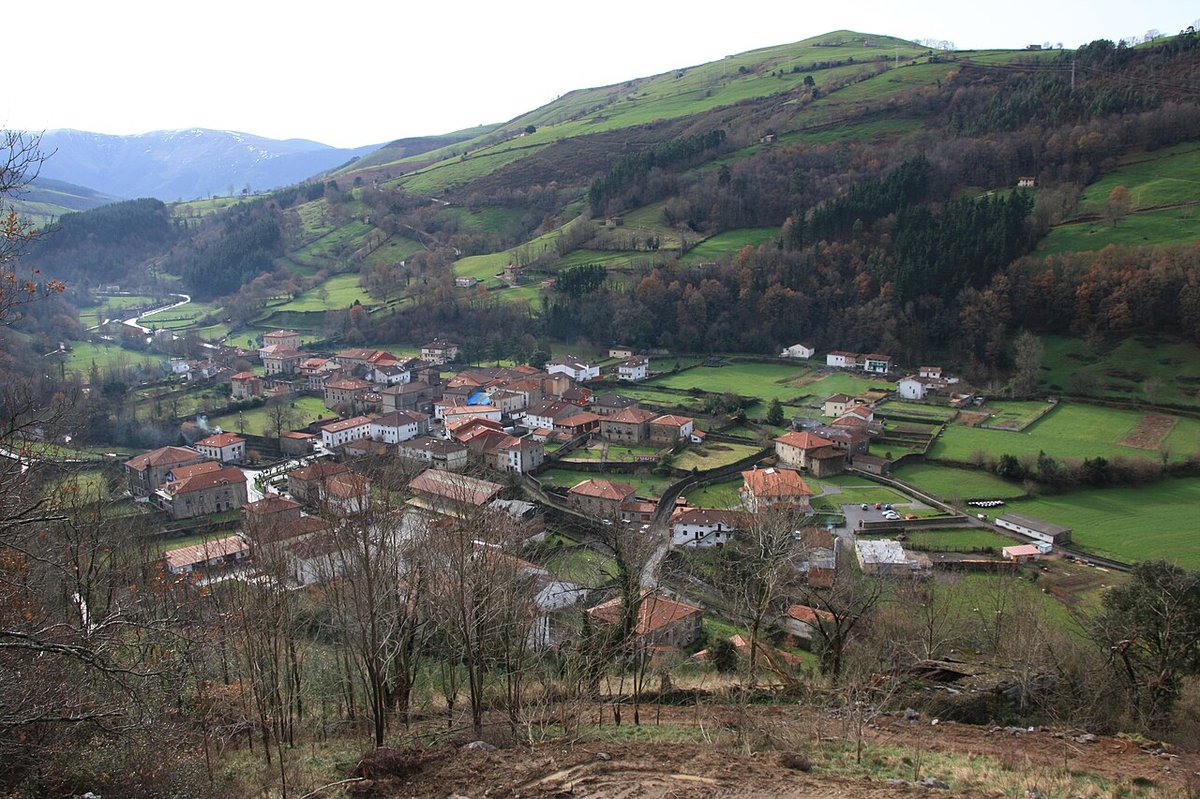
At nine in the morning, tourism in Lanestosa has barely begun. The sound that carries is the water of the river Calera running behind the houses, with the occasional car easing along the main street. Light arrives from the side, soft and low, and leaves the stone façades in a cool grey that contrasts with the very dark green of the meadows around the village.
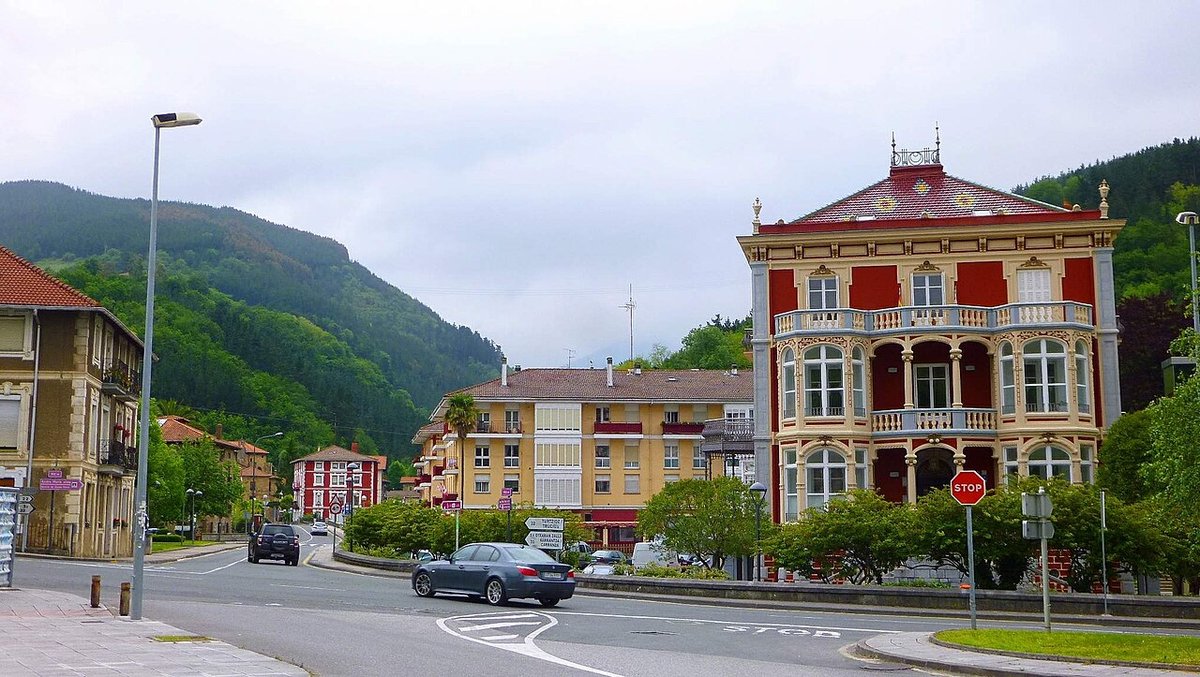
Lanestosa is small even by the standards of the Encartaciones, a historic area in western Bizkaia. Just over two hundred people live here throughout the year. The centre is compact and easy to cover on foot in a short time, with narrow streets that open into small spaces and stone doorways where old grilles and carved coats of arms still remain. Many houses keep irregular masonry walls and wooden beams darkened by time. A slow walk brings out details: dates carved into a lintel, a balcony with thick bars, a door repaired more than once.
San Pedro and the houses around it
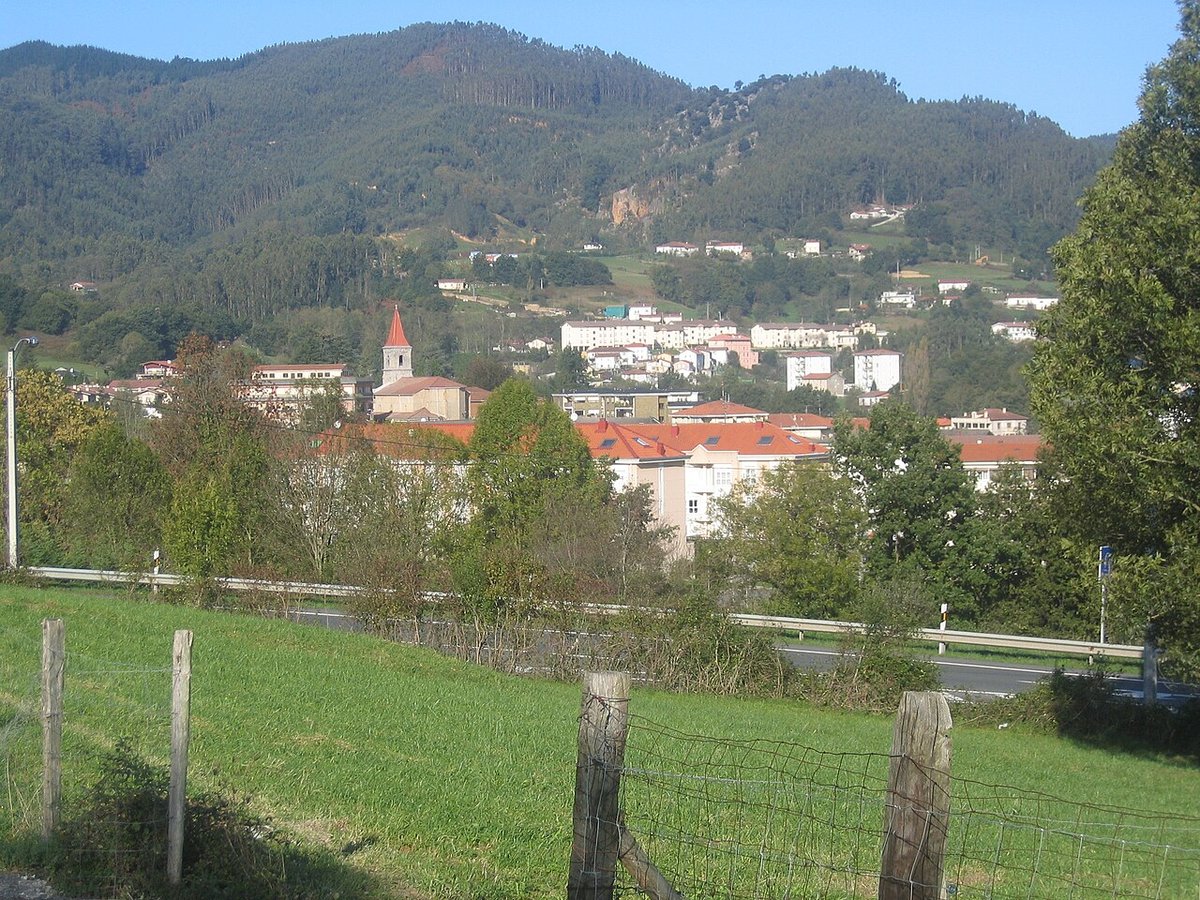
The church of San Pedro appears among the houses with little warning. It is not an oversized building. The feel is solid, in pale stone, with a tower that rises just enough to act as a reference point when moving through the streets. The entrance is simple, and the wooden door shows old metal fittings that have begun to rust.
Around it, small kitchen gardens sit close to some homes. On quiet days, neighbours can still be seen tending the soil or sitting on stone benches near walls that keep the warmth better. The ground in the centre alternates between stone slabs and more recent paving, and in places the stones have been polished by decades of footsteps.
Rain is common in this part of the Basque Country. Streets can become slippery, and the paths near the river gather mud quickly after wet spells.
Paths that lead out of the village
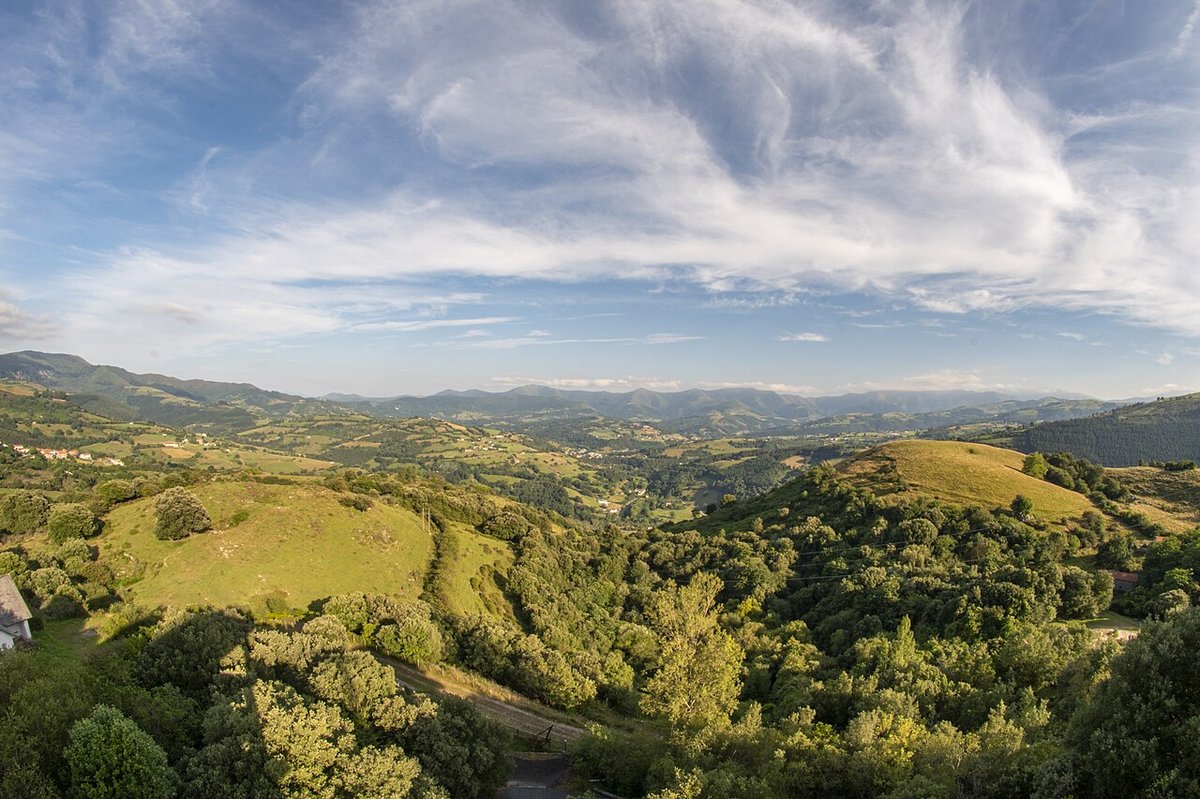
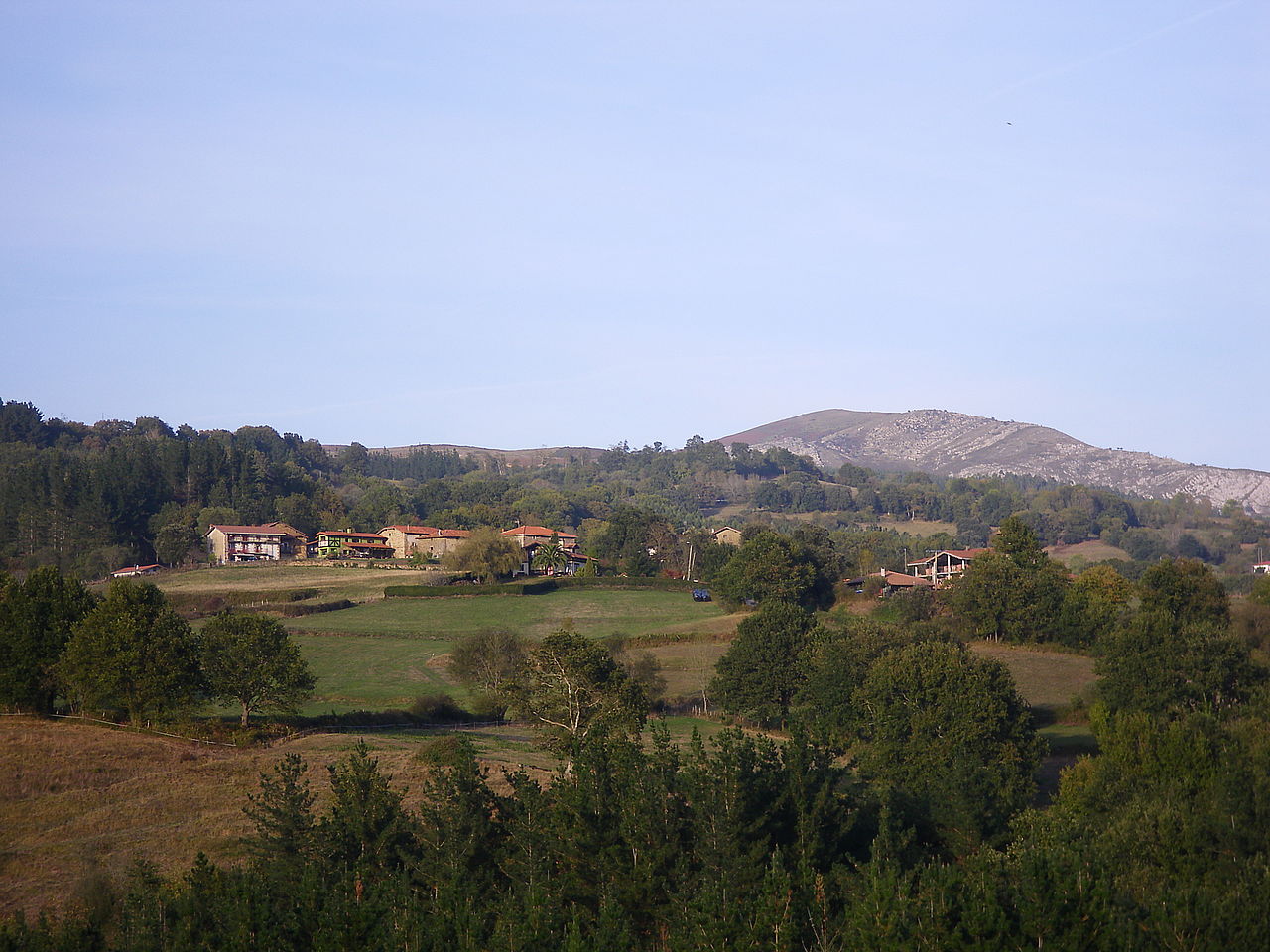
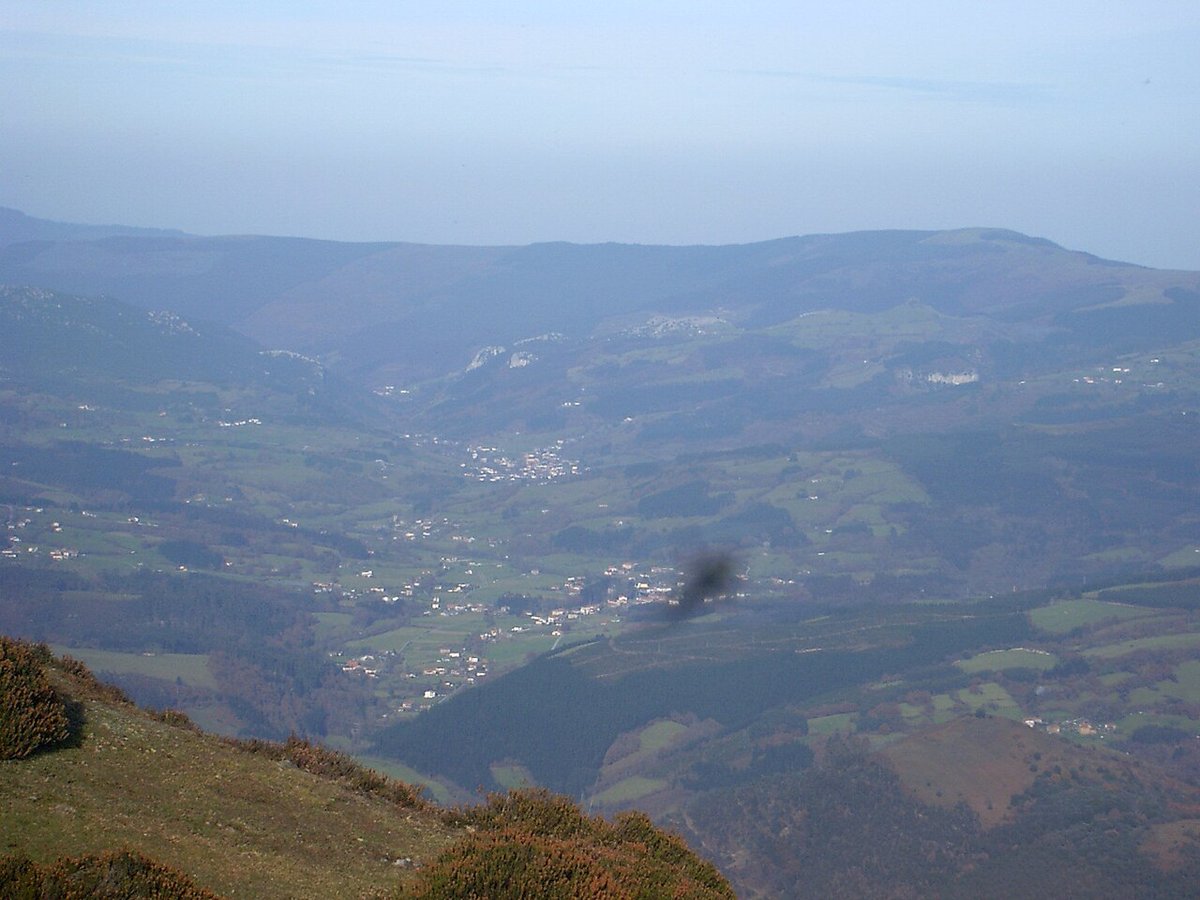
Lanestosa is surrounded by gentle slopes covered with meadows, hazel trees and patches of denser woodland. Several rural paths begin within the village itself. Locals and farmers use them; some continue towards nearby hills, others follow the course of the Calera.
Not all routes are signposted, so it helps to check a map before setting out. Mobile coverage drops out in some parts of the valley. After several days of rain, the ground turns heavy and the paths by the river may flood.
Summer brings a very green, damp landscape, with ferns growing along the edges of the tracks. Winter shifts the tone: bare branches, a low sky, and the kind of quiet that settles in valleys when few people pass through.
What the valley kitchens prepare
Food in this part of Bizkaia is straightforward and tied to the land. In colder months, substantial soups appear, along with vegetable stews based on produce from small plots and meats cooked slowly over time. Milk and its derivatives have long mattered here, so curds and simple cheeses made from local milk are common.
Autumn can add mushrooms gathered in the surrounding hills, when conditions allow. They tend to be used in basic dishes such as scrambled eggs, stews or simply cooked on a hot surface. This is not cooking designed for display. It is meant to be eaten warm after a morning outdoors.
A short walk, if you take your time
The centre of Lanestosa can be covered in less than an hour at a steady pace. The interest lies in slowing down. Look at the façades without rushing, listen to the river from different points in the village, and notice the doorways that still carry carved dates or coats of arms.
Weekends and summer bring more visitors. The village remains small, and when several cars arrive at once it can be difficult to find a place to leave a vehicle without getting in the way of residents. An early arrival helps keep things simple.
An hour or two is enough to understand the place. Those who want to explore the valley paths should allow more time and bring footwear that can cope with mud. Here, moisture is part of the landscape for much of the year, and it shapes both the pace of a visit and the way the village is experienced.