Full Article
about Sopuerta
Valleys and hamlets a step from Bilbao, with plenty of local life.
Hide article Read full article
A village spread across the slope
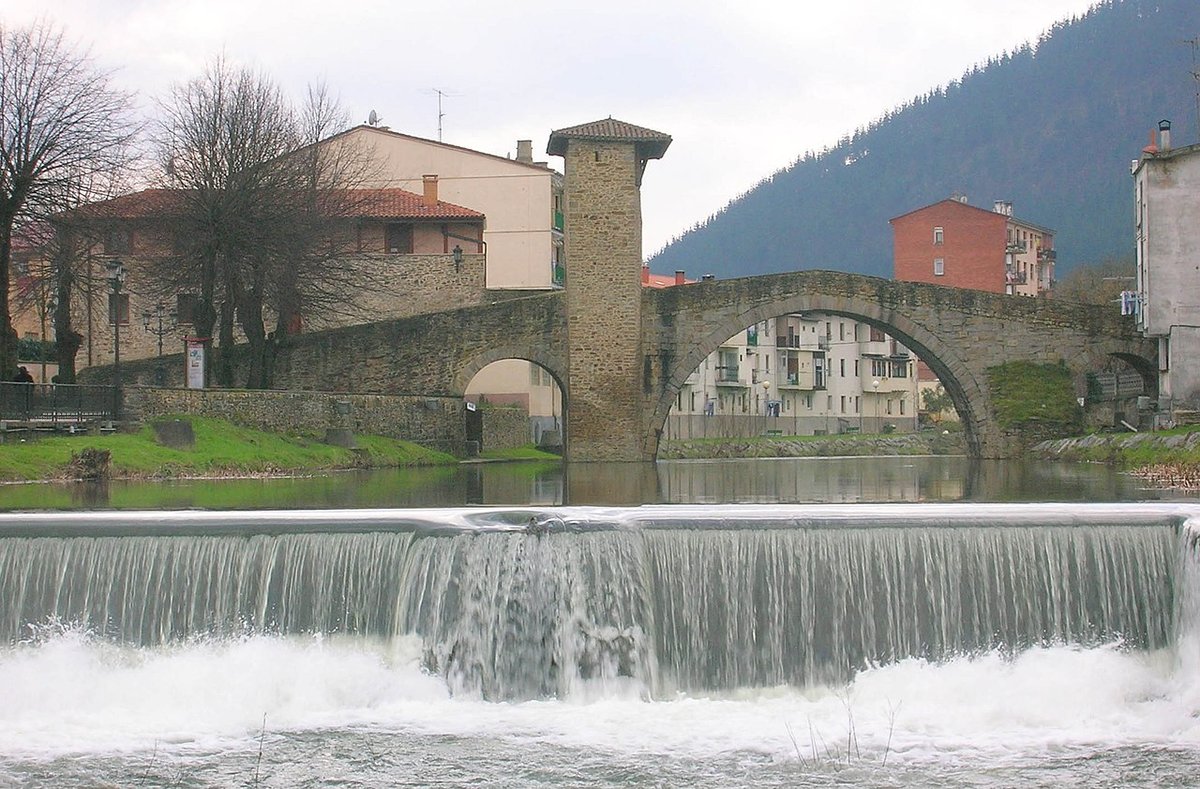
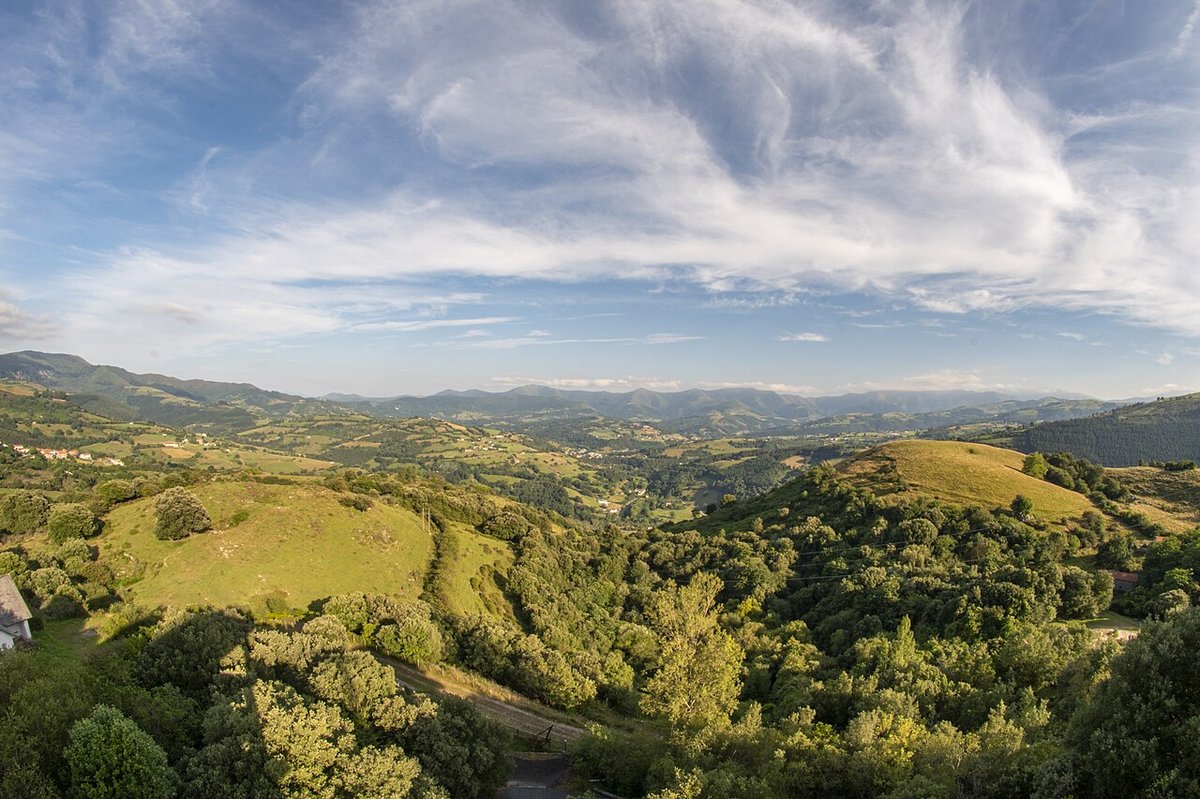
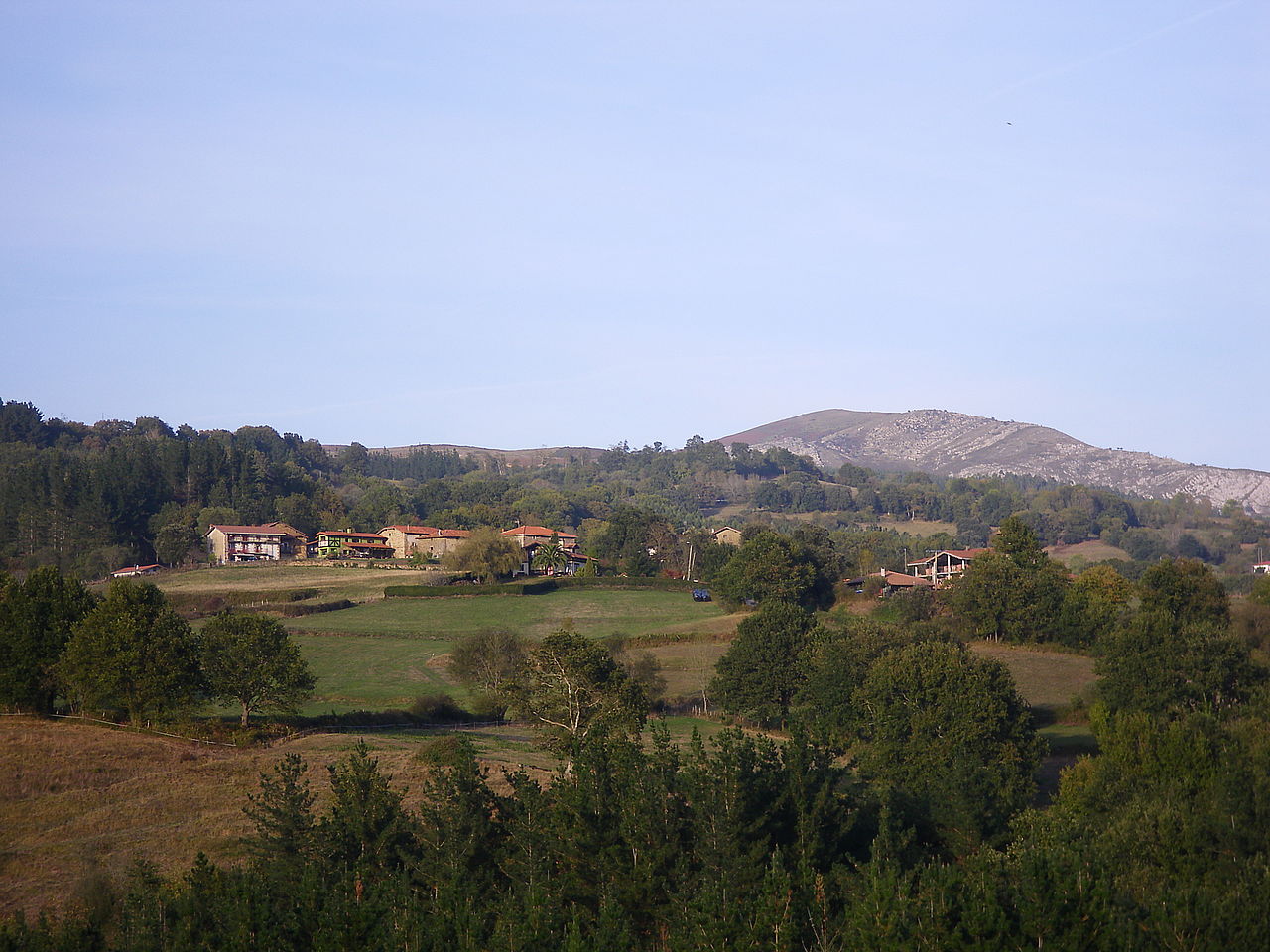
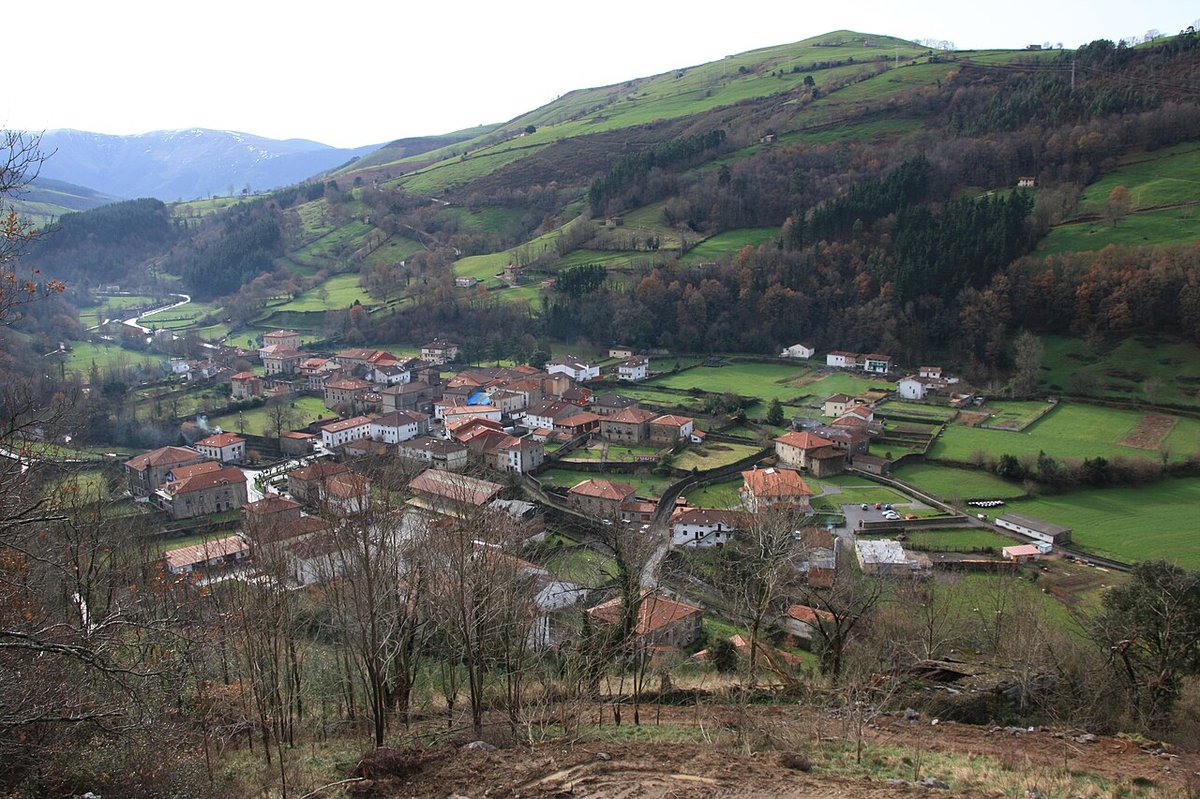
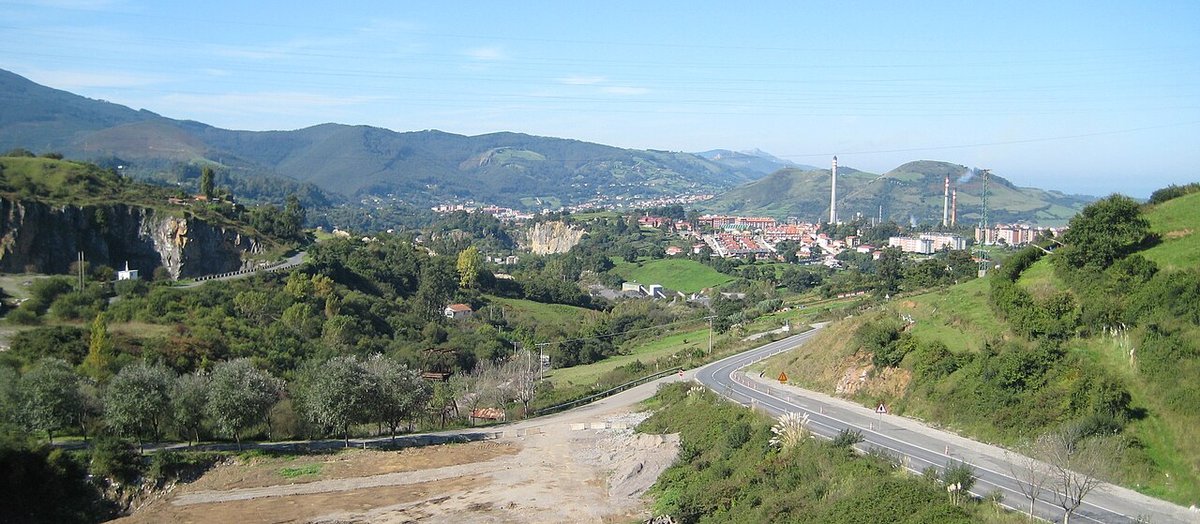
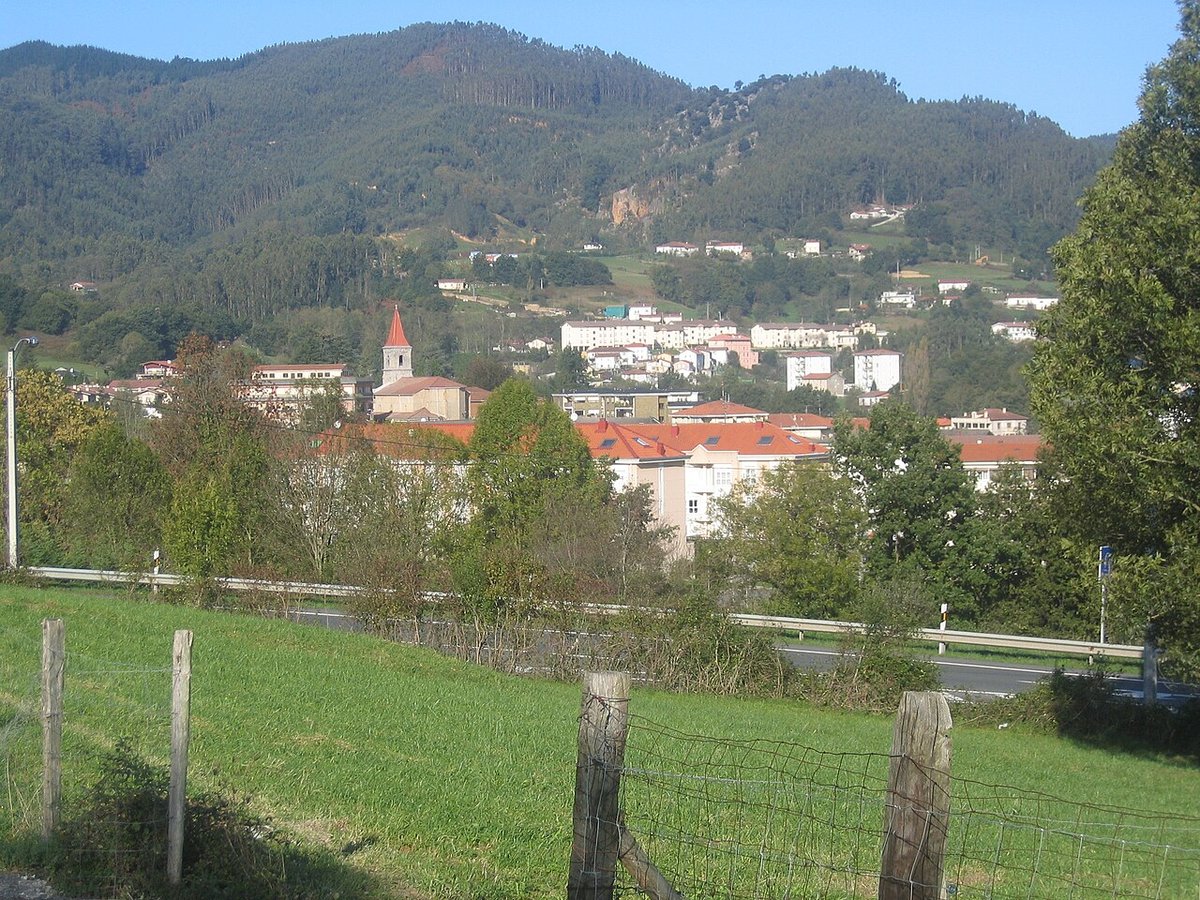
The climb up the Puerto de Las Muñecas rises 600 metres over 12 kilometres. Approach via the BI‑2701 and both car and driver feel the effort. At the top, Sopuerta appears as a cluster of houses clinging to the hillside. It does not form a single compact centre. The settlement is made up of separate neighbourhoods scattered along the valley, so finding the town hall can take longer than crossing the area by car.
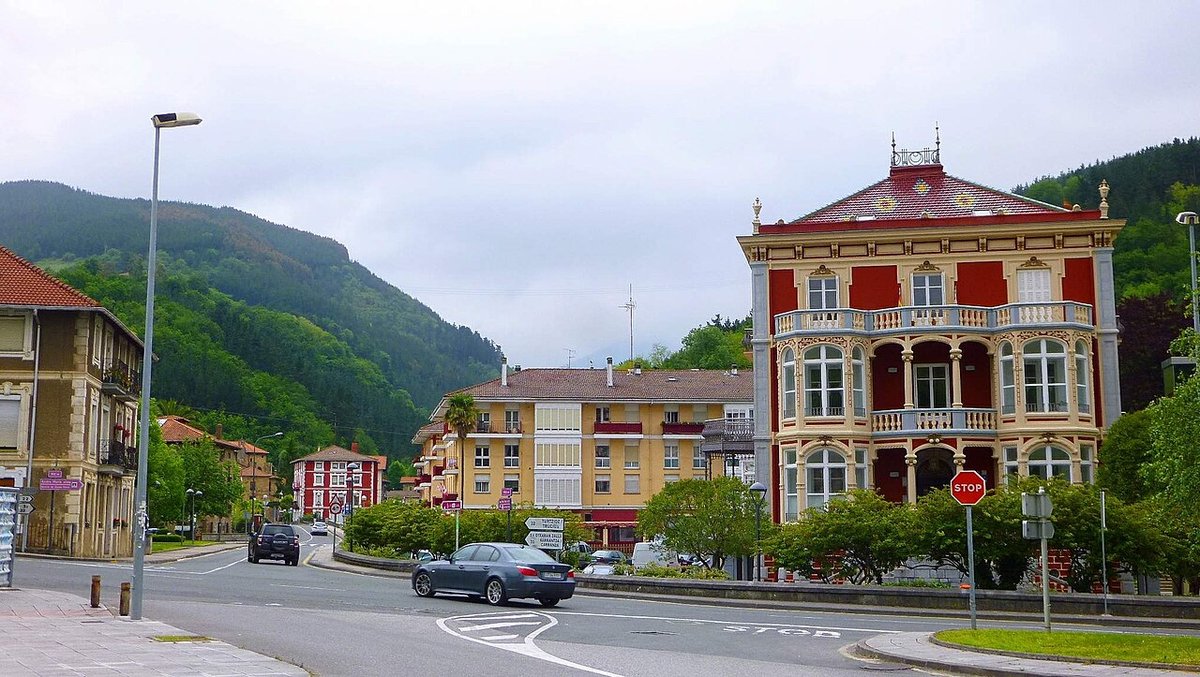
That layout shapes the experience straight away. Sopuerta feels dispersed rather than gathered, with small pockets of houses instead of a defined core. Movement between them depends on narrow local roads that wind through the landscape.
Arriving without pushing your luck
Parking requires a bit of care. La Cruz, next to the frontón, is one of the few places where a car fits without edging into a bend. Elsewhere the roads are tight, with very little verge to work with.
Weather can shift quickly here. Fog sometimes rolls in from the pass and settles fast, covering everything. If it appears, it is better to wait lower down. Winter brings the chance of ice, so carrying chains in the boot is a sensible precaution.
Traces of the mining past
The Senda de la Antigua Vía Minera begins where the tarmac ends. This path follows the old route used to move ore towards the loading points. The sleepers have long gone, but the embankment still marks the line clearly.
A little further along, on one of the first bends, the calcinación kilns come into view. Three large brick openings sit partly hidden by vegetation. They date from the period when this part of Las Encartaciones depended on iron. The remains are simple but direct, with no interpretation needed to understand their function.
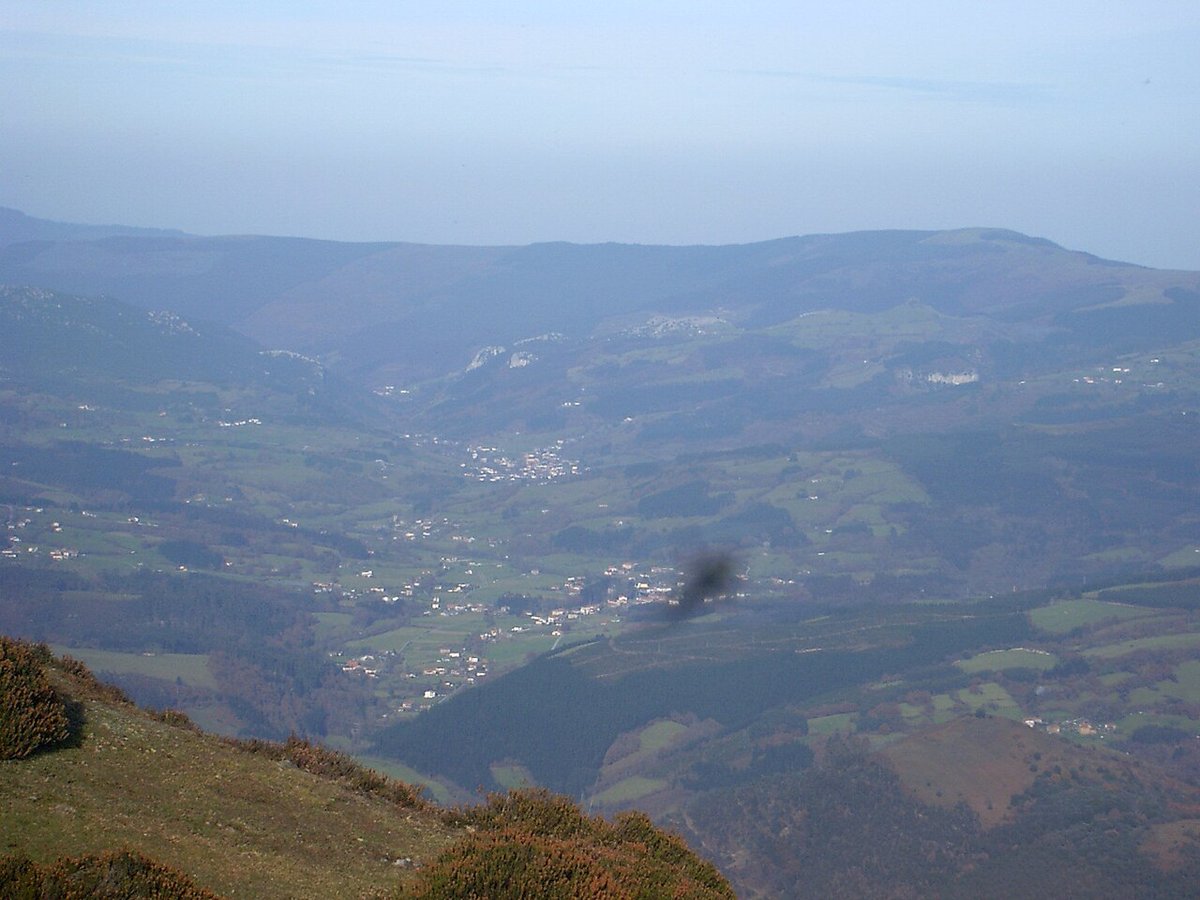
Higher up lies Alén, a small group of houses with very little else around them. Silence dominates. Behind it rises the peak of Alen, reached by a forest track. The summit has no cross and no built viewpoint. What it offers is open ground and a wide view over the valley.
Towers and the memory of Las Encartaciones
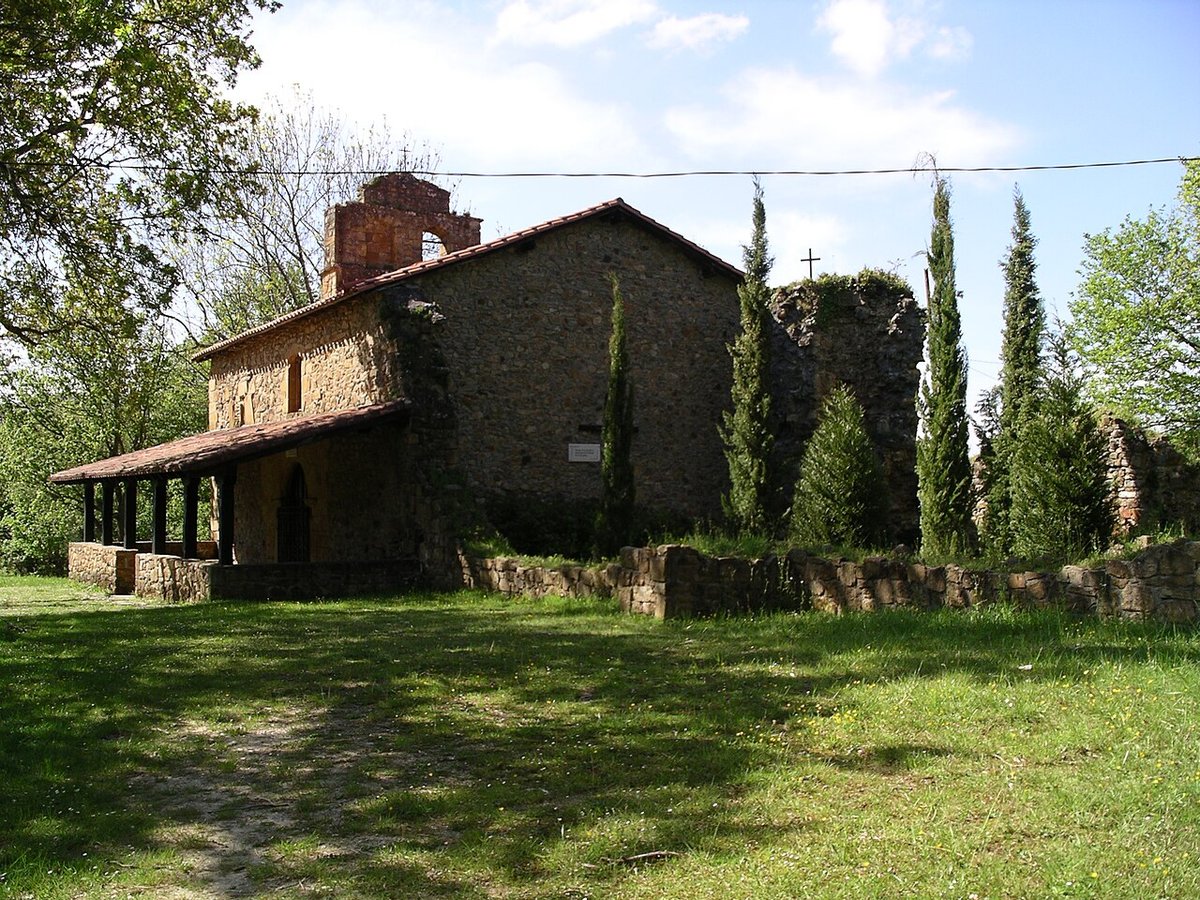
The Casa de Juntas de Abellaneda looks like a large country house with little decoration. It once hosted meetings where representatives of the comarca discussed shared matters. Today the building serves to explain that history. Access varies, as it is sometimes open and sometimes not, depending on the day and activity.
Nearby stand several defensive towers. The Torre de Llano presents a solid block of stone with almost no ornament. The Torre de Villa shows more coats of arms on its façade. These structures belong to a time when powerful families prioritised walls over balconies. Their exteriors are easy to see, but interiors are not usually open to visits.
Together, these sites sketch out a past tied to local governance and family power, alongside the industrial story seen on the mining route.
Festival days and quiet routines
Some summers bring a change of pace. A stage goes up on the football field and a small folk music festival takes place. People arrive from different areas, and the atmosphere becomes lively despite the modest size of the municipality. Rain, which is common here, can turn things a bit chaotic.
For the rest of the year, life stays simple. There are a couple of bars, a calm rhythm, and not much movement. If they are open, something hot usually comes out of the kitchen. If not, the alternative is to head down towards the mining valley, where there are more options.
A stop along the way
Sopuerta is not a large destination. It works best as a stop when crossing Las Muñecas or for those interested in the mining history of the area.
A couple of hours is enough to see the kilns, pass through Abellaneda, and walk around the nearby neighbourhoods. The Senda de la Antigua Vía Minera takes longer if you decide to follow it on foot.
Navigation here has its quirks. Many houses use names rather than numbers, so GPS directions are not always reliable. Asking for directions remains the quickest solution. Answers tend to be direct, whether in Euskera or in Spanish.