Full Article
about Turtzioz (Trucíos)
Valleys and hamlets a stone’s throw from Bilbao, buzzing with local life.
Ocultar artículo Leer artículo completo
The church bell strikes eleven and a white van lurches up the steep lane, sheepdog balanced on the flatbed like a figurehead. By the time the driver kills the engine outside the panadería, half the village seems to have materialised: two teenagers in work overalls, a woman carrying a crate of leeks, an old man who greets the dog before its owner. This is Turtzioz—Trucíos if you prefer Spanish—where daily life refuses to step aside for anyone’s weekend itinerary.
Green that Works for its Living
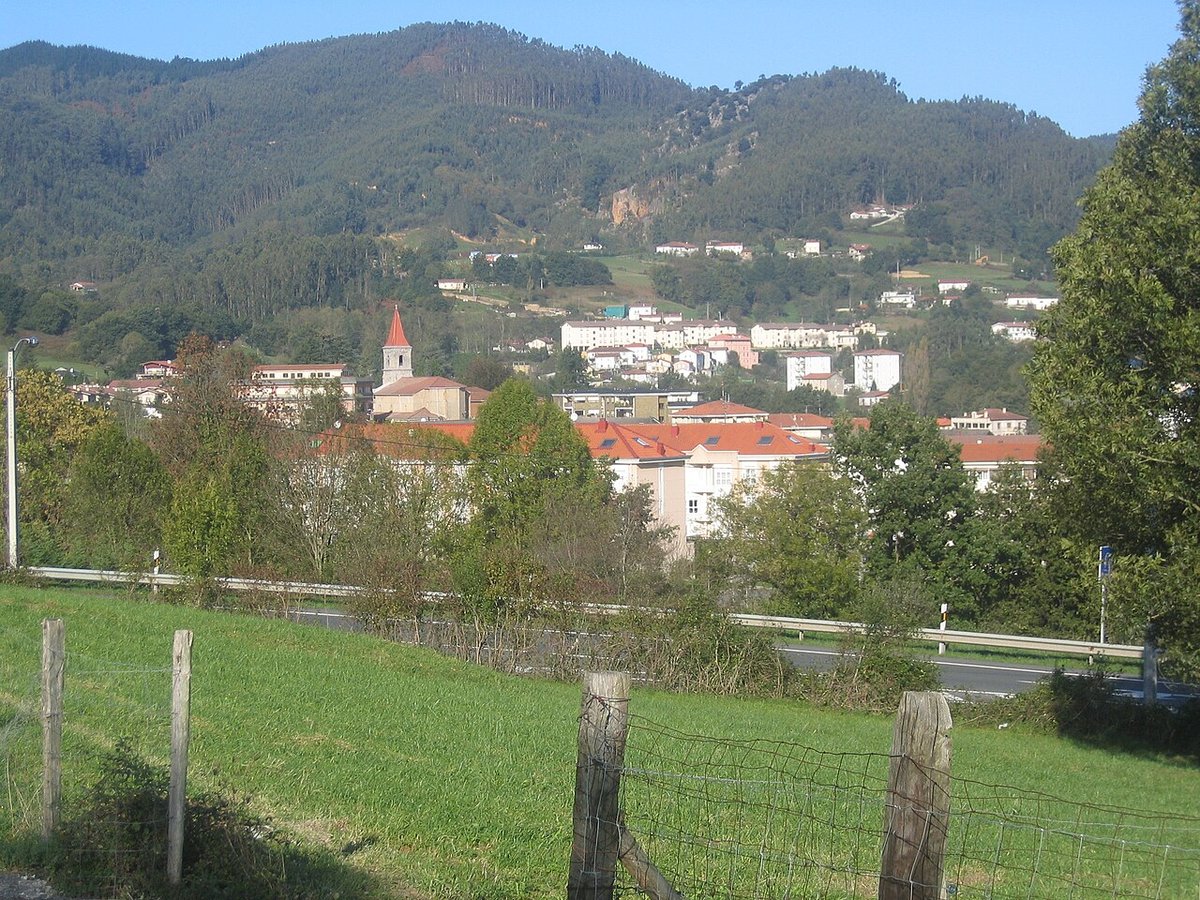
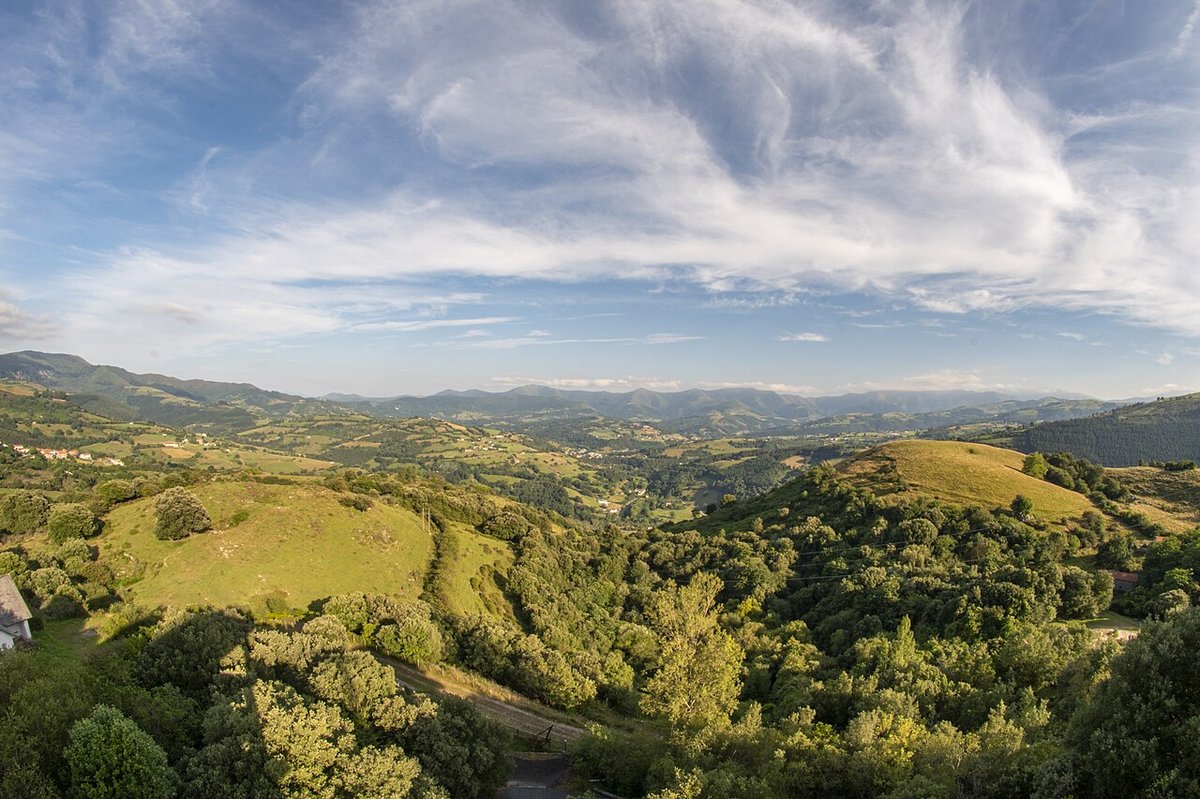
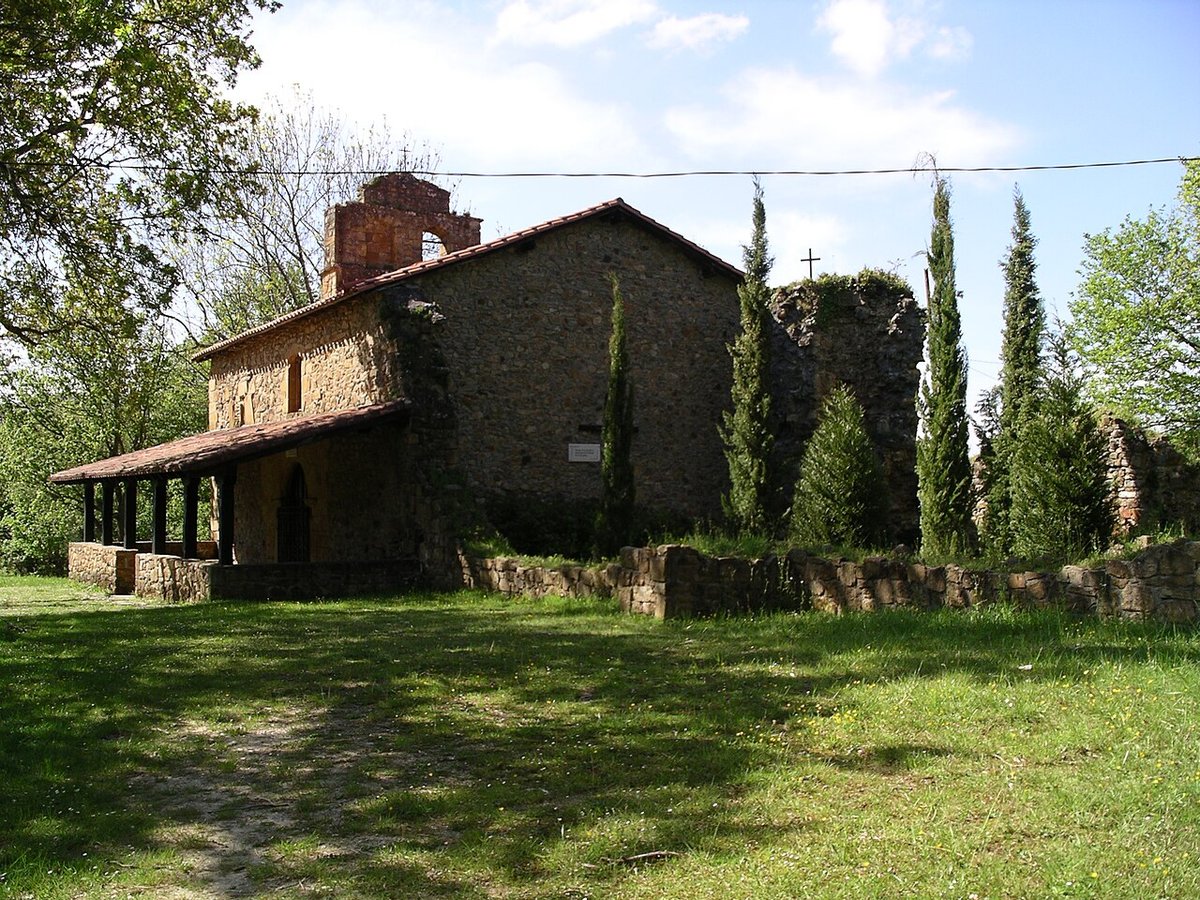
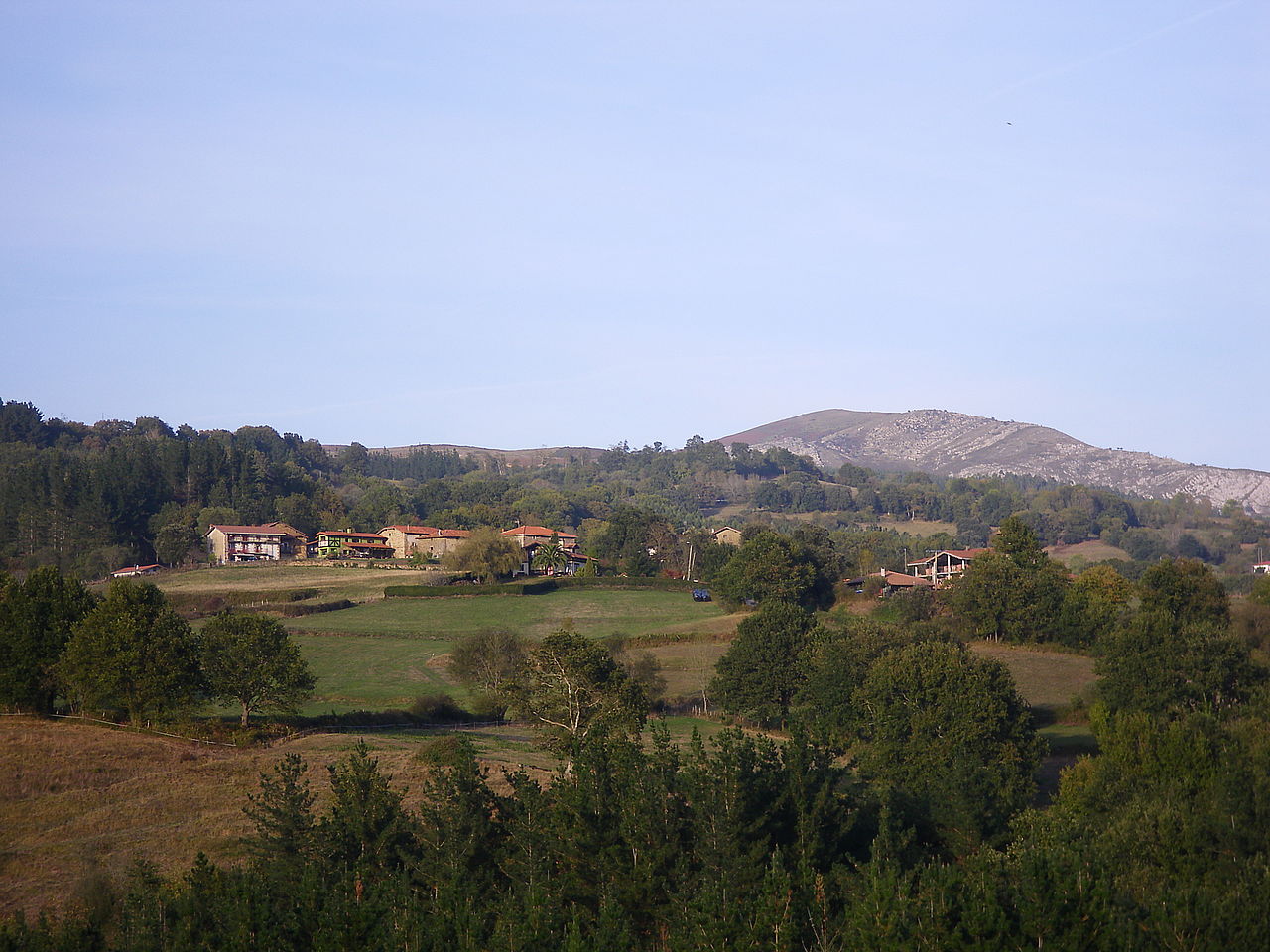
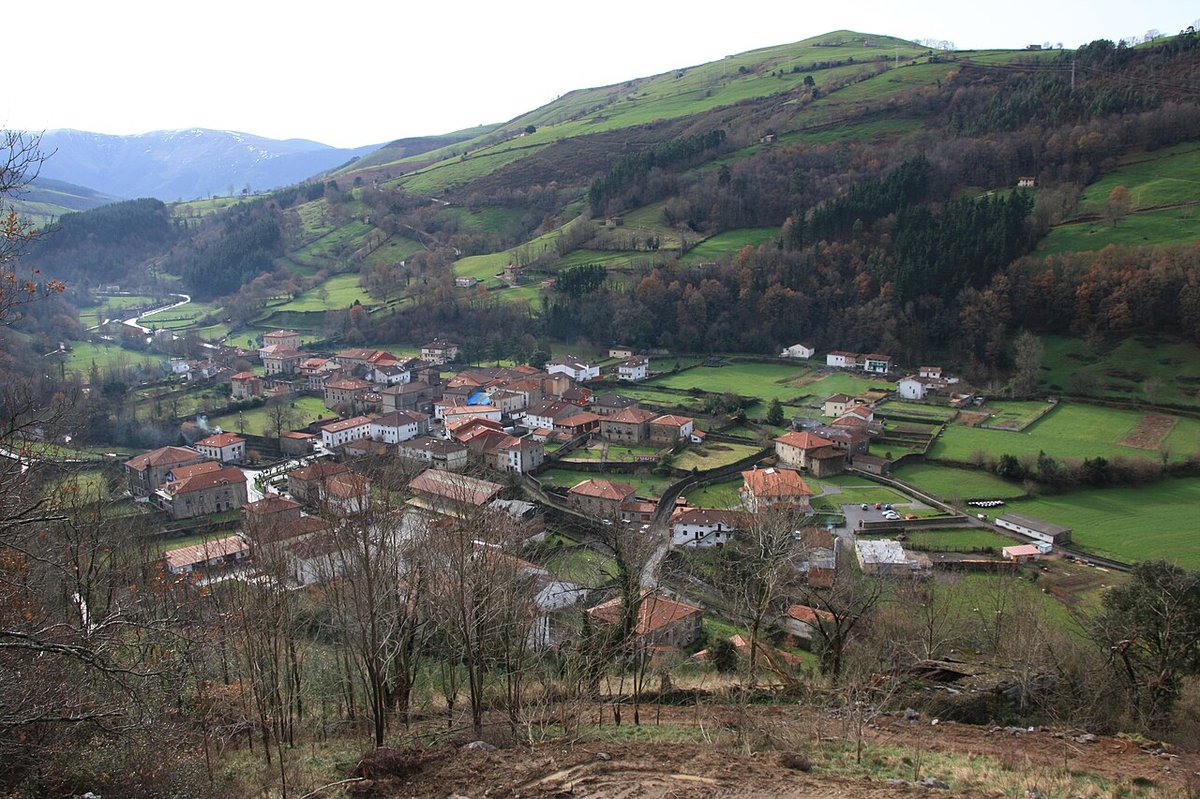
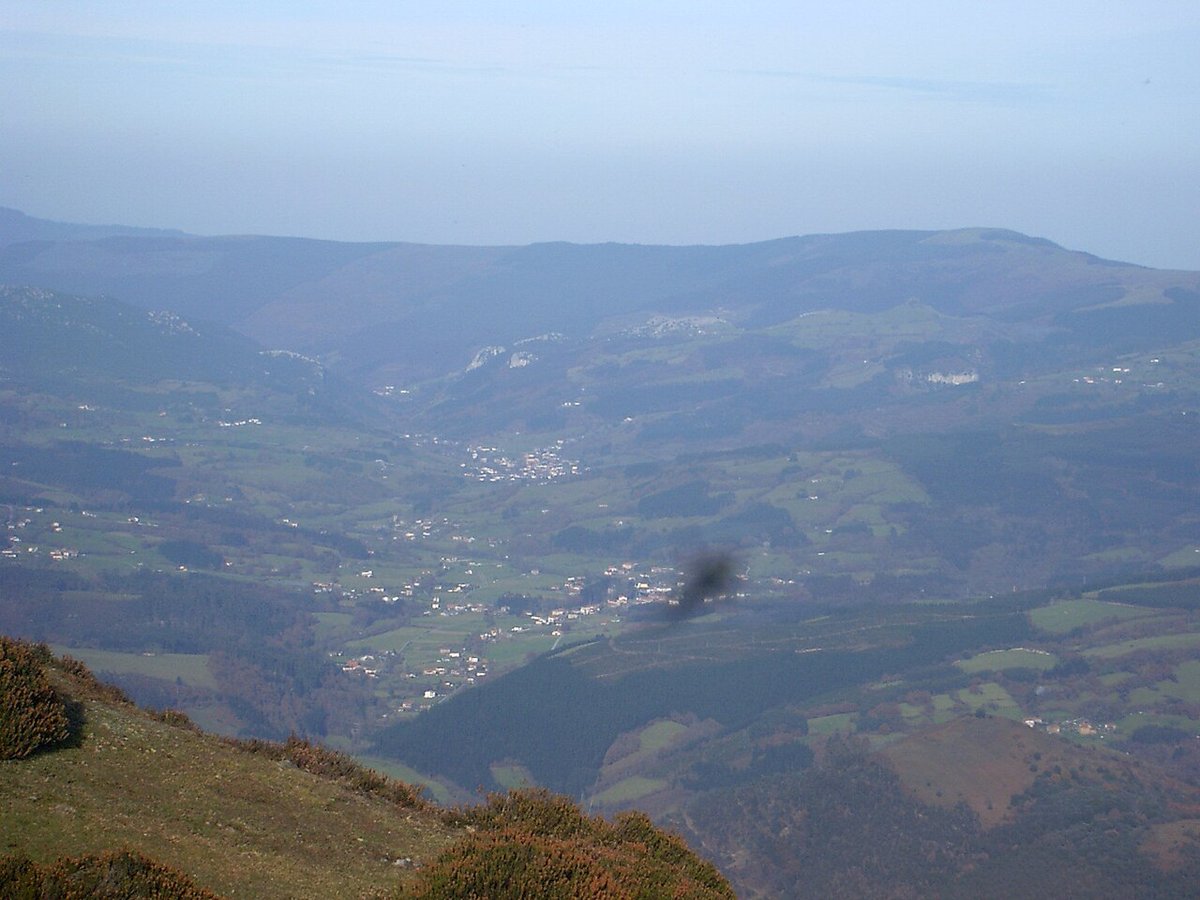
Forget manicured viewpoints. The colour here is pasture green, kept short by cattle, and forest green that drips after every Atlantic front. Stone farmhouses sit wherever a slope briefly relents; their thick walls and wooden balconies were designed for winters that can dip below freezing while the coast stays mild. In May the meadows are loud with cowbells and the air smells of wet soil and cut grass. Come October, morning mist pools so deep that chimneys float like masts above a grey sea. Even in July you might wake to 12 °C—pack a fleece however blue the sky looks over Bilbao an hour away.
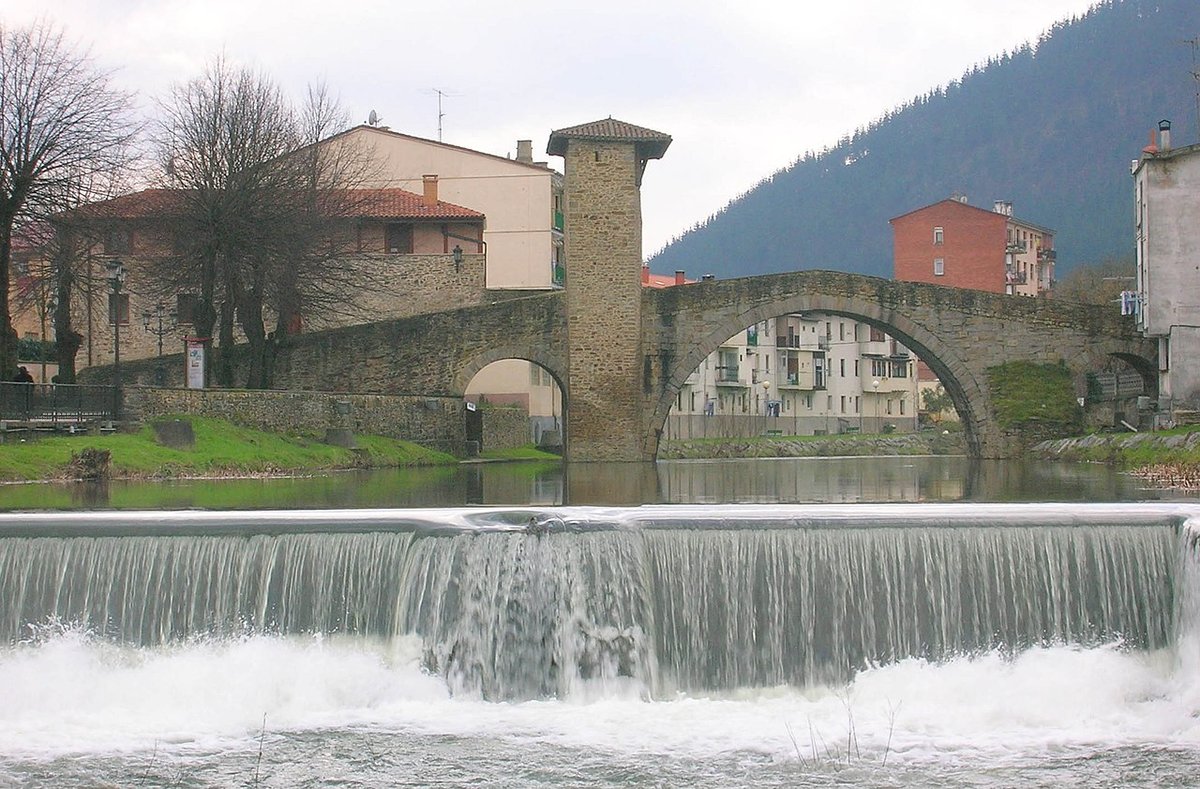
The council has signposted a handful of short loops—white-and-yellow waymarks painted on ash trees and telegraph poles—but the best tactic is simply to follow any track that points away from the main road. Within ten minutes tarmac turns to compressed earth, hedgerows close in, and you’re trading nods with a farmer on a quad bike. The gradients are honest: what goes gently down will insist on coming back up. Allow forty minutes there-and-back to the ruined watermill above Larrazua; the final stretch is slippery even in trainers, but the sound of the stream drowning out the occasional passing tractor feels like a fair reward.
Frontón Politics and Other Daily Fixtures
Every Basque village has a frontón; Trucíos has two. The outdoor wall stands in the main square, its concrete scabbed and repainted so often that the ball-rebound lines look like strata. Evenings bring a mixed pelota practice: primary-school kids hefting leather gloves the size of their torsos, grandfathers whose serves still hiss. Games are played to fifteen, arguments about foot-faults last longer. Nobody minds spectators, but leaning on the playing wall mid-rally is considered poor form. If rain drives everyone indoors, the covered frontón behind the sports centre smells of resin and damp sacking—more functional, less theatre, equally revealing.
Match nights are Thursdays and Sundays. The bar opposite opens at half-time for cañas and the local cider drawn from a plastic barrel. Order a zurito (small beer) if you’re driving; prices hover round €1.80 and crisps arrive unasked. Conversations flip between Basque and Spanish without warning—smile, nod, you’ll still follow the gist when the topic is a missed chistera shot.
Eating Without Fanfare
There is no Michelin list to tick off. What exists are set-price lunches aimed at people who have been moving hay bales since dawn. Restaurante Itxas-Begi, ten paces from the frontón, serves a three-course menú del día for €14 mid-week. Expect soup thick enough to stand a spoon in, merluza a la plancha with chips, and rice pudding dusted with cinnamon. Vegetarians get scrambled eggs with wild mushrooms—provided the season hasn’t sold them to San Sebastián. Portions are sized for fieldwork; siesta becomes compulsory.
If you’re self-catering, the Día supermarket in the next valley (Sopuerta, 12 km) is the nearest reliable source of oat milk and wholemeal pasta. Better idea: buy tomatoes that still hold the morning light from the honesty stall outside Casa Mandaluniz, and a lump of smoked cheese wrapped in brown paper. The village bakery opens at 07:30; by 11:00 the walnut loaves are gone. Ask for “una barra, por favor” and you’ll receive a stubby baguette with a crust that could chip enamel—perfect with local butter that tastes of mountain thyme.
Getting There, Staying Put
Public transport exists, just. Bizkaibus route A3625 links Bilbao’s Termibus with Sopuerta twice daily; from there a local taxi to Trucíos costs around €18 if you can persuade the driver to cross the watershed. Car hire remains saner: take the A-8 to Barakaldo, then the BI-636 inland. The final approach is a 5 km coil of road too narrow for white-line centrality—first gear, horn at blind bends, sheep granted right of way. In winter the pass can ice over; carry chains December to February even if the coast looks clear.
Accommodation is thin on the ground. A pair of timber cabins on VRBO sleep four from €95 a night; owners David and Ana leave homemade sponge cake on the table and accept nothing stronger than “thank you” in reply. The larger Airbnb place advertises twelve beds, which feels optimistic unless you count the sofa, but at €180 for the whole house it suits climbing clubs or family reunions intent on hog-roast levels of togetherness. Both sit on the valley shoulder, five minutes above the village—close enough for bread runs, far enough that the only night noise is owl call and the distant clank of cowbells.
When the Weather Turns
The Atlantic does not observe Spanish siesta hours. Rain can arrive at breakfast and stay for the week; paths turn to chocolate mousse and low cloud erases every landmark. Locals treat downpours as background hum—waterproofs are donned, hedges are trimmed regardless. Visitors should follow suit: pack gaiters, abandon epic hikes, and head for the ironworks museum in nearby La Cavada, where nineteenth-century forges once supplied Bilbao’s shipyards. Entry is €4, captions are Spanish-only, but the gloomy interior feels appropriate when the heavens outside have already dimmed the lights.
Snow is rarer, yet not impossible. February 2021 left 20 cm on the football pitch and cut power for thirty-six hours. The village generator kicked in long enough to keep freezers cold; the bar ran candles and became an impromptu soup kitchen. Tourists caught in similar conditions should check local Facebook groups—Trucíos Sin Prisas posts road closures faster than the provincial website and will rustle up a spare duvet if your heating oil runs dry.
Leaving Without a Checklist
Guidebooks like to promise “hidden” villages where you can “step back in time”. Turtzioz declines the role. Its present is too audible: tractors at dawn, schoolchildren practising txalaparta rhythms on classroom desks, the municipal loudspeaker announcing blood-donor day in Basque first, Spanish second. You will not leave with a camera roll of baroque balconies or sunset beaches. Instead you’ll remember the smell of new-mown hay banking against a stone wall, the sight of an elderly woman in house slippers hoeing cabbage rows steeper than a Black Run, the realisation that silence here is simply the gap between one useful task and the next. Come for two hours, stay for lunch, walk until your calves object—then drive back over the pass noticing how the green gradually thins into the industrial outskirts of Bilbao, like turning down the volume on a conversation you were just beginning to understand.