Full Article
about Zalla
Valleys and hamlets a stone’s throw from Bilbao, buzzing with local life.
Ocultar artículo Leer artículo completo
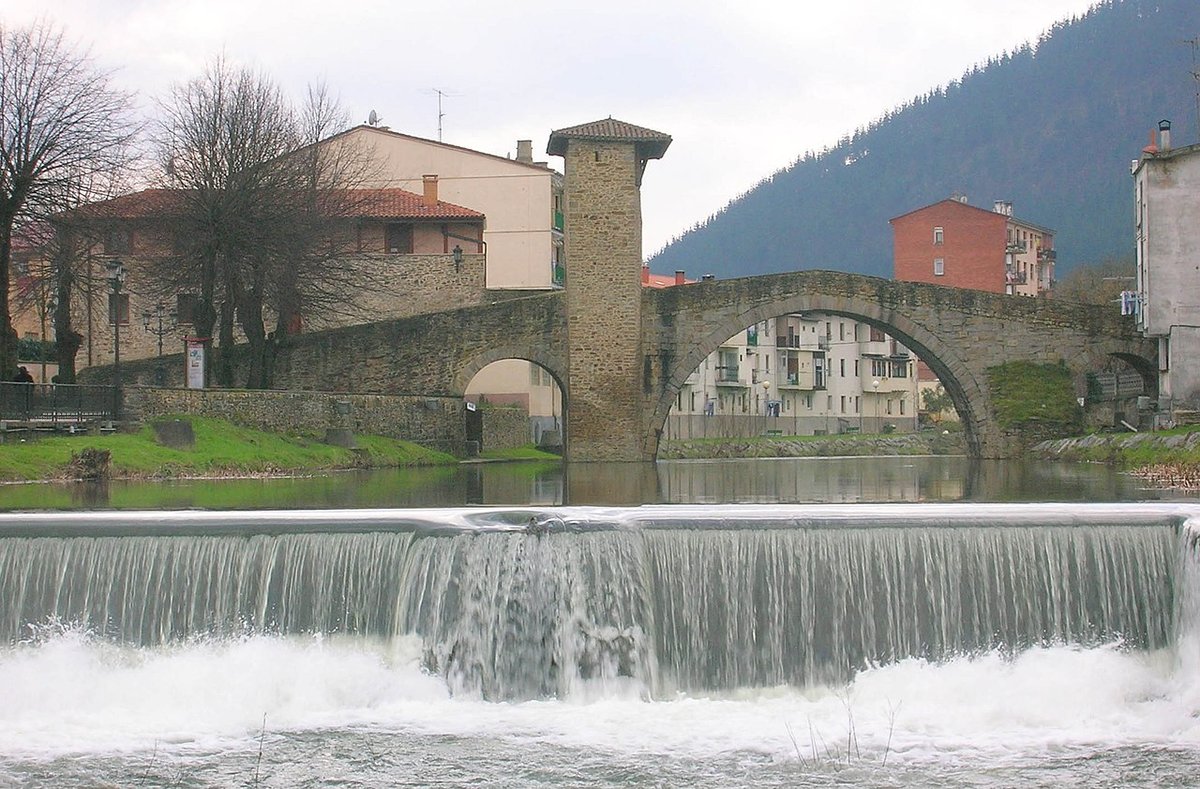
The Cadagua river slips past Zalla's municipal football pitch with barely a murmur, yet this modest waterway explains everything about the village: why houses scatter along its banks rather than cluster around a plaza, why bridges matter more than boulevards, and why the morning air smells of damp soil rather than sea salt twenty-five minutes from Bilbao.
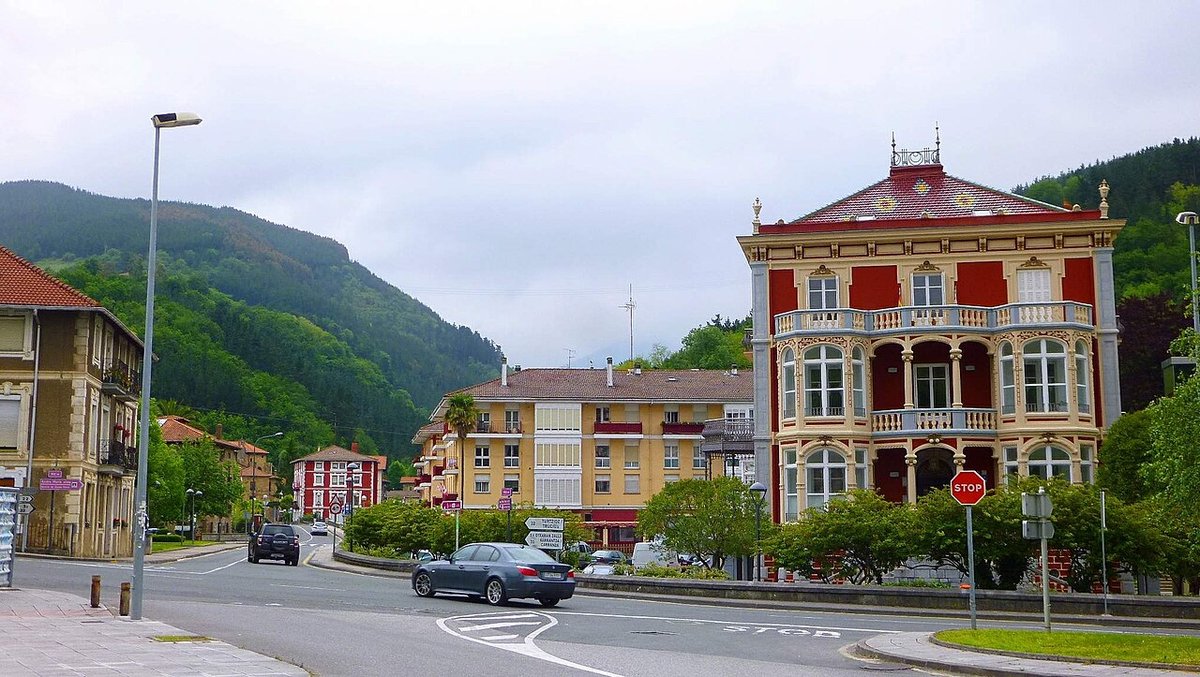
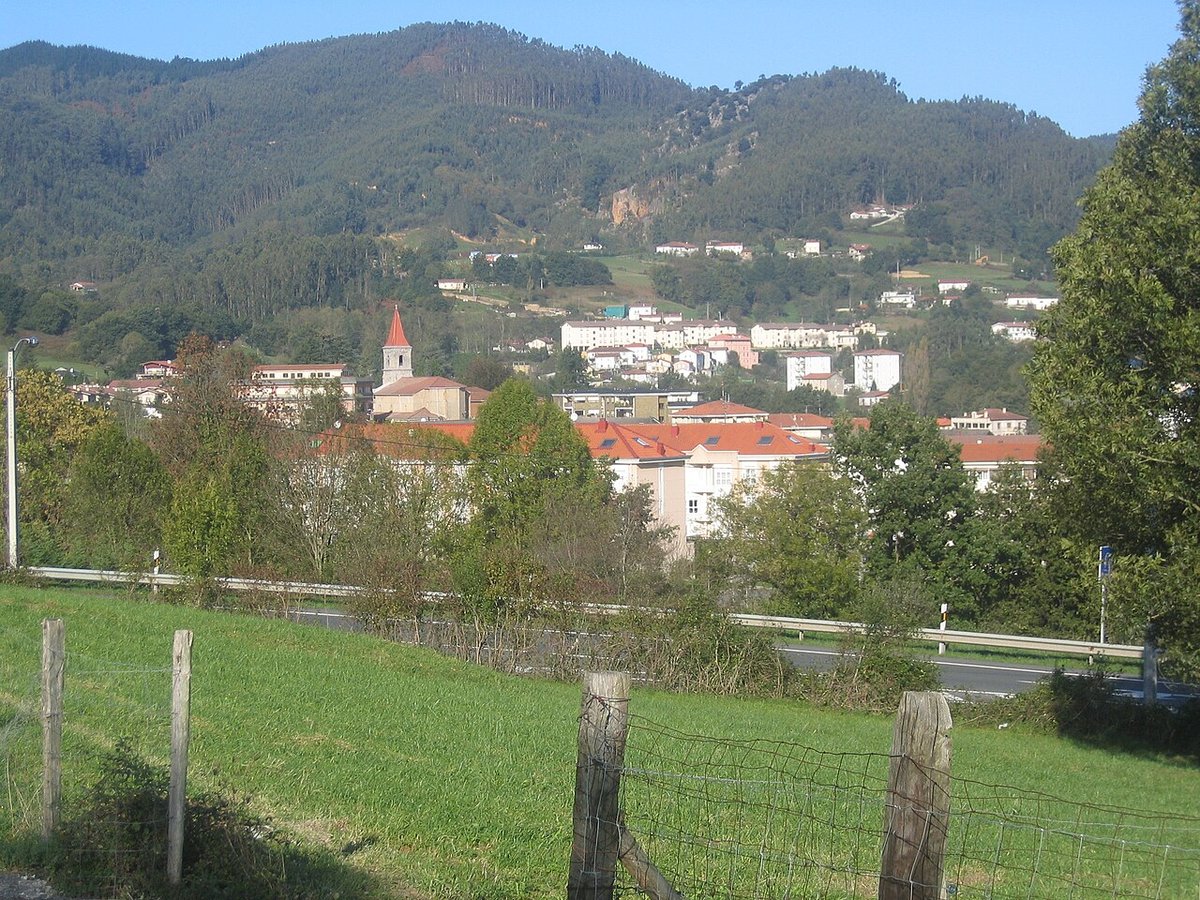
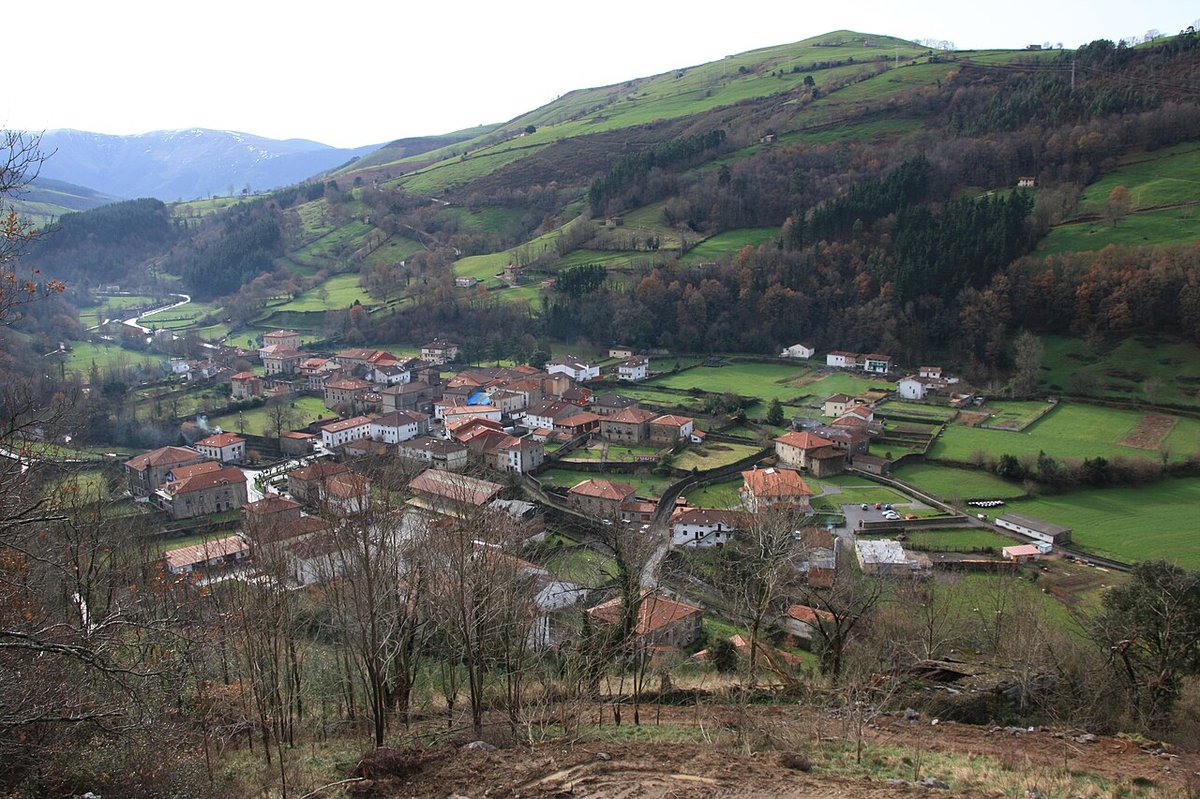
At first glance Zalla feels like a place you drive through, not to. The BI-636 threads the valley floor, lorries bound for local factories rattling past blocks of flats painted the colour of wet sand. Look closer, though, and the scatter of grander houses—stone mansions with arched doorways and wrought-iron balconies—betray earlier prosperity when ironworks and mills paid for better architecture. Industry hasn't vanished; it's simply retreated into discreet polígonos on the outskirts, leaving the centre to everyday routines of school runs, bakery queues and elderly men debating cycling results over short glasses of zurito.
Start where locals do, at the parish church of San Miguel. It's no cathedral: a single nave, a modest bell tower, doors unlocked for early mass then bolted again before most tourists surface. The building's real use is as compass point; every direction locals give—"up towards the frontón", "down past the old tannery"—radiates from here. Walk fifty metres south and the high street shrinks to a single lane shadowed by plane trees. A chemist, a lottery kiosk, two bars competing for the loudest coffee machine: functional Spain at its most honest.
English is scarce, so greet with "Kaixo" (kai-sho) and you'll earn surprised smiles. Order "un café con leche y un Gilda" and the barman will spear an olive, guindilla pepper and anchovy on a toothpick without asking—salt sharp enough to cut through morning fog that pools in the valley most months. Don't expect free tapas; nothing arrives unpriced, but the bill rarely tops €3.
From the church, follow the river upstream on a path shared by dog-walkers, teenagers on scooters and the occasional tractor heading to allotments. The Cadagua isn't wild—stone embankments tame flood years and picnic benches appear every few hundred metres—but kingfishers still flash turquoise between willow branches. After fifteen minutes the path ducks under the railway bridge where FEVE trains once carried coal to Bilbao. Graffiti dates back to 1987, the year before the line closed; the same paint remains because nobody has bothered to scrub it off. That's Zalla: history left lying around rather than curated.
Turn back when the path narrows into a farmer's access track or continue another kilometre to the weir where children leap into green pools each July. Water temperature rarely climbs above twenty degrees even in August, but after a morning walking the valley's side roads the shock feels medicinal. Summer visitors note the altitude—180 metres above sea level—only when they realise night-time temperatures drop low enough for jerseys in late June.
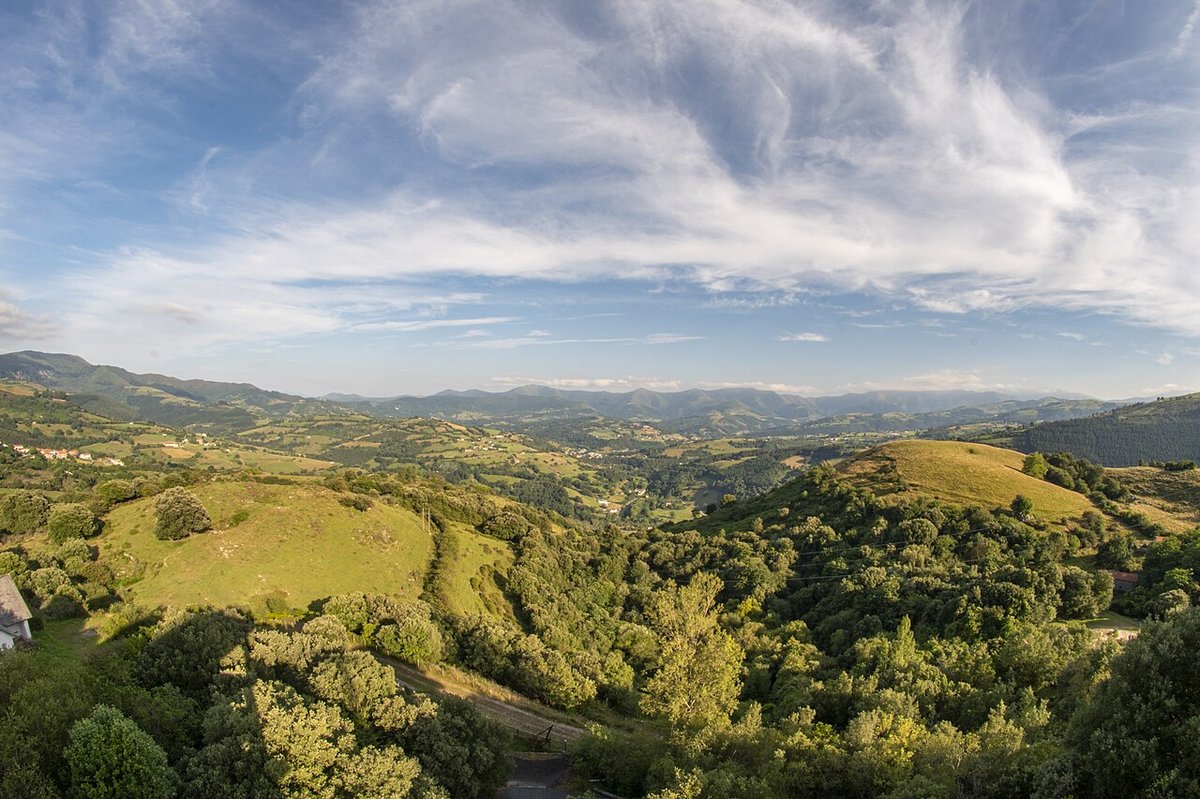
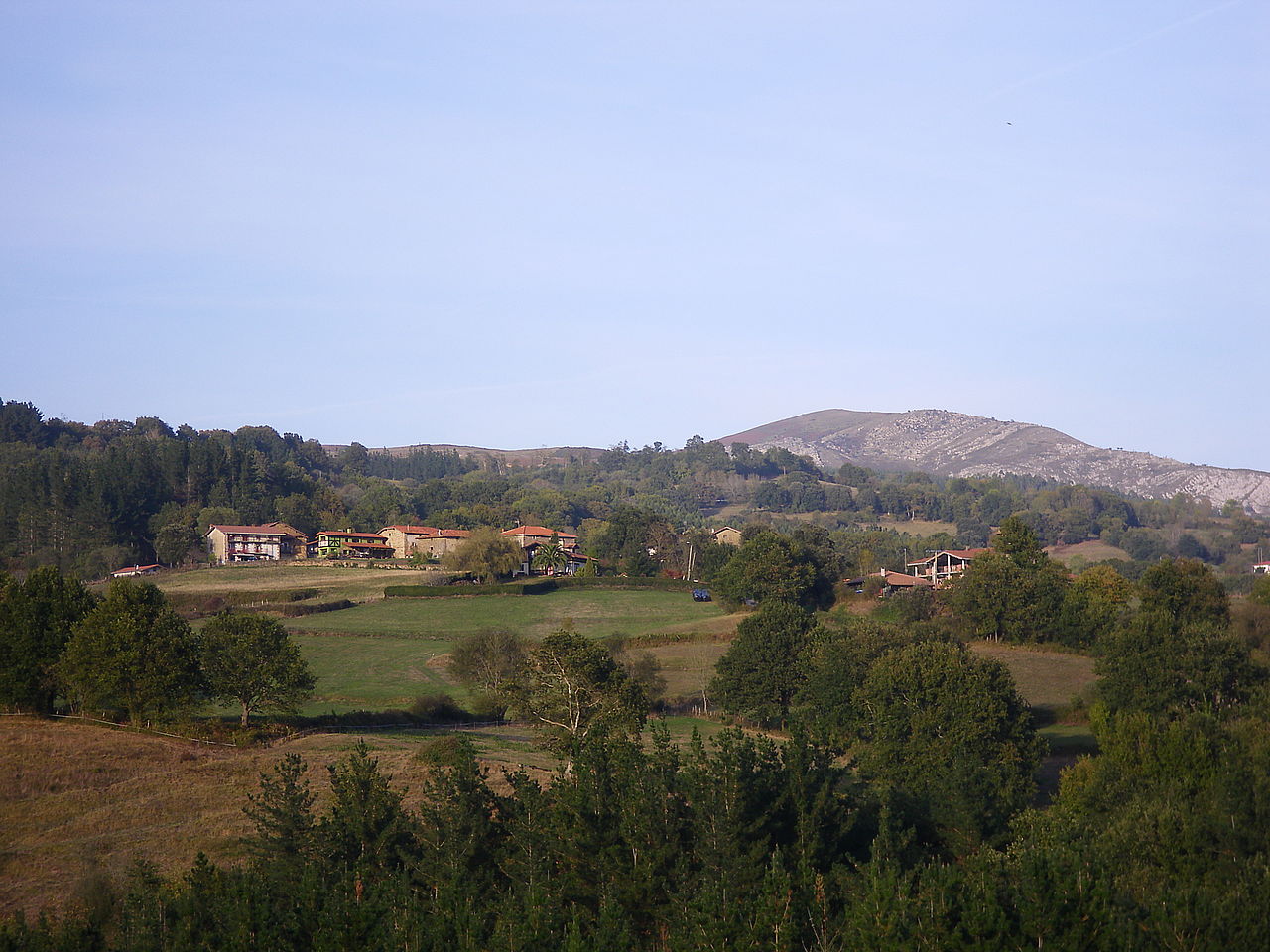
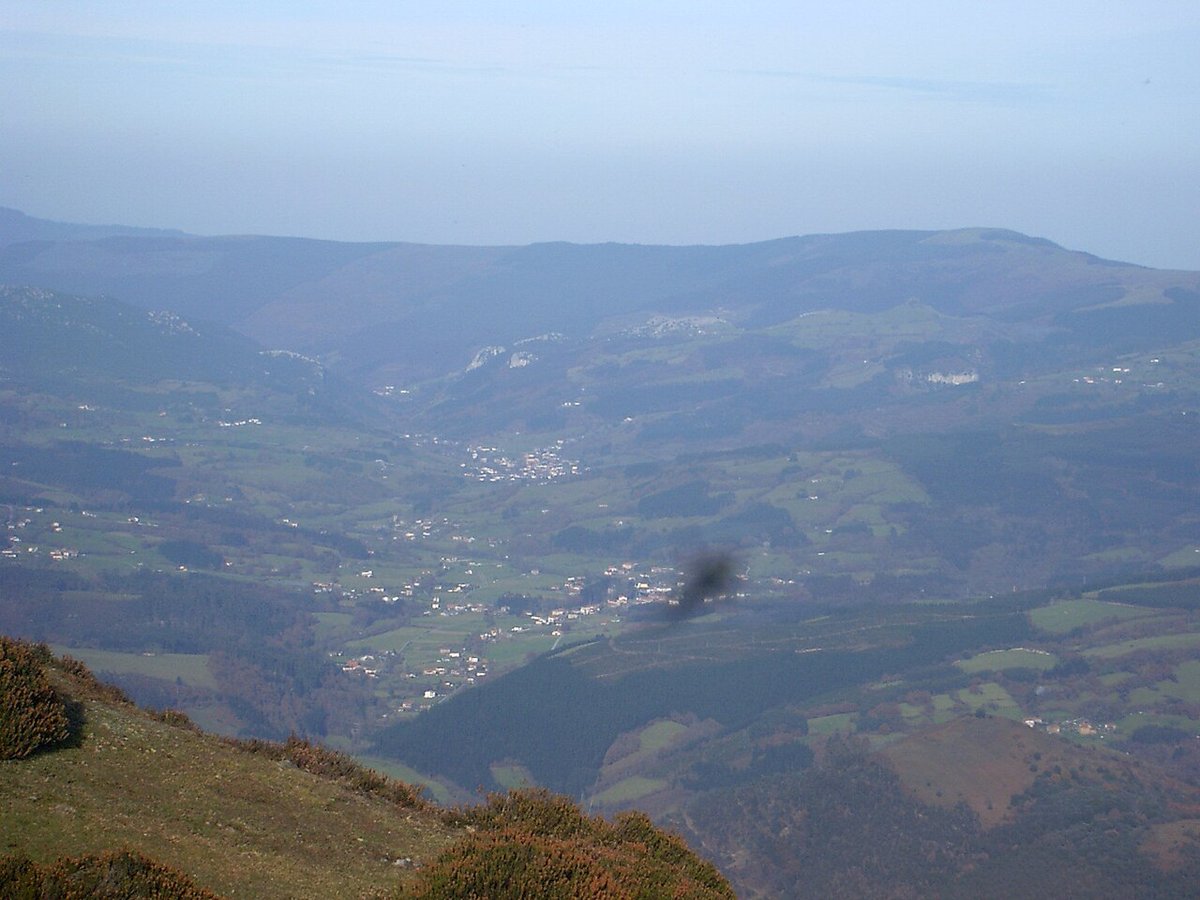
The valley walls close in steeply once you leave the river. Cobbled lanes climb past allotments where leeks stand to attention and elderly women weed in house slippers. Maps label these routes "sendero local" yet signage is sporadic; painted yellow arrows fade at junctions where tractors have scraped stone walls. A rule of thumb: if the lane feels wide enough for a Citroën Berlingo, it's a road, not a path. Head uphill anyway—gains of 150 metres happen in ten minutes—and the reward is a view over tiled roofs to the limestone ridge that separates Zalla from the port of Santurtzi. On clear winter days you can spot cranes at the Abra docks twenty-five kilometres north; on hazy afternoons the valley feels enclosed, a green trench between industrial coast and empty southern sierras.
Down in the centre again, lunch options divide neatly. Workers' bars serve cocido-like puchero for €9 including wine; portions defeat most appetites after the first ladle. Hotel Ibarra, opposite the health centre, offers a quieter set menu—perhaps grilled hake followed by rice pudding scented with cinnamon—at double the price but still half what central Bilbao charges. Sunday tables fill with extended families; arrive before 14:00 or queue while grandparents finish their post-mass gin-tonics.
Afternoons belong to the frontón. Matches start around 16:30, the thwack of pelota against stone echoing off apartment blocks. Visitors are welcome to stand at the wire fence; betting is informal—"two euros on the kid in red"—and resolved with handshakes. The pace looks leisurely until the ball accelerates off the wall faster than a Federer forehand; local teenagers make it appear effortless while middle-aged challengers gasp in the thin valley air.
Stay overnight and you'll notice how quickly traffic thins after 22:00. Zalla isn't dead—simply pragmatic. Factory shifts start at six, farmers earlier. Hotel Ibarra's bar stays open until midnight for night-owls, but conversation drops to whispers because bedroom windows open above. Request a south-facing room and you'll wake to sunrise hitting the opposite slope, terraced fields glowing bronze before fog lifts.
Practicalities are straightforward once you abandon metropolitan expectations. There's no railway; buses leave Bilbao-Abando every hour, €1.75 on Bizkaibus A-3926, journey time thirty-five minutes including a loop through Güeñes. Car hire gives more scope—Salazar tower is ten minutes west, Balmaseda's medieval bridge fifteen—but parking in Zalla itself is free and plentiful except during September's fiestas when every pavement becomes a viewing platform for brass bands and cider-pouring competitions.
Weather follows altitude more than latitude. Spring brings sudden showers that slick cobbles; autumn colours last late into November thanks to valley oaks. Winter mornings drop to three degrees, enough for frost but rarely snow. Summer heat peaks around thirty but humidity feels lower than on the coast; evenings cool enough to justify lighting the hotel's lounge fire if temperature dips under eighteen.
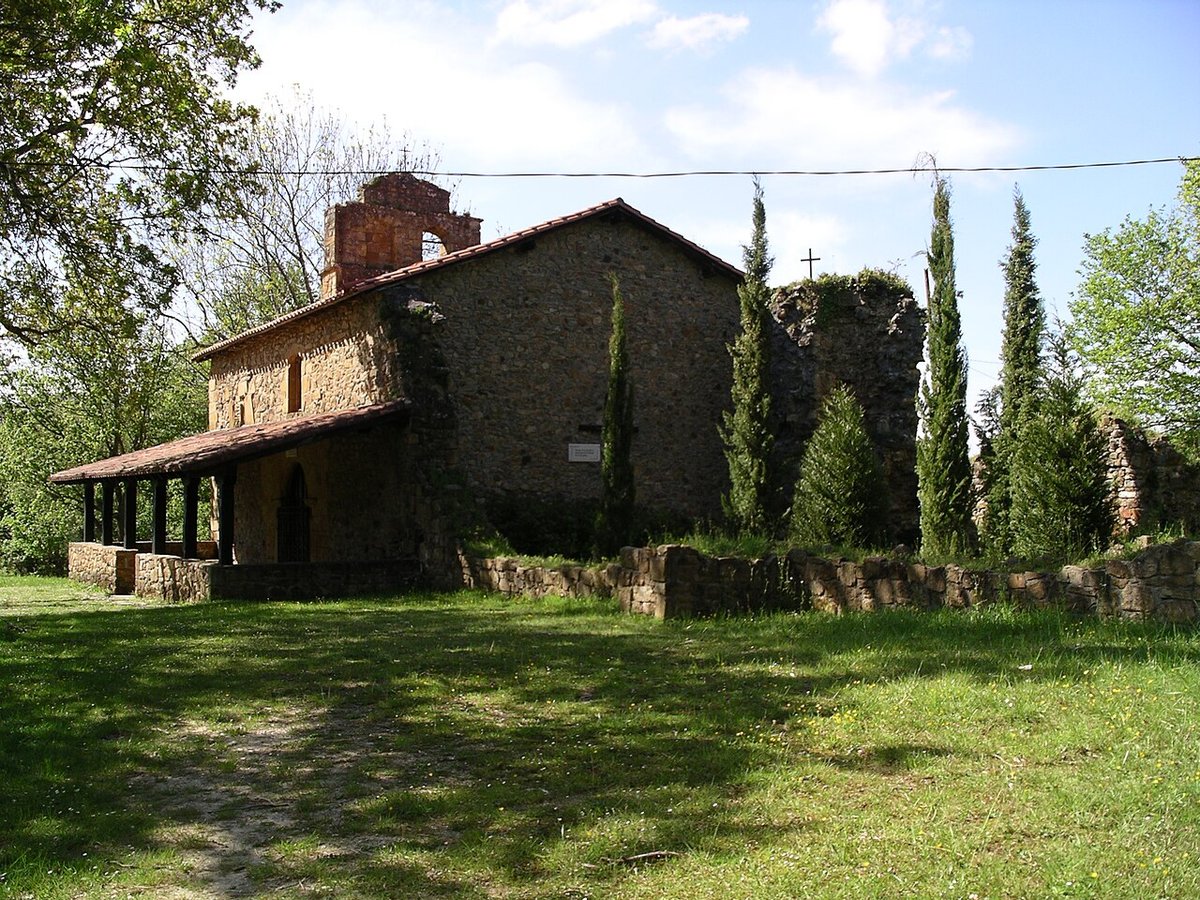
Leave time for one detour before checkout. Drive three kilometres south to the hamlet of San Pedro Zariquete and the chapel whose name locals whisper with theatrical eyebrows. In 1610 the Inquisition investigated Zalla's women for witchcraft; legend claims they held sabbaths under the chapel's holm oak. The tree is long gone, replaced by plastic chairs for annual picnics, yet the story survives because every village needs a darker chapter. Pick up the English leaflet inside—rare bilingual text in an area where even road signs toggle between Basque and Spanish—and you'll learn that the accused were acquitted, returning to grind chestnuts and raise children as though flying over the Cadagua had never been proposed. Truth or embroidery? The valley keeps its counsel.
Zalla won't fill a highlight reel. What it offers instead is rhythm: the slap of laundry on balcony rails, the smell of wet earth after rain, the moment when a bar falls silent because everyone's listening to the radio bullfight. Come for a night or two, base yourself cheaply, then head coastwards for Guggenheim selfies. You'll carry away a sense of how the Basque Country functions when cruise ships aren't watching—industry and agriculture, river and ridge, cider poured from shoulder height because that's simply how it's done.