Full Article
about Altzaga (Alzaga)
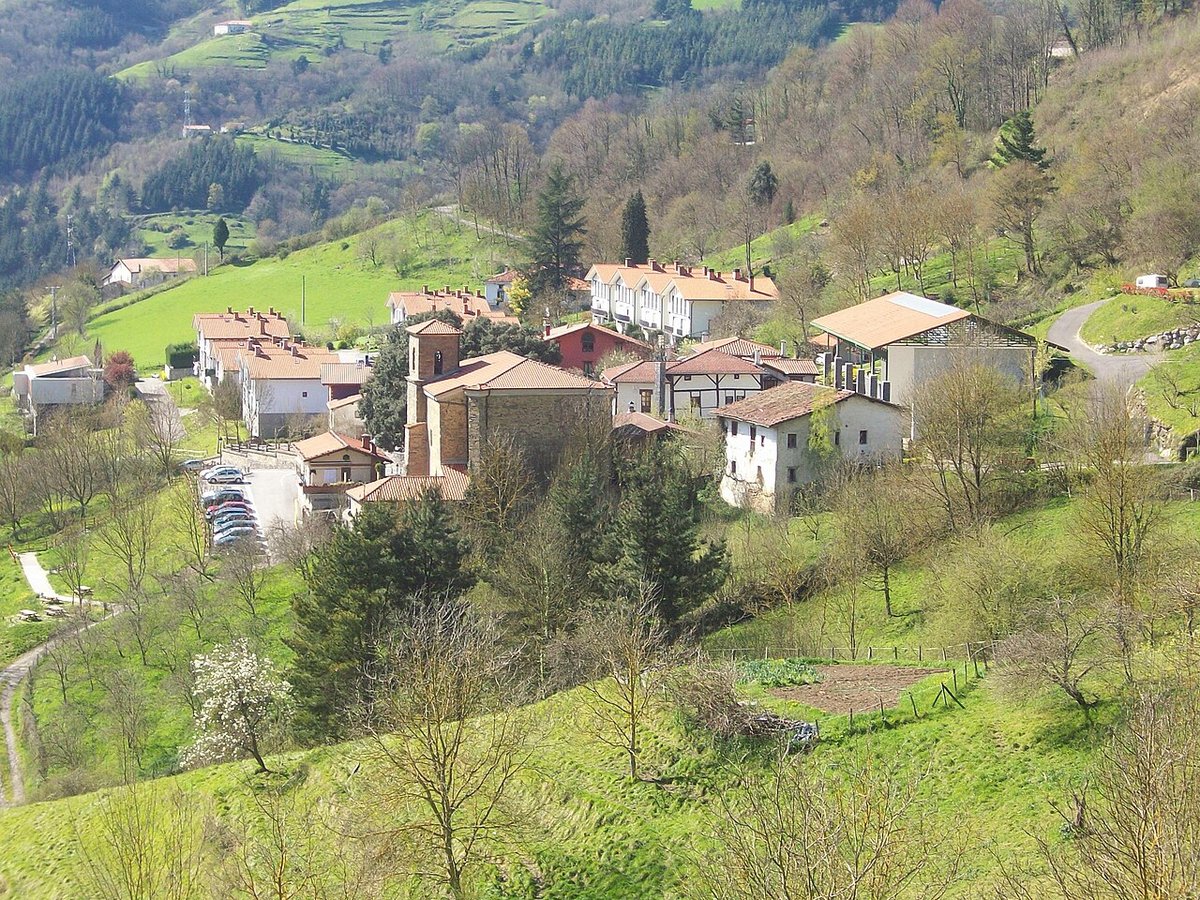
Deep green, farmhouses and nearby mountains with trails and viewpoints.
Ocultar artículo Leer artículo completo
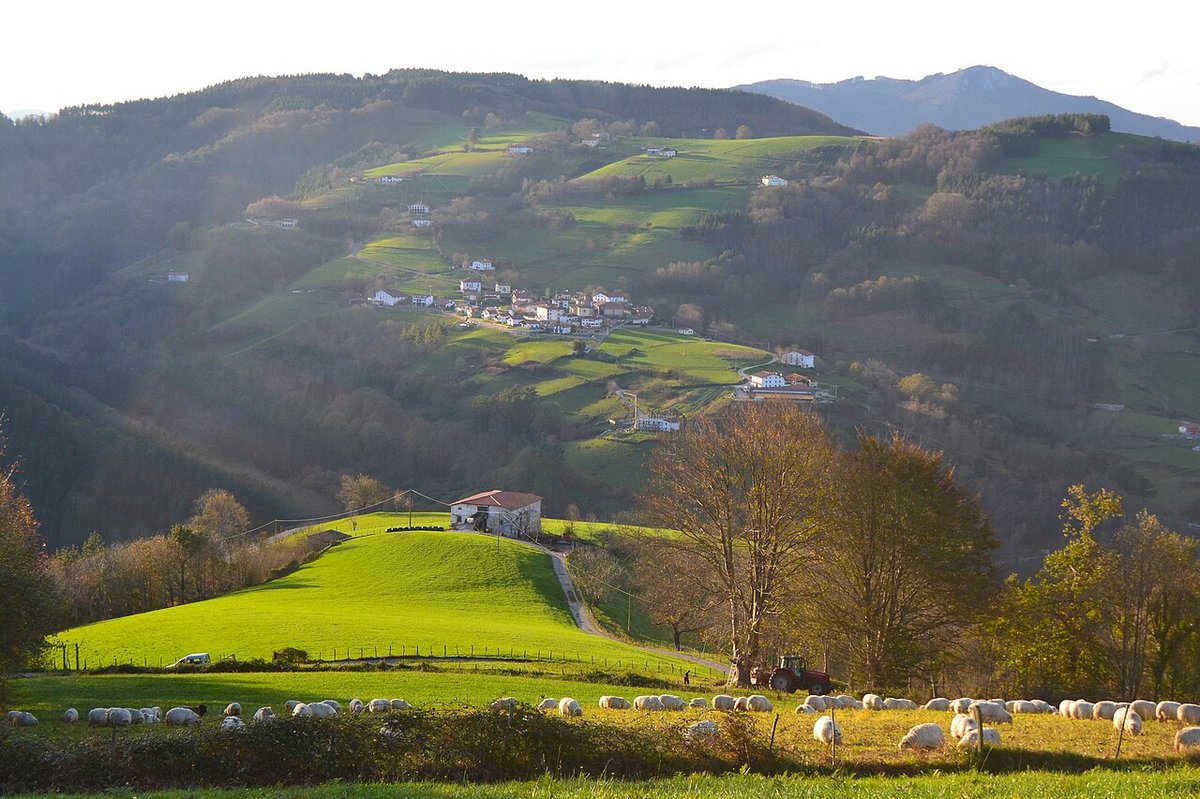
The stone farmhouse appears around a bend, its wooden balconies sagging under the weight of decades. A farmer in a flat cap leans against the gate, watching his sheep shuffle across the road with the unhurried confidence that comes from owning the place. This isn't a museum display. It's Tuesday morning in Altzaga, and you've just met the morning rush hour.
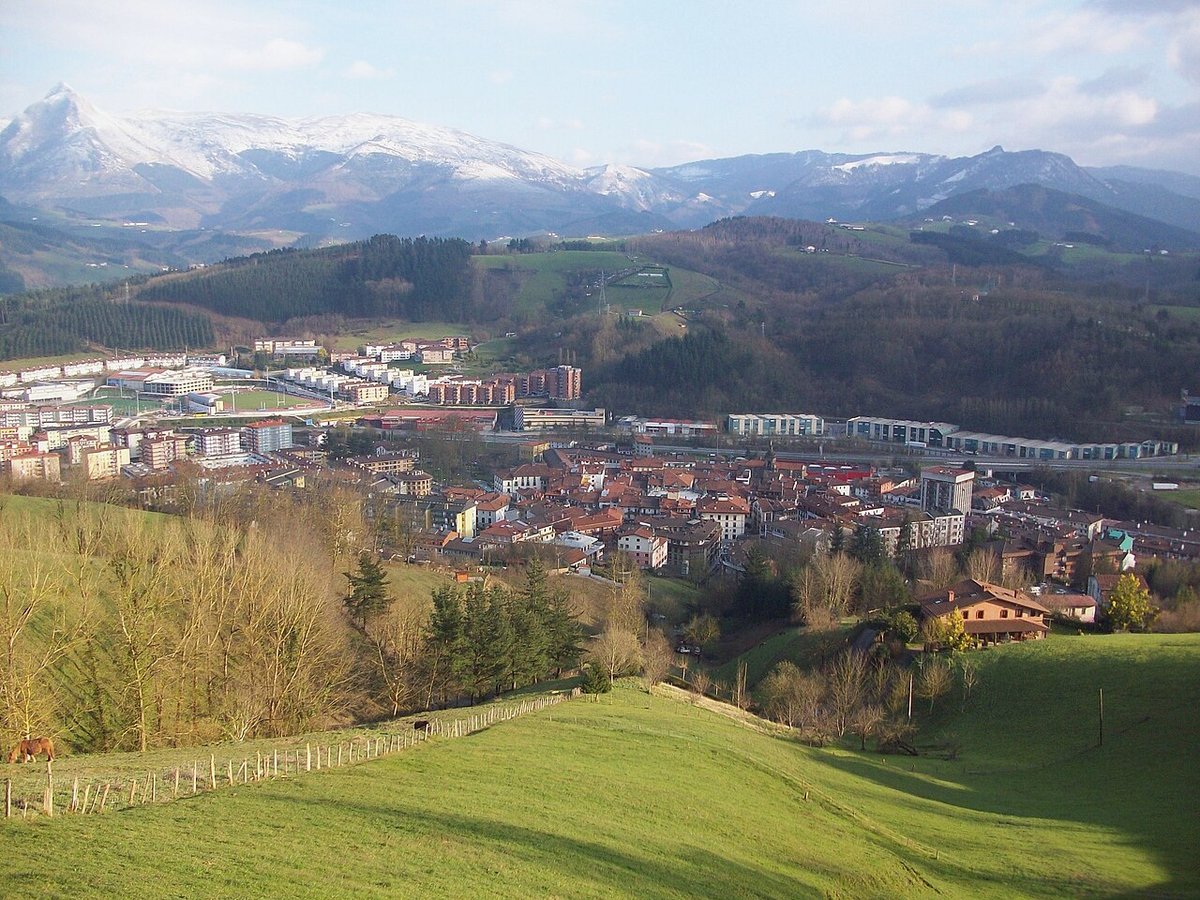
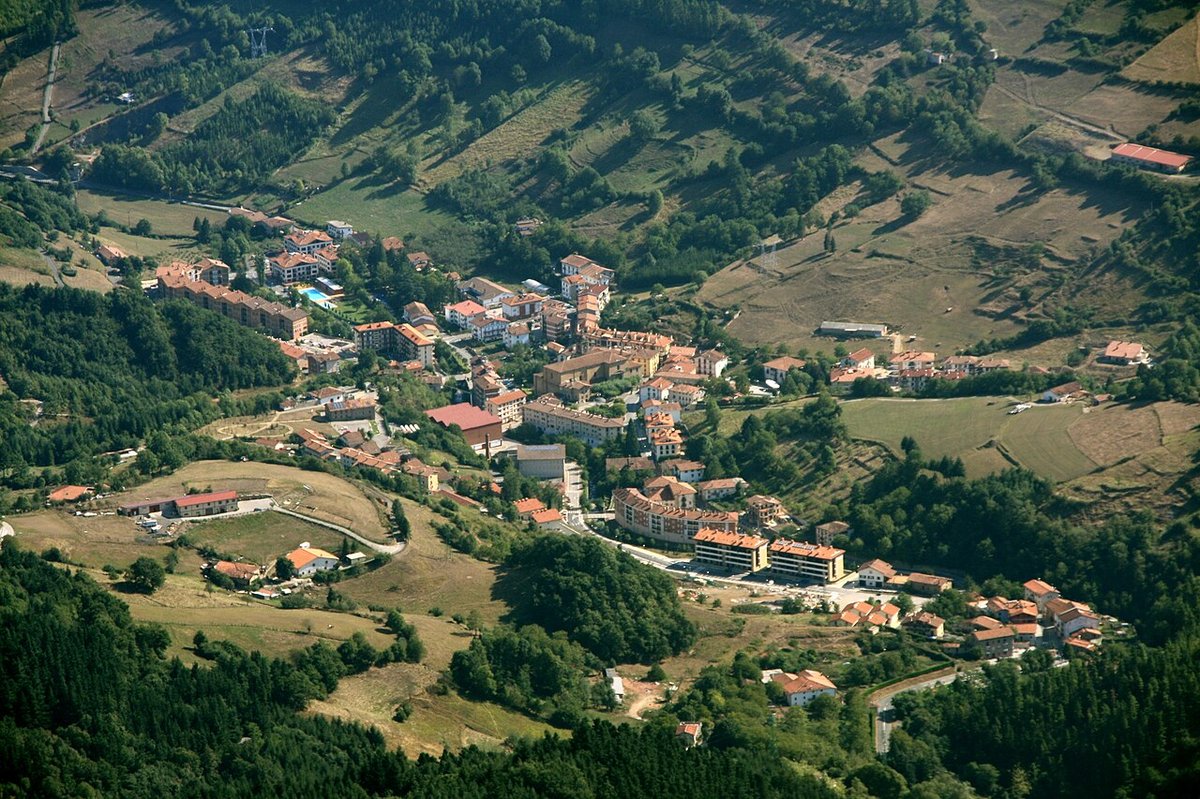
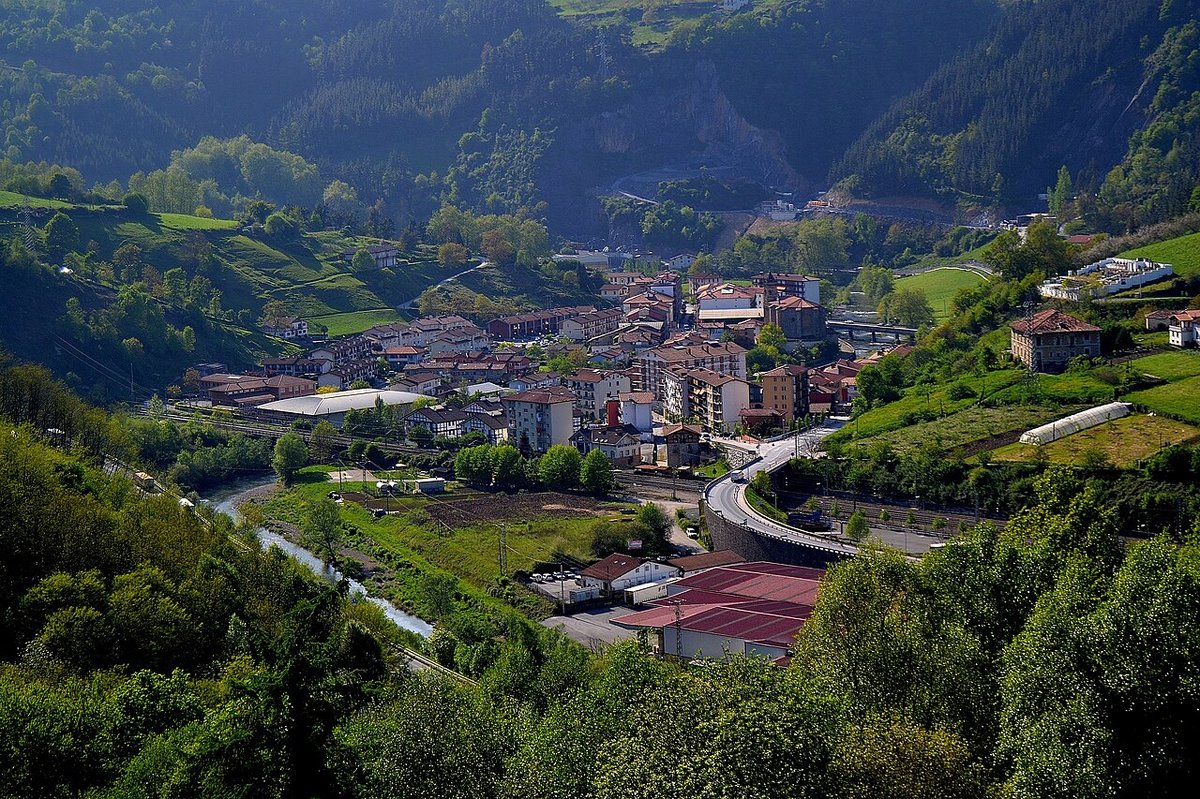
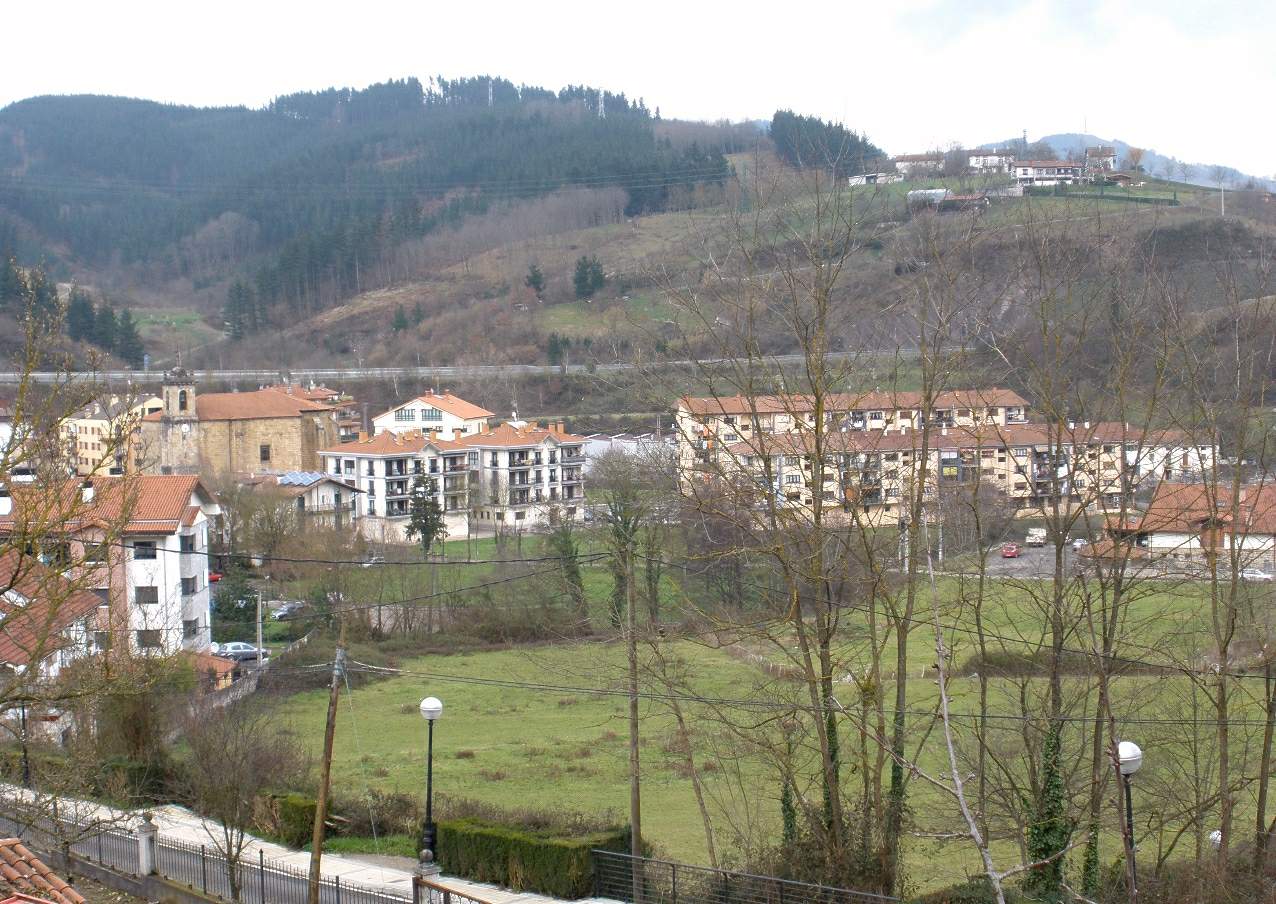
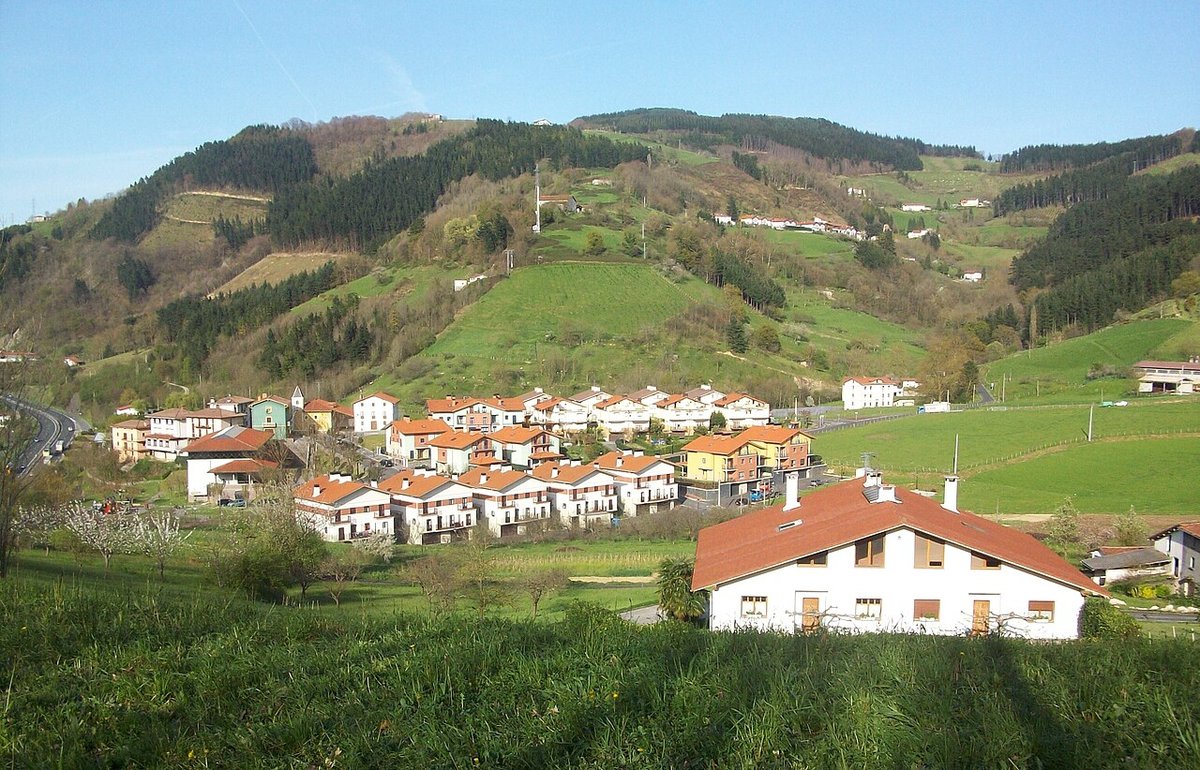
At 165 souls, this Goierri municipality doesn't do crowd control. It doesn't need to. The village unfolds across green meadows like a scattered handful of stone buildings, each farmhouse separated by centuries-old hedgerows and the kind of pastoral views that make British countryside look positively manicured. There's no centre to speak of, no plaza with terraced cafés, no gift shop flogging novelty fridge magnets. What you get instead is something increasingly rare: a working Basque farming community that happens to tolerate visitors, provided they don't get underfoot.
The Reality Check Most Brochures Skip
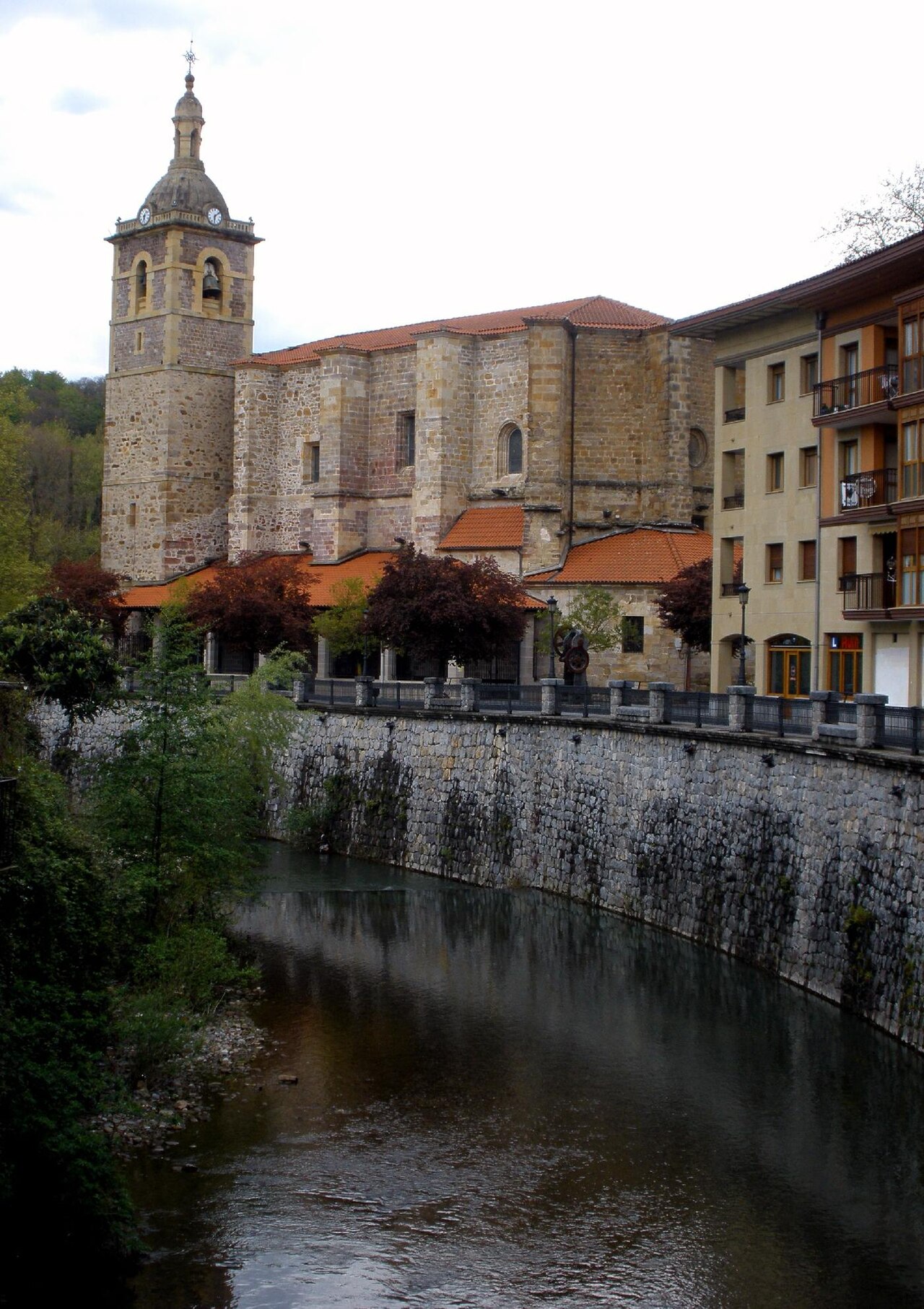
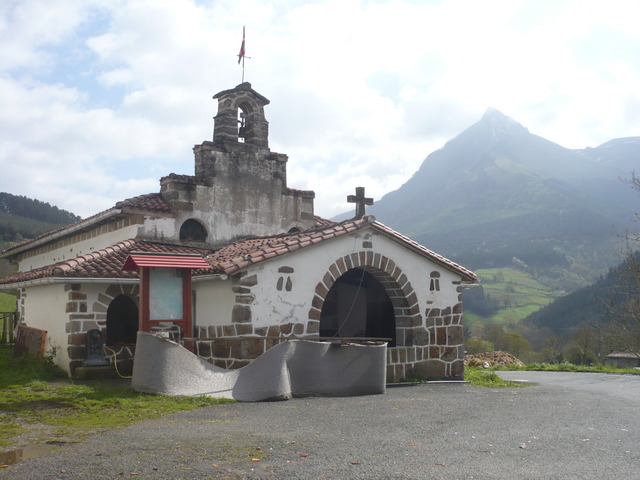
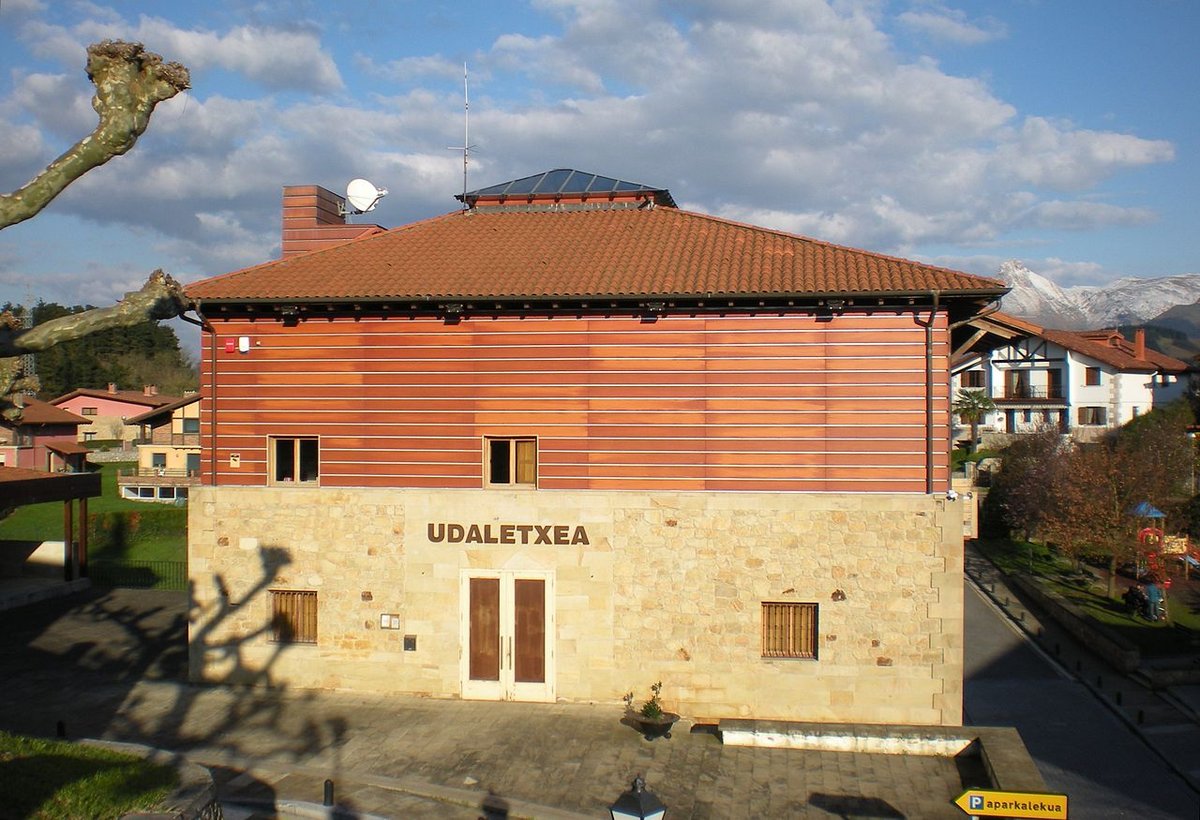
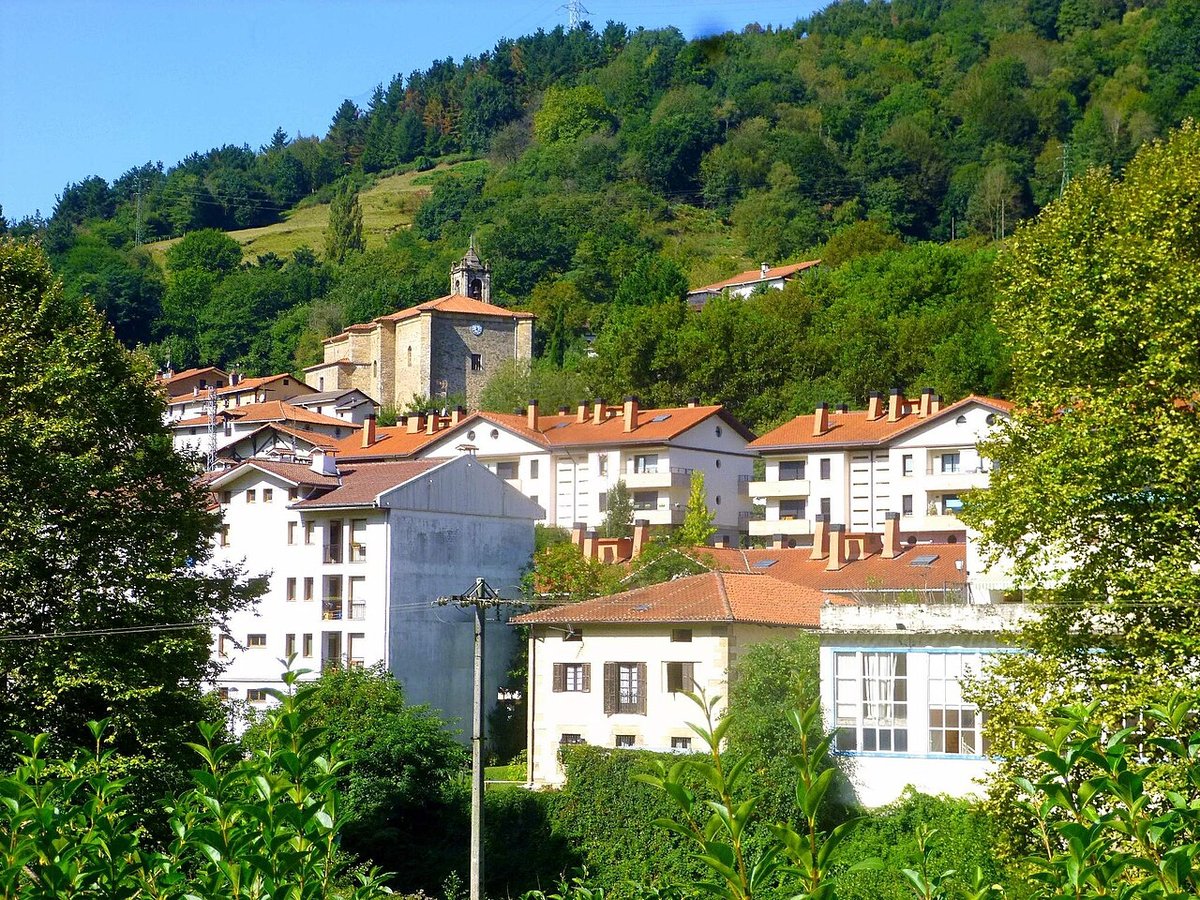
Let's be clear about what Altzaga isn't. You won't tick off medieval churches or Renaissance palaces here. The parish church serves as landmark and orientation point, nothing more. If it's open, pop in. If not, don't waste time lamenting missed cultural opportunities. The real attraction lies in understanding how Basque farmers have shaped this landscape for generations, creating a patchwork of stone walls, cider orchards and pasture that feeds both livestock and soul.
The caseríos themselves tell the story. These aren't chocolate-box cottages but working buildings with mud on the tyres and machinery in the yards. Stone facades weathered to honey-colour rise to generous slate roofs designed to shed Atlantic rain. Wooden balconies, called terrados, jut out at first-floor level where families once dried corn and now hang washing. Each farmhouse sits in its own micro-territory, complete with vegetable plot, orchard and barns arranged with the practical efficiency of people who've learned that winter storms respect neither beauty nor sentiment.
Visiting means accepting you're an observer, not a participant. This isn't a village that pivoted to tourism when the farming got tough. The elderly gentleman mending a fence isn't a paid actor in regional costume. He's fixing his boundary because the cows need moving and Thursday's weather looks unsettled. Treat the place accordingly.
Walking Without Purpose (and Why It's the Best Approach)
OS maps won't help much here. Altzaga rewards the kind of wandering British hikers perfected before GPS made everyone paranoid about getting lost. A network of farm tracks radiates from the church, each promising twenty minutes of gentle ascent through countryside that changes with every field. One minute you're alongside a hedge humming with bees, the next crossing rough pasture where chestnut-coloured cows watch with the suspicion reserved for anyone carrying a rucksack instead of feed.
The relief is gentle rather than dramatic. No soaring peaks or vertigo-inducing drops. Instead, the land rolls like a green quilt thrown over an unmade bed, each fold revealing another scatter of farm buildings or glimpse of the broader Goierri valley. When low cloud drifts in, the atmosphere turns properly Basque – all muted colours and moisture-laden air that makes wool jumpers essential even in June. Clear days open vistas across pasture to the distant silhouette of the Aralar range, though frankly, the immediate landscape holds attention better than any distant horizon.
Serious hikers might scoff at the lack of challenging terrain. Good. Altzaga suits those who've discovered that walking without summits to conquer reveals details missed while gasping for oxygen. The way a farmer has rebuilt a drystone wall. How apple orchards give way to walnut trees at specific altitudes. Why certain fields remain waterlogged when neighbouring ones drain perfectly. These observations require the kind of unhurried attention that modern travel schedules rarely permit.
The Food Chain Reality
British visitors expecting a village pub will face disappointment. Altzaga doesn't do bars, restaurants or indeed any commercial food outlets. The nearest pint requires a five-minute drive to neighbouring Ordizia, market town and supplier of civilisation in the form of cafés, banks and a Thursday market that draws farmers from across Gipuzkoa.
This isn't the gastronomic desert it appears. The Goierri region takes its food seriously, and Altzaga sits at the productive heart of Basque culinary culture. Those placid cows produce the milk for Idiazabal cheese, the smoky sheep's cheese that appears on every decent pintxo bar from Bilbao to San Sebastián. Local cider, sagardoa, ferments in enormous barrels at farmsteads where production methods haven't changed much since someone first noticed apple juice improved dramatically if ignored for six months.
Self-catering visitors discover the real advantage of staying in working farmland. Farm gates occasionally display handwritten signs advertising eggs, honey or vegetables. These honour-box transactions – leave money, take produce – offer better quality than any supermarket and prices that make British farmers' markets look extortionate. The eggs still have feathers attached. The honey tastes of whatever's flowering on the hillsides. Both require a cash float and basic Spanish numbers, though pointing and smiling works surprisingly well.
The Practical Business of Visiting
Getting here demands commitment. Public transport involves multiple buses from San Sebastián or Bilbao, with connections that seem designed to test dedication. Hiring a car transforms the experience from endurance exercise into pleasant afternoon drive. From Bilbao airport, the A-1 south towards Vitoria-Gasteiz delivers you to the Goierri region in under an hour. Exit at Ormaiztegui and follow local roads that narrow alarmingly but remain perfectly passable if you remember Spanish drivers treat hairpin bends as personal challenges rather than traffic hazards.
Accommodation splits between traditional and practical. VRBO lists stone farmhouses converted into self-catering properties with beams, open fires and views across countryside that makes Kent look flat. Prices range from €80 nightly for couples to €250 for larger properties sleeping eight. The Olagi country house represents typical offerings – thick stone walls keeping interiors cool during August heat, gardens where children can explore safely, and owners who live nearby but remain invisible unless needed.
Weather requires British levels of preparedness. Atlantic systems roll in from the Bay of Biscay with the kind of regularity that makes four seasons in one day normal rather than exceptional. Spring brings wildflowers and temperatures touching 20°C, though mornings remain chilly enough for proper coats. Summer peaks around 25°C but never swelters thanks to altitude. Autumn paints the landscape in colours that shame New England tourism brochures. Winter brings snow occasionally, turning access roads entertaining and making four-wheel drive advisable rather than macho.
Knowing When to Leave
Altzaga reveals its character quickly. Two hours of wandering, observing and perhaps chatting with a farmer about his cows provides the essential experience. Longer stays suit those seeking bases for exploring the broader Goierri region or needing complete disconnection from urban life. The village excels at providing what most British rural locations lost decades ago – authentic agricultural community where tourism supplements rather than defines local economy.
The key lies in matching expectations to reality. Come seeking rural peace, Basque farming culture and walking without crowds, and Altzaga delivers generously. Arrive expecting quaint streets, gift shopping and evening entertainment, and disappointment arrives faster than the next Atlantic weather front. The village rewards those who understand that sometimes the best travel experiences emerge not from what you do, but from what you simply witness.
Drive away as the evening light turns stone walls golden and farmers gather for the final livestock check of the day. The landscape recedes in the rear-view mirror, but the understanding remains: places like Altzaga survive because they never learned to value visitors over residents. In an age where authenticity gets packaged and sold, that's perhaps the rarest attraction of all.