Full Article
about Arama
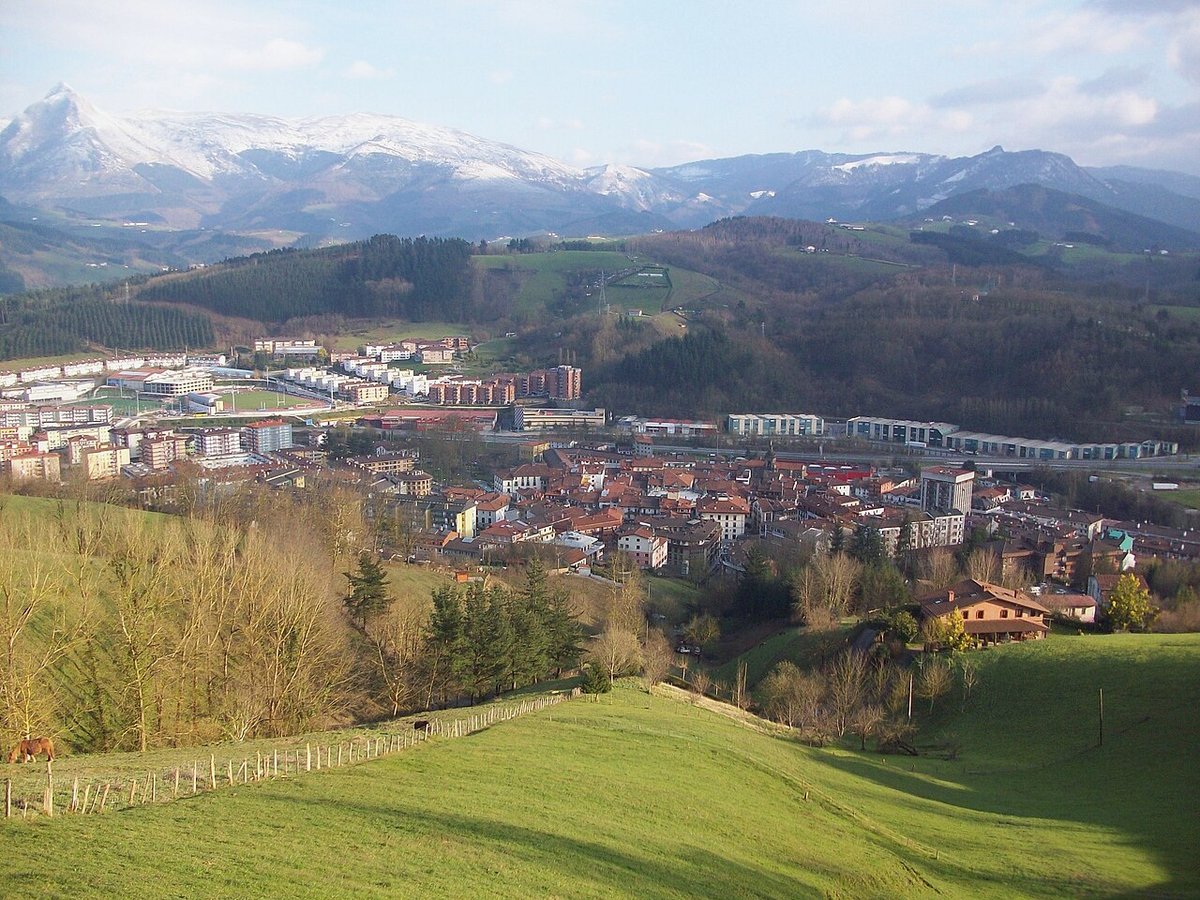
Deep green, farmhouses, nearby mountains with trails and viewpoints.
Ocultar artículo Leer artículo completo
The church bell strikes eleven, and nobody hurries. Not the elderly man adjusting his beret outside the stone farmhouse, nor the woman sweeping her balcony forty years after the last passer-by disappeared from view. In Arama, time moves at the pace of grazing cattle, not ticking clocks. This diminutive Basque settlement—barely 80 homes scattered across a ridge—makes no apology for being exactly what it is: a place where the landscape does the talking and visitors must learn to listen.
Stone, Wood and the Sound of Silence
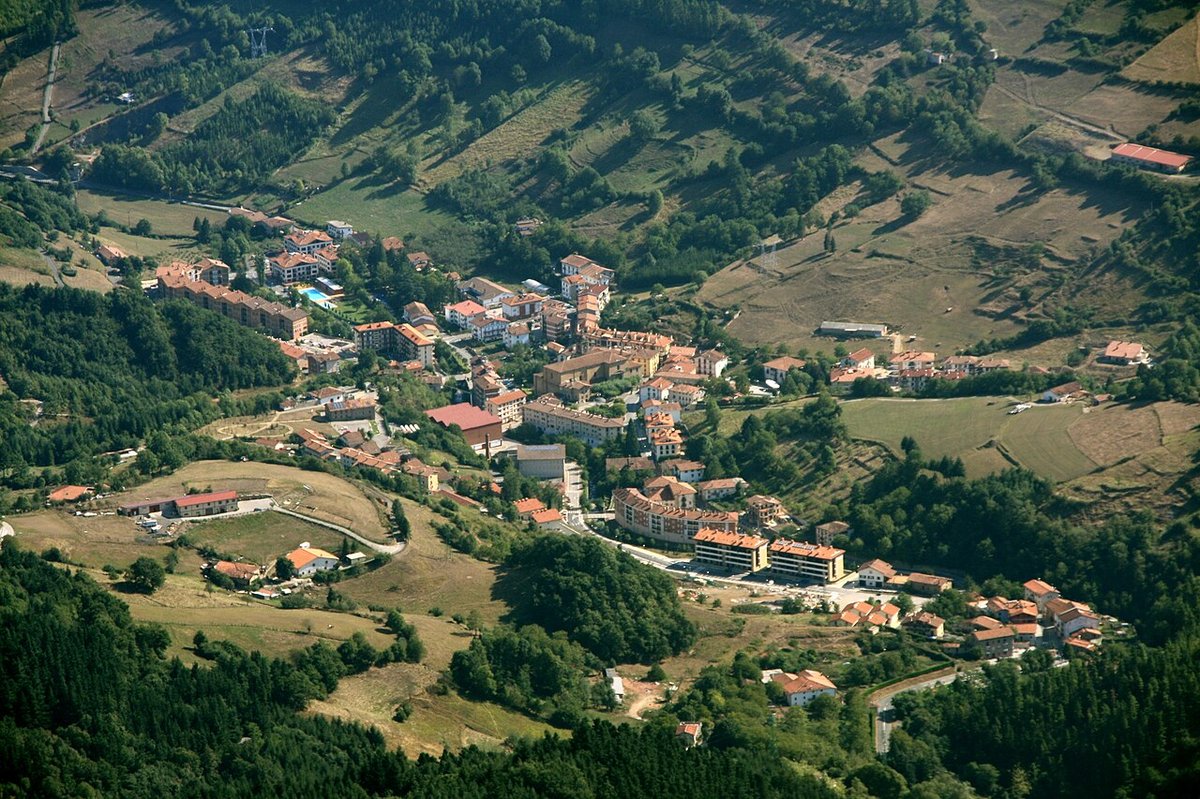
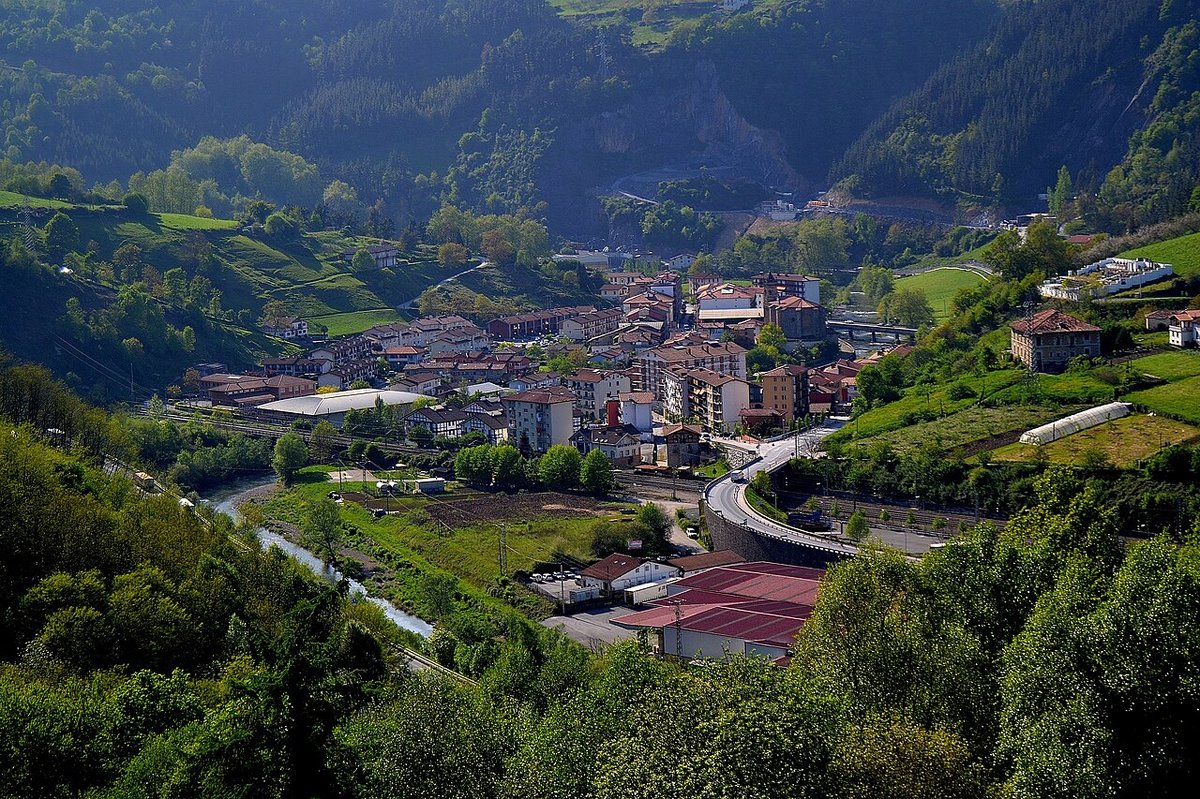
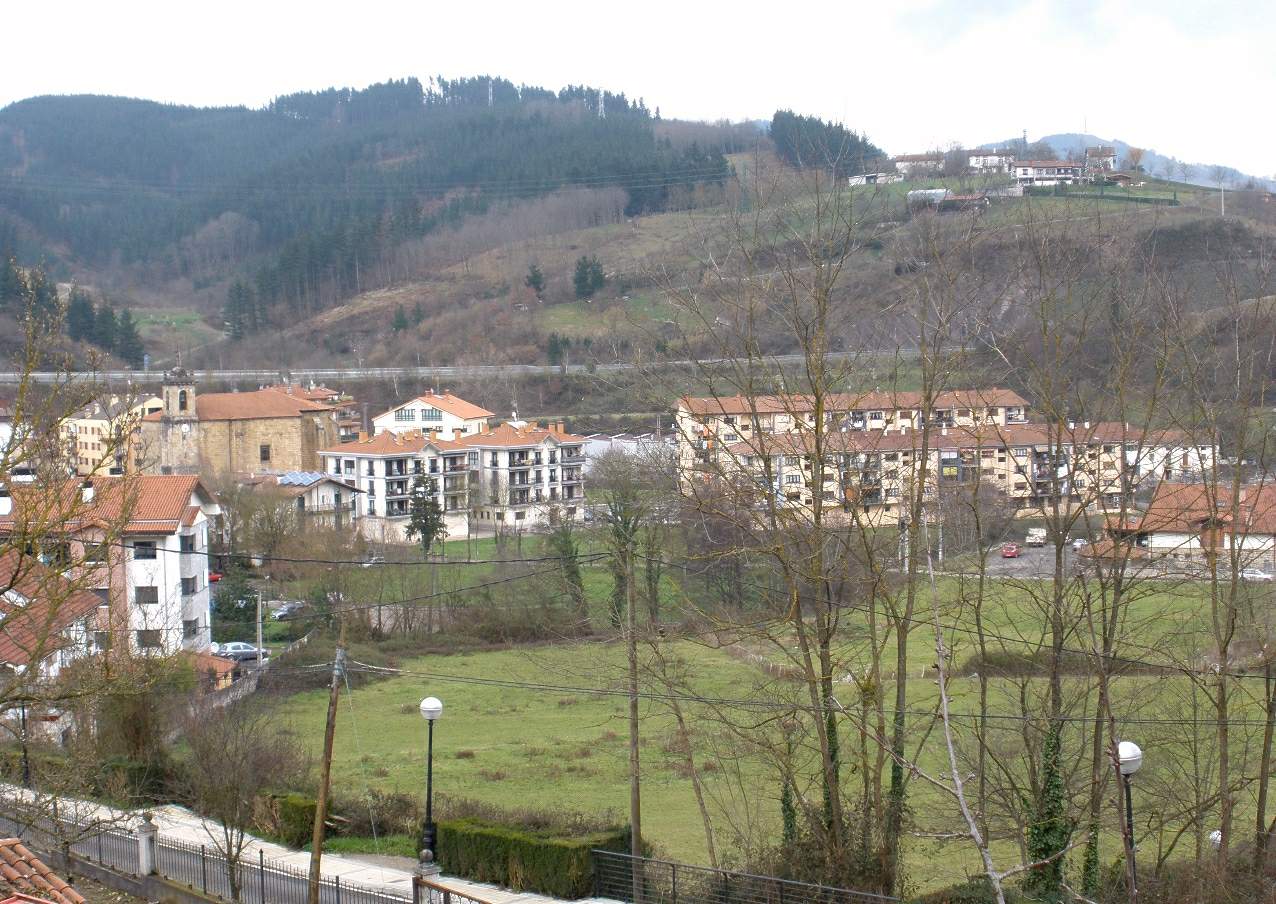
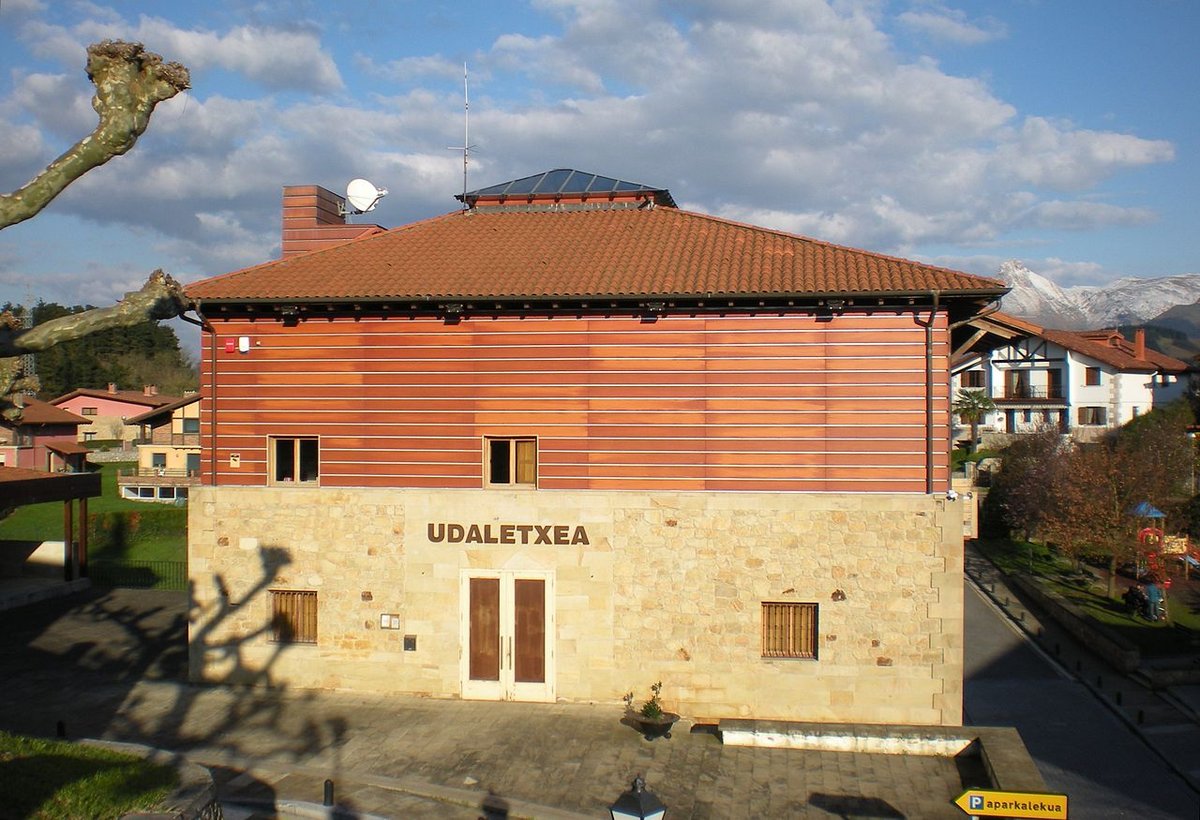
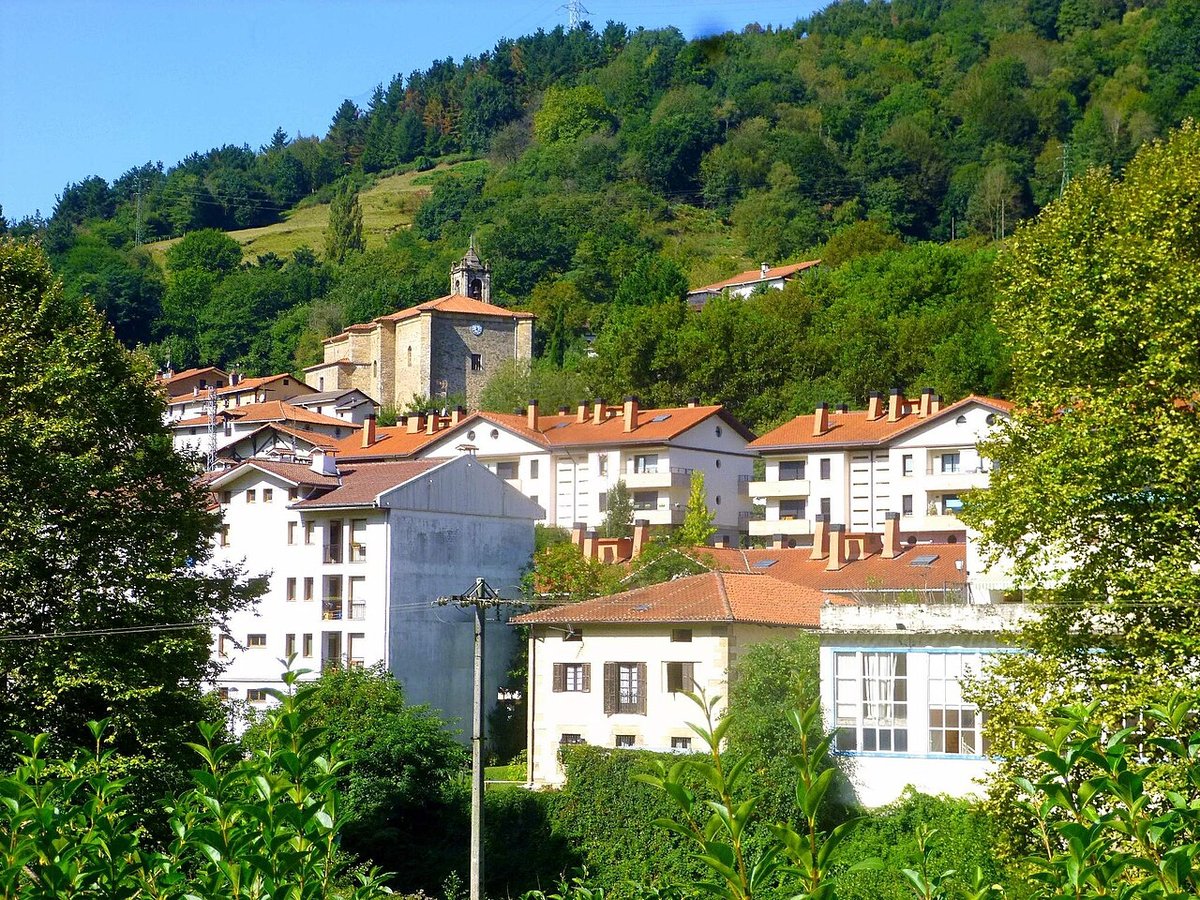
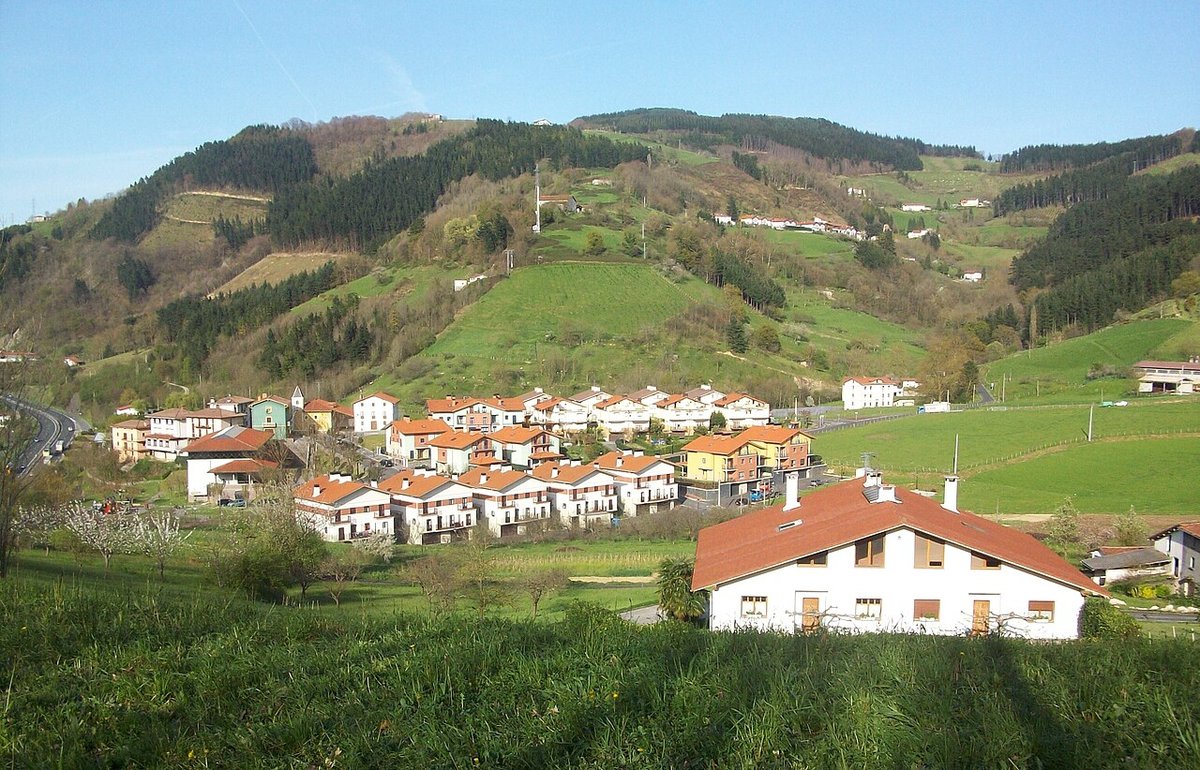
Arama sits 450 metres above sea level in Goierri, the southernmost corner of Gipuzkoa province. From the single-lane approach road it looks almost accidental: stone houses shoulder-to-shoulder, red-tiled roofs sagging like well-worn books, everything angled toward the patchwork meadows that slide downhill toward the Oria valley. There is no dramatic plaza, no medieval gateway, no Instagram-ready viewpoint. Instead, the village reveals itself in textures: hand-hewn limestone warm to the touch, balcony rails polished by generations of forearms, wood-smoke curling from chimneys even in June.
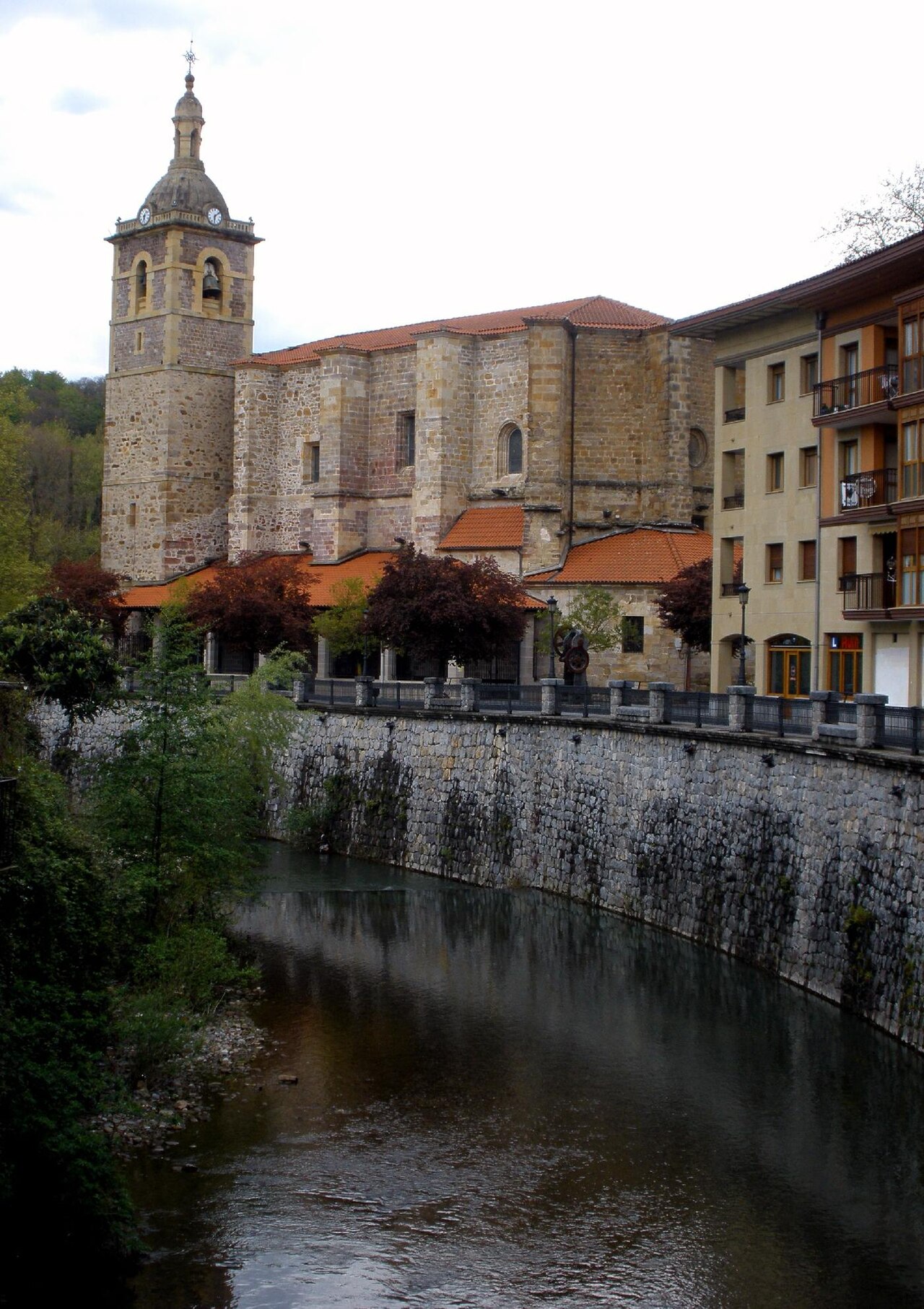
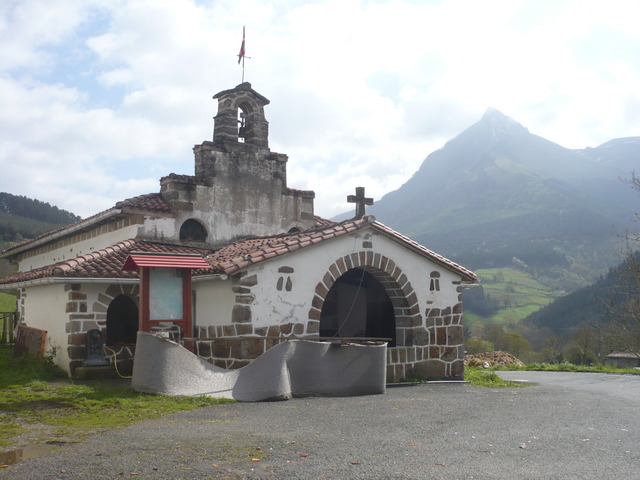
Start at the parish church, the only structure tall enough to cast a shadow across the lanes. Built in the late sixteenth century and patched rather than restored ever since, it serves less as a monument than as a compass point. From its single bell tower, three streets radiate; take any one and within three minutes you'll be among barns and vegetable plots. Half-timbered caseríos bear names carved above the door—Zubialde, Aranburu, Goikoetxe—each a family ledger written in stone. Peer through the gateway of a working farm and you'll see a tractor the size of a small hatchback parked beside hay bales shrink-wrapped in white plastic: tradition and efficiency sharing the same yard.
Walking without a Goal
The real map of Arama is not printed but felt underfoot. A lattice of farm tracks links the village to its neighbours—Amezcoa to the west, Gabiria to the east—wandering across meadows kept emerald by Atlantic drizzle. Signposts are sporadic; occasionally a yellow arrow painted by some long-forgotten hiking club points confidently into a hedgerow, then vanishes. Locals navigate by topography: follow the crest until the beech copse, drop to the spring, contour round the limestone outcrop. Visitors should download a GPX file before leaving Wi-Fi behind, or simply adopt the Basque philosophy of "irten eta ikusi"—go out and see.
Spring brings the kindest walking weather. From late March until mid-May the grass grows faster than footsteps, cowslips dot the verges and skylarks spill song into the thin air. A gentle circuit south-east toward Ataun takes ninety minutes, rising only 150 m through alternating pasture and young oak. Buzzards wheel overhead; every gate offers a bench view of the Aiako Harria massif, its grey spine marking the border with Navarre. Autumn is equally generous, turning the hedgerows scarlet with hawthorn berries and filling pockets with sweet chestnuts that crunch under boot soles. Summer can feel close—temperatures breach 30 °C on windless afternoons—so start early or choose the shaded lane north to Urrechu where a stone trough dribbles icy water year-round. Winter is for the determined: daylight shrinks to nine hours, Atlantic fronts slither over the Cantabrians, and paths turn greasy. Still, on a bright December morning frost feathers every blade of grass and the air tastes sharp as cider.
What You'll Eat—If You're Lucky
Arama itself has no restaurant, no pintxo bars, not even a bakery. Provisioning is strictly neighbour-to-neighbour: ring the bell at a house displaying a hand-written "Queso" sign and you might walk away with a palm-sized wheel of raw-milk Idiazabal, smoked over beech and wrapped in grease-proof paper. Prices hover around €18 a kilo, payable in cash slipped into an honesty box. During the first weekend of October the village hosts a modest cheese and honey fair; locals lay out trestle tables beside the church and sell until stocks run dry, usually by noon. For anything more formal drive ten minutes to Ordizia, whose Wednesday market has filled the same plaza since 1512. There you can buy chistorra sausage, still warm from the grill, or queue at Casa Guardia for cod-stuffed peppers served on dented tin plates.
Getting There, Staying Aware
Public transport reaches the edge of Goierri but not the village itself. Buses from San Sebastián or Bilbao stop at Zumarraga, 18 km away; from there a twice-daily local service meanders through Beasain and Ordizia before terminating in Ataun. The final leg to Arama requires persuading a taxi at the rank beside the Mondragón co-operative headquarters—budget €25—or hitching, still common and generally safe. Drivers usually expect a token couple of euros.
By car, leave the A-1 at Beasain and follow the GI-2639 south. The last 5 km twist like a dropped ribbon; meet oncoming livestock trailers with courtesy—pull into the widened passing places and flash hazards in thanks. Parking inside the village is limited to a triangular patch of gravel below the frontón court; on festival days arrive before ten or prepare to reverse 400 m to the nearest lay-by.
Accommodation is thin on the ground. Three caseríos offer rooms under the local "Agroturismo" scheme, prices from €70 including breakfast of home-made mamia (curd cheese) and cherry jam. Expect thick stone walls, wood-burning stoves and Wi-Fi that flickers whenever the wind shifts. One property has installed under-floor heating; the others provide hot-water bottles and extra blankets—ask when booking if January visits appeal.
The Honest Verdict
Arama will never make anyone's bucket list, and that is precisely its virtue. Come expecting cathedrals or cocktail lists and you'll leave within the hour. Come prepared to walk without urgency, to greet strangers in a language you barely speak, to measure the day by the angle of sunlight across a meadow, and the village starts to make sense. The risk lies in romanticising the silence: farming life here is hard, incomes modest, young people still drift toward city lights. Yet for travellers willing to abandon check-box tourism, Arama offers something rarer than monuments—an uncalibrated sense of time, measured out in church bells, grazing bells and the slow rotation of clouds across the Cantabrian sky.