Full Article
about Ataun
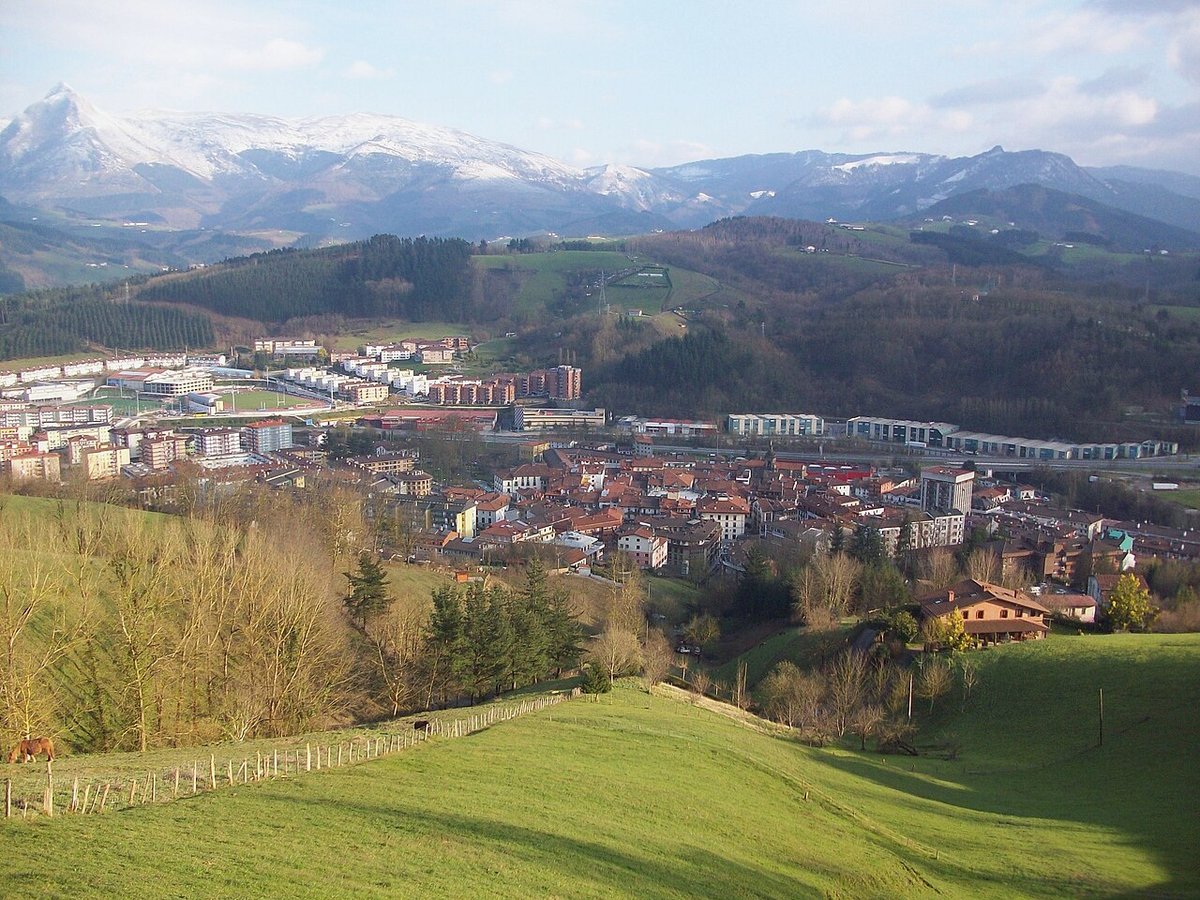
Deep green, farmhouses and nearby mountains with trails and viewpoints.
Hide article Read full article
Ataun es tres pueblos en uno, y ninguno tiene plaza mayor
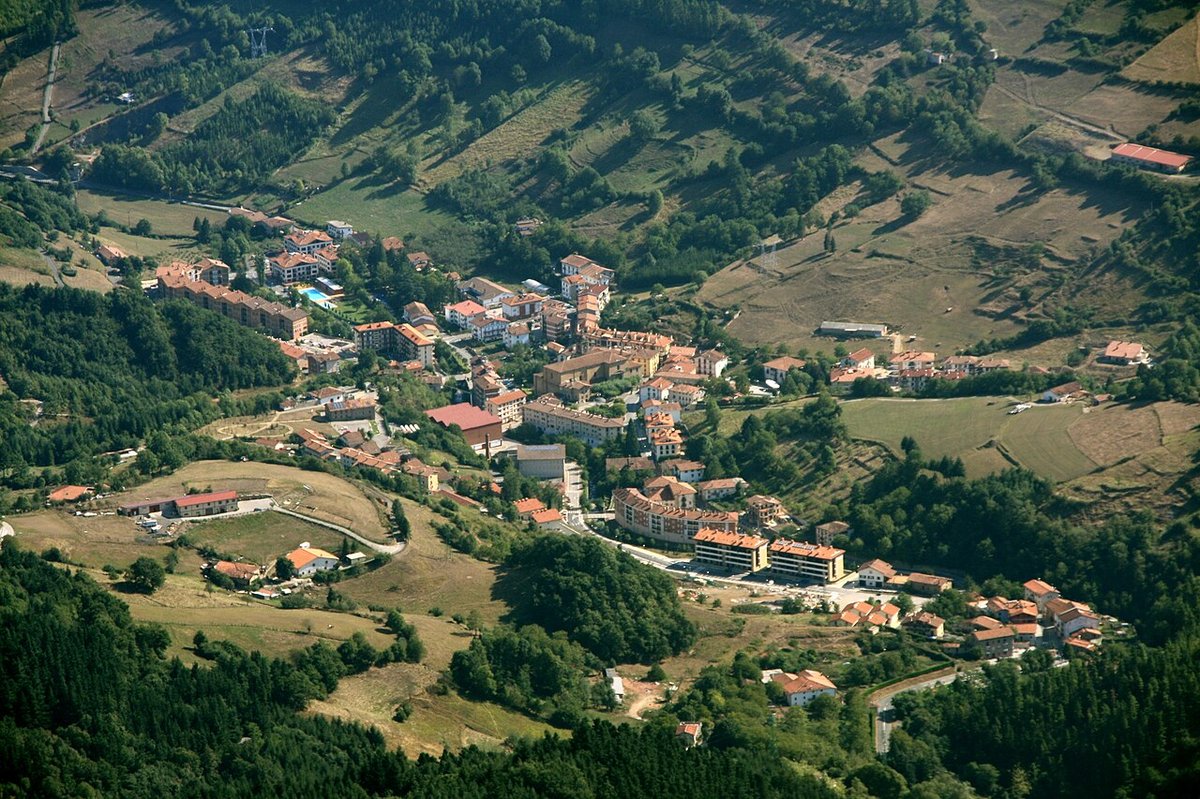
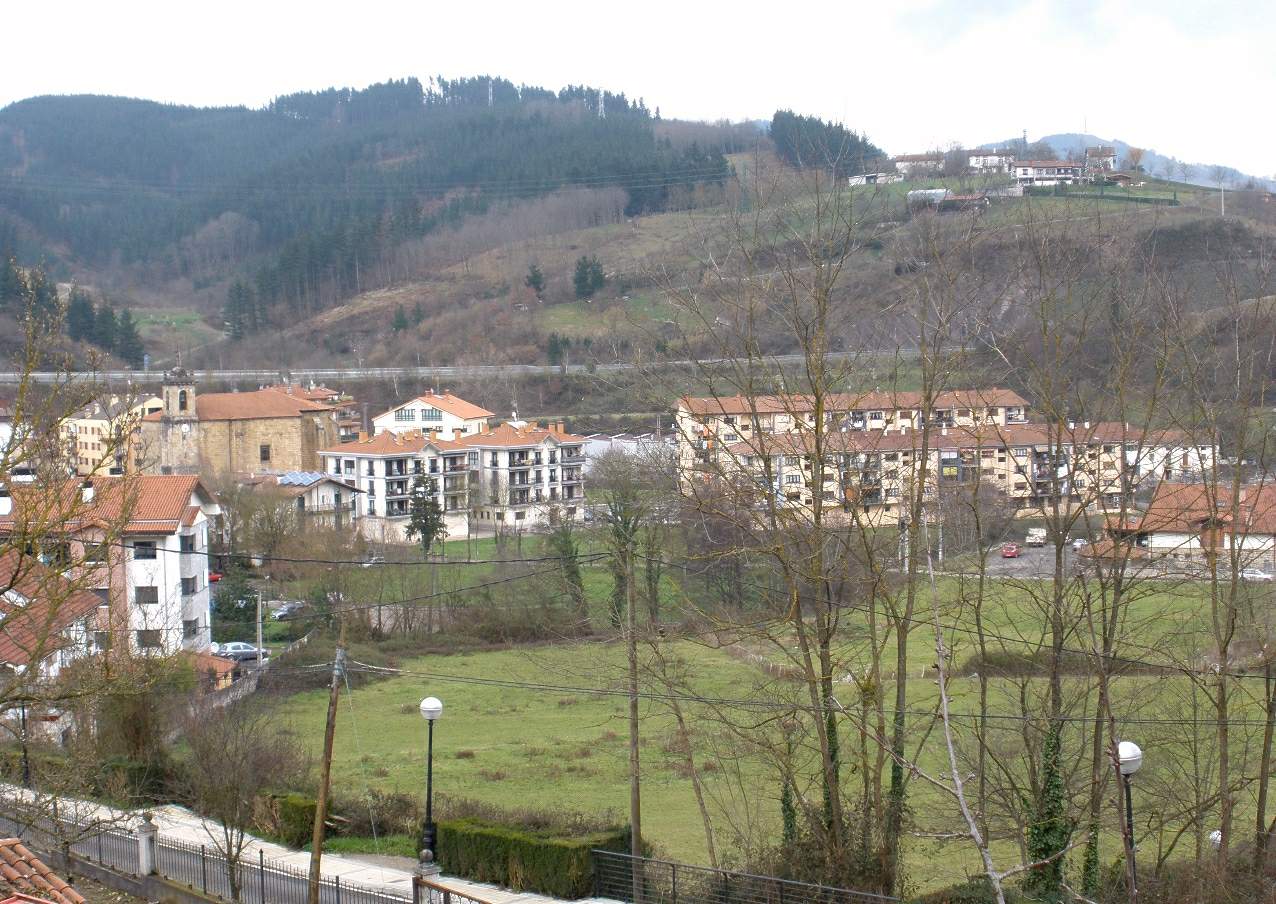
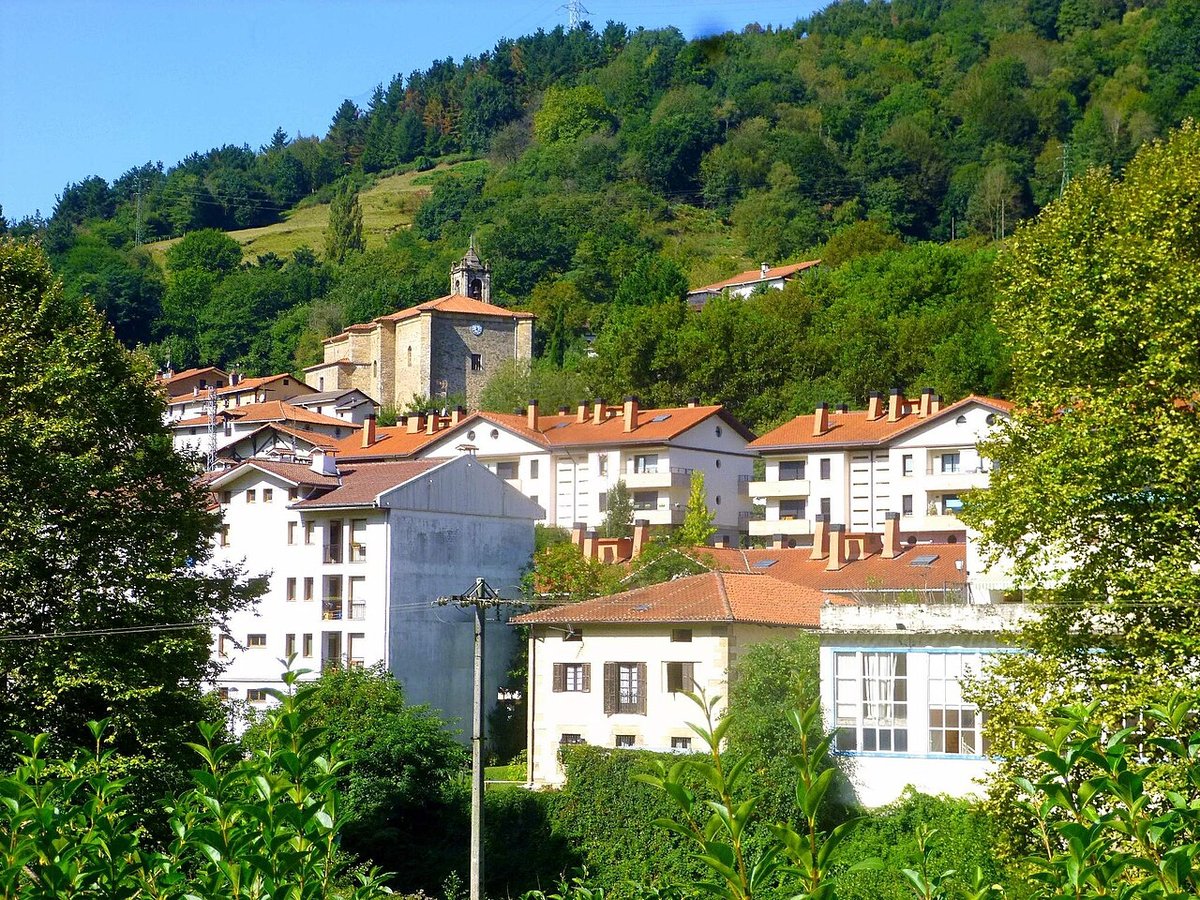
Llegas a Ataun con la idea de pueblo en la cabeza: un núcleo, una calle principal, una iglesia. Lo que te encuentras es otra cosa. Es como si alguien hubiera tomado un puñado de caseríos y los hubiera lanzado por una ladera verde, dejando que rodaran y se agruparan donde quisieran. El resultado son tres barrios—Aia, San Gregorio, Altzate—conectados por una carretera que sube y baja como una montaña rusa suave. No vengas buscando un centro histórico; aquí el centro es el valle entero.
La vida gira en torno al caserío, de una manera que no es decorativa. Ves tractores aparcados junto a la carretera, ovejas pastando a veinte metros de una casa y huertos que parecen el jardín de alguien. Esto no es un escenario; es el día a día. Sabes que estás en el Goierri de verdad cuando tienes que frenar el coche para dejar pasar a unas vacas.
Cómo moverse por un pueblo disperso
Olvídate del paseo desde el aparcamiento. Para entender Ataun hay que aceptar que vas a necesitar el coche, o unas piernas con buen fondo. Los barrios están separados por distancia y desnivel. Conducir por aquí es parte de la visita: tomas una curva y aparece un grupo de casas con su frontón; subes un poco más y hay una iglesia solitaria con un par de caseríos como únicos vecinos.
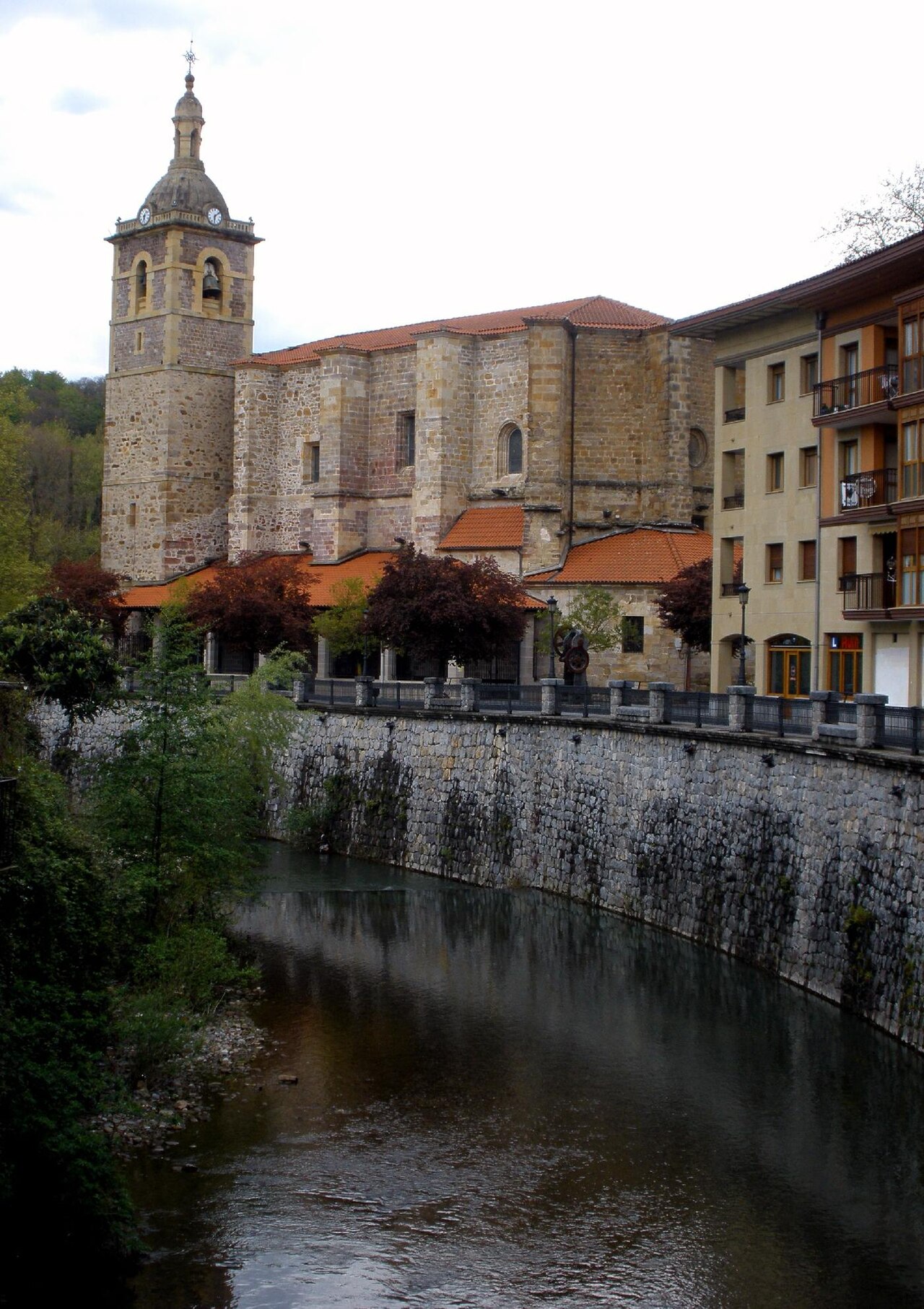
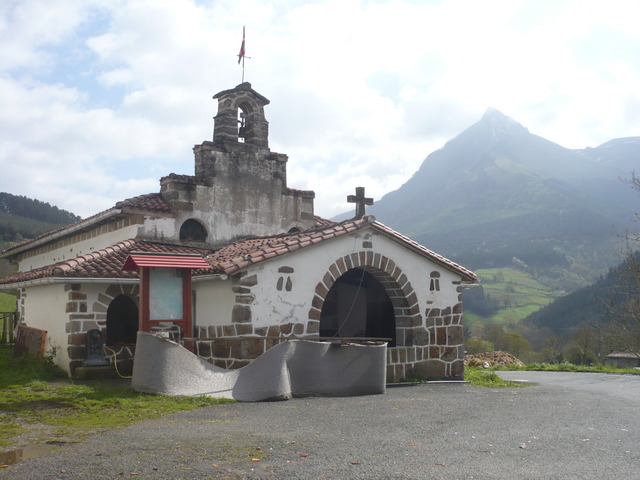
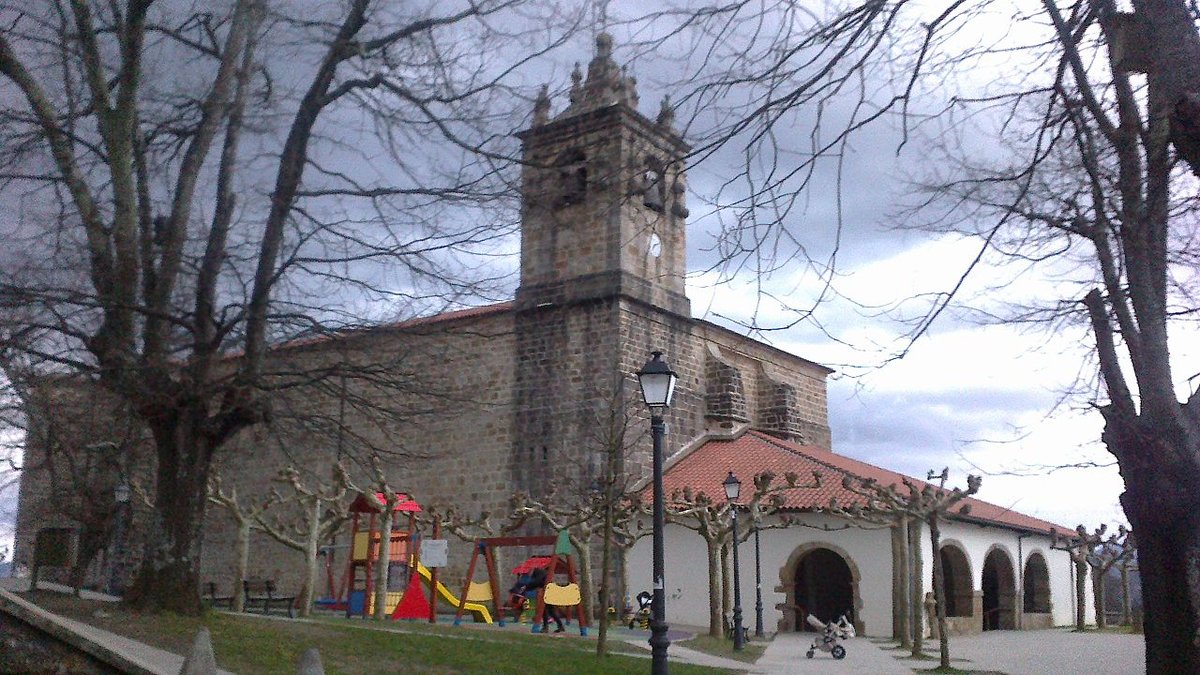
La iglesia de San Gregorio suele ser el punto de referencia mental, más que nada porque está en medio del triángulo que forman los barrios. Es útil para orientarte, pero no es un monumento espectacular. Es como la bisagra práctica entre las distintas partes del pueblo.
Si paras el coche y te alejas unos cientos de metros de la carretera, el silencio llega rápido. Solo se oyen cencerros y el viento en las hayas. Esa es la transición natural hacia el Parque Natural de Aralar, que está literalmente al lado. Las pistas forestales empiezan casi sin darte cuenta.
Senderos con barro (y vistas)
Aquí no hay paseos fluviales con barandilla. Salir a caminar por Ataun significa encontrarte con senderos de verdad: tierra, piedra y, si ha llovido—que suele ser lo normal—, bastante barro. Unas botillas decentes no son una sugerencia, son obligatorias.
Las rutas serias se adentran en Aralar, pero incluso un paseo corto desde cualquiera de los barrios te regala vistas sobre el valle. Lo mejor suele ser aparcar en algún cruce y seguir la pista que parezca más usada por los tractores. Esa casi siempre te lleva a un punto donde ves la sucesión de prados, bosques y la mole gris de la sierra al fondo. No hay mirador señalizado, pero los hay a cada paso.
Barandiaran no es solo un nombre en una placa
En Ataun nació José Miguel de Barandiaran, y se nota. No es solo que haya un museo pequeño dedicado a su trabajo (lo hay), es que su figura le da una capa extra al paisaje. Este señor pasó su vida recogiendo leyendas vascas sobre genios, lamias y cuevas. Cuando estás rodeado por estos bosques tan cerrados y estas laderas tan empinadas, entiendes perfectamente dónde nacieron esas historias.
El museo es modesto, pero sirve para poner contexto. Te explica por qué estas montañas no son solo montañas para la gente de aquí.
Queso Idiazabal hecho aquí al lado
Estás en la comarca del Idiazabal. Eso no es una etiqueta turística; lo hueles y lo ves. Hay caseríos que producen su propio queso y lo venden directamente. No esperes una gran tienda con cartel luminoso; a veces es cuestión de preguntar o ver un letrero discreto en la entrada de una granja.
La comida por aquí va en la misma línea: directa. Cordero, alubias rojas, setas en temporada y ese queso ahumado que sabe a hierba seca y humedad del bosque. No busques platos reinventados; busca lo que llevan décadas haciendo.
Mi manera de verlo: venir sin prisa ni lista
Ataun no es un pueblo para "ver" en dos horas. Funciona mejor como base tranquila para explorar Aralar o como excusa para conducir por uno de los valles más auténticos del Goierri sin aglomeraciones.
Mi consejo sería este: ven con coche, recorre los tres barrios sin miedo a perderte (la carretera principal siempre te reubica), para donde veas una pista que entre al monte y date un paseo corto. Después, busca algo local para comer o comprar directamente del productor.
No te llevarás la foto icónica del pueblo perfecto. Te llevarás la sensación clara de cómo funciona la vida rural vasca cuando nadie está mirando