Full Article
about Beasain
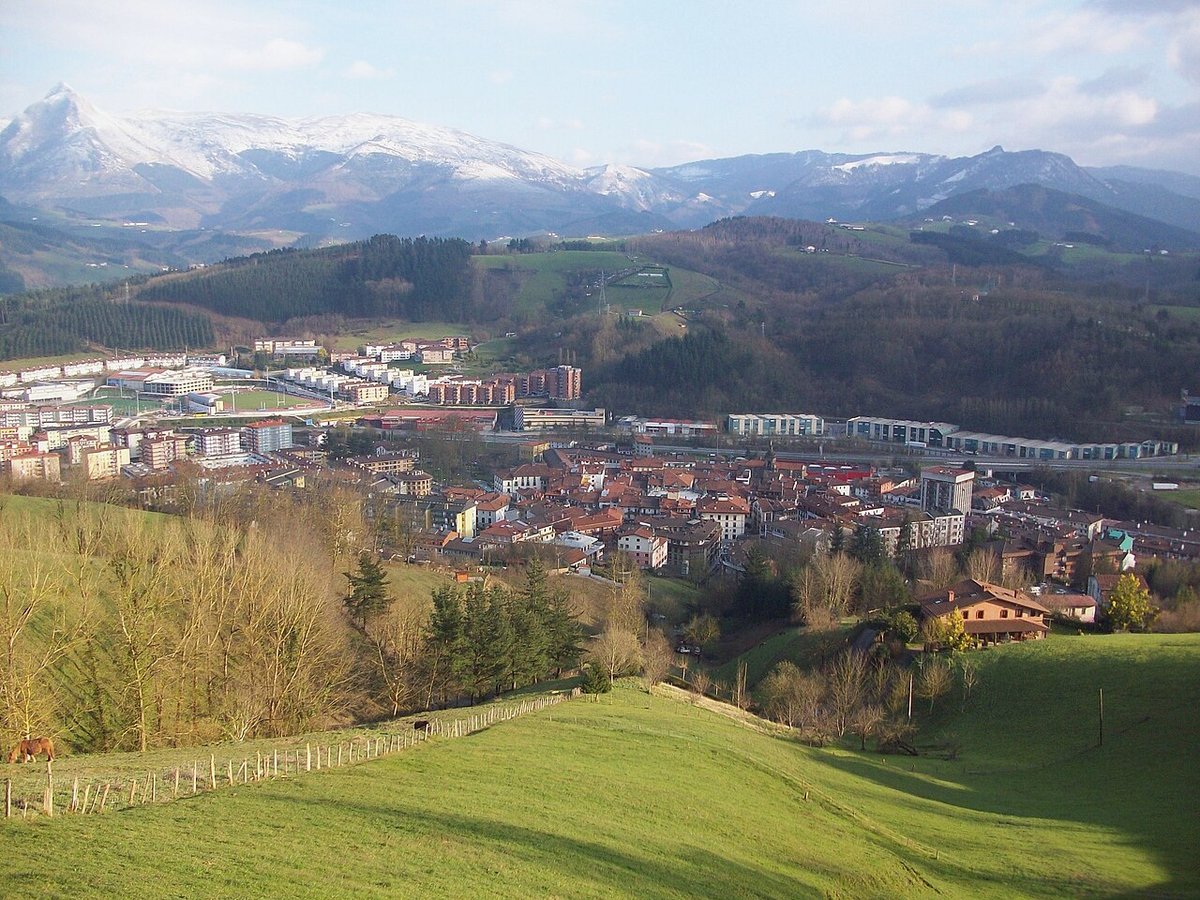
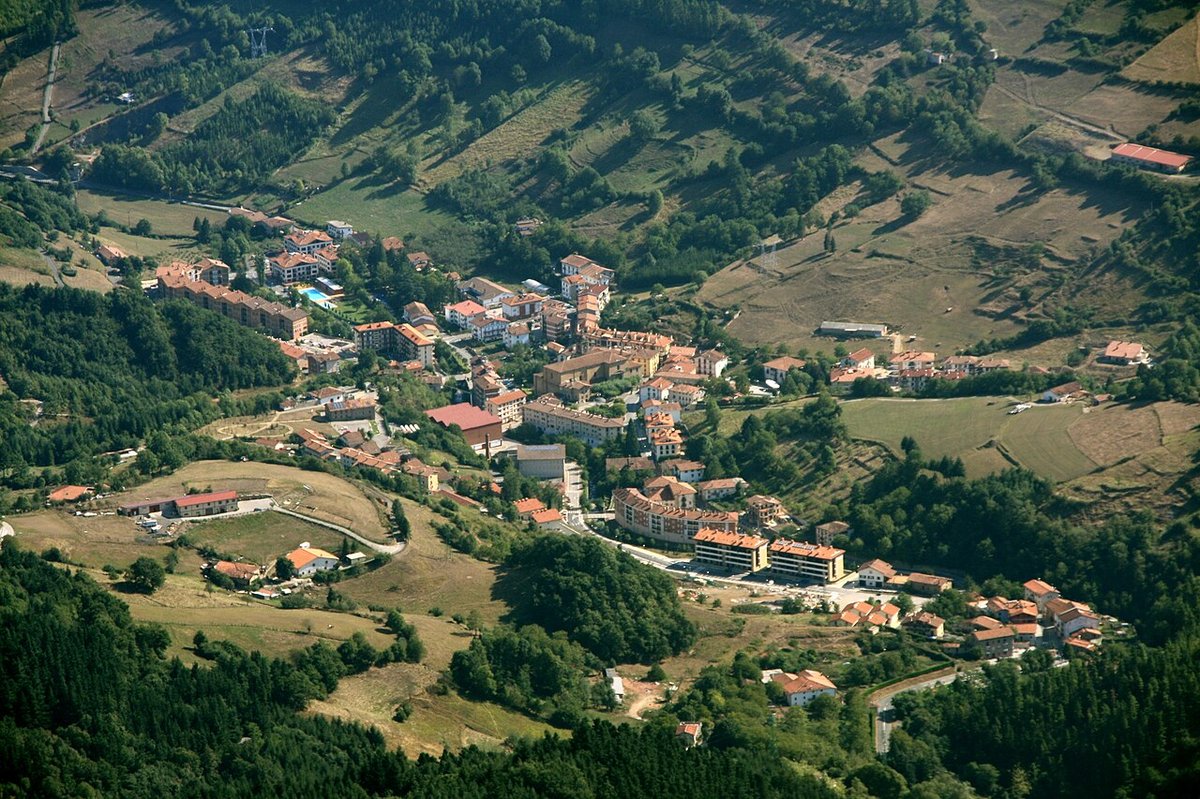
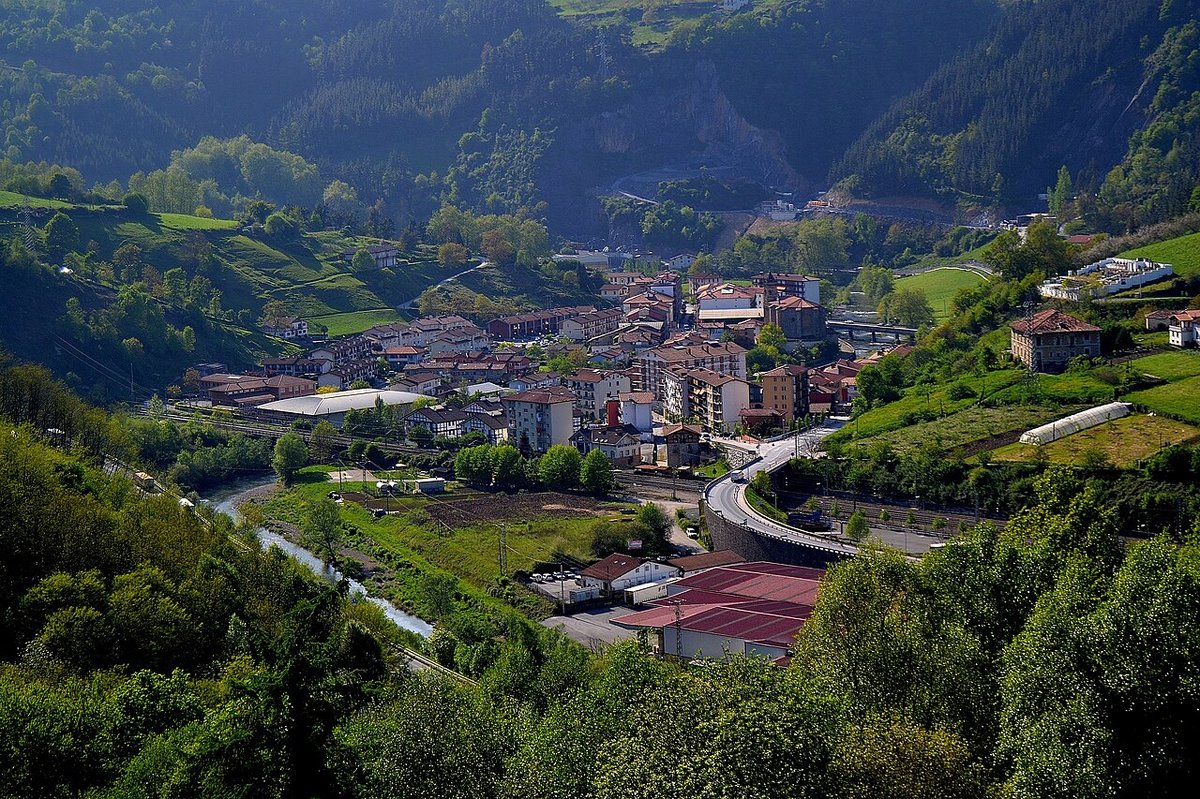
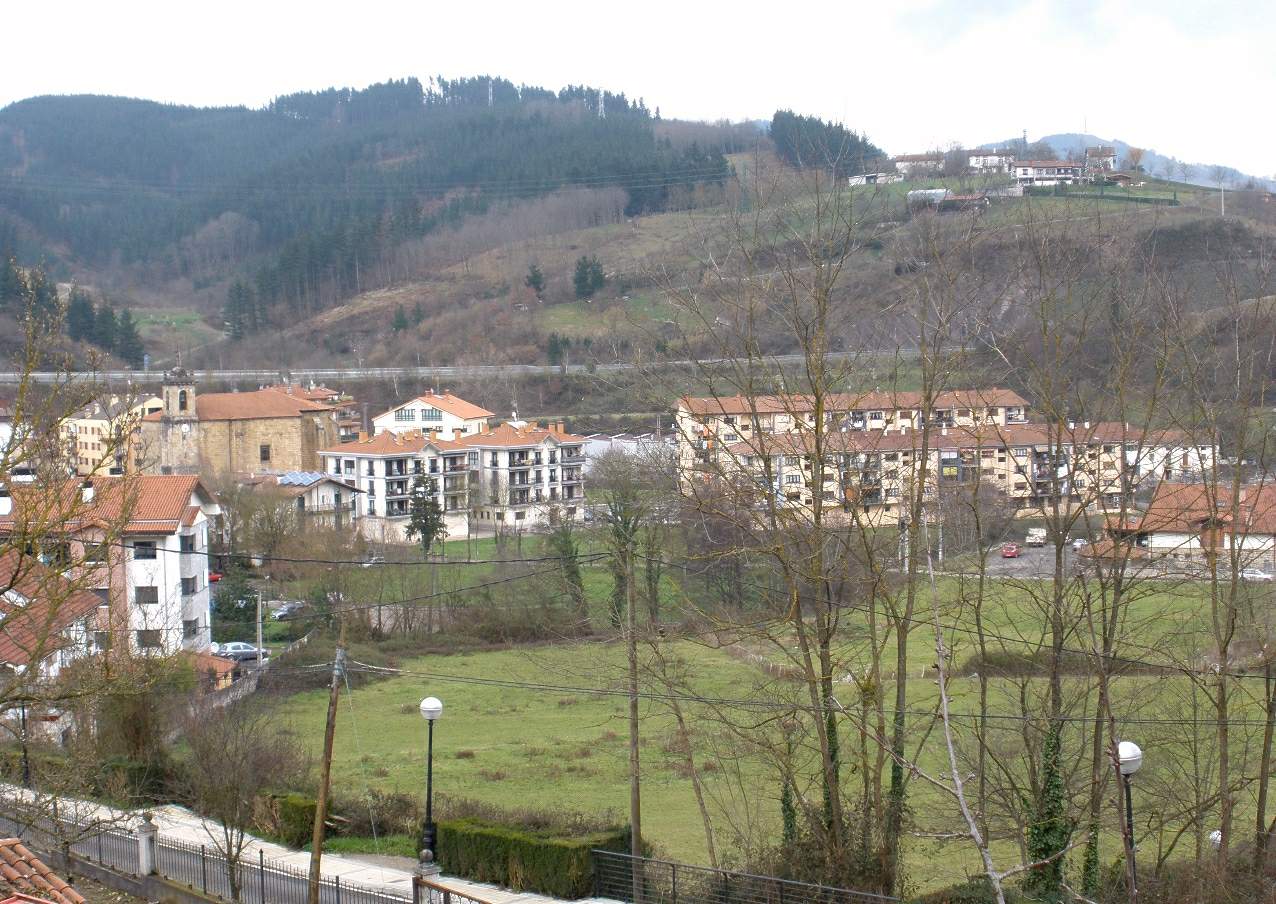
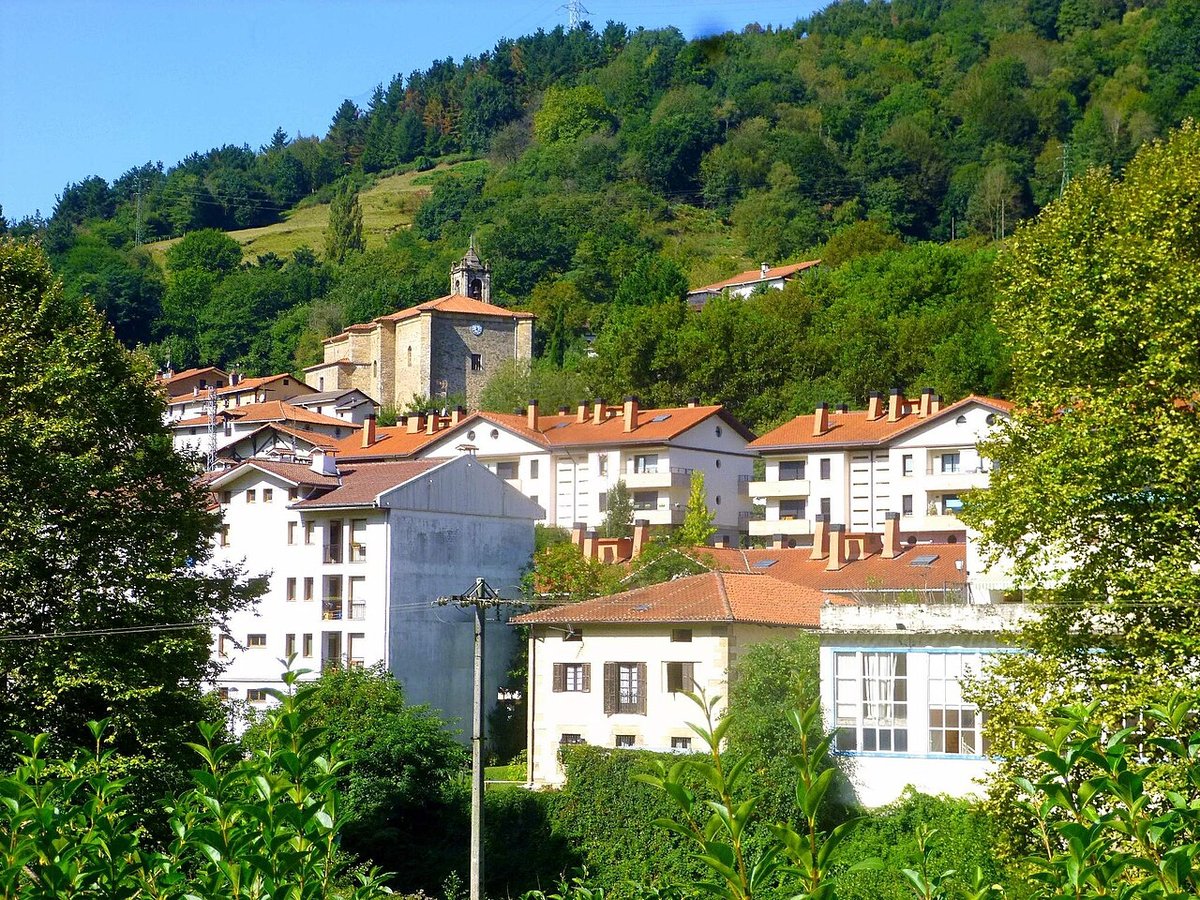
Deep green, farmhouses and nearby mountains with trails and lookout points.
Hide article Read full article
First impressions: iron, work and txistorra
Tourism in Beasain doesn't start with a view. It starts with a smell. Hot metal, factory air, and if you're lucky, the fat from a grilling txistorra hitting the coals. Come off the A-1 and that's the feeling you get: a town that's getting on with it. Like a neighbour who leaves for the 6 AM shift and comes home with oil under their nails.
This isn't pretty in the classic sense. It's not set-dressed for your Instagram grid. What it has is something a lot of polished towns have sanded off: grit. Shops that look used, workshops that actually hum, streets that belong to people who are here because they live here, not because they're visiting.
The Saturday when maize is the main event
The first Saturday of every month changes the rhythm. The San Martín de Loinaz market fills the plaza with producers who look at you directly. It has the energy of a Black Friday sale, but Basque-style—loud, focused, without the panic.
Get there mid-morning and you'll probably stay longer than you meant to. The star is the talo, a simple disc of maize dough handed over in brown paper, hot enough to leave grease spots. It looks basic, like street food, but there's a whole chain of work behind it. The maize is ground at the Igartza hydraulic mill by people who've been doing it for decades; counting the years seems pointless.
There's an unspoken ritual to eating it. Nobody gives you instructions, but you figure it out: don't rush. Step to the side, unwrap it, pick your spot. If you walk and eat, it's gone in three bites. If you sit on a low wall and watch the baserritarras—the women from the farmhouses—argue over cabbage prices or cheese wheels, time just sort of stretches out. You stop shopping and start just being there, while the town does its weekly trade with the countryside.
Igartza: where history isn't locked behind glass
Igartza gives you that feeling of weight before you even know its story. The complex sits by the Oria river, held down by a big palace built from wood and stone. A wooden gallery cuts across the courtyard like an indoor bridge—it’s the kind of detail that sticks in your head.
The place’s reputation comes from everything together: palace, mill, forge, bridge. They tell you how the river dictated work and life here. Walk into the palace hall and there’s a surprise waiting: ship paintings drawn right onto the wooden walls. They aren't framed art; they're on the surface itself, layered with centuries and stained by old fireplace smoke. It feels like finding a note left behind, a quiet "we were here" from another time.
The hydraulic mill still turns sometimes. When it does, everything makes sense. Water from the Oria spins wheels; those wheels turn labour into flour into metal into motion back then shaped this whole area in 19th century industrial boom times . It’s no accident one of Spain’s big railway factories started here . Once you see it working ,the link between river ,industry ,and town clicks into place .
The path everyone walks past
A path leads away from Igartza ,following what was once a main artery between this peninsula and Europe .Long before motorways ,merchants rolled carts along here headed for France .
An old wayside cross still stands guard where travellers passed .These days ,the people walking through are often pilgrims on an inland branch of Camino de Santiago crossing Gipuzkoa .It’s quieter than market square downriver rustling beside you giving off that deep-time vibe of route used forever .
Walk short stretch along this trail small moments happen once two Japanese pilgrims greeted everyone they passed with careful “kaixo” Basque hello reason sits local history Beasain birthplace Martín de la Ascensión sixteenth-century friar who died Japan venerated there some visitors come see where he started for minute industrial Gipuzkoa town becomes stop story reaches all way Nagasaki .
Not Donostia (and that’s okay)
Beasain sits less than half hour from Donostia but plays completely different game That difference part draw Parking straightforward atmosphere belongs working town Workshops doors open old-school shops keep routines groups head dinner after shift No queues for photos no terraces built quick tourist turnover .
On first Saturday month balance tips Cars arrive from across Gipuzkoa for market many leave boots full cheese veg cured meat from caserío traditional farmhouse Outside that day rhythm settles back usual pattern .
Simple plan works best here Aim mid-morning on market day Eat talo plaza take time walk Igartza follow old merchants path short stretch by river By time lunch rolls around essentials have shown themselves .
Beasain doesn’t try impress doesn’t need to Town works shows That straightforward character what sticks with after leave along sense having seen place still close itself