Full Article
about Gabiria (Gaviria)
Deep green, farmhouses and nearby mountains with trails and viewpoints.
Hide article Read full article
Gabiria en la ladera
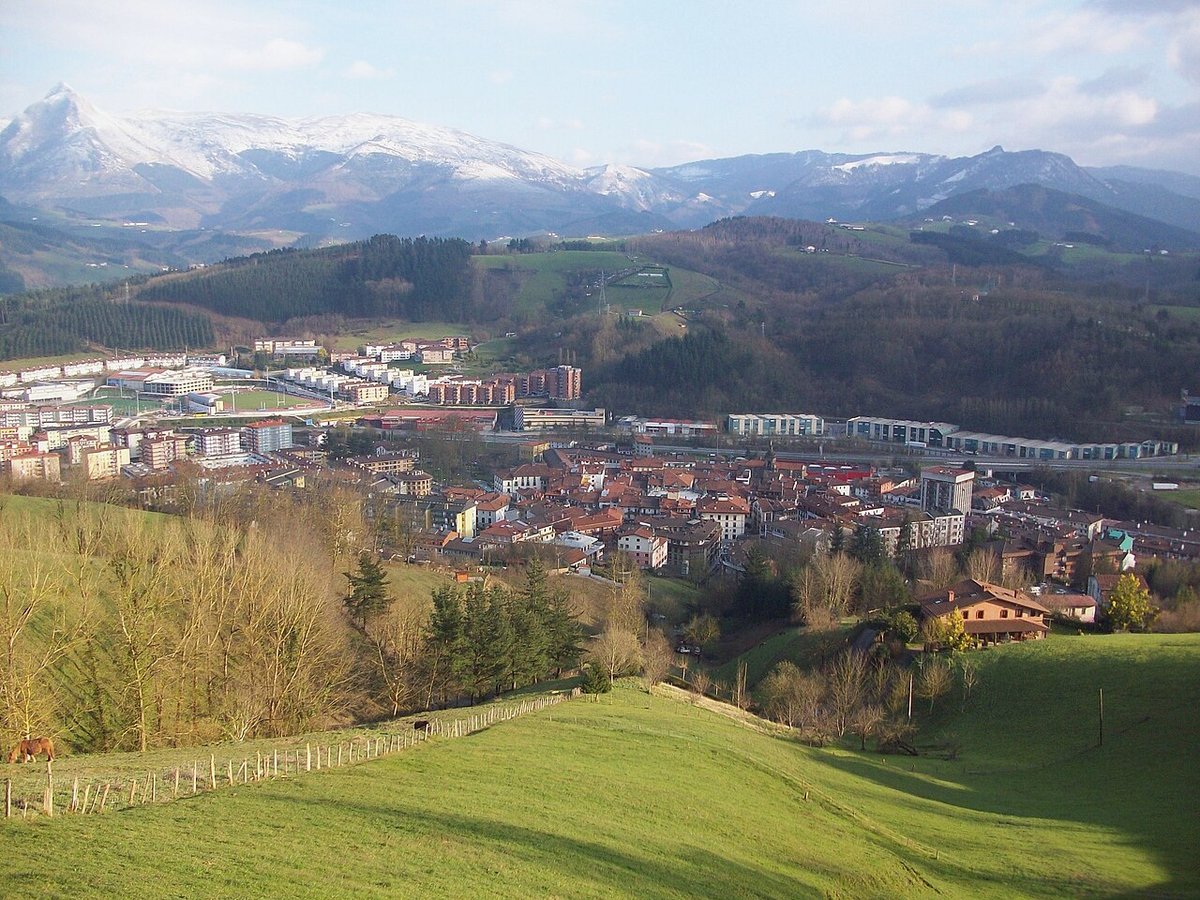
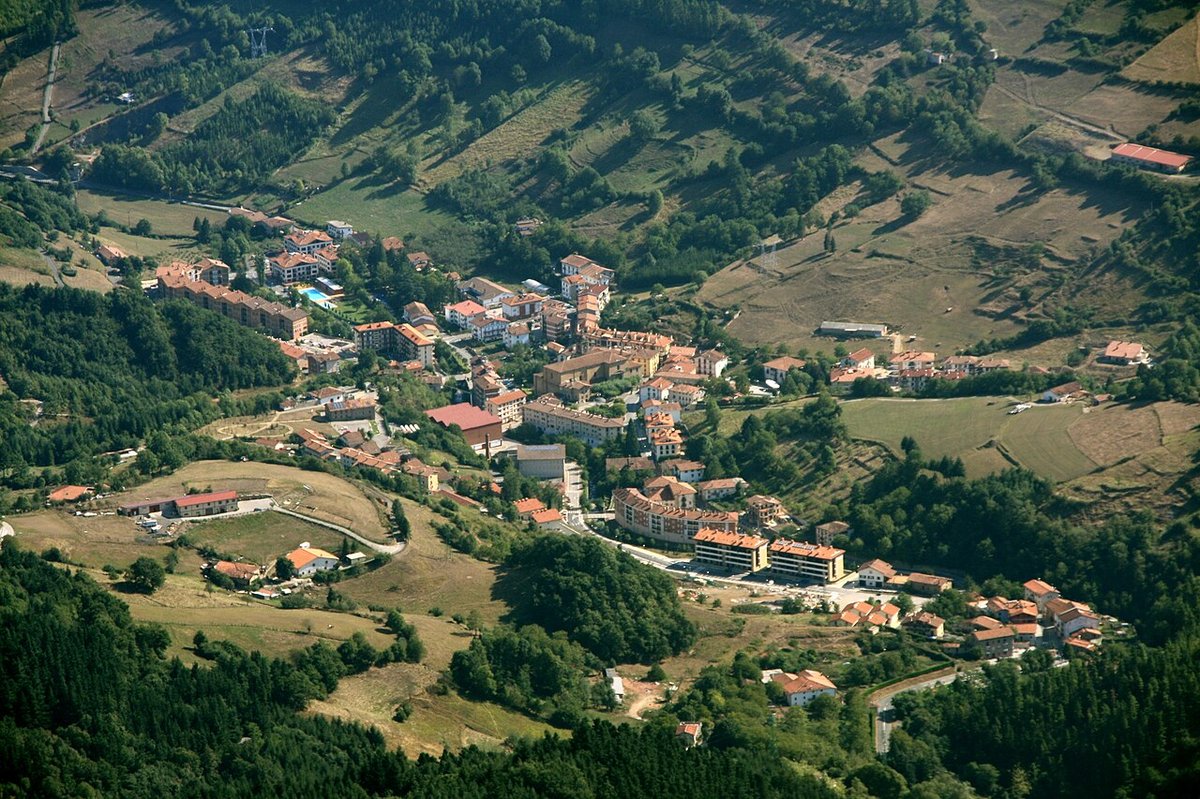
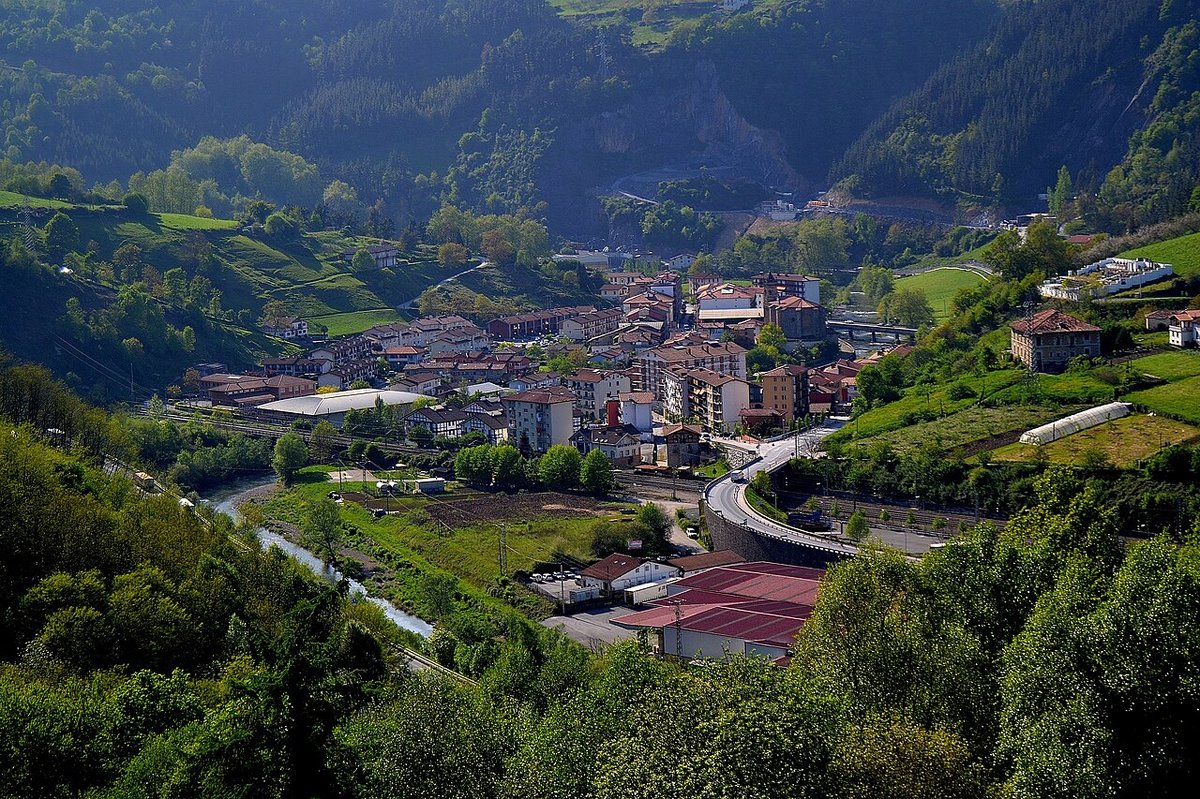
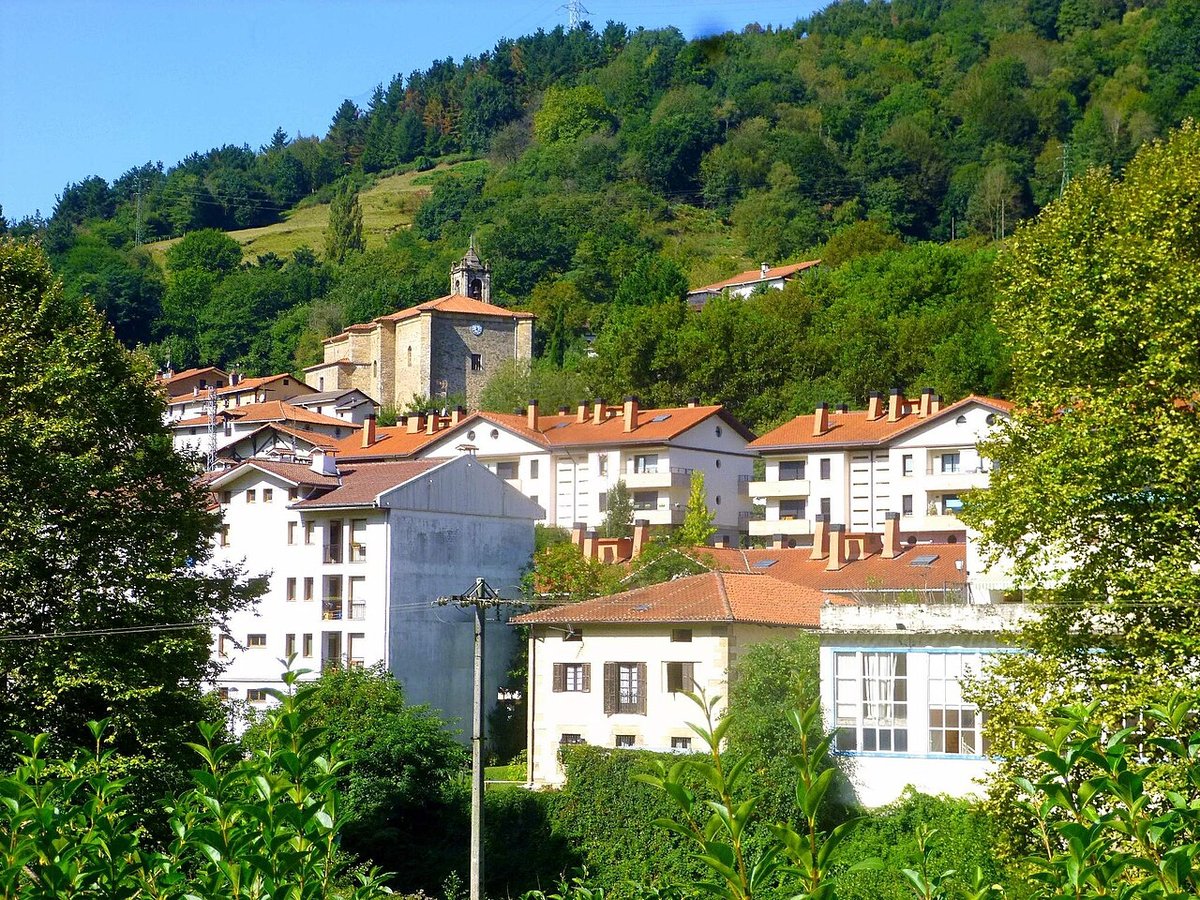
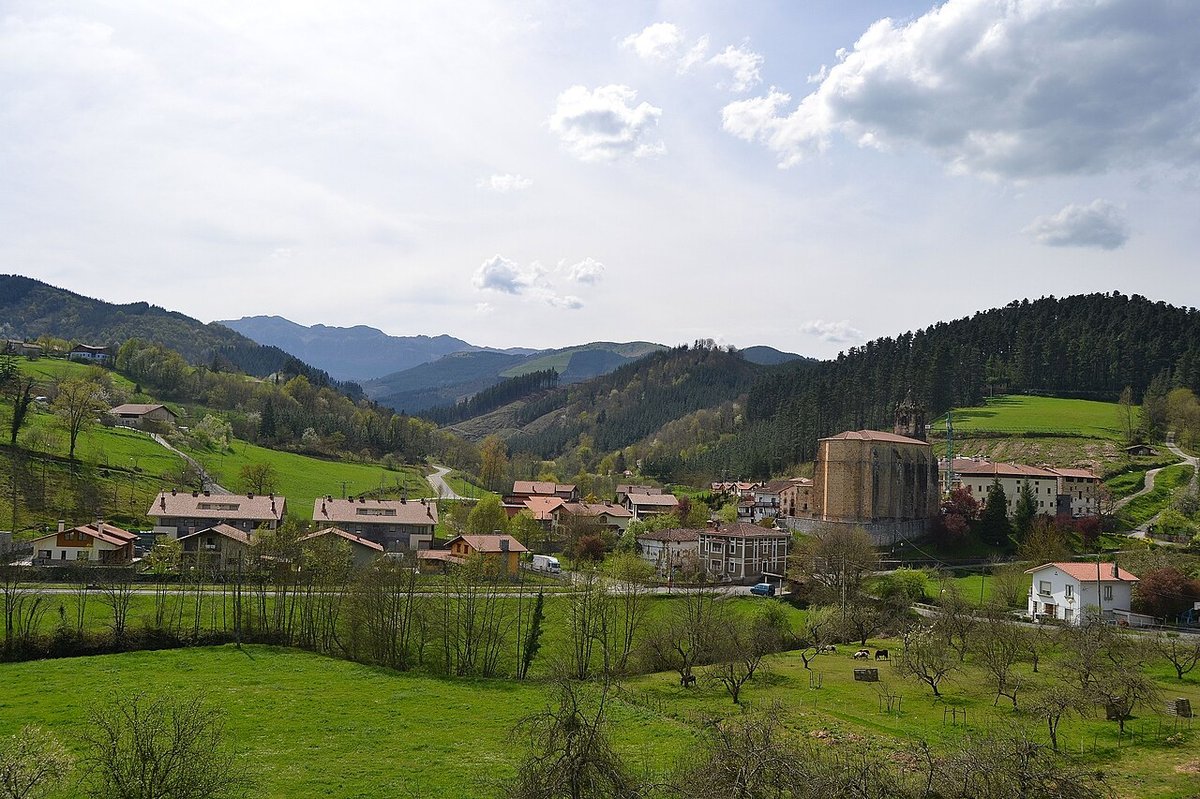
Gabiria se asienta en la pendiente que desciende desde el macizo de Aizkorri hacia el valle del Oria, en la comarca del Goierri. Su término municipal, con poco más de quinientos habitantes, mantiene la estructura de caseríos dispersos que caracteriza esta zona de Gipuzkoa. El paisaje no está dispuesto para el visitante. Prados, bosquetes y pistas rurales responden a un uso agrario que ha modelado estas lomas durante siglos.
Esa estructura explica también la forma del pueblo. Un núcleo reducido agrupa los edificios principales, pero la vida cotidiana se ha repartido históricamente entre barrios y caseríos aislados, separados por desniveles y caminos estrechos. Las distancias son cortas en el mapa, pero se perciben de otro modo sobre el terreno, donde cada agrupación ocupa su propio pliegue de la ladera.
La iglesia de San Martín
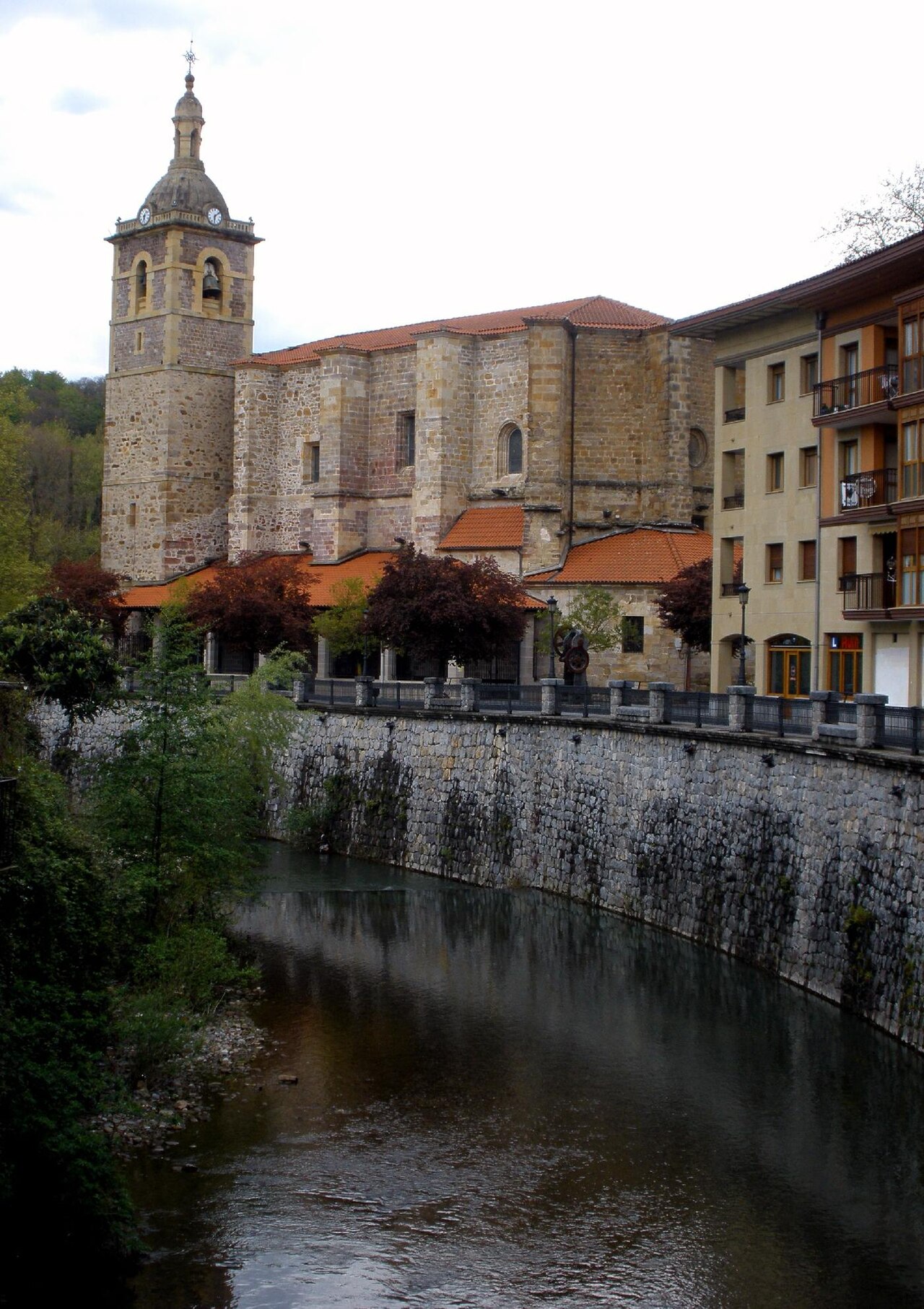
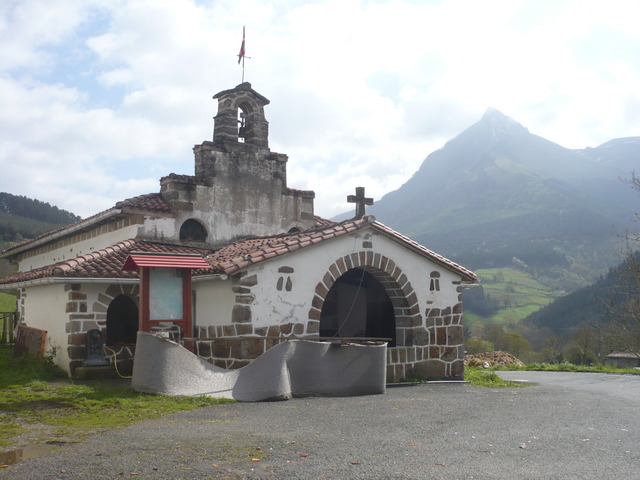
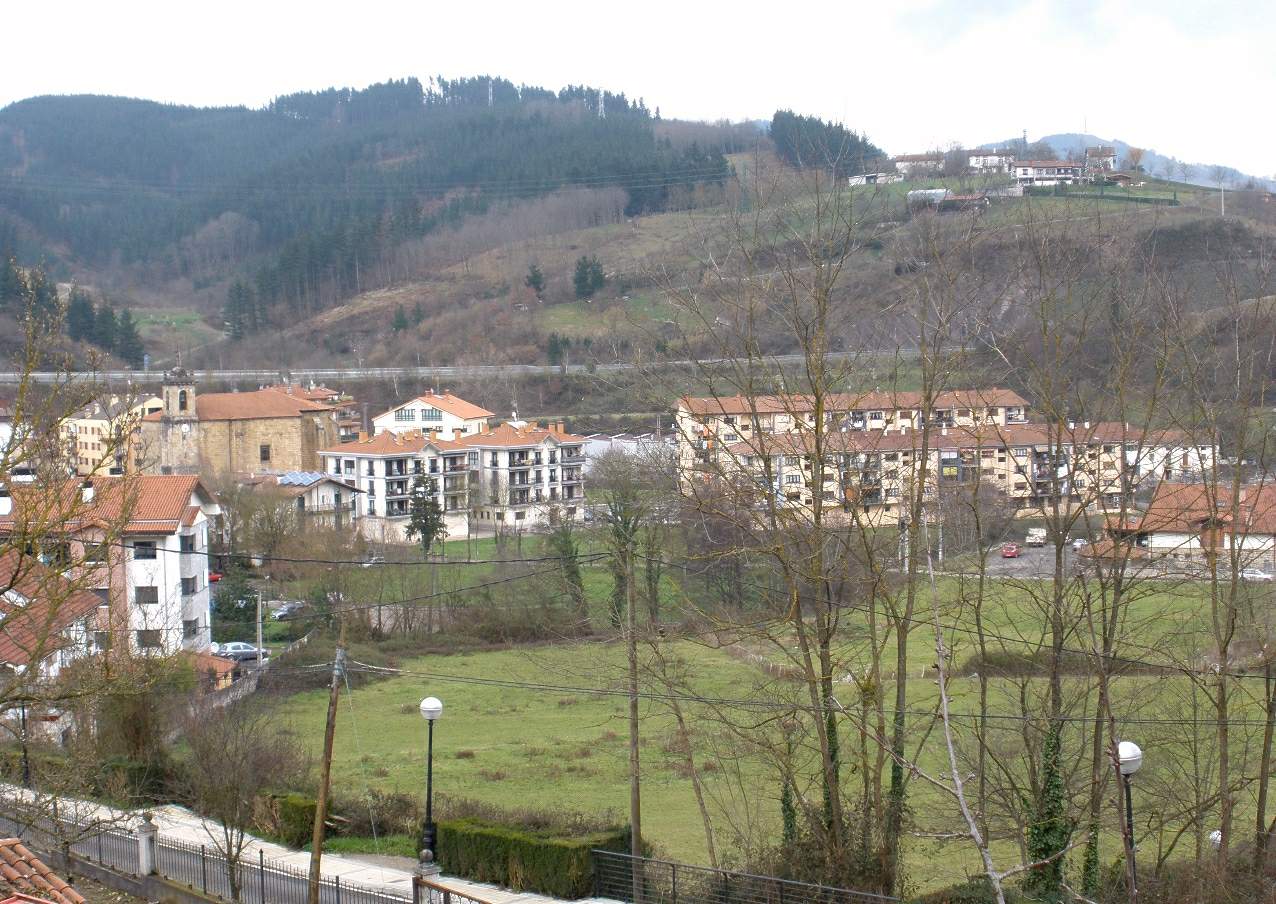
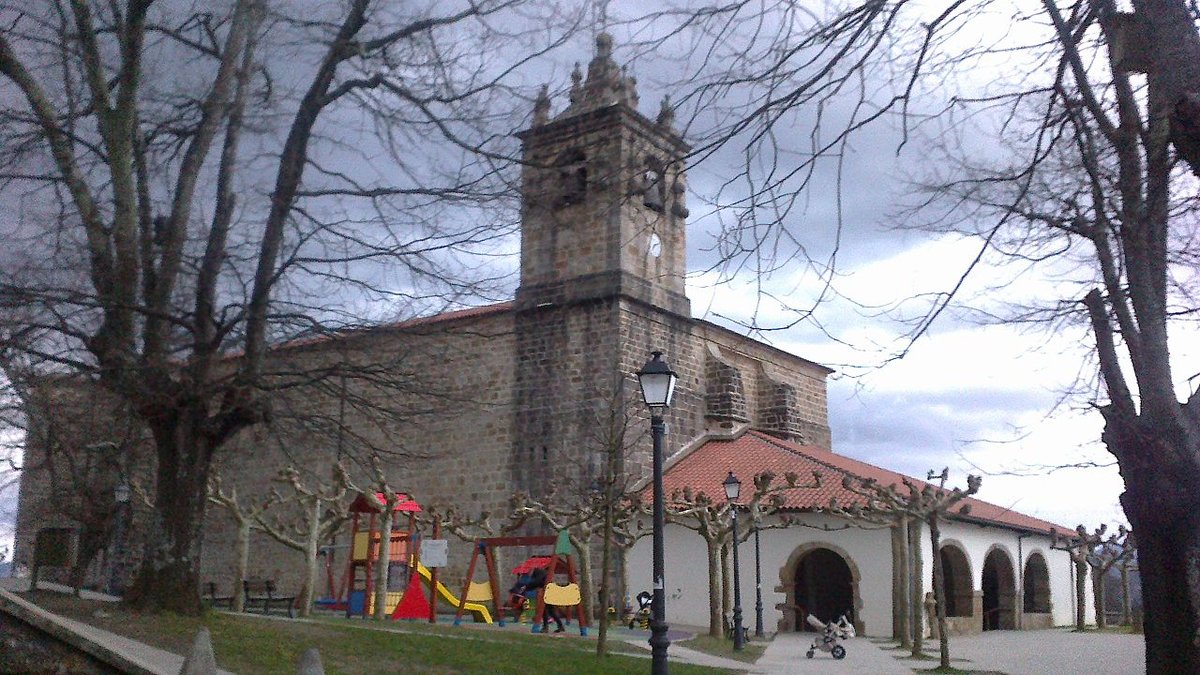
La parroquia de San Martín de Tours señala el centro de Gabiria. La fábrica actual data del siglo XVI y fue reformada en el XVIII, un cambio habitual en muchas parroquias guipuzcoanas que adaptaron sus interiores al gusto barroco. Su importancia reside tanto en su posición como en su arquitectura. Durante generaciones funcionó como punto de encuentro para vecinos que vivían lejos unos de otros, diseminados por las laderas.
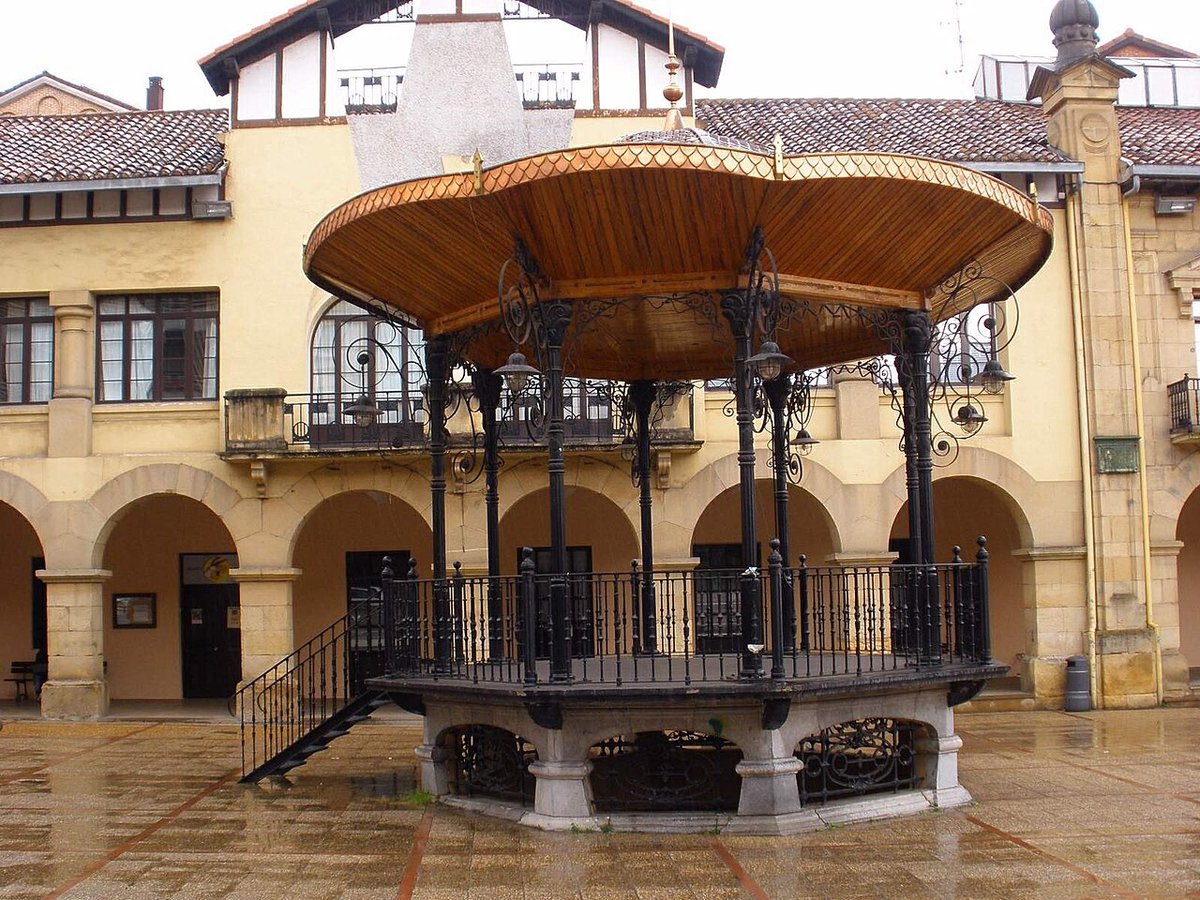
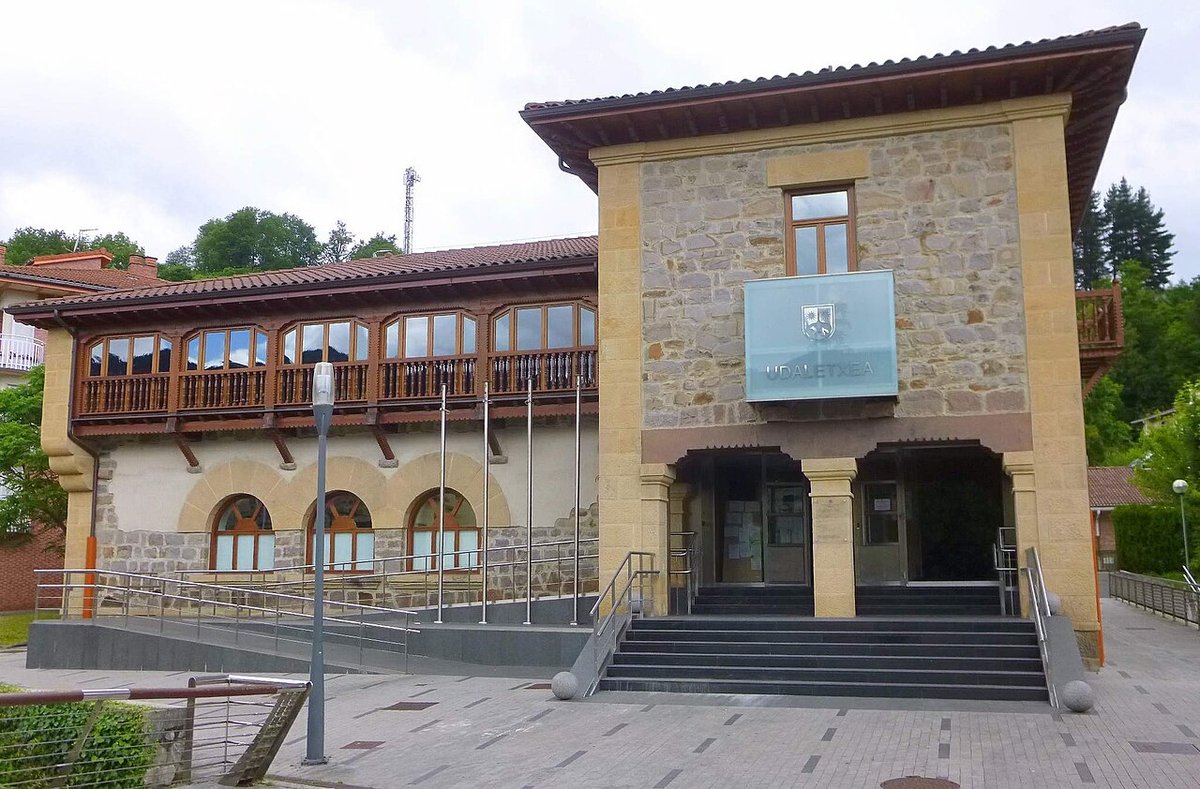
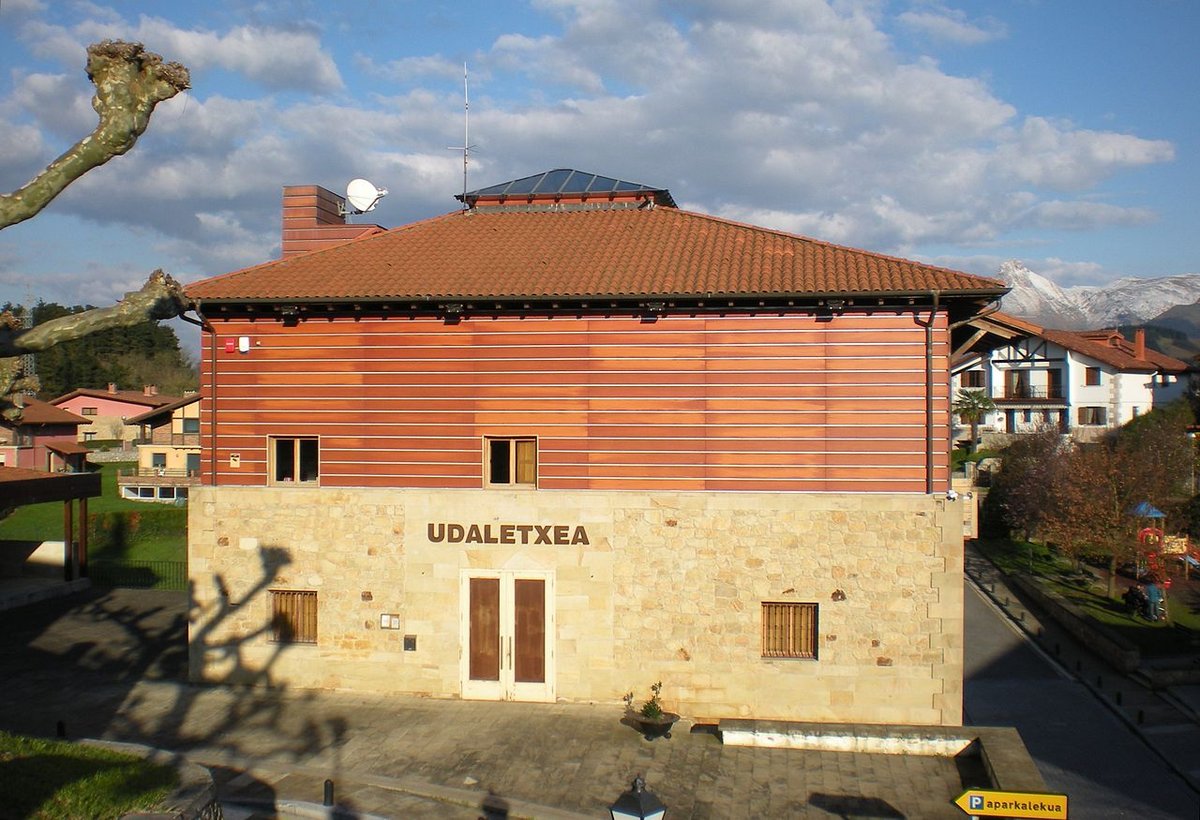
Junto a la iglesia se sitúan el frontón, la cancha tradicional para pelota vasca, y algunos edificios públicos. El frontón sigue formando parte de la vida diaria. Es fácil ver actividad en la plaza hacia final de la tarde, cuando partidas y partidos informales reúnen a la gente.
El paisaje del Goierri
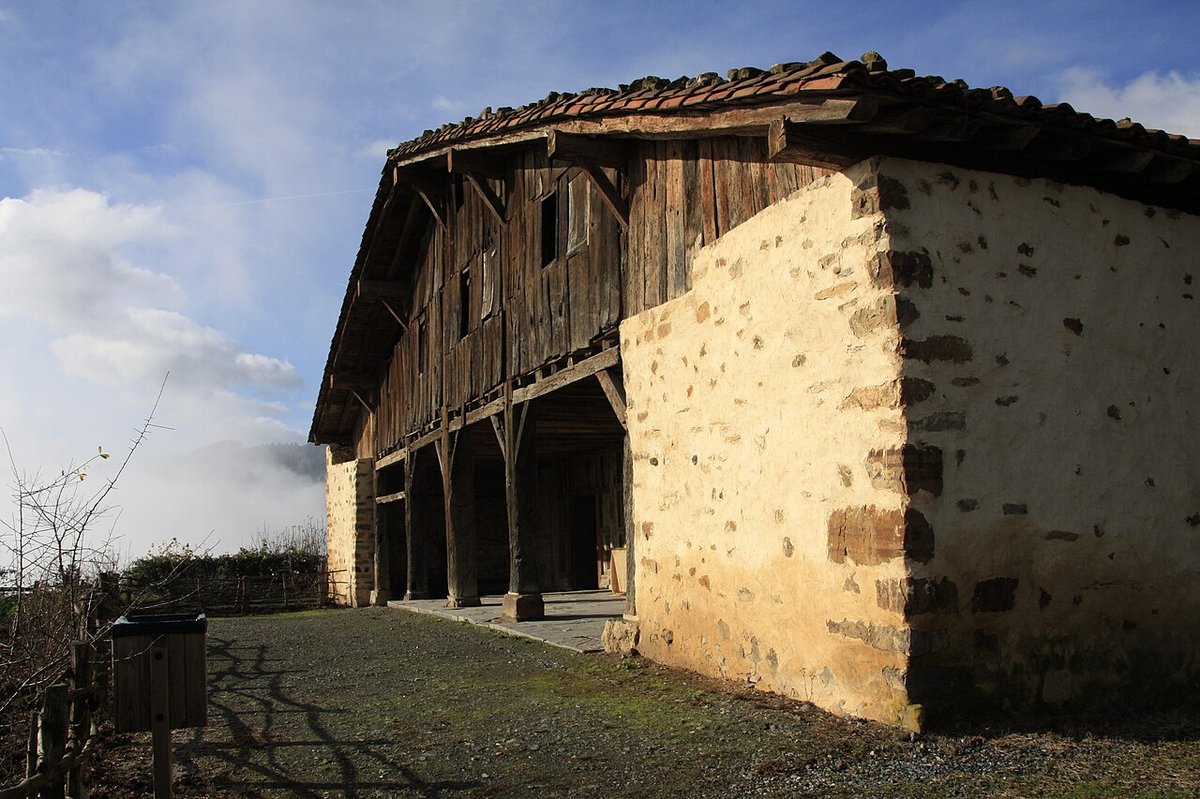
Los alrededores de Gabiria muestran el interior típico del Goierri. Los campos se dedican a la ganadería, las huertas pequeñas se pegan a las casas y los bosques cubren las zonas más escarpadas. Los caseríos aparecen uno a uno por la colina, unidos por carreterillas o pistas agrarias más que por una red de calles densa.
Los puntos altos a lo largo de estas vías permiten ver las colinas onduladas de la comarca. No hay miradores oficiales ni balcones señalizados. Un claro en una curva o un hueco entre los árboles descubre la sucesión de lomas verdes que define esta parte de Gipuzkoa. La niebla es frecuente y transforma por completo el escenario. Las distancias se acortan, los contornos se suavizan y el paisaje se vuelve más íntimo.
Por los caminos
Visitar Gabiria consiste sobre todo en recorrer sus pistas rurales. Muchos caminos conectan caseríos y barrios, por lo que se puede caminar sin depender necesariamente de rutas señalizadas. Los firmes varían. Algunos tramos son de tierra compactada, otros se embarran con facilidad tras la lluvia, algo habitual en la zona.
Las carreteras secundarias son también utilizadas por ciclistas. Conviene prestar atención, pues son vías estrechas por las que circulan tractores y vehículos agrarios como parte del trabajo diario. El ritmo de movimiento suele ser lento, y eso se ajusta al terreno, donde casi todos los recorridos suben o bajan en algún momento.
La vida local y las fiestas
La parroquia está dedicada a San Martín, cuya festividad se celebra alrededor del 11 de noviembre. Tradicionalmente ha sido un momento de reunión para los vecinos. La escala es local, acorde con las dimensiones del municipio.
En verano, las actividades suelen organizarse en torno a deportes rurales, partidos de pelota y comidas compartidas entre cuadrillas y vecinos. El programa concreto varía cada año, como ocurre en muchos pueblos pequeños. Lo que permanece es el vínculo entre estos actos y el tejido social del lugar.
Apuntes para una visita
Gabiria se ve rápido si uno se queda en el núcleo central, pero el interés está fuera. Un paseo breve, de media hora aproximadamente entre caseríos, basta para entender cómo se organiza el territorio y cómo se ha usado con el tiempo.
Las cuestas forman parte de la experiencia. En el Goierri, casi cualquier paseo implica algún ascenso o descenso. Un calzado que aguante terrenos irregulares resulta útil, sobre todo tras tiempo húmedo. Aparcar también requiere atención. Las pistas que parecen tranquilas suelen ser accesos a caseríos en activo y se usan a diario.
La primavera y el inicio del otoño son periodos habituales para caminar, cuando el paisaje está particularmente verde y las temperaturas permiten un ritmo pausado. En cualquier época, el carácter de Gabiria se aprecia mejor lejos de la plaza, por las carreterillas que unen los caseríos dispersos.