Full Article
about Gaintza (Gaínza)
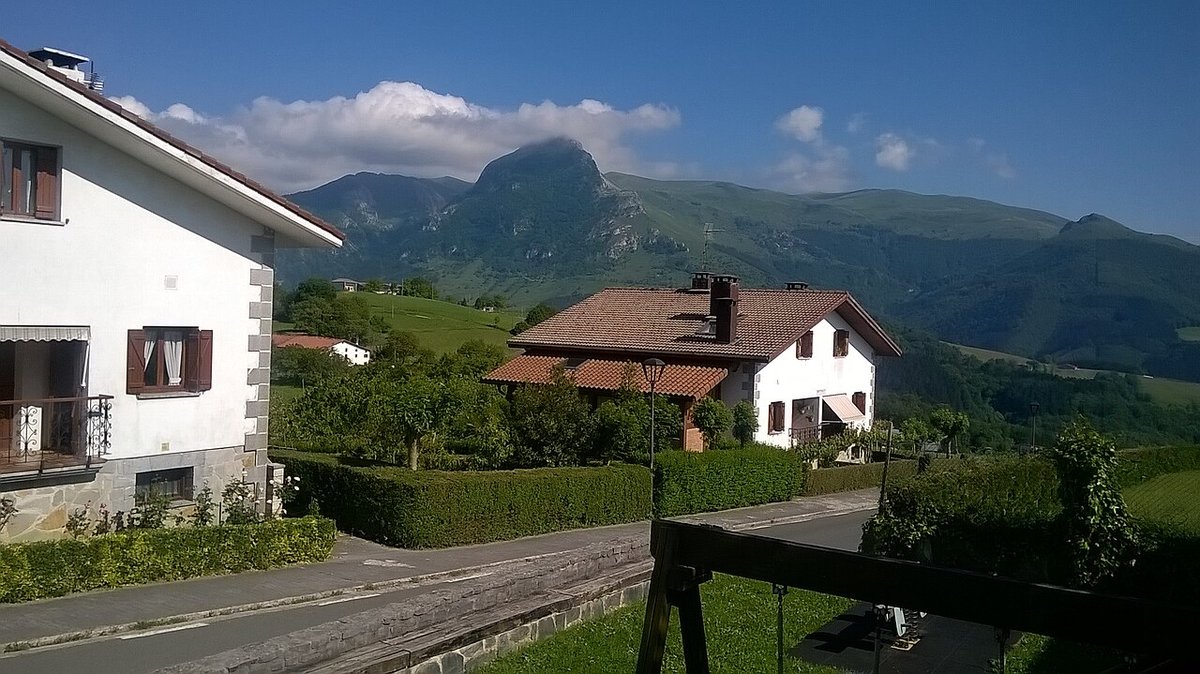
Deep green, farmhouses and nearby mountains with trails and viewpoints.
Hide article Read full article
Gaintza, la lógica de la ladera
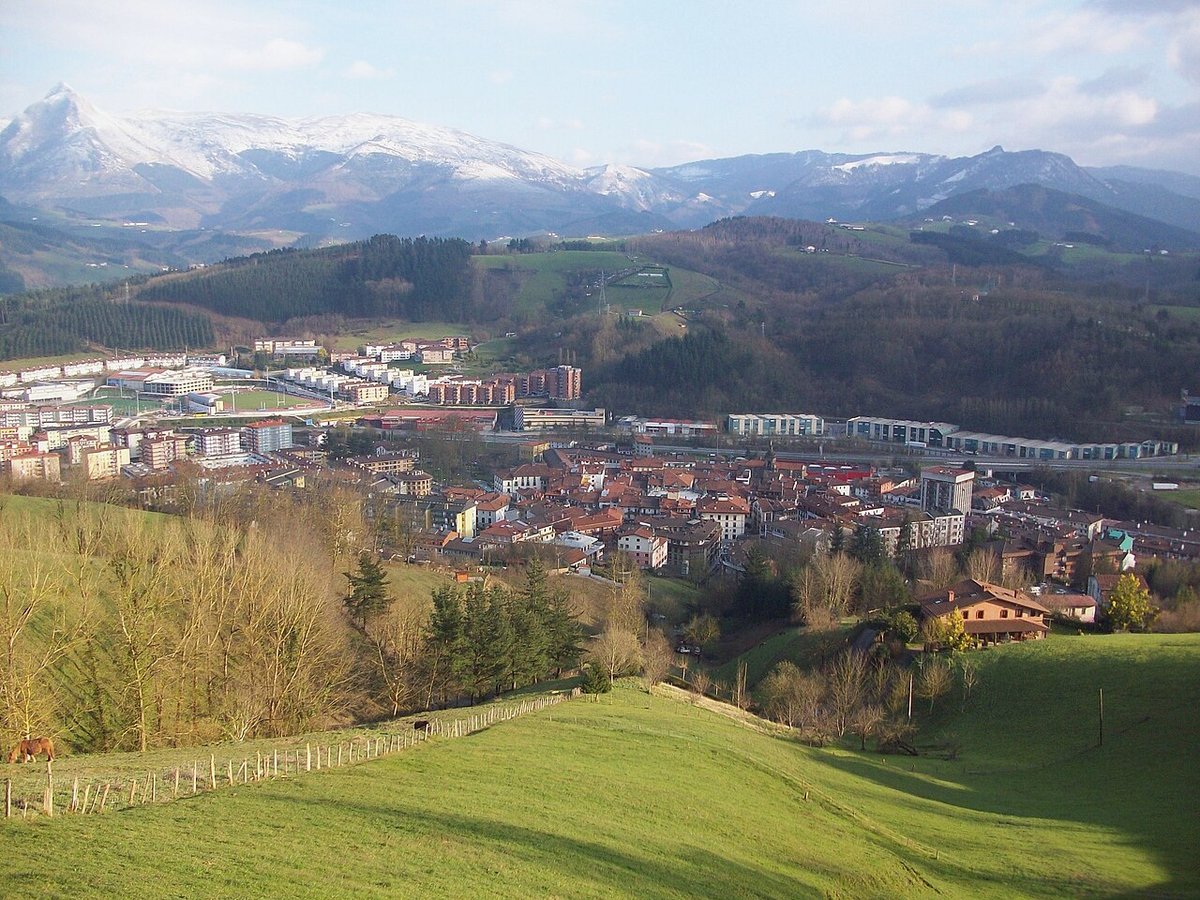
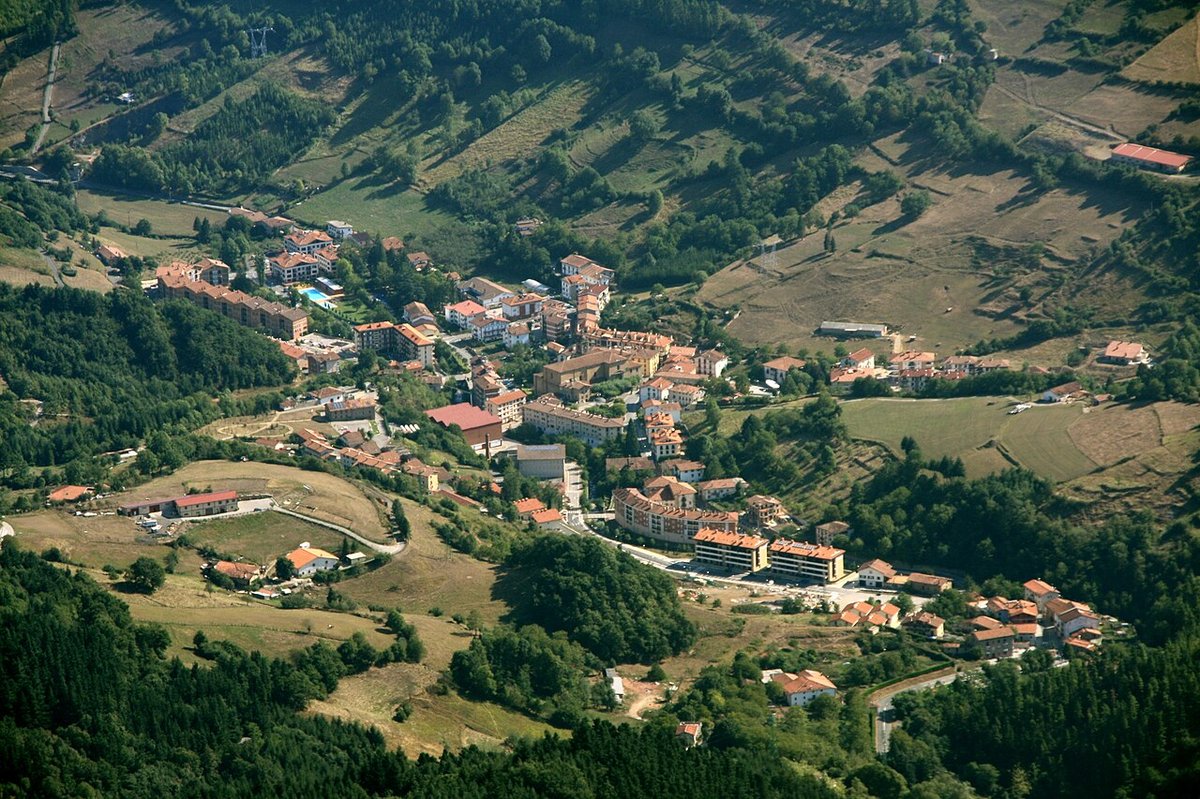
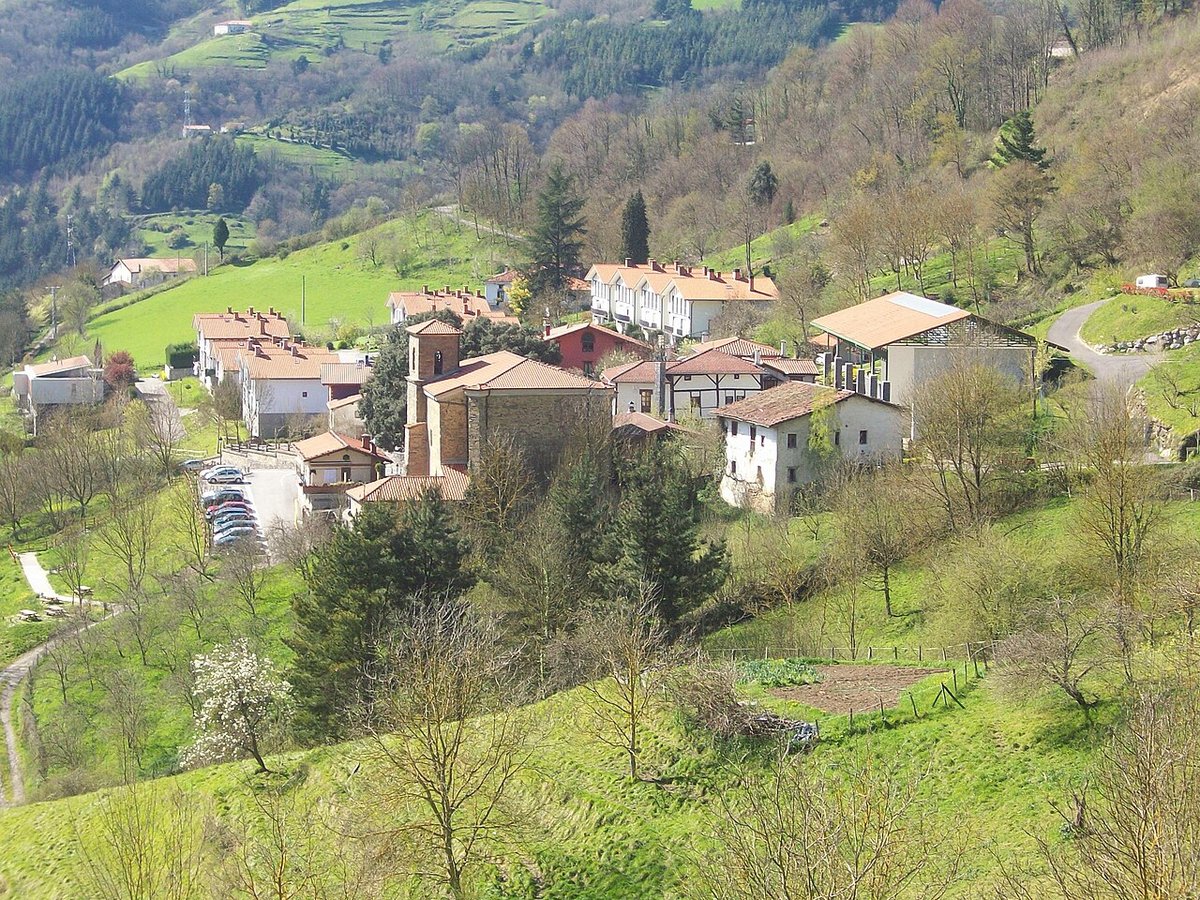
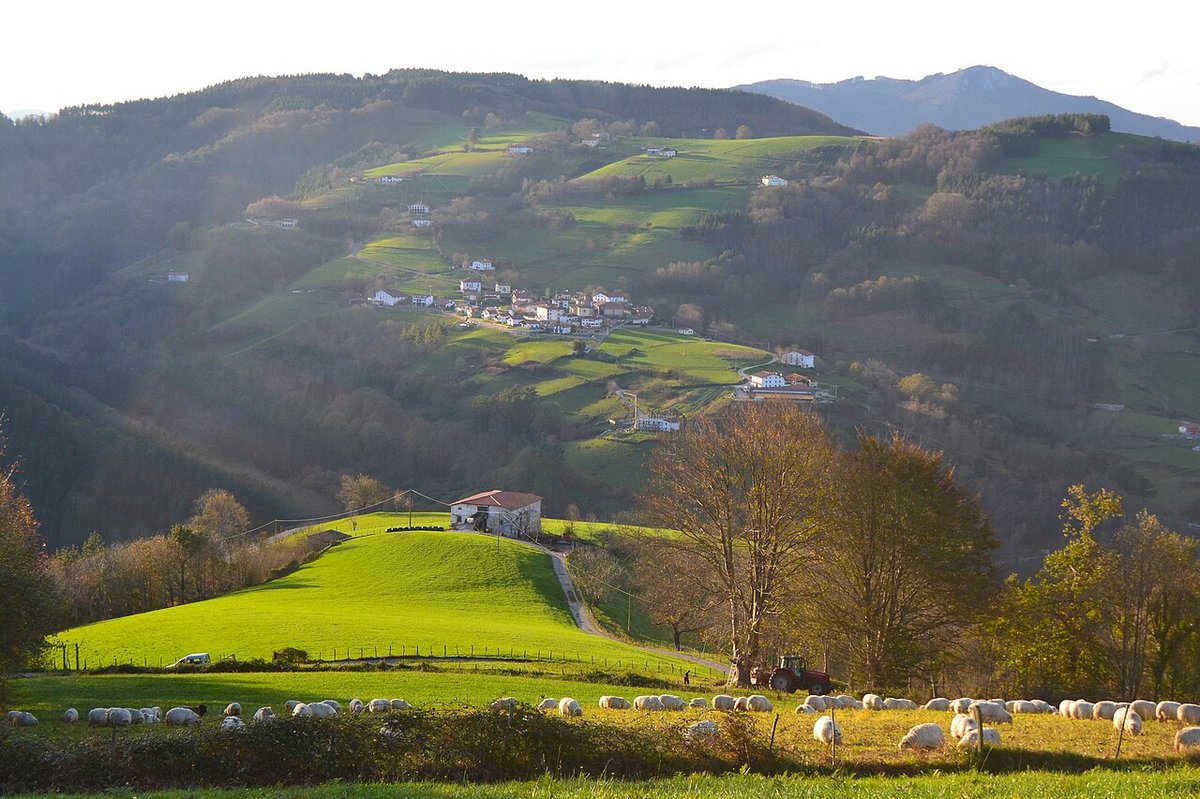
Gaintza es un municipio de poco más de cien habitantes en la comarca guipuzcoana del Goierri. Su ubicación, en la ladera orientada al sur sobre el valle del Oria, no es casual. Responde a un patrón histórico de asentamiento disperso, donde cada caserío se emplazaba para optimizar el trabajo agrícola y ganadero. Las referencias documentales más antiguas suelen vincularlo a las villas medievales del valle, como Segura, de cuya jurisdicción dependía. La vida aquí se organizó, desde al menos el siglo XVI, en torno a estas explotaciones familiares autosuficientes, un modelo que aún define su paisaje.
Un pueblo sin plaza
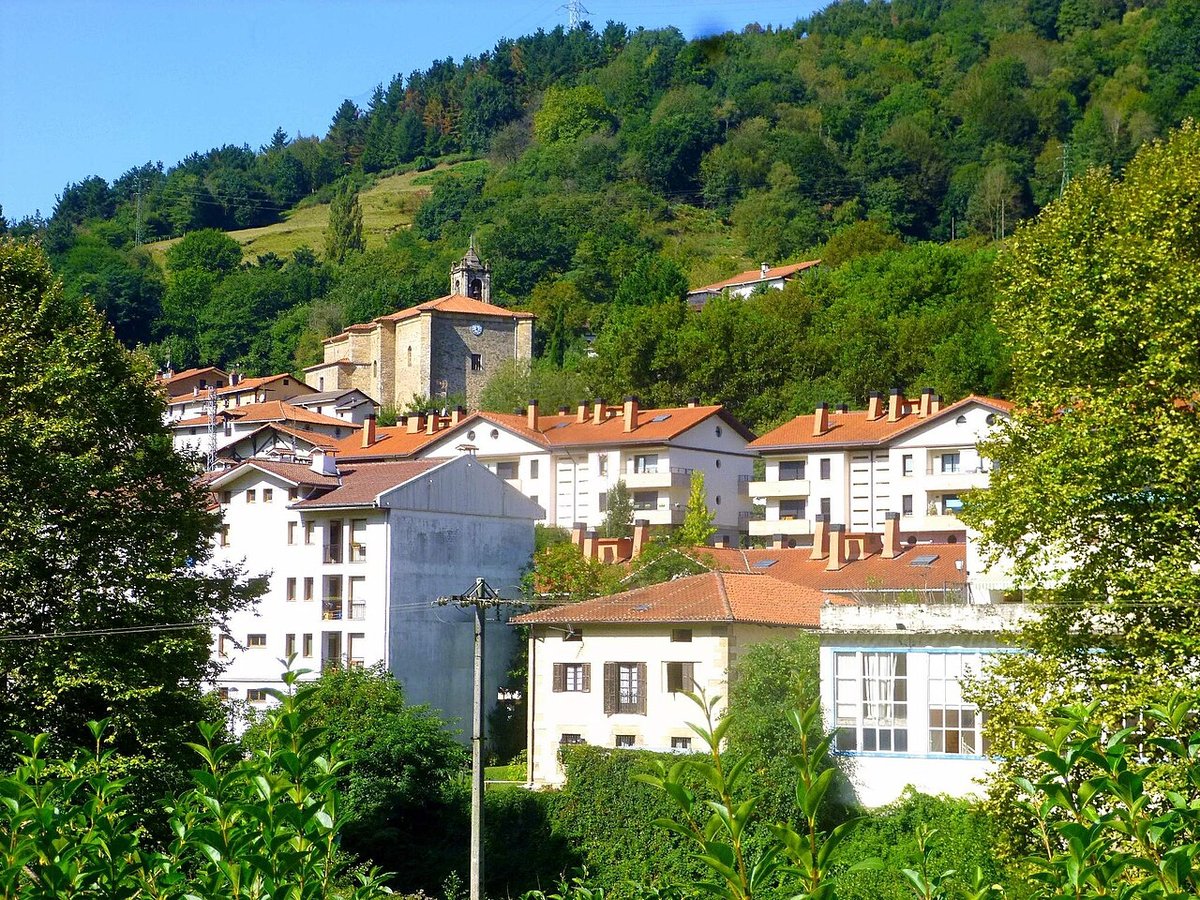
No hay un núcleo compacto. Gaintza se extiende por la pendiente en pequeños grupos de caseríos y viviendas, separados por prados cercados, huertas y caminos de servicio. El movimiento se produce por pistas de tierra y callejas estrechas, no por una plaza mayor. Esta disposición dispersa hace que el ritmo sea distinto al de un pueblo concentrado; cada casa mantiene una relación directa con la tierra que la rodea.
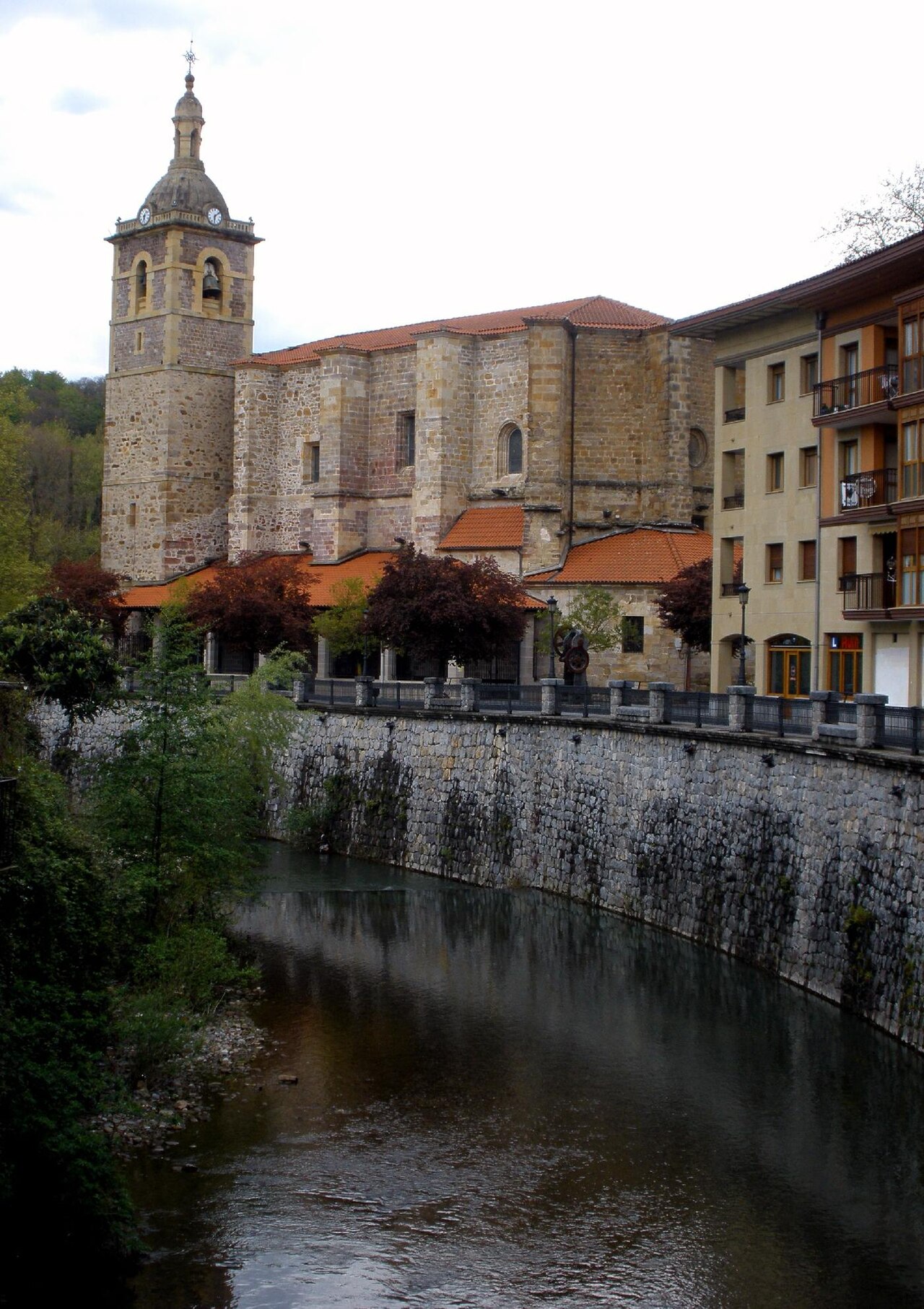
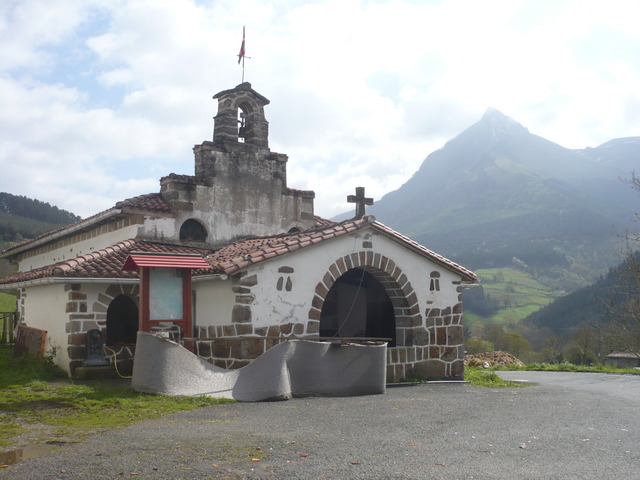
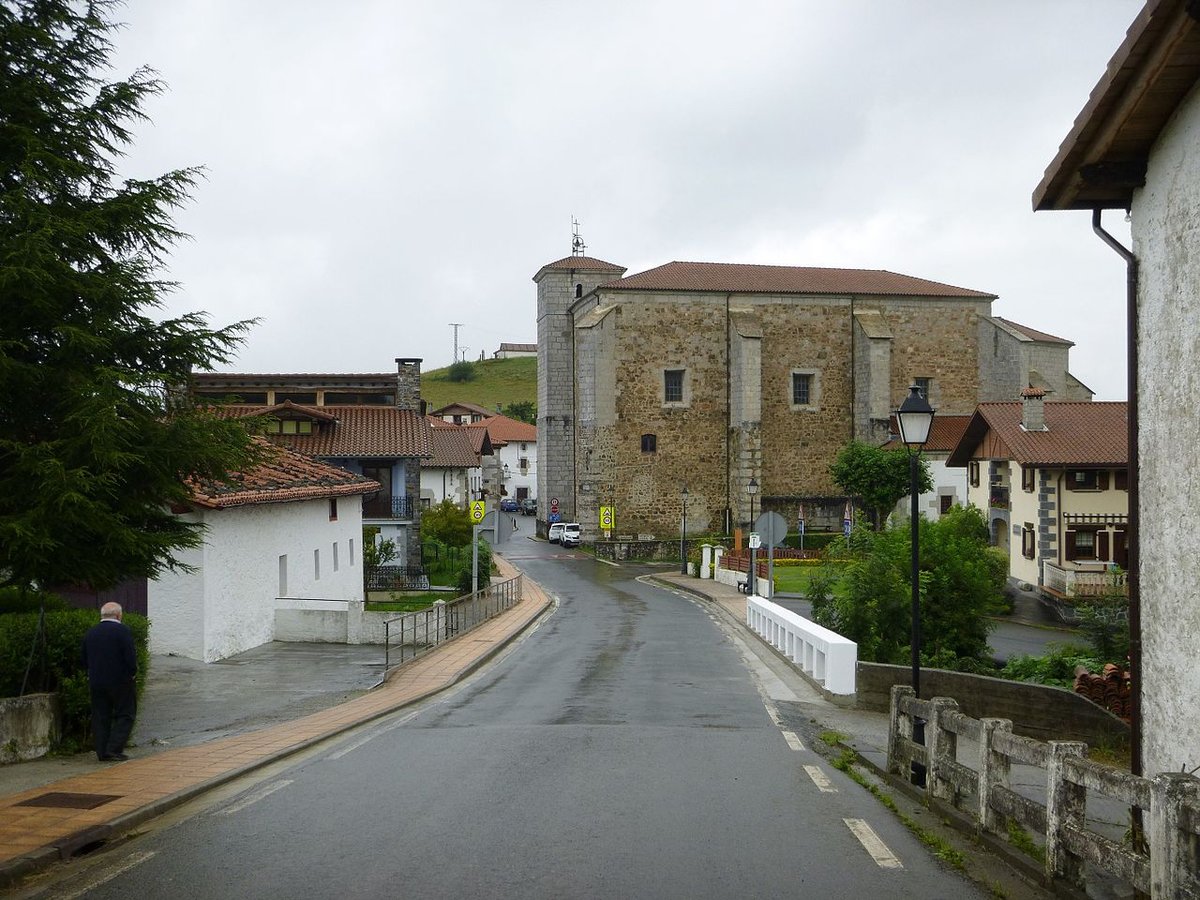
La iglesia parroquial de San Juan se levanta en una posición relativamente central dentro de este esquema. Es un edificio de piedra sobrio, con espadaña a los pies. En una comunidad de este tamaño, la parroquia cumplía una función social que iba más allá de lo religioso, actuando como punto de encuentro y referencia en un territorio fragmentado.
Los caminos como explicación
La red de pistas y senderos que atraviesa el término municipal es la clave para entender la relación entre las casas y el terreno. No son rutas creadas para el paseo, sino vías de trabajo que conectaban prados, bosques y caseríos. Enlazarlas permite recorridos tranquilos de una hora aproximadamente, con una pendiente constante propia de esta vertiente del Goierri.
A medida que se gana altura, algunos tramos abren la vista hacia el valle del Oria y las sierras circundantes. El paisaje mezcla pastos, manchas de bosque atlántico y pequeña ganadería. Es frecuente oír el sonido de los cencerros, sobre todo a primera hora de la mañana o al atardecer. Desde los puntos más altos se lee con claridad la estructura: los caseríos encajados en la ladera y los caminos que los unen.
Cuestiones prácticas para caminar
El terreno permanece húmedo durante buena parte del año. Tras varios días de lluvia, los caminos de tierra acumulan barro y algunas cuestas se vuelven resbaladizas. Un calzado con suela adherente resulta casi imprescindible.
El espacio para aparcar dentro del área habitada es limitado. Cuando no hay sitio, suele ser más sensato dejar el coche antes de entrar al pueblo y continuar a pie. Las calles son angostas y forman parte de un entorno pensado para el uso local, no para el tráfico.
Goierri en pequeño formato
Recorrer Gaintza no lleva mucho tiempo si uno se ciñe a su entorno inmediato. El interés no está en cubrir distancia, sino en observar cómo se organiza a pequeña escala el paisaje rural del Goierri. Cada elemento, desde la colocación de los caseríos hasta la dirección de los caminos, remite a una forma de estructurar la vida en el valle que se consolidó hace siglos.
Estos caminos no terminan en el límite municipal. Se prolongan hacia otros asentamientos, formando parte de una red histórica de comunicación que vinculaba caseríos, ferrerías y mercados comarcales. En Gaintza, esa estructura se mantiene especialmente legible. El pasado no se exhibe como una capa separada o una atracción, sino que se percibe en el uso continuado del espacio, en la persistencia de la tierra trabajada y en la disposición de las construcciones sobre la ladera. Entender este pueblo consiste en seguir esas relaciones sobre el terreno.